
LEAD ANALYST
Utkarsh Khirodkar is a Lead Market Research Analyst at MetaStat Insight, specializing in market intelligence, technology sector assessments, and competitive strategy.

Global Pet Snacks and Treats Market Size, Share, By Product Type (Eatable and Chewable), By Pet Type (Dogs and Cats), By Ingredient (Animal Protein-Based, Plant-Based, Mixed Protein Formulations, Grain-Free, Limited Ingredient Formulations, Organic Ingredients, Novel Protein Treats and Others), By Distribution Channel (Pet Specialty Stores, Veterinary Clinics & Hospitals, E-commerce, Supermarkets & Hypermarkets, Convenience & Grocery Stores, Farm & Feed Stores and Others), Industry Analysis, Growth, Trends, and Forecast, 2026-2033
Report ID
MSI-4870
Published
August, 2026
Pages
274 Pages
Format
Historical
Base year
Forecast
Forecast period
Report Details
Choose Your License
Global Pet Snacks and Treats Market
The global Pet Snacks and Treats market was valued at USD 38.5 billion in 2025 and is projected to reach USD 90 billion by 2033, growing at a CAGR of 11.2% over the forecast period.
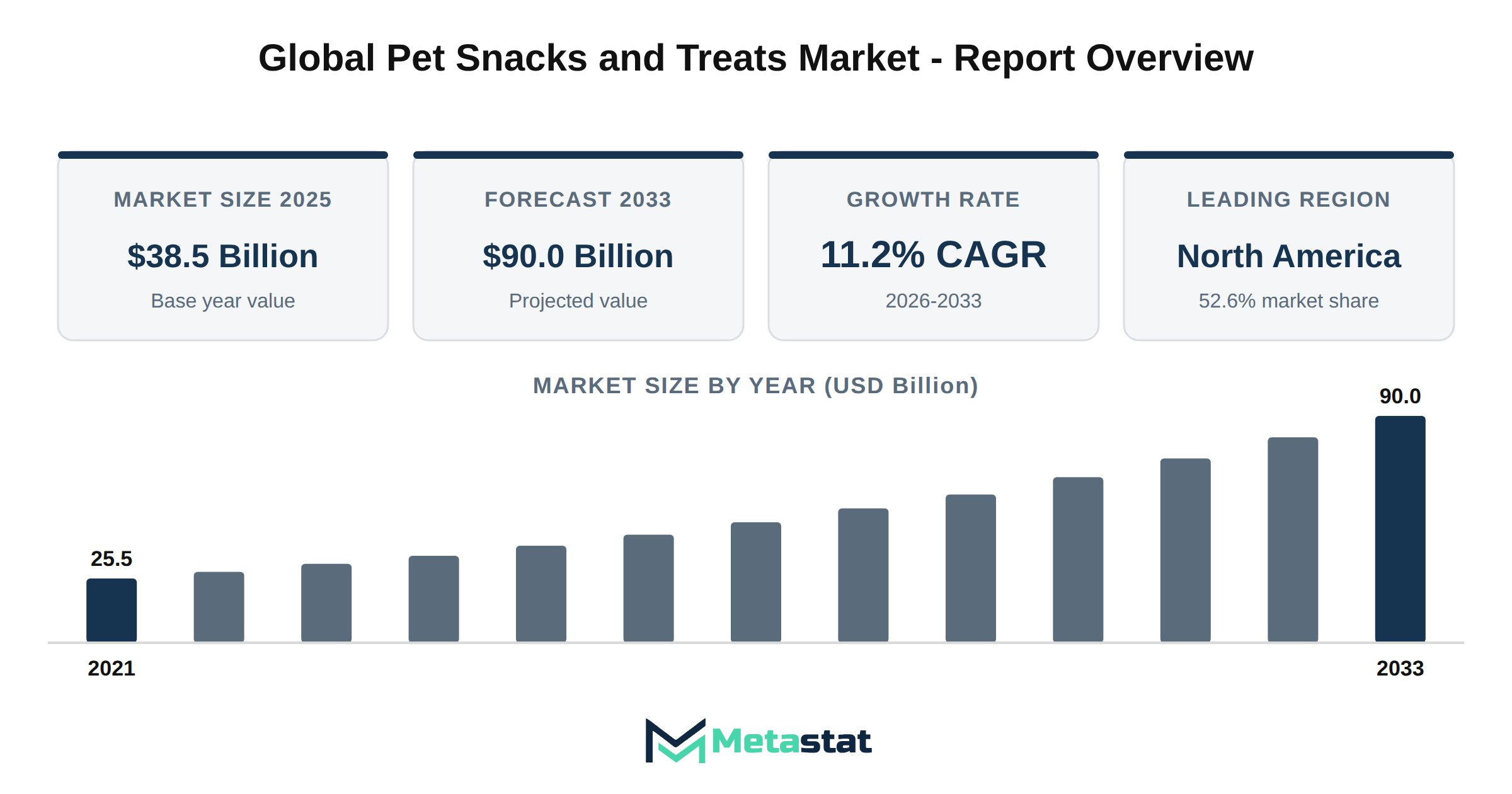
The Pet Snacks and Treats market is positioned for significant growth, projected to reach USD 90 billion by 2033, expanding from a base value of USD 38.5 billion in 2025. This growth trajectory reflects a compound annual growth rate (CAGR) of 11.2% during the forecast period from 2026 to 2033. Historical data shows the market valued at USD 25.5 billion in 2021, increasing steadily year-on-year to USD 34.5 billion in 2024.
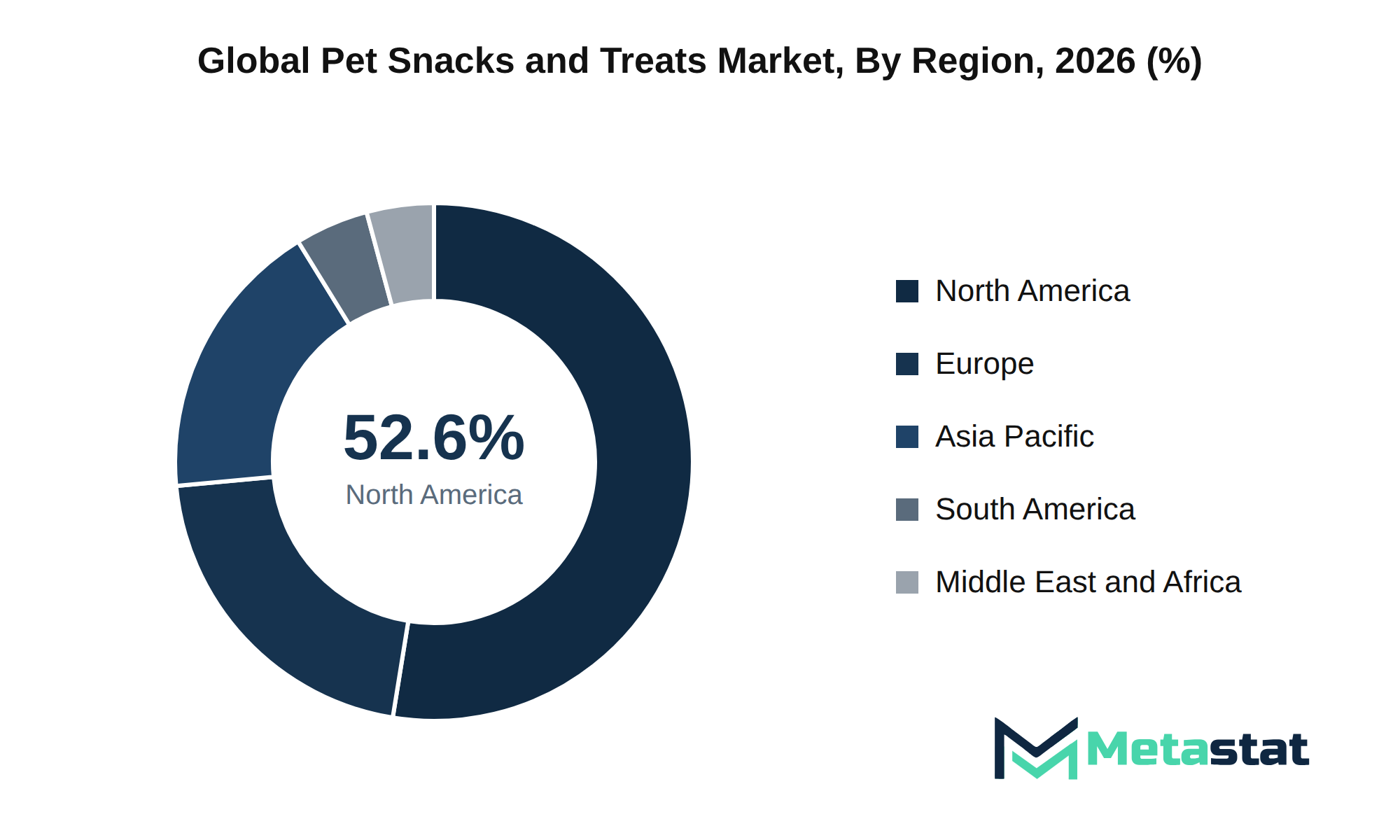
North America dominates the market with a regional share of 52.6%, followed by Europe at 21%, and Asia Pacific at 17.7%. The North American segment is projected to reach USD 43 billion by 2033, maintaining a CAGR of 11.2%. Growth in various regions is driven by increasing pet ownership and a growing focus on pet health and nutrition.
The market segmentation highlights two primary product types: Eatable and Chewable snacks. Eatable products are anticipated to grow from USD 29.2 billion in 2026 to USD 59.6 billion by 2033, reflecting a CAGR of 10.7%. Chewable products are projected to reach USD 30.4 billion by 2033, with a CAGR of 12% during the same period. This differentiation illustrates the evolving preferences of pet owners seeking high-quality, health-oriented options for their pets.
Key participants in the Pet Snacks and Treats market include Mars, Nestlé Purina, and Hill's Pet Nutrition, among others. These companies engage in continuous innovation and strategic partnerships to enhance product offerings, contributing to the market's robust expansion.
The Pet Snacks and Treats market operates within a dynamic framework influenced by various factors including regulatory compliance, supply chain complexities, and evolving consumer preferences. Regulatory compliance remains crucial, with standards impacting product development and market entry strategies. Companies navigate a framework shaped by stringent regulations that ensure product safety and quality, affecting operational costs and market accessibility.
Market fragmentation presents challenges and opportunities for growth, with numerous players competing across different segments. The competitive environment features both established brands and emerging entrants, driving innovation and diverse product offerings. Mergers and acquisitions within the market contribute to consolidation trends, shaping competitive dynamics and influencing market share distribution.
Investment in research and development is vital for companies aiming to introduce next-generation products that align with consumer demands for health, sustainability, and ethical sourcing. Trends in decarbonization and circular economy dynamics reflect a growing emphasis on environmentally friendly practices, influencing both production methods and consumer purchasing behavior.
Macroeconomic headwinds, including inflationary pressures and currency volatility, impact operational costs and pricing strategies. These economic factors require companies to adapt quickly to maintain profitability and market position. The evolving landscape of logistics architecture and sourcing dynamics emphasizes the importance of efficient supply chain management in meeting consumer expectations for timely and quality products.
Overall, the Pet Snacks and Treats market is projected to experience growth, driven by a combination of consumer trends, regulatory frameworks, and strategic investments. Companies focus on capital allocation to enhance production capabilities and expand distribution networks, positioning themselves for success in a competitive environment.
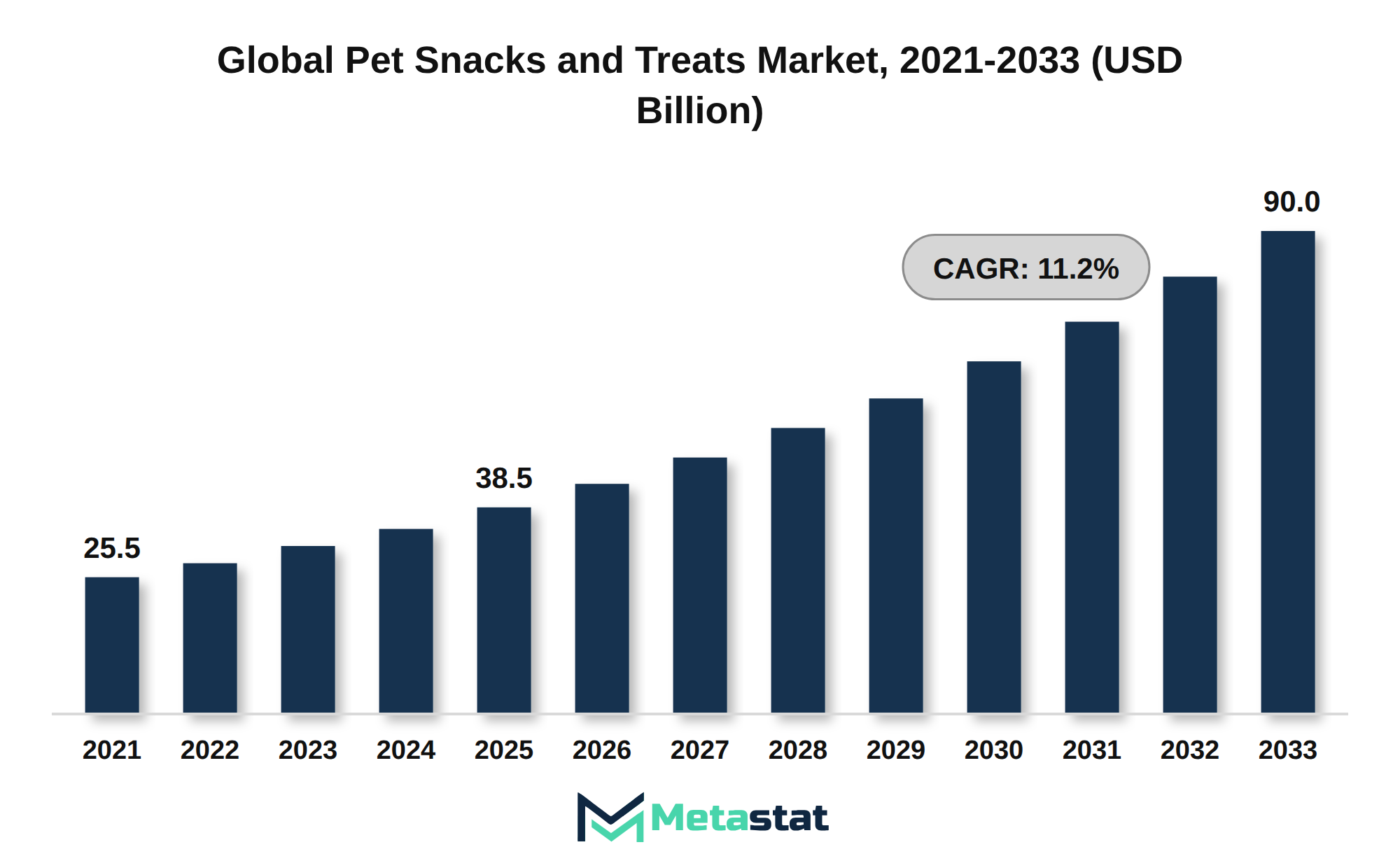
Growth in the Pet Snacks and Treats market is significantly influenced by macro-economic factors, including GDP growth and consumer spending patterns. Rising disposable incomes encourage pet owners to invest more in premium products, reflecting a shift towards quality over quantity in pet care. This trend stems from changing consumer behaviors, where pet ownership increasingly is viewed because an integral part of family life.
Investment environments, characterized by low interest rates and accessible venture funding, enhance innovation in product development. Companies in the market leverage this capital to introduce new, differentiated products that meet evolving consumer preferences. The focus on diverse ingredients and tailored nutrition reflects a broader strategy to capture market share in a competitive environment.
Urbanization contributes to the market’s expansion, driven by city dwellers seeking convenient options for pet care, including online purchases and specialty stores. This demographic shift aligns with a growing demand for pet snacks that cater to active lifestyles. Retail channels adapt by enhancing their offerings and improving accessibility, which drives sales growth.
The combination of these economic and demographic trends positions the Pet Snacks and Treats market for robust expansion. Projections indicate an increase in market value from USD 38.5 billion in 2025 to USD 90 billion by 2033, with a compound annual growth rate of 11.2%. This growth trajectory reflects a sustained commitment to investment, innovation, and a focus on consumer-centered product offerings.
In the Pet Snacks and Treats market, evolving consumer preferences significantly influence purchasing patterns. An increasing focus on pet health and wellness motivates pet owners to seek high-quality and nutritious options. This trend arises from a growing awareness of the dietary needs of pets, particularly among aging populations who prioritize premium products for their companions. The shift towards premiumization drives demand for innovative pet snacks that contain organic, natural, and ethically sourced ingredients.
This heightened demand for premium products encourages manufacturers to invest in research and development, ultimately enhancing product offerings. Digital transformation facilitates more effective marketing strategies, allowing brands to connect with consumers through personalized messaging and targeted campaigns. Enhanced online presence and engagement strategies increase visibility in an increasingly competitive environment, enabling brands to capture market share.
While consumer behavior evolves, the market experiences a notable increase in the demand for specialized treats catering to specific dietary needs, including grain-free or limited ingredient options. This diversification of products supports growth in the Pet Snacks and Treats market, with established and new players alike exploring innovative formulations. Companies that align their offerings with these changing consumer preferences are positioned for success in the expanding market.
Regulatory pressures significantly affect the Pet Snacks and Treats market. Compliance with stringent regulations regarding ingredient safety, labeling, and production practices increases operational complexities for manufacturers. These compliance hurdles often require substantial investments in technology and processes, straining the financial resources of smaller players in the market.
Macroeconomic headwinds including inflationary pressures and rising operating costs further challenge the market. Elevated costs of raw materials and labor contribute to profit margin erosion, compelling manufacturers to reconsider pricing strategies. These conditions lead to hesitance among potential new entrants, ultimately reducing competition and limiting innovation potential.
Geopolitical instability disrupts supply chains, impacting the availability of key ingredients and packaging materials. Manufacturers face delays and increased costs stemming from sourcing challenges, hindering the market’s ability to meet consumer demand efficiently. Supply chain disruptions create uncertainty, prompting firms to adopt conservative growth strategies.
Technological obsolescence presents another restraint in the market. Rapid advancements in food technology necessitate ongoing investment in new production capabilities. Companies unable to keep pace with these innovations risk falling behind, affecting their market share and overall competitiveness.
Market fragmentation complicates distribution and marketing efforts. Various channels including pet specialty stores, supermarkets, and e-commerce platforms create challenges in reaching target consumers effectively. Cultural barriers in different regions impact consumer acceptance and preferences for pet snacks and treats, further constraining growth potential.
Overall, the combination of regulatory pressures, economic challenges, and technological advancements creates a complex environment for the Pet Snacks and Treats market. Navigating these restraints requires strategic planning and adaptability from market participants to sustain growth in evolving conditions.
Geopolitical fragmentation presents significant challenges for the Pet Snacks and Treats market by inducing trade deficits and tariff friction. Rising tensions between nations complicate international trade agreements, leading to increased costs for raw materials and finished products. Suppliers face challenges in securing consistent feedstock, creating volatility in ingredient prices that directly impacts production costs.
Technological disruptions further complicate the situation, driven by firms investing in advanced production methods while managing interoperability issues across diverse supply chains. Companies navigate complexities in research and development integrations to remain competitive, which leads to increased operational overheads. These factors collectively raise compliance burdens and legal liabilities, placing additional strain on profitability.
Market saturation and evolving downstream demands contribute to pricing compression, forcing manufacturers to explore cost-cutting measures. This situation exacerbates margin pressures, compelling firms to optimize their input cost structures while striving to maintain quality. The combination of these elements creates a challenging environment for growth in the Pet Snacks and Treats market, requiring strategic adjustments to navigate a rapidly changing situation.
Infrastructure gaps and retrofitting barriers further hinder progress, delaying the implementation of essential upgrades and technology enhancements. The skills gap within the workforce limits these challenges, restricting firms’ ability to adapt to emerging trends in sustainability and consumer preferences. Consequently, companies in the Pet Snacks and Treats market face heightened competition, necessitating innovative approaches to meet the demands of a dynamic marketplace.
The Pet Snacks and Treats market experiences significant opportunities driven by evolving regional demands and technological innovations. Increasing awareness of pet health and nutrition fuels the demand for premium and specialized products across various pet types, particularly in North America, which holds a market share of 52.6 percent. This trend encourages companies to diversify their offerings with innovative ingredients and formulations, catering to the growing preferences of health-conscious pet owners.
Infrastructure modernization plays a critical role in supporting market growth. Enhanced distribution channels, particularly e-commerce platforms, enable greater accessibility to a wider range of pet snacks and treats. The expansion of digital procurement shifts consumer buying behaviors, where convenience and online availability become primary factors influencing purchasing decisions. Companies adapting to these changes capture untapped customer segments, ultimately driving revenue growth.
Next-generation innovations, including eco-friendly product formulations and sustainable packaging solutions, align with the increasing demand for environmentally responsible choices. The market's strategic consolidation efforts reflect a focus on integrating sustainability imperatives into product development, appealing to a growing base of environmentally conscious consumers. This alignment with sustainability attracts new customers and enhances brand loyalty, supporting long-term growth prospects.
Geographical expansion into emerging markets further increases the opportunities within the Pet Snacks and Treats market. Regions including Asia Pacific exhibit substantial potential due to rising disposable incomes and a growing pet ownership trend. By establishing a presence in these markets, companies diversify their revenue streams and strengthen their competitive positions.
Finally, product integration and niche application growth provide avenues for differentiation. Companies that introduce innovative product lines, including specialized treats for different life stages or dietary needs, appeal to specific consumer preferences. This targeted approach allows businesses to capture market share while addressing diverse consumer demands, positioning them favorably for sustained growth.
The Global Pet Snacks and Treats market is segmented based on Product Type, Pet Type, Ingredient, and Distribution Channel.
Eatable snacks within the Pet Snacks and Treats market demonstrate robust financial growth, valued at USD 29.2 billion in 2026 and projected to reach USD 59.6 billion by 2033, reflecting a CAGR of 10.7% during this forecast period. This significant expansion is driven by increasing consumer awareness regarding pet nutrition and health, prompting pet owners to prioritize high-quality, nutritious snacks for their pets.
The rise in pet ownership across various demographics fuels demand for diverse and health-oriented products, particularly within the eatable segment. Factors including premiumization, with consumers seeking gourmet and organic ingredients, further enhance market attractiveness. The tendency to treat pets like family members results in increased spending on premium pet products, creating a favorable environment for the growth of the eatable segment.
Technological advancements in product formulation and ingredient sourcing contribute to the segment's expansion. Innovations in flavor profiles and nutritional enhancements cater to evolving consumer preferences, driving adoption among pet owners. The presence of established companies, including Mars and Nestlé Purina, strengthens the market landscape, providing consumers with a variety of options while ensuring quality and safety standards are met.
Regulatory compliance standards and certifications play a crucial role in shaping the eatable segment. Companies invest in meeting stringent regulations to ensure product quality and safety. This commitment to compliance builds consumer trust, encouraging repeat purchases and brand loyalty.
Overall, the eatable segment within the Pet Snacks and Treats market presents a dynamic opportunity, characterized by strong growth potential driven by consumer trends, technological advancements, and regulatory frameworks. The expected growth trajectory positions this segment because a significant contributor to the overall market's expansion into the future.
Strong demand for chewable pet snacks and treats stems from their dual functionality of providing entertainment and dental benefits for pets. Pet owners increasingly prioritize products that support their pets' health while enhancing their overall well-being. This trend in consumer awareness contributes to the growing popularity of chewable snacks, particularly among dog owners. Chewable treats are seen because a valuable addition to pet care routines, leading to an anticipated market expansion.
The chewable segment is estimated to reach USD 30.4 billion by 2033, at a CAGR of 12% during the forecast period. This growth reflects significant investment in product innovation, including the introduction of natural and organic ingredients, which appeal to health-conscious consumers. Strategic partnerships among key players in the Pet Snacks and Treats market facilitate the development of advanced formulations that meet evolving consumer preferences.
Regulatory compliance and certification standards play a critical role in shaping product offerings within the chewable segment. Manufacturers focus on meeting these standards to enhance consumer trust and brand loyalty. The increasing concern over pet health and nutrition drives brands to emphasize transparency in ingredient sourcing and manufacturing processes. This environment encourages competition among established brands and emerging players, ultimately benefiting consumers through enhanced product quality and variety.
Investment in marketing and distribution channels significantly influences the adoption of chewable snacks. E-commerce platforms provide convenient access to a diverse range of products, catering to the growing trend of online shopping among pet owners. This accessibility enhances visibility for brands and drives sales, contributing to the segment's growth trajectory.
Expanding consumer awareness regarding pet health significantly influences the demand for dog treats. Pet owners increasingly prioritize high-quality, nutritious options for their dogs, driving the market toward products that incorporate natural ingredients and health benefits. This trend aligns with a broader movement toward premiumization within the Pet Snacks and Treats market, where consumers seek out products that offer functional attributes including enhanced digestibility and nutritional value.
Technological advancements contribute to the development of innovative treat formulations targeting specific health concerns, including dental health, weight management, and joint support. Companies in this segment focus on creating next-generation products that feature novel ingredients, including insect protein and organic formulations. These innovations enhance competitive positioning and appeal to health-conscious consumers.
Changing lifestyles and consumption patterns lead to an increase in the adoption of convenience-driven purchasing methods, including e-commerce and direct-to-consumer subscriptions. Retailers adopt these channels to meet consumer preferences for easy access to pet snacks and treats, thereby expanding their market reach. This shift supports an overall increase in sales across the segment.
Price sensitivity remains a critical factor affecting consumer choices within the market. Fluctuations in raw material costs influence pricing strategies, impacting margins for manufacturers. Companies navigate these cost structures while maintaining product quality to retain customer loyalty.
Regulatory compliance standards play a role in shaping product offerings, particularly regarding ingredient sourcing and labeling. Ensuring adherence to these standards not only mitigates risks but boosts consumer confidence in the safety and quality of dog treats. This compliance enhances a competitive advantage, increasing brand loyalty among consumers concerned about pet welfare.
Strategic opportunity windows exist for firms that innovate in response to emerging trends, including plant-based formulations and sustainability initiatives. Investments in research and development lead to new product lines that cater to evolving consumer preferences, enhancing overall market presence.
Growing interest in pet health and wellness fuels demand for high-quality cat snacks and treats. This shift reflects changing consumer preferences driven by pet owners increasingly prioritizing nutrition and ingredient transparency. Products featuring natural and organic ingredients appeal to health-conscious buyers, driving sales in the market. The increasing trend of humanization of pets influences purchasing behavior, leading to enhanced focus on premium offerings. Manufacturers respond by introducing innovative formulations, including specialized diets for specific health needs, including grain-free and limited ingredient options.
Technological advancements in food production contribute to product evolution. Enhanced processing techniques improve the nutritional value and safety of cat snacks, meeting rising consumer expectations. The emergence of e-commerce platforms significantly alters distribution channels, offering convenient shopping experiences that cater to busy pet owners. Retailers increasingly emphasize online sales, promoting market expansion. Regulatory compliance around ingredient sourcing and labeling ensures consumer confidence, strengthening brand loyalty.
Supply chain resilience remains a critical factor owing to raw material sourcing impacting pricing and availability. Fluctuations in ingredient costs create margin pressures, prompting manufacturers to explore alternative suppliers or innovative sourcing strategies. Disruptive alternatives, including insect protein, gain traction among environmentally conscious consumers, presenting growth opportunities within the market. Strategic investment in research and development positions companies to introduce next-generation products that align with evolving consumer sentiments. Overall, the market for cat snacks and treats reflects a dynamic combination of demand drivers, technological advancements, and strategic market positioning.
Demand for animal protein-based ingredients in the Pet Snacks and Treats market stems from the increasing focus on pet nutrition and health. Pet owners prioritize high-quality, protein-rich snacks that support their pets' overall well-being. This trend aligns with the growing awareness of the benefits of animal protein in pets' diets, driving manufacturers to incorporate these ingredients into their product offerings.
The expansion of the animal protein-based segment receives further support from consumer preferences shifting towards natural and organic options. While pet owners seek transparency in ingredient sourcing, products featuring animal proteins are often perceived because more wholesome and beneficial. This perception enhances brand loyalty and encourages repeat purchases, contributing to market growth.
Technological advancements in processing and formulation have enabled the development of innovative animal protein-based snacks, catering to diverse dietary needs. Companies leverage these advancements to introduce next-generation products that appeal to health-conscious consumers. This evolution in product offerings increases competition, compelling firms to enhance their value propositions through unique formulations and packaging.
Regulatory compliance standards play a significant role in shaping the animal protein-based segment. Stricter guidelines regarding ingredient sourcing and safety ensure that products meet high-quality benchmarks. Compliance with these standards not only protects consumers but builds trust in brands that prioritize these practices, influencing buying decisions in the market.
Pricing volatility remains an important consideration for manufacturers of animal protein sources. Fluctuations in raw material costs affect operational margins, prompting firms to adopt strategic sourcing methods and optimize production processes. The ability to manage these cost structures directly impacts profitability and market positioning in an increasingly competitive landscape.
Supply chain resilience is critical for consistent availability of animal protein ingredients. Companies that establish strong relationships with suppliers and maintain diversified sourcing strategies are better positioned to mitigate disruptions. This resilience enhances the overall stability of the market, enabling players to meet consumer demand while minimizing risks associated with supply shortages.
Growing consumer interest in health-conscious and sustainable pet food options fuels demand for plant-based ingredients in the Pet Snacks and Treats market. The shift towards plant-based diets among pet owners correlates with rising awareness of environmental issues and animal welfare. Manufacturers increasingly emphasize plant-based formulations to attract health-minded consumers, enhancing the appeal of their products.
Product evolution drives the segment forward, with innovations in plant-based formulations that mimic traditional meat products. Technological maturation in ingredient processing boosts the development of palatable and nutritious options for pets, ensuring that these products meet consumer expectations. The variety of plant-based ingredients, including legumes, grains, and vegetables, supports diverse product offerings in the market.
End-use dynamics reflect a growing acceptance of plant-based snacks among pet owners, with many seeking alternatives that align with their dietary preferences. This consumption shift opens strategic opportunity windows for brands focusing on transparency and clean-label products. Regulatory compliance standards surrounding labeling and health claims remain crucial, influencing product development and market entry strategies.
Pricing volatility for raw materials in the plant-based segment presents challenges, impacting production costs and profit margins. Companies actively seek supply chain resilience through diversified sourcing strategies and local partnerships to mitigate risks. The presence of disruptive alternatives, including insect proteins and lab-grown meats, introduces competition, pushing traditional players to innovate continuously.
The plant-based segment of the Pet Snacks and Treats market presents significant growth potential driven by consumer behavior, product innovation, and evolving regulatory landscapes. Ongoing investment in technology and ingredient sourcing is expected to enhance the segment's standing in a competitive market.
Demand for mixed protein formulations in the Pet Snacks and Treats market reflects growing consumer preferences for diverse and nutritious pet food options. Research indicates an increasing awareness among pet owners regarding the health benefits of incorporating various protein sources into their pets' diets, which drives adoption in this segment.
Several factors drive the expansion of mixed protein formulations. Advances in ingredient technology enhance the palatability and digestibility of these products, making them more appealing to pets. A rise in pet ownership and an increasing focus on premium pet treats contribute to the market's growth. Pet owners often seek formulations that provide balanced nutrition while addressing specific dietary needs, including allergies or sensitivities.
Technological maturation shapes this segment, with improvements in processing techniques allowing for the development of innovative formulations. Manufacturers leverage these advancements to create unique combinations that cater to the evolving tastes of pets, increasing consumer interest and loyalty.
End-use dynamics are shifting due to consumers prioritizing health-conscious options for their pets. The demand for high-quality ingredients, coupled with transparency in sourcing and production processes, influences purchasing decisions. Regulatory compliance further shapes product offerings, because manufacturers strive to meet stringent safety and quality standards.
The cost structures associated with mixed protein formulations reflect the premium nature of the ingredients used. Fluctuations in raw material prices impact pricing strategies, requiring manufacturers to navigate margin pressures effectively. Strategic opportunity windows arise for producers to differentiate their products through innovative marketing and unique ingredient blends.
Supply chain resilience remains a critical focus, with companies investing in reliable sourcing strategies to mitigate potential vulnerabilities. By ensuring consistent access to high-quality raw materials, manufacturers better serve consumer demand while maintaining product integrity.
Mixed protein formulations exhibit significant potential for growth within the Pet Snacks and Treats market. The ongoing evolution of consumer preferences, combined with advancements in product development and a heightened focus on pet health, positions this segment for continued expansion in the coming years.
Growing consumer awareness regarding the health implications of pet food ingredients drives demand for grain-free snacks and treats. Pet owners consider grain-free options beneficial for their pets' digestive health, leading to increased adoption across various demographics. This trend aligns with the broader shift towards healthier pet diets, encouraging manufacturers to innovate and expand their product offerings.
Challenges in sourcing grain-free ingredients influence overall production costs. Fluctuating availability of key components creates price volatility, impacting margins for manufacturers. However, strategic partnerships and innovative sourcing methods enhance supply chain resilience, mitigating these risks.
Technological advancements contribute to the evolution of grain-free products. Manufacturers leverage new processing techniques to improve flavor and nutritional content while maintaining the grain-free label. This ongoing product evolution plays a critical role in meeting shifting consumer preferences and sustaining competitive advantage in the market.
Regulatory compliance remains a key consideration for companies in the grain-free segment. Adherence to labeling regulations and standards ensures products meet safety and quality expectations, which enhance consumer trust and loyalty. Continuous monitoring of regulatory changes and industry certifications enables companies to navigate this complex landscape effectively.
The grain-free segment experiences significant growth opportunities through expanding e-commerce channels. Increased online shopping trends provide brands with direct access to consumers, facilitating targeted marketing strategies and enhancing brand visibility. This shift in distribution dynamics strengthens overall market presence for grain-free snacks and treats.
Investment in research and development is essential for companies aiming to capitalize on this segment's growth potential. By focusing on next-generation upgrades and product differentiation, businesses position themselves favorably in the competitive landscape. Capital investment outlook shows a positive trend driven by firms recognizing the long-term value of innovation within the grain-free category.
Consumer demand for limited ingredient formulations reflects a growing awareness of pet dietary needs and sensitivities. Owners seek products that reduce the risk of adverse reactions, driving preference for simpler ingredient lists. The expansion of this segment aligns with increasing trends toward transparency in pet food labeling, providing clarity on what pets consume.
Technological maturation in the Pet Snacks and Treats market facilitates the development of high-quality limited ingredient formulations. Advances in ingredient sourcing and processing enable manufacturers to create products that balance palatability with health benefits. These innovations enhance the appeal of limited ingredient offerings to health-conscious pet owners.
Shifts in consumption patterns highlight a preference for premium pet products, including limited ingredient formulations. Many consumers prioritize quality over quantity when selecting snacks and treats for their pets. This trend enables premium pricing strategies, allowing retailers and manufacturers to achieve healthy margins while catering to discerning customers.
Regulatory compliance standards impact the formulation of limited ingredient products, demanding rigorous testing and labeling. Adherence to these standards ensures product safety and builds consumer trust, enhancing overall market growth. Certifications, including organic or non-GMO, attract buyers seeking reassurance regarding product integrity.
Supply chain resilience influences the availability of raw materials for limited ingredient formulations. Fluctuations in ingredient sourcing affect pricing and product consistency, posing challenges for producers. Strategic partnerships with suppliers help stabilize supply chains, ensuring the timely delivery of high-quality ingredients and minimizing margin pressures.
Strategic opportunity windows exist for brands to innovate within this segment. The emergence of new proteins and alternative ingredients allows companies to cater to niche markets, offering unique products that differentiate them from competitors. Capturing these opportunities leads to significant growth in market share and revenue.
Growing consumer preference for organic ingredients significantly shapes the Pet Snacks and Treats market. Increasing awareness of the health benefits of organic options drives pet owners towards products featuring natural and minimally processed components. This shift towards organic formulations results from consumers seeking transparency in ingredient sourcing and more comprehensive pet care solutions.
The expansion of organic ingredients in pet snacks aligns with broader trends in health and wellness among both pets and their owners. Consumers increasingly prioritize products free from artificial additives, preservatives, and GMOs, further emphasizing the demand for organic alternatives. The segment's growth is supported by a rising number of certifications and regulations promoting organic practices, enhancing consumer trust and product legitimacy.
Technological advancements in food processing and preservation enable manufacturers to maintain the integrity of organic ingredients, addressing concerns about shelf life and product quality. Innovations in packaging and distribution contribute to the accessibility of organic pet snacks, making them more appealing to retailers and consumers alike. This evolution creates competitive advantages for brands that adopt forward-thinking practices in product development.
Price sensitivity remains a challenge within the organic ingredients segment. Higher production costs, stemming from sourcing organic materials and meeting stringent regulatory standards, pressure profit margins. The willingness of consumers to invest in premium products highlights the potential for long-term profitability in this sub-segment.
Capital investment in organic ingredient sourcing and production capabilities reflects a strategic opportunity window for suppliers aiming to differentiate themselves in a crowded market. Enhanced supply chain resilience, coupled with a focus on sustainable practices, positions companies favorably to leverage demand for organic products. Overall, the organic ingredients segment demonstrates significant growth potential driven by evolving consumer habits, aligning with health-conscious and environmentally responsible choices.
Novel Protein Treats address a growing demand for alternative protein sources in the Pet Snacks and Treats market. This shift aligns with increasing consumer interest in diverse and sustainable pet food options. Innovative formulations featuring unique protein sources cater to pet owners seeking health-conscious choices for their animals. Such developments highlight a transition toward more premium and specialized products, enhancing market growth potential.
The segment experiences significant expansion catalysts driven by evolving consumer preferences and dietary trends. Pet owners actively seek out treats that provide nutritional benefits, leading to a rise in the adoption of Novel Protein Treats. The emphasis on protein diversity contributes to the segment's appeal, particularly among health-focused consumers.
Technological maturation in ingredient sourcing significantly influences the development of Novel Protein Treats. Advances in food processing and ingredient extraction techniques facilitate the incorporation of unconventional proteins into treats. This evolution encourages product innovation, creating opportunities for brands to differentiate themselves in a competitive market.
Regulatory compliance standards and certifications further shape the dynamics of the Novel Protein Treats segment. Adhering to safety and quality regulations ensures that products meet consumer expectations, enhancing brand loyalty. Companies that prioritize compliance gain a competitive edge by assuring consumers of the safety and nutritional value of their offerings.
Consumption shifts toward Novel Protein Treats signal a broader trend in pet dietary preferences. Pet owners increasingly view treats because an extension of their pets' overall diet, driving demand for healthier, premium options. This trend prompts brands to capitalize on innovative ingredients, encouraging growth in the market.
Strategic opportunity windows emerge because the segment expands, driven by consumer interest in alternative protein sources. Companies that invest in research and development for Novel Protein Treats enhance their market positioning, tapping into a niche that aligns with contemporary pet owner values.
Consumer interest in alternative protein sources drives the growth of the Others (Insect Protein, Fermented Ingredients) segment within the Pet Snacks and Treats market. Sustainable and environmentally friendly ingredients attract pet owners seeking healthier options for their pets. Rising awareness of the nutritional benefits associated with insect protein encourages its adoption among manufacturers. This shift aligns with broader trends in the food industry toward sustainability and reducing the carbon footprint.
Innovations in fermentation technology enable the development of new products that enhance flavors and digestibility, appealing to health-conscious pet owners. These technological advancements contribute to segment expansion, allowing suppliers to offer unique formulations that meet evolving consumer preferences. Regulatory compliance concerning food safety and animal welfare standards influences product development, ensuring that these new ingredients align with consumer expectations.
Shifts in consumer consumption patterns toward premium and functional pet snacks create opportunities for brands that integrate these innovative ingredients. The segment capitalizes on the growing trend of pet humanization, where pet owners seek products that reflect their own dietary choices. This evolution in pet nutrition encourages investments in research and development, enhancing the competitive position of the market.
Efforts to educate consumers about the benefits of insect protein and fermented ingredients further support market growth. Increasing awareness leads pet owners to explore these alternatives, driving demand within the segment. Strategic partnerships between ingredient suppliers and pet food manufacturers facilitate the integration of these novel ingredients into mainstream products, enhancing market penetration.
Increasing consumer preference for personalized shopping experiences drives significant traffic to pet specialty stores. These outlets often emphasize premium products, catering specifically to discerning pet owners who prioritize quality and health for their pets. A broad selection of high-quality snacks and treats enhances their appeal, encouraging customers to favor these stores over mass-market retailers.
Investing in education and product knowledge among staff strengthens customer trust and loyalty. Well-informed employees provide tailored recommendations, enhancing the shopping experience and reinforcing the reputation of pet specialty stores within the market. Such personalized service cultivates a loyal customer base, which supports sustained revenue owing to pet owners increasingly seeking specialized nutritional options for their pets.
New trends in pet food, including organic and natural ingredients, significantly influence purchasing behaviors. Pet specialty stores highlight these innovative products, appealing to health-conscious consumers. This focus on premium offerings positions them advantageously in the competitive environment, allowing these retailers to capture a larger share of the growing demand within the market.
Strategic partnerships with pet food manufacturers enhance product availability in specialty stores, allowing them to offer exclusive lines or early access to new products. Such collaborations provide a competitive edge, enabling these stores to differentiate themselves and attract pet owners eager for the latest options. This proactive approach to inventory aligns with evolving consumer preferences, driving growth in the segment.
Challenges stemming from pricing pressures and competition from e-commerce platforms require pet specialty stores to adopt innovative strategies. Developing loyalty programs or exclusive in-store promotions enhances customer retention and incentivizes repeat visits. By prioritizing customer engagement, these stores maintain strong footholds within the broader market.
Veterinary clinics and hospitals contribute significantly to the Pet Snacks and Treats market through their role in providing quality care and nutritional guidance for pets. The increasing emphasis on pet health and wellness drives demand for specialized snacks and treats recommended by veterinarians. Consumers increasingly seek products that promote overall health, enhancing the value of veterinarian-recommended options in the market.
Technological advancements in pet nutrition, including targeted formulations for specific health conditions or dietary needs, are changing the offerings available through veterinary clinics and hospitals. These innovations enable the introduction of next-generation products that cater to the evolving preferences of pet owners. The market exhibits a noticeable shift towards premium and functional pet snacks and treats, aligning with rising consumer expectations regarding quality and efficacy.
Consumer shifts towards preventive healthcare for pets lead to greater reliance on veterinary recommendations, influencing purchasing behavior in the market. Owners prioritize high-quality ingredients and formulations that support their pets' wellbeing, fueling demand for veterinary-endorsed products. Increased awareness around nutritional value and ingredient transparency encourages more consumers to consult veterinary professionals for snack and treat recommendations, further enhancing the role of veterinary clinics and hospitals in this segment.
Regulatory compliance standards surrounding pet food safety and quality significantly impact the offerings available through veterinary channels. Adhering to these standards ensures that veterinary clinics and hospitals provide products that not only meet consumer expectations but align with industry regulations. This compliance enhances consumer trust in veterinary-recommended brands, positioning them favorably within the broader Pet Snacks and Treats market.
Investment in veterinary-focused marketing strategies and consumer education initiatives presents a strategic opportunity for growth in this segment. By leveraging partnerships with veterinarians, brands effectively communicate the benefits of their products, enhancing visibility and adoption. With rising pet ownership, the alignment of veterinary clinics and hospitals with consumer trends shapes the future of the Pet Snacks and Treats market.
Trends in the E-commerce distribution channel highlight a shift toward digital purchasing behaviors among consumers seeking pet snacks and treats. Increased internet penetration and smartphone usage contribute to this transition, enabling pet owners to access a wider array of products conveniently. The growing preference for online shopping aligns with consumer demands for convenience and variety, directly impacting sales in the Pet Snacks and Treats market.
Technological advancements enhance the online shopping experience through user-friendly interfaces and personalized recommendations. Enhanced product visibility and availability lead to increased customer engagement and conversion rates. This segment benefits from innovations including subscription services, which provide customers with regular deliveries of their preferred products, promoting loyalty and repeat purchases.
Changes in consumer behavior indicate significant shifts toward premium pet products sold online. The availability of comprehensive product information, reviews, and comparisons influences purchasing decisions, highlighting the importance of transparency in marketing strategies. Brands that actively engage with customers through social media and targeted online advertising strengthen their market positioning and drive sales.
Supply chain resilience remains vital for E-commerce operations, particularly concerning inventory management and logistics. Efficient distribution networks are essential for meeting the growing demand for prompt delivery. Retailers prioritize establishing robust partnerships with logistics providers to ensure timely shipments, which is critical in maintaining customer satisfaction in this segment.
Overall, the E-commerce channel within the Pet Snacks and Treats market significantly shapes consumer purchasing dynamics, influenced by technological advancements, changing consumer expectations, and strategic supply chain management. This environment presents opportunities for brands to innovate and expand their reach within the digital marketplace.
Distribution through supermarkets and hypermarkets represents a critical avenue within the Pet Snacks and Treats market, driven primarily by the convenience and accessibility these retail formats offer to consumers. The expansion of urban areas has led to a proliferation of these retail outlets, enabling pet owners to purchase snacks and treats alongside their regular grocery shopping, thus increasing the frequency of pet product purchases.
Consumer trends towards convenience further enhance the significance of supermarkets and hypermarkets, driven by key distribution channels. The ability to find a variety of pet snack options in a single shopping trip attracts buyers seeking efficiency. This trend coincides with the growing consumer preference for brands that offer high-quality, health-conscious products. Retailers that stock premium and specialty pet snacks within their aisles benefit from heightened consumer interest in health and nutrition.
Product evolution plays a substantial role in this distribution channel, with brands continuously innovating to meet changing consumer preferences. The introduction of new flavors, organic options, and health-focused formulations creates a competitive edge for products displayed prominently in supermarkets and hypermarkets. These retailers frequently partner with brands to feature these innovations, increasing visibility and encouraging trial among consumers.
Pricing pressures from suppliers influence the cost structures of products sold in supermarkets and hypermarkets. Competitive pricing strategies, promotional discounts, and loyalty programs further drive consumer engagement, impacting overall sales volume within the market. Retailers leverage these strategies to attract pet owners seeking value while ensuring a diverse product offering that caters to various consumer needs.
Regulatory compliance standards governing pet food safety and quality significantly influence product offerings within this distribution channel. Compliance with these standards reassures consumers, building trust in brands that prioritize safety and quality. Retailers that maintain rigorous adherence to these standards enhance their market position by building consumer confidence.
Looking ahead, supermarkets and hypermarkets are expected to remain influential in shaping consumption shifts within the Pet Snacks and Treats market. The ongoing trend towards health-focused and convenient pet food options is expected to spur further growth in this distribution channel. Investments in enhancing the shopping experience through product placement and marketing initiatives will continue to influence consumer purchasing behaviors.
Consumer awareness regarding convenience significantly influences the growth of the Convenience & Grocery Stores sub-segment within the Pet Snacks and Treats market. Increased foot traffic in grocery outlets and convenience stores drives demand for accessible pet snack products. The busy lifestyles of pet owners drive the preference for readily available options, transforming shopping habits towards one-stop purchasing locations.
The presence of diverse product offerings within convenience and grocery stores enhances consumer choices. Shoppers appreciate the availability of various brands and formulations, leading to an increase in impulse purchases. This trend reflects a shift in consumption patterns, where convenience and accessibility become critical in the decision-making process for pet snacks and treats.
Regulatory compliance standards specific to pet food safety influence product offerings in this sub-segment. Compliance with these standards ensures that products meet safety and quality requirements, building consumer trust. Convenience and grocery stores that stock compliant pet snacks enhance their reputation and drive sales.
Pricing volatility remains a challenge, affecting profit margins within this distribution channel. Fluctuating ingredient costs influence retail pricing strategies, impacting overall sales performance. Strategic pricing adjustments become essential to maintain competitiveness while ensuring profitability in the market.
Supply chain resilience emerges because a critical factor for convenience and grocery stores. Effective management of raw material sourcing and logistics vulnerabilities contributes to consistent product availability. This stability is vital in maintaining customer loyalty and sustaining growth within the segment.
Technological advancements enhance the evolution of product offerings in convenience and grocery stores. Next-gen upgrades, including enhanced packaging solutions and improved shelf-life technologies, improve product appeal. This evolution attracts pet owners seeking high-quality, convenient snack options for their pets, further driving growth in the market.
Expansion of the Farm & Feed Stores distribution channel reflects increasing consumer preference for convenient access to pet snacks and treats. This channel receives support from pet owners seeking specialized products tailored to their pets' dietary needs. Farm and feed stores typically offer a diverse range of items, including high-quality ingredients critical for pets' health. The ability to provide personalized recommendations contributes to customer loyalty, enhancing the overall shopping experience.
Technological advancements play a significant role in shaping product offerings within this channel. Innovations in ingredient sourcing and product formulation lead to the introduction of healthier, more appealing snacks for pets. Adoption of these advancements provides a competitive edge for retailers and attracts a broader customer base seeking premium products. The trend toward eco-conscious choices influences inventory decisions, leading to an increase in organic and sustainable product lines.
Changes in consumer behavior create additional opportunities for growth. Increasing awareness of pet nutrition drives demand for high-quality snacks and treats, positioning farm and feed stores because key players in the Pet Snacks and Treats market. Focus on education through in-store promotions and informational materials enhances consumer understanding of product benefits, further encouraging purchases.
Market dynamics are affected by regulatory compliance standards that ensure product safety and quality. Adherence to these standards enables retailers to build trust with consumers, enhancing brand reputation. Businesses that navigate regulations effectively position themselves favorably against competitors who struggle with compliance.
Pricing strategies within this channel face challenges due to fluctuating raw material costs and supply chain pressures. Retailers balance competitive pricing with maintaining product quality to remain attractive to consumers. Strategic partnerships with suppliers alleviate cost pressures, allowing for more stable pricing models. This approach strengthens overall market positioning while contributing to sustained growth in the Pet Snacks and Treats market.
Distribution through direct-to-consumer subscription services and independent pet boutiques presents unique dynamics in the Pet Snacks and Treats market. Increased consumer interest in personalized and premium offerings drives the demand for these channels, leading to a more curated shopping experience for pet owners. The appeal of direct-to-consumer models lies in their ability to provide tailored products that cater to specific dietary needs and preferences of pets, which aligns with growing trends towards health and wellness.
Independent pet boutiques contribute significantly to this segment, creating a community-oriented atmosphere that enhances customer loyalty. These boutiques often focus on high-quality, sustainable products that appeal to health-conscious consumers, which influences purchasing behavior. The combination of unique product offerings and personalized customer service strengthens the market position of these channels.
Technological advancements support the expansion of direct-to-consumer subscriptions by enabling efficient online transactions and enhancing customer engagement through personalized marketing strategies. Subscription models encourage repeat purchases, providing a steady revenue stream for businesses within the segment. Ongoing product evolution in health-focused treats and supplements allows suppliers to introduce innovations that address emerging consumer preferences.
Despite challenges including pricing volatility and margin pressures, growth in the lifestyle segment of pet ownership fuels investment opportunities within this distribution channel. While consumers increasingly view their pets because family members, expenditure on premium snacks and treats continues to rise, positioning the direct-to-consumer subscription and independent boutique segment because essential in shaping the future of the Pet Snacks and Treats market.
Based on geography, the Global Pet Snacks and Treats market is divided into North America, Europe, Asia-Pacific, South America, Middle East, and Africa.
North America holds a significant position in the Pet Snacks and Treats market. This dominance stems from high consumer spending on pet care products, supported by a strong culture of pet ownership in the United States, Canada, and Mexico. The region's market is set to expand at a CAGR of 11.2% within the forecast period, reaching a market size (TAM) of USD 43 billion by the end of 2033.
High demand for premium ingredients and innovative product offerings drives significant growth in the market. The increasing focus on health-conscious pet snacks, including options that feature organic and natural components, captures consumer interest. The rising trend of personalized pet products aligns with evolving consumer preferences, enhancing market dynamics.
Key players in the North American Pet Snacks and Treats market, including Mars, Nestlé Purina, and Hill's Pet Nutrition, invest heavily in research and development to introduce new products that satisfy changing consumer demands. These companies leverage localized manufacturing to improve supply chain efficiencies and meet the growing expectations of pet owners.
The market benefits from robust distribution networks, with pet specialty stores, supermarkets, and e-commerce platforms serving because primary channels. The continued expansion of these distribution avenues supports improved access to diverse product offerings, catering to the preferences of both dog and cat owners.
Overall, the North American Pet Snacks and Treats market demonstrates substantial growth potential driven by evolving consumer trends, strong infrastructure, and effective market strategies implemented by key industry players.
The European Pet Snacks and Treats market holds a share of 21.00% of the global market in 2025. A robust demand for high-quality pet snacks stems from evolving consumer preferences focused on health and well-being for pets. Countries including Germany, France, and the UK experience heightened demand, influenced by growing disposable incomes, urbanization, and an increasing number of pet ownership. The Italian and Spanish markets reflect similar trends, with pet owners investing in premium products that promote the health of their animals.
Market dynamics within Europe indicate a shift toward localized manufacturing and supply chain regionalization, driven by consumer preferences for transparency in sourcing and production. The emergence of specialized retailers, alongside traditional distribution channels like supermarkets and e-commerce platforms, caters to changing buying behaviors. In Russia, the market experiences growth through increasing awareness of pet nutrition, while challenges related to economic conditions impact disposable incomes.
The competitive landscape features key players including Mars, Nestlé Purina, and Hill's Pet Nutrition. These companies invest in product innovation and marketing strategies to capture market share and expand their presence. The Pet Snacks and Treats market is projected to grow, with a compound annual growth rate (CAGR) of 11.2%, indicating strong potential for future investment and development across the region.
The Asia-Pacific region accounts for USD 1,004.1 million of the Pet Snacks and Treats market. Increasing pet ownership in countries like China, India, and Australia drives market expansion. Urbanization and rising disposable incomes in these countries have led to a growing demand for high-quality pet products. This trend encourages local manufacturers to introduce innovative and premium offerings tailored to diverse consumer preferences.
Infrastructure modernization in the region supports the distribution of pet snacks and treats. Enhanced supply chains and e-commerce platforms facilitate easier access to products, benefiting both urban and rural consumers. Traditional retail channels remain essential, with supermarkets and pet specialty stores maintaining a strong presence; however, the growth of online shopping continues to reshape purchasing behaviors.
Emerging markets within Southeast Asia present opportunities for vendors looking to expand their product reach. These markets exhibit underpenetrated territories, creating a competitive landscape where local and international players introduce products. Cultural nuances influence purchasing decisions, with consumers increasingly prioritizing ingredients and product benefits, including organic and natural components.
The market experiences growth driven by increasing awareness of pet health and nutrition. Local compliance mandates and regulatory frameworks promote high-quality standards, encouraging manufacturers to innovate within established guidelines. Domestic market participants, including well-known brands from the United States and local players, compete aggressively while consolidating resources to enhance product offerings.
Investment in foreign direct investment (FDI) flows continues to reshape the competitive landscape. Local manufacturing densities and supply chain regionalization support the availability of pet snacks and treats, creating a favorable environment for growth. The Asia-Pacific region presents a dynamic market characterized by evolving consumer behaviors, a focus on quality, and significant growth potential for pet snacks and treats.
The Pet Snacks and Treats market in South America demonstrates significant potential, driven primarily by evolving consumer preferences toward premium pet food products. Brazil and Argentina represent the most substantial contributors, with Brazil accounting for a large portion of the region's demand. The rising trend of pet humanization influences purchasing decisions, leading to increased demand for high-quality snacks and treats tailored to specific dietary needs.
Infrastructure modernization within Brazil and Argentina strengthens distribution networks, facilitating access to pet specialty stores and e-commerce platforms. The growing presence of local manufacturers enhances product availability, catering to regional tastes and preferences. Ongoing regionalization trends support localized manufacturing densities, allowing for efficient supply chains that reduce costs associated with imports.
The market's growth reflects significant investment in the South American pet industry, alongside a cultural shift toward treating pets because family members. Consumers increasingly prioritize organic and natural ingredients, propelling the demand for premium pet snacks and treats. This trend contributes to a growth rate of 11.2% from 2025 to 2033, highlighting South America’s expanding role in the global Pet Snacks and Treats market.
The Pet Snacks and Treats market in the Middle East and Africa demonstrates a diverse landscape, characterized by varying consumer preferences and cultural nuances. Countries like Saudi Arabia and the UAE exhibit a growing appetite for premium pet products, driven by increasing disposable incomes and urbanization trends. South Africa shows potential attributed to a rising pet ownership rate, while the rest of the region presents opportunities for expansion resulting from improved awareness regarding pet nutrition.
Infrastructure modernization enhances distribution channels for pet snacks and treats. The growth of e-commerce platforms and local pet specialty stores facilitates access to a broader range of products, contributing to market expansion. Regional competitive landscapes indicate robust competition among domestic brands and international players, including Mars and Nestlé Purina, which heightens the need for innovation and product differentiation.
In terms of market share, the region holds 4.2% of the global market in 2025. Forecasts indicate a steady growth trajectory, with a projected increase in the market value reaching USD 90 billion by 2033. This growth hinges on high-value replacement cycles and incremental growth vectors driven by evolving consumer preferences for healthier, organic pet snacks.
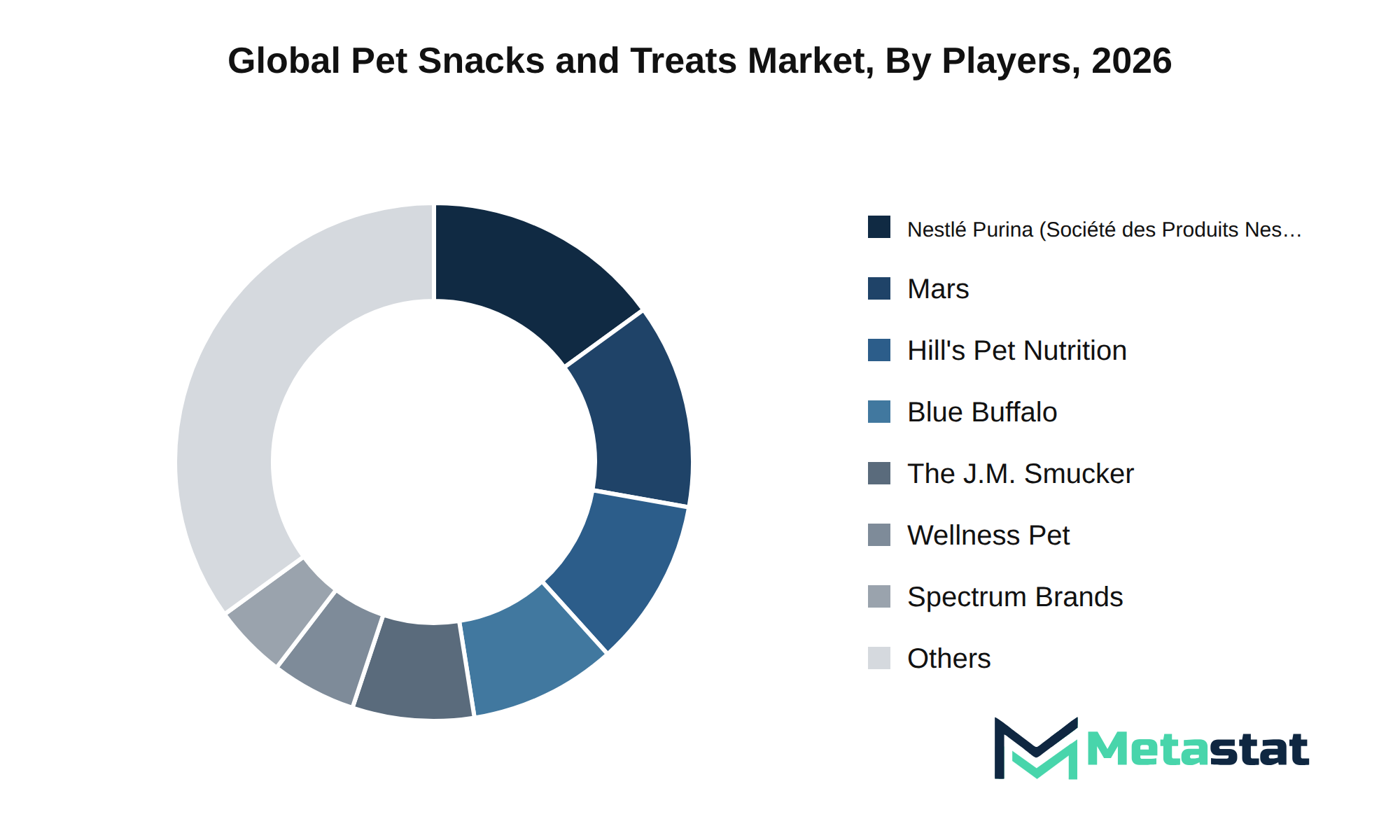
The competitive landscape in the Pet Snacks and Treats market features several prominent players actively shaping the industry dynamics. Major companies including Mars, Nestlé Purina, and Hill's Pet Nutrition, Inc. engage in strategic consolidation through mergers and acquisitions, enhancing their product offerings and market reach. This consolidation allows these companies to leverage economies of scale, driving down costs while maintaining quality.
Product differentiation is essential in the market. Companies like Blue Buffalo Company, Ltd. and The J.M. Smucker Company focus on developing innovative products that cater to specific consumer preferences, including organic and grain-free options. This focus on unique offerings strengthens brand equity and builds customer loyalty.
The influence of e-commerce has reshaped go-to-market strategies, compelling traditional retailers to adapt. Organizations including Wellness Pet, LLC and Spectrum Brands, Inc. have capitalized on digital platforms to enhance consumer engagement and streamline distribution channels. This shift contributes to changing consumer behaviors and preferences, resulting in a more competitive environment.
While the market evolves, barriers to entry remain significant, particularly regarding brand recognition and product innovation. New entrants face challenges in establishing market presence against established players that have extensive IP portfolios. However, startups like Stella & Chewy's and BIXBI Pet introduce fresh concepts, driving innovation and competition.
The future competitive outlook suggests continued expansion, driven by rising consumer demand for premium and health-oriented pet products. Players including Virbac and Vetoquinol actively invest in research and development, focusing on proprietary technologies that enhance product efficacy and safety. This investment in R&D supports product differentiation and strengthens competitive positioning in the market.
The Pet Snacks and Treats market size is forecast to rise from USD 38.5 billion in 2025 to over USD 90 billion by 2033, reflecting a compound annual growth rate (CAGR) of 11.2%. This significant growth trajectory is anticipated to stem from various factors, including increased pet ownership, rising awareness regarding pet health, and the ongoing trend of humanization of pets. Such trends highlight the importance of quality and nutritious offerings, driving demand for premium pet snacks and treats.
In the bull case scenario, heightened consumer interest in natural and organic products could lead to an even faster pace of growth, particularly in segments focused on health and wellness. Conversely, in the bear case scenario, economic downturns or shifts in consumer spending priorities could moderate growth, impacting premium product sales and overall market performance.
The market landscape is evolving rapidly due to technological advancements in product development, regulatory changes surrounding pet food safety, and shifting consumer preferences toward sustainable practices. Strategic capital allocation and investment in research and development play crucial roles in addressing emerging consumer needs and capturing high-growth pockets within the market. Compliance with regulatory frameworks and adapting to geopolitical influences will remain critical for stakeholders in the Pet Snacks and Treats market, reflecting the complexities of global supply chain dynamics.
The report strategically identifies and profiles the key market players and analyses their core competencies in each sub-segment of the Pet Snacks and Treats market.
Report Attributes | Details |
Study Period | 2021-2033 |
Base Year | 2025 |
Estimated Year | 2026 |
Forecast Period | 2026-2033 |
Historical Period | 2021-2025 |
Growth Rate | CAGR 11.2% from 2026 to 2033 |
Revenue Unit | USD billion |
Segmentation | By Product Type, Pet Type, Ingredient, Distribution Channel, and Region |
By Region | North America (By Product Type, Pet Type, Ingredient, Distribution Channel, and Country)
|
Europe (By Product Type, Pet Type, Ingredient, Distribution Channel, and Country)
| |
Asia Pacific (By Product Type, Pet Type, Ingredient, Distribution Channel, and Country)
| |
South America (By Product Type, Pet Type, Ingredient, Distribution Channel, and Country)
| |
Middle East and Africa (By Product Type, Pet Type, Ingredient, Distribution Channel, and Country)
|
Find answers to common questions about this report
The Pet Snacks and Treats market size was valued at USD 38.5 billion in 2025.
The Pet Snacks and Treats market is projected to grow at a CAGR of 11.2% during the forecast period from 2026 to 2033.
The North America Pet Snacks and Treats market size is estimated to reach USD 43 billion by 2033.
Eatable snacks lead the Pet Snacks and Treats market, with a projected value of USD 59.6 billion by 2033. This segment's growth reflects a significant increase from USD 29.2 billion in 2026, demonstrating a strong demand trajectory.
Growth in the Pet Snacks and Treats market is driven by rising disposable incomes, urbanization, and evolving consumer preferences focused on pet health and wellness. The shift towards premium products and innovative formulations supports market expansion, with projections indicating an increase in market value from USD 38.5 billion in 2025 to USD 90 billion by 2033.
North America holds the dominant share of the Pet Snacks and Treats market, accounting for 52.6 percent in 2025. This region is projected to reach USD 43 billion by 2033.
Regulatory pressures regarding ingredient safety and labeling increase operational complexities for manufacturers, particularly affecting smaller players. Economic challenges, including inflation and rising operating costs, further strain profit margins and deter new entrants, limiting competition and innovation within the Pet Snacks and Treats market.
Growth in the Pet Snacks and Treats market is driven by rising disposable incomes, changing consumer behaviors, and urbanization. Pet owners increasingly prioritize premium products that reflect their pets' health and wellness needs, leading to a demand for innovative and specialized treats. Enhanced online marketing and retail accessibility further support product adoption.
The Pet Snacks and Treats market is estimated to reach a valuation of USD 90 billion by 2033.
Key players in the Pet Snacks and Treats market include Mars, Nestlé Purina, Hill's Pet Nutrition, Blue Buffalo Company, The J.M. Smucker Company, Wellness Pet, and Spectrum Brands.
The analysts below cover Energy and Power research at Metastat Insights.
LEAD ANALYST
Utkarsh Khirodkar is a Lead Market Research Analyst at MetaStat Insight, specializing in market intelligence, technology sector assessments, and competitive strategy.

PRINCIPAL CONSULTANT - ENTERPRISE AI & EMERGING TECHNOLOGIES
Banking & Finance · Electronics and Semiconductor · Energy and Power · Healthcare IT · Information & Technology · Professional Services
Vijay Gunti is a Principal Consultant at MetaStat Insight, bringing over two decades of experience across enterprise digital transformation, technology strategy, and intelligent systems.

ENERGY & INFRASTRUCTURE INDUSTRY CONSULTANT
Automotive and Transportation · Electronics and Semiconductor · Energy and Power · Machinery & Equipment
Saurabh Vasant Ganvir consults for Energy & Infrastructure Industry at MetaStat Insight, specializing in renewable energy, solar EPC, and electric vehicle (EV) infrastructure markets.
Analyzing the transition from natural gas to green hydrogen in iron ore reduction requires realistic infrastructure timelines. Meta stat insight supplied a detailed regional assessment of DRI plant conversion costs and scrap metal availability in North America and Western Europe. Their report carefully examined pellet quality specs and electrical grid access constraints without making oversimplified market assumptions. The research material served as a practical reference during internal technology roadmap discussions.
Integrating zero-trust access controls across legacy electronic health record systems involves complex compliance overhead. Team produced an analysis that clearly separated identity governance and administration tools from privileged access management platforms. Their evaluation of HIPAA and GDPR compliance features across cloud native solutions gave our architecture group clear baseline criteria. The custom data request regarding biometric authentication adoption in hospital networks was returned promptly with clear documentation.
Evaluating calorific value requirements and air permit compliance across municipal waste facilities requires localized data. Metastat Insight structured their analysis around operational throughput capacity and feedstock composition variations in Latin America and Eastern Europe. Their competitive mapping of sorting equipment vendors helped clarify technology differences between optical separators and heavy media systems. The study provided an objective baseline during our capital expenditure reviews.
Explore related market intelligence reports worth reading alongside this one.