
LEAD ANALYST
Utkarsh Khirodkar is a Lead Market Research Analyst at MetaStat Insight, specializing in market intelligence, technology sector assessments, and competitive strategy.

Global Safety Switches Market Size, Share, By Product Type (Electromagnetic Safety Switches, Non-Contact Safety Switches, Safety Interlock Switches, Guard-Locking Safety Switches, and Safety Position and Limit Switches), By Actuator Type (Key-Operated Interlock, Solenoid-Actuated, Magnetic-Actuated, RFID / Transponder-Coded, and Mechanical Actuator), By Installation Configuration (Panel-Mounted, Surface-Mounted, Machine/Guard-Mounted, and DIN-Rail Mounted), By End-User Industry (Industrial, Energy and Power, Oil and Gas, Chemical, Food and Beverage, Pharmaceutical, Healthcare, and Commercial), Industry Analysis, Growth, Trends, and Forecast, 2026-2033
Report ID
MSI-4935
Published
August, 2026
Pages
290 Pages
Format
Historical
Base year
Forecast
Forecast period
Report Details
Choose Your License
Global Safety Switches Market
The global Safety Switches market was valued at USD 2.1 billion in 2025 and is projected to reach USD 3.5 billion by 2033, growing at a CAGR of 6.7% over the forecast period.
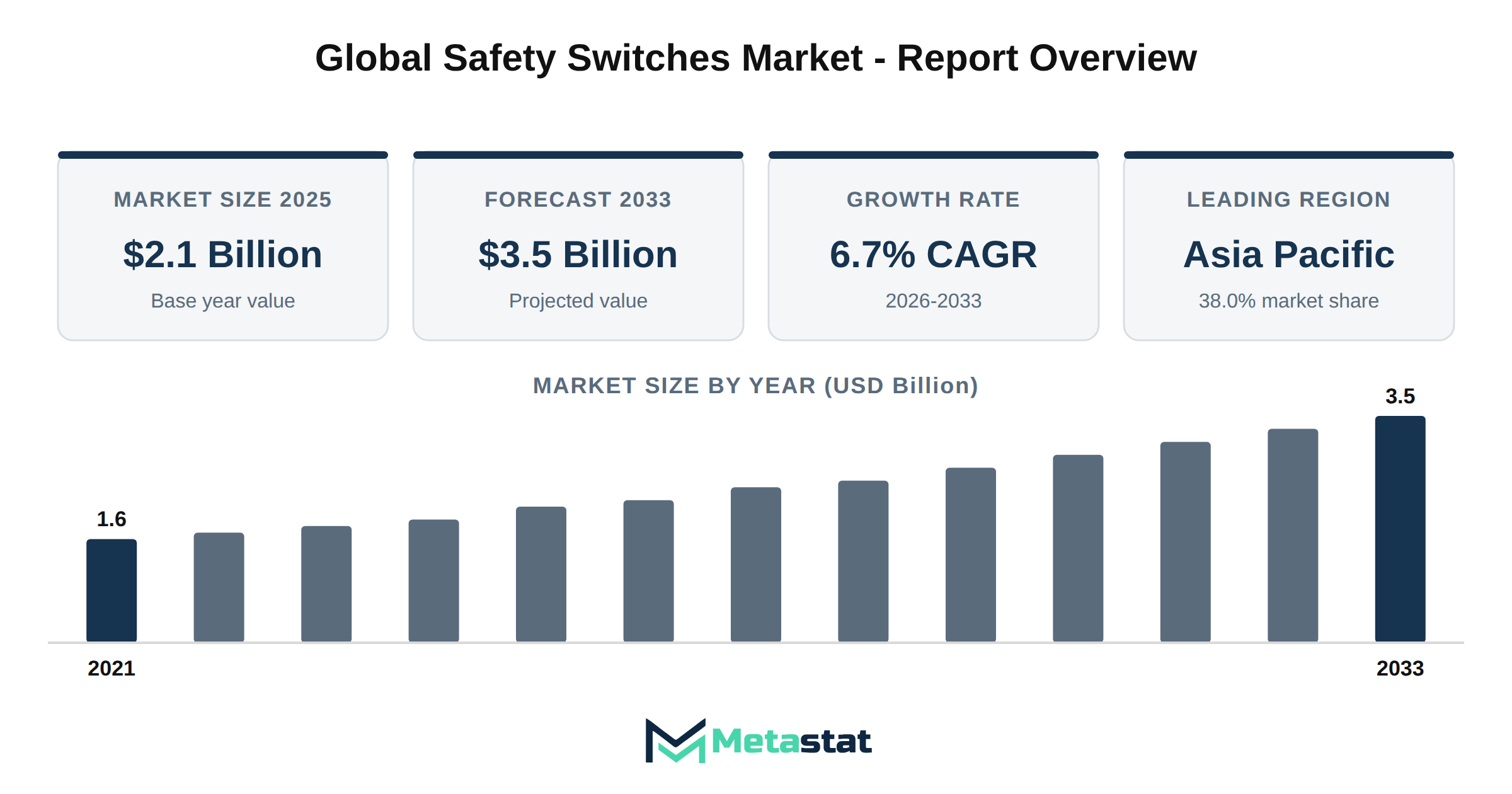
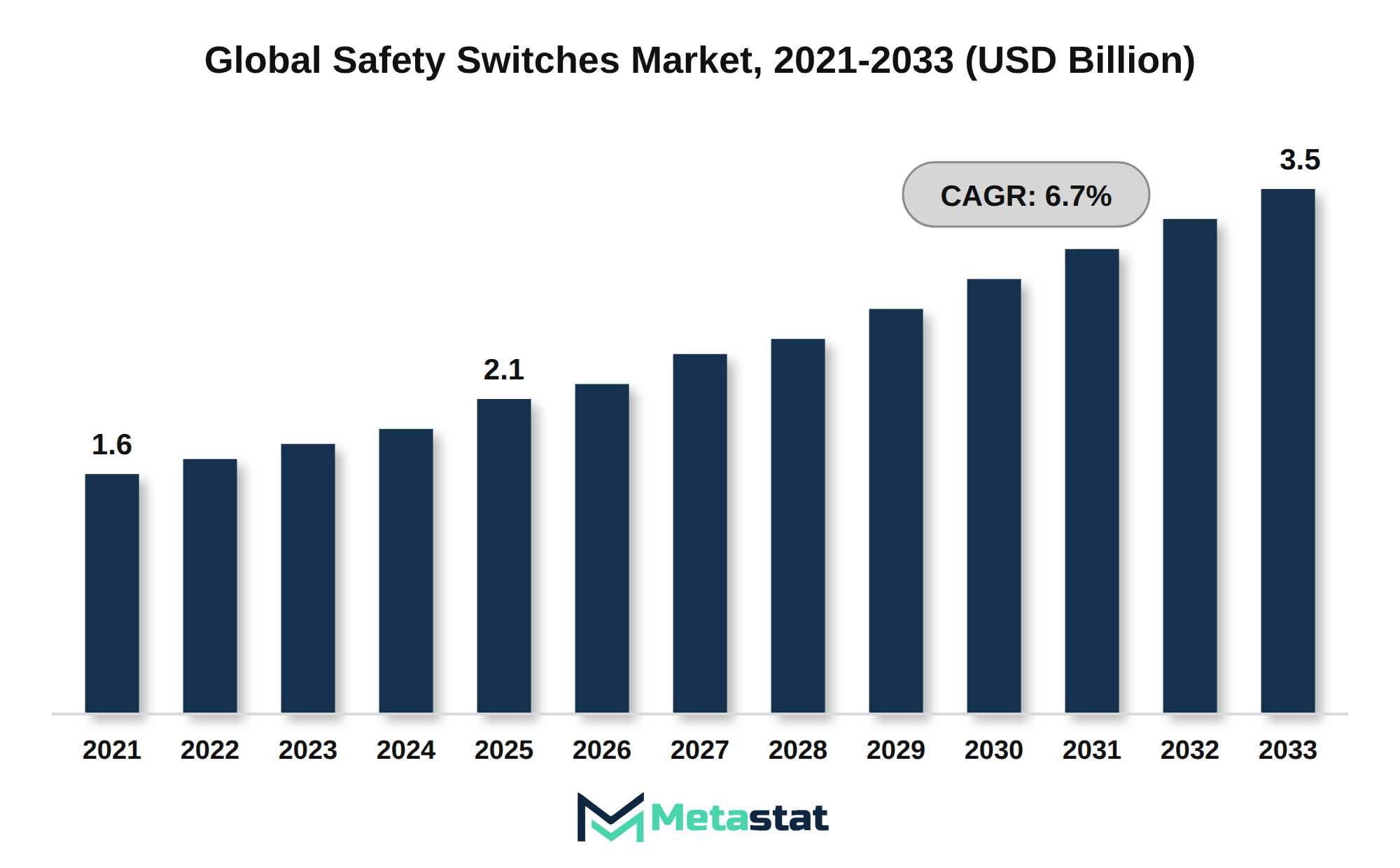
The Safety Switches market reached a value of USD 2.1 billion in 2025, reflecting a consistent growth trajectory from USD 1.6 billion in 2021 to USD 1.9 billion in 2024. This upward trend signifies a compound annual growth rate (CAGR) of 6.7%, projected to increase the market value to USD 3.5 billion by 2033. Market growth is influenced by increasing safety regulations across industries and rising demand for automation technologies.
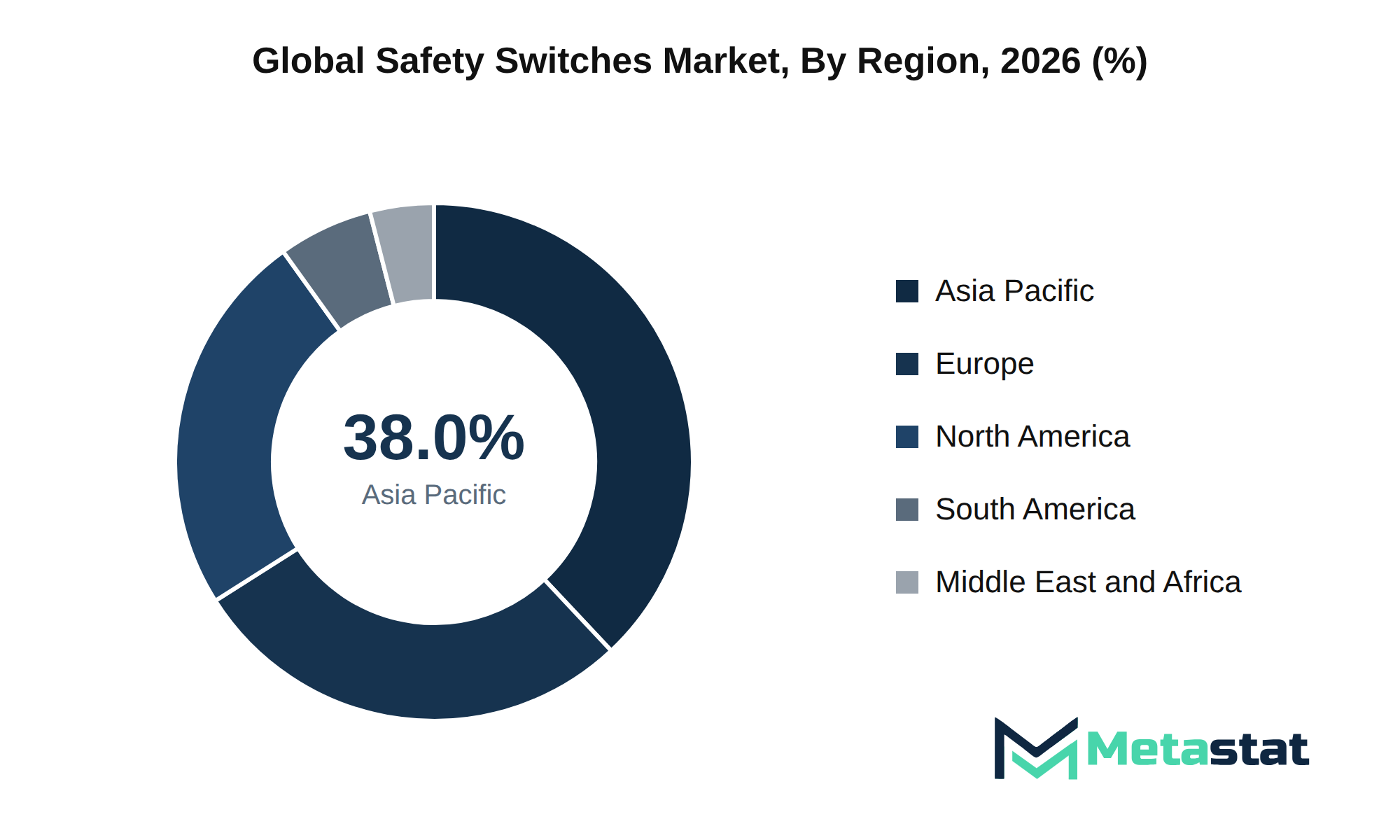
Regional dynamics play a significant role in shaping the market landscape. The Asia Pacific region holds the largest market share at 38%, driven by rapid industrialization and increasing investments in manufacturing automation. North America and Europe follow, with shares of 24.1% and 28% respectively, indicating significant growth opportunities in these regions. The South American and Middle East and Africa markets represent smaller shares at 5.9% and 4%, but contribute to overall market expansion.
In terms of product types, the market segments include Electromagnetic Safety Switches, Non-Contact Safety Switches, Safety Interlock Switches, and Guard-Locking Safety Switches. Each type offers distinct advantages, with Non-Contact Safety Switches expected to grow significantly, reaching USD 1.1 billion by 2033, reflecting a CAGR of 8.3%. Electromagnetic Safety Switches are gaining traction, projected to increase from USD 0.5 billion in 2026 to USD 0.8 billion by 2033.
Actuator types within the market comprise Key-Operated Interlock, Solenoid-Actuated, and Magnetic-Actuated options. Key-Operated Interlock switches are anticipated to grow from USD 0.8 billion in 2026 to USD 1.2 billion by 2033, driven by their reliability and ease of use in various applications.
The Safety Switches market faces a variety of challenges and opportunities driven by its evolution through the forecast period. Regulatory compliance and adherence to safety standards significantly influence market dynamics. These frameworks establish essential guidelines for manufacturers and end-users, ensuring that safety switches meet industry requirements. The demand for compliant products enhances the market's growth potential, particularly in high-risk sectors like industrial automation and energy. Investment in compliance-driven product development becomes a strategic priority for key players.
Ongoing disruption in supply chains and logistics architecture impacts the availability of critical components for safety switches. Fluctuating raw material costs and transportation challenges necessitate agile sourcing strategies. Companies actively seek to optimize their logistics networks to mitigate risks associated with supply chain disruptions. This focus on supply chain resilience supports steady market growth by ensuring that production capabilities align with demand fluctuations.
Market fragmentation is evident, with numerous players operating across various segments. This diversity leads to intense competition, driving innovation in product offerings and technological advancements. Mergers and acquisitions within the market reflect a trend towards consolidation because companies aim to enhance their competitive positioning. Such strategic moves enable firms to expand their product portfolios and strengthen their market presence.
Investment in research and development drives next-generation innovation in safety switch technology. Producers prioritize advancements that enhance product functionality, improve reliability, and increase safety features. This emphasis on innovation fuels market growth, because organizations seek sophisticated solutions to address evolving safety requirements. The integration of digital technologies into safety switches opens avenues for enhanced performance and operational efficiency.
Macroeconomic headwinds, including inflationary pressures and currency volatility, influence market dynamics. These economic factors affect production costs and pricing strategies, compelling manufacturers to adapt to changing market conditions. Firms that strategically allocate capital and manage operational expenditures effectively position themselves for sustained growth in the Safety Switches market.
The future strategic outlook for the market emphasizes the importance of sustainable transformation and decarbonization efforts. Companies increasingly focus on environmentally friendly practices and circular economy dynamics, which align with the growing demand for sustainable products. This shift not only meets regulatory expectations but enhances brand reputation among environmentally conscious consumers.
The Safety Switches market experiences significant growth driven by increasing demand for automation across various industries. This demand arises from the need for enhanced operational efficiency and productivity. Industries including manufacturing, energy, and healthcare prioritize automation to streamline processes and reduce labor costs.
Investment in advanced technologies, including artificial intelligence and automation, accelerates the adoption of safety switches. Companies focus on integrating these technologies into their operations, creating a favorable environment for market expansion. Ongoing digital transformation enables organizations to implement smart safety solutions that ensure compliance with safety standards.
The requirement for improved workplace safety and risk management fuels market growth. Companies prioritize the installation of safety switches to comply with safety regulations and protect employees from hazards. This heightened focus on workplace safety increases demand for innovative safety solutions, ensuring a safer working environment.
The Safety Switches market benefits from an increased focus on operational productivity, which drives demand for safety solutions across various industries. Companies seek to enhance their efficiency and streamline processes through automation and improved safety measures. This emphasis on productivity stems from the optimized labor utilization and reduced overhead costs, attributes that are significant during periods of economic recovery and growth.
Industries including manufacturing and energy prioritize the integration of safety switches to ensure compliance while maximizing production capabilities. The ongoing trend towards digital transformation further increases the significance of safety switches, driven by businesses digitizing legacy processes and adopting modern technologies. These advancements create an environment where innovative safety solutions become essential for maintaining operational effectiveness.
Investment in infrastructure development and asset modernization supports this market expansion. Increased capital investments in facilities and technology upgrades align with the evolving buying preferences of companies seeking advanced safety mechanisms. Consequently, the Safety Switches market is positioned for sustained growth, reflecting organizations prioritizing both safety and productivity enhancements in their operational strategies.
Continued emphasis on cost-efficiency initiatives influences purchasing decisions, propelling the adoption of safety switches. Businesses actively pursue solutions that contribute to reducing margin pressure while enhancing productivity. This focus on operational excellence aligns with broader market trends, ensuring the Safety Switches market remains robust through the forecast period.
The Safety Switches market encounters significant regulatory challenges that hinder growth and adoption. Regulatory tightening across various regions introduces compliance hurdles, increasing operational and capital costs for manufacturers. These added expenses particularly affect smaller firms that struggle with the financial burden of adhering to various legal mandates and safety standards.
Infrastructure gaps contribute to deployment bottlenecks, limiting the ability of companies to meet increasing demand for safety switches. Skilled labor deficiencies hinder effective implementation and maintenance of these systems, resulting in delays and increased reliance on external support. Such challenges impact the overall efficiency of operations in industries reliant on safety switches.
Macroeconomic headwinds, including inflationary pressures, exacerbate these difficulties. Rising costs of raw materials and components lead to increased prices for end-users, resulting in reduced demand for safety switches in certain sectors. The cumulative effect of these factors creates an environment where the market faces considerable obstacles to sustained growth.
Technological obsolescence poses risks. Manufacturers continually innovate to keep pace with evolving safety standards. Failure to adapt leads to substitution risks, where alternative offerings gain traction and divert attention from traditional safety switches. Consequently, the market's competitive landscape becomes fragmented, making it challenging for established players to maintain market share amid emerging technologies.
The Safety Switches market encounters disruptions due to geopolitical fragmentation that results in heightened trade deficits and tariff friction. These conditions generate uncertainties impacting manufacturers and suppliers, complicating access to materials and increasing production costs. Such volatility challenges operational efficiency, influencing pricing strategies and margins across the sector.
Technological disruptions, including rapid advancements in automation and digitalization, exert pressure on the existing infrastructure. Companies face hurdles in integrating new technologies within established operations, resulting in increased research and development complexity. The market experiences difficulties related to interoperability, attributed to systems and components from varied manufacturers struggling to communicate effectively, leading to implementation bottlenecks.
Rising input costs for essential components create margin pressures, affecting profitability within the Safety Switches market. Fluctuations in feedstock prices contribute to this challenge, compelling companies to navigate an unpredictable environment while meeting customer demands for quality and performance. Skill gaps in the workforce further complicate this landscape. Businesses strive to retain talent capable of managing advanced technologies.
Environmental considerations, including sustainability demands and decarbonization mandates, introduce additional complexity. Companies face challenges in aligning their operations with evolving regulatory standards, which often require significant investments in retrofitting existing systems. This situation creates barriers to compliance while addressing the market's need for environmentally responsible solutions.
Intellectual property protection deficits and cybersecurity risks present further challenges. The risk of data vulnerabilities compromises the trust necessary for collaborative efforts among industry players. Changing downstream demands and the presence of market saturation lead to increasing substitution pressures, compelling businesses to innovate continuously to maintain competitive advantage.
The Safety Switches market experiences a significant opportunity driven by emerging technological advancements, particularly in automation and digital transformation. Industries increasingly adopt smart manufacturing practices that prioritize safety and efficiency, thus enhancing the demand for advanced safety switches that ensure compliance with operational safety standards. Integration of Internet of Things (IoT) technologies into safety systems facilitates real-time monitoring and data analytics, directly affecting operational efficiencies.
Infrastructure modernization initiatives worldwide contribute to the demand for safety switches, particularly in sectors including industrial manufacturing and energy. Upgrading aging facilities necessitates the implementation of modern safety technologies, creating an avenue for market expansion. The emphasis on sustainability and green transformations further influences purchasing decisions, driven by companies seeking eco-friendly solutions that align with environmental, social, and governance (ESG) imperatives.
Geographical expansion presents significant opportunities for market players. Emerging economies in Asia Pacific and South America are investing in infrastructure development, leading to increased demand for safety switch applications across various industries. This regional growth encourages competition among established players and new entrants, driving innovation and product development in the Safety Switches market.
The convergence of technological advancements, infrastructure modernization, and geographical expansion creates a robust opportunity landscape for the Safety Switches market. Companies investing in product integration and addressing evolving consumer preferences will capture market share and enhance long-term growth potential.
The Global Safety Switches market is segmented based on Product Type, Actuator Type, Installation Configuration, and End-User Industry.
Electromagnetic Safety Switches segment is valued at USD 0.5 billion in 2026 and is projected to reach USD 0.8 billion by 2033, at a CAGR of 5.5% during the forecast period. Growing adoption of automation in various industries is driving demand for safety solutions, significantly enhancing operational efficiency and worker safety. Key sectors including automotive, manufacturing, and energy rely on these switches to comply with stringent safety regulations and standards, ensuring a secure working environment. The shift towards advanced manufacturing technologies and Industry 4.0 standards further supports the segment's growth, with companies prioritizing safety in production processes.
Technological maturation in safety systems leads to the development of next-generation Electromagnetic Safety Switches, integrating features including connectivity and enhanced diagnostics. These advancements result in improved functionality, contributing to higher demand among manufacturers seeking to optimize safety protocols and reduce operational risks. The segment benefits from evolving end-use dynamics, particularly in industries focusing on automation and safety compliance, creating a favorable environment for market expansion.
Regulatory compliance remains a critical factor driving growth within the Electromagnetic Safety Switches segment. Companies prioritize investment in compliant systems to adhere to safety standards, influencing purchasing decisions. The increasing focus on workplace safety and accident prevention supports ongoing investment in safety technologies, including Electromagnetic Safety Switches. This trend leads to heightened competition among manufacturers to innovate and offer solutions that meet regulatory demands while optimizing cost structures.
Significant growth in the Non-Contact Safety Switches segment results from increasing adoption across various industries emphasizing safety and automation. Rising demand for enhanced workplace safety, particularly in manufacturing and energy sectors, drives this trend, promoting investments in advanced safety technologies. Regulatory compliance standards further support this momentum, urging companies to implement safer operational practices. This segment is estimated to reach USD 1.1 billion by 2033, at a CAGR of 8.3% during the forecast period.
Technological maturation supports the segment's expansion, with ongoing innovations leading to improved product functionalities and user-friendliness. Next-generation upgrades focus on integrating smart technologies and IoT capabilities, allowing for real-time monitoring and management. End-users increasingly seek reliable and efficient safety solutions, encouraging manufacturers to evolve their product offerings to meet these expectations.
Consumption shifts towards flexible, non-contact solutions highlight the segment's adaptability across various applications. Industries including healthcare and food and beverage increasingly favor non-contact options to enhance hygiene and reduce contamination risks. The Safety Switches market reflects a growing awareness of these factors, positioning the Non-Contact Safety Switches segment favorably for future growth.
Significant growth within the Safety Interlock Switches segment stems from increasing demand for safety solutions across various industries. The push for enhanced workplace safety and compliance with regulatory standards drives the adoption of these switches. Industries including manufacturing, energy, and oil and gas are primary consumers, requiring effective safety mechanisms to protect workers and equipment.
The segment is projected to reach USD 0.6 billion by 2033, reflecting a strong market trajectory. Technological advancements contribute to the evolution of safety interlock switches, enabling more reliable and efficient designs. Innovations in wireless technology and smart integration facilitate the development of next-generation products, promoting greater market penetration.
End-user dynamics highlight a shift toward automated safety systems, influencing consumption patterns. Regulatory compliance standards mandate the use of safety interlocks in critical applications, reinforcing their necessity in the market. These factors collectively enhance the strategic opportunity for suppliers aiming to capitalize on growing safety concerns in industrial applications.
Demand for Guard-Locking Safety Switches rises owing to the increasing focus on workplace safety and regulatory compliance across various industries. These switches provide essential safety measures, particularly in environments where machinery is safeguarded from unintended operation during maintenance or repair. Industries including manufacturing, energy, and chemicals prioritize robust safety mechanisms, driving adoption in these sectors.
Guard-Locking Safety Switches segment is projected to grow at a CAGR of 7.1% during the forecast period. This growth stems from technological advancements that enhance the functionality and reliability of these switches. Innovations in design and materials lead to improved performance, contributing to broader applications in automation and safety systems.
Regulatory compliance standards exert significant influence on the market, resulting from industries striving to meet safety requirements outlined by governing bodies. These standards intensify demand for reliable safety solutions that ensure machinery operates without risk to personnel. The emphasis on compliance translates into increased investments in Guard-Locking Safety Switches, reinforcing their role in promoting safe operational environments.
Cost structures within the market reflect ongoing innovations and competition among suppliers. Pricing volatility remains a consideration, since fluctuations in raw material costs impact manufacturing expenses. Strategic opportunity windows arise because companies seek to differentiate their offerings through enhanced features and performance, enabling them to capture a larger market share.
Future investment in Guard-Locking Safety Switches aligns with the broader trends within the Safety Switches market, positioning the segment for continued expansion. While industries prioritize safety and compliance, the demand for these products is expected to strengthen, creating an environment for sustained growth and innovation.
Demand for Safety Position and Limit Switches is driven by stringent safety regulations across various industries, particularly in manufacturing and industrial applications. Enhanced safety protocols necessitate the adoption of reliable safety devices to prevent accidents and ensure compliance with regulatory standards. The segment benefits from an ongoing trend toward automation in industrial processes, resulting in increased reliance on safety switches to protect personnel and equipment. Continuous advancements in technology contribute to product evolution, leading to smarter, more efficient safety solutions that integrate seamlessly with existing systems.
End-user industries, including energy, oil and gas, and chemicals, show heightened interest in Safety Position and Limit Switches due to their critical role in maintaining operational safety and efficiency. With growing concerns about workplace safety, companies prioritize investments in safety technologies. Emerging trends in predictive maintenance and IoT integration further increase demand, allowing for real-time monitoring and response capabilities. Manufacturers focus on achieving higher reliability and durability, appealing to customers who require long-lasting solutions for challenging environments.
Segment expansion driven by the increasing complexity of machinery and automated systems emphasizes the importance of robust safety measures. A shift towards modular safety systems allows for flexible configurations, enhancing applicability across various operational setups. Regulatory compliance remains a significant driver, attributed to industries facing penalties for non-compliance with safety standards. Consequently, the market for Safety Position and Limit Switches is anticipated to grow, influenced by the push for higher safety standards and technological advancements that enhance product capabilities.
Key-Operated Interlock segment is valued at USD 0.8 billion in 2026 and is projected to reach USD 1.2 billion by 2033, at a CAGR of 5.6% during the forecast period. Increasing awareness regarding safety standards drives demand for these switches across various industries. The industrial sector, particularly manufacturing, emphasizes operational safety, further propelling the adoption of Key-Operated Interlocks. Regulatory compliance regarding worker safety encourages investments in safety technologies, ensuring machinery operates under secure conditions. Ongoing advancements in technology contribute to the product's evolution, with enhancements in connectivity and usability broadening its application range. This segment's growth aligns with broader trends in automation and safety, positioning it because a crucial component in modern industrial settings. Overall, the Key-Operated Interlock segment reflects significant potential within the Safety Switches market, characterized by consistent growth driven by safety imperatives and technological integration.
Growing demand drives the Solenoid-Actuated segment within the Safety Switches market. This segment is expected to reach USD 0.7 billion by 2033, at a CAGR of 6.8% during the forecast period. Increased automation across various industries has significantly boosted the adoption of solenoid-actuated safety switches. Industries including energy and power, oil and gas, and industrial manufacturing prioritize safety protocols, leading to heightened investments in safety technology.
Technological advancements in actuator design enhance reliability and performance, promoting further growth. Innovations focus on improving response times and integration with advanced control systems. This evolution aligns with the growing emphasis on operational efficiency and safety compliance across sectors. The market experiences a shift towards enhanced regulatory compliance standards, compelling manufacturers to invest in more sophisticated safety switches.
Cost structures and pricing volatility significantly impact procurement strategies in the market. Suppliers face pressures from raw material sourcing and logistics vulnerabilities, influencing pricing dynamics. Despite these challenges, the segment’s potential for growth remains strong, supported by increased capital investment and a strategic focus on long-term safety solutions. The Solenoid-Actuated segment illustrates a promising trajectory within the broader market.
Market dynamics for Magnetic-Actuated safety switches reflect a growing recognition of their reliability and performance in various industrial applications. Increasing emphasis on safety regulations and compliance standards drives the demand for these switches across several sectors, including industrial, energy, and chemical industries. Anticipated adoption of advanced technologies supports segment expansion, particularly driven by manufacturers incorporating next-generation features into these products.
Technological maturation within the Safety Switches market leads to enhanced product evolution, with Magnetic-Actuated switches integrating functionalities that improve operational efficiency and reduce maintenance requirements. The segment is expected to reach USD 0.6 billion by 2033, highlighting its importance in the overall market. Consumer preferences shift towards automation and remote monitoring, reinforcing the need for reliable solutions that integrate into modern systems.
Cost structures in the Magnetic-Actuated segment benefit from streamlined production techniques and improved supply chain resilience. Manufacturers investing in innovative technologies experience reduced production costs, enhancing competitive positioning in the market. Companies focus on developing products that fulfill regulatory compliance demands while maintaining cost-effectiveness, creating strategic opportunity windows.
Pricing volatility in raw materials impacts the profitability of manufacturers, compelling them to seek alternative sourcing strategies. The segment faces substitution risks from emerging technologies, which challenge traditional Magnetic-Actuated solutions. The established reputation of these switches for safety and efficiency secures a solid market presence.
Growth of the RFID / Transponder-Coded segment in the Safety Switches market is driven by advancements in automation and safety technologies. Increasing demand for enhanced safety measures in industrial applications spurs adoption of these solutions. Industries including manufacturing and energy integrate RFID technologies to improve operational efficiency and ensure compliance with safety regulations.
The RFID / Transponder-Coded segment is projected to grow at a CAGR of 9% during the forecast period. This expansion results from technological maturation, with products evolving to meet industry needs. The integration of RFID technology facilitates automation and monitoring processes, allowing for real-time safety checks and compliance tracking.
Investment in next-generation upgrades is essential for organizations aiming to enhance their safety protocols. Adoption of RFID solutions offers strategic opportunities for businesses to streamline operations, reduce risks, and boost productivity. Enhanced features, including data analytics and remote monitoring capabilities, contribute to greater market penetration and revenue growth.
Regulatory compliance standards play a significant role in shaping demand for RFID solutions. Adherence to safety regulations necessitates the implementation of reliable safety measures, pushing industries towards adopting advanced safety technologies. The resulting consumption shifts reflect a growing emphasis on safety and efficiency, driving investments in the RFID / Transponder-Coded segment within the market.
Increasing adoption of Mechanical Actuator safety switches within the Safety Switches market stems from their reliability and efficiency in critical applications. Industries including industrial manufacturing and energy production emphasize the necessity for robust safety mechanisms, driving demand for these switches. The evolution of safety standards and regulations creates an environment where compliance with stringent safety protocols becomes imperative, pushing manufacturers to integrate advanced protective technologies.
Technological maturation enhances the performance of Mechanical Actuator switches, allowing for significant improvements in response times and durability. Next-generation designs focus on user-friendly features and adaptability, making these devices suitable for diverse environments. Downstream applications in sectors like oil and gas and chemicals highlight the importance of integrating safety features that align with operational demands, further stimulating segment expansion.
Cost structures within this segment remain influenced by raw material sourcing and manufacturing processes, which affect pricing volatility. Competitive pressures encourage manufacturers to innovate while managing margin pressures. Strategic opportunity windows arise from organizations investing in upgrading existing safety systems to meet evolving regulatory compliance standards, ensuring operational integrity and worker safety.
Supply chain resilience emphasizes the need for efficient logistics and raw material acquisition within the Mechanical Actuator segment. Disruptive alternatives in safety technologies challenge traditional mechanisms, prompting producers to evaluate their offerings continuously. The outlook for capital investment in this area indicates a focus on enhancing product evolution, positioning the Mechanical Actuator category because a leader in the Safety Switches market.
Panel-Mounted configurations demonstrate considerable growth potential within the Safety Switches market. Valued at USD 1.2 billion in 2026, this segment is projected to reach USD 1.8 billion by 2033, at a CAGR of 6.2% during the forecast period. Expanding industrial applications and increased emphasis on workplace safety drive demand for these products. Adoption of regulatory compliance standards encourages manufacturers to implement effective safety measures. Technological maturation continues to enhance innovation in design and functionality, enhancing the appeal of panel-mounted safety switches.
Investment in next-generation upgrades allows firms to remain competitive and address evolving safety requirements across various industries. The evolution of product features, including improved durability and ease of installation, attracts a broader customer base. End-user dynamics reflect a strong preference for reliable safety solutions in sectors including manufacturing and energy. Consumption shifts toward integrated safety systems highlight the increasing importance of panel-mounted configurations within the market.
Growing awareness regarding operational safety drives heightened demand for panel-mounted switches. Supply chain resilience and strategic investment opportunities present favorable conditions for growth. Raw material sourcing for manufacturing remains critical, influencing cost structures and pricing volatility. The outlook for this segment remains robust, supported by favorable market trends and an increasing focus on safety compliance.
Market expansion for Surface-Mounted safety switches is driven by increasing demand for safety solutions in various industrial applications. Industries including manufacturing and energy emphasize the importance of implementing reliable safety measures to protect personnel and equipment. Regulatory compliance standards enhance the urgency for investment in safety switches, ensuring adherence to stringent safety protocols across sectors. Technological advancements contribute to product evolution, enabling manufacturers to develop innovative features that enhance functionality and reliability.
The Surface-Mounted segment is expected to reach USD 0.6 billion by 2033, at a CAGR of 6.3% during the forecast period. Demand growth correlates with rising awareness of workplace safety, necessitating the integration of advanced safety mechanisms within machinery and equipment. The market's competitive landscape encourages companies to invest in next-generation upgrades, improving efficiency and reducing downtime. These factors collectively position the Surface-Mounted segment for significant growth within the broader Safety Switches market.
Within the Safety Switches market, the Machine/Guard-Mounted segment presents significant growth potential, projected to reach USD 0.5 billion by 2033. Demand for these switches arises from heightened safety protocols in industrial environments, ensuring the protection of personnel and equipment. Increasing adoption in manufacturing processes drives this segment's expansion, supported by companies prioritizing compliance with regulatory standards and the need for robust safety measures.
Technological advancements contribute to segment growth, with innovations in safety switch designs enhancing functionality and reliability. The emergence of next-generation upgrades, including improved sensing technologies and integration capabilities with automated systems, supports increased adoption across various end-user industries. These advancements position the Machine/Guard-Mounted segment because a critical component in the evolving landscape of the Safety Switches market.
Industry dynamics reflect a shift towards more sophisticated safety solutions, driven by the demand for enhanced risk management strategies in sectors including industrial, energy, and manufacturing. Regulatory compliance standards influence investments in safety technologies, reinforcing the importance of the Machine/Guard-Mounted segment in ensuring operational safety and efficiency.
Projected growth for DIN-Rail Mounted safety switches reflects a compound annual growth rate (CAGR) of 9.2% during the forecast period. This expansion results from increasing demand for reliable and efficient safety solutions across various industries, particularly in automation and control applications. End-users prioritize compact and easily accessible configurations, driving preferences toward DIN-Rail Mounted options. Technological advancements enhance the performance and compatibility of these safety switches with contemporary systems.
Regulatory compliance standards play a critical role in shaping the market landscape. Manufacturers focus on meeting stringent safety regulations, which fuels the adoption of DIN-Rail Mounted solutions. The ongoing evolution of industrial automation and smart manufacturing creates opportunities for innovations within this segment. These factors contribute to the overall growth trajectory, positioning DIN-Rail Mounted safety switches because a vital component of the broader Safety Switches market.
Valued at USD 0.7 billion in 2026, the Industrial segment is projected to reach USD 1 billion by 2033, with a CAGR of 6.1% during the forecast period. Demand for safety switches within industrial applications stems from heightened safety standards and regulations, pushing manufacturers to enhance operational safety protocols. This segment benefits from increasing automation, which necessitates advanced safety solutions that mitigate risks in manufacturing environments.
Technological maturation facilitates the introduction of next-generation safety switches designed with superior features, including improved responsiveness and reliability. These innovations reflect an industry shift towards integrating smart technologies, enabling real-time monitoring and diagnostics. Such advancements align with broader trends in the Safety Switches market, promoting adoption across various industrial applications.
Increasing emphasis on workplace safety and compliance with regulatory standards drives investment in safety solutions. Industries including energy, oil and gas, and chemicals focus on minimizing operational hazards, leading to greater demand for industrial safety switches. The implementation of stringent safety measures contributes significantly to market expansion.
Cost structures within this segment face pressures from fluctuating raw material prices and the need for continuous product innovation. Manufacturers strategically navigate these challenges by optimizing production processes and leveraging technological advancements to sustain competitive pricing. The capital investment outlook remains favorable, with industry players focusing on research and development to enhance product offerings.
Overall, the Industrial segment within the Safety Switches market demonstrates significant growth potential fueled by regulatory compliance, technological advancements, and a firm commitment to workplace safety. The projected increase in market value highlights the importance of safety solutions in supporting operational efficiency and risk management across various industries.
Valued at USD 0.4 billion by 2033, the Energy and Power segment demonstrates strong growth potential within the Safety Switches market, with a CAGR of 6.9% during the forecast period. Increasing investments in renewable energy projects and infrastructure development drive demand for reliable safety solutions. Enhanced safety regulations in the energy sector further contribute to the adoption of safety switches, ensuring compliance with stringent operational standards.
Technological advancements in safety switch designs enhance functionality and reduce failure rates, promoting user confidence in these systems. The shift towards automation and smart technology integration in energy and power applications necessitates advanced safety solutions that adapt to changing operational environments.
Competitive pressures in the market encourage manufacturers to innovate and develop next-generation safety switches, creating a landscape rich in opportunities for early adopters. The evolving dynamics of energy generation, including the rise of distributed energy resources, significantly influence market trends and open new avenues for growth.
The Energy and Power segment is expected to reach USD 0.4 billion by 2033, with a CAGR of 6.9% during the forecast period. Strategic investments by leading players in R&D and the expansion of product offerings cater to diverse customer needs, positioning the market for sustained growth during the forecast period.
Market dynamics within the Oil and Gas segment reflect ongoing investments in automation and safety protocols, driving demand for advanced safety switches. Compliance with stringent regulatory standards regarding operational safety necessitates the integration of reliable safety mechanisms. Rising awareness of workplace safety and risk mitigation in hazardous environments increases the adoption of safety switches in this sector.
Technological maturation has led to the development of next-generation safety switches characterized by improved reliability and functionality. This evolution encourages operators to upgrade existing systems to enhance safety measures. The segment is expected to reach USD 0.8 billion by 2033, highlighting the financial commitment within the market.
Growing end-use dynamics further influence demand patterns, with significant consumption shifts observed toward more sophisticated safety solutions. The industry increasingly prioritizes equipment that offers both safety and operational efficiency. Strategic opportunity windows arise owing to companies seeking to enhance safety while optimizing costs in challenging environments.
In the Safety Switches market, the Chemical segment benefits from rigorous safety regulations and increasing investments in process automation. Rigorous safety regulations and rising investments in process automation drive the demand for reliable safety mechanisms to prevent accidents and ensure employee safety in chemical processing environments. The segment is projected to grow at a CAGR of 6.5% during the forecast period. Enhanced focus on workplace safety and compliance with stringent regulatory standards create a favorable climate for the adoption of safety switches.
Technological advancements in safety switch design, including improved durability and enhanced functionality, contribute to market growth. The evolution of smart safety switches, which incorporate advanced monitoring and integration capabilities, meets the demands of modern chemical facilities. Adoption of these next-generation products aligns with industry requirements for higher efficiency and productivity.
Increased automation in the chemical sector promotes the need for sophisticated safety solutions that integrate seamlessly with existing systems. This shift towards automated processes enhances operational efficiency and safety, further driving the demand for innovative safety switches. While companies invest in advanced technologies, the Chemical segment within the market is well-positioned to capture growth opportunities.
Overall, the combination of regulatory pressure, technological evolution, and increasing automation in the chemical industry supports a robust market outlook for safety switches, reinforcing their critical role in maintaining safe operational environments.
Increasing investments in the Food and Beverage sector drive the adoption of safety switches, reflecting heightened focus on operational safety and compliance with stringent regulatory standards. The sector experiences a significant shift toward automation and advanced manufacturing processes, leading to greater demand for reliable safety mechanisms that protect personnel and equipment. Heightened awareness regarding workplace safety among stakeholders contributes to the push for enhanced safety measures, impacting purchasing decisions within this segment.
Technological maturation influences product evolution, with manufacturers introducing next-generation safety switches featuring advanced functionalities and improved integration with existing systems. Enhanced product designs cater to the specific needs of the Food and Beverage industry, promoting operational efficiency while ensuring compliance with industry standards. These advancements support end users, facilitating broader acceptance of safety switches in production environments.
Regulatory compliance significantly influences investment decisions, with stringent safety regulations compelling manufacturers to adopt sophisticated safety solutions. The evolving landscape of compliance standards necessitates ongoing innovation and adaptation among producers, ensuring that safety switches align with current guidelines. While the Food and Beverage segment continues to expand, strategic opportunity windows emerge for manufacturers to innovate and capture market share.
Consumption shifts within the market reflect a growing preference for automation and smart technology integration, compelling stakeholders to seek out reliable safety solutions. Supply chain resilience has become increasingly important, with manufacturers focusing on robust sourcing strategies to mitigate risks associated with material shortages and logistics vulnerabilities. Strategic investments in technology and infrastructure enhance competitiveness within the market, positioning stakeholders favorably for future growth.
Demand for safety switches within the pharmaceutical industry stems from stringent regulatory compliance standards and the need for enhanced safety measures in manufacturing processes. The industry experiences continual growth driven by increasing automation and the need for reliable safety solutions to protect workers and equipment during operations. Technological maturation in safety switch design contributes to better performance and reliability, further encouraging adoption in pharmaceutical facilities.
Next-generation upgrades in safety switch technologies, including advanced features including non-contact operation and smart diagnostics, enhance operational efficiency and reduce downtime. These innovations align with industry trends towards automation, prompting pharmaceutical manufacturers to invest in innovative safety solutions. The emphasis on product evolution ensures that safety switches meet the complex requirements of modern pharmaceutical production lines, which demand higher efficiency and reliability.
End-use dynamics reflect a shift towards more integrated systems that enhance safety while maintaining production efficiency. Manufacturers increasingly prioritize systems that offer both functional safety and operational flexibility. Regulatory pressures and certifications further enforce the need for robust safety measures, compelling pharmaceutical companies to invest in reliable safety switches to mitigate risks associated with operational hazards.
Cost structures within the pharmaceutical sector influence purchasing decisions for safety switches, with ongoing pricing volatility impacting budget allocation for safety solutions. Manufacturers face margin pressures due to fluctuating raw material prices and the necessity of compliance with evolving safety regulations. In this competitive environment, strategic opportunity windows emerge for suppliers offering innovative, cost-effective solutions tailored to the pharmaceutical market.
Supply chain resilience ensures consistent availability of safety switches. Disruptions in logistics highlight the importance of local sourcing and quick response strategies to maintain operational continuity. Substitution risks for alternative safety solutions remain low, given the specialized nature of safety switches required in pharmaceutical applications, ensuring steady demand within the market.
Demand for safety switches within the Healthcare sector arises from stringent regulatory compliance standards and a heightened focus on patient and worker safety. The ongoing evolution of healthcare technology prompts facilities to integrate advanced safety solutions, ensuring secure environments for both patients and staff. With increasing investments in healthcare infrastructure, the segment anticipates substantial adoption of safety switches amid rising operational demands.
Technological maturation plays a significant role in segment expansion, driving the development of next-generation upgrades designed for enhanced functionality and reliability. Stakeholders in the healthcare industry seek to implement safety switches that not only meet existing compliance requirements but adapt to future standards. This trend aligns with broader end-use dynamics, emphasizing the necessity for robust safety mechanisms in critical operational areas.
Consumption shifts toward more sophisticated safety solutions reflect an industry's commitment to minimizing risks and enhancing operational efficiencies. Healthcare facilities increasingly prioritize automation and safety integration, creating opportunities for product evolution. The introduction of innovative safety switch technologies specifically tailored to the healthcare environment supports this ongoing transformation.
Cost structures within the segment face pressures due to regulatory demands and the need for compliance certifications. Pricing volatility influences procurement strategies, necessitating a focus on long-term value rather than initial costs. Supply chain resilience remains crucial, driven by stakeholders working to secure reliable sources of materials while navigating potential disruptions.
The presence of disruptive alternatives poses a strategic challenge, prompting manufacturers to innovate continuously. Improved designs and functionalities provide a competitive edge, allowing for differentiation in the market. Capital investment outlook remains positive, fueled by the healthcare sector's growth and commitment to safety and compliance, reflecting confidence in the safety switches market.
Commercial applications for safety switches experience growth driven by increasing regulatory compliance standards and safety requirements in various industries. Demand for enhanced safety measures arises from a heightened focus on workplace safety and accident prevention, leading to increased adoption of safety switches. Innovations in safety switch technology, including advancements in non-contact and RFID solutions, cater to the evolving needs of commercial environments, where automation and safety standards converge.
Technological maturation in the safety switches market supports the development of next-generation products that enhance operational efficiency and safety. Increased awareness of safety protocols across commercial sectors prompts firms to invest in advanced safety solutions. Regulatory compliance influences purchasing decisions and shapes product innovation, creating a competitive advantage for companies that align with industry standards.
Consumption shifts within commercial industries highlight the trend towards integrated safety systems, emphasizing the importance of adaptable solutions. Strategic opportunities arise from the ongoing evolution of safety regulations, prompting manufacturers to explore new markets and applications. Ongoing investments in safety infrastructure reflect a commitment to improving workplace safety, positioning the market for sustained growth.
Emerging applications in the Others segment, encompassing Metal and Mining, Automotive, Packaging, Semiconductor and Electronics, and Logistics and Material Handling, experience significant growth driven by escalating safety standards and technological advancements. Industries within this segment prioritize safety solutions, influenced by regulatory compliance standards and the prevention of workplace accidents. The integration of advanced technologies, including automation and smart systems, enhances operational efficiency and safety, promoting adoption across various sectors.
Investment in safety solutions supports segment expansion, reflecting heightened awareness of safety protocols and risk mitigation strategies. Rigorous regulatory frameworks drive the adoption of safety switches, compelling organizations to enhance their safety measures. Technological maturation and next-generation upgrades facilitate the evolution of safety switch products, enabling companies to access advanced features that improve operational safety.
Demand shifts toward intelligent safety switch systems, aligning with industry trends toward automation and IoT integration. Consumption patterns indicate a growing preference for solutions that combine reliability and advanced technology, enhancing productivity. Overall, the dynamics of the Safety Switches market in this segment present a strategic opportunity window driven by innovation, regulatory compliance, and the pursuit of enhanced safety measures across various industries.
Based on geography, the Global Safety Switches market is divided into North America, Europe, Asia-Pacific, South America, Middle East, and Africa.
North America demonstrates a robust potential for the Safety Switches market, predicted to expand at a CAGR of 6.7% within the forecast period, reaching a market size of USD 0.9 billion by the end of 2033. The region holds a considerable share of the global market in 2025, underscoring its importance in the overall market.
Countries including the United States, Canada, and Mexico play critical roles in driving market expansion, supported by industrial automation and stringent safety regulations across various sectors. Increased focus on safety and compliance within manufacturing and energy industries enhances the adoption of safety switches, particularly in high-stakes environments where operational safety remains a priority.
Technological advancements and evolving industry standards facilitate the integration of innovative safety solutions across manufacturing facilities. The focus on modernization and infrastructure upgrades within key sectors drives demand for advanced safety switches, further propelling market growth.
Emerging trends including localized manufacturing and regional supply chain optimization contribute to the competitive landscape. Domestic players leverage their expertise to enhance market penetration and cater to specific regional requirements. This dynamic environment encourages collaboration among manufacturers to develop tailored solutions that address the unique challenges faced by various industries.
Overall, the North America Safety Switches market is poised for significant growth, driven by increasing investments in safety technologies and a strong commitment to regulatory compliance within key industries.
The Safety Switches market in Europe commands a significant share, accounting for 28.0% of the global market in 2025. This region benefits from a robust industrial base, with countries including Germany, France, UK, Italy, and Spain driving demand through ongoing modernization initiatives and high-value replacement cycles. The presence of stringent safety regulations creates an environment where safety switches become critical in various applications.
Germany leads the European market, characterized by a strong manufacturing sector and an emphasis on automation that necessitates safety solutions. France and the UK follow closely, with their industries increasingly adopting advanced safety technologies to improve operational efficiency. Italy's industrial landscape shows growth in safety switch requirements, particularly in the automotive and machinery sectors. Spain's expansion in renewable energy projects creates additional demand for safety switches, particularly in wind and solar energy installations.
Emerging market front-runners within the region demonstrate a focus on localized manufacturing and procurement strategies, enhancing competitiveness. Cultural nuances influence B2B buying behaviors, leading to varied adoption rates across the region. Supply chain regionalization and nearshoring initiatives enable companies to meet European safety standards more effectively.
The European market's dynamics reflect a mature environment, with established players competing for market share while responding to evolving regulations. Increased foreign direct investment flows into the region indicate confidence in continued growth. Infrastructure readiness, particularly in energy grids, supports the deployment of innovative safety solutions across sectors. These factors position Europe because a key player in the global Safety Switches market.
The Asia-Pacific region stands because a substantial contributor to the global Safety Switches market, projected to account for 38.0% of the total market share in 2025. The demand in this region is fueled by rapid industrialization and increasing safety regulations across various sectors, particularly in manufacturing, energy, and construction. Countries including China and India play significant roles in driving market growth owing to their expanding industrial bases and investments in infrastructure modernization.
Key factors influencing the market include a strong focus on regulatory compliance and the adoption of advanced safety solutions to enhance workplace safety. The region's diverse manufacturing landscape benefits from localized procurement dynamics, which facilitate the integration of safety switches into new installations and existing systems. The ongoing trend of nearshoring initiatives enhances local manufacturing densities, allowing suppliers to meet regional demand effectively.
Emerging market front-runners, including South Korea and Australia, demonstrate significant growth potential through investment in technological advancements and increased adoption of non-contact safety switches. The segment expansion for safety switches, particularly in the actuator type category, reflects a shift toward more innovative solutions that cater to evolving industry needs. Overall, the Asia-Pacific region represents a dynamic and growing area within the Safety Switches market, characterized by strategic entry barriers and a competitive environment defined by a mix of domestic and international players.
The South America region, which includes Brazil, Argentina, and the Rest of South America, represents a share of 5.9% in the global Safety Switches market for the year 2025. Economic development in Brazil and Argentina drives the demand for safety switches, particularly in industrial applications. Significant investments in infrastructure modernization contribute to market growth, with initiatives focusing on improving safety standards across various sectors.
The industrial sector leads the adoption of safety switches, driven by rising safety regulations and the need for enhanced workplace safety. Local manufacturers focus on compliance with regional standards, creating a competitive landscape characterized by several domestic players. Suppliers emphasize localized procurement dynamics, addressing the unique cultural nuances and B2B buying behaviors prevalent in South America.
Emerging market front-runners, including Brazil, benefit from foreign direct investment flows, facilitating technology transfer and enhanced capabilities in local manufacturing. The market experiences high-value replacement cycles, particularly because industries modernize equipment to meet safety standards. Incremental growth vectors arise from nearshoring initiatives, driving suppliers to establish localized operations to better serve regional demands.
The Safety Switches market in the Middle East and Africa exhibits significant growth potential, driven by ongoing industrialization and infrastructure modernization across key markets including Saudi Arabia, UAE, and South Africa. A strong focus on safety and compliance in manufacturing sectors accelerates the adoption of safety switches, enhancing worker safety and operational efficiency. Local compliance mandates and regulatory requirements incentivize investment in safety switch technologies.
Regional dynamics illustrate a gradual increase in domestic production capabilities, aligning with global supply chain regionalization trends. Heightened interest in localized manufacturing helps streamline sourcing and distribution, reducing reliance on imports. This shift creates opportunities for regional players to strengthen their market position while addressing increasing demand for safety solutions.
Saudi Arabia and the UAE actively pursue initiatives to diversify their economies, transitioning from oil dependency towards broader industrial bases, including manufacturing and construction. This strategic pivot creates a conducive environment for the Safety Switches market, promoting the adoption of advanced safety technologies across various sectors. South Africa's industrial landscape reflects similar trends, with mounting investments in infrastructure projects driving demand for safety switches.
The Middle East and Africa represent an underpenetrated market for safety switches, with emerging economies demonstrating heightened interest in safety compliance and technological advancement. This landscape creates growth vectors, enhancing the overall market outlook in the region.
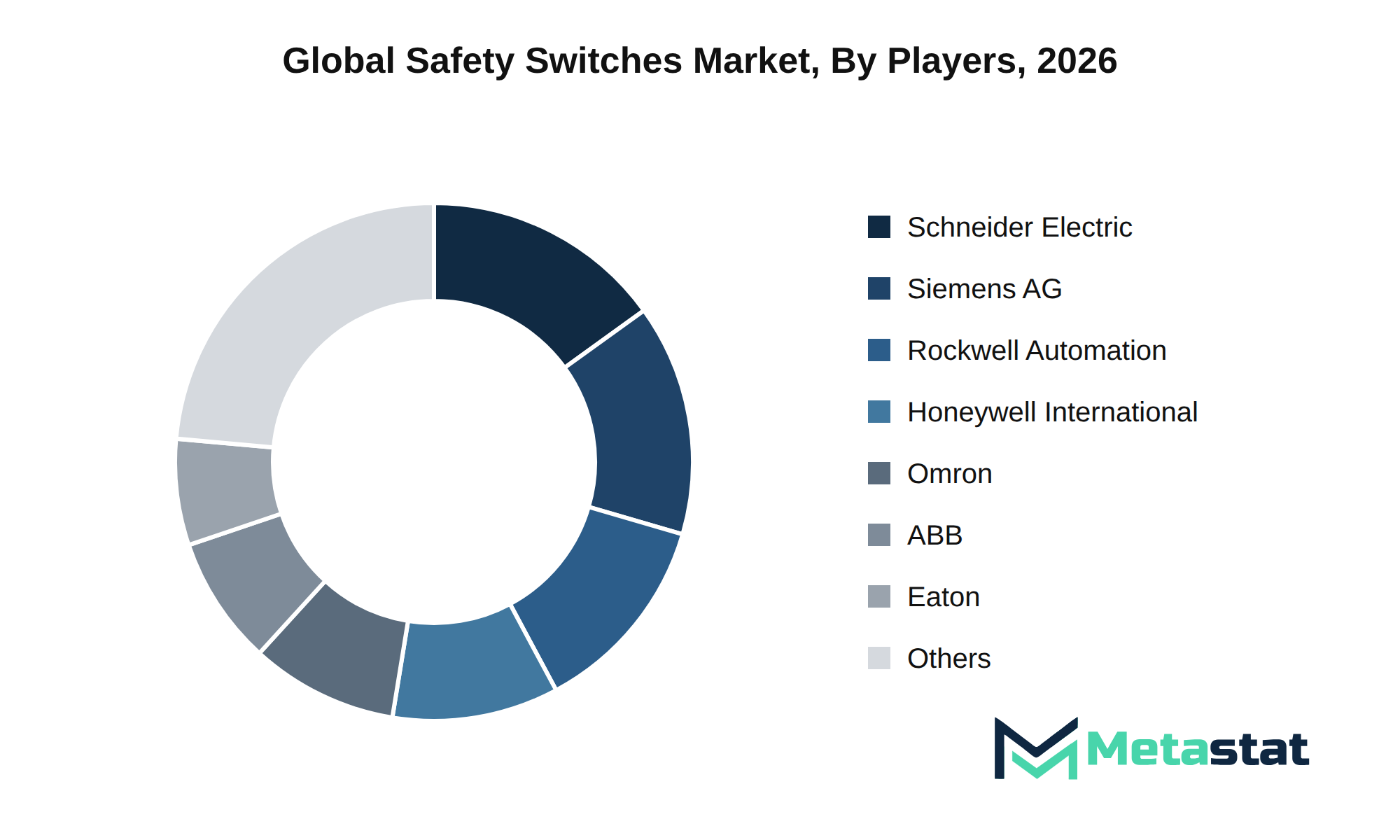
The Safety Switches market features a dynamic competitive environment where major players pursue various strategies to enhance their market positioning. Companies including Schneider Electric, Siemens AG, and Rockwell Automation leverage their established brand equity and extensive product portfolios to capture market share. Strategic alliances and partnerships with regional players facilitate market entry and expansion into emerging regions, enhancing their competitive footprint.
Product differentiation remains a critical focus, with firms investing in research and development to innovate within their product lines. Non-contact safety switches and RFID/transponder-coded actuators are examples of advanced technologies that improve product offerings. Companies like Honeywell International Inc and Omron Corporation prioritize proprietary technology that strengthens their competitive advantages in the market.
The importance of customer retention strategies becomes evident, owing to companies aiming to minimize switching costs and maintain brand loyalty. This focus on customer relationships, combined with effective pricing architectures, contributes to sustained revenue growth. The increasing threat of new entrants necessitates vigilance among established players, prompting ongoing investment in intellectual property and technological defensibility to secure their market positions.
The future competitive outlook for the Safety Switches market depends on firms' ability to adapt to changing market dynamics while addressing evolving customer needs. Collaboration and integration across the value chain will be key determinants in ensuring sustained growth and competitiveness within this sector. In this context, companies prioritize innovation and responsiveness to remain relevant.
Market size is forecast to rise from USD 2.1 billion in 2025 to over USD 3.5 billion by 2033. This growth reflects a compound annual growth rate (CAGR) of 6.7%. Various factors influence this trajectory, including macroeconomic conditions, downstream demand fluctuations, and the maturation of core industries. The adoption of next-generation technologies shapes industry dynamics and influences market growth.
Strategic capital allocation and infrastructure commitments drive investment in safety switches. Companies redirecting their focus to areas with high growth potential capture emerging white-space opportunities. Unmet enterprise needs fuel demand for innovative solutions, pushing suppliers to invest in research and development (R&D) and expedite product commercialization timelines.
Regulatory evolution and compliance milestones create a landscape that manufacturers navigate carefully. Adapting to new regulations and ensuring compliance requires investments in technology and processes, impacting overall market dynamics. Geopolitical realignments and evolving trade corridors complicate supply chain management and necessitate strategic planning in the market.
Overall, the safety switches market presents multiple avenues for growth. While industries invest in infrastructure and prioritize safety measures, demand for reliable safety switches continues to expand. Strategic foresight and adaptability enable stakeholders to capitalize on the evolving landscape and meet the needs of diverse end-user industries.
The report strategically identifies and profiles the key market players and analyses their core competencies in each sub-segment of the Safety Switches market.
Report Attributes | Details |
Study Period | 2021-2033 |
Base Year | 2025 |
Estimated Year | 2026 |
Forecast Period | 2026-2033 |
Historical Period | 2021-2025 |
Growth Rate | CAGR 6.7% from 2026 to 2033 |
Revenue Unit | USD billion |
Segmentation | By Product Type, Actuator Type, Installation Configuration, End-User Industry, and Region |
By Region | North America (By Product Type, Actuator Type, Installation Configuration, End-User Industry, and Country)
|
Europe (By Product Type, Actuator Type, Installation Configuration, End-User Industry, and Country)
| |
Asia Pacific (By Product Type, Actuator Type, Installation Configuration, End-User Industry, and Country)
| |
South America (By Product Type, Actuator Type, Installation Configuration, End-User Industry, and Country)
| |
Middle East and Africa (By Product Type, Actuator Type, Installation Configuration, End-User Industry, and Country)
|
Find answers to common questions about this report
The Safety Switches market size was valued at USD 2.1 billion in 2025, according to the Metastat Insights study.
The Safety Switches market is projected to grow at a CAGR of 6.7% during the forecast period from 2026 to 2033.
The North America Safety Switches market size is estimated to reach USD 0.9 billion by 2033.
Non-Contact Safety Switches lead the Safety Switches market, with a projected value of USD 1.1 billion by 2033. This segment shows the highest growth potential compared to other product types.
Key drivers for the Safety Switches market include the increasing demand for automation across industries, which enhances operational efficiency and productivity. This demand is further fueled by investments in advanced technologies and a heightened focus on workplace safety, ensuring compliance with safety standards while optimizing labor utilization and reducing costs.
Asia Pacific holds the dominant share of the Safety Switches market, accounting for 38 percent in 2025. This region's significant share reflects its robust industrial base and increasing demand for safety solutions.
Regulatory challenges hinder Safety Switches market growth by increasing operational and capital costs, particularly for smaller firms. Infrastructure gaps and skilled labor deficiencies contribute to deployment bottlenecks, while macroeconomic headwinds, including inflationary pressures, raise raw material costs, further reducing demand in certain sectors.
Increased demand for automation across industries, driven by the need for enhanced operational efficiency and productivity, favors product adoption. Investment in advanced technologies, including artificial intelligence, accelerates the integration of safety switches, ensuring compliance with safety standards and improving workplace safety. This focus on productivity and safety creates a favorable environment for market expansion.
The Safety Switches market is estimated to reach a valuation of USD 3.5 billion by 2033.
Key players operating in the Safety Switches market include Schneider Electric, Rockwell Automation, Siemens AG, Omron Corporation, Honeywell International Inc, ABB, and Eaton.
The analysts below cover Machinery & Equipment research at Metastat Insights.
LEAD ANALYST
Utkarsh Khirodkar is a Lead Market Research Analyst at MetaStat Insight, specializing in market intelligence, technology sector assessments, and competitive strategy.

INDUSTRY CONSULTANT - CHEMICALS & ADVANCED MATERIALS
Chemicals and Materials · Machinery & Equipment · Packaging
Amit Gadhekar Consultant for Chemicals and Materials at MetaStat Insight, directing sector-specific intelligence, research, and strategic consulting across global chemical and processing markets.

PRINCIPAL CONSULTANT - QUALITY SYSTEMS & COMPLIANCE
Electronics and Semiconductor · Machinery & Equipment · Professional Services
Omkar Phadtare is an Industry Consultant at MetaStat Insight, specializing in quality systems, regulatory compliance, and standards benchmarking to drive data-driven market intelligence and strategic industry research.

ENERGY & INFRASTRUCTURE INDUSTRY CONSULTANT
Automotive and Transportation · Electronics and Semiconductor · Energy and Power · Machinery & Equipment
Saurabh Vasant Ganvir consults for Energy & Infrastructure Industry at MetaStat Insight, specializing in renewable energy, solar EPC, and electric vehicle (EV) infrastructure markets.

LEAD CONSULTANT - COMMUNICATION, TELECOM, AND IT
Electronics and Semiconductor · Information & Technology · Machinery & Equipment · Professional Services
Ravindra Sathe Consultants for Communication, Telecom, and IT at MetaStat Insight. He leads the firm's industry research initiatives across telecommunications infrastructure, digital connectivity, enterprise networking, and emerging information technology domains.
Evaluating sovereign cloud deployments for core banking platforms demands a clear view of data residency regulations and migration exit strategies. MetaStat Insight delivered an exhaustive review of regional latency tolerances, mainframe decommission milestones, and third-party vendor concentration risk. The regulatory compliance mapping across European and Asian financial jurisdictions gave our team a dependable baseline for multi-cloud infrastructure discussions.
Replacing petrochemical surfactants with bio-based alternatives requires realistic timelines on industrial precision fermentation scaling. The market research broke down commercialization timelines, feedstock sugar price sensitivities, and regional cosmetic ingredient regulatory approvals in Europe and East Asia. That supplier readiness mapping gave our formulations team reliable context when comparing renewable chemical sourcing roadmaps.
Tracking ceramic matrix composite adoption in high-bypass aero engines requires strict attention to material qualification cycles and FAA airworthiness testing milestones. The MetaStat Insight team provided a detailed timeline of silicon carbide fiber manufacturing capacity and commercial foundry lead times. Having clear visibility into upstream thermal barrier coating supply helped us stress-test our long-term component procurement strategy.
Explore related market intelligence reports worth reading alongside this one.
Starting from
$2950