
LEAD ANALYST
Utkarsh Khirodkar is a Lead Market Research Analyst at MetaStat Insight, specializing in market intelligence, technology sector assessments, and competitive strategy.

Global Small Wind Turbine Market Size, Share, By Turbine Type (Horizontal-Axis Wind Turbines (HAWT) and Vertical-Axis Wind Turbines (VAWT)), By End-Use Sector (Residential, Commercial, Industrial, Agriculture, Telecommunications, Marine & Offshore, Government & Municipal, and Others (Research Stations, Defense, Humanitarian & Remote Sites)), By Capacity Rating (kW) (0 to 5 kW (Micro), 6 to 20 kW (Small), and 21 to 100 kW (Medium)), By Connectivity (Off-Grid, On-Grid, and Hybrid (Wind + Battery/PV)), Industry Analysis, Growth, Trends, and Forecast, 2026-2033
Report ID
MSI-5272
Published
September, 2026
Pages
296 Pages
Format
Historical
Base year
Forecast
Forecast period
Report Details
Market Valuation: Valued at $1,630.4 Million in 2025, projected to reach $2,719.6 Million by 2033 at a 6.6% CAGR.
Dominant Segment: Horizontal-Axis Wind Turbines (HAWT) lead the market, driven by increasing adoption across residential and commercial sectors seeking efficient renewable energy solutions.
Geographic Lead: The Asia-Pacific region shows the fastest growth potential, fueled by rising energy demands and a strong push for renewable energy adoption.
What's Inside: The report provides a comprehensive analysis of market segmentation by turbine type, end-use sector, capacity rating, and connectivity, along with competitive insights and strategic forecasts.
Emerging Regional Demands: Emerging markets in South America and Asia-Pacific present significant opportunities for small wind turbine adoption, supported by infrastructure modernization and favorable regulatory policies.
Choose Your License
Global Small Wind Turbine Market
The global Small Wind Turbine market was valued at USD 1,630.4 million in 2025 and is projected to reach USD 2,719.6 million by 2033, growing at a CAGR of 6.6% over the forecast period.

The Small Wind Turbine market reached a valuation of USD 1,630.4 million in 2025, reflecting a growth trajectory supported by increasing demand for distributed energy solutions. Forecasts indicate an expansion to USD 2,719.6 million by 2033, driven by a compound annual growth rate (CAGR) of 6.6% during the period from 2026 to 2033.
Rising adoption of small wind turbines for off-grid power generation significantly contributes to market growth. Increased energy independence and the need for sustainable energy sources drive residential and commercial sectors to invest in these systems. This trend aligns with global efforts to enhance energy resilience, particularly in remote areas.
Hybrid wind and solar systems expand small wind turbine applications, enhancing energy generation efficiency. Integrating multiple renewable sources optimizes energy output, enabling users to benefit from consistent power supply while reducing reliance on traditional energy sources.
Small wind turbine demand across residential and commercial buildings reflects a shift towards sustainable energy solutions. Homeowners and businesses alike recognize the long-term cost savings and environmental benefits associated with using wind energy. This trend is particularly prominent in regions with favorable wind conditions.
Agricultural applications create new demand for small wind power systems, driven by farmers seeking alternative energy solutions to power operations. Using wind energy for irrigation, heating, and other agricultural processes reduces operational costs while promoting sustainable practices.
Small wind turbines find significant application in telecom towers and remote infrastructure, addressing energy needs in areas lacking grid connectivity. This sector's growth highlights the importance of reliable power sources for communication networks, especially in underserved regions.
Vertical axis wind turbines (VAWT) gain traction in urban environments due to their compact design and reduced noise levels. These turbines offer an attractive solution for cities seeking to integrate renewable energy without compromising space or aesthetics.
Horizontal axis wind turbines (HAWT) maintain leadership in distributed wind generation, favored for their efficiency and established technology. This segment continues to dominate market share, driven by advancements in turbine design and performance enhancements.
Advances in small wind turbine blade and generator technology enhance overall efficiency and reliability. Manufacturers invest in research and development to create innovative solutions that improve energy capture and reduce maintenance requirements.
Battery storage integration transforms small wind energy systems, allowing for energy storage and on-demand usage. This capability enables users to manage energy resources more effectively, maximizing the benefits of wind-generated power.
Smart controllers and remote monitoring systems improve small wind turbine performance, enabling real-time data analysis and operational adjustments. These technologies enhance system efficiency, ensuring optimal energy production and reducing downtime.
The demand for distributed energy solutions drives growth in the Small Wind Turbine market. Increasing interest in renewable energy sources, along with the need for energy independence, spurs investment in small wind systems, particularly in remote and rural areas where conventional power supply remains limited.
Rising adoption of small wind turbines for off-grid power generation highlights a significant trend in the market. These systems provide reliable energy to locations lacking grid access, thus enabling self-sufficiency and resilience in energy supply.
Hybrid wind-solar systems expand applications for small wind turbines. By integrating solar energy with wind power, these solutions enhance energy reliability and contribute to reducing dependency on fossil fuels, appealing to both residential and commercial users.
The residential and commercial sectors represent key areas of demand for small wind turbines. Consumers and businesses increasingly recognize the economic benefits and sustainability of these systems, driving installation rates across a variety of building types.
Agricultural applications create new demand for small wind power systems. Farmers apply these technologies to power irrigation systems, reduce energy costs, and support sustainable farming practices, positioning small wind turbines because essential tools for modern agriculture.
Small wind turbines find use in telecom towers and remote infrastructure. These systems ensure uninterrupted power supply for critical telecommunications, especially in locations where grid reliability is inconsistent.
Vertical axis wind turbines gain traction in urban environments. Their compact design and ability to capture wind from varying directions make them suitable for city landscapes, where space and aesthetic considerations influence energy system choices.
Horizontal axis wind turbines maintain leadership in distributed wind generation. Their established technology and efficiency contribute to their popularity among users, driving growth in both residential and commercial sectors.
Advances in small wind turbine blade and generator technology enhance system performance. Innovations in materials and design improve energy capture, efficiency, and durability, significantly impacting market dynamics.
Battery storage integration transforms small wind energy systems. By pairing wind turbines with battery technology, users store excess energy, providing a reliable power supply during periods of low wind generation.
Smart controllers and remote monitoring improve small wind turbine performance. Enhanced management capabilities allow for real-time performance tracking and optimization, increasing the reliability and efficiency of wind systems.
Installation costs and levelized energy economics significantly influence adoption rates in the market. Competitive pricing and financial incentives enhance the attractiveness of small wind turbines, particularly in emerging markets.
Net metering and distributed energy policies support small wind deployment. Favorable regulations encourage investments in renewable energy systems, facilitating growth and market penetration for small wind technologies.
Certification and grid interconnection requirements shape the landscape for small wind turbine adoption. Compliance with these standards ensures the safety and reliability of systems, building consumer confidence and market expansion.
Supply chain trends in generators, blades, towers, and power electronics impact market dynamics. Manufacturers focus on optimizing their supply chains to reduce costs and improve the availability of components critical to small wind turbine production.
Competitive strategies of small wind turbine manufacturers focus on innovation and market differentiation. Companies develop unique technologies and business models to capture market share and meet the evolving needs of customers.
Opportunities in rural electrification and microgrids highlight significant growth potential. Small wind turbines play a crucial role in providing clean energy solutions to underserved communities, driving interest from investors and policymakers.
Marine and offshore applications for small wind turbine systems present new avenues for growth. These systems offer renewable energy solutions for maritime operations and coastal regions, expanding the market's scope.
The Asia Pacific small wind turbine market expansion aligns with rising rural energy demand. Governments and organizations prioritize renewable energy initiatives, driving investment and adoption in this region.
Distributed wind deployment trends in North America and Europe demonstrate strong market activity. Regulatory support and increasing awareness of renewable energy benefits drive growth in these key regions.
Emerging markets for small wind turbines in Latin America, the Middle East, and Africa present substantial opportunities. Investment in renewable energy infrastructure and rural electrification initiatives enhances prospects for small wind technologies.
Repowering, maintenance, and lifecycle service opportunities create additional revenue streams for small wind turbine providers. Ensuring the longevity and optimal performance of installed systems is essential for maintaining market competitiveness.
Innovation in noise reduction and low wind speed performance enhances the appeal of small wind turbines. These advancements address common concerns associated with wind energy systems, broadening their acceptance in various environments.
Modular and rooftop small wind turbine technology development caters to urban and residential markets. Flexible design options allow for easy integration into existing structures, encouraging greater adoption among homeowners and businesses.
Future growth opportunities in decentralized small wind energy systems align with increasing demand for sustainable energy solutions. The market's trajectory points towards a robust future, supported by technological advancements and favorable policy environments.

Technological integration drives significant advancements in the Small Wind Turbine market. The adoption of automation and artificial intelligence (AI) streamlines operations and enhances efficiency across production and maintenance processes. These technologies enable manufacturers to optimize performance, reduce operational costs, and improve energy output, aligning with the increasing demand for sustainable energy solutions.
The integration of software solutions aids in digitizing legacy processes, improving data management and analytics capabilities. Enhanced data insights allow stakeholders to make informed decisions regarding resource allocation and system deployment, ultimately leading to better project outcomes. This transformation supports the broader shift toward renewable energy, reinforcing the Small Wind Turbine market's growth potential.
While industries prioritize operational productivity and cost-efficiency initiatives, the market experiences growing interest from various sectors. The shift toward sustainable energy solutions necessitates innovations that address environmental, social, and governance (ESG) mandates, positioning small wind turbines because a viable option in achieving sustainability goals. Investment in these technologies promotes a cleaner energy landscape, further contributing to market expansion.
Regulatory compliance hurdles present significant challenges within the Small Wind Turbine market. Complexities surrounding environmental regulations and local permitting processes create delays and increase operational costs for potential projects. Various stakeholders, including manufacturers and installers, experience difficulties navigating these compliance requirements, leading to project postponements and decreased investment attractiveness.
High capital investment requirements for small wind turbine installations limit access for many potential adopters. Initial costs associated with acquiring and installing these systems deter residential and commercial buyers, particularly in regions with less financial incentive for renewable energy adoption. This financial barrier restricts growth opportunities within the market.
Escalating operating costs further challenge market participants. Fluctuations in material prices and labor costs contribute to rising expenses for manufacturers. Increasing costs lead to higher prices for end users, ultimately dampening demand for small wind turbines in a competitive energy landscape.
Supply chain disruptions, exacerbated by geopolitical instability, hinder the timely delivery of components necessary for small wind turbine production. Delays in procurement impact delivery timelines and overall project viability. This instability results in lost sales opportunities and reduced market penetration.
Infrastructure gaps and connectivity deficits in certain regions restrict the deployment of small wind turbine systems. Lack of adequate grid connections prevents successful energy integration, making investment less appealing. In areas where infrastructure development lags, the market faces challenges in reaching its full potential.
Talent gaps within the renewable energy sector limit the workforce's ability to support market growth. The shortage of skilled labor impacts installation and maintenance services, creating bottlenecks in project execution. Demand for small wind turbines increases, and the industry requires a robust labor force to maintain momentum.
Data security vulnerabilities and privacy concerns surrounding energy generation systems complicate market acceptance. Potential users hesitate to invest in small wind turbines if concerns about data management and security persist. Addressing these vulnerabilities is crucial for enhancing consumer confidence and market expansion.
Geopolitical fragmentation influences the Small Wind Turbine market through trade deficits, tariff friction, and supply chain instability. Increasing protectionist measures in various regions disrupt the flow of components essential for manufacturing and assembly. Political tensions complicate international trade agreements and raise operational costs for manufacturers.
Technological disruptions represent another challenge within the market. Rapid advancements in competing energy technologies shift downstream demands, creating pressure on the adoption of small wind turbines. Stakeholders in the energy sector face challenges integrating new technologies, with interoperability friction increasing between traditional energy systems and emerging innovations.
Pricing compression and margin pressures affect manufacturers. Rising input costs from raw materials and components strain profitability. These economic factors force companies to evaluate their pricing strategies, risking potential market share losses if prices become uncompetitive. Talent retention pressures and workforce skill gaps hinder operational efficiency, impacting the market's growth potential.
Environmental lifecycle footprints face increasing scrutiny owing to rising sustainability demands. Companies supplying small wind turbines invest in processes that reduce environmental impacts while adhering to tightening global regulatory standards. This scenario raises compliance overhead and legal liabilities, complicating market participation for smaller firms without the necessary resources.
Infrastructure gaps and retrofitting barriers present further challenges in expanding the market. Many regions lack the necessary infrastructure to support small wind turbine installations, limiting deployment opportunities. Implementation bottlenecks arise when existing structures require modification to accommodate new technologies, delaying growth in the market.
Growing interest in sustainable energy solutions fuels the Small Wind Turbine market, particularly in regions prioritizing renewable energy adoption. Rapid urbanization, combined with increasing energy demands, pushes various countries to explore small wind turbine installations owing to viable alternatives to traditional energy sources. Geographic expansion into emerging markets, including Asia Pacific and South America, presents significant opportunities for growth and increased penetration of these technologies.
Infrastructure modernization within various regions strengthens the case for deploying small wind turbines. Upgraded energy grids and supportive policies enable the integration of distributed energy resources, enhancing the overall market appeal. Investments in green infrastructure create favorable conditions for the adoption of renewable energy technologies, heightening demand for small wind turbines across diverse sectors.
Technological disruptions further enhance market dynamics, particularly through advancements in turbine design and materials. Innovations focusing on efficiency and cost reduction attract buyers seeking competitive energy solutions. The emergence of digital transformation strategies within energy systems allows for improved monitoring and management, which in turn increases the attractiveness of small wind turbines.
Strategic consolidation among key players influences market positioning and competitiveness. Mergers and acquisitions facilitate the sharing of resources and expertise, resulting in enhanced product offerings and market diversification. This trend aligns with evolving buying behaviors, where customers emphasize integrated solutions over standalone products. Companies that actively promote green transformations attract a larger share of the market, capitalizing on consumers' growing environmental consciousness.
While the demand for niche applications expands, opportunities for tailored solutions arise. Industries including telecommunications and agriculture present unique requirements for small wind turbines, propelling innovation in product integration. These developments influence the market further, aligning with broader trends in environmental sustainability and energy diversification.
The Global Small Wind Turbine market is segmented based on Turbine Type, End-Use Sector, Capacity Rating (kW), and Connectivity.
Valued at USD 1,403.4 million in 2026, the Horizontal-Axis Wind Turbines (HAWT) segment anticipates growth to USD 2,100.6 million by 2033, reflecting a CAGR of 5.9% during the forecast period. Demand for HAWTs stems from increasing adoption of renewable energy sources across various sectors, including residential and commercial applications. The rising focus on energy independence and sustainability drives investments in this segment, encouraging end-users to transition from conventional energy solutions to more efficient wind energy systems.
Technological maturation enhances the performance and reliability of Horizontal-Axis Wind Turbines. Innovations in design and materials contribute to greater energy efficiency and lower operational costs, appealing to a wider range of consumers. Next-generation upgrades, including advanced control systems and predictive maintenance technologies, boost the operational lifespan of HAWTs, promoting their attractiveness in the Small Wind Turbine market.
Regulatory compliance standards and government incentives further support the segment's expansion. Policies aimed at reducing carbon emissions and promoting renewable energy adoption provide financial benefits and frameworks that encourage investments in HAWTs. These initiatives create a favorable environment for manufacturers and end-users, facilitating a strong growth trajectory for the market.
Shifts in consumption patterns toward decentralized energy generation increase the demand for Horizontal-Axis Wind Turbines. Increased awareness of energy security and environmental sustainability influences consumers' purchasing decisions, encouraging investments in small wind systems. End-use dynamics reflect a growing preference for sustainable energy solutions, with HAWTs emerging because a viable option for residential, commercial, and agricultural sectors.
The Horizontal-Axis Wind Turbines segment within the Small Wind Turbine market exhibits significant growth potential, driven by technological advancements, regulatory support, and changing consumer preferences. The combination of these factors positions HAWTs because a key player in the overall market.
Investments in energy efficiency and renewable technologies accelerate growth within the Vertical-Axis Wind Turbines (VAWT) segment. This segment is estimated to reach USD 619 million by 2033, at a CAGR of 9% during the forecast period. Increased demand for sustainable energy solutions, particularly in urban settings, drives the adoption of VAWTs, which feature a compact design that facilitates installation in limited spaces. End-users in residential, commercial, and industrial sectors favor VAWTs due to their ability to function effectively in turbulent wind conditions, enhancing versatility and appeal.
Technological maturation contributes significantly to the segment's expansion. Innovations in turbine efficiency and durability improve the performance of VAWTs, making them more attractive to potential customers. The trend toward decentralized energy generation aligns with the segment's growth objectives, allowing for integration into diverse applications, including agriculture, telecommunications, and municipal infrastructure.
Regulatory compliance and sustainability initiatives influence purchasing decisions, particularly in regions with stringent environmental standards. These factors encourage investment in VAWTs, further stimulating market growth. The alignment of VAWTs with green energy policies enhances their market potential, reflecting a broader shift toward renewable energy sources.
Pricing volatility in raw materials used in VAWT production poses challenges to manufacturers. Fluctuations in the cost of essential components, including aluminum and composites, affect profit margins and pricing strategies. Strategic opportunity windows arise from advancements in material science, which mitigate these cost pressures while enhancing product performance.
Continuous capital investment in R&D allows manufacturers to innovate and develop next-generation VAWTs. While the technology evolves, the segment is expected to capture a larger share of the Small Wind Turbine market, driven by improved efficiency and reduced lifecycle costs. This dynamic positions the VAWT segment because a promising area within the renewable energy sector, reflecting a positive growth trajectory in the years ahead.
Residential applications within the Small Wind Turbine market experience notable growth driven by increasing consumer awareness regarding energy sustainability and self-sufficiency. Valued at USD 420.3 million in 2026, this segment is projected to reach USD 601.3 million by 2033, at a CAGR of 5.2% during the forecast period. Demand for small-scale renewable energy solutions arises from rising energy costs and the desire for reduced dependence on traditional power sources. This segment benefits from technological advancements, leading to more efficient and compact turbine designs that appeal to homeowners.
Government incentives and subsidies further encourage residential adoption of wind energy, minimizing financial barriers for potential buyers. Regulatory frameworks aimed at reducing carbon footprints create a favorable environment for investments in residential wind turbines. Increased product awareness and demonstrations of successful installations contribute to shifting consumer perceptions, enhancing confidence in residential wind solutions. These dynamics support continued expansion in the residential segment, reflecting a broader trend towards decentralized energy production.
Demand for small wind turbines in the commercial sector continues to rise owing to increasing energy costs and the push for sustainable energy solutions. Businesses actively seek alternative energy sources to reduce operational expenses while meeting corporate sustainability goals. The segment is estimated to reach USD 526.5 million by 2033, at a CAGR of 7.1% during the forecast period.
Technological maturation plays a critical role in enhancing efficiency and reliability within this segment. Innovations including improved turbine design and energy storage solutions support the adoption of small wind turbines in commercial applications. The market benefits from next-generation upgrades that enhance performance and reduce maintenance costs.
Regulatory compliance standards further drive adoption in the commercial sector. Governments promote renewable energy through various incentives and subsidies, encouraging businesses to invest in wind energy solutions. These policies positively impact capital investment outlook, creating a strategic opportunity window for new entrants and established players in the market.
The market experiences shifts in consumption patterns, with businesses increasingly prioritizing energy independence. Demand for hybrid systems that incorporate wind energy with other renewable sources, including solar power, demonstrates the evolving preferences of commercial customers. This trend contributes to a resilient supply chain, because manufacturers respond to the diverse needs of the sector.
Pricing volatility and margin pressures related to raw material sourcing challenge manufacturers in the market. Fluctuations in material costs impact pricing strategies, necessitating effective supply chain management to maintain competitiveness. Strategic partnerships with raw material suppliers mitigate risks associated with supply chain vulnerabilities.
Overall, the commercial segment within the Small Wind Turbine market presents significant growth opportunities driven by technological advancements, regulatory support, and changing consumption dynamics.
Adoption of small wind turbines within the industrial sector benefits from the increasing emphasis on sustainability and energy efficiency. Organizations pursue renewable energy sources to reduce operational costs and minimize reliance on conventional power grids. The industrial segment is projected to reach USD 405.8 million by 2033, reflecting a growing trend toward integrating renewable energy solutions into manufacturing and production processes.
Technological maturation enhances the appeal of small wind turbines for industrial applications. Innovations in turbine design, efficiency, and energy storage contribute to improved performance and cost-effectiveness. This progress supports widespread adoption among industries seeking reliable and sustainable energy alternatives.
Regulatory compliance standards regarding emissions and energy consumption drive the demand for small wind turbines within the industrial sector. Governments promote renewable energy adoption through incentives and subsidies, encouraging organizations to invest in smaller-scale wind energy solutions. This regulatory environment supports growth within the market.
Consumption shifts toward sustainable practices have heightened interest in renewable energy sources among various industries. Businesses increasingly recognize the financial and environmental benefits of transitioning to wind energy, leading to a notable increase in small wind turbine installations. This trend positions the market for expansion in the coming years.
Strategic opportunity windows arise for manufacturers and suppliers focusing on the industrial segment. The emphasis on cleaner energy solutions creates potential for new partnerships and innovations, enhancing the market's competitive environment. Industrial stakeholders are likely to capitalize on these opportunities, reinforcing the segment's growth trajectory.
Across the agricultural sector, a robust shift towards renewable energy sources enhances the adoption of small wind turbines. Farmers and agricultural businesses increasingly recognize the potential of these systems to lower energy costs while supporting sustainable practices. Growing awareness of environmental issues fuels demand for clean energy solutions, highlighting the relevance of the Small Wind Turbine market in agricultural applications.
Investment in small wind turbines aligns with the agricultural industry's push for energy independence and cost efficiency. Regulatory incentives promoting renewable energy encourage many agricultural operators to explore small wind turbine technologies to supplement their energy needs, especially in remote areas with limited access to traditional power sources. The agriculture segment is projected to grow at a CAGR of 7% during the forecast period.
Technological advancements in turbine design and efficiency contribute to the segment's growth. Enhanced performance metrics and reduced maintenance costs increase the appeal of these systems. Agricultural producers adopting small wind turbines benefit from operational savings and the positive environmental impact associated with reduced greenhouse gas emissions. This trend reinforces the relevance of the Small Wind Turbine market in evolving energy strategies for agriculture.
Telecommunications sector adoption of small wind turbines shows promising potential, driven by the increasing demand for reliable and sustainable power sources. The rise in remote telecommunication towers necessitates energy solutions that minimize dependency on conventional grids. These factors lead to heightened interest in renewable energy options, particularly in areas with inadequate grid access.
Advancements in turbine technology enhance performance and efficiency, aligning with the specific energy requirements of telecommunications infrastructure. Innovations including hybrid systems, which combine wind energy with battery storage, provide continuous power and reduce operational costs. The ongoing evolution of product designs ensures better compatibility with existing telecommunication setups, facilitating smoother integration.
Regulatory frameworks increasingly emphasize sustainability and renewable energy adoption, encouraging telecommunications companies to invest in small wind solutions. Compliance with these regulations boosts market growth, supporting long-term operational strategies focused on reducing carbon footprints. This trend influences strategic planning, reflecting companies' efforts to align with environmental standards while optimizing energy costs.
Telecommunications companies recognize the strategic opportunities presented by small wind turbines, aiming to enhance energy resilience and reduce reliance on fossil fuels. This sector's dynamics reflect a growing preference for sustainable solutions, shaping investment priorities and driving innovation across the Small Wind Turbine market.
Interest in renewable energy resources significantly influences demand for small wind turbines in the Marine & Offshore segment. Adoption in marine environments benefits from the need for sustainable energy solutions to power remote operations and equipment on offshore platforms. This segment experiences growth driven by the increasing focus on reducing carbon emissions and enhancing energy efficiency in maritime applications.
Technological maturation within the small wind turbine sector enhances the feasibility of deploying these solutions in challenging marine conditions. Advances in materials and design reduce maintenance costs and extend operational lifespans, improving the overall economic viability of small wind systems. Innovations including hybrid models combining wind and solar energy technologies emerge, providing more efficient and reliable energy sources for marine applications.
Regulatory compliance with environmental standards and local policies encourages the integration of small wind turbines in offshore projects. Governments promote the use of renewable energy to support sustainable development goals, creating opportunities for capital investment in the Marine & Offshore segment. Commitment to meeting these standards drives technological upgrades and product evolution, ensuring compatibility with stringent operational requirements.
Successful deployment of small wind turbines in marine applications relies on the resilience of the supply chain. Access to raw materials and components remains crucial for maintaining production efficiency. Strategic alignment with suppliers dedicated to sustainable practices reduces risks associated with sourcing, enhancing the overall reliability of the market.
Investment in the Marine & Offshore segment represents a strategic opportunity for stakeholders. The shift towards renewable energy in maritime operations opens white-space avenues for innovation, enabling businesses to capitalize on emerging trends. Engaging with stakeholders across various sectors enhances adoption rates and supports the long-term growth of the small wind turbine market.
Growing emphasis on renewable energy solutions drives interest in small wind turbines within the government and municipal sector. Initiatives aimed at reducing carbon footprints and achieving sustainability targets play a critical role in shaping this segment. Municipalities increasingly seek to diversify their energy sources, leading to strategic investments in small wind technology to enhance energy independence and resilience.
Technological advancements contribute significantly to the appeal of small wind turbines in government applications. Innovations in turbine design and efficiency make these solutions more viable for urban and rural settings. Enhanced performance combined with decreasing installation costs accelerates rapid adoption in government projects, which often prioritize sustainable infrastructure development.
The market experiences a shift in consumption patterns resulting from public entities recognizing the long-term economic benefits of small wind turbines. Financial incentives and grants facilitate investment, enabling municipalities to integrate these systems into public facilities, parks, and community centers. This strategic integration aligns with broader goals of advancing clean energy initiatives while providing potential cost savings on energy expenditures.
Regulatory compliance standards further impact market dynamics. Governments often implement policies that encourage or mandate the use of renewable energy sources, enhancing the attractiveness of small wind technology. Such frameworks create a conducive environment for the deployment of small wind systems, driving long-term growth within the market.
Strategic opportunity windows emerge owing to municipalities expanding their commitment to renewable energy. Partnerships between government entities and energy technology firms create avenues for innovative solutions that strengthen community energy systems. While these collaborations evolve, they contribute to the overall development of the small wind turbine market.
Growing interest in renewable energy solutions significantly impacts the Others (Research Stations, Defense, Humanitarian & Remote Sites) segment of the Small Wind Turbine market. These applications require reliable and sustainable energy sources in remote or challenging environments. Small wind turbines provide an efficient alternative to conventional energy sources, supporting operations in locations without established grid infrastructure.
Investment trends reflect a shift toward renewable technologies within defense and humanitarian sectors, where energy independence is critical. Research stations benefit from small wind turbines through enhanced energy reliability, which reduces reliance on diesel generators. This transition aligns with global sustainability goals and supports initiatives aimed at reducing carbon footprints.
Technological maturation, including advancements in turbine efficiency and integration with energy storage systems, enables these applications to thrive. The growth of the small wind segment in specialized end-use areas presents strategic opportunity windows for manufacturers and investors focused on niche market development. Capacity expansion and product innovation remain essential for capturing emerging opportunities within this segment.
Valued at USD 741.2 million in 2026, the 0 to 5 kW (Micro) segment is projected to reach USD 1,083.5 million by 2033, at a CAGR of 5.6% during the forecast period. Increased consumer awareness regarding renewable energy solutions drives adoption, particularly in residential settings. The growing need for energy independence among homeowners, coupled with rising electricity prices, contributes to demand within this sub-segment. Technological advancements enhance the efficiency and affordability of micro wind turbines, making them attractive for small-scale energy generation.
Supportive government policies and incentives promote the integration of small wind turbines in residential applications. Financial benefits associated with energy savings and potential tax credits encourage investment in this technology. The small wind turbine market experiences a notable shift, with consumers increasingly considering sustainable energy solutions to reduce their carbon footprint.
Growing adoption of wind energy solutions across various sectors fuels demand for the 6 to 20 kW (Small) segment in the Small Wind Turbine market. This segment is projected to reach USD 972.5 million by 2033, at a CAGR of 7.1% during the forecast period. In residential applications, consumers increasingly embrace small wind turbines to reduce energy costs and enhance energy independence. The commercial sector benefits from government incentives promoting renewable energy investments, driving adoption of small wind solutions. Technological advancements in turbine efficiency and reliability support this growth by improving overall performance and reducing maintenance costs. Regulatory frameworks that encourage sustainable energy use further enhance market potential, driving demand across various end-use segments.
Expectations for the 21 to 100 kW (Medium) segment within the Small Wind Turbine market indicate a value of USD 663.6 million by 2033. Rising demand for medium-capacity turbines results from their versatility in various applications, including industrial and agricultural sectors. These turbines offer a balance between energy output and installation costs, attracting investment aimed at enhancing energy independence and sustainability.
Technological advancements drive segment growth by improving efficiency and durability in medium wind turbines. Innovations in design, including enhanced aerodynamics and advanced materials, facilitate better performance in diverse wind conditions. This evolution supports adoption among end-users seeking reliable energy solutions, reinforcing the segment's position in the overall market.
Regulatory compliance standards promoting renewable energy usage stimulate demand for medium turbines. Governments across multiple regions implement policies that incentivize the adoption of renewable energy systems. Consequently, this environment encourages businesses and consumers to invest in medium wind solutions, driving market expansion and enhancing revenue potential.
Increased focus on reducing carbon footprints influences consumption shifts towards sustainable energy sources. Organizations striving for corporate responsibility and environmental stewardship actively seek medium wind turbines to meet energy needs. This trend highlights the relevance of the segment within the broader Small Wind Turbine market, positioning it for sustained growth through 2033.
Off-Grid connectivity within the Small Wind Turbine market demonstrates significant potential, supporting increased energy independence in remote and rural areas. Valued at USD 709.5 million in 2026, this segment is projected to reach USD 1,004.1 million by 2033, at a CAGR of 5.1% during the forecast period. The rise in off-grid solutions results from growing demand for reliable and sustainable energy sources, particularly in regions lacking robust electricity infrastructure.
Adoption within this segment aligns with global efforts to reduce carbon footprints and enhance energy security. Technological advancements in turbine design and efficiency improve performance and lower costs, facilitating wider acceptance among end-users. Increasing awareness of renewable energy benefits drives investments in off-grid systems, particularly in the agricultural and rural sectors, where traditional energy sources remain limited.
Regulatory support for clean energy initiatives drives growth in the market. Various governments implement policies promoting renewable energy adoption, enhancing the appeal of off-grid wind solutions. While end-users prioritize sustainability, off-grid small wind turbines represent a viable alternative to conventional energy sources, positioning the segment for continued expansion.
Growing demand for on-grid small wind turbines stems from increasing investments in renewable energy infrastructure and supportive regulatory frameworks. These factors enhance the feasibility of integrating small wind systems into existing power grids, promoting energy independence and sustainability. Urban development expands, with both residential and commercial sectors exhibiting a strong shift towards cleaner energy solutions, generating substantial opportunities within the market.
The on-grid segment is estimated to reach USD 1,050.8 million by 2033, at a CAGR of 7% during the forecast period. This growth results from advancements in turbine technology, allowing for greater efficiency and reliability. Rising costs of traditional energy sources drive more consumers to consider renewable options, reinforcing the consumer shift towards small wind energy solutions.
Technological maturation plays a critical role, with innovative designs and improved energy capture methods enhancing system performance. Manufacturers focus on product evolution, and potential for next-generation upgrades arises, aligning with market trends toward hybrid systems that combine wind with other renewable sources. This evolution is expected to accelerate adoption rates in various sectors, ensuring the market remains competitive and responsive to consumer needs.
Ongoing shifts in consumption habits and the pursuit of regulatory compliance fuel the on-grid segment's expansion within the small wind turbine market. The combination of strategic opportunity windows and favorable cost structures positions this segment for continued growth, benefiting from the increasing emphasis on sustainable energy solutions across multiple industries.
Increased demand for renewable energy solutions significantly influences the adoption of hybrid wind systems that combine wind and battery/PV technologies. This segment addresses the growing need for energy storage and reliability, providing an efficient solution for both residential and commercial applications. Regulatory support for clean energy sources enhances investment, pushing the market towards innovative solutions. Technological advancements in storage capacity and efficiency drive expansion within this segment, attracting investments and encouraging product evolution.
The hybrid (Wind + Battery/PV) segment is projected to reach USD 664.7 million by 2033. Integration of hybrid systems aligns with end-use dynamics, particularly in locations where grid access is limited or unreliable. By leveraging both wind and battery storage, users gain a consistent energy supply, which enhances operational efficiency. This segment benefits from strategic opportunities arising from industries emphasizing sustainability practices and energy independence.
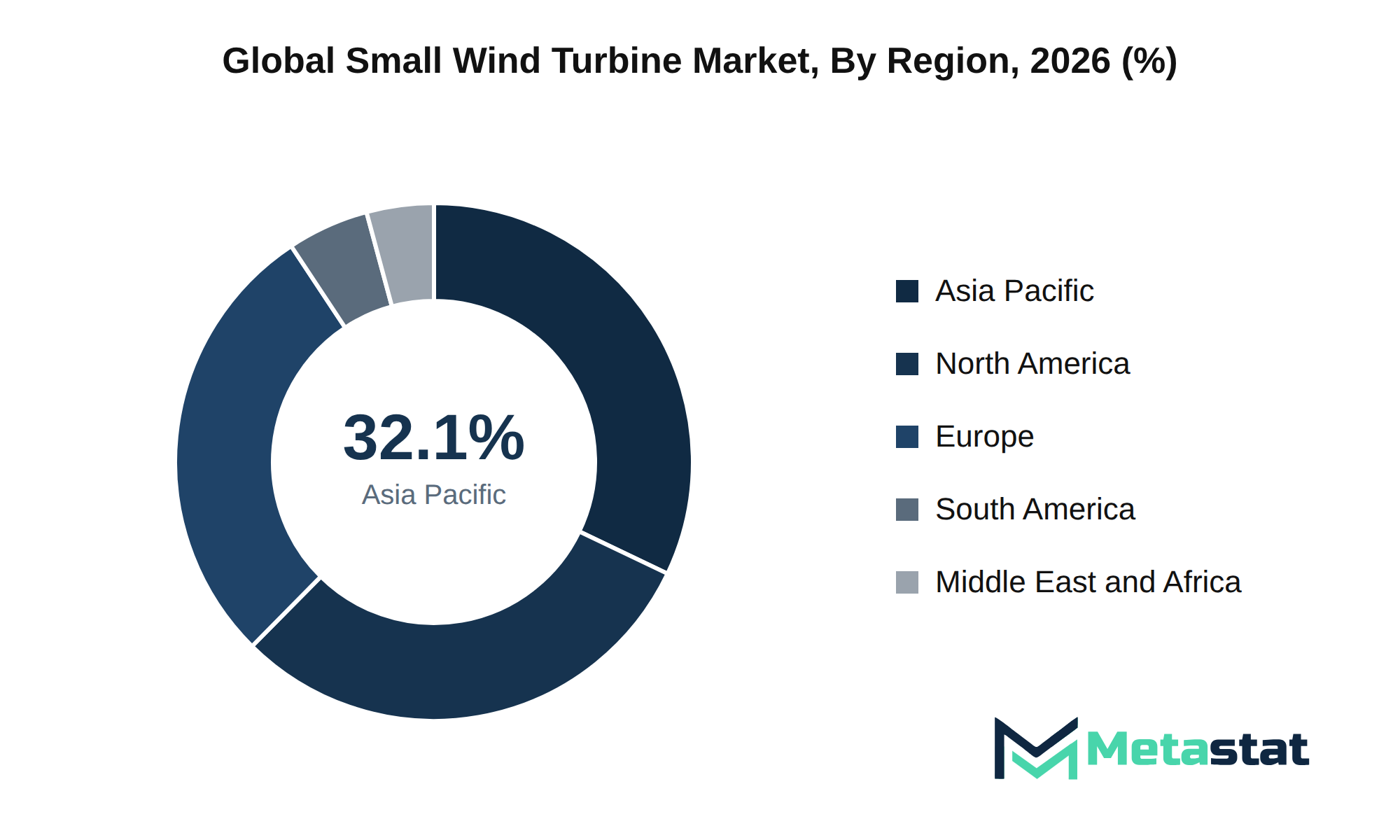
Based on geography, the Global Small Wind Turbine market is divided into North America, Europe, Asia-Pacific, South America, Middle East, and Africa.
North America is positioned for significant growth in the Small Wind Turbine market, projected to expand at a CAGR of 6.6% within the forecast period, reaching a market size of USD 787.6 million by the end of 2033. The region's market share accounted for 30.3% of the global total in 2025, highlighting its significance in the renewable energy landscape.
Growing interest in sustainable energy solutions drives investment in small wind turbine technologies across the United States, Canada, and Mexico. The increasing emphasis on reducing carbon footprints alongside supportive governmental policies encourages both residential and commercial adoption. Enhanced awareness regarding energy independence and reliability further stimulates demand for small wind installations.
Infrastructure modernization plays a critical role in enhancing the viability of small wind turbines throughout the region. Upgraded energy grids facilitate the integration of diverse energy sources, contributing to improved efficiency and reliability. Localized manufacturing densities strengthen supply chains, ensuring timely availability of components necessary for small wind turbine deployment.
Cultural nuances within North America shape B2B buying behaviors, with businesses increasingly prioritizing environmentally friendly solutions. Strategic entry barriers for new market entrants remain high due to established domestic players who dominate the market. Vendor consolidation trends lead to enhanced competitiveness and innovation, driving the market forward.
Regional resource availability, particularly in wind-rich areas, supports the expansion of the Small Wind Turbine market. Energy grid resiliency and local infrastructure readiness contribute to the successful implementation of small wind projects. Investment in foreign direct investment (FDI) flows highlights the attractiveness of the region, driven by a target for international players seeking growth opportunities in the renewable energy sector.
Market growth in Europe for small wind turbines benefits from increased regulatory support for renewable energy initiatives and ambitious climate goals established by various governments. Countries including Germany, France, the UK, Italy, and Spain demonstrate significant interest in expanding their renewable energy infrastructure, driving demand for small wind turbine solutions. The integration of small wind turbines into local energy grids aligns with regional energy security objectives, creating a favorable environment for market growth.
Germany remains a critical player in the small wind turbine market, leveraging robust renewable energy policies and technological advancements to encourage adoption. France and the UK focus on enhancing local manufacturing capacities and developing innovative financing mechanisms to stimulate investments in small wind technology. Italy and Spain contribute to market expansion through increased awareness and educational initiatives surrounding the benefits of renewable energy sources.
The market for small wind turbines in Europe is poised for further expansion. Countries seek to modernize energy infrastructure and reduce reliance on fossil fuels. Rising consumer awareness regarding sustainable practices and the environmental impact of energy generation contributes to market growth. The regional market demonstrates a collaborative approach among manufacturers, policymakers, and consumers to enhance the adoption of small wind turbines.
Emerging market front-runners in Europe capitalize on localized manufacturing densities and favorable procurement dynamics to strengthen competitive positions. The market highlights a trend toward regional supply chain diversification and nearshoring initiatives, which further support the growth of small wind turbine solutions. Strong demand for innovative technologies and energy-efficient systems continues to drive investments in this segment.
The Asia-Pacific region represents a significant opportunity within the Small Wind Turbine market, with a strong market share anticipated in 2025. Countries including China, Japan, India, South Korea, Australia, and Southeast Asia contribute to this growth through increased investments in renewable energy infrastructure and initiatives aimed at improving energy independence.
In China, government policies favoring renewable energy adoption create a favorable climate for small wind turbine deployment. Japan and South Korea demonstrate robust demand driven by efforts to transition towards sustainable energy sources and reduce dependency on fossil fuels. Both countries increasingly prioritize the development of localized manufacturing capacities to meet the rising demand for renewable energy solutions.
India's growing population and rapid urbanization necessitate innovative energy solutions, with small wind turbines offering a viable alternative in rural and semi-urban areas. The agricultural sector in India and Southeast Asia presents a unique opportunity, leveraging small wind turbines for off-grid applications to support farming activities and rural electrification.
Australia embraces small wind energy solutions, particularly in remote areas where traditional energy sources prove difficult. The combination of favorable climatic conditions and supportive government policies enables a conducive environment for market growth.
Emerging market front-runners in the region benefit from increasing consumer awareness surrounding sustainable practices and energy conservation. Enhanced infrastructure ready to accommodate small wind energy technology supports growth potential across various sectors, ensuring a competitive landscape characterized by localized procurement dynamics and cultural nuances influencing B2B buying behaviors.
Investments in energy grid resiliency and modernization efforts represent incremental growth vectors within the market. Increased foreign direct investment (FDI) flows into renewable energy projects signal confidence in the sector's future, positioning the Asia-Pacific region because a significant player in the global small wind turbine landscape.
The Small Wind Turbine market in South America features a developing landscape characterized by unique dynamics. Brazil and Argentina represent key players, with ongoing efforts to enhance renewable energy adoption. The region, holding a 5.1% share of the global market in 2025, demonstrates potential for increased penetration of small wind turbine solutions. Infrastructure readiness and local resource availability significantly influence market growth, driven by demand from the agricultural and residential sectors.
Localized manufacturing capabilities contribute to the evolving supply chain landscape, enhancing the accessibility of small wind turbines. Investment in renewable energy technologies aligns with regional compliance mandates and energy initiatives, driving adoption rates in the market. With incremental growth vectors identified, the market positions itself for further expansion, supported by favorable governmental policies that encourage renewable projects.
The Small Wind Turbine market in the Middle East and Africa region faces unique dynamics shaped by the region's energy needs and resource availability. Increasing energy demands in countries like Saudi Arabia and the UAE drive infrastructure modernization and investments in renewable technologies. The need for decentralized energy solutions encourages the adoption of small wind turbines, particularly in areas with limited access to traditional energy grids.
Local compliance mandates and regulatory frameworks influence market development, compelling firms to adapt their offerings to meet regional standards. The presence of domestic market leaders supports competition while driving innovation within the sector. Vendor consolidation trends emerge because smaller players seek partnerships to enhance their market presence and capitalize on growth opportunities.
Emerging market front-runners demonstrate interest in localized manufacturing and procurement strategies, which strengthen supply chains and create job opportunities. Energy grid resiliency remains a priority, ensuring a stable power supply while supporting incremental growth vectors in the market. With a regional market share of 4.2% in 2025, the Middle East and Africa region holds potential for increased investment and development in small wind turbine applications.
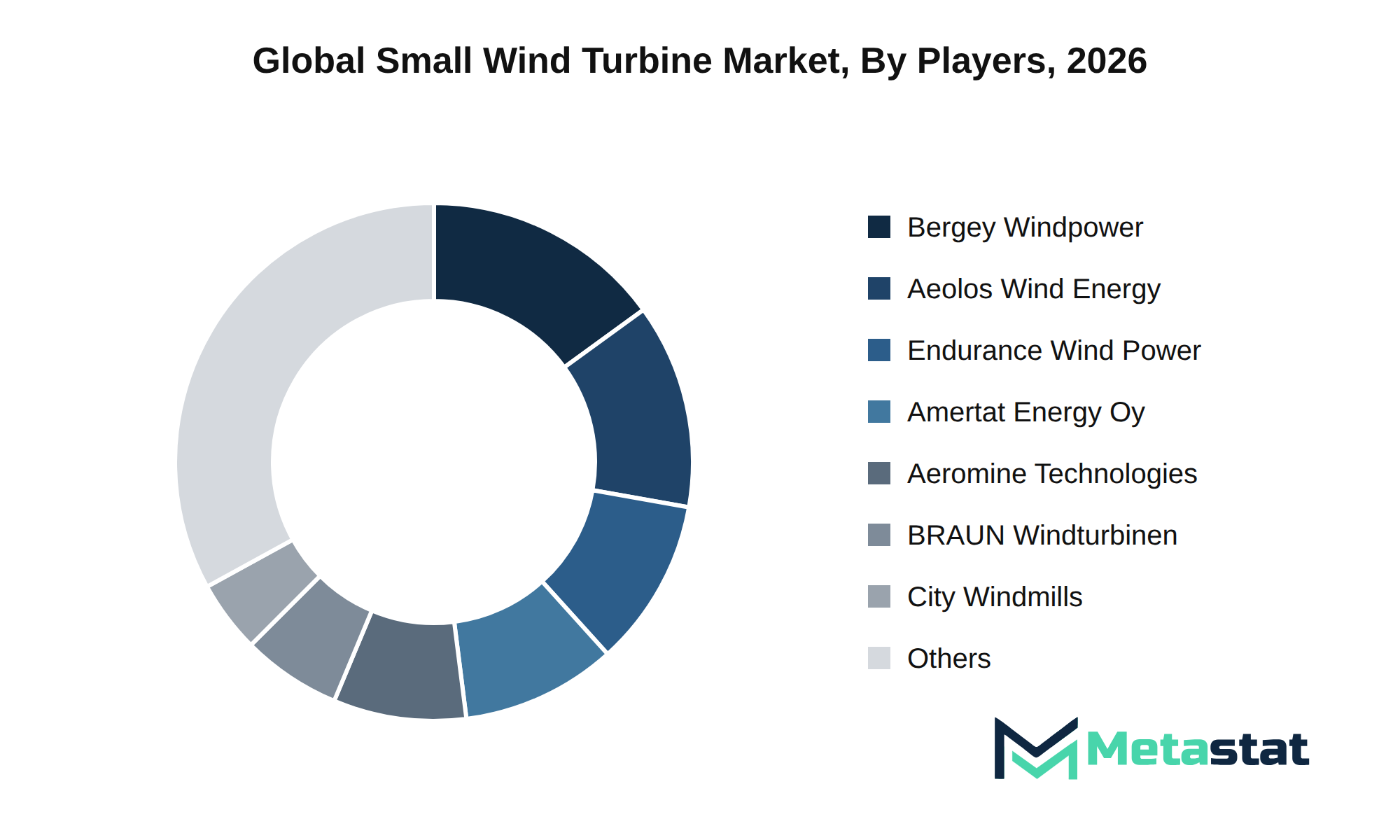
The competitive landscape in the Small Wind Turbine market demonstrates a dynamic interaction of various strategic behaviors among industry players. Companies prioritize product differentiation through innovative turbine designs and advanced technologies, positioning themselves effectively within the market. Key players including Aeolos Wind Energy Ltd, Bergey Windpower Co., and Endurance Wind Power Inc invest in research and development to enhance their technology moats, ensuring long-term competitive advantages.
The market features a range of strategic alliances, joint ventures, and partnerships that facilitate enhanced market penetration and expanded customer bases. Firms like Aeromine Technologies and Flower Turbines Inc explore cross-industry collaborations, leveraging complementary strengths to deliver comprehensive solutions. The focus on customer retention strategies, coupled with brand equity dynamics, influences buyer preferences and establishes loyalty within the market.
The Small Wind Turbine market faces barriers to entry that impact the threat of new entrants and startup disruptions. Established companies benefit from significant intellectual property portfolios, which create technological defensibility against emerging competitors. The competitive outlook highlights the necessity for firms to navigate these challenges while capitalizing on growth vectors, ensuring sustained relevance in an evolving market.
Market size is forecast to rise from USD 1,630.4 million in 2025 to over USD 2,719.6 million by 2033. The base case projects growth at a compound annual growth rate (CAGR) of 6.6%. Bull cases suggest a more favorable economic environment, characterized by rapid technological advancements and accelerated adoption of small wind turbines across diverse sectors. This scenario could lead to stronger-than-expected demand, increasing overall market growth.
Conversely, bear cases highlight potential challenges, including economic downturns, regulatory hurdles, or supply chain disruptions that could impede growth. These scenarios indicate a slower adoption rate, potentially affecting market dynamics. Factors including macroeconomic conditions, the maturation of core industries, and shifts in downstream demand will influence the market trajectory, creating both challenges and opportunities.
Next-generation technology integration and research and development (R&D) commercialization timelines will shape the future landscape of the small wind turbine market. Regulatory evolution, including compliance milestones and policy enforcement horizons, significantly influences market readiness and investment attractiveness. Geopolitical realignments and evolving trade corridors impact supply chains and strategic capital allocations, affecting market growth and investment vectors.
Identifying emerging white-space opportunities and addressing unmet enterprise needs will create high-growth pockets within the market. Executive-level strategic imperatives and defensibility roadmaps guide companies in navigating market complexities and positioning for future success. The small wind turbine market stands to benefit from these dynamics, facilitating innovative solutions and enhanced market penetration.
The report strategically identifies and profiles the key market players and analyses their core competencies in each sub-segment of the Small Wind Turbine market.
Report Attributes | Details |
Study Period | 2021-2033 |
Base Year | 2025 |
Estimated Year | 2026 |
Forecast Period | 2026-2033 |
Historical Period | 2021-2025 |
Growth Rate | CAGR 6.6% from 2026 to 2033 |
Revenue Unit | USD million |
Segmentation | By Turbine Type, End-Use Sector, Capacity Rating (kW), Connectivity, and Region |
By Region | North America (By Turbine Type, End-Use Sector, Capacity Rating (kW), Connectivity, and Country)
|
Europe (By Turbine Type, End-Use Sector, Capacity Rating (kW), Connectivity, and Country)
| |
Asia Pacific (By Turbine Type, End-Use Sector, Capacity Rating (kW), Connectivity, and Country)
| |
South America (By Turbine Type, End-Use Sector, Capacity Rating (kW), Connectivity, and Country)
| |
Middle East and Africa (By Turbine Type, End-Use Sector, Capacity Rating (kW), Connectivity, and Country)
|
Find answers to common questions about this report
The Small Wind Turbine market size was valued at USD 1,630.4 million in 2025.
The Small Wind Turbine market is projected to grow at a CAGR of 6.6% during the forecast period from 2026 to 2033.
The North America Small Wind Turbine market size is estimated to reach USD 787.6 million by 2033.
The Horizontal-Axis Wind Turbines (HAWT) segment leads the Small Wind Turbine market with a projected value of USD 2,100.6 million by 2033, compared to the Vertical-Axis Wind Turbines (VAWT) segment, which is expected to reach USD 619 million in the same year.
Technological advancements, including automation and AI, enhance operational efficiency and reduce costs in the Small Wind Turbine market. The growing focus on sustainability and shifting consumer preferences towards renewable energy solutions further drive demand, positioning small wind turbines because a viable option for achieving sustainability goals.
Regulatory compliance hurdles, high capital investment requirements, and escalating operating costs present significant challenges for the Small Wind Turbine market. Delays in navigating environmental regulations and local permitting processes increase costs and deter potential projects, while rising material and labor prices further dampen demand. Supply chain disruptions and infrastructure gaps hinder market growth potential.
Technological advancements, including automation and AI, enhance operational efficiency and reduce costs, driving product adoption in the small wind turbine industry. The growing focus on sustainability and changing consumer behavior toward decentralized energy solutions further supports demand for small wind turbines, reflecting a broader shift in energy generation preferences.
The Small Wind Turbine market is estimated to reach a valuation of USD 2,719.6 million by 2033.
Key players in the Small Wind Turbine market include Aeolos Wind Energy Ltd, Aeromine Technologies, Bergey Windpower Co., Endurance Wind Power Inc, Fortis Wind Energy BV, Northern Power Systems Inc, and Qingdao Hengfeng Wind Power Generator Co., Ltd.
Regulatory compliance hurdles and high capital investment requirements present significant challenges within the Small Wind Turbine market. Delays in navigating environmental regulations and local permitting processes increase operational costs and discourage potential projects.
The analysts below cover Energy and Power research at Metastat Insights.
LEAD ANALYST
Utkarsh Khirodkar is a Lead Market Research Analyst at MetaStat Insight, specializing in market intelligence, technology sector assessments, and competitive strategy.

PRINCIPAL CONSULTANT - ENTERPRISE AI & EMERGING TECHNOLOGIES
Banking & Finance · Electronics and Semiconductor · Energy and Power · Healthcare IT · Information & Technology · Professional Services
Vijay Gunti is a Principal Consultant at MetaStat Insight, bringing over two decades of experience across enterprise digital transformation, technology strategy, and intelligent systems.

ENERGY & INFRASTRUCTURE INDUSTRY CONSULTANT
Automotive and Transportation · Electronics and Semiconductor · Energy and Power · Machinery & Equipment
Saurabh Vasant Ganvir consults for Energy & Infrastructure Industry at MetaStat Insight, specializing in renewable energy, solar EPC, and electric vehicle (EV) infrastructure markets.
Analyzing the transition from natural gas to green hydrogen in iron ore reduction requires realistic infrastructure timelines. Meta stat insight supplied a detailed regional assessment of DRI plant conversion costs and scrap metal availability in North America and Western Europe. Their report carefully examined pellet quality specs and electrical grid access constraints without making oversimplified market assumptions. The research material served as a practical reference during internal technology roadmap discussions.
Integrating zero-trust access controls across legacy electronic health record systems involves complex compliance overhead. Team produced an analysis that clearly separated identity governance and administration tools from privileged access management platforms. Their evaluation of HIPAA and GDPR compliance features across cloud native solutions gave our architecture group clear baseline criteria. The custom data request regarding biometric authentication adoption in hospital networks was returned promptly with clear documentation.
Evaluating calorific value requirements and air permit compliance across municipal waste facilities requires localized data. Metastat Insight structured their analysis around operational throughput capacity and feedstock composition variations in Latin America and Eastern Europe. Their competitive mapping of sorting equipment vendors helped clarify technology differences between optical separators and heavy media systems. The study provided an objective baseline during our capital expenditure reviews.
Explore related market intelligence reports worth reading alongside this one.