
South Africa Organic Vegetables Market
South Africa Organic Vegetables Market Size, Share, By Vegetable Type (Leafy Greens and Salad Vegetables, Tomatoes, Peppers and Eggplants, Potatoes and Sweet Potatoes, Root Vegetables, Brassica and Cruciferous Vegetables, Onions, Garlic and Leeks, Beans and Peas, Pumpkins, Squash and Cucumbers, Others), By Organic Assurance Type (Third-Party Certified Organic, PGS-Certified Organic, Organic In-Conversion, Self-Declared / Uncertified Organically Grown), By Distribution Channel (Supermarkets and Grocery Chains, Specialist Organic and Health Food Retailers, Farm Shops and Farmers' Markets, Direct-to-Consumer Vegetable Boxes / CSA, Online Grocery and Home Delivery, Foodservice / HoReCa Supply, Wholesale and Fresh Produce Distribution), By Province (Gauteng, Western Cape, KwaZulu-Natal, Eastern Cape, Limpopo, Mpumalanga, Free State, North West, Northern Cape), Industry Analysis, Growth, Trends, and Forecast, 2026-2033
MSI-5058
August 26, 2026
291 Pages
Historical
Base year
Forecast
Forecast period
Report Details
Comprehensive Market Analysis And Insights
Market Overview
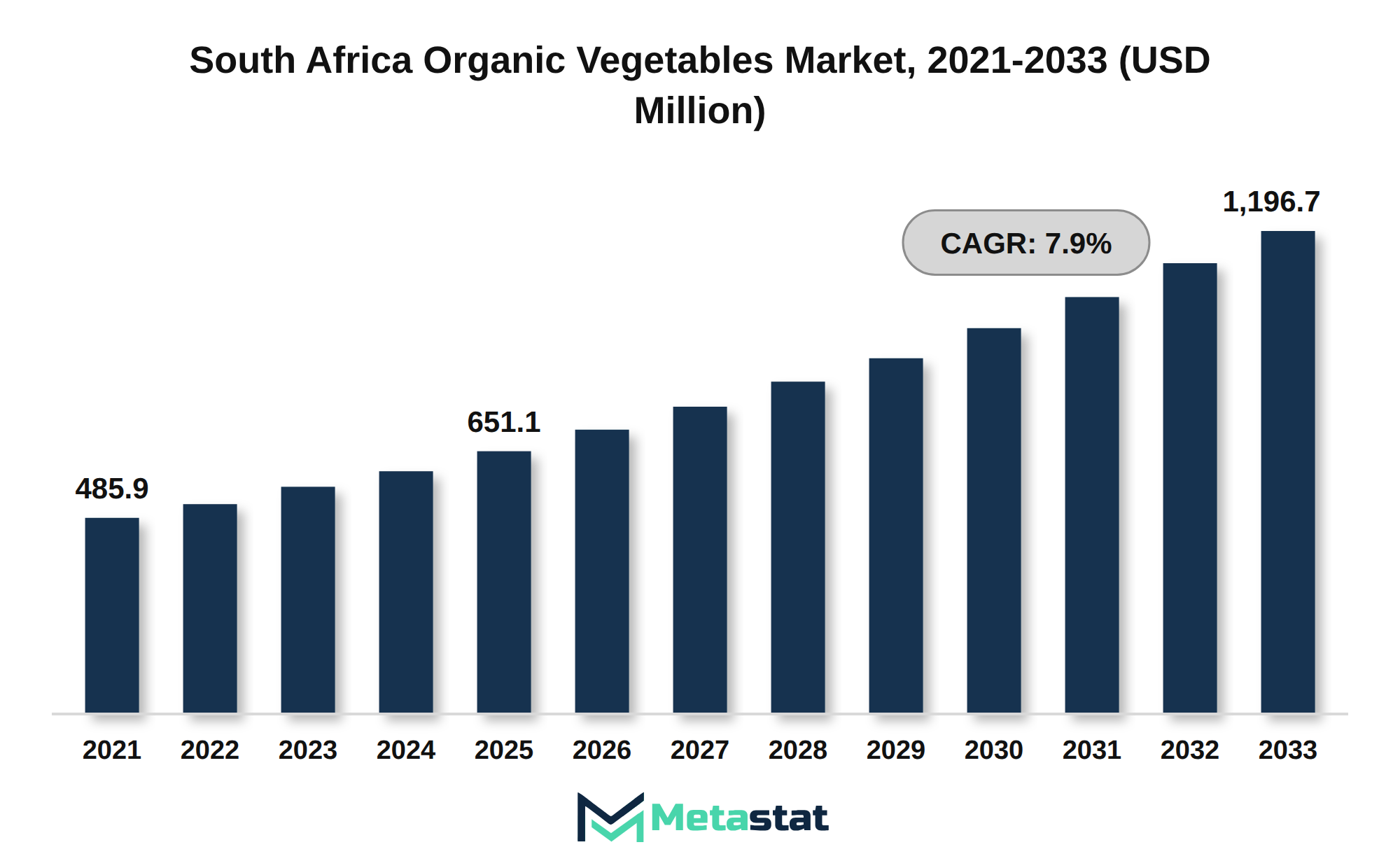
The South Africa Organic Vegetables market was valued at USD 651.1 million in 2025 and is projected to reach USD 1,196.7 million by 2033, growing at a CAGR of 7.9% over the forecast period.
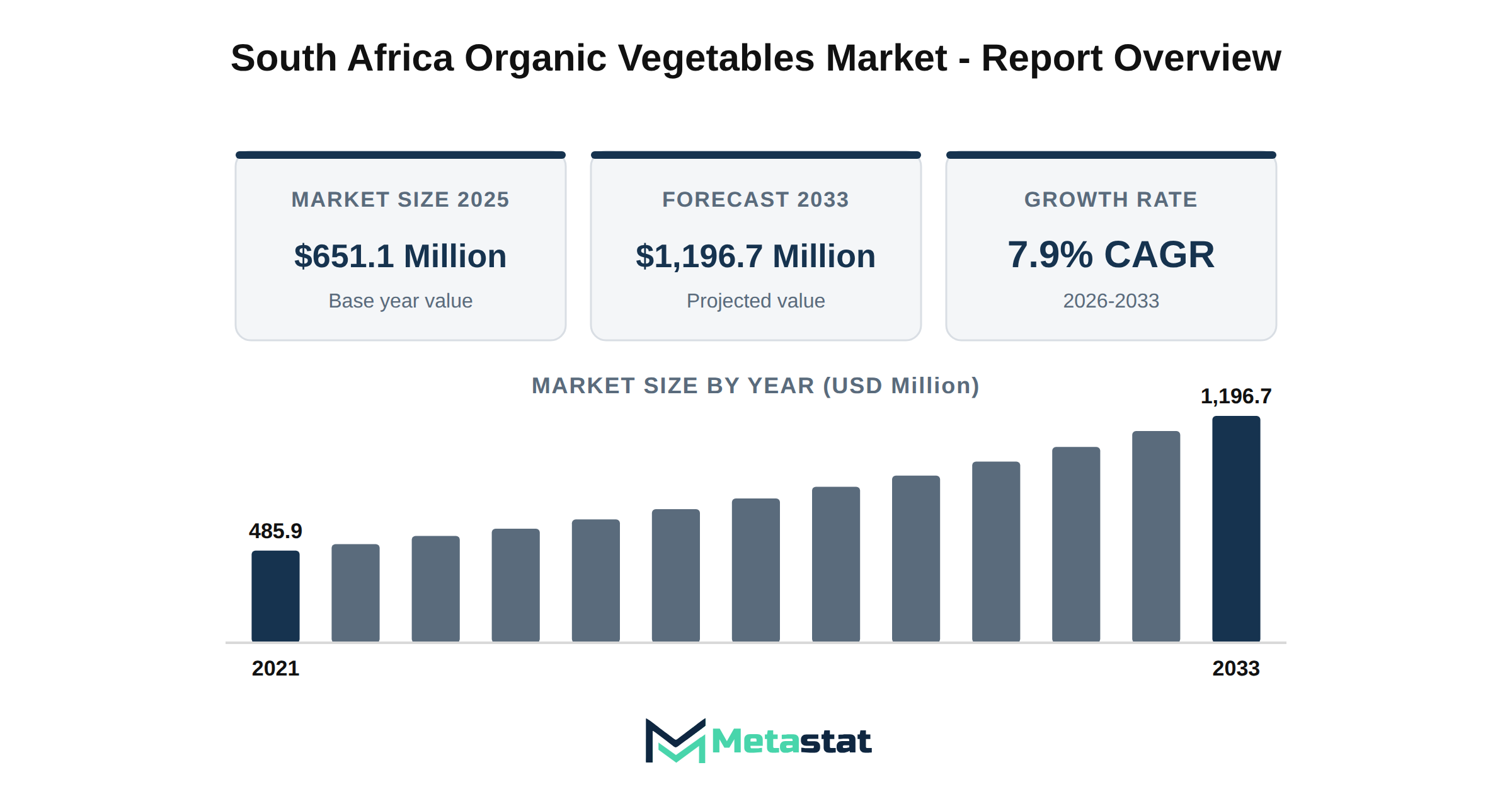
The South Africa Organic Vegetables market reached USD 651.1 million in 2025, showing substantial growth from USD 485.9 million in 2021. This upward trend is projected to continue, with an estimated value of USD 1,196.7 million by 2033, reflecting a compound annual growth rate (CAGR) of 7.9% over the forecast period.
Significant demand for organic vegetables arises from health-conscious consumers seeking fresh and nutritious options. Increasing awareness of the benefits associated with organic produce boosts consumer willingness to pay a premium for such products. Price premiums on organic vegetables contribute to higher margins for producers, supporting farm-level production economics.
Seasonality impacts supply reliability, with certain vegetables experiencing peak availability during specific months. This variability requires buyers to adapt their procurement strategies to ensure consistent supply throughout the year. Certification costs pose challenges for new entrants in the market, affecting access to premium retail channels.
The South Africa Organic Vegetables market experiences customer pain points related to regulatory compliance and standards. Navigating these regulations creates barriers for producers, impacting their ability to compete effectively. An evolving geopolitical landscape introduces additional risks, influencing supply chains and pricing strategies.
Investment in research and development is essential for driving innovation, particularly in sustainable agricultural practices. Emphasis on decarbonization and circular economy dynamics aligns with consumer expectations and regulatory requirements. Companies focusing on these areas enhance their competitive positioning within the market.
The growing demand for organic vegetables in South Africa creates a significant gap in supply, highlighting the need for enhanced production strategies. Buyers increasingly seek reliable sources of organic vegetables that meet their procurement requirements, influencing volumes and pricing structures across the market. The willingness of consumers to pay a premium for organic produce reflects a strong market inclination towards quality, driving farmers to explore innovative approaches to production.
Farm-level production economics remain critical, with producers facing challenges related to costs and market access. While the organic price premium offers opportunities, affordability remains a concern for a segment of the consumer base. Seasonality impacts supply reliability, compelling stakeholders to develop strategies that ensure consistent availability throughout the year.
Certification costs directly influence market access for many growers, shaping their ability to compete effectively. Regulatory compliance plays a crucial role in maintaining consumer trust, with standards evolving to reflect changing market dynamics. Customer pain points, including price sensitivity and access to certified organic products, require ongoing attention from producers and retailers.
The South Africa Organic Vegetables market grapples with various challenges, including macroeconomic headwinds and inflationary pressures. Currency volatility adds another layer of complexity, affecting both pricing and procurement strategies. Future strategic outlooks focus on capital allocation and infrastructure investments that enhance operational efficiencies within the supply chain.
Corporate imperatives increasingly emphasize sustainable transformation and circular economy dynamics. Organizations prioritize next-generation innovation and research and development trajectories to improve product offerings. The fragmentation of the market presents both challenges and opportunities, with mergers and acquisitions reshaping the competitive environment.
Logistics architecture and the sourcing landscape remain central to the market's growth trajectory. Stakeholders navigate complexities to streamline operations and meet consumer expectations effectively. High-value recommendations center on enhancing supply chain resilience and ensuring alignment with evolving consumer preferences in the South Africa Organic Vegetables market.
Market Dynamics
Increased health consciousness drives organic vegetable adoption
The rising awareness regarding health and wellness among consumers significantly influences the South Africa Organic Vegetables market. An increasing number of consumers prioritize organic vegetables due to perceived health benefits, including lower pesticide exposure and enhanced nutritional content. This shift in consumer preference stems from various factors, including a growing interest in sustainable living and dietary choices that promote overall well-being.
Urbanization shapes consumer behaviors, driven by more individuals residing in cities with easier access to organic produce. Changing lifestyles, particularly among younger populations, contribute to a preference for fresh and organic food options. The influx of information through social media and digital platforms has further educated consumers about the advantages of organic farming practices, driving demand for organic vegetables.
Retailers and suppliers respond to these shifting consumer preferences by expanding their organic product offerings, ensuring that the market aligns with the evolving tastes and expectations of consumers. This trend drives the growth of the South Africa Organic Vegetables market, creating opportunities for innovation and diversification within the industry. While demand continues to rise, the market is expected to experience sustained growth, benefiting both producers and consumers.
Capital investment drives market expansion
The South Africa Organic Vegetables market experiences significant growth driven by robust capital investment environments. Factors including GDP growth and increased venture funding enhance the financial landscape for organic agriculture, enabling producers to expand operations, invest in technology, and improve output quality. Enhanced public-private spending power supports the development of infrastructure and distribution channels, making organic vegetables more accessible to consumers.
While the market for organic vegetables expands, the adoption of digital transformation strategies significantly improves operational productivity and cost efficiency. Integrating automation, artificial intelligence, and software solutions streamlines processes, reduces overhead costs, and optimizes labor utilization. This transformation supports existing producers and attracts new entrants to the market, increasing competition and innovation.
Increased investment in technology aligns with broader economic trends, reflecting a shift in consumer behavior towards sustainability and healthier food options. Consumers increasingly favor organic vegetables, driving demand for innovative farming practices and efficient supply chains. The market's growth is further propelled by the need for producers to enhance sustainability initiatives, which connect with environmentally conscious consumers.
Overall, the combination of capital investment, technological integration, and shifting consumer preferences positions the South Africa Organic Vegetables market for continued expansion. Producers that leverage these dynamics effectively gain a competitive advantage in a growing and evolving marketplace.
Regulatory compliance drives operational costs
Regulatory compliance in the South Africa Organic Vegetables market presents significant challenges for producers. The increasing complexity of regulations related to organic certification and food safety introduces higher operational costs, impacting profit margins. Producers face expenses linked to compliance with these standards, requiring investments in quality assurance systems and regular audits. These requirements deter smaller growers from entering the market due to financial constraints, resulting in reduced competition.
Macroeconomic headwinds further exacerbate the situation. Inflationary pressures contribute to rising costs, affecting both producers and consumers. Increased input costs for organic fertilizers and pest control measures create obstacles for maintaining competitive pricing. The economic environment influences consumer purchasing power, slowing demand for organic vegetables. This dynamic limits growth opportunities within the market.
Supply chain disruptions stemming from geopolitical instability and resource scarcity have led to challenges in sourcing quality organic inputs. These disruptions create uncertainty in pricing and availability, complicating operational planning for producers. The South Africa Organic Vegetables market relies on a stable supply of resources; any fluctuation results in delays and increased costs, further constraining market growth.
In addition, infrastructure gaps and connectivity deficits hinder efficient distribution channels, impacting product accessibility. Producers experience delays in delivering fresh organic vegetables to consumers, thus affecting overall market penetration. Addressing these infrastructure challenges remains critical for ensuring sustained growth in the market.
Geopolitical fragmentation limits supply chain resilience
Geopolitical fragmentation creates challenges for the South Africa Organic Vegetables market by complicating international trade relationships and increasing tariffs on imported goods. These conditions drive up costs for producers relying on imported components and materials, impacting overall pricing strategies. Trade deficits limit access to essential supplies, hindering the market's ability to meet growing consumer demand.
Technological disruptions further exacerbate these issues. Rapid advancements in agricultural technology result in obsolescence for existing systems without adequate investment in upgrades. Producers face difficulties integrating new technologies into established processes, leading to higher operational costs and potential declines in productivity. This landscape pressures market participants to streamline operations while facing intensified competition.
Logistics disruptions stemming from geopolitical tensions introduce uncertainties in the timely delivery of products. Shortages in transportation infrastructure contribute to inefficiencies in distribution channels. Producers navigating these challenges encounter increased expenses that erode profit margins, impacting their ability to invest in growth and development within the South Africa Organic Vegetables market.
Rising input costs, coupled with environmental sustainability demands, necessitate a shift in production practices. Producers adapt to evolving legal liabilities and compliance overheads to align with tightening regional regulatory standards. This adaptation strains financial resources and limits innovation in cultivation methods, further complicating market dynamics.
The combination of these factors creates a challenging environment for stakeholders in the South Africa Organic Vegetables market. Ensuring stability and growth in this landscape requires strategic planning and investment to address the multifaceted challenges presented by geopolitical fragmentation and associated risks.
Emerging technological innovations drive market growth
The South Africa Organic Vegetables market benefits from rapid advancements in agricultural technology. Innovations including precision farming, IoT-based monitoring systems, and automated harvesting equipment enhance production efficiency and yield. These advancements attract investment, facilitating the entry of new players and expanding existing operations.
Digital transformation within the market further contributes to growth. E-commerce platforms and mobile applications streamline the distribution process, connecting producers directly with consumers. This shift allows for increased access to organic vegetables, catering to changing consumer preferences and consumption patterns.
Sustainability imperatives play a crucial role in shaping market dynamics. The adoption of eco-friendly practices and methods aligns with consumer demand for organic products, driving producers to optimize their operations. Emphasizing sustainability meets consumer expectations and positions companies favorably in an increasingly competitive environment.
Geographical expansion of organic farming continues to emerge, reflecting a significant opportunity. Regions historically reliant on conventional agriculture are transitioning to organic practices, driven by environmental concerns and market demand. This shift diversifies product offerings and enhances the overall market appeal.
The integration of digital procurement shifts allows companies to adapt to evolving buying behaviors. This transformation encourages a more responsive supply chain, enabling producers to adjust quickly to market trends and consumer demands. The resulting agility strengthens competitive positioning and enhances profitability for market participants.
Overall, these technological advancements, sustainability efforts, and shifts in consumer behavior present lucrative opportunities within the South Africa Organic Vegetables market. Embracing these developments drives growth and positions stakeholders to capitalize on the expanding landscape of organic produce.
Market Segmentation Analysis
The South Africa Organic Vegetables market is segmented based on Vegetable Type, Organic Assurance Type, Distribution Channel, and Province.
By Vegetable Type, the market is further segmented into:
- Leafy Greens & Salad Vegetables
- Tomatoes, Peppers & Eggplants
- Potatoes & Sweet Potatoes
- Root Vegetables
- Brassica & Cruciferous Vegetables
- Onions, Garlic & Leeks
- Beans & Peas
- Pumpkins, Squash & Cucumbers
- Others (Sweetcorn, Celery, Asparagus)
Leafy Greens & Salad Vegetables
Valued at USD 142.1 million in 2026, the Leafy Greens & Salad Vegetables segment is projected to reach USD 248.1 million by 2033, at a CAGR of 8.3% during the forecast period. Demand for leafy greens and salad vegetables stems from increasing health consciousness among consumers, driving a preference for organic produce. This shift influences purchasing patterns, with consumers opting for vegetables perceived because healthier choices, enhancing the overall demand for organic offerings in the South Africa Organic Vegetables market.
Adoption among retailers plays a crucial role in the expansion of this segment. Supermarkets and grocery chains increasingly prioritize organic selections to cater to evolving consumer preferences. The presence of dedicated organic sections within retail spaces facilitates access to these products, contributing to wider market penetration. Growth in foodservice establishments enhances exposure to leafy greens, further increasing demand because chefs and restaurants integrate organic options into their menus.
Technological advancements in agricultural practices support production efficiency and sustainability, contributing positively to the segment's growth. Techniques including hydroponics and vertical farming allow growers to maximize yield while minimizing resource use. This evolution not only aligns with consumer preferences for sustainable practices but ensures consistent supply, mitigating risks associated with traditional farming methods. Such developments strengthen the segment's position within the broader South Africa Organic Vegetables market.
Pricing volatility remains a concern, influenced by external factors including weather patterns and supply chain dynamics. Fluctuations in raw material costs create margin pressures for producers, impacting retail pricing strategies. Continuous investment in supply chain resilience and raw material sourcing is necessary to navigate these challenges effectively. Strategic opportunities exist for players to innovate and differentiate their offerings, appealing to niche markets within the organic vegetables sector.
Tomatoes, Peppers & Eggplants
Consumer preferences increasingly favor organic produce, driving demand for tomatoes, peppers, and eggplants within the South Africa Organic Vegetables market. This segment is expected to reach USD 222.5 million by 2033, at a CAGR of 8.2% during the forecast period. Growing health consciousness among consumers aligns with the trend of incorporating more fresh, organic vegetables into diets. The shift towards sustainable agricultural practices enhances the attractiveness of this segment.
Increased distribution through modern retail channels strengthens market availability for tomatoes, peppers, and eggplants. The integration of technology in farming techniques, including precision agriculture and climate-smart practices, enhances crop yield and quality, benefiting producers and consumers alike. Certification standards, particularly for organic assurance, boost consumer confidence and willingness to pay a premium for these products.
Shifts in consumer behavior towards locally sourced organic produce align with broader sustainability goals. This focus results in enhanced market opportunities for the tomatoes, peppers, and eggplants segment, driven by evolving dining trends and the demand for nutritious food options. The South Africa Organic Vegetables market experiences strong growth driven by these dynamics.
Potatoes & Sweet Potatoes
Demand for Potatoes & Sweet Potatoes in the South Africa Organic Vegetables market reflects a growing interest in health-conscious food choices. This interest drives consumers toward organic produce perceived because fresher and more nutritious. Adoption of these vegetables aligns with a broader trend of increasing access to organic food options in various retail channels.
Investment in sustainable farming and agricultural practices boosts production capabilities, facilitating greater availability of organic potatoes and sweet potatoes. The segment benefits from the rising popularity of plant-based diets and cooking trends that emphasize the use of fresh, organic ingredients. Consequently, this segment is expected to reach USD 157.1 million by 2033.
The market encounters regulatory standards that promote organic farming practices, enhancing consumer confidence in product quality. Certifications for organic produce play a crucial role in establishing trust between consumers and suppliers. Enhanced visibility of certified organic products in retail outlets further supports segment growth.
Pricing structures for organic potatoes and sweet potatoes face challenges from fluctuating input costs, which exert pressure on margins. Demand resilience contributes to stable pricing strategies that appeal to consumers willing to invest in organic produce. The segment's growth trajectory hinges on capital investments in innovative farming methods and distribution improvements, ensuring sustained supply chain efficiency.
Root Vegetables
Projected growth for the Root Vegetables segment aligns with increasing consumer preferences for healthy and organic food options. Trends in dietary habits reflect a shift towards plant-based diets, enhancing demand for organic root vegetables, which are recognized for their nutritional benefits. The South Africa Organic Vegetables market supports this shift by expanding access to organic produce through various distribution channels, including supermarkets and grocery chains.
Root vegetables, valued at USD 601.4 million in 2025, are anticipated to experience a CAGR of 7.7% during the forecast period. This growth is influenced by several factors, including rising health awareness and the trend towards sustainable agriculture practices. Producers focusing on organic farming techniques contribute to the segment's expansion, enabling better market positioning driven by evolving consumer demands.
Investment in technology and practices that promote organic cultivation enhances product quality and supply chain resilience. By prioritizing environmental sustainability, producers strengthen their market presence and build consumer loyalty. The market's focus on adhering to regulatory compliance standards and certifications fortifies trust in organic offerings, further driving consumer engagement with root vegetables.
Brassica & Cruciferous Vegetables
The demand for Brassica and Cruciferous Vegetables within the South Africa Organic Vegetables market benefits from shifting consumer preferences towards health-conscious choices. Increased recognition of the nutritional advantages of these vegetables contributes to their growing popularity among consumers. Enhanced product visibility through marketing strategies heightens awareness of the health benefits associated with these vegetables, leading to greater consumption.
Segment expansion receives support from advancements in agricultural techniques and organic farming practices. Improved cultivation methods enhance yield quality and quantity, attracting more producers to the segment. This trend aligns with the market's overall growth trajectory, driven by heightened consumer interest in organic and sustainably sourced produce.
Regulatory compliance standards and certifications play important roles in shaping the dynamics of this segment. Adhering to these standards cultivates consumer trust, encouraging purchases of certified organic Brassica and Cruciferous Vegetables. This trust builds a loyal customer base, enabling producers to capture a larger market share.
Pricing strategies significantly impact consumer purchasing behavior within the segment. Fluctuations in raw material costs influence final retail prices, affecting overall sales volume. Producers strategically manage pricing to maintain competitiveness while ensuring product accessibility for consumers.
Supply chain resilience is critical for ensuring a consistent supply of Brassica and Cruciferous Vegetables. Strengthening logistics capabilities and establishing reliable sourcing networks enhance the segment's performance. This focus on supply chain optimization aligns with the broader objectives of the South Africa Organic Vegetables market, facilitating sustained growth opportunities.
Onions, Garlic & Leeks
Consumption trends in the South Africa Organic Vegetables market reflect a growing preference for healthier food options. Increased awareness of the benefits of organic produce influences consumer choices, particularly for Onions, Garlic, and Leeks, which serve because essential ingredients in many traditional dishes. The rise in health-conscious consumers contributes to this segment's expansion.
Technological advancements in organic farming practices enhance product quality and yield. Methods including precision agriculture and sustainable farming techniques improve the efficiency of growing Onions, Garlic, and Leeks, directly impacting supply chain dynamics. Increased investment in organic cultivation techniques further supports this growth.
Regulatory compliance and certifications play a critical role in the market. Third-party certifications for organic produce assure consumers of product integrity and safety, enhancing trust in brands offering Onions, Garlic, and Leeks. This demand for certified organic products highlights the importance of adhering to stringent standards.
Price volatility presents ongoing challenges for producers. Fluctuating input costs, driven by factors including labor and raw materials, affect profitability within this segment. Industry participants navigate these challenges to maintain margins while meeting consumer expectations for competitive pricing.
Strategic opportunities exist through market expansion into untapped regions and demographic segments. Targeting urban areas with higher disposable incomes results in increased demand for organically grown Onions, Garlic, and Leeks. Enhancing distribution channels to include direct-to-consumer options will capture a larger market share.
The Onions, Garlic, and Leeks sub-segment in the South Africa Organic Vegetables market demonstrates robust potential for growth driven by consumer preferences, technological enhancements, and a focus on regulatory compliance. Addressing challenges related to pricing and supply chain dynamics will be essential for capturing upcoming market opportunities.
Beans & Peas
Interest in organic farming techniques supports the Beans & Peas segment within the South Africa Organic Vegetables market. These practices emphasize soil health and biodiversity, appealing to environmentally conscious consumers. Adoption of sustainable agricultural methods enhances product quality and promotes a healthier food supply. Increased consumer awareness around the benefits of legumes, which are nutrient-dense and versatile, fuels demand across various demographics.
Growing trends in plant-based diets contribute to the segment's relevance, attracting health-oriented consumers seeking sustainable protein sources. Retailers expand their offerings of organic beans and peas, improving visibility and availability in supermarkets and specialized health food stores. End-use applications span home cooking, food service, and processed food products, indicating a broad market reach.
Regulatory compliance standards around organic labeling and certification impact the segment, encouraging transparency in sourcing and production processes. Certification enhances consumer trust, driving sales growth. The competitive environment features a mix of established players and new entrants, encouraging innovation and variety in product offerings to satisfy consumer preferences.
Investment in marketing and consumer education initiatives supports market expansion. Engaging storytelling around the health benefits and sustainable practices of organic beans and peas enables suppliers to differentiate their products. Enhanced collaboration throughout the supply chain strengthens resilience, ensuring reliable product availability to meet increasing consumer demand.
Pumpkins, Squash & Cucumbers
Consumer interest in organic produce influences the growth trajectory of the Pumpkins, Squash & Cucumbers sub-segment within the South Africa Organic Vegetables market. Health-conscious buyers increasingly opt for organic options, prompting suppliers to enhance their offerings. Enhanced marketing strategies and product visibility contribute to broader acceptance of these vegetables among various demographics, strengthening long-term demand.
Technological advancements, including improved cultivation methods and pest management techniques, support the expansion of the sub-segment. These innovations enable growers to increase yield quality and quantity, attracting more consumers. In addition, the evolution of packaging solutions focusing on sustainability enhances product appeal, catering to environmentally aware customers and widening commercial adoption.
Regulatory compliance and certification standards play a crucial role in shaping market dynamics. Adherence to organic certification processes establishes trust and credibility among consumers, influencing purchasing decisions. Cost structures within the sub-segment require careful management to address potential pricing volatility, ensuring competitive positioning within the larger market and limiting adoption among price-sensitive buyers.
Strategic opportunities arise from shifting consumption patterns favoring seasonal and locally sourced products. This trend encourages suppliers to build relationships with local farmers and expand distribution channels. Enhancing supply chain resilience through local partnerships mitigates risks associated with logistics vulnerabilities and fluctuating demand, increasing investment across the value chain.
The Pumpkins, Squash & Cucumbers sub-segment anticipates growth through targeted investments and capital allocation. Identifying white-space opportunities allows businesses to capture unmet demand, ensuring sustained market relevance. With a focus on innovation and strategic positioning, the sub-segment aligns with broader trends in the South Africa Organic Vegetables market, driving future success.
Others (Sweetcorn, Celery, Asparagus)
Growing interest in diverse organic vegetable options contributes to the expansion of the "Others (Sweetcorn, Celery, Asparagus)" sub-segment within the South Africa Organic Vegetables market. Consumers increasingly seek variety in their diets, leading to enhanced demand for alternative vegetables beyond mainstream types. This interest aligns with shifts towards healthier eating habits, influencing purchasing decisions across various consumer demographics.
The segment benefits from technological advancements in cultivation practices. Innovations in agricultural methods enhance yield quality and cater to evolving consumer preferences, positioning the sub-segment favorably within the market. Efficient farming techniques enable suppliers to deliver fresh and high-quality products, aligning with the growing demand for organic produce.
Regulatory compliance and certification standards play a crucial role in shaping the market. Adhering to stringent organic guidelines builds consumer trust, boosting sales within the sub-segment. The pursuit of certifications enhances market access for producers, creating opportunities for growth in an increasingly discerning consumer base.
Price volatility and margin pressures impact producers in the "Others (Sweetcorn, Celery, Asparagus)" sub-segment. Fluctuations in raw material costs influence production decisions, prompting suppliers to adopt strategies that mitigate risks. Improving supply chain resilience allows producers to achieve better stability and continuity in product availability.
By Organic Assurance Type, the market is further segmented into:
- Third-Party Certified Organic
- PGS-Certified Organic
- Organic In-Conversion
- Self-Declared / Uncertified Organically Grown
Third-Party Certified Organic
Increasing awareness of health benefits associated with organically grown vegetables fuels demand for the Third-Party Certified Organic segment within the South Africa Organic Vegetables market. Valued at USD 295.2 million in 2026, this segment is projected to reach USD 494.6 million by 2033, at a CAGR of 7.7% during the forecast period. Consumer confidence in third-party certifications enhances market growth, supported by these certifications assuring consumers of product quality and adherence to organic standards.
Regulatory compliance standards play a critical role in shaping the Third-Party Certified Organic segment. The enforcement of stringent organic certification processes encourages producers to adopt certified practices, creating a competitive market environment. This regulatory pressure drives investments in organic farming techniques, further enhancing product credibility and consumer trust.
Technological advancements contribute to the expansion of the Third-Party Certified Organic segment. Innovations in organic farming practices, pest management, and soil health management enhance crop yields and sustainability. These advancements not only support higher production levels but align with evolving consumer preferences for sustainable agricultural practices.
Demand within the segment reflects broader consumption shifts toward healthier food options. Consumers increasingly seek organic vegetables within a comprehensive approach to wellness. This trend drives retailers to expand their organic offerings, providing consumers with greater access to certified options within the South Africa Organic Vegetables market.
Market dynamics show significant growth opportunities for players operating in the Third-Party Certified Organic sub-segment. Engaging in strategic partnerships and enhancing supply chain transparency strengthens market presence. While the segment continues to evolve, capital investments in technology and marketing will play an important role in capturing emerging consumer segments.
PGS-Certified Organic
Growing interest in organic produce drives the expansion of the PGS-Certified Organic segment, which is estimated to reach USD 258.4 million by 2033, at a CAGR of 8.8% during the forecast period. This segment benefits from rising consumer awareness regarding health, nutrition, and sustainability, which encourages a shift toward organic farming practices. Increased availability of PGS-certified products enhances consumer trust and accessibility, positively influencing purchasing decisions within the South Africa Organic Vegetables market.
Cost structures associated with PGS certification remain crucial, owing to producers incurring expenses related to meeting organic standards and obtaining certification status. These costs impact pricing strategies, with consumers often willing to pay a premium for certified organic products. While competition among producers intensifies, efficiency in production processes becomes vital to mitigate margin pressures while maintaining product quality.
Technological advancements in organic farming techniques support the growth of the PGS-Certified Organic segment. Improved farming practices and innovations in organic inputs enhance yield capabilities, appealing to both producers and consumers. The segment stands to benefit from evolving regulatory frameworks that prioritize organic standards, contributing to increased consumer confidence and market growth within the South Africa Organic Vegetables market.
Organic In-Conversion
Demand for Organic In-Conversion vegetables reflects a significant shift towards sustainable agricultural practices in the South Africa Organic Vegetables market. This growing trend aligns with increased consumer awareness regarding food sources and environmental impact. Adoption of organic farming methods enhances soil health and biodiversity, promoting the shift of farmers towards organic certification. The segment is projected to reach USD 186.2 million by 2033, demonstrating strong growth potential driven by a commitment to sustainability.
Consumer preference for organically grown produce influences purchasing decisions across various demographics. Young, health-conscious consumers prioritize food transparency, creating a favorable environment for Organic In-Conversion offerings. Regulatory frameworks supporting organic practices encourage farmers to transition from conventional methods, enhancing market participation. Technological advancements in organic farming techniques further facilitate this transition, optimizing yield and resource efficiency.
Investment in organic certification processes presents strategic opportunities within this segment. Farmers engaging in organic conversion face initial challenges related to compliance costs and timeframes; however, long-term benefits include access to premium markets and increased profitability. Market dynamics indicate a robust outlook for Organic In-Conversion, supported by rising consumer demand, sustainable practices, and the evolving landscape of the South Africa Organic Vegetables market.
Self-Declared / Uncertified Organically Grown
Growing consumer inclination towards organic options fuels interest in the Self-Declared / Uncertified Organically Grown segment. This segment occupies a unique position within the South Africa Organic Vegetables market, attracting consumers seeking locally sourced produce without the complexities of certification. Primary demand drivers include rising awareness of health benefits attributed to organic vegetables, coupled with a desire for transparency in sourcing practices.
Projected growth for this segment aligns with trends favoring simplicity and accessibility in organic purchasing. Self-Declared / Uncertified Organically Grown vegetables are often available at farm shops and local markets, meeting consumer preferences for direct producer engagement. This accessibility enhances the market's appeal, particularly among health-conscious buyers reluctant to navigate formal certification processes.
The Self-Declared / Uncertified Organically Grown segment is expected to grow at a CAGR of 6.6% during the forecast period. Increased competition among suppliers in organic produce contributes to price stabilization, enhancing affordability for consumers. This competitive landscape encourages innovation and diversifies product offerings, which further strengthens market growth opportunities.
Shifts in consumption patterns indicate an increasing preference for organic produce, with buyers pursuing convenient, trustworthy, and fresh options. Evolving regulatory compliance standards impact consumer perceptions of organic integrity while simultaneously influencing supplier strategies within the market. Overall, the segment's expansion capitalizes on these dynamic trends, creating a robust environment for growth.
By Distribution Channel, the market is further segmented into:
- Supermarkets & Grocery Chains
- Specialist Organic & Health Food Retailers
- Farm Shops & Farmers' Markets
- Direct-to-Consumer Vegetable Boxes / CSA
- Online Grocery & Home Delivery
- Foodservice / HoReCa Supply
- Wholesale & Fresh Produce Distribution
Supermarkets & Grocery Chains
Valued at USD 237.3 million in 2026, the Supermarkets & Grocery Chains segment is projected to reach USD 387.4 million by 2033, achieving a CAGR of 7.3% during the forecast period. This growth stems from an increasing emphasis on health and wellness among consumers, which has significantly heightened the demand for organic vegetables. Retailers recognize this trend, prompting them to expand their organic offerings to attract health-conscious shoppers.
In the South Africa Organic Vegetables market, the expansion of supermarket chains and grocery outlets enhances accessibility and availability of organic products. A robust distribution network facilitates the steady supply of organic vegetables, catering to the growing consumer base that prioritizes premium quality and sustainability.
Pricing volatility impacts the segment, driven by fluctuations in raw material costs that affect profit margins for retailers. Sustainable sourcing practices, coupled with consumer willingness to pay a premium for organic products, encourage grocery chains to maintain a competitive edge while ensuring product integrity. Strategic partnerships with local organic farmers further enhance supply chain resilience, allowing supermarkets to offer fresher produce and strengthen their market position.
Specialist Organic & Health Food Retailers
Growing awareness among consumers regarding health and nutrition drives the demand for organic vegetables, significantly benefiting the Specialist Organic & Health Food Retailers segment. This segment is estimated to reach USD 197.7 million by 2033, at a CAGR of 8.2% during the forecast period. Retailers specializing in organic and health food products provide a curated selection of organic vegetables, catering to a health-conscious demographic. The South Africa Organic Vegetables market reflects a shift toward purchasing patterns favoring organic options over conventional produce.
Consumer trends indicate a preference for high-quality, sustainably sourced vegetables, influencing purchasing decisions in this segment. The demand for organic certification is essential for consumer trust, with third-party certified organic products gaining traction among discerning buyers. Growing awareness of environmental sustainability and health benefits drives investment in organic offerings at specialist retailers, leading to increased market penetration. Pricing strategies and promotional efforts targeting health-conscious consumers enhance the potential for growth.
Collaborations with local farmers and producers strengthen the supply chain resilience of these retailers, ensuring a steady flow of fresh organic vegetables. This approach supports local agriculture and satisfies consumer desire for transparency in sourcing. The segment's development within the South Africa Organic Vegetables market illustrates a responsive retail environment that adapts to evolving consumer preferences.
Farm Shops & Farmers' Markets
Consumer preference for locally sourced products drives the growth of Farm Shops & Farmers' Markets within the South Africa Organic Vegetables market. These venues provide direct access to organic produce, appealing to health-conscious consumers seeking fresh and sustainable options. The segment is projected to reach USD 119.8 million by 2033, reflecting a significant increase in demand for organic vegetables.
Growing awareness of the environmental benefits associated with organic farming supports the expansion of this segment. Farm Shops & Farmers' Markets create connections between local farmers and consumers, enhancing community engagement and trust in food sourcing. This trend aligns with broader consumption shifts towards healthier eating and sustainable agricultural practices.
Regulatory compliance standards and certifications related to organic produce enhance consumer confidence, contributing to increased sales through these distribution channels. Farmers engaging in these markets capitalize on the growing demand for organic offerings, allowing them to achieve higher price points compared to conventional produce.
Strategic opportunity windows exist for suppliers aiming to differentiate their products through unique offerings, including heirloom varieties and specialty organic items. The market presents significant potential for growth, driven by evolving consumer preferences and the continuing rise in the popularity of organic vegetables.
Direct-to-Consumer Vegetable Boxes / CSA
Increasing consumer preference for fresh, locally sourced produce drives growth in the Direct-to-Consumer Vegetable Boxes / CSA segment. This segment is projected to grow at a CAGR of 9% during the forecast period. Direct-to-consumer channels provide an avenue for consumers to access organic vegetables directly from producers, thereby enhancing transparency and trust in sourcing. The South Africa Organic Vegetables market recognizes the significance of convenience and customization offered by these channels, aligning with contemporary demand for personalized food options. Consumers seeking healthier lifestyles find appeal in organic vegetables, which highlight the benefits associated with direct purchasing methods that build community connections and promote sustainable practices.
Online Grocery & Home Delivery
Rapid technological advancements play a significant role in the Online Grocery & Home Delivery segment within the South Africa Organic Vegetables market. Consumers increasingly prefer the convenience of online shopping, leading to heightened demand for organic vegetables delivered directly to their homes. Enhanced user experiences through streamlined platforms and efficient logistics systems facilitate consumer adoption of this distribution channel.
The expansion of mobile commerce further supports online grocery shopping. Consumers rely on mobile applications to order organic products, reflecting a shift towards digital purchasing habits. Retailers implementing innovative solutions, including personalized recommendations and subscription services, attract a broader customer base seeking organic options.
Increasing consumer awareness of health and wellness drives the market. While more individuals prioritize organic produce, the demand for home delivery services becomes more pronounced, particularly among health-conscious consumers. Retailers responding to this trend by offering a variety of organic vegetables capture market share effectively.
The regulatory environment surrounding organic certifications impacts the Online Grocery & Home Delivery segment. Compliance with rigorous organic standards ensures consumers receive quality products, building trust and loyalty. Retailers that navigate these regulations successfully will likely strengthen their positions in the competitive landscape.
Future growth opportunities exist within the segment owing to consumer preferences shifting towards sustainability. Eco-friendly packaging and local sourcing strategies appeal to environmentally conscious shoppers, enhancing brand loyalty and driving sales. Companies focusing on sustainable practices will find strategic advantage in an evolving market.
Foodservice / HoReCa Supply
Expansion in the Foodservice / HoReCa Supply segment aligns with increasing demand for organic products within the South Africa Organic Vegetables market. This demand stems from a broader consumer shift towards healthier eating habits and sustainable sourcing practices. Restaurants and catering services prioritize organic vegetables to meet consumer preferences for fresh, high-quality ingredients, enhancing competitive advantage.
Strategic partnerships between organic producers and foodservice providers are crucial for improving supply chain resilience. These collaborations facilitate the consistent availability of organic vegetables, supporting menu innovation and dietary diversity. Regulatory compliance standards and certifications significantly influence purchasing decisions by establishing trust with consumers.
Price volatility presents a challenge for the Foodservice / HoReCa Supply segment, impacting margin pressures and operational costs. Effective cost management strategies become vital for operators to maintain profitability while sourcing organic produce. The ongoing evolution of consumer preferences demands continuous adaptation and investment in quality assurance processes, reinforcing market strength.
Investment in technological advancements offers opportunities for enhancing operational efficiency and product quality. Adopting next-generation agricultural practices leads to improved yields and sustainability, benefiting both producers and suppliers in the market. The Foodservice / HoReCa Supply segment shapes future trends within the South Africa Organic Vegetables market.
Wholesale & Fresh Produce Distribution
Growing emphasis on the health benefits of organic vegetables influences demand within the Wholesale & Fresh Produce Distribution channel. Retailers and distributors actively seek to meet increasing consumer expectations for high-quality, organically sourced products, encouraging a shift towards more sustainable supply chains. This shift aligns with broader trends in the South Africa Organic Vegetables market, where awareness of environmental impacts drives purchasing decisions.
Increased interest in organic certifications enhances market dynamics. Third-party certified organic products gain traction, providing assurance to consumers regarding quality and sustainability standards. This focus on certification impacts the operations of distributors, influencing supplier relationships and product offerings in the sector.
Investment in logistics capabilities remains crucial for maintaining supply chain resilience. Efficient sourcing strategies for raw materials enable distributors to manage costs and mitigate pricing volatility. Strategic partnerships with local farmers enhance the availability of fresh produce, aligning with consumer preferences for locally sourced options. These partnerships support overall growth within the distribution channel.
Challenges related to pricing pressures and margin constraints affect profitability within this sub-segment. Distributors face the challenge of balancing competitive pricing with the costs associated with sourcing organic products. Addressing these challenges involves adapting pricing strategies and optimizing supply chain efficiencies to maintain competitiveness in the South Africa Organic Vegetables market.
By Province, the market is further segmented into:
- Gauteng
- Western Cape
- KwaZulu-Natal
- Eastern Cape
- Limpopo
- Mpumalanga
- Free State
- North West
- Northern Cape
Gauteng
Valued at USD 211.4 million in 2026, the Gauteng segment is projected to reach USD 359.2 million by 2033, at a CAGR of 7.9% during the forecast period. Consumer demand for organic vegetables in Gauteng stems from growing awareness of health benefits associated with organic produce. The inclination towards fresh and locally sourced options further supports this trend. The organic vegetables market experiences significant expansion driven by improvements in agricultural technology, which enhance the efficiency and yield of organic farming practices.
Regulatory compliance and organic certifications, including Third-Party Certified Organic, play a crucial role in shaping consumer perceptions and boosting adoption rates. The segment benefits from a strong distribution network, particularly through supermarkets and grocery chains, which cater to the rising consumer base seeking organic products. This distribution channel expansion ensures greater accessibility of organic vegetables, contributing to sustained market growth.
The Gauteng segment's performance reflects broader trends within the South Africa Organic Vegetables market, driven by shifting consumption patterns and increased capital investments in organic farming. These factors create strategic opportunities for producers and suppliers, enabling them to capitalize on growing market demand and enhance competitive positioning in the region.
Western Cape
Growing demand for organic produce significantly impacts the Western Cape segment of the South Africa Organic Vegetables market. An increasing number of health-conscious consumers drives the preference for organically grown vegetables, further promoting growth in this segment. Factors including climate suitability and agricultural practices in the Western Cape enhance the production capabilities of various organic vegetables. A focus on sustainable farming practices improves market positioning and consumer trust.
The Western Cape segment is estimated to reach USD 309 million by 2033, at a CAGR of 8.3% during the forecast period. Increasing access to organic products through various distribution channels, including supermarkets and health food retailers, improves market penetration. The region's active participation in organic certifications builds confidence among consumers, supporting overall market growth.
KwaZulu-Natal
Growing demand for organically grown produce in KwaZulu-Natal supports the expansion of the South Africa Organic Vegetables market. Factors driving this growth include heightened awareness of health benefits linked to organic consumption and increasing preference for sustainable agricultural practices among consumers. The segment is expected to reach USD 165.5 million by 2033, reflecting a strong trajectory in market performance.
In KwaZulu-Natal, the emphasis on fresh, locally sourced vegetables enhances consumption patterns. This trend aligns with broader consumer shifts towards healthier dietary options, further supported by a growing number of retail outlets offering organic products. Supermarkets and grocery chains play a crucial role in this distribution strategy, facilitating access to organic vegetables for a wider audience.
Technological advancements in agricultural practices contribute significantly to organic vegetable production in the region. Innovations in farming techniques and organic certifications promote sustainability and quality assurance, driving consumer confidence. Various players focus on enhancing product availability and meeting the rising demand in the market.
Strategic opportunities arise from the increasing focus on environmental sustainability and the need for certifications that assure product quality. This trend leads to further investments in organic farming initiatives, supporting the growth of KwaZulu-Natal’s market segment. Overall, the province's organic vegetable market demonstrates significant potential, with a clear pathway for continued expansion in alignment with the broader South Africa Organic Vegetables market.
Eastern Cape
Increased consumer focus on health and wellness drives the demand for organic vegetables in the Eastern Cape. This region is characterized by a growing population that prioritizes sustainable and health-conscious food choices. Rising awareness surrounding the benefits of organic produce influences purchasing decisions among consumers, leading to an expanding market. The Eastern Cape segment is projected to grow at a CAGR of 7.3% during the forecast period.
Producers benefit from the increasing availability of organic farming certifications, which enhance consumer trust in product quality. The regulatory environment supports the promotion of organic standards, encouraging more growers to transition to organic farming methods. The South Africa Organic Vegetables market experiences a shift toward higher quality and certified produce.
Investment in local agricultural infrastructure enhances distribution channels, making organic vegetables more accessible to consumers across the region. Increased collaboration among distributors and retailers strengthens a robust supply chain, ensuring a steady supply of organic products. This positive trend in operational efficiency contributes to overall market growth.
The Eastern Cape's unique climate conditions present opportunities for diverse vegetable cultivation, including leafy greens and root vegetables. The region's natural resources support sustainable farming practices, further increasing demand for local organic products. Aligning with consumer preferences for freshness and locality strengthens market positioning for producers in the area.
Limpopo
Emerging trends in Limpopo reflect a growing interest in organic vegetables, driven by consumer awareness of health and wellness. The shift towards organic produce aligns with increased demand for sustainable farming practices, promoting both environmental health and food quality. Local farmers are adopting innovative cultivation methods to enhance yield and maintain organic standards, thereby addressing shifting consumer preferences for chemical-free options.
Strategic investments in certification processes further strengthen market presence, ensuring adherence to regulatory compliance standards. The presence of third-party certifications enhances consumer trust, leading to greater adoption of organic produce. While the market expands, opportunities arise for local producers to engage with broader distribution channels, including supermarkets and online platforms, facilitating access to a wider consumer base.
Market dynamics in Limpopo are characterized by evolving consumption patterns, with consumers prioritizing fresh, locally sourced vegetables. This regional focus positions Limpopo because a significant player within the South Africa Organic Vegetables market, contributing to the overall growth trajectory anticipated through 2033.
Mpumalanga
Consumer interest in organic options expands within the Mpumalanga segment, driven by health consciousness and sustainability concerns. This region experiences a shift towards organic vegetables, aligning with broader trends in the South Africa Organic Vegetables market. Local producers respond by enhancing their offerings to meet rising demand for quality organic produce.
Regulatory compliance standards increasingly shape market dynamics, influencing organic certification processes. Producers focus on obtaining relevant certifications to ensure product credibility and consumer trust. This emphasis on compliance creates a competitive environment, encouraging innovation and quality improvements across the segment.
Technological advancements in agricultural practices contribute to efficiency and productivity within the region. Innovations in farming techniques, pest management, and crop rotation strategies enhance yield quality and consistency. These improvements support the ongoing evolution of the organic sector, reinforcing the market growth trajectory.
Cost structures and pricing volatility remain critical considerations for producers in Mpumalanga. Fluctuations in raw material costs impact profit margins, necessitating strategic pricing to remain competitive. Producers leverage local networks and resources to mitigate risks associated with supply chain vulnerabilities, reinforcing their market position.
Strategic opportunity windows emerge due to consumer preferences shifting toward organic and sustainable products. Producers focusing on niche markets, including premium organic offerings or unique local varieties, position themselves effectively within the competitive environment. This strategic focus enhances profitability and market penetration, supporting long-term growth in the South Africa Organic Vegetables market.
Free State
Consumer interest in organic vegetables continues to rise, reflecting broader trends in health consciousness and sustainability within the South Africa Organic Vegetables market. This segment faces unique demand drivers fueled by a population increasingly concerned with diet quality and the environmental impacts of conventional farming practices. The growth of this segment hinges on consumers seeking transparency in sourcing and production methods, which influences their purchasing decisions.
Adoption of organic farming practices among producers in the Free State demonstrates a commitment to environmentally friendly methods, aligning with consumer expectations for sustainable agriculture. The segment experiences expansion catalysts through increased education about organic farming benefits and the availability of organic certification programs. These factors create fertile ground for more producers to enter the market, enhancing competition and variety for consumers.
Technological maturation supports the efficiency of organic farming methods, leading to improved yields and reduced costs. Next-generation upgrades in farming techniques enhance productivity while maintaining organic integrity, allowing farmers to compete effectively. Product evolution within this sub-segment focuses on diversifying the types of available organic vegetables, catering to growing consumer preferences for variety and seasonal produce.
Downstream applications of organic vegetables span multiple channels, including direct sales to consumers and supply to retail outlets. The demand for organic products influences end-use dynamics, prompting retailers to expand their organic offerings. Consumption shifts toward organic options further strengthen the market, challenging traditional supply chains to adapt and incorporate organic vegetables more prominently.
Regulatory compliance standards play a vital role in maintaining consumer trust and ensuring product quality. Adherence to these standards enhances the credibility of producers, essential for market penetration. Cost structures within the segment face pressures from fluctuating raw material prices and the need for stringent compliance measures, impacting profit margins.
Investment in organic farming infrastructure and education presents strategic opportunity windows for stakeholders. While consumers increasingly gravitate toward organic produce, capital investment outlooks for the Free State segment remain positive, promising growth in the South Africa Organic Vegetables market.
North West
Consumer awareness regarding sustainable agriculture enhances interest in organic vegetables in the North West province. This region experiences a growing trend toward health-conscious eating habits, compelling consumers to seek organic produce. The market sees increased engagement from farmers aiming to capitalize on this shift, adopting organic farming practices to meet consumer demand. The rise in local farmers' markets promotes access to fresh organic vegetables, further supporting the sector's growth.
Consumer preferences in the North West align with national trends emphasizing organic food benefits. This alignment boosts investment in organic farming, stimulating the development of local supply chains. The market benefits from evolving certifications and compliance standards that validate organic claims, strengthening consumer confidence. Rising awareness of organic options positions the North West province because a contributor to the overall dynamics of the South Africa Organic Vegetables market.
Investment in technology and innovation within the agricultural sector provides additional support for the evolution of organic vegetable cultivation. Advancements in organic farming practices facilitate higher yields and improved product quality, catering to an increasingly discerning consumer base. The combination of health consciousness and availability of certified organic products creates a favorable environment for continued growth in the market.
The North West province faces minimal competition from imported organic vegetables, allowing local producers to strengthen their market presence. Opportunities for collaboration among local growers and retailers enhance distribution channels, making organic vegetables more accessible to consumers. This cooperation within the supply chain is essential for meeting the rising demand for organic produce in the broader South Africa Organic Vegetables market.
Northern Cape
Shifts in consumer behavior highlight the growing attraction to organic vegetable options within the Northern Cape. Heightened awareness of health benefits associated with organic produce enhances this trend, encouraging local farmers to adopt organic farming practices. Consumers increasingly prioritize sustainability and environmental impact, strengthening demand for organically grown vegetables. Engagement with community-supported agriculture establishes direct relationships between consumers and producers, further driving growth in this segment.
Technological maturation contributes significantly to the market, facilitating improvements in production processes and yield. Innovations in organic farming techniques enable producers to overcome challenges related to pest control and soil health. These advancements lead to higher quality products and a more resilient supply chain. Rising popularity of organic vegetables aligns with broader dietary shifts, with more consumers seeking nutritious and responsibly grown food options.
Regulatory compliance standards play a crucial role in shaping the Northern Cape segment's dynamics. Certification processes ensure that products meet consumer expectations for quality and safety. This focus on organic assurance builds consumer trust and supports expansion of the South Africa Organic Vegetables market. Investment in certifications reflects a commitment to maintaining high standards, enhancing market appeal and supporting long-term growth.
Competitive Landscape and Strategic Insights
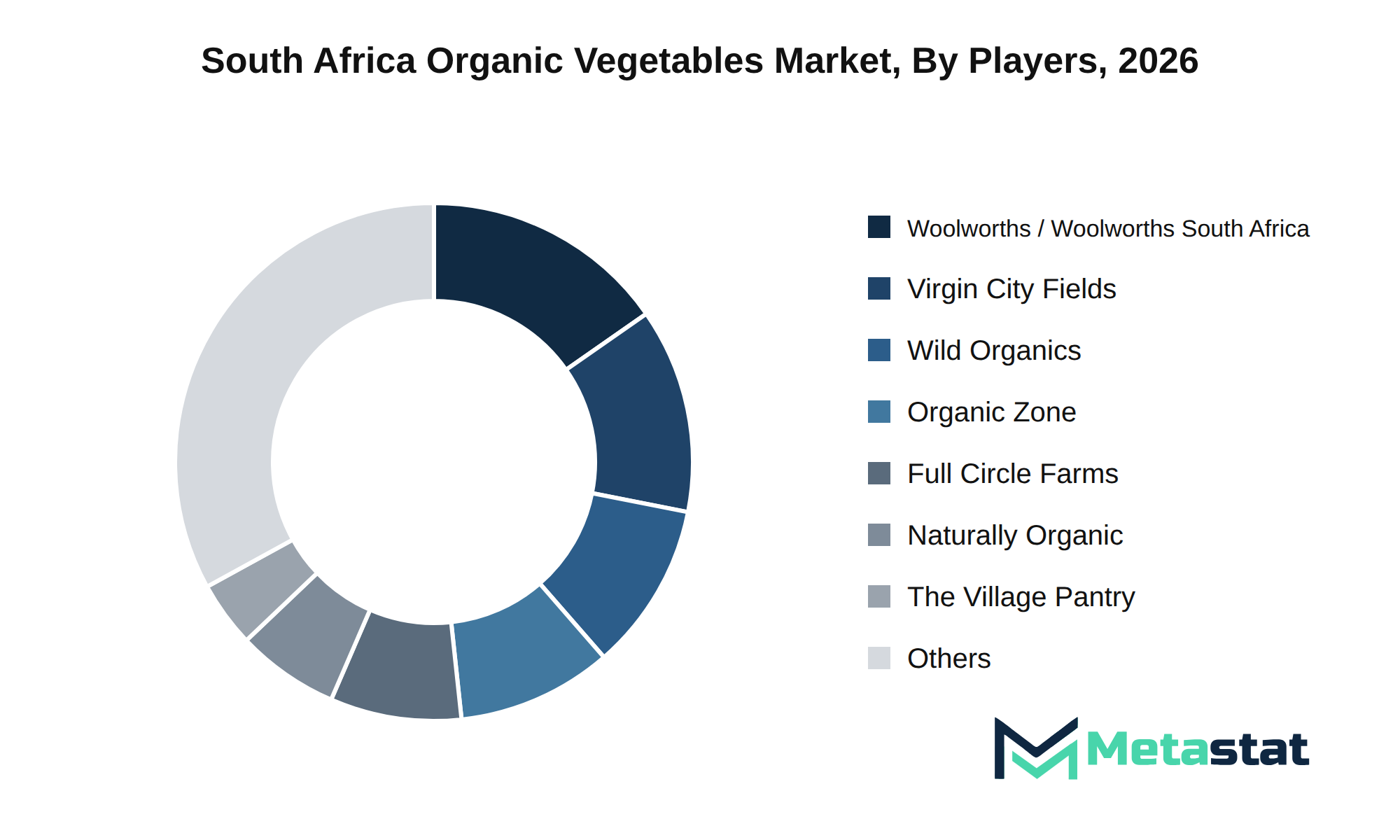
The South Africa Organic Vegetables market features a diverse range of players adopting various strategic approaches to enhance their market presence. Companies focus on product differentiation through organic assurance types, including third-party certified organic and PGS-certified organic. This focus on quality enables firms to cater to health-conscious consumers increasingly seeking organic produce. The emphasis on local sourcing and sustainability aligns with growing consumer demand for environmentally friendly food options.
Strategic alliances and partnerships form a crucial aspect of market dynamics, with firms leveraging shared resources and expertise to strengthen their supply chains. Companies including Woolworths Holdings Limited / Woolworths South Africa and Organic Zone engage in collaborative initiatives that facilitate market access and enhance brand equity. Such collaborations promote customer retention strategies that build loyalty among consumers who prioritize organic options.
Potential barriers to entry for new players in the South Africa Organic Vegetables market include established distribution networks and brand recognition held by existing firms. These companies leverage advantages to maintain competitive positioning while introducing innovative products through ongoing research and development initiatives. Constant investment in technology and operational efficiency enhances the ability of these firms to meet evolving consumer preferences and respond to market trends.
The future competitive outlook indicates a growth trajectory driven by increasing consumer demand for organic vegetables. While the market evolves, established players are expected to focus on defensive imperatives, ensuring operational resilience while pursuing strategic growth vectors to capitalize on emerging opportunities.
Forecast and Future Outlook
Market size is forecast to rise from USD 651.1 million in 2025 to over USD 1,196.7 million by 2033. The base case anticipates growth at a 7.9% CAGR, driven by rising consumer demand for organic produce and increasing health awareness among the population. Bull cases suggest accelerated market expansion fueled by enhanced distribution channels and robust marketing strategies. In contrast, bear cases indicate potential constraints from economic fluctuations and regulatory challenges that hinder growth.
The South Africa Organic Vegetables market experiences significant shifts influenced by macroeconomic factors and evolving consumer preferences. Structural changes in consumption patterns position organic vegetables favorably due to a growing focus on sustainability and health. Increased investment in next-generation agricultural technologies enhances productivity and quality, enabling suppliers to meet rising demand effectively.
Strategic capital allocation and infrastructure commitments play essential roles in shaping market dynamics. Investments in organic farming techniques and compliance with regulatory standards create a solid foundation for future growth. Emerging white-space opportunities present avenues for innovation, targeting unmet enterprise needs and creating high-growth pockets within the market.
Overall, the market outlook reflects a combination of favorable economic conditions, evolving trade corridors, and regional supply chain shifts, reinforcing the potential for sustained growth in the South Africa Organic Vegetables market. Executive-level strategic imperatives center on enhancing defensibility and developing comprehensive growth recommendations, ensuring resilience amid varying economic cycles.
South Africa Organic Vegetables Market Key Segments
By Vegetable Type:
- Leafy Greens & Salad Vegetables
- Tomatoes, Peppers & Eggplants
- Potatoes & Sweet Potatoes
- Root Vegetables
- Brassica & Cruciferous Vegetables
- Onions, Garlic & Leeks
- Beans & Peas
- Pumpkins, Squash & Cucumbers
- Others (Sweetcorn, Celery, Asparagus)
By Organic Assurance Type:
- Third-Party Certified Organic
- PGS-Certified Organic
- Organic In-Conversion
- Self-Declared / Uncertified Organically Grown
By Distribution Channel:
- Supermarkets & Grocery Chains
- Specialist Organic & Health Food Retailers
- Farm Shops & Farmers' Markets
- Direct-to-Consumer Vegetable Boxes / CSA
- Online Grocery & Home Delivery
- Foodservice / HoReCa Supply
- Wholesale & Fresh Produce Distribution
By Province:
- Gauteng
- Western Cape
- KwaZulu-Natal
- Eastern Cape
- Limpopo
- Mpumalanga
- Free State
- North West
- Northern Cape
Key South Africa Organic Vegetables Industry Players
- Virgin City Fields
- Wild Organics
- Woolworths Holdings Limited / Woolworths South Africa
- Organic Zone
- Full Circle Farms
- Naturally Organic
- Orchard Food
- The Village Pantry
- MGT Fruit and Veg
- Inglenook Farmhouse
- Grow Wild Market Garden
- Acre 53 Fresh Produce
- Jodev Farms
- Urban Sustenance
- Oasis Farm Prince Albert
- Urbangro
- Real Food Co
- Oranjezicht City Farm (OZCF)
- Harvest of Hope
- BARE Wholefoods & Deli
- Valota Farming
- Piece of Heaven Farm
- Mysthill Farm
- Cosmafolia
- The Fresh Veg Box
Report Coverage
The report strategically identifies and profiles the key market players and analyses their core competencies in each sub-segment of the Organic Vegetables market.
Report Attributes | Details |
Study Period | 2021-2033 |
Base Year | 2025 |
Estimated Year | 2026 |
Forecast Period | 2026-2033 |
Historical Period | 2021-2025 |
Growth Rate | CAGR 7.9% from 2026 to 2033 |
Revenue Unit | USD million |
Segmentation | By Vegetable Type, Organic Assurance Type, Distribution Channel, Province, and Region |
What Report Provides
- Key Company Market Share, Revenue and Ranking for the South Africa Organic Vegetables Market
- Key Market Leaders in the South Africa Organic Vegetables Sector
- Full In-Depth Analysis of the Parent Industry
- Industry Statistics for Organic Vegetable Production and Consumption
- Important Changes in Market Dynamics and Trends
- Segmentation Details of the South Africa Organic Vegetables Market
- Historical, Ongoing and Projected Market Analysis
- Key Strategies of Major Players in the Organic Vegetables Market
Frequently Asked Questions
Find answers to common questions about this report
The South Africa Organic Vegetables market size was valued at USD 651.1 million in 2025.
The Organic Vegetables market is projected to grow at a CAGR of 7.9% during the forecast period from 2026 to 2033.
The segment leading the South Africa Organic Vegetables market is Leafy Greens & Salad Vegetables, with a projected value of USD 248.1 million by 2033. This segment represents the highest growth rate at 8.3% during the forecast period.
Key drivers for the South Africa Organic Vegetables market include rising consumer awareness regarding health benefits, supported by urbanization and changing lifestyles. Increased capital investment and technological integration further enhance operational productivity, while the demand for sustainable practices aligns with consumer preferences for organic products.
Rising consumer awareness regarding health and wellness significantly favors product adoption in the South Africa Organic Vegetables market. Increased interest in sustainable living and dietary choices, along with urbanization and access to organic produce, drive demand for organic vegetables. Enhanced education through digital platforms further supports this trend, aligning with evolving consumer preferences.
The Organic Vegetables market is estimated to reach a valuation of USD 1,196.7 million by 2033.
Key players operating in the South Africa Organic Vegetables market include Virgin City Fields, Wild Organics, Woolworths Holdings Limited / Woolworths South Africa, Organic Zone, Full Circle Farms, Naturally Organic, and The Village Pantry.
The market size for leafy greens and salad vegetables is projected to reach USD 248.1 million by 2033, growing from USD 142.1 million in 2026.
The market for third-party certified organic vegetables is expected to grow from USD 295.2 million in 2026 to USD 494.6 million by 2033.
Gauteng leads in the organic vegetables market, with a projected size of USD 359.2 million by 2033, up from USD 211.4 million in 2026.
Choose Your License
South Africa Organic Vegetables Market
Related Reports
Explore related market intelligence reports worth reading alongside this one.