
LEAD ANALYST
Utkarsh Khirodkar is a Lead Market Research Analyst at MetaStat Insight, specializing in market intelligence, technology sector assessments, and competitive strategy.

South Korea Energy-Based Aesthetic Medical Devices Market Size, Share, By Technology (Laser-Based Devices, Radiofrequency (RF) Devices, High-Intensity/Microfocused Ultrasound (HIFU/MFU) Devices, Intense Pulsed Light (IPL) Devices, Electromagnetic/Magnetic Muscle Stimulation Devices, Cryolipolysis/Cooling-Based Devices, Microwave-Based Devices, Plasma-Based Devices, LED/Photobiomodulation Devices) and By Application (Skin Rejuvenation & Resurfacing, Skin Tightening & Lifting, Hair Removal, Pigmented Lesion & Tattoo Removal, Vascular Lesion Treatment, Acne Treatment, Body Contouring & Fat Reduction, Muscle Toning & Stimulation) and By End User (Dermatology Clinics, Plastic & Cosmetic Surgery Clinics, Physician-Led Medical Aesthetic Clinics, Hospitals & Multispecialty Medical Centers) and By Distribution Channel (Direct Manufacturer Sales, Authorized Distributor & Dealer Sales), Industry Analysis, Growth, Trends, and Forecast, 2026-2033
Report ID
MSI-5350
Published
September, 2026
Pages
298 Pages
Format
Historical
Base year
Forecast
Forecast period
Report Details
Market Valuation: Valued at $705.3 Million in 2025, projected to reach $1,902.2 Million by 2033 at a 13.2% CAGR.
Dominant Segment: The Radiofrequency (RF) Devices segment leads the market, projected to reach USD 472.9 million by 2033, driven by increasing consumer preference for non-invasive aesthetic treatments.
Geographic Lead: The South Korean market is experiencing rapid growth, particularly in urban areas, due to rising demand for advanced aesthetic solutions and a focus on non-invasive procedures.
What's Inside: The report provides comprehensive coverage of market dynamics, competitive analysis, and detailed forecasts from 2026 to 2033, including insights into technology, applications, and end-user segments.
Emerging Trends: Technological innovations, such as advancements in laser and ultrasound devices, are driving market growth by enhancing treatment efficacy and patient satisfaction.
Choose Your License
South Korea Energy-Based Aesthetic Medical Devices Market
The South Korea Energy-Based Aesthetic Medical Devices market was valued at USD 705.3 million in 2025 and is projected to reach USD 1,902.2 million by 2033, growing at a CAGR of 13.2% over the forecast period.
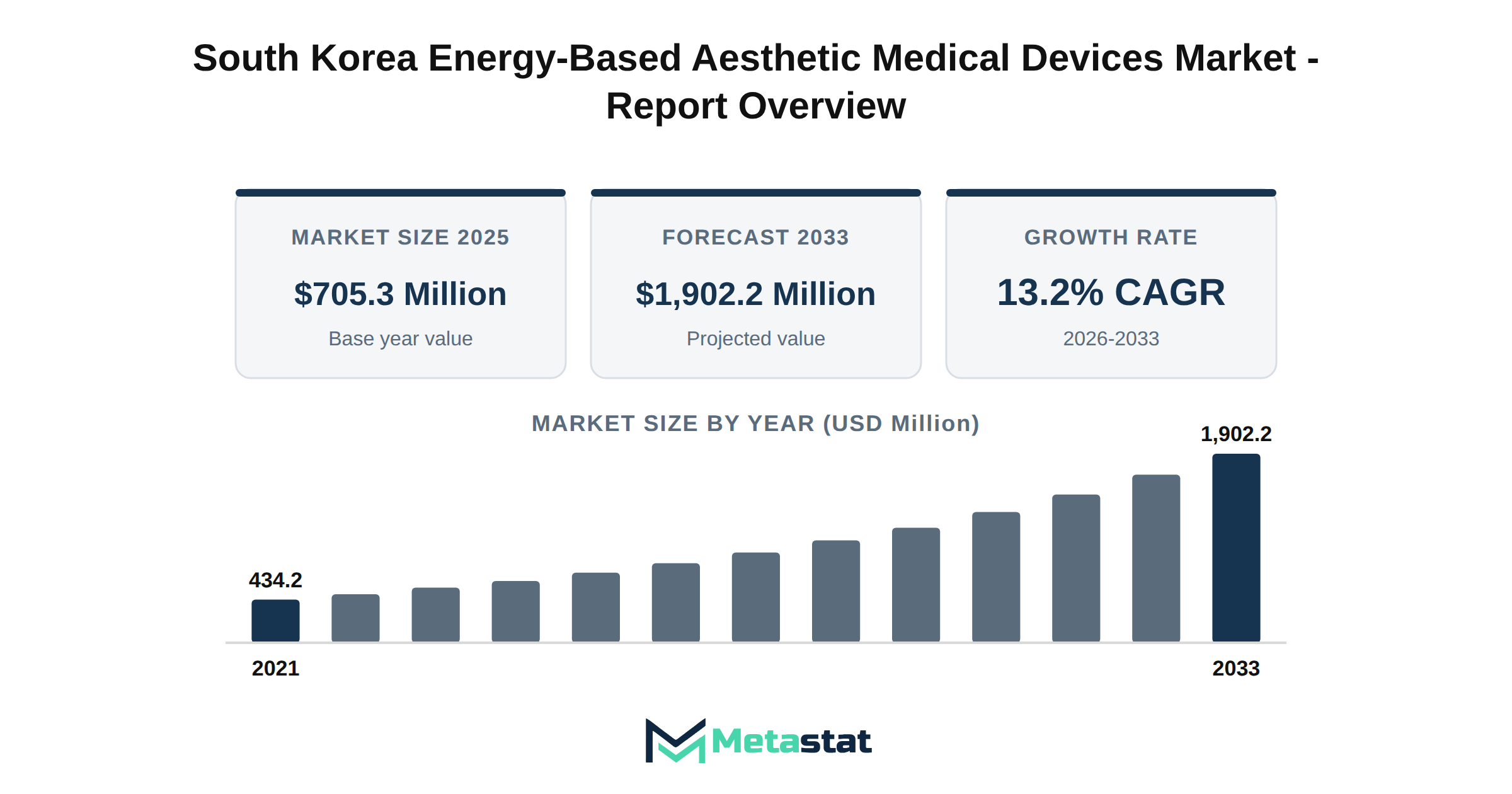
The South Korea Energy-Based Aesthetic Medical Devices market reached a valuation of USD 705.3 million in 2025 and is projected to expand to USD 1,902.2 million by 2033, reflecting a compound annual growth rate (CAGR) of 13.2%. This growth trajectory highlights the increasing acceptance of advanced aesthetic solutions among consumers and practitioners alike.
Rising demand for non-invasive and minimally invasive aesthetic treatments significantly contributes to market expansion. A growing preference for procedures that offer quicker recovery times and reduced risks drives consumers toward energy-based modalities. This shift favors devices that provide effective results with minimal discomfort.
Adoption of radiofrequency (RF) and High-Intensity/Microfocused Focused Ultrasound (HIFU/MFU) devices across Korean aesthetic clinics demonstrates a notable trend. These technologies deliver effective skin tightening and rejuvenation results, attracting both new and returning patients seeking enhanced aesthetic outcomes.
Innovation in laser-based aesthetic devices supports treatment expansion in South Korea. Manufacturers focus on developing advanced laser technologies that enhance efficacy and safety, encouraging clinics to incorporate these devices into their service offerings. This commitment to innovation aligns with the market's growth and the evolving demands of consumers.
The growth of skin tightening and lifting procedures is a key driver in the market. Increasing consumer awareness of the benefits of these treatments positions them because sought-after solutions within aesthetic clinics. Enhanced marketing strategies and patient education further stimulate interest in these procedures.
Demand for skin rejuvenation and resurfacing technologies remains strong in South Korea. This trend reflects consumers' desire for youthful, radiant skin, prompting clinics to invest in high-quality devices that deliver superior results. The focus on aesthetic improvement continues to shape market dynamics.
The expansion of medical aesthetic clinics in South Korea correlates with device purchasing trends. Clinics increasingly equip themselves with advanced energy-based devices to meet rising consumer expectations and stay competitive. This investment in technology enhances service offerings and clinic profitability.
Competitive dynamics in the market feature both domestic and global aesthetic device manufacturers. Local companies increasingly innovate and refine their technology to cater to the specific needs of Korean consumers, while international players leverage established credibility and advanced research and development capabilities to gain market share.
Market growth trends indicate a rising demand for non-invasive and minimally invasive aesthetic treatments in South Korea. This shift reflects consumer preferences for effective procedures with reduced recovery times and complications. Clinics increasingly adopt advanced technologies to meet this demand, enhancing patient satisfaction and treatment outcomes.
Radiofrequency and high-intensity focused ultrasound (HIFU) device adoption across Korean aesthetic clinics contributes to market expansion. These technologies offer versatile applications, appealing to medical professionals and patients seeking effective solutions for skin tightening, lifting, and rejuvenation.
Laser-based aesthetic device innovation drives treatment expansion in South Korea. Continuous advancements in laser technologies enhance efficacy and safety, establishing these devices because essential tools in aesthetic practices. This innovation attracts both new and established clinics, creating a competitive environment in the market.
The growth of skin tightening and lifting procedures demonstrates a significant trend in Korean medical aesthetics. Increased awareness of the benefits associated with these treatments leads to higher demand, prompting clinics to invest in advanced devices to cater to this emerging consumer preference.
Demand for skin rejuvenation and resurfacing technologies continues to rise in South Korea. Consumers increasingly seek solutions for skin aging and damage, resulting in higher adoption rates of advanced aesthetic devices. This trend directly influences manufacturers to innovate and improve their product offerings.
Expansion of medical aesthetic clinics in South Korea aligns with trends in device purchasing. Clinics seek to enhance their service offerings, leading to increased investments in energy-based devices. This expansion creates a dynamic environment for manufacturers, generating numerous opportunities for growth.
The competitive landscape features a mix of domestic and global aesthetic device manufacturers in South Korea. Companies focus on innovation and differentiation to capture market share. This competition drives technological advancements and influences pricing strategies, benefiting consumers through improved options and accessibility.
Korean aesthetic device innovation emphasizes multi-energy and combination platforms. These solutions provide practitioners with versatile tools to address diverse patient needs effectively. The integration of multiple modalities enhances treatment outcomes, reinforcing the market's reputation for advanced aesthetic solutions.
Regulatory developments from the Ministry of Food and Drug Safety (MFDS) impact the energy-based aesthetic medical devices market. Compliance with evolving regulations ensures safety and efficacy, building consumer trust and encouraging further adoption of innovative technologies.
Aesthetic device pricing and clinic return on investment trends in South Korea reflect market dynamics. Competitive pricing strategies and the potential for high patient turnover contribute to favorable financial outcomes for clinics investing in advanced technologies.
Growing adoption of radiofrequency microneedling technologies in South Korea illustrates a shift toward hybrid treatment modalities. These devices combine microneedling with energy-based treatments, offering enhanced results for skin rejuvenation and overall patient satisfaction.
HIFU and microfocused ultrasound innovation continues to influence Korean aesthetic medicine. These technologies provide non-invasive options for body contouring and skin tightening, appealing to a wide range of consumers seeking effective treatments without significant downtime.
Demand for picosecond and advanced laser technology in South Korea reflects the market's evolution. These innovations allow practitioners to address various skin concerns effectively, enhancing treatment outcomes and expanding the range of available procedures.
Adoption of body contouring and muscle stimulation devices in South Korea aligns with increasing consumer interest in non-invasive solutions. Clinics are investing in these technologies to meet the growing demand for body shaping treatments that require minimal recovery time.
Consumer demand for personalized energy-based aesthetic treatments in South Korea drives innovation in device offerings. Clinics emphasize tailored solutions that cater to individual patient needs, encouraging loyalty and repeat treatments.
Installed base and consumables revenue opportunities for aesthetic device manufacturers in South Korea reflect the market's growth potential. While clinics expand their offerings, manufacturers benefit from increased sales of devices and associated consumables, enhancing overall market profitability.
Direct sales and distributor strategies in the South Korea aesthetic devices market play a crucial role in expanding market reach. Manufacturers leverage these channels to enhance product availability and support clinics in their procurement processes.
Domestic aesthetic device manufacturing and export competitiveness in South Korea strengthen the market's position on a global scale. Local companies focus on innovation and quality, allowing them to compete effectively with international players and capture market share.
Emerging energy modalities in the South Korea medical aesthetics industry highlight the ongoing evolution of treatment options. Manufacturers explore new technologies to address changing consumer preferences, ensuring the market remains innovative.
AI-assisted treatment planning and smart aesthetic device innovation in South Korea represent a significant trend in the market. Integrating artificial intelligence into aesthetic practices enhances treatment precision and personalization, appealing to tech-savvy consumers.
Demand for advanced energy-based devices in dermatology and plastic surgery clinics reflects the growing emphasis on effective treatment solutions. Clinics increasingly invest in innovative technologies to enhance patient outcomes and remain competitive in the evolving aesthetic market.
Medical tourism significantly impacts the South Korea aesthetic device demand. International patients seek high-quality aesthetic treatments, driving growth in the market and encouraging clinics to adopt the latest technologies to attract this segment.
Future growth opportunities in the South Korea Energy-Based Aesthetic Medical Devices market will stem from ongoing technological advancements and increasing consumer awareness. Manufacturers and clinics that prioritize innovation and quality are likely to succeed in this evolving market.
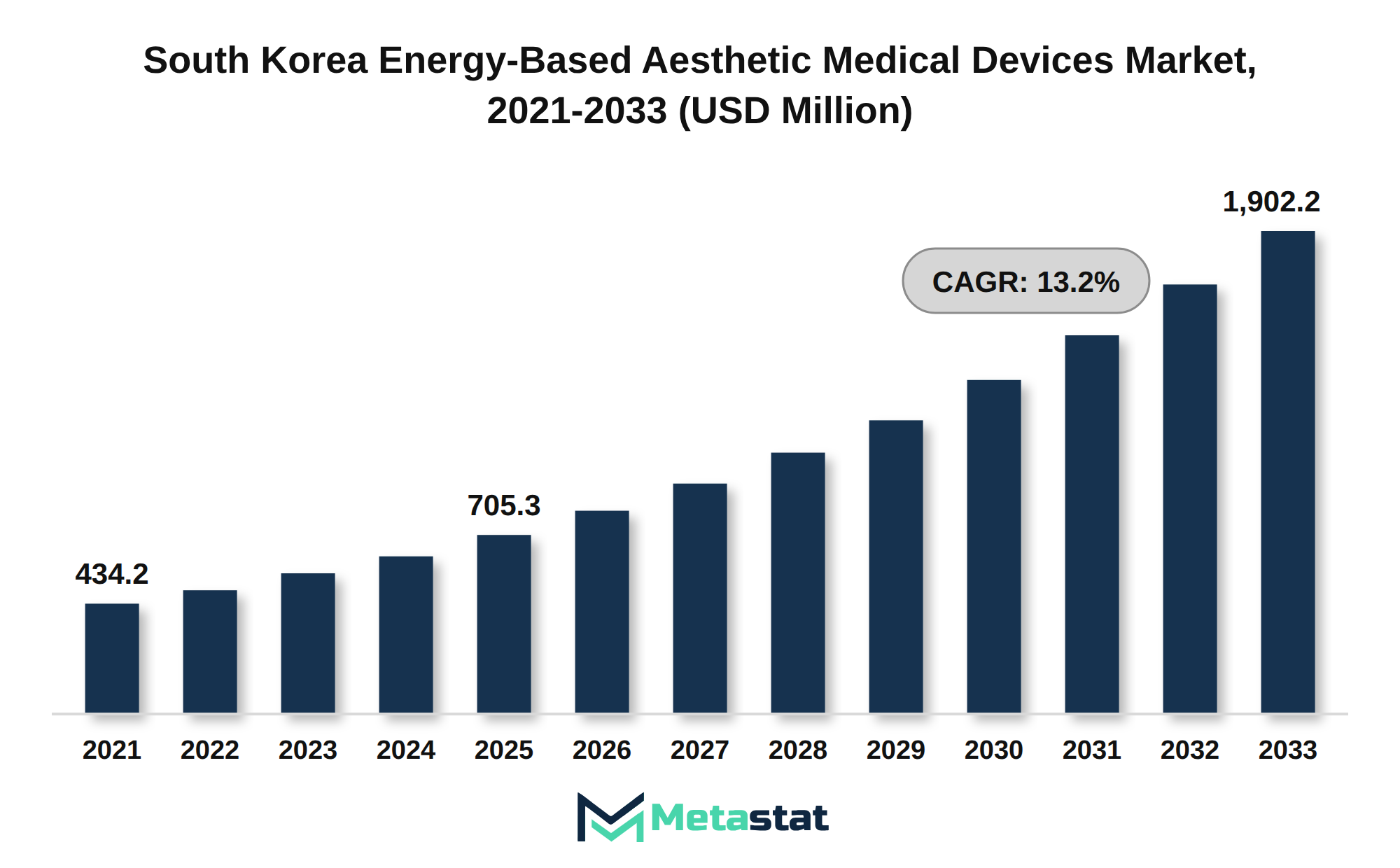
The South Korea Energy-Based Aesthetic Medical Devices market experiences growth driven by heightened consumer focus on aesthetic procedures. This trend arises from shifting demographic patterns, including an aging population and increasing urbanization, where individuals prioritize appearance and self-care. The demand for energy-based aesthetic treatments, including laser therapy and radiofrequency devices, reflects changing consumer behaviors, highlighting a strong interest in minimally invasive options that offer effective results with reduced recovery times.
Advancements in technology further support this consumer shift. The integration of innovative techniques, including automation and artificial intelligence, enhances treatment efficacy while promoting more personalized experiences for clients. This technological integration allows clinics to optimize service offerings, leading to improved patient satisfaction and retention.
Capital investment environments contribute to market expansion. Increased venture funding and public-private spending power fuel research and development efforts, enabling manufacturers to introduce advanced energy-based devices that cater to evolving consumer preferences. The commitment to innovation within the market ensures a steady supply of effective solutions that attract new clients and retain existing ones.
These factors position the South Korea Energy-Based Aesthetic Medical Devices market for significant growth, driven by consumer demands for aesthetic enhancements and technological advancements that facilitate a wider range of effective treatments.
Increasing investment in technological integration significantly impacts the South Korea Energy-Based Aesthetic Medical Devices market. Growing interest in automation and artificial intelligence enhances the efficiency of aesthetic procedures, enabling providers to deliver improved outcomes while optimizing operational processes. This trend encourages clinics to adopt advanced technologies, streamline services, and enhance customer satisfaction.
The integration of digital solutions allows for better patient management systems, leading to higher service quality and patient retention rates. Enhanced software adoption facilitates improved data management and analysis, enabling practitioners to tailor offerings to consumer preferences effectively. This shift aligns with evolving consumer behaviors and the increasing demand for personalized aesthetic services.
Investment in innovation-led product diversification creates a competitive market landscape. Companies focus on research and development initiatives to introduce advanced aesthetic devices that meet rising consumer expectations. Such advancements contribute to overall market growth while reinforcing the importance of adopting digital tools and techniques to enhance operational productivity.
The South Korea Energy-Based Aesthetic Medical Devices market faces significant restraints due to stringent regulatory compliance and operational challenges. Regulatory requirements surrounding aesthetic medical devices often involve comprehensive testing and certification processes. These compliance hurdles increase time-to-market for new products and limit entry for smaller firms lacking the resources to navigate complex regulatory landscapes.
High capital investment requirements contribute to market constraints. Companies entering this sector allocate substantial financial resources toward research and development, marketing, and maintaining compliance with regulatory mandates. This investment requirement deters new entrants and restricts overall market growth.
Escalating operating costs compound these challenges. Rising costs associated with skilled labor, raw materials, and technological updates impact profitability. Companies face pressures to maintain competitive pricing while managing these rising expenses, leading to margin compression.
Supply chain disruptions further hinder market progress. Global economic conditions and geopolitical instability lead to unpredictable supply chain interruptions, affecting the availability of essential components for energy-based devices. Such disruptions threaten timely production and delivery, ultimately impacting market performance.
The South Korea Energy-Based Aesthetic Medical Devices market experiences cultural barriers that influence consumer adoption rates. Regional variations in attitudes toward aesthetic procedures result in differing demand patterns, complicating marketing strategies for companies operating across diverse areas. Addressing these cultural nuances is essential for companies seeking to optimize their outreach and customer engagement efforts.
Market fragmentation adds another layer of complexity. Numerous players operate within the sector, leading to intense competition among established and emerging companies. This fragmentation dilutes brand recognition and complicates customer acquisition, affecting overall market dynamics.
The South Korea Energy-Based Aesthetic Medical Devices market encounters challenges stemming from supply chain instability, impacting the availability of critical components and materials. Fluctuations in global supply chains disrupt production schedules, leading to delays in device availability. This instability arises from geopolitical fragmentation and trade deficits, contributing to tariff friction that raises costs for manufacturers.
Rising input costs exacerbate pricing pressures within the market. Manufacturers face increasing expenses for raw materials and components, leading to margin compression that impacts profitability. In addition, workforce skill gaps hinder production efficiency, driven by a lack of skilled labor that limits the ability to implement advanced technologies and maintain high standards of quality.
Technological disruptions and interoperability challenges present barriers. Companies struggle to integrate new technologies with existing systems, resulting in inefficiencies that slow down innovation cycles. This situation limits the market's capacity to meet evolving consumer demands for advanced aesthetic procedures.
The South Korea Energy-Based Aesthetic Medical Devices market navigates these challenges effectively to sustain growth and capitalize on emerging opportunities. Market participants focusing on improving supply chain resilience and addressing talent retention pressures position themselves favorably in a competitive landscape.
The South Korea Energy-Based Aesthetic Medical Devices market experiences significant opportunities driven by technological advancements. The continued evolution of energy-based devices, including laser, radiofrequency, and ultrasound technologies, supports the development of more effective and efficient treatments. These innovations enable providers to deliver enhanced patient outcomes, thereby increasing adoption rates across various clinical settings.
Geographical expansion plays a critical role in market dynamics, owing to emerging economies in the Asia-Pacific region seeking to adopt advanced aesthetic medical technologies. The introduction of innovative devices tailored to local preferences and cultural standards contributes to a growing demand, enabling broader access and increasing competition among suppliers. This geographical diversification presents manufacturers with avenues to capture significant market share and drive revenue growth.
Digital transformation influences purchasing behaviors within the market. The rise of online platforms facilitates easier access to product information, enhancing informed decision-making for buyers. This shift toward digital procurement reflects evolving consumer preferences, highlighting the importance for suppliers to adapt their sales strategies to align with changing market dynamics.
Sustainability imperatives further shape the market landscape, because both manufacturers and consumers prioritize eco-friendly practices. Energy-efficient devices and sustainable production processes appeal to consumers who value environmental responsibility. This growing emphasis on sustainability leads to the development of new products that incorporate green technologies, positioning suppliers advantageously within an increasingly conscientious market.
Strategic consolidation among players in the South Korea Energy-Based Aesthetic Medical Devices market encourages innovation and enhances competitive positioning. Mergers and acquisitions enable companies to combine resources, technology, and expertise, resulting in improved product offerings and operational efficiencies. This consolidation trend facilitates the entrance of novel solutions into the market, creating additional growth opportunities.
The South Korea Energy-Based Aesthetic Medical Devices market is segmented based on Technology, Application, End User, and Distribution Channel.
Valued at USD 237.6 million in 2026, the Laser-Based Devices segment is projected to reach USD 522 million by 2033, at a CAGR of 11.9% during the forecast period. Increased consumer awareness regarding aesthetic procedures and rising demand for non-invasive treatments drive the adoption of laser-based technologies. Technological maturation enhances the efficacy and safety profiles of these devices, encouraging greater utilization in dermatological and cosmetic applications.
Innovations in laser technologies, including improved precision and reduced downtime, contribute significantly to segment expansion. Product evolution includes advancements in laser types and modalities, catering to diverse treatment needs ranging from skin rejuvenation to hair removal. End-use dynamics reflect a growing preference among dermatology clinics and cosmetic surgery centers for laser devices due to their versatility and effectiveness in delivering results.
Regulatory compliance standards play a crucial role in shaping the market, ensuring that products meet safety and efficacy requirements. Cost structures and pricing volatility affect purchasing decisions among clinics, influencing the competitive landscape. Strategic opportunity windows arise from increasing investments in research and development, driving innovation within the sector and enhancing market competitiveness.
Investment in laser-based technologies supports capital investment outlooks, creating pathways for growth in the South Korea Energy-Based Aesthetic Medical Devices market. Supply chain resilience and raw material sourcing remain critical factors, focusing on maintaining quality and availability of components. Overall, the Laser-Based Devices segment stands poised for substantial growth, driven by technological advancements and evolving consumer preferences.
Demand for Radiofrequency (RF) Devices in the South Korea Energy-Based Aesthetic Medical Devices market demonstrates strong growth potential. This segment is anticipated to reach USD 472.9 million by 2033, at a CAGR of 14.5% during the forecast period. Key drivers include increasing consumer preference for non-invasive and effective aesthetic treatments, which position RF devices because a viable option for skin tightening and rejuvenation procedures.
Technological advancements in RF devices contribute to their expanding adoption. Enhanced efficacy, user-friendly interfaces, and safety have attracted dermatology clinics and plastic surgery centers. This trend reflects a shift toward innovative solutions that satisfy patient demands for minimal downtime and effective results.
Regulatory compliance significantly influences the RF devices segment. Manufacturers face pressures to adhere to safety and efficacy standards, impacting product development and market entry strategies. Compliance builds consumer trust, driving further adoption of RF technologies in aesthetic treatments.
While competition intensifies among key players in the market, strategic investments in research and development will determine market positioning. Companies that leverage next-generation upgrades and innovative applications of RF technology will capture significant market share. This dynamic environment creates a market ripe for growth, ensuring that RF devices remain a critical component of the South Korea Energy-Based Aesthetic Medical Devices market.
Increasing consumer awareness regarding skin tightening and rejuvenation fuels demand for High-Intensity/Microfocused Focused Ultrasound (HIFU/MFU) Devices within the South Korea Energy-Based Aesthetic Medical Devices market. This segment is projected to reach USD 386.5 million by 2033, reflecting a significant growth trajectory. Technological advancements contribute to improved efficacy and patient safety, facilitating wider adoption among aesthetic practitioners and dermatology clinics.
The rising preference for non-invasive procedures influences end-user dynamics, shifting focus towards HIFU/MFU Devices for skin rejuvenation and lifting applications. These devices offer minimal downtime, aligning with consumer desires for effective treatments without extensive recovery periods. Healthcare professionals adopting innovative technologies drive a surge in demand, fueled by the desire for high-quality aesthetic outcomes.
Regulatory compliance standards and certifications for devices enhance consumer confidence, facilitating market expansion. The emphasis on safety and efficacy in aesthetic treatments influences purchasing decisions among practitioners, promoting the adoption of HIFU/MFU Devices. The growing trend of preventive aesthetics creates strategic opportunity windows for manufacturers to innovate and expand their product offerings, ensuring alignment with evolving consumer preferences.
Rising competition among key players in the South Korea Energy-Based Aesthetic Medical Devices market accelerates investment in research and development. Manufacturers focus on next-generation upgrades and product evolution. The introduction of advanced features including real-time monitoring and customized treatment protocols positions HIFU/MFU Devices because a compelling choice in aesthetic medicine.
Primary demand for Intense Pulsed Light (IPL) Devices within the South Korea Energy-Based Aesthetic Medical Devices market derives from the growing emphasis on skin rejuvenation and resurfacing procedures. Increasing consumer interest in non-invasive aesthetic treatments drives adoption among dermatology clinics and cosmetic surgery centers. Segment expansion catalysts include advancements in device technology, which enhance treatment efficacy and safety. This evolution appeals to practitioners and patients seeking effective solutions.
Technological maturation leads to the development of next-generation IPL devices, integrating upgraded features including improved energy delivery systems and enhanced patient comfort. Product evolution focuses on increasing versatility, enabling applications beyond traditional skin treatments, including hair removal and acne therapy. End-use dynamics reflect a shift toward more personalized treatment plans, aligning with consumer demands for tailored aesthetic solutions.
Regulatory compliance standards and certifications shape market entry and operational practices for manufacturers, ensuring safety and efficacy in IPL device offerings. Cost structures influence production and technological innovation, affecting pricing strategies and profit margins. The segment is projected to grow at a CAGR of 10.5% during the forecast period.
Strategic opportunity windows arise from emerging trends in consumer aesthetics, creating a favorable environment for investment in IPL technology. Competitive pressures compel companies to innovate and enhance product offerings continually. Overall, the South Korea Energy-Based Aesthetic Medical Devices market is positioned for growth, driven by consumer preferences and technological advancements in IPL devices.
Growing interest in non-invasive procedures drives demand for Electromagnetic/Magnetic Muscle Stimulation Devices within the South Korea Energy-Based Aesthetic Medical Devices market. This segment benefits from increasing awareness of body contouring and muscle toning solutions. Clinics and aesthetic centers recognize the effectiveness of these devices in enhancing treatment outcomes, further propelling adoption rates.
Technological advancements enhance device efficacy and user experience, influencing segment growth. Innovations in design and functionality lead to more effective treatments, attracting both practitioners and patients. Continuous product evolution, including the integration of smart technologies, positions these devices favorably in the market.
Regulatory compliance shapes market dynamics. Adherence to safety standards and certifications boosts consumer confidence, facilitating broader acceptance among end users. Increased scrutiny on product quality and performance pushes manufacturers to invest in R&D, ensuring offerings remain competitive.
Cost structures influence market entry and competitiveness. Pricing strategies that align with consumer expectations while maintaining healthy margins become vital for manufacturers. Fluctuations in raw material costs and supply chain resilience add complexity to operational planning, with companies seeking to mitigate risks associated with these factors.
Strategic opportunities emerge from rising consumer demand for advanced aesthetic solutions. Companies focusing on developing disruptive alternatives and next-gen upgrades stand to capture significant market share. The market presents favorable conditions for investment, with stakeholders aiming to capitalize on expanding opportunities.
Consumer interest in non-surgical body contouring solutions drives demand for Cryolipolysis/Cooling-Based Devices within the South Korea Energy-Based Aesthetic Medical Devices market. Growing awareness of the benefits associated with these technologies, including effective fat reduction without the need for invasive procedures, fuels this interest. Dermatology clinics and plastic surgery centers prominently adopt these devices, enhancing their service offerings to meet evolving customer preferences for minimal downtime and natural-looking results.
Technological advancements have significantly improved Cryolipolysis devices, leading to higher efficacy and patient satisfaction. Innovations in applicator designs and cooling techniques contribute to more consistent outcomes, increasing trust among consumers and practitioners. Regulatory compliance and safety standards continue to evolve, ensuring that products in this segment adhere to high-quality benchmarks, reassuring users about their safety and effectiveness.
Market expansion relies on the ongoing evolution of product features and functionalities. Manufacturers focus on enhancing user experience through streamlined operation and improved patient comfort. Strategic investment in research and development supports the introduction of next-generation devices, positioning suppliers to capture a larger share of the market. Growth in the segment is supported by these developments.
Pricing dynamics impact purchasing decisions within the Cryolipolysis segment. Competitive pricing strategies and value-based offerings influence consumer adoption rates. Providers face margin pressures due to fluctuating raw material costs and the necessity for continuous technological upgrades. Emphasizing product differentiation and establishing robust supply chain networks remain vital for maintaining competitiveness in the market.
Increased focus on aesthetic procedures leads to more investments in marketing and consumer education, enhancing awareness of Cryolipolysis options available in the South Korea Energy-Based Aesthetic Medical Devices market. While the segment continues to mature, stakeholders are well-positioned to leverage emerging opportunities, further strengthening their presence in the growing aesthetic landscape.
Growing interest in aesthetic solutions drives the adoption of Microwave-Based Devices within the South Korea Energy-Based Aesthetic Medical Devices market. High patient satisfaction rates associated with microwave-based technology contribute to its increasing popularity among end users. Enhanced capabilities of these devices allow for effective treatments, particularly in areas including skin rejuvenation and body contouring, which further fuels market demand.
Technological maturation creates opportunities for the introduction of next-generation upgrades in microwave devices. Innovations in design and functionality enhance treatment outcomes, thus appealing to both practitioners and patients. The evolution of microwave technology continues to transform treatment protocols, enabling more efficient and effective procedures.
Regulatory compliance standards shape market dynamics. Manufacturers focus on obtaining necessary certifications to ensure device safety and efficacy, which builds trust among healthcare providers and patients. This focus on compliance aligns with industry trends toward quality assurance and risk management in the aesthetic medical sector.
Price volatility impacts consumer purchasing decisions and shapes the competitive landscape. Organizations in this segment analyze cost structures and market pricing strategies to optimize profitability while meeting consumer expectations. This balancing act influences the market strategies of participants in the South Korea Energy-Based Aesthetic Medical Devices market.
Strategic investment in research and development facilitates the advancement of microwave technology, addressing emerging consumer needs and preferences. Suppliers explore white-space opportunities to identify gaps in the market, enabling the positioning of innovative solutions. This proactive approach helps maintain a competitive edge amid evolving market conditions.
Innovations in plasma-based technologies contribute to the evolution of aesthetic medical devices, positioning them because a significant player within the South Korea Energy-Based Aesthetic Medical Devices market. These devices leverage plasma energy to target various skin concerns, attracting attention for their efficacy and safety profile. Increased consumer focus on advanced skin treatments fuels the adoption of plasma-based solutions, supported by their ability to deliver desired outcomes with minimal recovery time. Technological advancements in plasma generation methods enhance device performance, promoting market growth. The demand for non-invasive procedures aligns with rising consumer expectations for effective and safe aesthetic treatments. This shift influences the end-use dynamics of the market, encouraging dermatology clinics and cosmetic surgery facilities to explore plasma-based offerings. Regulatory compliance standards surrounding the use of plasma technologies strengthen consumer confidence, supporting the segment's expansion. Manufacturers invest in research and development to ensure their devices meet evolving certifications, enhancing product credibility in a competitive environment. This proactive approach creates strategic opportunity windows, allowing firms to capture a share of the growing market. Supply chain resilience plays a critical role in maintaining consistent quality and availability of plasma-based devices. Challenges in raw material sourcing and logistics vulnerabilities pose threats to production timelines. Firms adopting strategic sourcing and agile manufacturing practices demonstrate the ability to mitigate risks, ensuring stable operations. Pricing volatility in the aesthetic medical devices market affects profit margins, placing pressure on manufacturers to balance cost while maintaining quality. Understanding consumption shifts towards premium products influences pricing strategies, allowing companies to navigate competitive challenges effectively. Continuous evaluation of market dynamics helps players in the sector adapt and thrive, reinforcing the importance of innovation and strategic investment in the South Korea Energy-Based Aesthetic Medical Devices market.
Growing acceptance of LED/Photobiomodulation Devices within aesthetic medical practices drives growth within the South Korea Energy-Based Aesthetic Medical Devices market. Increased consumer awareness surrounding skin health and the efficacy of light therapy treatments encourages greater adoption among clinics and practitioners. The non-invasive nature of these devices aligns with consumer preferences for painless and convenient aesthetic procedures, enhancing their appeal across various demographics.
Technological maturation facilitates advancements in LED/Photobiomodulation Devices, leading to improved efficacy and treatment outcomes. Companies prioritize next-generation upgrades to enhance device capabilities, focusing on optimizing treatment protocols for conditions including acne, skin rejuvenation, and overall skin health. This evolution in product offerings supports diversification and caters to a broader range of consumer needs, driving segment expansion.
Regulatory compliance standards play a critical role in shaping market dynamics. Adherence to safety and efficacy regulations instills confidence among end-users and healthcare practitioners. Firms invest in certifications and quality assurance processes to align with regulatory expectations, further influencing the competitive landscape within the market.
Cost structures for LED/Photobiomodulation Devices continue to evolve in response to pricing volatility and margin pressures. Companies strategically manage pricing to maintain competitiveness while ensuring profitability. The focus on supply chain resilience and effective raw material sourcing enhances operational efficiency, reducing vulnerabilities associated with logistics and supply interruptions.
Strategic opportunity windows arise due to demand for LED/Photobiomodulation Devices expanding. Investment in research and development facilitates innovative solutions that address unmet consumer needs. This focus on product evolution positions firms for growth, enabling them to capture a significant portion of the South Korea Energy-Based Aesthetic Medical Devices market.
Consumer interest in low-intensity ultrasound technology and other energy modalities continues to evolve within the South Korea Energy-Based Aesthetic Medical Devices market. This shift aligns with increasing demands for non-invasive treatments that offer minimal recovery time and effective results. Clinics are increasingly adopting these technologies to enhance service offerings, catering to a demographic seeking innovative solutions for aesthetic concerns.
Technological maturation drives product evolution and encourages the development of next-generation devices. While manufacturers prioritize research and development, advancements in low-intensity ultrasound techniques enhance efficacy and safety, further promoting adoption among aesthetic practices. Regulatory compliance and certifications ensure that these devices meet safety standards, building trust with end users.
End-user dynamics shift because dermatology clinics and cosmetic surgery centers recognize the unique capabilities of low-intensity ultrasound technologies. These devices allow for targeted treatments without the invasiveness associated with traditional surgical options, attracting a broader clientele. The market experiences a strategic opportunity window, where suppliers focus on educating practices about the benefits and applications of these modalities, driving growth and penetration in the competitive environment.
Consumption shifts indicate a growing preference for energy-based treatments over more invasive procedures. While awareness of these options increases, clinics expand their offerings, tapping into the potential of low-intensity ultrasound and related technologies. Capital investment in this area aligns with broader trends in the South Korea Energy-Based Aesthetic Medical Devices market, supporting ongoing innovation and market resilience.
Valued at USD 194.4 million in 2026, the Skin Rejuvenation & Resurfacing segment is projected to reach USD 445.5 million by 2033, achieving a CAGR of 12.6% during the forecast period. Key demand drivers include an increase in consumer preferences for non-invasive aesthetic treatments and greater awareness of skin health. The segment benefits from advancements in technology that enhance treatment efficacy and patient satisfaction. The increasing focus on anti-aging solutions contributes to growth, driven by consumers seeking effective methods for skin rejuvenation.
The market for these devices experiences significant expansion catalysts driven by the rising number of dermatology clinics and aesthetic centers offering specialized services. Technological maturation plays a critical role in the adoption of innovative devices, enabling providers to offer enhanced treatment options. Downstream applications span various demographics, reflecting a shift towards more personalized and effective skincare solutions. The evolving regulatory landscape supports safer device operations, promoting broader acceptance in medical and cosmetic practices.
Pricing dynamics within the segment display volatility influenced by technological advancements and material costs. While manufacturers innovate and introduce next-generation devices, maintaining competitive pricing remains essential. The anticipated growth within the Skin Rejuvenation & Resurfacing segment presents strategic opportunity windows for capital investment, particularly in research and development. Overall, this segment will significantly impact the South Korea Energy-Based Aesthetic Medical Devices market through its growth trajectory and evolving consumer demands.
Consumer interest in aesthetic procedures, particularly skin tightening and lifting applications, drives significant growth in the South Korea Energy-Based Aesthetic Medical Devices market. This segment is projected to reach USD 487.7 million by 2033, at a CAGR of 15% during the forecast period. Innovations in technology contribute to the development of advanced solutions that enhance effectiveness and patient satisfaction.
Skin tightening and lifting treatments find applications across various demographics, with a noticeable demand from individuals seeking non-surgical alternatives to traditional facelifts. The increasing prevalence of aesthetic awareness among consumers, alongside the rise of social media influence, has led to higher expectations regarding personal appearance. This trend highlights the importance of effective results and safety in aesthetic procedures.
Technological advancements play a crucial role in shaping the segment, with manufacturers focusing on enhancing the efficacy and safety profiles of their devices. The introduction of next-generation products equipped with intelligent features and user-friendly designs drives their adoption in dermatology and cosmetic surgery clinics. Increased capital investment in research and development emerges because a key factor for sustained growth in the market.
Regulatory compliance remains critical in ensuring that devices meet safety and efficacy standards, influencing market dynamics. Stringent regulations facilitate consumer trust and encourage investment in the South Korea Energy-Based Aesthetic Medical Devices market. The segment's growth trajectory aligns with advancements in technology, consumer behavior shifts, and regulatory frameworks, creating a conducive environment for expansion.
Growing interest in advanced hair removal solutions drives the adoption of energy-based aesthetic medical devices in South Korea. Technological advancements in laser and radiofrequency technologies enhance the effectiveness and efficiency of hair removal procedures, aligning with consumer preferences for quick and effective results. The increasing emphasis on personal grooming and aesthetic treatments among both men and women fuels demand for these devices in various clinical settings.
The hair removal segment is expected to reach USD 241.8 million by 2033. The shift toward non-invasive and minimally painful hair removal options has led to higher acceptance rates among consumers, encouraging investments from clinics and practitioners. Competitive pressures intensify because clinics seek to differentiate their offerings through the latest technologies, significantly impacting market dynamics.
Regulatory compliance shapes product offerings and operational strategies within the market. Strict certification requirements ensure that only safe and effective devices are available, influencing purchasing decisions among end-users. Enhanced product evolution, including the introduction of next-generation devices, supports market growth and aligns with consumer expectations for quality and safety in aesthetic procedures.
Strategic investments by leading manufacturers in research and development enhance the capabilities of hair removal devices, driving innovation within the sector. The market for hair removal devices is positioned to expand, reflecting broader trends in aesthetic treatments and reinforcing the significance of advanced solutions in the South Korea Energy-Based Aesthetic Medical Devices market.
Growing interest in tattoo removal procedures drives demand in the South Korea Energy-Based Aesthetic Medical Devices market. An increasing number of individuals seeking to remove unwanted tattoos and pigmented lesions contributes to the segment's growth. This heightened demand stems from societal shifts toward self-expression and aesthetics, leading to more frequent requests for such treatments.
Technological advancements significantly impact this segment, with newer laser technologies enhancing treatment efficacy and safety. Innovations in equipment have resulted in quicker recovery times and lower complication rates, encouraging adoption in various service settings. These factors facilitate market expansion, with the segment projected to grow at a CAGR of 12% during the forecast period.
End-user dynamics play a crucial role in shaping the market. Dermatology clinics and plastic surgery facilities increasingly incorporate these procedures in their offerings to meet consumer expectations. Enhanced client satisfaction and repeat business emerge from successful outcomes, positioning businesses for growth. Overall, the increasing demand for pigmented lesion and tattoo removal signifies a strategic opportunity within the South Korea Energy-Based Aesthetic Medical Devices market.
Growing consumer interest in effective treatments for vascular lesions drives demand within the South Korea Energy-Based Aesthetic Medical Devices market. Innovations in laser-based technologies enhance targeted treatment options, leading to higher adoption rates among dermatology clinics and aesthetic centers. Increased awareness of the benefits of non-invasive vascular lesion treatments supports expansion in this application segment. Regulatory standards promote safety and efficacy, contributing to consumer confidence and driving market growth.
Advancements in product offerings, including combination therapies, appeal to a broader demographic, enabling higher penetration rates among various user groups. Continuous technological maturation leads to the introduction of next-generation devices, ensuring treatment effectiveness and patient satisfaction. Strategic opportunities arise from the increasing emphasis on aesthetic improvements, further strengthening the vascular lesion treatment segment within the overall market.
Increased awareness regarding effective acne treatments drives significant interest in energy-based aesthetic solutions. Rising prevalence of acne and its psychological impact on individuals contribute to the growing demand for innovative treatments. Technological advancements lead to the development of targeted devices that address specific skin concerns, enhancing treatment effectiveness.
The South Korea Energy-Based Aesthetic Medical Devices market benefits from a diverse range of applications tailored for acne treatment. Evolving consumer preferences for non-invasive procedures support the adoption of advanced technologies within clinics and practices. The influx of younger demographics seeking aesthetic solutions for acne further drives market growth, influencing end-user dynamics.
Regulatory compliance and certification standards play a vital role in shaping market strategies, ensuring safety and efficacy for consumers. The supply chain remains resilient despite challenges, with manufacturers exploring various sourcing options to mitigate risks associated with raw material availability. Strategic opportunities arise from the evolving landscape, enabling capital investment in next-generation upgrades and product evolution in the market.
Growing consumer demand for effective body contouring solutions stimulates interest in the Body Contouring & Fat Reduction segment. Factors influencing this trend include an increased focus on aesthetics and health consciousness among individuals seeking non-invasive options for body shaping. The adoption of energy-based techniques, which offer minimal downtime and improved safety profiles, supports market growth.
Technological advancements in energy-based devices enhance treatment efficacy and broaden application possibilities. Innovations in focused ultrasound and radiofrequency technologies contribute to more effective outcomes, appealing to a wider range of consumers. This evolution aligns with the South Korea Energy-Based Aesthetic Medical Devices market trajectory, driving increased investment in advanced treatment options.
Shifts in consumer preferences toward overall health and wellness increase the importance of body contouring solutions. More individuals prioritize body image and personal well-being, prompting aesthetic clinics to respond with tailored offerings that integrate body contouring within comprehensive aesthetic treatment plans. This integration enhances patient satisfaction and loyalty, benefiting end-user clinics.
Regulatory compliance and certification standards play a critical role in ensuring product safety and effectiveness. Products that meet stringent guidelines build consumer trust, encouraging further adoption of body contouring technologies. The combination of these factors positions the segment for steady growth within the broader South Korea Energy-Based Aesthetic Medical Devices market.
Interest in body toning and stimulation procedures significantly influences the growth of the Muscle Toning & Stimulation segment within the South Korea Energy-Based Aesthetic Medical Devices market. The emphasis on non-invasive technologies that provide visible results without extensive recovery time drives consumer engagement. Advances in technology and greater awareness of health and wellness contribute to a shift towards non-surgical aesthetic solutions, appealing to a broader demographic seeking body contouring options.
Development of innovative energy-based devices enhances treatment efficacy and safety, increasing consumer confidence in these procedures. Establishments providing muscle toning solutions, including dermatology clinics and physician-led medical aesthetic clinics, increasingly adopt these technologies to meet the demand for effective body shaping practices. This segment benefits from strong consumer preferences for personalized and result-oriented treatments, aligning with broader trends in the aesthetic medical field.
Regulatory compliance and certifications play a significant role in shaping market dynamics, driven by consumer safety and product reliability, which remain critical. Emphasis on maintaining high standards enhances the reputation of practitioners and institutions offering muscle toning services. The market anticipates continued evolution driven by technological advancements and consumer trends, which will likely shape the competitive landscape of the South Korea Energy-Based Aesthetic Medical Devices market.
Increased consumer awareness surrounding intimate aesthetics contributes to the growth of the South Korea Energy-Based Aesthetic Medical Devices market. Rising demand for benign lesion treatments reflects a shift toward personalized aesthetic solutions, aligning with broader trends in healthcare that prioritize patient-specific approaches. Innovations in device technology enhance treatment efficacy, driving adoption in clinics focusing on intimate aesthetics and benign lesion treatments.
Colleges and training institutions play a significant role in educating practitioners about the latest advancements in intimate aesthetics. Enhanced training and certification programs promote the effective use of energy-based devices, establishing confidence among consumers. Strengthened consumer trust in clinics performing these treatments further fuels market expansion.
The landscape of regulatory compliance evolves to adapt to technological advancements. Stricter policies regarding safety and efficacy create a favorable environment for high-quality product offerings. Medical professionals prioritize compliance with standards, assuring consumers of safe and effective treatments in the market.
Investment in research and development leads to next-generation devices that offer improved outcomes for patients. This strategic focus on product evolution creates competitive advantages among suppliers, enabling them to capture larger market shares. Anticipated growth in intimate aesthetics and benign lesion treatment highlights the importance of ongoing innovation in the energy-based aesthetic medical devices sector.
Valued at USD 257.3 million in 2026, the Dermatology Clinics segment is projected to reach USD 633.1 million by 2033, at a CAGR of 13.7% during the forecast period. Increased consumer focus on skin health and aesthetic enhancements contributes to the growing demand for energy-based aesthetic medical devices within dermatology clinics. This segment benefits from advancements in technology, enabling more effective and efficient treatments, which positively influences the operational dynamics of these clinics. Dermatology clinics prioritize the integration of innovative devices, including laser-based and radiofrequency technologies, to enhance patient outcomes and satisfaction. The ongoing evolution of treatment methodologies within these clinics responds to shifts in consumer preferences for minimally invasive procedures, driving further adoption of energy-based devices.
Regulatory compliance and certification standards shape operational frameworks within dermatology clinics, ensuring safety and efficacy in treatments. These factors contribute to establishing trust among consumers, supporting increased market penetration. Pricing volatility and margin pressures require clinics to strategize their service offerings, balancing cost structures with competitive pricing. The South Korea Energy-Based Aesthetic Medical Devices market remains dynamic, with dermatology clinics leveraging technological advancements to capture a larger share of the aesthetic treatment market. Investment in staff training and equipment upgrades enhances service delivery and drives growth in this segment.
In the South Korea Energy-Based Aesthetic Medical Devices market, the Plastic & Cosmetic Surgery Clinics segment experiences significant growth. This segment is estimated to reach USD 459.8 million by 2033, at a CAGR of 12.4% during the forecast period. Rising demand for advanced cosmetic procedures drives increased investment in energy-based medical devices, enhancing treatment efficacy and patient satisfaction. The evolution of technologies, including laser and radiofrequency devices, improves safety and effectiveness, further boosting adoption rates among clinics specializing in cosmetic procedures. Trends toward minimally invasive treatments contribute to the expansion of this segment, aligning with consumer preferences for less invasive options that provide effective results.
Market dynamics reflect an increasing focus on patient outcomes, prompting clinics to invest in high-quality devices that facilitate innovative treatments. Regulatory standards and certifications play a crucial role in guiding the implementation of new technologies, ensuring that practices meet safety and efficacy benchmarks. Continuous advancements in device capabilities, including enhanced precision and reduced recovery times, attract a broader clientele seeking aesthetic improvements. These factors highlight the important role of the Plastic & Cosmetic Surgery Clinics segment within the overall South Korea Energy-Based Aesthetic Medical Devices market.
Revenue for Physician-Led Medical Aesthetic Clinics is projected to reach USD 475.7 million by 2033, indicating strong growth potential within the South Korea Energy-Based Aesthetic Medical Devices market. This segment benefits from rising consumer demand for minimally invasive aesthetic procedures, driven by advancements in technology and treatment effectiveness. Clinics increasingly adopt energy-based devices to offer innovative solutions for skin rejuvenation, tightening, and hair removal.
Technological maturation plays a critical role in the expansion of this segment. Innovations in device capabilities, including enhanced precision and safety, contribute to improved patient outcomes and satisfaction. The shift toward using advanced technologies like radiofrequency and laser-based devices allows clinics to meet evolving consumer preferences seeking efficient and effective aesthetic treatments.
Regulatory compliance standards significantly impact operational practices within physician-led clinics. Adherence to safety regulations and certifications enhances consumer trust and drives the adoption of new technologies. Clinics prioritizing compliance effectively position themselves in a competitive market, ensuring they offer the latest and most reliable aesthetic solutions.
Price sensitivity among consumers influences purchasing decisions. Providers in the segment navigate cost structures while balancing the quality of services offered, ensuring that treatments remain accessible. Price volatility affects demand dynamics, but clinics establishing clear value propositions maintain competitive pricing while achieving robust margins.
Strategic opportunity windows emerge from the growing trend of personalized aesthetic treatments tailored to individual needs. Clinics effectively capitalizing on these opportunities differentiate themselves in the market, attracting a loyal customer base. Investment in marketing and patient education drives awareness and acceptance of aesthetic procedures.
Factors including supply chain resilience and raw material sourcing impact the availability of advanced devices, affecting overall service delivery in physician-led clinics. Addressing potential logistics vulnerabilities ensures that clinics provide timely and effective treatments, thus enhancing patient satisfaction and operational efficiency.
Demand for energy-based aesthetic medical devices in physician-led clinics reflects broader trends within the South Korea Energy-Based Aesthetic Medical Devices market, characterized by a commitment to innovative and effective solutions for aesthetic enhancement.
Valued at USD 257.3 million in 2026, the Hospitals & Multispecialty Medical Centers segment is projected to grow at a CAGR of 11.2% during the forecast period. Increased demand for advanced aesthetic treatments by hospitals and multispecialty medical centers drives this growth. Rising patient expectations for high-quality healthcare services create a competitive environment among healthcare providers, prompting investments in energy-based aesthetic medical devices to enhance service portfolios. The segment benefits from technological advancements that lead to more effective and less invasive procedures, attracting a wider patient base.
Technological maturation in the energy-based aesthetic medical devices market facilitates the adoption of innovative solutions. Hospitals and multispecialty medical centers increasingly adopt devices including laser-based and radiofrequency devices to meet the rising demand for skin rejuvenation, tightening, and lifting treatments. This shift aligns with trends in patient preferences towards minimally invasive procedures that offer quicker recovery times. The introduction of next-generation upgrades enhances treatment efficacy, further reinforcing the segment's position within the market.
Cost structures associated with these advanced devices significantly impact investment decisions. Hospitals and multispecialty medical centers evaluate pricing volatility and margin pressures when integrating new technologies into their offerings. The long-term cost benefits and patient satisfaction derived from these devices often justify the initial capital outlay. Strategic opportunity windows manifest owing to facilities seeking to differentiate themselves by offering comprehensive aesthetic treatment options, which aligns with the growing trend in the South Korea Energy-Based Aesthetic Medical Devices market.
Regulatory compliance standards and certifications influence the operational landscape within the market. Institutions prioritize adherence to safety and efficacy regulations, which affect the timeline and cost of device implementation. Hospitals and multispecialty medical centers invest in training and development for staff to ensure compliance, enhancing patient trust and satisfaction. The growth trajectory of this segment reflects broader trends in healthcare, where aesthetic services increasingly integrate with traditional medical practices.
Specialty outpatient treatment centers play a crucial role in the South Korea Energy-Based Aesthetic Medical Devices market by catering to niche aesthetic needs and preferences. These centers focus on offering specialized procedures that target specific conditions, contributing to overall market expansion. Primary demand drivers include rising consumer awareness of aesthetic enhancements and increased willingness to invest in self-care. Adoption of advanced technologies enhances treatment efficacy, driving a shift toward more specialized care in outpatient settings.
Segment expansion catalysts involve the integration of innovative devices that improve treatment outcomes. Technological maturation in energy-based devices allows for more efficient and effective procedures, encouraging centers to adopt advanced solutions. Next-generation upgrades and product evolution consistently shape offerings, enabling centers to meet evolving consumer demands. End-use dynamics highlight the importance of personalized care, reinforcing the significance of specialty outpatient treatment centers in the aesthetic landscape.
Regulatory compliance standards and certifications influence operational practices within these centers, ensuring safety and efficacy in aesthetic procedures. Cost structures and pricing volatility associated with energy-based devices impact financial dynamics, but robust margins often justify the investment in advanced technologies. This segment demonstrates strong supply chain resilience, with strategic sourcing and logistics enhancing operational efficiency.
Demand shifts toward disruptive alternatives and technological obsolescence necessitate ongoing investment in next-generation solutions. Strategic opportunity windows arise from rising consumer demand for specialized treatments, prompting capital investment in innovative technologies. Specialty outpatient treatment centers significantly contribute to the South Korea Energy-Based Aesthetic Medical Devices market through their focus on specialized care, technological advancements, and consumer-driven trends.
Valued at USD 496.7 million in 2026, the Direct Manufacturer Sales segment is projected to reach USD 1,220.8 million by 2033, at a CAGR of 13.7% during the forecast period. Factors driving this growth include heightened demand for energy-based aesthetic treatments, a shift toward direct procurement strategies by clinics, and the increasing preference for high-quality products from manufacturers. The trend toward direct sales enhances supplier-client relationships, improving understanding of customer needs and preferences, which further influences purchasing decisions.
Adoption of innovative technologies in the South Korea Energy-Based Aesthetic Medical Devices market continues to drive the segment forward. Manufacturers focus on integrating advanced features and functionalities into their devices, improving treatment efficacy and patient satisfaction. This focus on innovation aligns with the increasing consumer expectations for superior outcomes in aesthetic procedures. Growing investments in marketing and education by manufacturers support awareness and acceptance of these products, thereby driving sales through direct channels.
Pricing strategies play a crucial role in the competitive dynamics of the market. Direct Manufacturer Sales facilitate streamlined pricing structures, allowing for more competitive pricing compared to distributor channels. This approach improves profit margins for manufacturers while making products more accessible for clinics and consumers. Manufacturers adopting flexible pricing models navigate fluctuations in material costs, ensuring stability in the pricing of their devices.
Regulatory compliance remains a significant consideration within this segment. Adherence to strict standards ensures product safety and efficacy, building trust among end-users. Manufacturers compliant with these regulations gain a competitive edge, because clinics prefer to source from suppliers who prioritize safety and quality. This emphasis on compliance further supports the growth of the Direct Manufacturer Sales segment, enhancing its appeal in the broader South Korea Energy-Based Aesthetic Medical Devices market.
Consumer adoption of aesthetic medical devices continues to accelerate in South Korea, reflecting growing interest in advanced treatment options. The Authorized Distributor & Dealer Sales segment is estimated to reach USD 681.4 million by 2033, at a CAGR of 12.2% during the forecast period. Factors including increased accessibility to innovative technologies and the development of effective marketing strategies drive this growth. The rising number of clinics and practices seeking to enhance their treatment offerings supports expansion within this segment. Investment in training and education for distributors ensures they remain knowledgeable about product advancements, further strengthening their position in the market.
Technological maturation influences the dynamics of the Authorized Distributor & Dealer Sales segment. Continuous product evolution and next-generation upgrades enhance the effectiveness and efficiency of aesthetic medical devices. Increasing emphasis on regulatory compliance and certifications further influences the distribution landscape, driven by authorized distributors aligning their offerings with industry standards. This adherence not only builds trust among end users but positions distributors competitively within the South Korea Energy-Based Aesthetic Medical Devices market. Overall, an environment characterized by strategic opportunity windows and robust consumer demand positions the segment favorably for sustained growth.
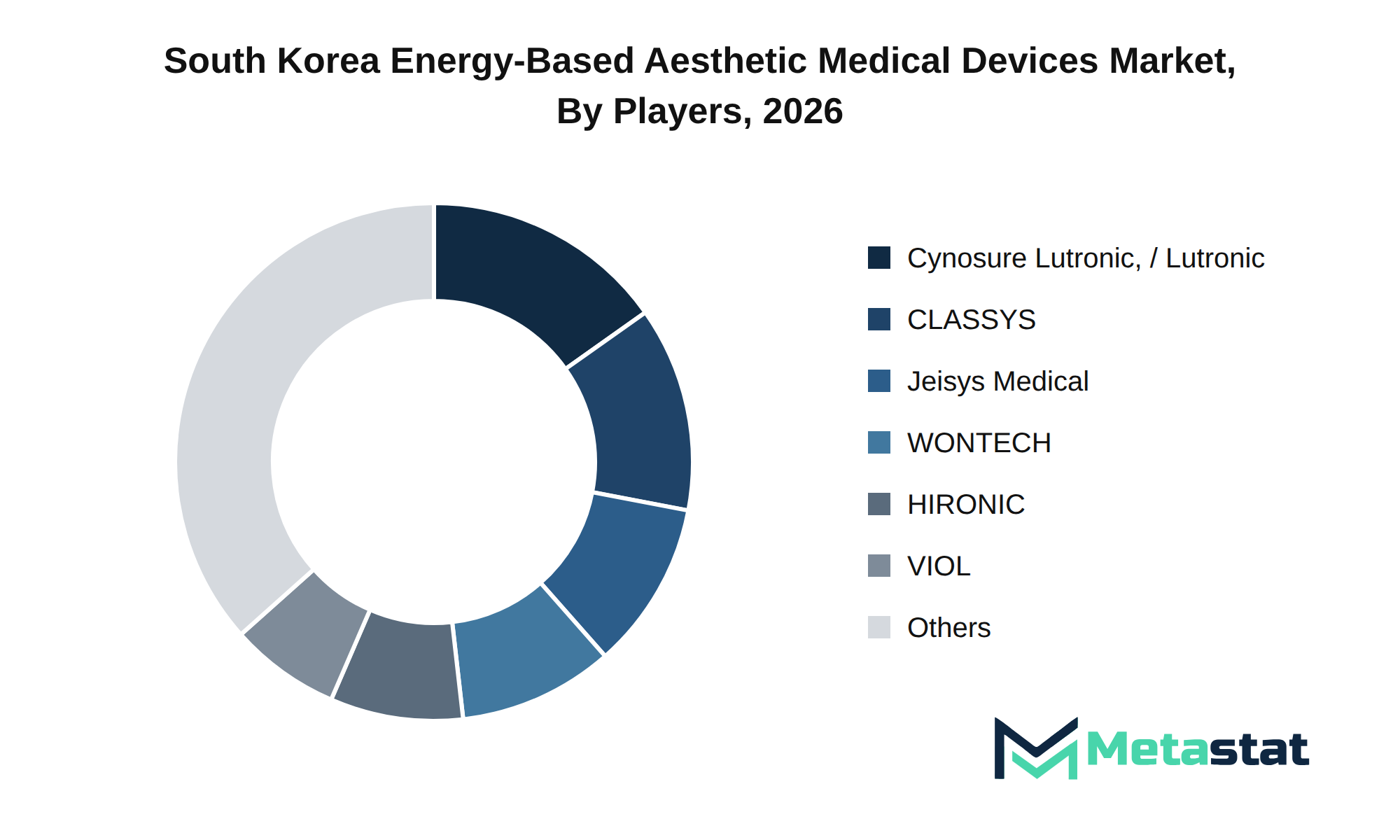
The South Korea Energy-Based Aesthetic Medical Devices market features a dynamic competitive environment characterized by significant strategic activities. Companies engage in mergers and acquisitions, allowing for enhanced market positioning and expanded product portfolios. Firms like Cynosure, Lutronic, Inc. / Lutronic Corporation and CLASSYS Inc. illustrate a trend toward consolidation aimed at increasing operational efficiency and market reach.
Product differentiation is essential for maintaining competitive advantage within the market. Companies including Jeisys Medical Inc. and WONTECH Co., Ltd. focus on developing proprietary technologies and innovative product lines to address diverse consumer needs. Investments in research and development, particularly in sectors like Radiofrequency (RF) Devices and High-Intensity/Microfocused Focused Ultrasound (HIFU/MFU) Devices, contribute to establishing technological defensibility and building brand loyalty.
Strategic alliances and partnerships enhance competitiveness. Collaborations among companies like HIRONIC Co., Ltd. and VIOL Co., Ltd. facilitate resource sharing and knowledge exchange, promoting faster product development cycles. The integration of supply chains and value chains enables these firms to optimize procurement processes and improve operational capabilities.
Barriers to entry present a notable challenge for new entrants, with established players leveraging their intellectual property portfolios to secure market positions. The threat of startup disruption dynamics persists, compelling existing companies to innovate continuously and adapt to evolving market demands. The future outlook for the South Korea Energy-Based Aesthetic Medical Devices market involves heightened competitive pressures, necessitating focused strategies on customer retention and brand equity dynamics.
Market size is forecast to rise from USD 705.3 million in 2025 to over USD 1,902.2 million by 2033. The base case reflects a steady growth trajectory with a compound annual growth rate (CAGR) of 13.2%. This positive outlook arises from increasing demand for advanced aesthetic procedures and technological innovations. Integration of next-generation technologies, including artificial intelligence and machine learning, into energy-based devices enhances their effectiveness and appeal, driving consumer interest.
In a bull case, accelerated adoption of these devices could result from favorable regulatory changes and increased investments in research and development. This scenario would heighten competition among suppliers, leading to rapid advancements and potential shifts in market dynamics. Alternatively, the bear case suggests that economic downturns or stringent regulations could impede growth. In such circumstances, diminishing consumer spending on non-essential aesthetic treatments impacts overall market dynamics.
Strategic capital allocation and infrastructure commitments from industry stakeholders will play a significant role in shaping the South Korea Energy-Based Aesthetic Medical Devices market. By focusing on emerging white-space opportunities, firms address unmet enterprise needs and tap into high-growth pockets. Regulatory evolution and compliance milestones will further influence the market landscape, necessitating adaptive strategies to remain competitive.
The report strategically identifies and profiles the key market players and analyses their core competencies in each sub-segment of the Energy-Based Aesthetic Medical Devices market.
Report Attributes | Details |
Study Period | 2021-2033 |
Base Year | 2025 |
Estimated Year | 2026 |
Forecast Period | 2026-2033 |
Historical Period | 2021-2025 |
Growth Rate | CAGR 13.2% from 2026 to 2033 |
Revenue Unit | USD million |
Segmentation | By Technology, Application, End User, Distribution Channel, and Region |
Find answers to common questions about this report
The Energy-Based Aesthetic Medical Devices market in South Korea was valued at USD 705.3 million in 2025, according to the Metastat Insights study.
The Energy-Based Aesthetic Medical Devices market is projected to grow at a CAGR of 13.2% during the forecast period from 2026 to 2033.
Laser-Based Devices lead the South Korea Energy-Based Aesthetic Medical Devices market, with a projected value of USD 522 million by 2033, representing the largest share among the technology segments.
Key drivers for the South Korea Energy-Based Aesthetic Medical Devices market include a heightened consumer focus on aesthetic procedures, advancements in technology, and increased capital investment. The aging population and urbanization contribute to rising demand for minimally invasive treatments, while innovative techniques enhance treatment efficacy and patient satisfaction.
The South Korea Energy-Based Aesthetic Medical Devices market faces significant restraints due to stringent regulatory compliance and high capital investment requirements. These factors increase time-to-market for new products and deter new entrants, while escalating operating costs and supply chain disruptions further complicate market growth.
Heightened consumer focus on aesthetic procedures, driven by demographic shifts and urbanization, supports product adoption in the South Korea Energy-Based Aesthetic Medical Devices market. Technological advancements, including automation and artificial intelligence, enhance treatment efficacy and patient satisfaction, further encouraging clinics to integrate innovative solutions into their service offerings.
The Energy-Based Aesthetic Medical Devices market is estimated to reach a valuation of USD 1,902.2 million by 2033.
Key players in the South Korea Energy-Based Aesthetic Medical Devices market include Cynosure, Lutronic, Inc., CLASSYS Inc., Jeisys Medical Inc., WONTECH Co., Ltd., HIRONIC Co., Ltd., and InMode Ltd.
Skin rejuvenation and resurfacing leads the application segment, with a projected value of USD 445.5 million by 2033. Skin tightening and lifting follows closely, anticipated to reach USD 487.7 million in the same year.
Radiofrequency (RF) devices show the highest growth potential, projected to achieve USD 472.9 million by 2033, with a compound annual growth rate of 14.5%. This segment's rapid expansion reflects increasing consumer demand for effective skin treatments.
The analysts below cover Medical Devices research at Metastat Insights.
LEAD ANALYST
Utkarsh Khirodkar is a Lead Market Research Analyst at MetaStat Insight, specializing in market intelligence, technology sector assessments, and competitive strategy.

LEAD PRINCIPAL ANALYST, PHARMA AND HEALTHCARE
Food and Beverages · Healthcare · Healthcare IT · Medical Devices
Ajay Devgire is the Lead Healthcare Analyst at MetaStat Insight, leading strategic research and market intelligence initiatives across the global healthcare domain.

SENIOR RESEARCH ANALYST
Biotechnology · Food and Beverages · Medical Devices · Packaging
Snehal Pasalkar is a Research Analyst at MetaStat Insight, operating at the intersection of life sciences research, competitive strategy, and market intelligence.
Tracking capacity expansion in single-use bioprocessing requires dependable data on raw material availability and cleanroom-grade polymer supply chains. The competitive landscape chapter gave a grounded evaluation of secondary component suppliers across North America and Asia-Pacific rather than simply reprinting press releases. Having that level of supplier benchmarking helped clarify dual-sourcing considerations for our clinical pipeline planning.
When evaluating distributed energy resource management systems, standard research summaries tend to gloss over the operational differences between front-of-the-meter utility deployments and behind-the-meter industrial sites. The MetaStat Insight report addressed those distinctions directly, especially regarding software interoperability standards and grid interconnection backlogs. The five-year market sizing across regional transmission organizations provided actionable context for our grid modernization strategy.
Most industry reports on warehouse automation bundle autonomous mobile robots and fixed conveyor installations into the same top-level numbers, which complicates advisory work. This study split the market cleanly by payload tiers, navigation technology, and fleet management software layers. The regional forecast for Western Europe gave our team defensible adoption benchmarks when evaluating capital allocation for logistics clients, saving us days of secondary data scrubbing.
Explore related market intelligence reports worth reading alongside this one.