
LEAD ANALYST
Utkarsh Khirodkar is a Lead Market Research Analyst at MetaStat Insight, specializing in market intelligence, technology sector assessments, and competitive strategy.

Sweden Grocery Retail Market Size, Share, By Store Format (Hypermarkets and Large-Format Supermarkets, Conventional Supermarkets, Discount Grocery Stores, Neighborhood and Small Grocery Stores, Convenience Stores, Warehouse Clubs, and Online-Only Grocery Retailers), By Product Category (Fresh Food, Packaged and Shelf-Stable Food, Beverages, Frozen Food, Household and Home Care Products, Health and Beauty Products, Pet Food and Pet Care Products, and Others), By Sales Channel (In-Store Retail, Click-and-Collect, Home Delivery, and Third-Party Delivery Platforms), By Ownership Model (Corporate-Owned Chains, Franchise Chains, Cooperative Retailers, and Independent Grocery Retailers), Industry Analysis, Growth, Trends, and Forecast, 2026-2033
Report ID
MSI-5126
Published
September, 2026
Pages
280 Pages
Format
Historical
Base year
Forecast
Forecast period
Report Details
Choose Your License
Sweden Grocery Retail Market
The Sweden Grocery Retail market was valued at USD 36.5 billion in 2025 and is projected to reach USD 47 billion by 2033, growing at a CAGR of 3.2% over the forecast period.
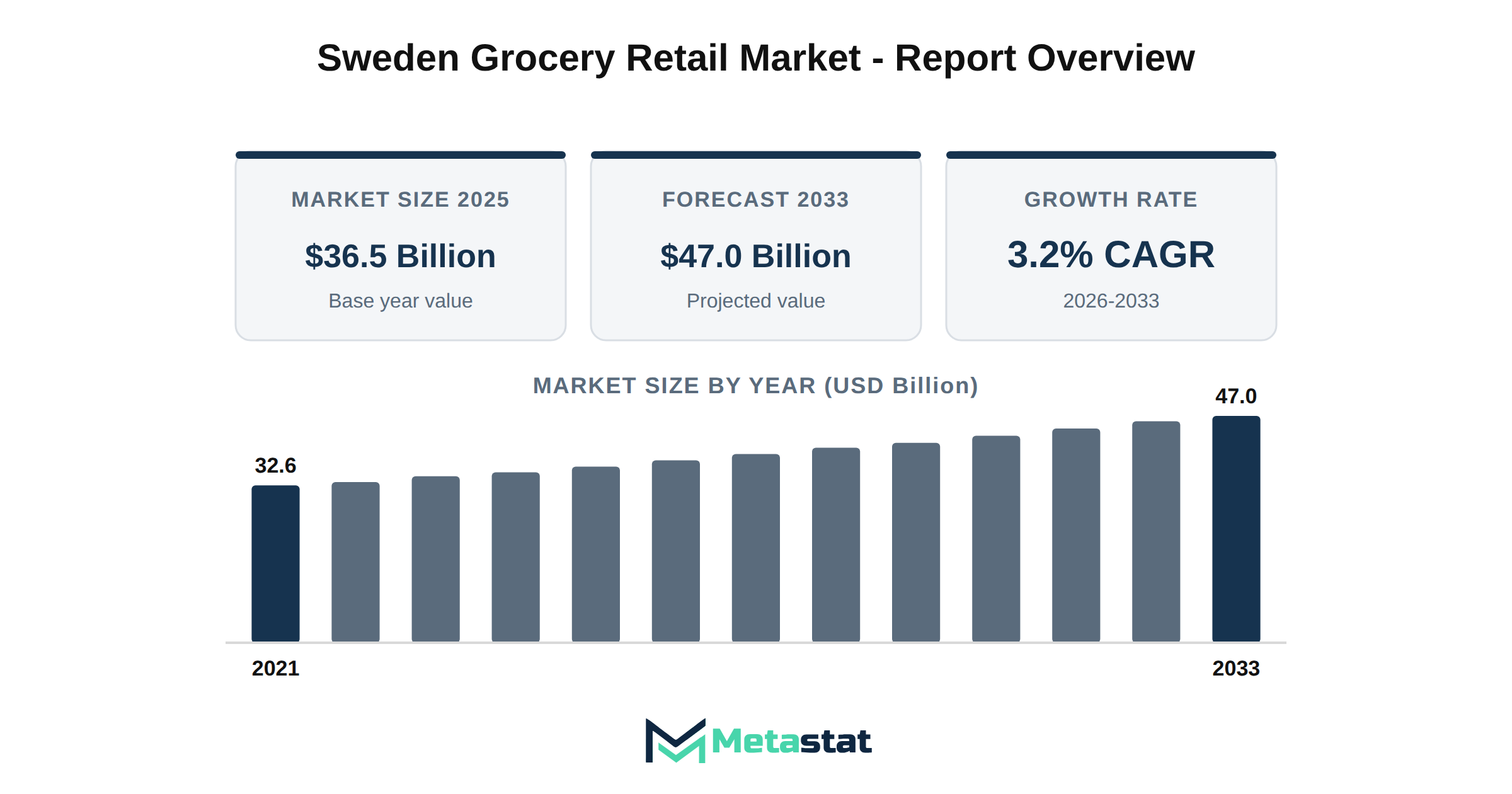
The Sweden Grocery Retail market is projected to reach USD 47 billion by 2033, growing from a base value of USD 36.5 billion in 2025, with a compound annual growth rate (CAGR) of 3.2% during the forecast period from 2026 to 2033. Historical data indicates steady growth, with the market valued at USD 32.6 billion in 2021 and increasing to USD 35.3 billion in 2024.
The retail landscape consists of various store formats, including conventional supermarkets, hypermarkets, discount grocery stores, and convenience stores. Conventional supermarkets hold the largest share at 31.7%, followed by discount grocery stores at 20.3% and hypermarkets and large-format supermarkets at 17.9%. Online-only grocery retailers contribute significantly, accounting for 6.4% of the total share.
Key product categories driving market growth include fresh food, packaged and shelf-stable food, and beverages. Fresh food is expected to grow from USD 13.2 billion in 2026 to USD 16 billion by 2033, reflecting a CAGR of 2.8%. Packaged and shelf-stable food is anticipated to reach USD 10.8 billion by 2033, with a CAGR of 2.2%. The beverages segment, while smaller, adds notable value to the market and supports overall growth.
Sales channels play a vital role in the market's dynamics, with in-store retail dominating at USD 34.4 billion in 2026 and projected to reach USD 40.4 billion by 2033. Emerging channels including click-and-collect exhibit rapid growth, with a CAGR of 9.2%. This trend reflects changing consumer preferences driven by convenience and flexibility in shopping.
The Sweden Grocery Retail market is experiencing notable transformation driven by shifts in consumer preferences and advancements in technology. Increased demand for fresh and healthy food options influences purchasing behavior, with fresh food projected to reach USD 16 billion by 2033, growing at a CAGR of 2.8%. This trend reflects heightened awareness around health and wellness among consumers, leading retailers to adapt their product offerings accordingly.
Investment in logistics architecture and supply chain enhancements remains critical for retailers aiming to streamline operations and improve customer satisfaction. The rise of online-only grocery retailers, with a share of 6.4%, highlights the shift toward digital platforms, driven by convenience and accessibility preferences among shoppers. Retailers allocate capital toward technology integration, focusing on e-commerce solutions to cater to the evolving consumer journey.
Inflationary pressures impact operational costs, compelling retailers to navigate pricing strategies carefully. Retailers adjust their pricing frameworks to maintain competitiveness while preserving margins. The anticipated growth in the market, projected to reach USD 47 billion by 2033, requires a strategic approach to procurement and value chain optimization, ensuring sustainability and profitability.
The competitive landscape features a diverse array of players, from corporate-owned chains to independent retailers. Each segment faces unique challenges and opportunities, with corporate-owned chains expected to grow from USD 16.6 billion in 2026 to USD 22.1 billion by 2033, reflecting a CAGR of 4.1%. This growth aligns with ongoing trends toward consolidation and increased market share among key players.
While the market evolves, retailers prioritize sustainable transformation initiatives. Strategies focusing on decarbonization and circular economy dynamics play an essential role in meeting regulatory compliance and addressing consumer expectations for responsible sourcing and waste reduction. The Sweden Grocery Retail market continues to adapt to these complexities, ensuring resilience and sustainability in future operations.
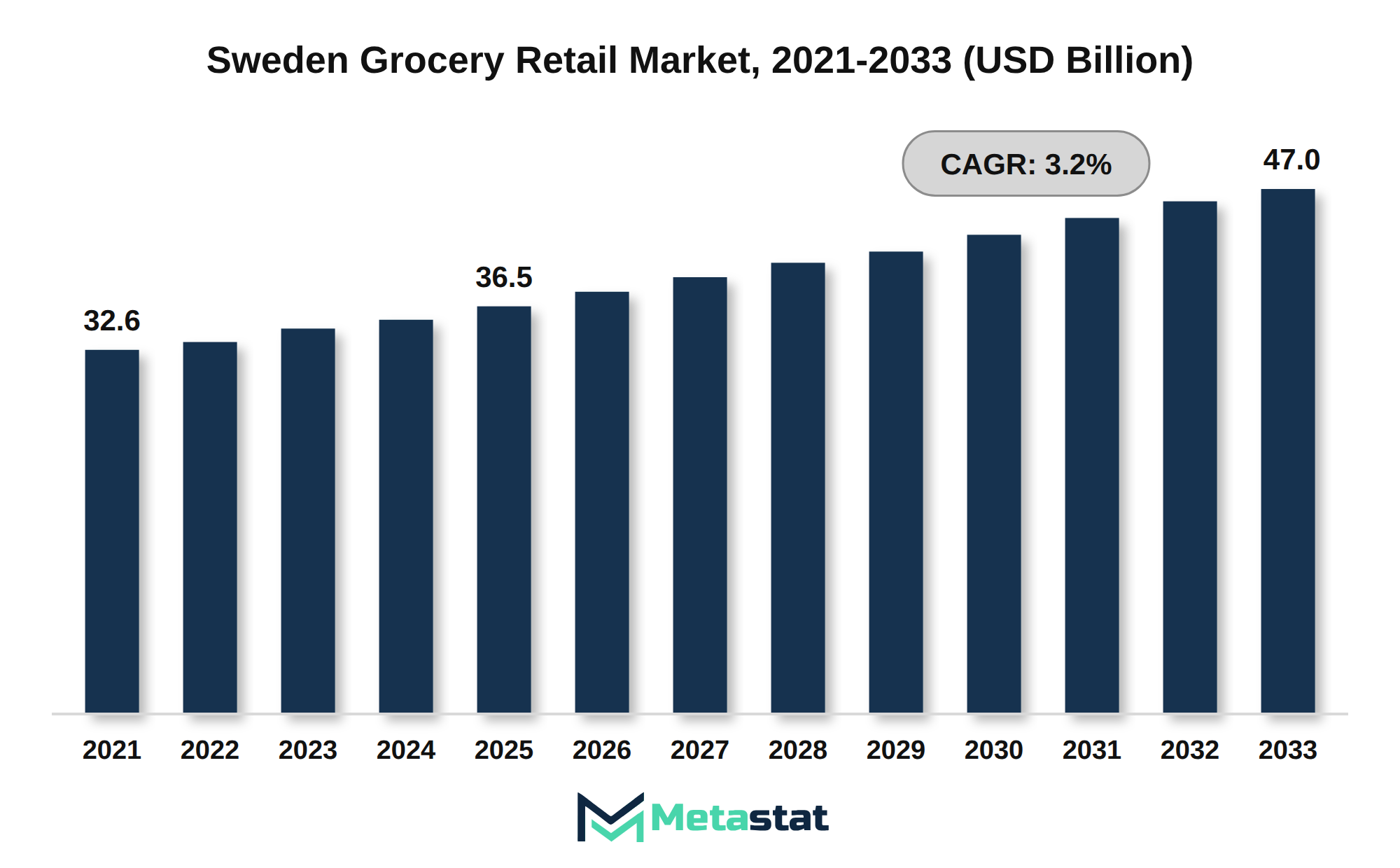
The Sweden Grocery Retail market experiences an increase in consumer demand for fresh food products. This trend arises from heightened health awareness and a preference for nutritious options among consumers. Shifting dietary patterns driven by lifestyle changes, including urbanization and an aging population, contribute to this demand. Buyers increasingly seek locally sourced and organic products, responding to sustainability concerns and a desire for quality. This focus on fresh food significantly influences purchasing behaviors, with consumers prioritizing freshness over convenience.
In response to these evolving preferences, retailers adapt their offerings to align with consumer expectations, enhancing their fresh food categories. Investments in supply chain efficiency and partnerships with local producers enable retailers to offer high-quality fresh products while maintaining competitive prices. The growing importance of fresh food supports the market’s overall growth, with fresh food sales projected to rise significantly through 2033. This development reflects the market's adaptability and responsiveness to changing consumer behaviors.
Sustainability initiatives significantly influence the Sweden Grocery Retail market. Growing awareness of environmental issues among consumers drives retailers to adopt more sustainable practices. This trend results in investments in eco-friendly product lines, waste reduction strategies, and sustainable sourcing practices. Retailers prioritizing sustainability enhance their brand appeal and attract customers who value ethical consumption.
Capital investment environments increasingly reflect the demand for sustainability. Investors show heightened interest in companies with solid environmental, social, and governance (ESG) strategies. This shift leads to increased venture funding for businesses that prioritize sustainability, encouraging further development of green technologies and practices within the market.
Digital transformation promotes sustainability. Automation and technology integration enable retailers to optimize their supply chains, reduce waste, and enhance energy efficiency. Implementing advanced analytical tools allows for better inventory management and minimizes excess stock, contributing to lower carbon footprints.
Growing regulations and consumer expectations regarding sustainability push retailers to innovate. Companies actively pursue environmentally friendly solutions, leading to an increase in product diversification that aligns with consumer preferences. These developments position the Sweden Grocery Retail market for long-term success in a competitive environment.
The Sweden Grocery Retail market faces significant challenges from regulatory pressures that restrict operational flexibility and increase compliance costs. Heightened scrutiny of food safety standards and consumer protection laws contribute to rising compliance hurdles for retailers. Operators in the market absorb these costs, which lead to increased prices for consumers and affect overall sales volume. Legal mandates surrounding product labeling and environmental regulations further complicate supply chain management, ultimately impacting profit margins.
Macroeconomic headwinds present additional difficulties, including inflationary pressures that erode consumer purchasing power. Escalating operational costs, driven by rising prices for goods and services, inhibit market growth potential. Supply chain disruptions, resulting from geopolitical instability, cause delays and increased costs for retailers. Resource scarcity, particularly in fresh food categories, intensifies competition for suppliers, further straining the market.
Market fragmentation adds complexity, driven by regional adoption challenges that limit the reach of certain retailers. Cultural barriers and varying consumer preferences across different demographics hinder uniform growth strategies. Skilled labor deficiencies create operational bottlenecks, impacting customer service and efficiency. The combination of these factors results in a challenging environment for stakeholders in the Sweden Grocery Retail market, constraining expansion opportunities and necessitating careful strategic planning.
The Sweden Grocery Retail market experiences challenges stemming from geopolitical tensions that disrupt supply chain stability. Trade deficits and tariff friction increase operational costs, affecting pricing strategies across various segments. The complexities introduced by these geopolitical factors result in difficulties for retailers in managing inventory and securing consistent product availability.
Logistical disruptions contribute to market instability, arising from transportation hurdles and constraints in sourcing essential feedstocks and components. These issues increase input cost structures and create margin pressures, impacting profitability for operators in the market. Ongoing volatility in global supply chains continues to challenge businesses, making efficient inventory management essential for competitiveness and sustainability.
The market faces evolving downstream demands driven by changing consumer preferences and market saturation. Retailers adapt quickly to these shifts, requiring agile operations and robust strategies to retain customer loyalty. The combination of these factors highlights the need for comprehensive solutions to navigate the complexities of the current market.
The Sweden Grocery Retail market benefits from significant advancements in digital transformation, reshaping consumer engagement and shopping behaviors. Increasing reliance on online platforms and mobile applications enhances customer experiences and streamlines purchasing processes, driving higher demand for digital solutions. Retailers adapting to these trends focus on integrating advanced technologies, including artificial intelligence and machine learning, to optimize inventory management and personalize marketing strategies. This integration results in improved operational efficiency and customer satisfaction.
The transition to digital procurement channels accelerates the market's evolution, allowing businesses to reach a broader audience while reducing operational costs. The growth of e-commerce platforms encourages traditional retailers to enhance their online presence, facilitating an effective omnichannel experience. This shift influences purchasing patterns, leading to a rise in demand for home delivery and click-and-collect services, which are projected to contribute significantly to sales growth through 2033.
Additional opportunities arise from evolving buying behaviors, where consumers prioritize convenience and accessibility. The increasing demand for quick and efficient shopping experiences drives retailers to invest in user-friendly online interfaces and enhanced logistics capabilities. These investments not only cater to shifting consumer preferences but reinforce competitive positioning in the Sweden Grocery Retail market, positioning businesses for sustainable growth and profitability in the coming years.
The Sweden Grocery Retail market is segmented based on Store Format, Product Category, Sales Channel, and Ownership Model.
Valued at USD 6.7 billion in 2026, the Hypermarkets and Large-Format Supermarkets segment is projected to reach USD 7.1 billion by 2033, reflecting a CAGR of 0.9% during the forecast period. Increased consumer preference for one-stop shopping experiences drives demand in this segment, leading to expansion strategies among retailers. Investments in technology and store format upgrades enhance the shopping experience, addressing evolving consumer expectations for convenience and product variety.
Technological maturation influences inventory management and customer engagement strategies, improving operational efficiency and service levels. The shift towards integrated digital platforms supports the growth of hypermarkets, allowing smooth transitions between in-store and online shopping. This evolution aligns with consumption shifts emphasizing convenience, where consumers favor retailers providing accessible shopping solutions.
Regulatory compliance and standardization contribute to operational challenges, requiring retailers to adapt their strategies to meet evolving health and safety regulations. Pricing volatility, influenced by fluctuating supply chain dynamics, impacts margins, prompting retailers to optimize pricing strategies effectively. The competitive landscape necessitates continued investment and adaptation to maintain market relevance and profitability.
In the Sweden Grocery Retail market, hypermarkets and large-format supermarkets face substitution risks from emerging retail formats including discount grocery stores. Strategic opportunity windows arise from shifting consumer behaviors and preferences, allowing retailers to refine their product offerings and enhance customer loyalty. Overall, the segment's growth trajectory remains closely linked to its ability to innovate and adapt to changing market conditions.
Conventional Supermarkets exhibit strong growth potential within the Sweden Grocery Retail market. Demand for a variety of food products, including fresh and shelf-stable items, influences expansion. Consumers increasingly prefer shopping at conventional supermarkets due to their wide product range and convenient locations. This segment is expected to reach USD 13.6 billion by 2033, at a CAGR of 2% during the forecast period.
Technological advancements play a crucial role in enhancing the shopping experience within this segment. The integration of advanced inventory management systems and improved supply chain logistics ensures product availability and freshness. Shifts in consumer behavior toward online shopping impact traditional retail approaches, prompting conventional supermarkets to adopt hybrid models that incorporate both in-store and digital shopping experiences.
Regulatory compliance concerning food safety and sustainability standards affects operational costs and pricing strategies for conventional supermarkets. These supermarkets face margin pressures while navigating evolving regulations and maintaining competitive pricing. Strategic investments in sustainable sourcing and waste reduction initiatives present opportunities for differentiation in the market.
Consumer preferences highlight the importance of local and organic products, influencing product offerings in conventional supermarkets. Collaboration with local suppliers addresses this demand while enhancing community engagement. The focus on health and wellness continues to shape product selections, resulting in increased competition among retailers vying for market share within the Sweden Grocery Retail market.
Demand for Discount Grocery Stores in the Sweden Grocery Retail market is driven by the growing preference for value shopping among consumers. Economic factors, including inflation and rising living costs, encourage shoppers to seek affordable options, boosting the segment's attractiveness. This shift aligns with a broader trend where consumers prioritize budget-friendly choices, seeking to maximize purchasing power while maintaining quality.
Segment expansion accelerates due to strategic partnerships and enhanced supply chain efficiencies, allowing retailers to optimize cost structures. Innovations in store formats and product offerings enhance customer experiences, strengthening loyalty and repeat business. The introduction of private-label products further supports this growth, attracting price-sensitive consumers seeking quality alternatives at lower prices.
Discount Grocery Stores are projected to reach USD 10.8 billion by 2033. The market experiences ongoing shifts in consumption patterns, with more consumers gravitating toward budget retail formats that provide essential items at competitive prices. Such a trend encourages discount retailers to expand product assortments, including fresh food and organic options, to meet diverse customer preferences.
Regulatory compliance standards impact operations, prompting retailers to adapt to new policies while maintaining pricing integrity. Increasing costs of raw materials and logistics challenges present ongoing pressures, requiring retailers to implement effective strategies to safeguard margins. The focus on supply chain resilience is significant in mitigating risks related to disruptions and ensuring consistent product availability.
The evolving competitive landscape introduces opportunities for disruptive alternatives, compelling discount retailers to innovate continuously. By leveraging technology and enhancing the shopping experience, retailers strengthen their market position. Continuous investment in next-gen upgrades facilitates operational efficiencies, ensuring that the segment remains responsive to changing consumer demands within the Sweden Grocery Retail market.
Investment in Neighborhood and Small Grocery Stores often reflects the shift towards more personalized shopping experiences. This segment is projected to grow at a CAGR of 0.6% during the forecast period. Increasing consumer preference for convenience influences the expansion of these stores, particularly in urban areas where larger formats are less accessible. The market responds to rising demand for quick and easy access to essentials, positioning these smaller establishments because key players in local neighborhoods.
Technological advancements contribute to the segment's evolution, incorporating digital solutions that enhance customer engagement and improve operations. Innovations in inventory management and point-of-sale systems improve efficiency, enabling operators to offer a tailored shopping experience. This aligns with broader trends in the Sweden Grocery Retail market, where consumers expect more straightforward and personalized interactions.
Pricing strategies play a critical role. Competitive pricing, along with a focus on local sourcing, enhances the value proposition for consumers, building loyalty and repeat visits. Challenges including cost pressures and supply chain constraints affect profit margins, necessitating strategic adjustments to maintain competitiveness. A robust understanding of local market dynamics supports effective price positioning, ultimately driving revenue growth.
Overall, the Neighborhood and Small Grocery Stores segment stands to benefit from shifts in consumer behavior and technological integration. The growth trajectory reflects both current market conditions and the evolving preferences of shoppers in the Sweden Grocery Retail market.
Growing urbanization and changing lifestyles drive demand for convenience stores within the Sweden Grocery Retail market. Consumers increasingly prioritize quick access to essentials and ready-to-eat meals, resulting in a shift toward smaller, easily accessible retail formats. This trend aligns with the busy lives of urban dwellers who prioritize convenience over variety.
Technological advancements contribute to the expansion of convenience stores. The integration of mobile payment options and app-based services enhances customer experience, allowing for streamlined transactions and improved service efficiency. Store operators adopting these technologies improve customer retention and attract a broader demographic.
Product evolution within the segment emphasizes health-focused and ready-to-eat options. Consumer preferences shift toward healthier choices, prompting convenience stores to adapt their offerings to include organic snacks, fresh produce, and plant-based alternatives. This adaptability positions the segment favorably in a competitive market.
Regulatory compliance remains crucial for convenience stores. Adherence to food safety standards and nutritional guidelines influences product selection and marketing strategies. Ensuring compliance mitigates risks and builds consumer trust, enhancing brand loyalty among health-conscious shoppers.
Pricing volatility poses a challenge for convenience stores. Fluctuations in supply chain costs impact pricing strategies, potentially leading to reduced margins. Store operators actively seek efficient sourcing and inventory management solutions to counteract these pressures, ensuring profitability while maintaining competitive pricing in the market.
Strategic opportunity windows arise from evolving consumer behaviors. Convenience stores that innovate their product offerings and enhance customer engagement through digital channels capture a larger share of the market. Investment in marketing and store upgrades is expected to yield significant returns in customer satisfaction and sales growth.
Consumer interest in bulk purchasing continues to drive growth in Warehouse Clubs within the Sweden Grocery Retail market. These stores attract price-conscious shoppers looking for value through larger quantities at lower per-unit costs. The trend of maximizing savings in grocery shopping encourages families and individuals to explore membership-based warehouse options.
Adoption of this store format benefits from increasing consumer preference for convenience and efficiency, with warehouse clubs providing a one-stop shopping experience. Shoppers value the ability to find a wide range of products, from groceries to household goods, under one roof. The expansion of product offerings, including fresh food and organic options, enhances the appeal of warehouse clubs, catering to evolving consumer preferences.
Technological advancements support operational efficiency within warehouse clubs, allowing for improved inventory management and enhanced customer experience. Digital platforms facilitate online order placements for in-store pickup, responding to the growing demand for convenient shopping experiences. Many patrons embrace the convenience of click-and-collect services.
Cost structures remain a critical consideration for warehouse clubs, with competition pushing for lower prices to attract members. Price volatility in raw material sourcing creates challenges, yet these clubs typically maintain competitive pricing through bulk purchasing strategies and efficient supply chain management. The market for warehouse clubs in Sweden reflects resilience and adaptability, positioning itself for ongoing growth.
Strategic opportunity windows exist for new entrants and existing players to enhance their offerings, capitalizing on demographic shifts and changing consumer behaviors. Innovations in product lines and customer engagement strategies differentiate warehouse clubs in a competitive environment. Continued investment in technology and infrastructure will strengthen these players' positions in the market.
Consumer preferences increasingly favor online-only grocery shopping, prioritizing convenience and flexibility. E-commerce platforms enable customers to access a wide range of products from the comfort of their homes, which influences purchasing behaviors across the Sweden Grocery Retail market. Growing smartphone penetration and robust internet connectivity facilitate online transactions, driving the expansion of this segment.
Technological advancements in payment systems and logistics enhance the efficiency of online grocery retailers. Adoption of advanced analytics and artificial intelligence enables personalized marketing strategies that attract customers. This evolution in technology supports improved user experiences, ultimately influencing consumer retention and loyalty within the market.
Competitive dynamics push online-only grocery retailers to innovate continuously. The introduction of unique subscription services and tailored delivery options offers strategic opportunities for differentiation. These developments respond to heightened consumer expectations for quick and reliable service, shaping the future trajectory of the market.
An increasing focus on sustainability drives shifts in product offerings. Consumers prefer retailers offering environmentally friendly packaging and sustainable sourcing. Regulatory compliance regarding eco-friendly practices influences operational strategies, prompting online-only grocery retailers to adapt their supply chains accordingly.
Consumer preferences increasingly shift towards unique and locally sourced products, boosting interest in food halls and farm shops within the Sweden Grocery Retail market. This trend reflects a broader demand for authentic experiences and high-quality offerings, which food halls and farm shops readily provide. These retail formats often feature local produce and artisanal products, aligning with consumer interests in sustainability and support for local economies. An emphasis on convenience drives expansion within this segment, attracting urban consumers who favor accessible, quick shopping experiences coupled with quality. The desire for diverse food options promotes competition among food hall operators to innovate and attract a variety of consumers. This focus on product variety and experience helps differentiate food halls from traditional grocery stores, capturing a unique market niche that thrives on customer engagement and culinary exploration. Supply chain resilience remains critical for food halls and farm shops, driven by their reliance on local sourcing to meet consumer demand for freshness and quality. The regulatory landscape surrounding food safety and local sourcing standards influences operational strategies, pushing businesses to invest in compliance and certification processes. In maintaining product integrity, these retailers position themselves because leaders in sustainable practices, appealing to the growing segment of environmentally conscious consumers. Overall, the Others (Food Halls and Farm Shops) segment stands out within the market, supported by consumer trends toward local products, convenience, and quality. This segment's evolution reflects broader shifts within the Sweden Grocery Retail market and signals ongoing opportunities for growth and innovation.
Valued at USD 13.2 billion in 2026, the Fresh Food segment is projected to reach USD 16 billion by 2033, at a CAGR of 2.8% during the forecast period. Increasing consumer preferences for healthier eating and fresh produce drive growth in this segment. Strong demand arises from health-conscious buyers who prioritize fresh ingredients in their diets. The expansion of organic and locally sourced products supports this trend, catering to consumers seeking higher quality food options.
Investment in technology to enhance freshness and quality perception is crucial for suppliers within the Sweden Grocery Retail market. Innovations in packaging and preservation techniques facilitate longer shelf life, improving customer satisfaction. Retailers adopting these technologies see increased sales and customer loyalty. The market benefits from partnerships between grocery retailers and local farmers, which enhances supply chain resilience by reducing transportation times and costs.
Regulatory compliance regarding food safety and quality standards influences product offerings in the Fresh Food segment. Stringent regulations compel retailers to ensure that their products meet health standards, prompting investments in quality assurance processes. These factors contribute to a stable growth outlook for the segment, driven by compliance that builds consumer trust and protects brand reputation.
Shifts in consumer consumption patterns, including the growing demand for plant-based foods and fresh meal solutions, provide strategic opportunity windows for companies operating in the market. These evolving preferences necessitate adaptations in product offerings and marketing strategies to meet changing consumer expectations. Overall, the Fresh Food segment continues to demonstrate resilience, driven by increasing health awareness, technological advancements, and strategic collaborations within the Sweden Grocery Retail market.
Increasing consumer demand for convenience and long shelf-life products drives growth in the Packaged & Shelf-Stable Food segment within the Sweden Grocery Retail market. Valued at USD 10.8 billion by 2033, the segment is projected to experience a CAGR of 2.2% during the forecast period. Factors contributing to expansion include the busy lifestyles of consumers prioritizing ready-to-eat options and the growing trend towards meal prepping. Enhanced product offerings, including organic and specialty packaged foods, influence purchasing decisions and cater to health-conscious shoppers.
Shifts in consumption patterns emphasize the importance of accessibility and variety, driving competition among retailers to expand their offerings. Regulatory compliance related to food safety standards shapes the segment, ensuring that products meet high quality and safety benchmarks. The market's focus on sustainability and environmental concerns encourages retailers to innovate, leading to the introduction of eco-friendly packaging solutions.
Strategic opportunities arise for suppliers and retailers willing to invest in research and development, particularly in flavors and nutritional profiles appealing to diverse consumer preferences. Leveraging online platforms for marketing and distribution provides avenues for growth and engagement with a broader audience. Overall, the Packaged & Shelf-Stable Food segment represents a dynamic component of the Sweden Grocery Retail market.
Growth in the beverages sector reflects shifting consumer preferences towards healthier and more diverse options within the Sweden Grocery Retail market. Increased awareness of health benefits associated with beverages drives demand, particularly for natural and functional drinks. The rise of wellness trends significantly influences purchasing decisions, with consumers seeking beverages that align with health-conscious lifestyles.
Investment in product innovation supports the introduction of new beverage varieties. These advancements focus on organic, low-sugar, and fortified options, appealing to a broader consumer base. The beverages segment is projected to reach USD 6.1 billion by 2033. This growth trajectory indicates robust opportunities for brands willing to adapt to changing tastes and dietary preferences.
Pricing volatility remains a critical factor within the market, influencing the affordability and accessibility of various beverage options. Fluctuations in raw material costs directly impact profit margins, prompting manufacturers to explore cost-effective sourcing strategies. While the market evolves, maintaining a competitive pricing structure is essential for sustained growth.
Regulatory compliance shapes the dynamics of the beverages segment. Adhering to health and safety standards ensures product credibility, building consumer trust. Brands that prioritize transparency in labeling and ingredients position themselves favorably during heightened scrutiny from regulatory bodies and consumers alike.
Strategic opportunity windows emerge through partnerships and collaborations, enabling brands to expand their market reach and enhance distribution channels. Leveraging e-commerce platforms enables beverage companies to tap into the growing trend of online shopping, aligning with consumer preferences for convenience. The relationship between innovation and consumer demand highlights the promising outlook for the beverages segment within the Sweden Grocery Retail market.
In the Sweden Grocery Retail market, the Frozen Food segment represents a vital area of growth, reflecting evolving consumer preferences for convenience and variety. The projected growth of 4.7% CAGR during the forecast period highlights the increasing demand for frozen products, driven by busy lifestyles that favor quick meal solutions. This acceleration in growth aligns with broader trends of consumers seeking easy-to-prepare meal options that maintain quality and flavor.
Technological advancements in freezing and preservation methods enhance the appeal of frozen food, ensuring better taste and nutritional value. The segment benefits from increasing brand innovations, including plant-based frozen options, catering to health-conscious consumers. These shifts in consumer behavior further fuel market expansion, resulting from more individuals opting for frozen alternatives over fresh products owing to longer shelf lives and reduced food waste.
Pricing stability remains a crucial factor within the segment, influenced by fluctuations in raw material costs that directly impact pricing strategies. Retailers actively strategize to manage these pressures, ensuring competitive pricing while maintaining profit margins. Overall, the dynamics within the Frozen Food segment signify a robust opportunity for stakeholders in the Sweden Grocery Retail market, highlighting the importance of adaptability and strategic planning in response to changing consumer demands.
Growing consumer awareness of health and hygiene contributes to increased demand for household and home care products within the Sweden Grocery Retail market. This trend is reinforced by rising disposable incomes, which enable consumers to invest in higher-quality, eco-friendly products. Advancements in product formulations enhance effectiveness and safety for consumers, encouraging adoption and repeat purchases.
Innovations within the segment lead to the development of next-generation products, focusing on sustainability and convenience. Shifts towards sustainable practices influence consumer preferences, prompting brands to improve their offerings in line with eco-conscious behavior. Regulatory compliance standards related to environmental impact and safety shape product development and market dynamics.
Market players expand their portfolios to include a wider range of household and home care products, enhancing their market presence. Increased competition drives continuous improvement in product quality and pricing strategies, impacting overall market dynamics. Cost structures and pricing volatility remain critical considerations. Companies strive to balance profitability while responding to consumer expectations for affordability.
The ongoing evolution in consumer behavior towards online shopping influences purchasing patterns across the market. E-commerce platforms provide consumers with easier access to a variety of household and home care products, reshaping the traditional retail landscape. This adaptability positions the segment for sustained growth opportunities, driven by the expansion of digital sales channels.
Increasing consumer awareness regarding personal care and hygiene drives growth in the Health & Beauty Products sub-segment of the Sweden Grocery Retail market. Demand stems from a broader trend toward wellness and self-care, influencing purchasing behavior across various demographics. Brands are introducing innovative products that cater to specific consumer needs, facilitating market expansion. E-commerce platforms enhance accessibility, enabling consumers to discover and purchase products conveniently, driving online sales growth.
Technological advancements in product formulation and packaging support the evolution of health and beauty items, leading to enhanced user experience and satisfaction. Natural and organic ingredients are gaining traction, responding to consumer preferences for cleaner labels and sustainable sourcing. This trend influences competitive dynamics, encouraging brands to adopt certifications that reflect ethical sourcing and eco-friendliness.
Pricing volatility in raw materials poses challenges, impacting profit margins for manufacturers. Strategic sourcing and partnerships within the supply chain mitigate these effects, reinforcing supply chain resilience. Brands focusing on value-added products and sustainability leverage this landscape, aligning with the growing consumer inclination toward responsible consumption.
The Health & Beauty Products sub-segment is poised for significant growth within the Sweden Grocery Retail market, driven by evolving consumer preferences, technological innovation, and the strategic management of cost structures and supply chains.
Growing awareness of the nutritional needs of pets significantly influences demand for pet food and pet care products in the Sweden Grocery Retail market. Consumers prioritize high-quality, organic ingredients, reflecting a broader trend toward health and wellness. This shift drives manufacturers to innovate and expand product lines, catering to evolving consumer preferences, which strengthens long-term demand.
Technological advancements facilitate the development of specialized pet products that address specific health concerns, enhancing product appeal. The introduction of customized pet food options represents a strategic opportunity, allowing brands to differentiate themselves within the market. Online platforms enable easy access to diverse pet care products, broadening market reach and enhancing convenience for consumers, resulting in increased investment across the value chain.
Regulatory compliance standards play a critical role in shaping product formulation and marketing practices, ensuring safety and quality. Companies navigate these regulations while managing cost structures and pricing volatility to maintain competitive margins. Supply chain resilience remains essential, particularly in raw material sourcing, which fluctuates in global markets, influencing operational costs and competitive positioning.
Consumer interest in sustainability influences purchasing decisions, with growing demand for eco-friendly packaging and ethically sourced ingredients. This trend encourages innovation in product development while presenting challenges for companies aiming to balance sustainability with cost-effectiveness. Overall, the continued evolution of pet food and pet care products aligns with broader consumption shifts within the Sweden Grocery Retail market, reinforcing the segment's position.
Growing consumer interest in specialty foods drives the need for diverse product offerings in the Sweden Grocery Retail market. The segment encompasses baby food, seasonal products, and specialty foods, reflecting evolving consumer preferences that prioritize quality and uniqueness. Shoppers increasingly seek out tailored options, and suppliers adapt their offerings to cater to these demands. The emergence of health-conscious trends fuels interest in organic and natural products, enhancing their presence within this segment.
Technological advancements enable innovative product development and refinement in the market. Increased online shopping further supports access to niche products, allowing consumers to explore a broader range of options from various retailers. Consumers exhibit a willingness to pay a premium for specialty products that align with their values, including sustainability and ethical sourcing. This trend emphasizes the importance of product transparency and certification standards, influencing purchasing decisions.
Competition within the segment intensifies owing to new entrants emerging, presenting opportunities for established players to innovate and differentiate their offerings. Retailers focus on enhancing customer experiences and leveraging e-commerce platforms to reach a wider audience. In this evolving landscape, strategic investment in marketing and engaging product presentations increases visibility and accessibility.
Understanding consumption shifts remains crucial for stakeholders in the Sweden Grocery Retail market. Consumers prioritize convenience and quality, and the demand for specialty foods is set to expand, driven by a combination of health trends, technological advancements, and dynamic consumer behaviors. The market continues to evolve, presenting opportunities for growth and development in the years ahead.
In-Store Retail segment is valued at USD 34.4 billion in 2026 and is projected to reach USD 40.4 billion by 2033, at a CAGR of 2.3% during the forecast period. Primary demand drivers include convenience and a diverse product range, appealing to a broad consumer base. Adoption of advanced payment systems and digital tools enhances the shopping experience, making in-store visits more efficient. Segment expansion receives support from technological maturation in retail systems, allowing for improved inventory management and customer engagement strategies.
Product evolution focuses on introducing fresh and organic options, catering to health-conscious consumers and addressing changing dietary preferences. Downstream applications related to in-store retail influence various industries, including food service and catering, driven by retailers expanding their offerings. Regulatory compliance standards shape operational practices, particularly concerning food safety and environmental sustainability, influencing consumer trust and brand loyalty.
Cost structures reflect competitive pricing strategies, with retailers striving to balance quality and affordability. Pricing volatility arises from shifts in supply chain dynamics and raw material costs, impacting margin pressures for retailers. Strategic opportunity windows exist for retailers to optimize space utilization and enhance the shopping atmosphere, contributing to overall growth within the Sweden Grocery Retail market. Capital investment in store refurbishments and technology supports future advancements in this segment.
Strong consumer demand for efficient shopping experiences drives growth in the Click-and-Collect segment of the Sweden Grocery Retail market. This demand arises from the increasing preference for convenience, allowing consumers to place orders online and collect them at their convenience. The segment is estimated to reach USD 2.4 billion by 2033, at a CAGR of 9.2% during the forecast period. Factors contributing to this growth include advancements in technology, which facilitate integration of online and offline shopping experiences. Retailers increasingly invest in their digital infrastructure, enhancing order management systems and user interfaces to streamline the collection process. The combination of evolving consumer behavior and technological advancements creates a favorable environment for Click-and-Collect growth, positioning it because a vital channel in the broader market.
Consumer interest in convenient shopping solutions drives strong growth in the Home Delivery segment within the Sweden Grocery Retail market. The increasing reliance on e-commerce and the desire for hassle-free shopping experiences fuel demand for home delivery services. This trend reflects a broader shift in consumer behavior towards online grocery shopping, emphasizing convenience and time efficiency.
Technological advancements contribute to the segment's expansion. Enhanced logistics and delivery systems, along with user-friendly mobile applications, enable retailers to streamline the home delivery process. These improvements attract a growing customer base seeking quick access to groceries without the necessity of visiting physical stores.
The Home Delivery segment is projected to reach USD 3.3 billion by 2033. This growth presents strategic opportunities for retailers to invest in advanced technologies and infrastructure. Capital investments in delivery capabilities and partnerships with third-party delivery platforms will enhance service offerings, positioning retailers favorably within the competitive environment of the market.
Shifting consumer expectations further influence the segment. Increasing demand for flexibility in shopping options encourages retailers to adapt their service models. The emphasis on home delivery reflects a significant transformation in consumer habits, highlighting a preference for accessible grocery solutions.
Growth in the Third-Party Delivery Platforms segment aligns with rising demand for convenience and immediacy among consumers. This segment is projected to grow at a CAGR of 11.4% during the forecast period. Increased smartphone penetration and advancements in mobile applications enable efficient grocery shopping experiences, enhancing customer engagement. The focus on quick and easy access to grocery items drives consumers toward third-party delivery services, particularly in urban areas. Such services expand retailers' reach without the overhead of maintaining physical storefronts, enabling them to capture a larger market share in the Sweden Grocery Retail market.
Technological maturation within delivery platforms drives innovation, allowing for improved logistics and real-time inventory updates. Enhanced user experiences contribute to higher customer satisfaction, encouraging repeat business. Companies in this segment prioritize partnerships with local grocery retailers, ensuring a diverse product offering and quicker delivery times. Sustained growth in online grocery shopping reflects changing consumer preferences, setting a robust framework for continued expansion in this segment. Overall, the Third-Party Delivery Platforms segment remains a significant area of potential within the market, aligned with evolving consumer behaviors and technological advancements.
Corporate-Owned Chains segment is valued at USD 16.6 billion in 2026 and is projected to reach USD 22.1 billion by 2033, at a CAGR of 4.1% during the forecast period. This growth stems from increasing consumer preference for branded and standardized products, enhancing trust and confidence in purchases. Operating efficiency and economies of scale play crucial roles in driving down costs, enabling competitive pricing strategies that attract price-sensitive consumers. Technological advancements in inventory management and data analytics optimize stock levels and improve customer experience, leading to increased sales and market share. The expansion of corporate-owned stores into underserved regions presents a strategic opportunity, allowing for market penetration and brand recognition. Increased investment in digital platforms supports the integration of e-commerce, meeting the demands of a growing segment of online shoppers. Overall, the Corporate-Owned Chains segment within the Sweden Grocery Retail market reflects a dynamic response to evolving consumer needs and competitive pressures.
Franchise Chains segment is estimated to reach USD 8.5 billion by 2033, at a CAGR of 3.8% during the forecast period. Growth in this segment stems from the increasing preference among consumers for well-known brands and standardized quality, which franchise models inherently provide. The operational flexibility that franchise chains offer enables quick adaptation to changing consumer tastes, further fueling market growth. An expansion of product offerings tailored to local preferences enhances the competitiveness of franchise chains within the Sweden Grocery Retail market.
Technological advancements, particularly in online ordering systems and inventory management, support franchise chains in optimizing operations and improving customer experiences. The shift towards digital platforms boosts customer engagement and facilitates promotional strategies, contributing to a favorable outlook for franchise chains. This evolution aligns with broader trends in retail, where digital integration and operational efficiency are increasingly critical for success.
Challenges related to regulatory compliance and fluctuating cost structures impact profitability. Franchise operators often face pressures from franchise fees and ongoing royalty payments, which affect pricing strategies. Nevertheless, the overall market dynamics favor growth, driven by established brands leveraging their visibility and consumer trust to gain market share.
Strategic investment opportunities exist in areas including sustainability and health-conscious product offerings. Consumers are increasingly seeking transparency in sourcing and production methods, which franchise chains adopt to enhance brand loyalty and appeal to a broader audience. Consequently, the Franchise Chains segment significantly influences the future of the Sweden Grocery Retail market.
In the Sweden Grocery Retail market, the Cooperative Retailers segment is expected to reach USD 13.6 billion by 2033. This segment experiences steady growth driven by the increasing demand for locally sourced products and community engagement. Consumers show a preference for retailers that offer cooperative models, which often emphasize sustainability and social responsibility. This trend aligns with shifting consumer priorities towards ethical shopping practices.
Adoption of cooperative retailing models continues to gain traction owing to consumers seeking alternatives to traditional corporate ownership. These retailers enhance customer loyalty through membership benefits and unique product offerings. Cooperative structures allow for shared resources, which reduce operational costs and improve pricing strategies. The segment remains competitive in pricing while maintaining quality, making it appealing to a price-sensitive market.
Technological advancements play a critical role in the evolution of cooperative retailers. Integration of digital platforms for customer engagement and streamlined operations improves efficiency. Innovations in e-commerce and logistics enhance the reach of these retailers, enabling them to cater to a broader audience. The growing importance of online shopping further supports the segment's expansion within the Sweden Grocery Retail market.
Overall, the Cooperative Retailers segment benefits from a strong focus on community, ethical practices, and technology, positioning it well for future growth. The potential for increased investment into cooperative initiatives strengthens its foundation within the market, allowing for sustained expansion in the coming years.
Independent Grocery Retailers segment is projected to grow at a CAGR of -1.4% during the forecast period. This segment faces challenges due to increasing competition from larger retail formats and discount grocery stores, which attract price-sensitive consumers. Consumers favor convenience and larger selections offered by competing formats, putting pressure on independent operators. The market experiences a shift towards online shopping, with consumers gravitating towards platforms that provide efficient delivery options. This trend pressures independent retailers to adapt their offerings or enhance their online presence.
Rising operational costs, including labor and supply chain expenses, affect the profitability of independent grocery retailers. These factors, combined with the need for investment in technology and infrastructure, contribute to margin pressures within the segment. To maintain competitiveness, independent retailers in the Sweden Grocery Retail market focus on enhancing customer experience and product differentiation. Innovative product offerings and local sourcing strategies provide avenues for growth, even in a challenging economic environment.
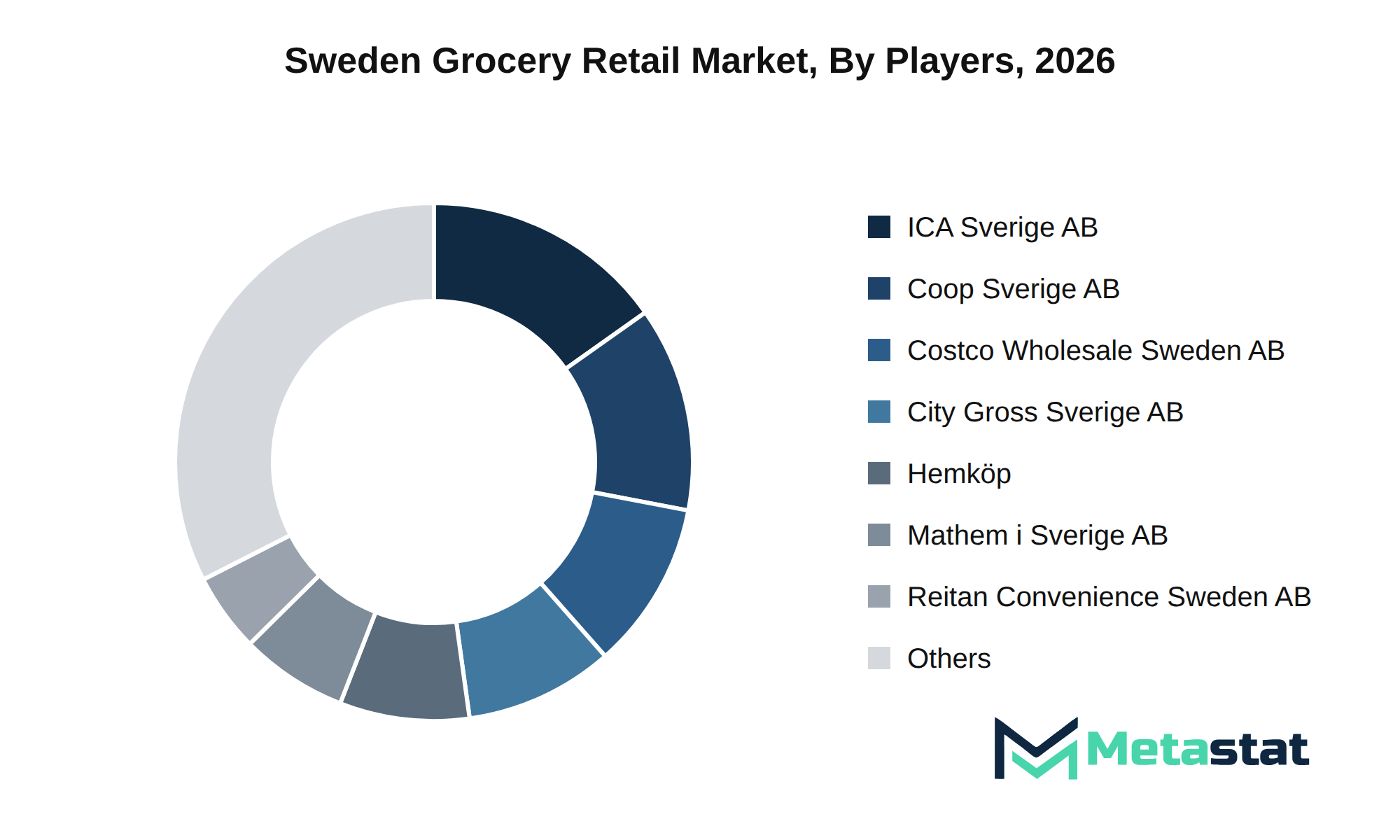
The Sweden Grocery Retail market features a dynamic competitive environment shaped by strategic consolidation, innovative go-to-market strategies, and evolving commercial models. Major players including ICA Sverige AB, Coop Sverige AB, and Costco Wholesale Sweden AB engage in product differentiation to capture market share while enhancing customer retention strategies. The market atmosphere encourages collaboration through strategic alliances, joint ventures, and cross-industry partnerships, which further strengthen the competitive positioning of companies.
Barriers to entry persist, driven by established brand equity and significant procurement leverage held by leading retailers including City Gross Sverige AB and Mathem i Sverige AB. Startup disruption dynamics illustrate a growing threat from new entrants aiming to exploit gaps in the market. Companies including Matsmart i Scandinavia AB and Reitan Convenience Sweden AB respond by integrating value chains to ensure supply chain dominance. This strategic integration enhances operational efficiencies and positions these firms for sustained growth.
Future competitive outlooks within the Sweden Grocery Retail market indicate a focus on technological defensibility and intellectual property portfolios. Firms prioritize research and development to innovate and maintain relevance in an increasingly competitive environment. The strategic growth vectors emphasize leveraging proprietary technology to create sustainable competitive advantages, ensuring that participants remain resilient against shifting consumer preferences and market demands.
Market size is forecast to rise from USD 36.5 billion in 2025 to over USD 47 billion by 2033. The base case scenario projects a compound annual growth rate (CAGR) of 3.2% during this period. In a bull case, heightened consumer confidence and increased disposable income could drive faster growth, particularly in premium product segments and advanced retail technologies. Conversely, a bear scenario could result from economic downturns, affecting consumer spending and leading to a slowdown in market expansion.
Several macroeconomic factors influence the Sweden Grocery Retail market. Maturation of core industries reflects changing consumer preferences and an increasing focus on health and sustainability. Structural shifts in consumption patterns, driven by evolving lifestyles and technological adoption, further impact demand dynamics. Integration of next-generation technologies, including artificial intelligence and enhanced supply chain analytics, is anticipated to streamline operations and improve customer engagement.
Investment in research and development (R&D) is crucial for driving product life cycles and introducing innovative offerings. Regulatory evolution and compliance milestones significantly shape operational strategies within the market, compelling retailers to adapt swiftly to new requirements. Geopolitical realignments and trade corridor developments alter sourcing strategies, impacting the availability and pricing of goods.
Strategic capital allocation directives guide infrastructure commitments, with retailers focusing on enhancing their logistics and distribution networks. Identifying emerging white-space opportunities and unmet consumer needs will be essential for driving growth. High-growth pockets within the market present avenues for expansion, particularly in sectors including online grocery shopping and health-focused food products.
Executive-level strategic imperatives focus on establishing defensibility roadmaps that prioritize innovation, sustainability, and customer experience enhancement. Future growth recommendations emphasize adapting to new consumer behaviors and preferences while leveraging technology for operational efficiency. The Sweden Grocery Retail market continues to evolve, driven by multifaceted economic and social factors that shape its dynamics.
The report strategically identifies and profiles the key market players and analyses their core competencies in each sub-segment of the Grocery Retail market.
Report Attributes | Details |
Study Period | 2021-2033 |
Base Year | 2025 |
Estimated Year | 2026 |
Forecast Period | 2026-2033 |
Historical Period | 2021-2025 |
Growth Rate | CAGR 3.2% from 2026 to 2033 |
Revenue Unit | USD billion |
Segmentation | By Store Format, Product Category, Sales Channel, Ownership Model, and Region |
Find answers to common questions about this report
The Grocery Retail market size in Sweden was valued at USD 36.5 billion in 2025.
The Grocery Retail market is projected to grow at a CAGR of 3.2% during the forecast period from 2026 to 2033.
Conventional Supermarkets lead the Sweden Grocery Retail market, with a projected value of USD 13.6 billion by 2033, representing the largest share among all store formats. This segment's growth reflects increasing consumer preference for traditional shopping experiences.
Key drivers for the Sweden Grocery Retail market include increasing consumer demand for fresh food products driven by health awareness and changing dietary patterns. Retailers adapt to these preferences by enhancing their fresh food offerings and investing in sustainable practices, which further supports market growth.
Significant challenges restrain the Sweden Grocery Retail market growth, including regulatory pressures that increase compliance costs and operational complexities. Macroeconomic headwinds, including inflationary pressures and supply chain disruptions, further inhibit market potential, while geopolitical tensions create instability in inventory management and pricing strategies.
Growing consumer demand for fresh food products, driven by health awareness and preferences for nutritious options, favors product adoption in the Sweden Grocery Retail market. investments in supply chain efficiency and partnerships with local producers enhance the availability of high-quality fresh products, further supporting this trend.
The Grocery Retail market is estimated to reach a valuation of USD 47 billion by 2033.
Key players in the Sweden Grocery Retail Market include ICA Sverige AB, Coop Sverige AB, Costco Wholesale Sweden AB, City Gross Sverige AB, Mathem i Sverige AB, and Reitan Convenience Sweden AB.
Fresh food sales are projected to reach USD 16 billion by 2033, reflecting a growing consumer preference for nutritious options and locally sourced products.
The Click-and-Collect sales channel is anticipated to experience a compound annual growth rate of 9.2% by 2033, driven by increasing consumer demand for convenience.
The analysts below cover Food and Beverages research at Metastat Insights.
LEAD ANALYST
Utkarsh Khirodkar is a Lead Market Research Analyst at MetaStat Insight, specializing in market intelligence, technology sector assessments, and competitive strategy.

LEAD PRINCIPAL ANALYST, PHARMA AND HEALTHCARE
Food and Beverages · Healthcare · Healthcare IT · Medical Devices
Ajay Devgire is the Lead Healthcare Analyst at MetaStat Insight, leading strategic research and market intelligence initiatives across the global healthcare domain.

SENIOR RESEARCH ANALYST
Biotechnology · Food and Beverages · Medical Devices · Packaging
Snehal Pasalkar is a Research Analyst at MetaStat Insight, operating at the intersection of life sciences research, competitive strategy, and market intelligence.
Tracking ceramic matrix composite adoption in high-bypass aero engines requires strict attention to material qualification cycles and FAA airworthiness testing milestones. The MetaStat Insight team provided a detailed timeline of silicon carbide fiber manufacturing capacity and commercial foundry lead times. Having clear visibility into upstream thermal barrier coating supply helped us stress-test our long-term component procurement strategy.
Transitioning ultra-class mining haul trucks to alternative power requires concrete data on remote hydrogen refueling infrastructure economics. The report evaluated megawatt-scale electrolyzer installation expenses, onsite storage safety mandates, and heavy-duty fuel cell stack degradation under continuous duty cycles. That technical rigor helped our engineers benchmark realistic total operating cost horizons for off-highway fleet decarbonization.
Enterprise zero-trust network rollouts are often slowed down by multi-cloud transit latency and proprietary hardware retirement schedules. This study provided realistic total cost of ownership models comparing cloud-delivered security edge solutions against traditional hardware refreshes. The analysis of contract renewal lengths and software maintenance fees gave us clear visibility into enterprise replacement cycles over the next three to five years.
Explore related market intelligence reports worth reading alongside this one.