
LEAD ANALYST
Utkarsh Khirodkar is a Lead Market Research Analyst at MetaStat Insight, specializing in market intelligence, technology sector assessments, and competitive strategy.

UK Retail Packaged Rice Market Size, Share, By Rice Type (Basmati Rice, Long-Grain Non-Basmati Rice, Jasmine / Thai Hom Mali Rice, Medium- & Short-Grain Rice, Risotto Rice, Paella Rice, Wild Rice & Rice Blends, Others (Ponni, Red, Black & Other Specialty Rice)), By Product (Conventional Dry Rice, Easy-Cook / Parboiled Dry Rice, Boil-in-Bag Rice, Ambient Ready-to-Heat Rice Pouches, Ambient Ready-to-Heat Rice Pots & Trays, Chilled Ready-to-Heat Rice), By Distribution Channel (Supermarkets & Hypermarkets, Discounters, Convenience Stores, Ethnic & Independent Grocers, Online Grocery & Pure-Play E-Commerce, Specialty & Health-Food Retailers), Industry Analysis, Growth, Trends, and Forecast, 2026-2033
Report ID
MSI-5132
Published
September, 2026
Pages
297 Pages
Format
Historical
Base year
Forecast
Forecast period
Report Details
Choose Your License
UK Retail Packaged Rice Market
The UK Retail Packaged Rice market was valued at USD 988.4 million in 2025 and is projected to reach USD 1,214.1 million by 2033, growing at a CAGR of 2.6% over the forecast period.
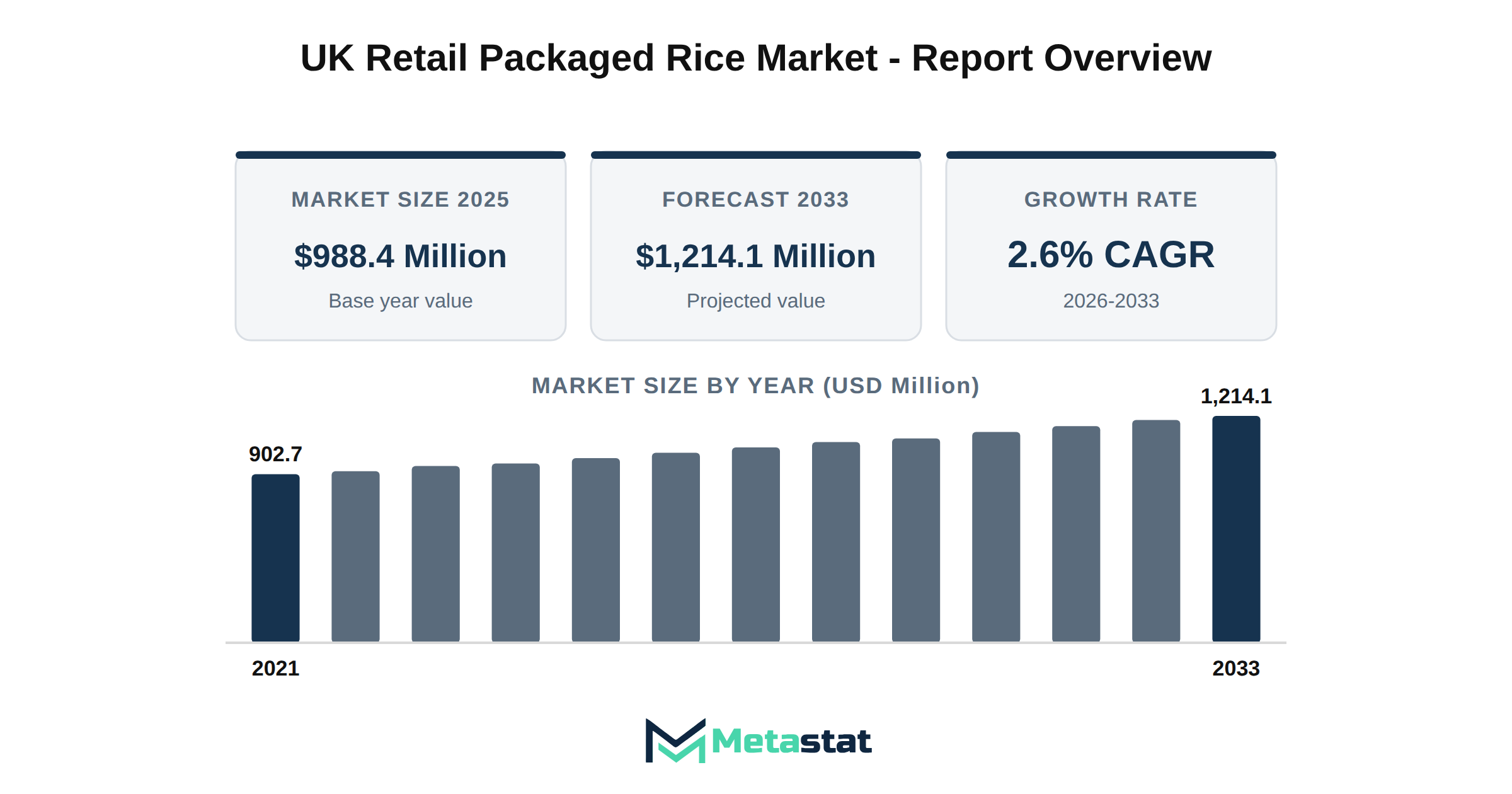
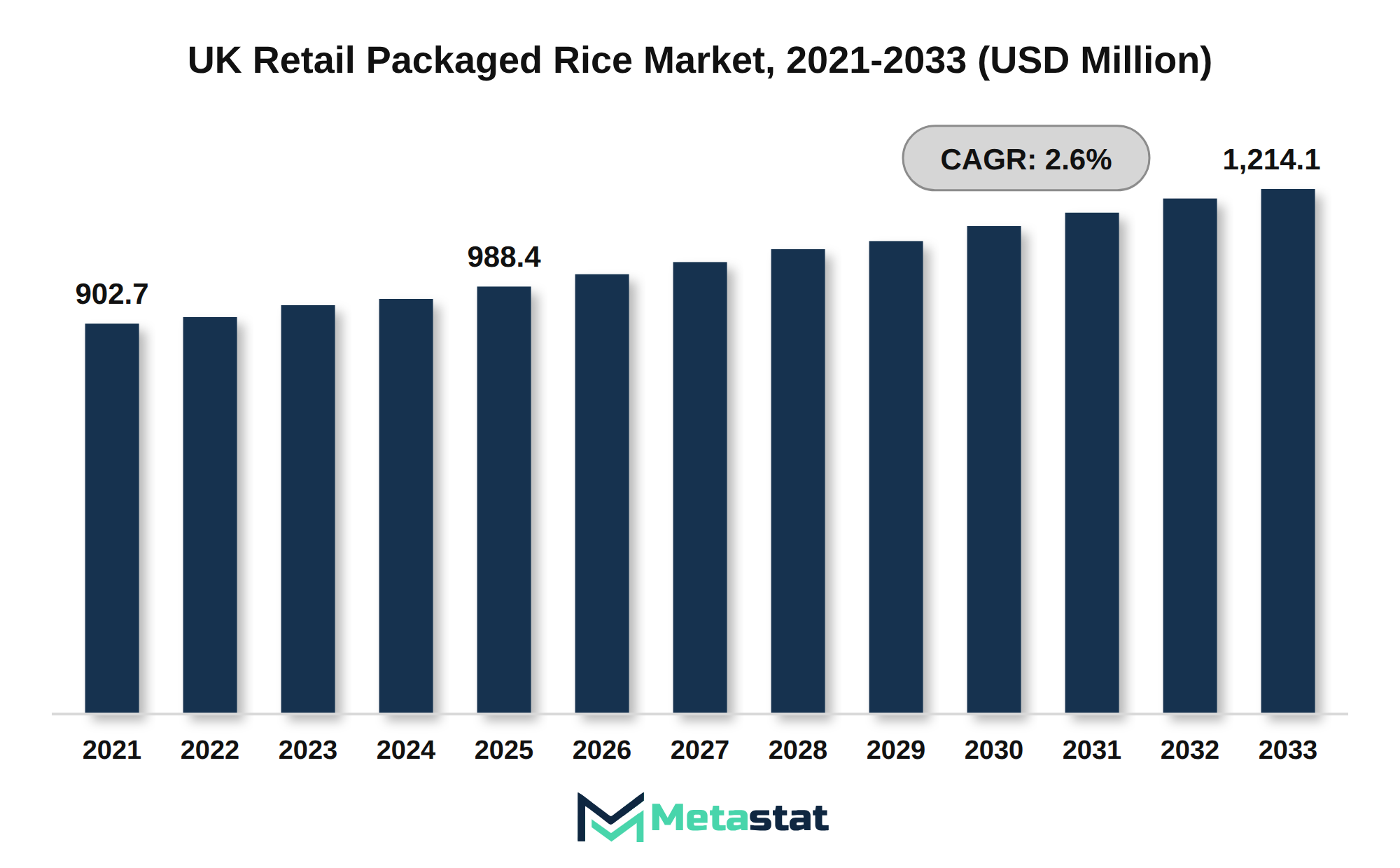
The UK Retail Packaged Rice market reached a value of USD 988.4 million in 2025, reflecting a consistent growth trend from USD 902.7 million in 2021. This upward trajectory is expected to continue, with a projected market value of USD 1,214.1 million by 2033, representing a compound annual growth rate (CAGR) of 2.6% during the forecast period.
Consumer preferences significantly influence purchasing behavior within the market. Shifts in shopper missions towards convenience and health consciousness drive demand for various rice types, particularly Basmati rice, which holds a dominant share of 43.7%. The inclination towards premium products is evident, with the conventional dry rice segment anticipated to grow from USD 464.6 million in 2026 to USD 666.8 million by 2033, achieving a CAGR of 5.3%. This trend reflects the market's movement towards higher-quality offerings.
Brand and private label dynamics exhibit notable shifts, with brands like Tilda Limited and Tesco Stores Limited competing against private labels from retailers like ALDI Stores Limited and Lidl Great Britain Limited. The competition intensifies owing to consumers gravitating towards both value and premium options, shaping the overall landscape of the market.
Price-pack architecture plays a critical role in consumer buying decisions, with promotions influencing purchase frequency and volume. The effectiveness of promotional strategies contributes to the market's revenue growth, particularly in supermarkets and hypermarkets, where sales are projected to rise from USD 572.7 million in 2026 to USD 661.7 million by 2033, reflecting a CAGR of 2.1%.
E-commerce continues to transform shopping habits, enhancing search and conversion dynamics within the market. Online platforms provide consumers with greater access to diverse rice products, further boosting overall market demand.
The UK Retail Packaged Rice market experiences a shift in consumer shopper missions and purchase drivers, reflecting changing preferences for convenience and health. Increased demand for ready-to-cook and easy-to-prepare rice products aligns with the busy lifestyles of modern consumers, leading to a rise in the popularity of ambient ready-to-heat rice options. This trend influences category growth, driven by brands adapting to meet these evolving needs.
Brand-private label share shifts occur owing to retailers enhancing their own brand offerings, providing quality alternatives at competitive prices. This dynamic creates an environment where premiumisation becomes a focal point, with consumers willing to trade up for higher-quality rice products. The market reflects an increasing inclination toward specialty rice varieties, including organic and sustainably sourced options, which cater to health-conscious shoppers.
Price-pack architecture and promotion effectiveness play vital roles in shaping purchasing decisions. Competitive pricing strategies alongside targeted promotions enable brands to attract a broader consumer base while maintaining profitability. E-commerce search and conversion dynamics illustrate the growing reliance on online platforms for rice purchases, with a significant portion of consumers exploring options digitally before finalizing their purchases.
Emerging rice occasions and innovation white spaces highlight opportunities for product differentiation. Innovations in rice-based meal solutions that cater to specific dietary needs, including gluten-free or high-protein options, contribute to market growth. Regulatory compliance and standards ensure product safety and quality, enhancing consumer trust in branded offerings.
Geopolitical risk frameworks impact sourcing and supply chain dynamics, influencing the availability and cost of rice products in the market. Inflationary pressures and currency volatility further affect pricing strategies, compelling brands to optimize their operations to remain competitive. The strategic outlook for the UK Retail Packaged Rice market reveals a focus on sustainability initiatives, including decarbonization and circular economy practices, which connect with environmentally conscious consumers.
Ultimately, the market's future strategic imperatives revolve around innovation, consumer engagement, and adaptability to shifting trends. Capital allocation toward research and development supports the introduction of next-generation rice products, ensuring that brands remain relevant in a rapidly changing environment.
The UK Retail Packaged Rice market experiences growth driven by increasing health consciousness among consumers. A focus on healthy eating habits influences buying preferences, leading to a rise in demand for products perceived because nutritious and convenient. The shift towards healthier lifestyles promotes the consumption of rice varieties, including whole grain and basmati, that offer health benefits.
Changing dietary patterns, particularly among urban populations, emphasize nutritious meals. Consumers actively seek foods that align with wellness trends, including low glycemic index options and gluten-free products. This trend encourages suppliers to expand their portfolios with rice products that meet these health-oriented criteria.
The market's response to this evolving consumer behavior includes greater availability of convenient rice products, including ready-to-heat meals and easy-cook varieties. These innovations cater to the busy lifestyles of urban dwellers who prioritize quick preparation without compromising on nutrition. This drives growth within the sector and presents opportunities for producers to capitalize on emerging consumer preferences.
Changes in consumer behaviors significantly influence the UK Retail Packaged Rice market. An increasing number of customers prioritize convenience, driving demand for easy-to-cook options and ready-to-heat rice products. These trends correlate with growing urbanization and a busy lifestyle, compelling retailers to adapt their offerings to meet consumer preferences. Strong demand for rice exists among younger demographics who seek quick meal solutions while maintaining nutritional value.
An aging population seeks products that offer health benefits and ease of preparation. This demographic shift encourages brands to introduce innovative rice products that emphasize quality and health, including organic and whole grain options, reinforcing the market's growth trajectory. Retailers respond by enhancing their product lines to cater to these evolving consumer expectations. The market's adaptability to shifting consumer behaviors remains essential for sustaining its expansion and capturing new customer segments.
Inflationary pressures represent a significant restraint on the UK Retail Packaged Rice market, affecting both production costs and consumer purchasing power. Escalating prices for raw materials, labor, and transportation contribute to an increased cost of goods sold, which directly impacts profit margins for producers. This situation creates a complex environment where businesses balance pricing strategies without alienating cost-sensitive consumers.
The ongoing inflation has resulted in a constrained consumer spending environment, leading to cautious purchasing behavior. Reduced disposable income influences buying decisions, shifting preferences towards lower-priced alternatives, which affects overall market demand. For rice producers, this necessitates a strategic reevaluation of product offerings to maintain competitiveness and profitability in a market characterized by tight margins.
Sustained inflation leads to increased costs associated with technology upgrades and operational efficiency improvements. Businesses in the market face challenges in adopting innovative solutions that could enhance productivity or reduce costs due to the financial strain imposed by inflationary trends. Ongoing inflationary pressures will continue to shape the dynamics of the UK Retail Packaged Rice market.
The UK Retail Packaged Rice market faces challenges stemming from geopolitical tensions, which disrupt trade flows and introduce uncertainty into supply chains. Trade deficits and tariff friction impede suppliers' ability to maintain consistent pricing and availability of rice. These conditions exert pressure on market players to adapt quickly, leading to potential volatility in pricing and increased operational costs.
Trade disruptions contribute to complexities in sourcing rice, particularly for varieties that rely on imports. Suppliers experience difficulties navigating fluctuating tariffs and compliance requirements, resulting in delays and increased costs. This instability influences the market's growth trajectory, owing to retailers and distributors grappling with the implications of changing trade policies on their procurement strategies.
Technological disruptions, including challenges in interoperability and integration of new systems within existing frameworks, further complicate market operations. Companies in the UK Retail Packaged Rice market address these issues to enhance efficiency and maintain competitiveness. Responding effectively to these technological challenges shapes operational capabilities and influences overall market performance.
The combination of geopolitical fragmentation and trade-related challenges creates a situation where market participants continually adapt to maintain their positions. Ineffective navigation of these dynamics could hinder growth opportunities and limit the market's ability to meet evolving consumer demands.
The UK Retail Packaged Rice market observes significant opportunities through emerging trends in product integration, which align with evolving consumer preferences for convenience and diverse meal options. Increased demand for ready-to-cook and ready-to-eat rice products highlights the shift toward simplified meal preparation, catering to busy lifestyles. Rising demand drives manufacturers to innovate by developing products like ambient ready-to-heat rice pouches and boil-in-bag rice, enhancing market competitiveness and meeting consumer expectations.
Technological advancements in food processing and packaging contribute to the growth of the market by enabling the introduction of quick-preparation options. Innovations in shelf-stable and easy-cook rice formats respond to consumer desires for quality and convenience, encouraging higher sales. Sustainability considerations promote the development of eco-friendly packaging solutions, appealing to environmentally conscious consumers and enhancing brand loyalty.
The integration of advanced digital procurement strategies facilitates access to diverse rice products, expanding market reach. Retailers leverage data analytics for targeted marketing, optimizing inventory management and improving customer satisfaction. This digital transformation supports the UK Retail Packaged Rice market's growth by enabling agile responses to changing consumer demands and preferences.
Strategic consolidation and partnerships among key players enhance product offerings, improve supply chain efficiencies, and drive market penetration. Collaboration among manufacturers, distributors, and retailers encourages innovation and diversification within the market. These alliances promote the introduction of niche rice varieties and specialty products, catering to diverse culinary preferences and dietary requirements.
Overall, the integration of emerging products and technologies within the UK Retail Packaged Rice market presents significant opportunities for growth, heightened competition, and increased consumer engagement, ultimately driving the market toward sustained expansion.
The UK Retail Packaged Rice market is segmented based on Rice Type, Product, and Distribution Channel.
Basmati Rice segment is valued at USD 456 million in 2026 and is projected to reach USD 497.5 million by 2033, at a CAGR of 1.3% during the forecast period. Demand for Basmati Rice benefits from increasing preferences among consumers for premium quality rice, driven by its unique aroma and long-grain texture. Health-conscious trends contribute to the popularity of Basmati Rice, recognized for its lower glycemic index compared to other rice varieties, appealing to consumers seeking healthier meal options.
The market experiences expansion catalysts through the rising consumption of ethnic cuisines, where Basmati Rice serves because a staple, particularly in Indian and Middle Eastern dishes. Retailers highlight Basmati Rice because a premium offering, promoting it through effective marketing strategies that emphasize its quality and origin. This positioning enhances its visibility and attraction among consumers, further driving its adoption.
Pricing volatility in the Basmati Rice segment aligns with fluctuations in raw material sourcing, influenced by climatic conditions impacting harvest yields. Strategic investments in supply chain resilience and partnerships with local farmers enhance consistent quality and supply reliability. These investments strengthen market stability, allowing for better price management and reduced margin pressures.
Overall, the Basmati Rice segment benefits from a combination of demand drivers, market strategies, and resilience against supply challenges within the UK Retail Packaged Rice market. Strong growth potential exists, aligning with evolving consumer preferences and increased market focus on quality products.
Long-Grain Non-Basmati Rice segment is expected to reach USD 79.6 million by 2033, at a CAGR of -11.2% during the forecast period. A decline in this segment aligns with shifting consumer preferences towards more premium rice types, particularly Basmati rice, which occupies a significant market share. Factors driving this trend include growing health consciousness and increased interest in culinary diversity. Consequently, consumers gravitate towards rice varieties perceived to offer higher quality or distinct flavors, impacting the demand for Long-Grain Non-Basmati Rice.
Regulatory compliance standards create additional complexity for suppliers in this segment, influencing product formulation and labeling requirements. Adherence to these standards incurs costs that challenge profitability, particularly in a competitive landscape where pricing pressures are prevalent. The market experiences margin pressures driven by fluctuations in raw material costs, prompting suppliers to optimize their sourcing strategies.
Technological advancements in rice processing continue to evolve, presenting opportunities for product innovation within the Long-Grain Non-Basmati Rice segment. Enhancements in processing techniques improve product quality and shelf life, appealing to health-conscious consumers seeking convenience. Continuous investment in these technologies remains crucial for suppliers aiming to maintain a competitive edge in the UK Retail Packaged Rice market.
Demand for Jasmine / Thai Hom Mali Rice within the UK Retail Packaged Rice market experiences steady growth. This segment is projected to reach USD 122.1 million by 2033, driven by increasing consumer interest in Asian cuisine and the growing popularity of Jasmine rice. Changing preferences toward authentic and high-quality ingredients fuel this demand, particularly among health-conscious consumers seeking nutritious options.
Segment expansion supports rising awareness of the culinary versatility of Jasmine rice, which accommodates various dishes including stir-fries and salads. Increased product availability through multiple distribution channels, particularly supermarkets and online grocery platforms, enhances accessibility and contributes to market growth. The ongoing trend toward convenience foods favors Jasmine rice, with its quick cooking times and appealing flavor aligning with modern consumer lifestyles.
Pricing dynamics for Jasmine rice reflect fluctuations in supply chain costs and sourcing challenges. The premium nature of this rice type allows for price resilience, enabling producers to maintain margins despite potential pressures. Continued investment in marketing strategies targeting health and culinary benefits strengthens the segment's position within the overall UK Retail Packaged Rice market.
Consumer interest in convenience foods contributes to the growth of the medium- & short-grain rice segment within the UK Retail Packaged Rice market. This segment benefits from increasing demand for versatile and quick meal solutions, appealing to busy households seeking efficient cooking options that do not compromise on quality. The rise of health-conscious eating habits further supports this segment, driven by medium- & short-grain rice varieties offering nutritional benefits and easy integration into a balanced diet.
Market projections indicate a growth rate of 4.7% CAGR during the forecast period. This expansion stems from the increasing incorporation of medium- & short-grain rice in various culinary applications, including Asian cuisine, which enhances its appeal among diverse consumer groups. Food service establishments are increasingly featuring these rice varieties in their menus, contributing to rising consumption levels.
Technological advancements in rice processing and packaging enhance product availability and shelf life, providing consumers with more choices and convenience. Innovations including pre-cooked and ready-to-heat formats align with the evolving preferences of health-conscious consumers seeking nutritious, quick meal solutions. These factors contribute to the segment's resilience and adaptability in a competitive landscape.
While market dynamics evolve, the medium- & short-grain rice segment is expected to capitalize on shifts in consumer preferences and demand patterns, positioning itself for sustained growth within the broader UK Retail Packaged Rice market.
Consumer interest in Risotto Rice continues to rise, driven by an increasing preference for convenient meal options that maintain authenticity. This segment attracts culinary enthusiasts seeking quality ingredients for traditional dishes, enhancing its appeal in the UK Retail Packaged Rice market. The growing trend of home cooking and gourmet meals stimulates demand for versatile rice products, with Risotto Rice becoming a staple in a wide range of households.
Shifts in culinary preferences have increased the importance of Risotto Rice, particularly among consumers focused on premium dining experiences at home. This trend encourages retailers to expand their offerings, ensuring availability in supermarkets and specialty stores. The segment benefits from robust marketing strategies that highlight the quality and origin of the rice, establishing a strong brand presence in the market.
Technological advancements in packaging and preservation play a critical role in supporting market growth. Innovations that extend shelf life while retaining flavor and texture contribute to consumer confidence in Risotto Rice. Enhanced packaging solutions that provide convenience align with the demands of modern consumers, further strengthening the product's position in the market.
Raw material sourcing for Risotto Rice faces challenges related to quality consistency and supply chain dynamics. Effective sourcing strategies encourage partnerships with trusted suppliers, ensuring that high standards are maintained. Retailers increasingly prioritize quality certifications to assure consumer trust, which influences purchasing decisions within the market.
Strategic marketing initiatives and targeted promotions significantly impact consumer engagement and awareness of Risotto Rice. The market observes opportunities for growth through culinary events and partnerships with chefs, boosting product visibility. Such efforts highlight the versatility of Risotto Rice, encouraging experimentation with various recipes and driving consumption within diverse consumer segments.
Recent trends in culinary preferences highlight a growing interest in Paella Rice among consumers in the UK Retail Packaged Rice market. This rice variety aligns with the increasing demand for diverse and international cuisines, influenced by cultural exchanges and the popularity of Spanish dishes.
Consumer exposure to various cooking styles has led to a shift toward specialty rice products, including Paella Rice. This shift reflects the broader trend of consumers seeking convenience without compromising on authentic flavors. The appeal of Paella Rice lies in its unique texture and ability to absorb flavors, making it suitable for a variety of dishes.
Retailers respond to this demand by expanding their offerings of Paella Rice, often displayed alongside other specialty rice products. Such product evolution creates strategic opportunities within the market, allowing suppliers to differentiate their product lines and attract a wider customer base. The emphasis on quality and authenticity will likely drive investments in sourcing and branding for Paella Rice.
End-use dynamics indicate a growing preference for ready-to-cook meal solutions, with Paella Rice positioned because an attractive option for consumers seeking convenience. This trend aligns with the rise of meal kits and pre-packaged foods, ensuring that Paella Rice meets the evolving expectations of a convenience-driven market.
Product evolution within the segment will involve continuous adaptation to consumer preferences and dietary trends. Innovations in flavor profiles and packaging will likely enhance the market presence of Paella Rice, contributing to its acceptance in mainstream retail channels.
Growing consumer interest in health-conscious and organic food options increases demand for Wild Rice & Rice Blends within the UK Retail Packaged Rice market. Shifts towards plant-based diets encourage consumers to explore diverse grain options, enhancing the appeal of this sub-segment. The unique flavor and nutritional profile of wild rice, combined with the versatility of rice blends, attract a wider audience seeking alternatives to traditional rice varieties.
Innovative product development in this sub-segment supports market expansion. Manufacturers introduce blends that incorporate wild rice with various grains and flavors, catering to evolving culinary preferences. This trend aligns with increased experimentation in home cooking, fueled by growing access to online recipes and cooking platforms that highlight diverse grain dishes.
Challenges including sourcing high-quality wild rice and maintaining consistent supply contribute to pricing volatility within the segment. Fluctuations in raw material availability prompt suppliers to adjust pricing strategies, affecting overall profit margins. Nevertheless, sustained interest in health-focused products provides a strategic opportunity for brands to enhance their offerings.
Consumer education on the benefits of wild rice further drives market engagement. Health benefits associated with wild rice, including its high fiber content and low glycemic index, connect with health-conscious buyers. Regulatory compliance with food safety standards ensures product quality, building consumer trust and loyalty in the UK Retail Packaged Rice market.
Demand for specialty rice types, including Ponni, Red, Black, and other varieties, reflects evolving culinary preferences and growing awareness of diverse food options among consumers. Increasing interest in healthy eating habits drives consumers towards unique rice varieties known for their nutritional benefits and distinctive flavors. The market benefits from the rise of international cuisines, fueling demand for these specialty rice types in households and restaurants across the UK.
Adoption of these rice varieties aligns with broader trends towards authentic and diverse cooking experiences, with consumers seeking to recreate traditional dishes at home. Enhanced marketing efforts by suppliers educate consumers about the unique qualities of specialty rice, further motivating purchases. This segment experiences expansion catalysts linked to the increasing availability of these products in mainstream retail channels, including supermarkets and ethnic grocery stores.
The trend towards plant-based diets increases the significance of rice because a versatile ingredient in various culinary applications. Specialty rice types offer unique textures and flavors that appeal to consumers looking for alternatives to conventional grains. Presenting specialty rice in ready-to-eat formats or blended products enhances accessibility, attracting a wider audience.
Regulatory compliance regarding food safety and quality assurance remains crucial for suppliers in this segment. Adherence to certification standards ensures consumer confidence and supports market penetration. Pricing volatility and margin pressures influence the profitability of these products, necessitating effective cost management strategies among producers.
Investment in marketing and product innovation captures consumer interest. Strategic opportunity windows arise from increasing consumer willingness to explore diverse food options, positioning specialty rice types favorably within the UK Retail Packaged Rice market. Continuous exploration of innovative product formulations and consumer engagement strategies enhances market share within this niche segment.
Valued at USD 464.6 million in 2026, Conventional Dry Rice is projected to reach USD 666.8 million by 2033, exhibiting a CAGR of 5.3% during the forecast period. The segment benefits from increasing consumer preference for convenient meal options and a growing trend toward home-cooked meals. Rising consumer preference for quick preparation times without sacrificing quality drives demand for products in this segment. The rising awareness of health benefits associated with rice consumption supports this trend, contributing to the growth potential in the UK Retail Packaged Rice market.
Technological advancements in processing and packaging enhance product offerings, making them more appealing to consumers. Innovations in product formulations and cooking methods, like pre-cooked varieties, improve convenience and accessibility. Evolving consumer lifestyles prioritize quick and easy meal solutions, creating opportunities for expansion within the segment. Retailers are likely to respond to changing preferences by increasing the availability of Conventional Dry Rice products through diverse distribution channels, including supermarkets, discounters, and online platforms.
Competitive dynamics within the market introduce pricing pressures, compelling producers to optimize their cost structures while maintaining quality. Strategic investments in marketing and promotions help brands capture market share while facing growing competition. Regulatory compliance standards and certifications related to food safety and quality assurance will continue to influence production processes and consumer confidence in Conventional Dry Rice products.
Consumer preferences for quick and easy meal solutions drive demand for Easy-Cook / Parboiled Dry Rice, particularly among busy households. This segment focuses on convenience, allowing consumers to prepare meals with minimal cooking time. A growing trend towards time-saving food options aligns with the lifestyles of many UK consumers. Increased interest in this product category is attributed to the rising number of dual-income households and the fast-paced nature of modern life.
The Easy-Cook / Parboiled Dry Rice segment is projected to reach USD 85 million by 2033, at a CAGR of -5.8% during the forecast period. The market faces challenges related to pricing volatility and margin pressures that impact profitability. Shifts in consumption patterns towards healthier options influence segment dynamics, leading to a decline in traditional rice consumption and increasing competition from whole grain and organic alternatives.
Technological advancements in processing methods enhance product offerings, allowing producers to maintain quality while meeting the demand for convenience. The market experiences pressure from alternative products, with consumers exploring other easy-preparation grains, which poses substitution risks for Easy-Cook / Parboiled Dry Rice. Strategic investments in marketing and innovation target emerging consumer segments focused on health and convenience, reinforcing the need for producers to adapt to changing consumer preferences.
Consumer preference for quick and convenient meal options drives the demand for Boil-in-Bag Rice within the UK Retail Packaged Rice market. This segment offers a time-saving solution, appealing to busy households and individuals seeking ease in meal preparation. The convenience factor, coupled with an increasing focus on home cooking, enhances the attractiveness of Boil-in-Bag Rice among consumers.
Boil-in-Bag Rice segment is expected to reach USD 66.8 million by 2033. The growth reflects a shift toward ready-to-cook products, promoting greater adoption among consumers prioritizing convenience. Advancements in packaging technology ensure product freshness and ease of use, reinforcing market growth.
Pricing strategies within the segment face pressure due to raw material cost fluctuations. Suppliers remain vigilant in managing costs while maintaining quality, balancing pricing to retain consumer interest. Such dynamics highlight the competitive nature of the market, requiring suppliers to innovate continually and optimize their offerings.
Strategies for expanding market presence focus on enhancing product visibility through various distribution channels, particularly supermarkets and hypermarkets. These channels serve because essential avenues for reaching consumers, facilitating access to Boil-in-Bag Rice products. The ongoing evolution of consumer preferences towards healthier and convenient food options further strengthens the segment’s growth trajectory.
Consumer demand for convenient meal solutions drives the decline in the Ambient Ready-to-Heat Rice Pouches segment, projected to grow at a CAGR of -9.6% during the forecast period. Factors influencing this trend include shifting consumer preferences towards fresh and healthier options, which often overshadow the appeal of pre-packaged choices. The overall trend in the UK Retail Packaged Rice market indicates a clear preference for products that offer perceived health benefits and minimal processing.
Technological maturation reflects advancements in food technology, leading to improved shelf-life and quality for traditional rice products, further intensifying competition against ambient options. The evolution of consumer lifestyles towards more health-conscious diets influences end-use dynamics, pushing buyers towards fresher and organic alternatives. Consequently, businesses operating in this segment face challenges in maintaining market share given these consumption shifts.
Pricing volatility presents another significant concern, impacting profit margins across the segment. With rising raw material costs and fluctuations in supply chain dynamics, manufacturers struggle to offer competitive pricing while maintaining quality. The strategic opportunity window for growth in the UK Retail Packaged Rice market narrows owing to investment flows toward more innovative rice products that align with changing consumer preferences.
Consumer preferences increasingly gravitate towards convenience foods, significantly impacting the demand for Ambient Ready-to-Heat Rice Pots & Trays in the UK Retail Packaged Rice market. The segment benefits from trends emphasizing quick meal solutions, catering to busy lifestyles and the need for ready-to-eat options. Enhanced product offerings, including diverse flavors and packaging innovations, attract health-conscious consumers seeking nutritionally balanced meals without extensive preparation time. Regulatory compliance and certifications further enhance consumer trust, reinforcing market growth.
Technological advancements play a significant role in product evolution, with manufacturers focusing on sustainability and eco-friendly packaging to appeal to environmentally aware consumers. These shifts in consumption patterns reflect broader trends in the UK Retail Packaged Rice market, where convenience and quality take precedence. Strategic investments in marketing and distribution effectively boost visibility and accessibility for Ambient Ready-to-Heat Rice Pots & Trays, positioning them favorably within the consumer food landscape.
Consumer preferences for ready-to-eat meals drive interest in Chilled Ready-to-Heat Rice products within the UK Retail Packaged Rice market. This segment benefits from the increasing demand for convenient meal options, particularly among busy professionals and families seeking quick solutions without sacrificing quality. Growth in this segment reflects a broader trend toward prepared foods that offer ease of preparation and reduced cooking times.
Changes in lifestyle and food consumption patterns contribute significantly to the expansion of the Chilled Ready-to-Heat Rice segment. The increasing pace of life, along with a desire for nutritious and satisfying meals, influences consumer choices. Innovations in packaging and product offerings enhance the appeal of this segment, driven by manufacturers developing options that cater to diverse dietary needs and preferences.
Regulatory compliance in food safety and quality standards influences the market dynamics. Brands focus on certifications that assure consumers of product safety, quality, and nutritional benefits. This focus on compliance builds trust and encourages consumer adoption of Chilled Ready-to-Heat Rice products, ultimately impacting the growth trajectory within the UK Retail Packaged Rice market.
Strategic opportunities arise because companies invest in product development and marketing initiatives aimed at maximizing the appeal of chilled options. This investment facilitates the introduction of next-generation products that incorporate advanced technologies, thereby enhancing product quality and consumer experience. The potential for expanding market share through targeted marketing and promotional activities remains significant.
Market dynamics demonstrate strong growth potential within the Supermarkets & Hypermarkets distribution channel of the UK Retail Packaged Rice market. Valued at USD 572.7 million in 2026, this segment is projected to reach USD 661.7 million by 2033, reflecting a compound annual growth rate (CAGR) of 2.1% during the forecast period. Demand drivers include increasing consumer preferences for convenience and ready-to-eat meal options, which lead to higher sales volumes in these retail environments.
The expansion of product selections within supermarkets facilitates access to a wider range of rice varieties, including Basmati, Jasmine, and specialty rice types. Enhanced marketing strategies focusing on health and wellness further increase the appeal of packaged rice products. Consumer shifts toward healthier lifestyle choices strongly influence purchasing decisions, prompting retailers to prioritize organic and sustainably sourced rice products.
Pricing strategies in this segment reflect competitive pressures, with retailers leveraging promotional offers to attract price-sensitive consumers. Fluctuations in raw material costs impact pricing structures in supermarkets and hypermarkets, where margins remain under pressure. Strategic investments in supply chain efficiencies and inventory management practices are crucial for navigating these challenges effectively.
Technological advancements in packaging and distribution have improved the shelf life and presentation of packaged rice products, contributing to sustained consumer interest. Retailers increasingly adopt next-generation upgrades that enhance overall shopping experiences, including improved in-store displays and online grocery options. The integration of e-commerce platforms within supermarkets allows for greater market reach, aligning with evolving consumer purchasing behaviors.
Continued growth in the Supermarkets & Hypermarkets segment is expected to occur because retailers adapt to changing market conditions and consumer demands. While market expansion unfolds, ongoing investment and innovation will play critical roles in shaping the future of the UK Retail Packaged Rice market.
Value projections for the Discounters segment in the UK Retail Packaged Rice market indicate an estimated reach of USD 111.7 million by 2033, at a CAGR of -0.4% during the forecast period. Changes in consumer spending habits influence this segment significantly, with price-sensitive shoppers gravitating towards discount retailers for their grocery needs. Increased competition among retailers arises because they strive to offer competitive pricing while maintaining quality and variety within their product range.
This segment experiences challenges related to pricing volatility, which affects margin pressures on retailers. Suppliers face the impact of fluctuating raw material costs, requiring strategic pricing adjustments to sustain profitability. Consistency in product availability and quality becomes critical, ensuring customer loyalty in a segment characterized by frequent promotions and price competition.
Technological advancements contribute to enhancing supply chain efficiency, enabling discounters to manage costs effectively. Innovations in inventory management and logistics streamline operations, allowing retailers to respond swiftly to market demands. These developments position the segment to adapt to evolving consumer preferences while maintaining competitive pricing.
Increasing awareness regarding health and nutrition impacts consumer choices, leading to a demand for a diverse range of rice products within discounter channels. Retailers that successfully curate product offerings reflecting these preferences capture a larger share of the market, transforming perceived limitations into opportunities for growth.
Shifts in consumer behavior fuel the growth of the Convenience Stores segment within the UK Retail Packaged Rice market. Increasing demand for quick, ready-to-eat meal options drives retailers to enhance their product offerings in convenience formats. The segment is projected to reach USD 85 million by 2033, reflecting a strategic response to shifting consumption patterns. Retailers focusing on convenience prioritize convenience-focused rice products, catering to urban consumers seeking efficient meal solutions.
Technological advancements in product development support the introduction of innovative rice products tailored for convenience stores. The evolution of packaging technology, including resealable pouches, facilitates consumer accessibility and improves shelf life. These enhancements lead to increased consumer acceptance and diversify product attractiveness, stimulating sales growth.
Pricing volatility remains a critical factor affecting profit margins within this segment. Fluctuations in raw material costs influence retail pricing strategies, creating challenges for profit optimization. Suppliers responding to these pressures focus on strategic sourcing and cost management to maintain competitive pricing in a price-sensitive market environment.
The Convenience Stores segment within the UK Retail Packaged Rice market presents significant growth potential driven by evolving consumer preferences and technological advancements. Strategic investments by retailers and suppliers enhance product offerings and drive deeper market penetration.
Consumer engagement with ethnic foods significantly influences the Ethnic & Independent Grocers segment within the UK Retail Packaged Rice market. Unique offerings from these grocers, including specialty rice varieties, cater to diverse culinary traditions, enhancing their appeal to a varied consumer base. This segment faces projected growth at a CAGR of -0.2% during the forecast period, reflecting challenges arising from market dynamics.
Competition from larger retail chains limits the expansion of ethnic grocers. Price sensitivity among consumers plays a critical role, with many opting for more affordable options available at supermarkets and hypermarkets. Pressures on pricing and margins hinder the ability of ethnic grocers to innovate or enhance product offerings, impacting overall market performance and limiting their growth potential.
Despite these challenges, opportunities for strategic partnerships and unique product introductions persist. Ethnic and independent grocers strengthen their market position by leveraging specialized knowledge of cultural preferences and offering curated selections of rice products. This approach attracts a loyal customer base and creates a niche within the broader UK Retail Packaged Rice market, supporting long-term demand.
Increasing penetration of online shopping platforms significantly influences the UK Retail Packaged Rice market. Consumers prefer the convenience and flexibility that online grocery and pure-play e-commerce channels provide for purchasing packaged rice. This shift towards digital shopping reflects broader changes in consumer behavior, emphasizing the importance of accessibility and convenience in food purchasing decisions.
Technological advancements enhance the online shopping experience, improving logistics and delivery efficiency. Enhanced user interfaces and mobile applications facilitate easier access to product information, pricing, and promotions. These technological improvements contribute to greater willingness among consumers to purchase packaged rice through these platforms.
Changing lifestyles, particularly among younger demographics, drive demand for online grocery shopping. Convenience-driven consumption trends align with heightened interest in ready-to-cook and ready-to-eat products, including packaged rice. The integration of subscription models and personalized shopping experiences strengthens the appeal of this distribution channel.
While regulatory compliance and food safety standards remain vital, the online grocery sector adapts by implementing robust measures to ensure product integrity. This adaptability supports consumer trust, which is essential for sustained growth in the segment. Competition intensifies among retailers, and strategic partnerships alongside innovative marketing tactics gain prominence, positioning online grocery and pure-play e-commerce because significant contributors to the market's expansion.
Increased awareness surrounding health and wellness directly influences purchasing decisions among consumers. Specialty and health-food retailers thrive in this environment by offering a diverse range of rice products that cater to health-conscious shoppers. Organic rice varieties, gluten-free options, and fortified products attract consumers seeking healthier dietary choices.
Product evolution remains a crucial factor in segment expansion. Retailers actively introduce innovative rice products, including ready-to-eat and convenience options that align with busy lifestyles. These advancements contribute to a shift in consumption patterns, with more consumers opting for health-oriented products in the UK Retail Packaged Rice market.
Regulatory compliance standards shape the operational landscape for specialty retailers. Adherence to food safety regulations and certifications enhances product credibility, attracting consumers who prioritize quality and healthiness. These efforts create strategic opportunity windows for retailers aiming to enhance their market share.
Pricing volatility in the raw materials sector presents challenges for specialty rice offerings. Retailers navigate these fluctuations while maintaining competitive pricing, ensuring that consumers perceive value in their purchases. This pricing strategy impacts profit margins, compelling retailers to optimize their supply chain resilience.
Substitution risks arise in the specialty rice sector, with alternative grains capturing consumer attention. Retailers proactively address this challenge by emphasizing the unique qualities and health benefits of their rice products. Continuous engagement with consumers through marketing and education strengthens brand loyalty within the UK Retail Packaged Rice market.
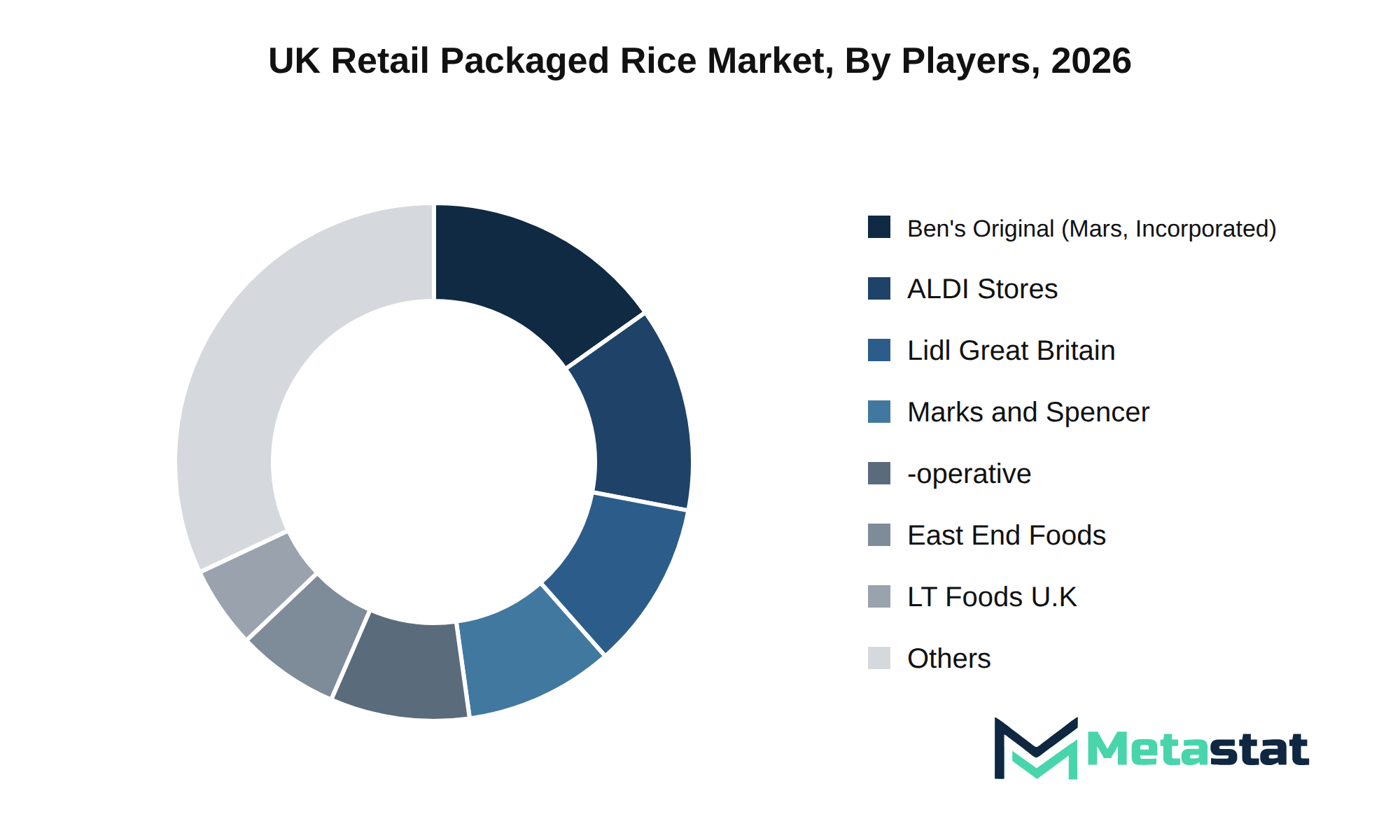
The UK Retail Packaged Rice market features numerous players employing diverse strategies to enhance their market positioning. Companies including ALDI Stores Limited, Lidl Great Britain Limited, and Tesco Stores Limited focus on pricing architectures and value chain integration by leveraging their extensive distribution networks to deliver competitive pricing. This strategy significantly influences customer retention and brand equity dynamics, allowing these retailers to capture larger market shares.
Product differentiation stands out among several manufacturers, including Ben's Original (Mars, Incorporated), Tilda Limited, and Premier Foods Group Limited. These companies emphasize unique product offerings, catering to various consumer preferences including convenience with easy-cook options and specialty varieties. Strong R&D pipelines contribute to sustained innovation, enhancing their competitive advantage.
Strategic alliances and partnerships formed by firms like Ocado Retail Limited and Co-operative Group Limited enhance market access and resource sharing, further strengthening their presence in the market. These collaborations support cross-industry ecosystems that enable companies to adapt to evolving consumer demands and preferences effectively.
The threat of new entrants remains moderated by established players' extensive market presence and robust brand loyalty. However, emerging startups targeting niche markets create potential disruption dynamics. The market's competitive outlook indicates ongoing strategic growth vectors focused on sustainability and enhanced customer experiences, ensuring companies remain well positioned for future developments.
Market size is forecast to rise from USD 988.4 million in 2025 to over USD 1,214.1 million by 2033. This growth represents a compound annual growth rate (CAGR) of 2.6% during the forecast period. The base case projects steady increases, driven by rising consumer demand for diverse rice products, particularly Basmati and long-grain varieties. Bull cases suggest accelerated growth through enhanced marketing strategies and product innovation, while bear cases highlight potential economic downturns impacting consumer spending on premium rice products.
The UK Retail Packaged Rice market reflects broader economic trends, with changing consumer preferences influencing purchasing patterns. Increasing health awareness has shifted demand toward organic and specialty rice, opening new market opportunities. Ongoing research and development (R&D) efforts focus on next-generation technology integration that enhances product quality and production efficiency.
Regulatory evolution and compliance timelines play a critical role in shaping market dynamics. Stricter food safety regulations and environmental standards require producers to adapt swiftly, influencing operational costs and investment strategies. Geopolitical realignments and shifting trade corridors impact supply chain logistics, potentially altering sourcing strategies for rice imports.
Strategic capital allocation will direct investments into infrastructure improvements and capacity expansions. Emerging white-space opportunities present avenues for addressing unmet consumer needs, particularly in ready-to-cook rice segments. Executive-level strategic imperatives increasingly emphasize sustainability, aligning product offerings with eco-conscious trends.
Overall, the UK Retail Packaged Rice market stands at a crucial juncture, balancing traditional consumption patterns with evolving market demands and regulatory requirements. Firms prioritizing innovation and adaptability capture a larger share of the growing market.
The report strategically identifies and profiles the key market players and analyses their core competencies in each sub-segment of the Retail Packaged Rice market.
Report Attributes | Details |
Study Period | 2021-2033 |
Base Year | 2025 |
Estimated Year | 2026 |
Forecast Period | 2026-2033 |
Historical Period | 2021-2025 |
Growth Rate | CAGR 2.6% from 2026 to 2033 |
Revenue Unit | USD million |
Segmentation | By Rice Type, Product, Distribution Channel, and Region |
Find answers to common questions about this report
The Retail Packaged Rice market size in the UK was valued at USD 988.4 million in 2025.
The Retail Packaged Rice market is projected to grow at a CAGR of 2.6% during the forecast period from 2026 to 2033.
Basmati Rice leads the UK Retail Packaged Rice market with a value of USD 456 million in 2026. This segment represents 43.7 percent of the market share.
Key drivers for the UK Retail Packaged Rice market include increasing health consciousness among consumers, which promotes demand for nutritious and convenient rice varieties. changing dietary patterns emphasize quick meal solutions, particularly among younger demographics and urban populations, reinforcing the market's growth trajectory.
Inflationary pressures significantly restrain the UK Retail Packaged Rice market growth by increasing production costs and reducing consumer purchasing power. Escalating prices for raw materials and transportation affect profit margins, leading to cautious purchasing behavior among consumers. This situation compels producers to reevaluate their offerings to maintain competitiveness in a constrained spending environment.
Increasing health consciousness among consumers drives product adoption in the UK Retail Packaged Rice market. The demand for nutritious and convenient rice varieties, including whole grain and basmati, aligns with changing dietary patterns and the emphasis on wellness trends, particularly among urban populations seeking quick meal solutions.
The Retail Packaged Rice market is estimated to reach a valuation of USD 1,214.1 million by 2033.
Key players operating in the UK Retail Packaged Rice market include ALDI Stores Limited, Ben's Original (Mars, Incorporated), Co-operative Group Limited, East End Foods Ltd, Marks and Spencer plc, Sainsbury's Supermarkets Ltd, Tesco Stores Limited, and Waitrose Limited.
The Basmati rice segment is projected to reach USD 497.5 million by 2033, growing from USD 456 million in 2026.
The Supermarkets & Hypermarkets channel is expected to grow from USD 572.7 million in 2026 to USD 661.7 million by 2033.
The analysts below cover Food and Beverages research at Metastat Insights.
LEAD ANALYST
Utkarsh Khirodkar is a Lead Market Research Analyst at MetaStat Insight, specializing in market intelligence, technology sector assessments, and competitive strategy.

LEAD PRINCIPAL ANALYST, PHARMA AND HEALTHCARE
Food and Beverages · Healthcare · Healthcare IT · Medical Devices
Ajay Devgire is the Lead Healthcare Analyst at MetaStat Insight, leading strategic research and market intelligence initiatives across the global healthcare domain.

SENIOR RESEARCH ANALYST
Biotechnology · Food and Beverages · Medical Devices · Packaging
Snehal Pasalkar is a Research Analyst at MetaStat Insight, operating at the intersection of life sciences research, competitive strategy, and market intelligence.
Ambulatory surgical centers have very different purchasing cycles for robotic-assisted surgery platforms than major hospital networks. The MetaStat Insight study focused squarely on capital expenditure depreciation, procedural reimbursement pathways, and surgeon training overhead. That operational clarity made it much simpler to validate multi-year procedure growth forecasts against actual ambulatory center adoption patterns.
When planning edge sensor rollouts across refinery environments, generic IoT reports typically miss the harsh-environment certification bottlenecks. MetaStat Insight gave an objective evaluation of ATEX and Class 1 Division 2 hardware availability, along with realistic five-year maintenance cycle cost projections. The comparison of wireless mesh versus private cellular backhaul helped our team pressure-test network reliability models for remote processing facilities.
In the biological seed treatment space, registration timelines vary drastically between the European Union, Brazil, and North America. The MetaStat Insight research handled these cross-border regulatory barriers with genuine nuance, mapping commercialization pathways alongside historical field adoption rates. The segmentation between microbial strains and biochemical active ingredients was particularly well structured.
Explore related market intelligence reports worth reading alongside this one.