
LEAD ANALYST
Utkarsh Khirodkar is a Lead Market Research Analyst at MetaStat Insight, specializing in market intelligence, technology sector assessments, and competitive strategy.

US Home Fragrance Market Size, Share, By Product Type (Scented Candles, Wax Melts and Wax Warmers, Plug-In Scented Oils and Electric Diffusers, Reed Diffusers, Smart and Connected Fragrance Diffusers, Room Sprays and Aerosols, Essential Oil and Ultrasonic Diffusers, Potpourri and Sachets, Others), By Fragrance Family (Fresh and Clean, Floral, Fruity, Citrus, Gourmand, Woody, Amber and Musk, Green and Herbal, Others), By Price Range (Economy, Mid-Range, Premium and Luxury), By Distribution Channel (Company-Owned Retail Stores, Specialty Gift and Home Fragrance Stores, Department Stores, Mass Merchandisers, Supermarkets and Grocery Stores, Drugstores and Pharmacies, Online, Others), Industry Analysis, Growth, Trends, and Forecast, 2026-2033
Report ID
MSI-5112
Published
August, 2026
Updated
Pages
303 Pages
Format
Historical
Base year
Forecast
Forecast period
Report Details
Choose Your License
US Home Fragrance Market
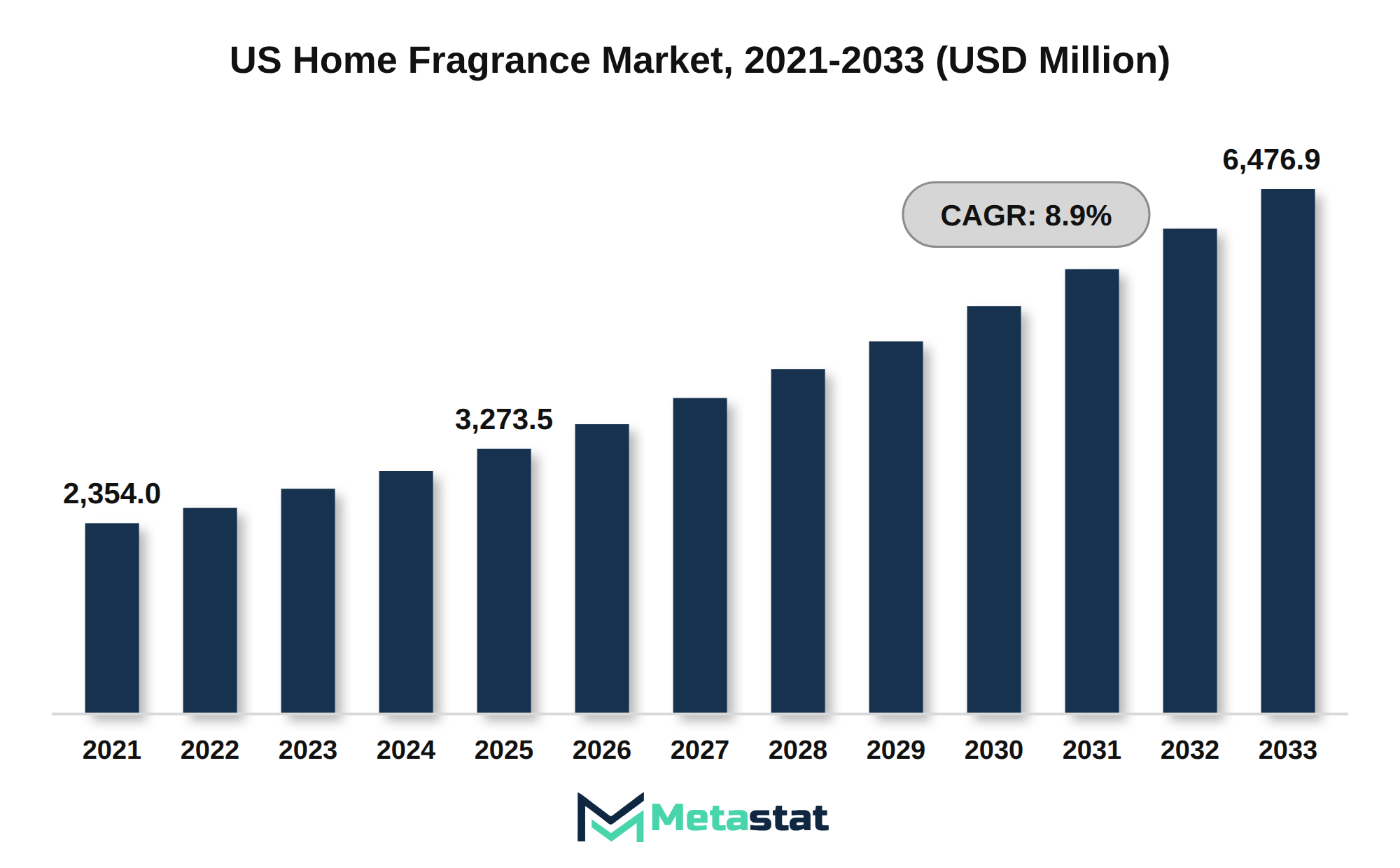
The US Home Fragrance market was valued at USD 3,273.5 million in 2025 and is projected to reach USD 6,476.9 million by 2033, growing at a CAGR of 8.9% over the forecast period.
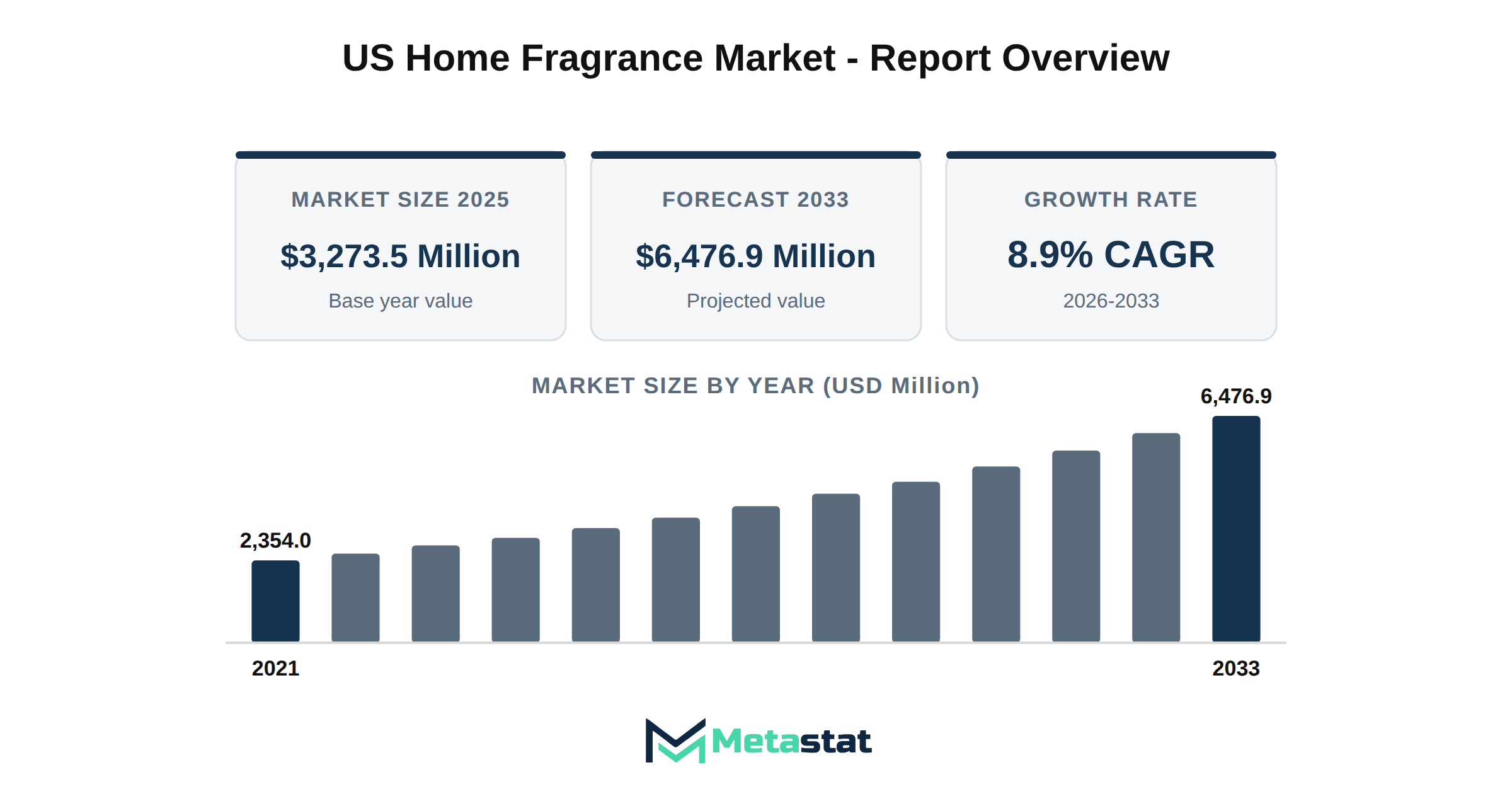
The US Home Fragrance market achieved a valuation of USD 3,273.5 million in 2025, reflecting a notable increase from USD 2,354 million in 2021. This upward trajectory indicates robust demand for home fragrance products, driven by changing consumer preferences and heightened awareness of home ambiance. The market is projected to grow significantly, reaching USD 6,476.9 million by 2033, with a compound annual growth rate (CAGR) of 8.9% during the forecast period.
Growth in the market is influenced by various factors, including increased consumer spending on home decor and wellness. The segment's evolution aligns with contemporary lifestyle trends, where consumers prioritize creating inviting and calming environments within their homes. Scented candles dominate the market, holding a share of 42.7%, followed by plug-in scented oils and electric diffusers at 13.9%. The diversification of product types, including wax melts, reed diffusers, and room sprays, contributes to market expansion and caters to varying consumer preferences.
The US Home Fragrance market experiences a shifting environment shaped by several factors influencing growth and competition. Regulatory compliance and standards play a critical role in ensuring product safety and consumer confidence, particularly in the context of evolving consumer preferences and sustainability concerns. Adherence to these regulations builds brand loyalty and enhances market penetration.
Next-generation innovation drives the development of new products, with a notable shift toward sustainable and eco-friendly options. Companies invest significantly in research and development to create fragrances that align with consumer values, which include environmental consciousness and health awareness. This focus on innovation differentiates brands and expands market opportunities.
The supply chain reflects a complex network of logistics architecture and sourcing strategies. Efficient supply chain management enhances product availability and reduces operational costs, directly impacting profitability in the market. Companies prioritize collaboration with suppliers to optimize procurement processes and achieve a competitive advantage.
Market fragmentation presents both challenges and opportunities. A diverse array of products and brands caters to varying consumer preferences, leading to intense competition. Mergers and acquisitions influence market consolidation, allowing companies to broaden their product offerings and increase market share.
Capital allocation strategies focus on infrastructure investments aimed at improving production capabilities and distribution networks. These investments play a vital role in positioning companies to respond quickly to changing market demands and consumer trends. Inflationary pressures and currency volatility introduce additional considerations for financial planning, impacting pricing strategies and overall market stability.
The future strategic outlook for the US Home Fragrance market emphasizes the importance of corporate imperatives that align with consumer expectations. High-value recommendations include enhancing product transparency and investing in marketing strategies that highlight sustainability efforts. These initiatives contribute to building brand equity and establishing long-term consumer relationships.
Growing consumer awareness of home ambiance significantly drives demand in the US Home Fragrance market. Increasing interest in personal well-being and the desire for inviting living spaces lead more consumers to seek out home fragrance products. This trend reflects broader lifestyle changes, where individuals prioritize creating comfortable and pleasant environments in their homes.
The rise in urbanization further enhances the market, driven by more people moving to metropolitan areas. Urban dwellers seek effective ways to enhance their living spaces, making scented candles and diffusers increasingly popular. The convenience and variety of home fragrance options appeal to busy consumers who value both aesthetics and functionality.
Shifting demographic patterns, including an aging population, contribute to evolving purchasing preferences. Older consumers appreciate quality and invest in premium fragrance products. This willingness to spend aligns with a growing trend towards luxury home fragrance items, which offer unique scents and higher-quality materials.
Consumer behaviors around sustainability influence purchasing decisions. Increased awareness of environmental issues encourages buyers to prefer brands that emphasize ethical sourcing and sustainable practices. This shift in focus drives innovation within the market, leading to the development of eco-friendly and organic home fragrance options.
Overall, these factors collectively strengthen the market's growth outlook, influenced by changing consumer preferences towards more sophisticated, sustainable, and enjoyable home environments.
The US Home Fragrance market experiences growth due to shifting demographic patterns. An aging population increasingly seeks products that enhance living spaces, promoting relaxation and well-being. Younger consumers, particularly millennials and Generation Z, prioritize home aesthetics, driving demand for innovative fragrance solutions. Urbanization contributes to this trend, with city dwellers favoring compact, multifunctional home fragrance options, including plug-in scented oils and smart diffusers.
Consumer preferences evolve toward sustainable and eco-friendly products, with brands that emphasize ethical sourcing and environmentally responsible practices attracting more attention. This trend aligns with a growing awareness of environmental stewardship among younger generations, pushing manufacturers to adapt their offerings. Consequently, brands introducing unique fragrance combinations and sustainable packaging experience heightened market acceptance.
The combination of these demographic shifts and changing consumer expectations boosts demand and encourages innovation. Companies in the market increasingly invest in research and development to create diverse product lines that cater to various consumer segments. These factors collectively enhance competitiveness and drive revenue growth in the US Home Fragrance market.
The US Home Fragrance market faces significant challenges due to regulatory tightening and compliance hurdles. These regulations impose stringent requirements on manufacturing processes, affecting production timelines and costs. Companies operating in this market encounter increased expenses associated with meeting these compliance standards, which stifle innovation and limit operational flexibility.
Macroeconomic headwinds, including inflationary pressures, further complicate the market landscape. Rising costs for raw materials and logistics impact pricing strategies, reducing profit margins for manufacturers. These economic conditions result in reluctance among consumers to spend on premium home fragrance products, slowing overall market growth.
Supply chain disruptions, exacerbated by geopolitical instability and resource scarcity, pose additional challenges. These disruptions affect the availability of essential materials needed for production, resulting in delays and increased operational costs. Companies navigate these complexities to maintain supply continuity and meet consumer demand in the US Home Fragrance market.
Technological obsolescence and the threat of substitution risks contribute to market restraints. Rapid advancements in technology necessitate continuous investment in research and development, driving up capital requirements. Competitors introducing alternative offerings divert consumer interest from traditional home fragrance products, creating further challenges for established players.
Market fragmentation and cultural barriers hinder cohesive growth strategies. Diverse consumer preferences across regions necessitate tailored marketing approaches, complicating brand positioning and outreach efforts. This fragmentation dilutes brand identity and creates challenges in achieving consistent market penetration.
The US Home Fragrance market faces challenges stemming from geopolitical fragmentation, which affects supply stability and disrupts production processes. Increasing trade deficits and tariff friction create operational complexities, raising costs for manufacturers. These trade barriers impede the flow of raw materials and finished products, resulting in delays and higher expenses.
Technological disruptions further complicate the landscape, driven by companies grappling with integrating advanced solutions into their supply chains. The inability to achieve interoperability among various technologies hinders efficiency and productivity. Fluctuations in feedstock and component availability present ongoing challenges for manufacturers, driving up costs and limiting product offerings.
Logistics disruptions exacerbate these issues, with supply chain instability impacting delivery timelines and customer satisfaction. Tightening regional regulatory standards increase compliance overhead, forcing companies to allocate resources to meet evolving legal liabilities. These financial burdens exert pressure on profit margins, complicating overall market dynamics.
In response, the US Home Fragrance market adapts to evolving consumer demands, balancing sustainability with operational viability. Rising input costs, coupled with skill gaps in the workforce, threaten to diminish competitive advantages. Addressing these challenges is imperative for firms aiming to maintain their position in a saturated marketplace.
The US Home Fragrance market exhibits substantial opportunities driven by rapid technological advancements. Innovations including smart and connected fragrance diffusers enhance user experience through automation and personalization. This shift aligns with consumer preferences for convenience and customization, increasing demand for sophisticated fragrance solutions.
Digital transformation within retail continues to influence buying behaviors, with a growing preference for online shopping platforms. Enhanced e-commerce capabilities enable broader market reach and facilitate direct engagement with consumers. This trend supports market growth by providing tailored marketing strategies and optimizing distribution channels.
Geographical expansion into urban and suburban areas fuels demand for home fragrance products. Consumers in these regions increasingly prioritize home ambiance, leading to higher adoption rates of diverse product ranges. The market benefits from this trend, driven by brands introducing localized offerings that cater to specific regional preferences.
Next-generation innovations, including eco-friendly and sustainable product lines, attract environmentally conscious consumers. Brands focusing on sustainability align with evolving consumer values, driving interest in products that minimize environmental impact while maintaining quality and performance. This alignment creates a competitive advantage for companies prioritizing eco-friendly practices.
Value-chain optimization emerges because a critical factor for growth, with companies seeking efficiencies through process automation and supply chain localization. Streamlined operations enhance profitability, enabling firms to invest in product development and market expansion initiatives. This strategic focus positions players within the market to capitalize on emerging trends.
The US Home Fragrance market is segmented based on Product Type, Fragrance Family, Price Range, and Distribution Channel.
Scented Candles segment is valued at USD 1,514.4 million in 2026 and is projected to reach USD 2,518.9 million by 2033, at a CAGR of 7.5% during the forecast period. Growth in this segment results from increasing consumer preference for home ambiance and the therapeutic benefits associated with fragrances. This shift occurs alongside rising disposable income levels, which enable consumers to invest in premium and luxury scented candles, enhancing the overall market valuation.
Innovation in product offerings drives segment expansion, with brands introducing unique scents and eco-friendly options, appealing to environmentally conscious consumers. The trend towards personalization in fragrance choices creates deeper engagement and brand loyalty among consumers. Advances in technology, including the introduction of smart and connected fragrance diffusers, further enhance user experience and convenience.
Consumption shifts towards multi-functional products that cater to various consumer needs, including enhancing mood and creating a relaxing atmosphere. This increased focus on wellness and self-care among consumers translates to higher adoption rates of scented candles in residential settings, contributing to overall market growth.
Cost structures in the scented candle segment face pressures from raw material sourcing and pricing volatility, particularly owing to natural and sustainable ingredients gaining traction. Brands focusing on transparency and quality in sourcing materials often command higher price points, reflecting consumer willingness to pay for premium products. This strategic approach positions companies favorably within the competitive landscape of the US Home Fragrance market.
Regulatory compliance regarding ingredient safety and labeling significantly influences product development and marketing strategies. Adherence to these standards enhances brand reputation and builds consumer trust, crucial for sustained growth within the market. Overall, the scented candles segment presents substantial opportunities for investment and expansion due to evolving consumer preferences.
Consumer preferences increasingly shift towards versatile and eco-friendly home fragrance solutions. The Wax Melts & Wax Warmers segment responds effectively to this trend, offering users a customizable scent experience without the open flame associated with traditional candles. These products provide safe and efficient alternatives, appealing to households with children or pets, thus expanding the user base.
The Wax Melts & Wax Warmers segment is projected to reach USD 899.6 million by 2033, at a CAGR of 9.7% during the forecast period. Innovations in wax formulations contribute to enhanced scent throw and longevity, improving consumer satisfaction. Rising awareness of sustainable products drives brands focusing on natural waxes and essential oils to capture increased market share.
Distribution channels evolve with a growing emphasis on online sales, allowing brands to reach wider audiences efficiently. Specialty stores continue to play a significant role, serving consumers seeking premium and artisanal fragrance options. Social media influencers impact consumer purchasing decisions, driving demand for unique and curated scent experiences.
Competition among brands intensifies through innovation and differentiation of offerings. Emerging players introduce unique product lines, while established brands enhance their portfolios through collaborations and limited-edition launches. This dynamic environment drives a push for continuous innovation, positioning the Wax Melts & Wax Warmers segment for sustained growth within the US Home Fragrance market.
Significant growth in the Plug-In Scented Oils & Electric Diffusers segment reflects evolving consumer preferences toward convenience and innovative home fragrance solutions. This sub-segment is projected to reach USD 837.5 million by 2033. Increased adoption of smart home technology drives demand, driven by consumers seeking connected devices that enhance user experience and offer customization. Next-generation upgrades, including app-controlled diffusers, create opportunities for enhanced engagement and personalization, further increasing market interest.
The segment expansion is supported by a shift in consumption dynamics, with consumers gravitating toward plug-in options that provide consistent fragrance delivery without the need for manual intervention. Regulatory compliance standards focus on safety and quality, building consumer trust and encouraging brands to innovate while ensuring product safety. These factors contribute to a competitive landscape where brands prioritize product evolution and technological maturation.
Cost structures within the segment experience pressure from raw material sourcing and pricing volatility, influencing overall profitability. Supply chain resilience is critical, with manufacturers exploring alternative materials to mitigate risks associated with supply disruptions. Strategic opportunity windows arise from increasing interest in eco-friendly options, aligning with consumer preferences for sustainability in home fragrance products. The US Home Fragrance market reflects these trends, with the Plug-In Scented Oils & Electric Diffusers segment positioned for continued growth through 2033.
Interest in Reed Diffusers reflects a growing consumer preference for convenient and long-lasting home fragrance solutions. The segment is projected to grow at a CAGR of 8.9% during the forecast period. Factors contributing to this growth include an increasing awareness of home aesthetics and a desire for ambient experiences. Reed Diffusers offer unique advantages, including continuous fragrance release without the need for flames or heat, appealing to safety-conscious consumers.
Technological maturation in fragrance delivery systems enhances product appeal. Innovations in scent formulation and design cater to diverse consumer preferences, driving segment expansion. The segment sees significant adoption among urban dwellers seeking effective ways to enhance living spaces with minimal maintenance. Widespread availability through various distribution channels, including specialty stores and e-commerce, ensures easy access to these products.
Growing consumer interest in natural and eco-friendly fragrance options influences demand for Reed Diffusers. Increased focus on sustainability prompts manufacturers to explore plant-based and organic ingredients in their formulations. This shift aligns with overall trends in the US Home Fragrance market, where environmentally conscious consumers prioritize products that minimize environmental impact.
Investment in marketing strategies targeting millennials and Gen Z enhances awareness and adoption of Reed Diffusers. Social media platforms serve because effective channels for communicating product benefits and creating engaging content. This demographic prioritizes unique home experiences, creating a strategic opportunity window for brands willing to innovate within this segment.
While the segment evolves, pricing strategies play a crucial role in maintaining competitiveness. Manufacturers explore different price ranges to cater to various consumer segments, from economy to premium offerings. Cost structures and potential pricing volatility challenge suppliers, requiring agile responses to shifting market dynamics. Overall, the Reed Diffusers segment stands poised for growth, driven by evolving consumer preferences and a commitment to innovation within the US Home Fragrance market.
Rapid advancements in technology drive the adoption of Smart & Connected Fragrance Diffusers within the US Home Fragrance market. Consumers increasingly seek innovative solutions that enhance their home environments, driving demand for devices that integrate seamlessly with smart home systems. These diffusers offer features including app connectivity and programmable scent schedules, catering to tech-savvy and convenience-seeking consumers.
Segment expansion is supported by the growing interest in personalized home experiences. Consumers prioritize customizable fragrance options, creating a greater connection to their living spaces. The integration of IoT technology facilitates real-time adjustments, allowing users to tailor scents according to their moods or occasions. This trend continues to influence product evolution, encouraging brands to invest in next-generation upgrades.
Market dynamics show shifts in consumption patterns, with consumers gravitating towards products that offer both functionality and aesthetic appeal. Regulatory compliance standards increasingly emphasize product safety and environmental sustainability, prompting manufacturers to innovate while adhering to these guidelines. Compliance serves because a strategic opportunity window, allowing brands to differentiate themselves.
Cost structures and pricing strategies play important roles in the market, because manufacturers balance quality and affordability. Competitive pressures lead to pricing volatility, impacting margins for companies operating in this segment. Navigating these challenges requires agility and strategic foresight, ensuring brands remain resilient amid market fluctuations.
Supply chain resilience emerges because a critical focus, with raw material sourcing and logistics vulnerabilities influencing product availability. The potential for substitution risks from alternative fragrance delivery methods poses challenges for market players. Strategic investment in technology and innovation helps mitigate these risks while enhancing consumer engagement.
In recent years, the Room Sprays & Aerosols segment has attracted increased attention due to its convenience and immediate impact on home ambiance. This segment's appeal stems from shifting consumer preferences toward products that deliver quick and effective fragrance solutions. The market benefits from heightened awareness of the importance of creating inviting and pleasant living spaces, driving demand for various scent options.
Technological advancements in formulation and packaging play a crucial role in the evolution of room sprays and aerosols. Innovations in aerosol delivery systems enhance user experience by offering finer mist and longer-lasting fragrances, positioning products more competitively in the marketplace. Product evolution continues to focus on scent diversity, catering to a wide range of consumer tastes and seasonal preferences.
Regulatory compliance standards increasingly influence product formulations, focusing on safety and environmental impact. Manufacturers prioritize sustainability, seeking certifications that appeal to eco-conscious consumers. This focus on compliance addresses consumer concerns and aligns with broader industry trends toward transparency and responsible sourcing.
Downstream applications of room sprays and aerosols extend beyond residential use, penetrating commercial spaces including offices, hotels, and retail environments. This diversification opens new strategic opportunity windows for businesses looking to expand their presence in the market. Demand from varied end-use sectors reinforces the segment's growth potential.
Price volatility in raw materials creates margin pressures within the segment, necessitating strategic procurement and supply chain management. Vendors prioritizing supply chain resilience and raw material sourcing will likely mitigate risks associated with fluctuating costs. Awareness of substitution risks encourages manufacturers to innovate continuously, ensuring competitiveness amid evolving consumer preferences.
The US Home Fragrance market's ongoing expansion relies on identifying white-space opportunities and capital investment outlooks. Companies investing in research and development to explore next-generation upgrades will secure a more significant market share. By aligning product offerings with market trends and consumer demands, businesses effectively drive growth in the Room Sprays & Aerosols segment.
Growing consumer preference for wellness and natural products enhances interest in Essential Oil & Ultrasonic Diffusers within the US Home Fragrance market. This segment benefits from increased awareness regarding the benefits of essential oils for mental and physical well-being. Consumers increasingly favor these diffusers for their convenience and ability to create a soothing atmosphere, aligning with trends toward healthier living environments.
Technological advancements in ultrasonic diffusion technology drive product evolution and enhance consumer experience. Innovations including smart functionality and app connectivity attract tech-savvy consumers, facilitating more personalized fragrance experiences. These features are becoming more prevalent, and adoption rates are expected to rise, allowing the segment to capitalize on the expanding consumer base.
End-use dynamics demonstrate a growing market for essential oil diffusers in various settings, including homes, offices, and wellness centers. Rising demand for aromatherapy products across these environments reflects a shift in consumption patterns toward health solutions. Regulatory compliance regarding the quality of essential oils supports consumer confidence in the products, contributing to market stability.
Strategic opportunities exist for manufacturers focused on expanding their product ranges with multifunctional devices that cater to consumer needs. White-space analysis indicates potential for growth in niche markets, including travel-friendly models and eco-friendly materials. Capital investment in research and development will facilitate technological obsolescence management, ensuring competitiveness within the market.
Consumer interest in Potpourri & Sachets reflects a trend towards natural and aromatic home enhancements. This segment benefits from the increasing preference for products that promote relaxation and enhance a space's ambiance. The market experiences a gradual shift towards sustainable sourcing of raw materials, with consumers prioritizing eco-friendly options. This transition influences manufacturers to focus on transparent ingredient sourcing and environmentally conscious production practices, supporting long-term demand for these products.
Challenges related to pricing volatility affect the supply chain dynamics for Potpourri & Sachets. Fluctuations in raw material costs impact profit margins, prompting brands to explore cost-effective sourcing strategies while maintaining product quality. In this context, promotional strategies emphasizing unique scents and aesthetic appeal gain traction, allowing brands to differentiate their offerings within the competitive environment, thereby enhancing their market position.
Adoption of innovative fragrance blends and unique packaging contributes to the segment's expansion. Growing consumer preference for personalization in home fragrance products drives brands to develop customized options, further enhancing customer engagement. Emerging distribution channels, particularly online platforms, enable greater accessibility for consumers, broadening reach within the US Home Fragrance market. While brands adapt to these trends, opportunities for capital investment and strategic partnerships increase, positioning the segment for sustained growth during the forecast period.
Unique products within the Others (Incense, Scent Cards, Wax Ovals) sub-segment attract consumers seeking diverse fragrance experiences. Demand primarily stems from changing lifestyle preferences and the desire for alternative home fragrance solutions. Increased interest in home ambiance and wellness further supports this segment's growth within the US Home Fragrance market.
Product evolution is significant, with manufacturers focusing on innovative designs and eco-friendly materials. Next-generation upgrades to product formulations enhance user experience, tapping into consumer trends favoring natural and sustainable ingredients. Continuous adaptation to consumer feedback ensures relevance and appeal in an evolving market.
Regulatory compliance standards shape product offerings, influencing ingredient selection and manufacturing processes. This focus on safety and quality aligns with consumer expectations, further driving adoption. While the market matures, companies invest in strategic opportunity windows that include collaborations and partnerships to expand reach and enhance brand visibility.
Consumption shifts towards convenience products accelerate growth in this sub-segment. Increased online purchasing options allow consumers to access a broader range of products, driving sales for innovative home fragrance solutions. This trend reflects broader changes in retail dynamics, emphasizing the importance of adaptability in response to evolving consumer preferences.
Valued at USD 774.6 million in 2026, the Fresh & Clean segment is projected to reach USD 1,284.4 million by 2033, exhibiting a CAGR of 7.5% during the forecast period. Growth in this segment derives from increasing consumer awareness around hygiene and cleanliness, driving demand for products that maintain a fresh environment. The rising trend of home personalization further fuels the adoption of innovative scent solutions tailored to individual preferences, influencing purchasing decisions and enhancing market penetration.
Technological maturation in fragrance diffusion methods significantly impacts product evolution. The introduction of advanced diffusion technologies alongside next-gen upgrades promotes user-friendly designs, ensuring consistent scent delivery. This evolution aligns with growing consumer expectations for convenience and effectiveness in home fragrance products.
Segments in the market reflect heightened interest in sustainable and natural fragrance options. Consumers increasingly seek products free from harmful chemicals, pushing manufacturers to innovate and meet these preferences. Regulatory compliance regarding ingredient transparency and sustainability certifications significantly shapes product offerings, ensuring alignment with consumer demand for safer alternatives.
Market dynamics fluctuate due to pricing volatility and margin pressures affecting raw material sourcing. Fluctuations in key ingredient costs alter pricing strategies, compelling brands to find a balance between affordability and quality. Strategic opportunity windows arise for companies that invest in alternative sourcing solutions, enabling resilience against supply chain vulnerabilities and disruptions.
Consumption shifts towards multi-functional fragrance products influence end-use dynamics. Consumers seek products that provide both ambiance and air purification benefits, driving brands to diversify their offerings. This trend creates a competitive environment, urging innovation and differentiation, ultimately enhancing the growth outlook of the Fresh & Clean segment within the US Home Fragrance market.
Growth in the Floral segment of the US Home Fragrance market aligns with increasing consumer interest in natural, botanical aromas that evoke a sense of freshness and tranquility. This segment is projected to reach USD 1,031.8 million by 2033, at a CAGR of 7.4% during the forecast period. Shifting consumer preferences towards personalized and unique scent profiles drive product evolution, with manufacturers expanding their offerings to include a diverse range of floral fragrances.
Technological maturation facilitates the development of innovative fragrance delivery systems, enhancing the overall consumer experience. The introduction of next-gen upgrades, including smart diffusers and customizable scent options, appeals to consumers seeking convenience and personalization. Downstream application across various settings, including homes, offices, and hospitality venues, broadens the segment's appeal and contributes to its growth.
The increasing popularity of eco-friendly and sustainably sourced floral fragrances supports consumption shifts, attracting environmentally conscious consumers. Regulatory compliance standards and certifications addressing ingredient transparency enhance market confidence in floral products. Cost structures in this segment reflect the premium nature of botanical extracts, influencing pricing strategies and margin pressures. Overall, the Floral segment's resilience within the market highlights its capacity for sustained growth amid evolving consumer demands and preferences.
In the evolving market of home fragrance, the Fruity segment demonstrates strong consumer appeal, with an expected market value reaching USD 779.8 million by 2033. This segment attracts attention due to its refreshing scent profiles, which align with consumer desires for uplifting home environments. Growing interest in fruity fragrances reflects a broader trend toward personalization in home decor, allowing consumers to express individual preferences through scent.
Technological advancements in fragrance delivery systems play a significant role in the segment's growth. Innovations including ultrasonic diffusers and advanced wax melt formulations enhance the consumer experience, offering longer-lasting and more potent scent dispersal. The trend toward eco-conscious products influences adoption rates, with consumers increasingly seeking out natural and sustainable ingredients in fruity fragrances.
Marketing strategies focusing on the Fruity segment leverage its energetic appeal, targeting demographics that prioritize freshness and vitality in their home atmosphere. This focus on lifestyle-oriented branding strengthens market penetration, thereby increasing competition among brands. In this dynamic environment, investment in product development and consumer education around fruity scent benefits aligns with anticipated growth in the US Home Fragrance market.
Market participants navigate pricing strategies to optimize margins while addressing rising raw material costs. Effective management of these cost pressures, alongside the development of compelling product offerings, proves crucial for sustaining momentum in the Fruity segment. Ongoing shifts in consumer consumption patterns toward more energizing home environments further highlight the segment's potential within the broader market context.
Increased demand for refreshing scents drives growth in the Citrus segment of the US Home Fragrance market. Citrus fragrances appeal to consumers seeking uplifting and energizing aromas for their living spaces. The segment is projected to grow at a CAGR of 8.9% during the forecast period. This growth is fueled by a rising preference for natural ingredients and an emphasis on wellness and mood enhancement. Key factors influencing consumer choices include the popularity of citrus-based scented candles and diffusers, which contribute to a fragrant atmosphere that many associate with cleanliness and energy.
Market expansion is supported by the integration of citrus fragrances into various product types, catering to both aesthetic and functional needs. The segment attracts consumers interested in eco-friendly options, aligning with broader sustainability trends. Innovations in product design and technology enhance the appeal of citrus-scented offerings. Companies expanding their product lines to include citrus options tap into a lucrative market segment characterized by a strong consumer base.
With a focus on strategic marketing and distribution, manufacturers position citrus fragrances to capture consumer interest effectively. Collaborations with retailers and targeted advertising campaigns increase visibility in a crowded marketplace. This proactive approach, coupled with the segment's inherent versatility, ensures relevance within the evolving dynamics of the US Home Fragrance market.
Trends indicate a growing interest in the Gourmand segment within the US Home Fragrance market, driven by the association of these fragrances with comfort and indulgence. This sub-segment appeals to consumers seeking warm, sweet scents that evoke memories of food and desserts, enhancing the sensory experience in their living spaces. The evolution of product offerings, including innovative blends and high-quality ingredients, supports market expansion by attracting a diverse customer base.
Engagement with the Gourmand segment aligns with broader consumption shifts towards personalized and experiential products. Consumers increasingly prioritize unique scent profiles that align with their lifestyles and preferences. While product offerings expand to include gourmet-inspired fragrances, segment popularity rises, facilitating growth opportunities in both retail and e-commerce channels.
Technological advancements in production and distribution enhance the adaptability of Gourmand fragrances to meet rising consumer demands. Brands leverage these developments to create next-generation fragrances that offer extended performance and enhanced user experiences. The segment's resilience stems from effective raw material sourcing and strategic partnerships that ensure consistent quality and availability of sought-after ingredients.
Investment in innovative marketing strategies capitalizes on the emotional connection consumers have with Gourmand scents. Companies develop campaigns that highlight the sensory appeal and nostalgia associated with these products. This approach strengthens brand loyalty and encourages repeat purchases, further reinforcing the segment's position within the market.
Trends indicate a strong inclination towards the Woody fragrance family within the US Home Fragrance market, driven by consumer preferences for earthy and natural scents. This segment attracts buyers seeking a deeper connection with nature, often associated with comfort and tranquility in living spaces. Adoption of Woody fragrances expands with the increasing popularity of home décor that emphasizes a rustic aesthetic, aligning with broader lifestyle choices that prioritize organic materials and experiences.
Technological maturation plays a role in enhancing the appeal of Woody fragrances, with innovations in scent diffusion methods allowing for more effective and sustainable options. Product evolution focuses on incorporating natural ingredients, satisfying the demand for transparency in sourcing. Downstream applications span various settings, including homes, spas, and retail environments, influencing consumption shifts toward environments that promote relaxation and well-being.
Regulatory compliance standards emphasize safety in fragrance formulation, pushing producers to adopt cleaner alternatives and certifications that align with discerning consumers. Pricing volatility remains a challenge, particularly with natural raw materials, affecting cost structures and margins within this segment. Strategic opportunity windows arise from consumer interest in premium and luxury offerings, positioning brands that effectively communicate their unique value propositions to capture a share of this growing market.
Overall, the Woody segment offers significant potential for brands that leverage these dynamics, aligning product offerings with the evolving preferences of consumers in the US Home Fragrance market.
Strong consumer affinity for complex and luxurious fragrances fuels interest in the Amber & Musk sub-segment. The shift towards home environments that evoke relaxation and comfort supports growth in this fragrance family. Increased marketing efforts emphasize the emotional and sensory experiences associated with amber and musk scents, enhancing their appeal among buyers seeking unique olfactory experiences.
Consumer trends reflect a preference for warm and inviting fragrances, particularly in home settings, where amber and musk aromas contribute to a cozy atmosphere. This preference drives manufacturers to innovate, resulting in product variations that blend traditional scents with contemporary elements. Such innovations attract a diverse consumer base, thereby expanding the market.
Technological advancements in fragrance delivery systems enhance the performance of amber and musk products, improving scent longevity and intensity. This evolution supports market competitiveness, driven by brands investing in research and development to differentiate their offerings. Regulatory compliance with safety and environmental standards shapes product formulations, ensuring consumer safety and quality assurance remain critical in the market.
Emerging trends indicate an increasing demand for personal expression through home fragrance choices. Customization options enable consumers to select specific blends of amber and musk, catering to individual preferences and lifestyles. This trend not only enhances customer engagement but creates strategic opportunities for brands to expand their product lines and enhance market reach.
Shifts in consumer behavior significantly influence the Green & Herbal fragrance family within the US Home Fragrance market. Increasing interest in natural and organic ingredients drives the demand for fragrances that evoke a sense of freshness and connection to nature. This trend aligns with broader wellness movements emphasizing health-conscious choices, supporting growth in this segment.
Product innovation remains a catalyst for expansion. Manufacturers focus on developing new formulations that highlight herbal notes, capitalizing on the rising popularity of botanical and herbal fragrances. This product evolution attracts consumers seeking unique sensory experiences, enhancing market penetration.
Adoption of Green & Herbal fragrances extends beyond residential applications, with increasing use in commercial settings including spas, wellness centers, and retail environments. This trend reflects a broader understanding of the benefits of scent in enhancing mood and creating inviting atmospheres.
Regulatory compliance surrounding natural and organic labeling increases consumer trust, encouraging purchases in the market. Certifications for sustainable sourcing and environmental responsibility appeal to eco-conscious consumers, further driving demand.
Strategic opportunities arise from ongoing consumer education about the benefits of herbal fragrances. Brands that effectively communicate their values and product benefits capture a loyal customer base. This presents a significant growth avenue within the segment and the broader market.
Consumer attraction towards unique and diverse fragrances fuels interest in the Others (Spicy, Aquatic & Marine) segment. Growing awareness of scent's impact on mood and ambiance drives demand for these distinctive aromatic profiles. Evolving preferences for innovative combinations provide a sensory experience beyond traditional offerings.
Shifts in consumer behavior, particularly towards home aesthetics and wellness, influence the adoption of such fragrances. The segment benefits from increasing availability in various formats, allowing consumers to explore different scent profiles based on personal preferences. This versatility enhances consumer engagement and leads to experimentation with complex and layered fragrances.
Brands explore new formulations that emphasize sustainability and unique sourcing, aligning with the growing demand for environmentally conscious products. This strategic focus promotes product evolution and caters to an audience seeking both quality and creativity in home fragrance choices. The US Home Fragrance market continues to expand, reflecting the dynamic nature of consumer tastes and the importance of scent in enhancing home environments.
Valued at USD 831.5 million in 2026, the Economy segment is projected to reach USD 1,296 million by 2033, at a CAGR of 6.5% during the forecast period. The segment attracts budget-conscious consumers seeking affordable home fragrance solutions that enhance their living spaces. Growing awareness of the benefits of home fragrance products drives demand, because consumers increasingly associate pleasant scents with a positive atmosphere in their homes. The rise in disposable income among various demographics supports spending on affordable yet effective fragrance options. Technological advancements in production processes lead to innovative product formulations that achieve cost efficiency while maintaining quality. Enhanced distribution strategies, particularly through e-commerce platforms, enable wider accessibility of economy products, further fueling adoption in the market. Competitive pricing strategies adopted by key players in the industry ensure that these products appeal to a broad consumer base, contributing significantly to the Economy segment's growth trajectory. Evolving consumer preferences prioritize value without compromising quality, and opportunities for brand differentiation through unique scent offerings will influence market dynamics.
Growth within the Mid-Range segment results from increased consumer demand for affordable luxury items that enhance home ambiance. This segment is expected to reach USD 2,592.7 million by 2033, at a CAGR of 8% during the forecast period. Consumers prefer mid-range products for their balance of quality and price, driving significant adoption among a wide audience. The market benefits from evolving preferences for aesthetically pleasing products that contribute to home décor and personal wellness. The expansion of retail channels, including specialty stores and online platforms, facilitates greater accessibility to mid-range offerings. Competition among brands in the US Home Fragrance market stimulates innovation, resulting in diverse product lines that cater to shifting consumer tastes.
Luxury fragrances attract consumers seeking high-quality, unique scents, driving robust demand within the Premium segment of the US Home Fragrance market. This segment is projected to reach USD 1,873.1 million by 2033, reflecting significant growth driven by evolving consumer preferences. A shift towards premium products aligns with rising disposable incomes and an increasing willingness to invest in home ambiance. Enhanced brand positioning and marketing strategies targeting affluent demographics create growth opportunities.
Technological advancements in fragrance diffusion techniques improve product offerings within this segment, emphasizing convenience and quality. Innovations including smart diffusers and eco-friendly formulations align with contemporary consumer values, further stimulating segment expansion. Regulatory compliance related to ingredient safety and environmental standards influences product development, ensuring market players meet consumer expectations for sustainability.
Price volatility in raw materials and manufacturing costs presents challenges, impacting profit margins. Strategic sourcing and supply chain resilience are critical for maintaining competitiveness. Companies investing in high-quality materials and sustainable practices position themselves favorably in the market, attracting discerning consumers who value transparency and ethical sourcing.
While the market continues to evolve, continuous monitoring of trends identifies strategic opportunity windows for stakeholders. By adapting to shifting consumer preferences and leveraging technological advancements, businesses enhance their presence in the Premium segment, capturing greater market share and driving overall growth within the US Home Fragrance market.
Projected growth for the Luxury segment within the US Home Fragrance market stands at a CAGR of 12.8% during the forecast period. Increased consumer preferences for high-quality, distinctive fragrances drive demand. This segment caters primarily to affluent consumers seeking unique scent experiences, often characterized by premium materials and artisanal craftsmanship. The willingness of consumers to invest in luxury fragrances reflects broader trends in personal and home aesthetics, emphasizing the importance of ambiance and olfactory experiences within living spaces.
Brand reputation and product exclusivity significantly influence consumer choices in the Luxury segment. Companies focusing on innovative scent compositions and sustainable sourcing practices enhance their market positioning. The incorporation of next-generation technologies, including smart fragrance diffusers, captivates tech-savvy consumers and aligns with contemporary lifestyle trends. Adaptation to changing consumer preferences contributes to sustained growth and expansion opportunities within the luxury fragrance market.
Valued at USD 1,873.1 million in 2033, the Luxury segment represents a strategic opportunity window for new entrants and established players. Effective marketing strategies that highlight product uniqueness and storytelling enhance brand loyalty and consumer engagement. The segment's evolution relies heavily on understanding consumer dynamics and leveraging trends that prioritize exclusivity and quality over quantity, driving a strong growth trajectory in the overall market.
Valued at USD 432.1 million in 2026, the Company-Owned Retail Stores segment is projected to reach USD 658.7 million by 2033, at a CAGR of 6.2% during the forecast period. Growth in this segment results from increasing consumer preference for personalized shopping experiences and the ability to engage with products directly. The tactile nature of retail stores enhances consumer confidence in scent selection, creating a deeper emotional connection with products.
Technology enhances in-store experiences. Integrating digital displays and interactive elements allows retailers to present product features and scent profiles effectively. This technological maturation encourages investments in next-gen upgrades, providing an optimized shopping environment that aligns with evolving consumer expectations within the US Home Fragrance market.
Consumer trends indicate a strong desire for unique and high-quality fragrances, influencing product evolution within this segment. Retailers adapt their offerings to include a diverse range of scents, catering to varied consumer preferences. This focus on variety drives continued demand and supports growth in the market.
Pricing dynamics within the Company-Owned Retail Stores segment reflect a strategic balance between affordability and premium offerings. Cost structures remain crucial, particularly in managing margins while maintaining competitive pricing. Strategic opportunity windows exist for retailers to capitalize on emerging fragrance trends and shift toward premium product lines, enhancing revenue potential in the US Home Fragrance market.
Growth within the Specialty Gift & Home Fragrance Stores segment reflects a broader trend in the US Home Fragrance market, driven by increasing consumer interest in personalized and unique scent experiences. This segment is expected to reach USD 901.6 million by 2033, at a CAGR of 7.2% during the forecast period. Factors contributing to this growth include the rising popularity of gifting scented products, which aligns with consumer preferences for specialty items that enhance personal space and create memorable experiences.
Technological maturation of fragrance delivery systems and the introduction of innovative scent products further stimulate demand. Enhanced in-store experiences, driven by knowledgeable staff and product demonstrations, support customer engagement and encourage purchases. Specialty stores often present a curated selection of high-quality home fragrances that appeal to discerning consumers looking for distinctive options beyond mass-market offerings.
Pricing strategies in this segment reflect a range of options catering to various consumer budgets, with mid-range and premium products gaining traction. The competition among brands intensifies because players aim to capture market share by enhancing product offerings and expanding in-store displays. Consumer behavior shifts towards sustainable and eco-friendly products influence purchasing decisions, prompting retailers to adapt their inventory to meet these evolving preferences.
Through strategic opportunities, including partnerships with local artisans and limited-edition releases, the Specialty Gift & Home Fragrance Stores segment reinforces its position in the market. This adaptive approach supports resilience against potential supply chain vulnerabilities and strengthens brand loyalty, ensuring sustained growth in a competitive marketplace.
Department Stores in the US Home Fragrance market is projected to reach USD 520.7 million by 2033. This segment experiences growth driven by increased consumer preference for convenience and variety in purchasing home fragrance products. The rise of e-commerce and the integration of online shopping options within department stores enhances accessibility, positively impacting sales performance. Promotional events and seasonal displays within these retail environments attract consumers, creating heightened interest in fragrance products.
Adoption of innovative product offerings, including exclusive collaborations with popular brands or limited-edition scents, supports segment expansion. Technological advancements in fragrance delivery systems and packaging attract consumers seeking unique experiences. The evolution of consumer preferences towards eco-friendly and sustainable products influences purchasing decisions and drives department stores to adapt their fragrance assortments accordingly.
Pricing strategies play a significant role in the Department Stores segment, with competitive pricing attracting a broader customer base. The Mid-Range price category, in particular, attracts budget-conscious consumers seeking quality products without overspending. This pricing dynamic contributes to a healthier margin outlook for department stores, reinforcing their position within the US Home Fragrance market.
Growth within the Mass Merchandisers segment is propelled by the increasing consumer preference for convenience and accessibility in purchasing home fragrance products. The segment is projected to grow at a CAGR of 7.4% during the forecast period. This growth reflects an expanding market presence of mass merchandisers, which offer a wide variety of fragrance options at competitive prices. Price-sensitive consumers contribute significantly to the segment's expansion, favoring mass merchandisers that provide value alongside product variety.
With the rising popularity of home fragrance products, mass merchandisers position themselves because key distribution channels. The convenience of one-stop shopping attracts consumers looking to enhance their living spaces with fragrances. This trend aligns with broader consumption shifts, where experiential purchasing experiences gain traction among consumers. Increased marketing efforts aimed at highlighting the benefits of home fragrances further enhance the segment's visibility and acceptance in the US Home Fragrance market.
Continuous product evolution within the fragrance sector influences consumer choices, encouraging mass merchandisers to adapt their offerings. Innovations in scent technology and packaging attract consumers, enhancing their shopping experience. Collaborations with renowned fragrance brands and exclusive product lines create strategic opportunity windows for mass merchandisers, enabling them to capture a larger share of the market.
Overall, the Mass Merchandisers segment contributes significantly to the growth of the US Home Fragrance market, driven by consumer demand for accessibility, variety, and innovative product offerings. Its strategic position within the distribution channel facilitates a strong competitive advantage, supporting market expansion and enhanced consumer engagement.
Consumer preferences in the US Home Fragrance market shift towards convenience and accessibility, driving growth in the Supermarkets & Grocery Stores distribution channel. These retail environments offer a diverse selection of home fragrance products, appealing to consumers seeking variety and quick purchasing options. The segment benefits from the increasing trend of home scenting, where fragrance products enhance the atmosphere of living spaces. This trend aligns with the evolving consumer lifestyle, emphasizing personal comfort and sensory experiences.
Innovations in product offerings, including eco-friendly formulations and unique scent profiles, stimulate interest in home fragrance items sold in supermarkets and grocery stores. Retailers adapt their merchandising strategies to highlight these innovative products, enhancing consumer visibility and engagement. Collaborations between fragrance brands and retailers further expand product availability, enabling more consumers to access premium home fragrances.
Competition in the market intensifies due to retailers striving to differentiate their fragrance assortments. Pricing strategies become essential for attracting price-sensitive consumers, who seek value without compromising on quality. Promotional activities, including seasonal sales and special discounts, enhance foot traffic and drive sales conversions within the segment. This competitive environment encourages brands to innovate continuously, ensuring relevance and alignment with changing consumer demands.
The US Home Fragrance market benefits from the strategic positioning of supermarkets and grocery stores, which serve because convenient touchpoints for consumers. These distribution channels play a critical role in expanding product reach across various demographics, establishing strong brand loyalty among consumers. With increasing consumer engagement, the segment is set for continued growth because it adapts to evolving preferences and market dynamics.
Growth within the Drugstores & Pharmacies distribution channel reflects shifts in consumer preferences towards convenient purchasing options for home fragrance products. Increased foot traffic in these establishments during shopping trips influences sales, resulting in a rise in product availability and consumer exposure to new fragrance options. The market experiences heightened demand for fragrances that align with health and wellness trends, particularly those emphasizing natural and organic ingredients.
Technological maturation in fragrance delivery methods contributes to evolving consumer expectations. Innovations including compact, user-friendly packaging and smarter scent delivery systems enhance the shopping experience, positioning home fragrance products because essential purchases in this channel. The segment benefits from collaborations between fragrance brands and pharmacies, which increase brand visibility and accessibility.
Regulatory compliance standards focusing on safety and sustainability play a significant role in shaping product offerings. Brands continually adapt their formulations and marketing strategies to align with these standards, thus ensuring consumer trust and loyalty. This strategic focus on compliance not only strengthens market position but attracts a broader audience interested in responsible consumerism.
Pricing volatility associated with raw material sourcing impacts margins, necessitating strategic pricing models to remain competitive. Fluctuating costs of essential fragrance oils and packaging materials challenge profitability; however, suppliers innovate to streamline manufacturing processes, thus enhancing supply chain resilience. Strategic opportunity windows arise from enhancing value propositions, focusing on premium product lines that justify higher price points and appeal to discerning consumers.
While competitors innovate and introduce disruptive alternatives, an emphasis on unique fragrance experiences becomes critical. The market relies on diversifying product portfolios to capture emerging consumer trends, supporting sustained growth across the Drugstores & Pharmacies segment. Overall, the dynamic nature of consumer preferences within the US Home Fragrance market creates a favorable environment for continued investment and innovation.
Increasing consumer reliance on online shopping platforms significantly impacts the US Home Fragrance market. This shift towards digital channels is driven by convenience and the ability to easily compare products and prices. Enhanced online marketing strategies and targeted advertising further increase consumer engagement, prompting higher sales volumes for home fragrance products. The integration of user-friendly e-commerce platforms allows brands to reach wider audiences, creating brand loyalty through personalized shopping experiences. Innovative technologies, including augmented reality and virtual try-ons for fragrances, enhance the online purchasing process, creating immersive experiences that attract tech-savvy consumers.
While consumers increasingly prioritize home environments that reflect their personal style, the demand for home fragrance products continues to expand through online channels. Customized options and subscription services offer consumers tailored experiences, leading to higher retention rates. Enhanced logistics and supply chain efficiencies support the growth of the online segment, ensuring timely delivery of products. Overall, the strategic emphasis on digital transformation positions online platforms because a key driver in the evolving dynamics of the US Home Fragrance market.
Consumer interest in convenience and accessibility drives growth in the Others (Warehouse Clubs, Convenience Stores) sub-segment of the US Home Fragrance market. Retailers offering a wide range of home fragrance products, along with competitive pricing, attract budget-conscious consumers. This sub-segment benefits from the shift towards one-stop shopping experiences, appealing to consumers seeking efficiency in their purchasing habits.
Product evolution remains crucial, with retailers emphasizing innovative offerings that meet diverse consumer preferences. Expansion of fragrance options within these stores enhances the shopping experience, encouraging repeat purchases. Increased visibility of home fragrance products in these retail channels supports overall market growth, driven by consumer familiarity with various brand offerings and product types.
Regulatory compliance standards and certifications influence the types of products available in warehouse clubs and convenience stores. Adhering to safety and environmental regulations helps build consumer trust in the products sold within this sub-segment. Pricing volatility and margin pressures specific to this segment impact product availability and variety, with retailers adapting strategies to manage these challenges.
Strategic opportunities within this market involve tapping into evolving consumer trends, including sustainability and eco-friendliness. Retailers focusing on these trends capture a larger market share, appealing to environmentally-conscious consumers. By investing in product diversity and enhancing the shopping experience, the Others (Warehouse Clubs, Convenience Stores) sub-segment positions itself for continued relevance and growth within the broader US Home Fragrance market.
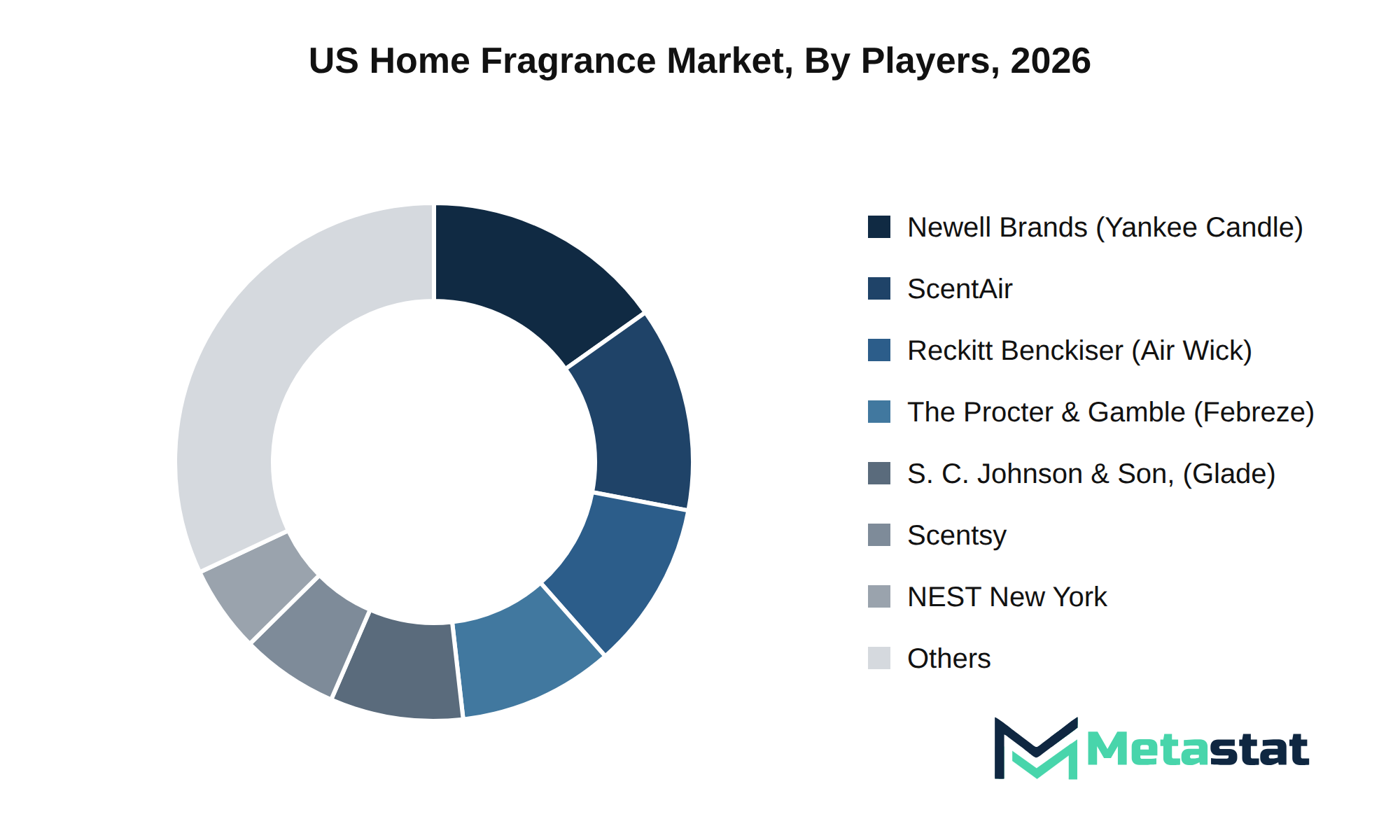
The US Home Fragrance market features a diverse range of players, each employing distinct strategies to enhance their competitive positioning. Key players including ScentAir and Newell Brands Inc. (Yankee Candle) focus on product differentiation and innovation to cater to evolving consumer preferences, while Reckitt Benckiser Group plc (Air Wick) and S. C. Johnson & Son, Inc. (Glade) leverage established brand equity to maintain market presence. Investment in research and development plays a critical role in promoting proprietary technologies and enhancing product appeal across several segments.
Strategic alliances and partnerships, exemplified by companies including The Procter & Gamble Company (Febreze) and Pura, create collaborative innovation, generating synergies that drive market growth. Competitive dynamics in the market are influenced by barriers to entry, with established brands benefiting from economies of scale and robust distribution channels. Customer retention strategies focus on building brand loyalty, while switching costs related to brand preference contribute to market stability.
The future competitive outlook indicates a continued focus on sustainable practices and premium product offerings, with emerging players pushing for disruptive innovations. Established brands face defensive imperatives to sustain market share while adapting to shifting consumer demands. The US Home Fragrance market is poised for growth, driven by these strategic movements and the ongoing evolution of consumer needs.
Market size is forecast to rise from USD 3,273.5 million in 2025 to over USD 6,476.9 million by 2033. This growth reflects a compound annual growth rate (CAGR) of 8.9%. The base case scenario predicts steady expansion driven by increasing consumer interest in home fragrance products and the rising popularity of home wellness trends. The bull case anticipates accelerated growth, influenced by emerging technologies and innovative product offerings that attract a broader consumer base. In contrast, the bear case highlights potential headwinds, including economic downturns or shifts in consumer spending priorities that could dampen market growth.
Factors influencing these scenarios include macroeconomic conditions, evolving consumer preferences, and the competitive landscape within the US Home Fragrance market. Integration of next-generation technologies and continuous research and development enhances product offerings, catering to various consumer segments. Regulatory changes and compliance requirements impose additional operational costs, affecting profitability. Strategic capital allocation and infrastructure commitments play critical roles in shaping future investment opportunities and market dynamics. Identifying unmet consumer needs and high-growth pockets within the market supports businesses in capitalizing on emerging white-space opportunities.
The report strategically identifies and profiles the key market players and analyses their core competencies in each sub-segment of the Home Fragrance market.
Report Attributes | Details |
Study Period | 2021-2033 |
Base Year | 2025 |
Estimated Year | 2026 |
Forecast Period | 2026-2033 |
Historical Period | 2021-2025 |
Growth Rate | CAGR 8.9% from 2026 to 2033 |
Revenue Unit | USD million |
Segmentation | By Product Type, Fragrance Family, Price Range, Distribution Channel, and Region |
Find answers to common questions about this report
The Home Fragrance market size in the United States was valued at USD 3,273.5 million in 2025.
The Home Fragrance market is projected to grow at a CAGR of 8.9% during the forecast period from 2026 to 2033.
Scented Candles lead the US Home Fragrance market with a value of USD 1,514.4 million in 2026, representing the largest share among product types. This segment's growth reflects a strong consumer preference for traditional home fragrance solutions.
Growing consumer awareness of home ambiance drives demand in the US Home Fragrance market. Increasing interest in personal well-being, urbanization, and a preference for sustainable products collectively enhance market growth. shifting demographic patterns, including an aging population and younger consumers prioritizing aesthetics, further influence purchasing behaviors.
Significant challenges restraining growth in the US Home Fragrance market include regulatory tightening, which imposes stringent manufacturing requirements, and macroeconomic pressures including rising raw material costs. Supply chain disruptions and technological obsolescence further complicate operations, reducing profit margins and limiting innovation among manufacturers.
Growing consumer awareness of home ambiance and an increasing interest in personal well-being drive product adoption in the US Home Fragrance market. Urbanization and shifting demographic patterns, particularly among millennials and older consumers, further enhance demand for innovative and premium fragrance solutions that create inviting living spaces.
The Home Fragrance market is estimated to reach a valuation of USD 6,476.9 million by 2033.
Key players in the US Home Fragrance market include ScentAir, Newell Brands Inc. (Yankee Candle), Scentsy, Inc., Reckitt Benckiser Group plc (Air Wick), S. C. Johnson & Son, Inc. (Glade), and The Procter & Gamble Company (Febreze).
Scented candles are expected to grow at a CAGR of 7.5% from 2026 to 2033.
The Fresh & Clean fragrance family is anticipated to grow from USD 774.6 million in 2026 to USD 1,284.4 million by 2033.
The analysts below cover Consumer Goods research at Metastat Insights.
LEAD ANALYST
Utkarsh Khirodkar is a Lead Market Research Analyst at MetaStat Insight, specializing in market intelligence, technology sector assessments, and competitive strategy.
Last Updated: September, 2026
In the biological seed treatment space, registration timelines vary drastically between the European Union, Brazil, and North America. The MetaStat Insight research handled these cross-border regulatory barriers with genuine nuance, mapping commercialization pathways alongside historical field adoption rates. The segmentation between microbial strains and biochemical active ingredients was particularly well structured.
Our team was tracking whether regional recycling infrastructure could realistically absorb the growing volume of lithium iron phosphate batteries over the next decade. The report did a solid job separating announced hydrometallurgical plant capacity from active, permitted operational throughput. That distinction made the feedstock availability projections and regional recovery rate models far more credible than standard commercial overviews.
Tracking capacity expansion in single-use bioprocessing requires dependable data on raw material availability and cleanroom-grade polymer supply chains. The competitive landscape chapter gave a grounded evaluation of secondary component suppliers across North America and Asia-Pacific rather than simply reprinting press releases. Having that level of supplier benchmarking helped clarify dual-sourcing considerations for our clinical pipeline planning.
Explore related market intelligence reports worth reading alongside this one.
Starting from
$2950