
LEAD ANALYST
Utkarsh Khirodkar is a Lead Market Research Analyst at MetaStat Insight, specializing in market intelligence, technology sector assessments, and competitive strategy.

US Outbound Tourism Market Size, Share, By Travel Purpose (Leisure and Vacation, Visiting Friends and Relatives, Business Travel, Education and Study, Medical and Wellness Travel, Religious and Pilgrimage Travel, Sports and Events and Others), By Booking Channel (Direct Supplier Channels, Online Travel Agencies, Traditional Travel Agencies, Tour Operators and Wholesalers and Corporate Travel Management Companies), By Travel Party Composition (Solo Travelers, Couples and Families with Children, Adult Groups, Multigenerational Groups and Others), By Travel Duration (Short-Term (1-3 Days), Medium-Term (4-7 Days), Long-Term (8-14 Days), Extended (15-30 Days) and Others), Industry Analysis, Growth, Trends, and Forecast, 2026-2033
Report ID
MSI-5067
Published
August, 2026
Pages
286 Pages
Format
Historical
Base year
Forecast
Forecast period
Report Details
Choose Your License
US Outbound Tourism Market
The US Outbound Tourism market was valued at USD 160.4 billion in 2025 and is projected to reach USD 552 billion by 2033, growing at a CAGR of 16.7% over the forecast period.
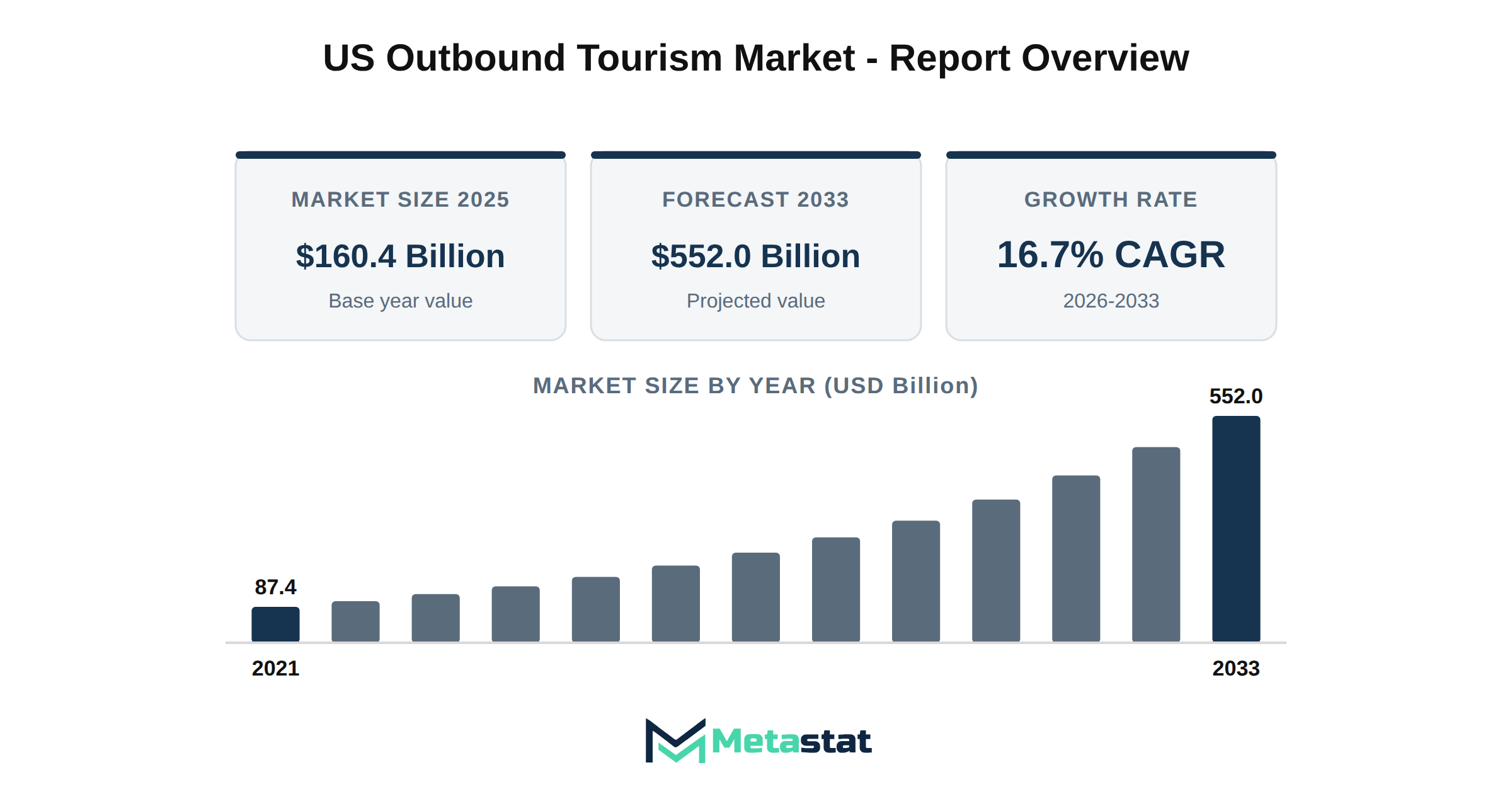
The US Outbound Tourism market is projected to experience significant growth from a base value of USD 160.4 billion in 2025 to an anticipated USD 552 billion by 2033. This expansion represents a compound annual growth rate (CAGR) of 16.7 percent, driven by increasing consumer demand for travel experiences and the recovery of international travel following the pandemic.
Historical data illustrates a steady rise in the market, with values of USD 87.4 billion in 2021, USD 101.2 billion in 2022, USD 118.5 billion in 2023, and USD 137 billion in 2024. The upward trend reflects a recovery and strengthens expectations for continued growth in the coming years.
The distribution of travel purposes shows that leisure and vacation travel accounts for 60.8 percent of the market, while visiting friends and relatives constitutes 26.8 percent. Business travel, education and study, and other travel categories contribute smaller shares. This segmentation highlights the diverse motivations driving outbound tourism and illustrates the potential for targeted marketing strategies.
The market experiences dynamic shifts across various booking channels. Direct supplier channels, which currently represent a significant portion of bookings, are projected to grow from USD 84.9 billion in 2026 to USD 252.8 billion by 2033, exhibiting a CAGR of 16.9 percent. Online travel agencies are expected to capture an increasing share, reaching USD 149 billion by 2033, with a CAGR of 17.7 percent.
Travel party composition influences market dynamics, with solo travelers expected to increase from USD 34.7 billion in 2026 to USD 110.4 billion by 2033. Couples and families with children represent substantial segments, with projected values of USD 115.9 billion and USD 226.3 billion respectively by 2033. This data indicates a growing trend towards family-oriented travel experiences.
Travel duration preferences show a notable shift, with short-term travel (1-3 days) anticipated to grow from USD 13.5 billion in 2026 to USD 43.1 billion by 2033. Medium-term and long-term travel segments are expected to expand significantly, indicating a broader acceptance of varied travel experiences among consumers. This trend reflects changing consumer behaviors and preferences.
Overall, the US Outbound Tourism market demonstrates strong growth potential across multiple sectors, driven by evolving consumer preferences, innovative booking technologies, and a resurgence in global travel. Strategic investments in infrastructure and marketing will play a critical role in capitalizing on these trends and ensuring sustained market expansion.
The regulatory compliance framework surrounding the US Outbound Tourism market influences operational strategies and investment decisions. Adherence to international travel regulations and safety standards is critical for businesses aiming to enhance customer trust and mitigate risks associated with travel. Companies that effectively navigate these regulations benefit from greater market access and improved customer engagement, strengthening their competitive position.
Inflationary pressures continue to impact pricing strategies within the market. Rising costs of goods and services contribute to increased travel expenses, affecting consumer behavior and travel frequency. Businesses are adapting by offering competitive pricing and value-added services to retain customer loyalty during these economic challenges, enhancing their market resilience.
Currency volatility remains a significant factor influencing travel expenses and consumer spending behavior. Fluctuations in exchange rates alter the affordability of international travel for US consumers. Companies that implement robust currency management strategies enhance their competitiveness and mitigate the adverse effects of foreign exchange risks, supporting stable revenue streams.
The future strategic outlook for the US Outbound Tourism market indicates a strong focus on sustainable transformation. Consumers increasingly prioritize eco-friendly travel options, prompting businesses to integrate sustainability into their offerings. This shift not only meets evolving consumer preferences but positions companies advantageously within a competitive environment that values responsible travel practices, fostering long-term growth.
Corporate imperatives emphasize the need for investment in infrastructure to support growth in the US Outbound Tourism market. Enhancements in transportation, technology, and service delivery platforms are essential for improving customer experiences and operational efficiency. Strategic investments in these areas position companies for long-term success and market leadership, reinforcing their operational capabilities.
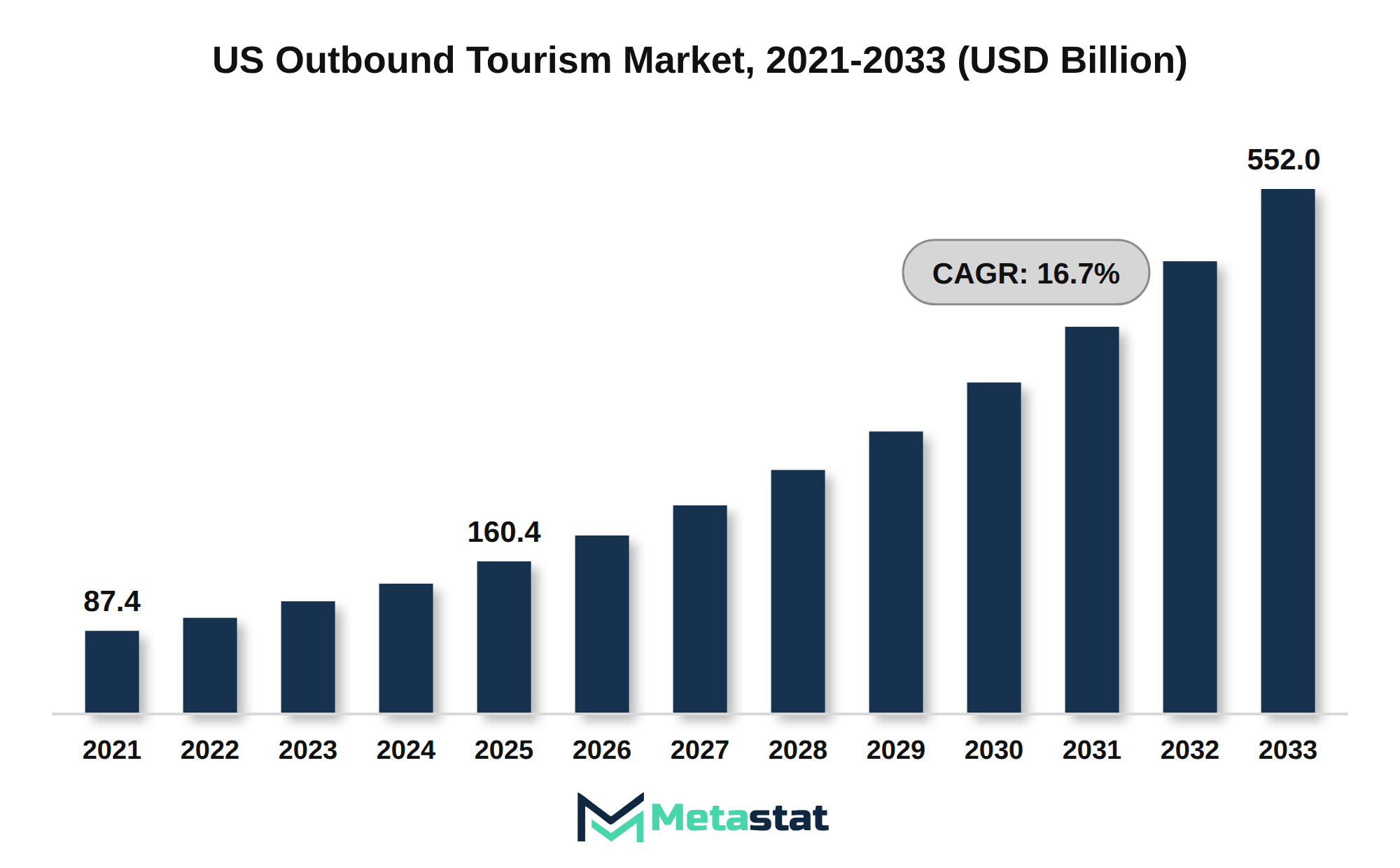
The rapid economic growth observed in the United States significantly influences the US Outbound Tourism market. Increasing disposable incomes and improvements in living standards encourage more consumers to seek travel experiences abroad. Economic factors, including rising Gross Domestic Product (GDP) and favorable capital investment environments, contribute to a robust consumer spending landscape. Strong consumer confidence, along with positive employment trends, enhances individuals' willingness to invest in leisure activities and travel, supporting long-term demand for outbound tourism.
The digital transformation reshapes how travelers research and book their trips, boosting the market. Increased access to online platforms and mobile applications simplifies travel planning, leading to greater engagement with potential travelers. Enhanced technological integration and automation in booking processes improve efficiency, enabling travel companies to cater to evolving consumer preferences effectively, resulting in increased competition among service providers.
The combination of these macroeconomic conditions and technological advancements positions the US Outbound Tourism market for sustained growth. With a projected compound annual growth rate (CAGR) of 16.7 percent from 2026 to 2033, the market's expansion reflects the dynamic relationship between economic factors and changing consumer behaviors, driving increased travel volumes and expenditures across the sector.
Investment in digital transformation significantly influences the growth trajectory of the US Outbound Tourism market. The adoption of advanced technologies, including automation and artificial intelligence, optimizes operational efficiency and enhances customer experience. Travelers increasingly seek efficient booking experiences through online platforms, driving demand for digital solutions in the tourism sector. Enterprises investing in these technologies enhance competitiveness and capture a larger market share, prompting a shift in consumer preferences toward tech-savvy travel providers.
The integration of digital booking channels facilitates real-time access to travel options, improving flexibility and responsiveness to changing consumer demands. This transition supports the growth of various segments in the market, particularly leisure and vacation travel, which benefits from direct supplier channels and online travel agencies. Forecasts indicate that these channels, particularly online travel agencies, are projected to see significant growth, contributing to an anticipated market value of USD 552 billion by 2033.
The emphasis on digital transformation not only streamlines traditional processes but aligns with evolving consumer behaviors in the US Outbound Tourism market. Travelers increasingly prioritize convenience, personalization, and immediate access to information, prompting operators to enhance their digital offerings. This trend positions the market for sustained growth, driven by continued investments in technology that meet consumer expectations and build loyalty.
Regulatory complexities present significant challenges within the US Outbound Tourism market. Compliance hurdles associated with evolving regulations create barriers for industry players, delaying market entry and increasing operational costs. Legal mandates surrounding consumer protection and safety standards require businesses to allocate resources towards compliance, diverting funds from growth initiatives.
Macroeconomic headwinds, including inflationary pressures, impose additional constraints on market participants. Rising prices for goods and services limit consumer spending power, affecting travel budgets. These inflationary trends lead to reduced travel frequency among consumers, impacting overall market demand.
Supply chain disruptions have become increasingly prevalent, creating bottlenecks in service delivery. These disruptions limit the ability of companies to provide effective travel experiences, negatively influencing customer satisfaction. Geopolitical instability further exacerbates these challenges, deterring potential travelers from engaging in outbound tourism.
High capital investment requirements for infrastructure development restrict market entry for new players. Established companies face escalating operating costs, which erode profit margins and stifle innovation. These financial burdens hinder the overall competitiveness of the market, limiting growth potential.
Technological obsolescence presents ongoing challenges, resulting from outdated systems that fail to meet evolving consumer expectations. The emergence of alternative offerings from competitors creates substitution risks, diminishing brand loyalty. Such dynamics contribute to fragmentation within the market, complicating efforts to achieve economies of scale.
Addressing these restraints requires strategic navigation of the complexities inherent in the US Outbound Tourism market. The intersection of regulatory compliance, economic pressures, and technological advancements will shape the future growth trajectory of the market.
The US Outbound Tourism market faces challenges stemming from geopolitical fragmentation, which complicates travel stability and safety perceptions among potential travelers. Fluctuating diplomatic relations and trade tensions between nations contribute to uncertainties, impacting travel decisions and reducing traveler confidence. This results in a noticeable decline in travel demand, because individuals weigh the risks associated with potential disruptions during their trips.
Trade deficits and tariff friction further compound these challenges, leading to increased costs for travelers and businesses. Higher prices for travel-related services deter visitors and influence spending patterns, resulting in budget-conscious consumers opting for alternative methods or destinations. This shift in consumer behavior generates pressure on market participants to adjust pricing strategies, which reduce profit margins.
Technological disruptions, including cybersecurity risks and data vulnerabilities, represent additional challenges within the market. Increased incidents of data breaches and online fraud lead to apprehension regarding personal information security, discouraging consumers from booking travel online. Ensuring robust cybersecurity measures becomes imperative to regain traveler trust and support continued growth in the market.
The combination of these factors ultimately constrains the market's growth potential, because businesses navigate the complexities arising from geopolitical tensions, fluctuating economic conditions, and evolving consumer expectations. Addressing these challenges effectively will shape the future trajectory of the US Outbound Tourism market.
Emerging demands in the US Outbound Tourism market highlight significant potential for growth driven by evolving consumer preferences. Travelers increasingly prioritize unique experiences and personalized itineraries, leading to increased interest in niche offerings including wellness retreats and cultural exchanges. This shift necessitates a focus on product integration that aligns with these changing preferences, offering tailored experiences that appeal to diverse demographics.
Infrastructure modernization plays a critical role in enhancing travel efficiency and accessibility. Investments in transportation networks and accommodation facilities facilitate smoother travel experiences, encouraging higher tourism volumes. Enhanced connectivity through airports and transit systems supports geographic expansion, allowing travelers to explore previously underrepresented destinations. This geographical expansion enhances market penetration and revenue generation.
Technological disruptions, including advancements in online booking systems and mobile applications, transform the consumer journey within the market. Digital transformation initiatives streamline booking processes and improve customer engagement, catering to a tech-savvy audience seeking greater convenience. These innovations contribute to the growing trend of direct supplier channels, which are projected to experience substantial growth through 2033.
Shifts in buying behaviors indicate a growing inclination toward digital procurement. Travelers increasingly research and book travel arrangements through online platforms, favoring convenience and immediacy. The rise of online travel agencies reflects this trend, resulting in a projected increase in their market share by 2033. Adapting to these changes will be essential for suppliers aiming to capture emerging market segments.
Focusing on sustainability imperatives further presents a lucrative opportunity for stakeholders in the market. Eco-friendly travel options and practices are becoming more prominent, reflecting a growing consumer interest in responsible tourism. Aligning offerings with sustainability principles enhances competitiveness and attracts environmentally conscious travelers.
Finally, strategic consolidation among key players through mergers and acquisitions drives growth within the market. Collaborations between established companies and emerging providers facilitate the sharing of resources and expertise, enhancing service offerings and market reach. These strategic initiatives yield significant benefits, positioning the market for robust future growth.
The US Outbound Tourism market is segmented based on Travel Purpose, Booking Channel, Travel Party Composition, and Travel Duration.
Valued at USD 113.6 billion in 2026, the Leisure and Vacation segment is projected to reach USD 320.1 billion by 2033, reflecting a CAGR of 16% during the forecast period. This growth is attributed to increasing disposable incomes, evolving travel preferences, and a heightened emphasis on experiences over material goods. Consumers prioritize leisure travel, driving demand for a variety of destinations and services tailored to individual preferences.
Technological advancements enhance the booking experience for travelers, with online platforms streamlining processes for securing accommodations and activities. The proliferation of user-generated content and social media influences decisions, with travelers seeking authentic experiences and recommendations. This shift in consumer behavior encourages providers to innovate and adapt their offerings to meet evolving expectations.
Segment expansion drives market growth. Enhanced connectivity through improved transport infrastructure facilitates easier access to diverse travel destinations. An increase in promotional campaigns targeting leisure travelers fuels market penetration. Companies focusing on unique travel packages that align with consumer interests strengthen their competitive position while attracting new customers.
The Leisure and Vacation segment observes significant consumer shifts toward experiential travel, with preferences leaning toward immersive cultural experiences, adventure travel, and wellness retreats. This evolution in travel preferences urges service providers to diversify their offerings and enhance customer engagement, building brand loyalty and driving repeat bookings. The growing awareness of sustainable travel practices influences decision-making, prompting providers to align with environmentally conscious initiatives.
The US Outbound Tourism market projects growth within the Leisure and Vacation segment, driven by changing consumer dynamics, technological advancements, and enhanced connectivity. The anticipated expansion presents strategic opportunities for industry players to innovate and capture market share in this evolving landscape.
Growth in the Visiting Friends and Relatives segment stems from a combination of personal and cultural factors. Increased globalization and improved connectivity influence individuals to travel more frequently to maintain personal relationships with family and friends abroad. A surge in disposable income among travelers drives this segment's expansion, facilitating longer visits and more frequent trips.
The Visiting Friends and Relatives segment is projected to reach USD 138 billion by 2033, at a CAGR of 15.7% during the forecast period. The rise of online platforms for travel planning and accommodation booking simplifies the process, enabling travelers to easily arrange their visits. The increasing acceptance of remote work allows individuals to combine work and leisure, contributing to a higher volume of travel.
Changing demographics, including a growing population of younger travelers prioritizing connections with friends and family, create opportunities for growth within the segment. The market benefits from rising consumer preferences for personalized travel experiences, encouraging the development of tailored offerings. Overall, these trends position the Visiting Friends and Relatives segment because a significant contributor to the expansion of the US Outbound Tourism market.
Business travel experiences significant demand within the US Outbound Tourism market, driven by increasing globalization and the growing need for face-to-face interactions among businesses. The post-pandemic recovery has accelerated the return of corporate travel, supported by companies prioritizing in-person meetings and events to build relationships and enhance collaboration.
Technological advancements, particularly in communication and booking systems, enhance the efficiency of business travel. Companies increasingly adopt digital tools for effective travel management, allowing streamlined planning and expense tracking. This trend leads to greater adoption of business travel services, resulting in improved revenue generation within the segment.
Cost structures in the business travel segment exhibit volatility, influenced by fluctuating airline ticket prices and accommodation costs. Companies face margin pressures, prompting them to seek optimal pricing strategies and enhanced travel policies. The focus on cost-effectiveness drives innovation in travel management solutions, contributing to market growth.
Within the segment, business travel is expected to reach USD 38.6 billion by 2033. This growth reflects a robust recovery trajectory, attributed to businesses increasingly recognizing the value of direct engagement with clients and partners. The ongoing evolution of corporate travel programs emphasizes flexibility and adaptability, catering to the dynamic needs of organizations.
Strategic opportunities arise from the emphasis on sustainability in travel practices. Companies prioritize eco-friendly options, including carbon offset programs and sustainable accommodations, aligning with broader corporate social responsibility goals. These initiatives enhance brand reputation and attract environmentally-conscious travelers, further driving growth within the US Outbound Tourism market.
Increased global connectivity and the pursuit of higher education drive demand within the Education and Study segment of the US Outbound Tourism market. A CAGR of 19.1% during the forecast period reflects the growing interest among students and professionals seeking international learning experiences. The rise in online education platforms further enhances accessibility, enabling students to pursue courses abroad while benefiting from diverse cultural experiences. Partnerships between educational institutions and foreign universities attract both domestic and international students, encouraging cross-border educational exchanges.
Shifts in consumption towards skill enhancement and specialization in various fields drive segment growth. The willingness of students to invest in overseas education experiences indicates strong market potential, highlighting the importance of educational travel in shaping global perspectives. Rising disposable incomes among the population contribute to increased spending on educational travel, with families prioritizing international study opportunities for their children. The Education and Study segment remains a vital part of the US Outbound Tourism market, emphasizing the significance of global learning in an interconnected world.
Demand for Medical and Wellness Travel within the US Outbound Tourism market progresses driven by escalating health awareness among consumers. Patients increasingly seek specialized treatments abroad, prompting a surge in international travelers pursuing advanced medical procedures not available locally. This segment attracts clients searching for cost-effective healthcare solutions combined with vacation experiences, enhancing its appeal.
Adoption of Medical and Wellness Travel accelerates due to rising healthcare costs domestically, motivating individuals to explore treatment options in countries with more affordable services. Destinations recognized for high-quality healthcare services, including those in Southeast Asia and Eastern Europe, gain traction among American travelers. Evidently, an increasing number of patients are prioritizing health and wellness during their travels.
Segment expansion catalysts include advancements in medical technology and the proliferation of telemedicine. Innovations in procedures attract patients to destinations known for specialized services, influencing their travel decisions significantly. The market experiences a gradual shift towards wellness retreats that incorporate medical treatments and well-being practices, enhancing the overall travel experience.
Changes in consumption patterns reflect heightened interest in preventive and alternative medicine, prompting a broader segment that encompasses wellness tourism. This shift transforms traditional medical travel into a more comprehensive approach that integrates wellness therapies and lifestyle improvement opportunities alongside medical treatment.
Regulatory compliance standards across various countries impact the Medical and Wellness Travel segment. Travelers prioritize destinations that adhere to stringent health regulations and offer accredited medical facilities. Successful navigation of these regulations contributes to increased consumer confidence, facilitating market growth.
Cost structures within the segment are subject to fluctuations due to varying healthcare service pricing across borders. Price volatility deters potential travelers; thus, transparent pricing models become essential in retaining consumer trust. The market's resilience hinges on maintaining competitive pricing while ensuring high-quality treatments.
Strategic opportunity windows arise owing to healthcare providers enhancing offerings tailored to international patients. Collaborations between travel agencies and medical facilities create effective experiences for travelers, boosting the market's attractiveness. Capital investment in enhancing medical infrastructure supports sustained growth and retains competitiveness in an evolving environment.
Growth within the Religious and Pilgrimage Travel segment of the US Outbound Tourism market arises from a combination of cultural, spiritual, and social factors. Increased interest in faith-based travel has led to an expanding demographic of travelers seeking meaningful experiences, with religious gatherings, pilgrimages, and events attracting substantial participation.
The integration of digital platforms enhances accessibility and engagement for potential travelers. Online resources provide comprehensive information on religious sites and pilgrimage routes, enabling travelers to plan their journeys effectively. This technological advancement contributes to the segment's growth by facilitating informed decision-making among travelers.
Shifts in consumer behavior highlight a growing interest in immersive experiences that combine personal beliefs with travel. Travelers prioritize destinations that offer spiritual enrichment, leading to collaborations between tour operators and religious organizations. This partnership improves offerings within the segment, catering to the specific needs of this traveler profile.
Regulatory compliance related to travel safety and health protocols influences the dynamics of Religious and Pilgrimage Travel. Adherence to standards ensures a secure environment for participants, building trust and encouraging participation in organized trips. The market benefits from these regulations, which enhance overall consumer confidence in travel decisions.
Investment in marketing strategies focused on niche segments, including religious tourism, opens strategic opportunity windows for operators within the market. Targeted promotions and specialized packages cultivate engagement among travelers seeking unique religious experiences, ultimately driving growth in the segment.
Overall, the Religious and Pilgrimage Travel segment contributes significantly to the broader US Outbound Tourism market. The combination of demand drivers, technological advancements, and consumer preferences positions this segment for sustained expansion during the forecast period.
In the US Outbound Tourism market, the Sports and Events segment experiences growth driven by increasing consumer interest in sporting events and entertainment activities worldwide. This interest results from a cultural emphasis on sports and the desire for unique experiences, influencing travelers to seek opportunities to attend major events including the Olympics, World Cup, and various regional competitions.
Technological advancements enhance ticket purchases and travel arrangements, improving convenience for consumers. Online platforms streamline booking processes and provide instant access to event information, contributing to the segment’s appeal. Social media promotes events, enticing consumers to travel for live experiences.
Event-driven tourism generates economic benefits for destinations, creating job opportunities and boosting local economies. Significant expenditures on accommodations, dining, and transportation associated with attending these events energize the market. Strategic investments from stakeholders in creating memorable event experiences further enhance the appeal of this segment within the broader market.
While consumer preferences evolve, the Sports and Events segment adapts to new trends. Increased participation in recreational sports and fitness events contributes to this growth, driven by individuals seeking both engagement and entertainment. This dynamic environment presents opportunities for new entrants and established players in the market to innovate their offerings.
The US Outbound Tourism market anticipates continued expansion within this segment, fueled by a combination of changing consumer behavior, technological integration, and strategic partnerships. Continuous engagement with travelers and the experience economy positions the Sports and Events segment because a vital contributor to overall market growth.
Interest in volunteering opportunities and working holidays drives engagement within the Others (Volunteering, Working Holidays, Specialized Travel) segment. This segment attracts travelers seeking meaningful experiences while exploring new cultures and environments. Demand arises from a growing emphasis on social responsibility and personal fulfillment, encouraging participants to engage with local communities while pursuing leisure activities.
Technological advancements enhance the accessibility of volunteering opportunities, connecting travelers with organizations that facilitate these experiences. Online platforms streamline the booking process, allowing users to research and select programs aligning with their interests. An increase in environmental awareness further increases participation, driven by travelers looking to contribute positively to global challenges.
This segment significantly influences the overall dynamics of the US Outbound Tourism market, influencing trends in consumer preferences. Shifts toward experiential travel reflect a broader cultural movement emphasizing authentic interactions over traditional tourism. While travelers increasingly seek personalized experiences, the Others segment is expected to evolve to meet these changing expectations.
Investment in marketing and partnerships with non-profit organizations enhances visibility, creating strategic opportunities for growth. This engagement creates partnerships that facilitate unique travel packages, catering to a diverse audience while supporting important causes. The segment's growth trajectory remains tied to these evolving preferences and strategic collaborations.
Valued at USD 84.9 billion in 2026, the Direct Supplier Channels segment is projected to reach USD 252.8 billion by 2033, at a CAGR of 16.9% during the forecast period. Growth within this segment reflects a shift in consumer preferences toward direct booking methods, driven by the desire for personalized experiences and better pricing transparency. The adoption of advanced technologies, including mobile applications and AI-driven recommendations, enhances user engagement and facilitates a smooth booking process. This technological maturation results in lower operational costs for suppliers, allowing them to offer competitive pricing and tailored offerings, which strengthens customer loyalty.
Direct Supplier Channels play an important role in meeting the evolving needs of travelers in the US Outbound Tourism market. Increased marketing efforts and partnerships between suppliers and technology providers support this segment's expansion. Customers prioritize convenience and cost-effectiveness, making direct bookings increasingly appealing compared to traditional booking methods. The potential for personalized services through direct channels encourages repeat business, enriching customer relationships.
While the segment evolves, challenges including pricing volatility and margin pressures arise. Competitive dynamics among suppliers require continuous innovation to maintain market relevance. Companies within this segment are expected to enhance their offerings and streamline operations, ensuring resilience against disruptive alternatives. Strategic opportunity windows created by shifts in consumer behavior present avenues for growth, while increasing investment in technology and infrastructure will further strengthen the market position of Direct Supplier Channels in the US Outbound Tourism market.
Growth in the Online Travel Agencies segment aligns with the increasing preference for digital solutions in the US Outbound Tourism market. This shift towards technology-driven booking platforms allows for enhanced customer experiences, streamlined processes, and accessibility to a wide range of travel options. The segment is projected to reach USD 149 billion by 2033, at a CAGR of 17.7% during the forecast period.
Technological maturation drives innovations within the Online Travel Agencies segment. The integration of advanced analytics and artificial intelligence enhances personalization and pricing strategies, aligning offerings with consumer preferences. Increased mobile usage facilitates spontaneous travel planning and booking, contributing to segment expansion. Enhanced user interfaces and customer service automation improve overall satisfaction and loyalty among travelers.
Pricing volatility within the market influences consumer behavior and purchasing decisions. Competitive pricing strategies are essential for online travel agencies, impacting margins and profitability. The segment benefits from the rise in demand for last-minute bookings, allowing agencies to optimize inventory and pricing in real-time.
Strategic opportunity windows arise from shifts in consumer preferences towards experiential travel and unique destinations. Online travel agencies leverage partnerships with local businesses, enhancing product offerings and meeting evolving customer desires. This collaboration creates a more immersive travel experience, appealing to travelers seeking authenticity.
Increased competition within the market encourages continuous innovation and differentiation among online travel agencies. Firms invest in next-gen upgrades, enhancing their platforms and services. While consumer expectations evolve, agencies that adapt rapidly to changing trends position themselves favorably in the market.
Growth in the Traditional Travel Agencies segment reflects a shift in consumer preferences towards personalized travel experiences. This segment benefits from established relationships with suppliers, allowing for competitive pricing and exclusive offerings. Travelers increasingly seek expert guidance and curated itineraries, reinforcing the value of traditional agencies. The segment is expected to reach USD 44.2 billion by 2033, driven by rising demand for tailored travel solutions and the resurgence of in-person interactions in travel planning.
Adoption of technology within traditional travel agencies enhances service delivery and operational efficiency. Integration of digital tools facilitates streamlined booking processes and improves customer engagement. While the market evolves, agencies that embrace technological advancements position themselves for growth. Enhanced user experiences through mobile applications and online platforms attract a broader customer base, positioning these agencies because vital players in the US Outbound Tourism market.
Segment expansion catalysts include increased disposable income and a growing focus on travel experiences among consumers. Shifts in spending patterns toward leisure and experiential travel contribute to rising demand for traditional travel agency services. The growing trend of multi-generational travel creates opportunities for agencies to design comprehensive packages catering to diverse family needs, further supporting market growth.
Challenges surrounding pricing volatility and margin pressures impact traditional travel agencies. Fluctuating costs of travel components, including airfare and accommodations, necessitate strategic pricing models to maintain competitiveness. Agencies navigate these pressures while delivering value to consumers, ensuring profitability within the market.
While the market landscape evolves, strategic opportunity windows emerge for traditional travel agencies. Diversification into niche markets and specialized travel services enhances their appeal and reach. Agencies that adapt to changing consumer expectations and leverage technology will thrive, capturing an increasing share of the US Outbound Tourism market.
Growth in the Tour Operators and Wholesalers segment reflects an increasing trend towards packaged travel solutions among consumers. Enhanced demand arises from travelers seeking convenience, expert guidance, and tailored itineraries, which tour operators effectively provide. This shift in consumer preferences results in a growing inclination towards all-inclusive travel experiences, driving revenue growth.
Technological advancements contribute to the evolution of this segment, enabling operators to streamline booking processes and enhance customer engagement through digital platforms. The integration of artificial intelligence and data analytics facilitates personalized offerings, further attracting customers. Increased consumer confidence in online platforms for travel planning supports the segment’s expansion.
Pricing pressures within the market influence tour operators and wholesalers. Competitive pricing strategies become essential to attract consumers amid rising operational costs. Operators that successfully leverage technology to optimize operations and enhance customer experience position themselves favorably for profitability.
The Tour Operators and Wholesalers segment is projected to grow at a CAGR of 16.8% during the forecast period. Strategic investment in marketing and partnerships with airlines and hotels provides access to exclusive deals, enhancing the value proposition for consumers. Such collaborations enable operators to remain competitive and drive growth within the broader US Outbound Tourism market.
Growth in this segment reflects broader trends in consumer behavior, including an increasing appetite for experiential travel. The push towards sustainability and responsible tourism practices creates opportunities for operators who align with these values, appealing to environmentally conscious travelers. Overall, the segment is well positioned for sustained growth, contributing significantly to the overall expansion of the US Outbound Tourism market.
Corporate Travel Management Companies represent a vital component within the US Outbound Tourism market, driven by a demand for streamlined travel solutions for businesses. Increasing globalization and expansion of trade networks generate heightened travel for corporate purposes, resulting in a growing reliance on specialized management companies to handle logistics and support. Businesses prioritize efficiency in travel arrangements, seeking to optimize costs and improve employee satisfaction during business trips.
The adoption of advanced technologies, including AI and data analytics, enhances the capabilities of corporate travel management companies, allowing them to offer tailored services to clients. Improved travel experience and cost efficiency drive companies to invest in next-generation solutions that streamline booking processes and enhance traveler support. This technological maturation aligns with broader trends in the market, where businesses demand flexibility and personalized services in travel arrangements.
Strategic partnerships with airlines, hotels, and other travel vendors enable corporate travel management companies to provide comprehensive services that meet evolving client needs. Such collaborations create significant opportunities for market growth by expanding service offerings and improving pricing structures. The increasing focus on sustainability within corporate travel prompts companies to explore eco-friendly travel options, thus shaping product evolution in the market.
Pricing volatility remains a challenge, influenced by fluctuating fuel costs and changing regulatory environments. Corporate travel management companies navigate these dynamics to maintain service quality while keeping costs competitive. This pressure impacts margins and compels companies to continuously innovate to sustain profitability.
While the market evolves, a strategic focus on resilience in supply chains and logistics strengthens the position of corporate travel management companies. Awareness of potential disruptions encourages firms to diversify their service offerings and enhance client relationships, building loyalty in a competitive environment. The outlook remains positive, with ongoing capital investment anticipated to support growth and further enhance service capabilities in the US Outbound Tourism market.
Demand for travel clubs and membership programs within the US Outbound Tourism market reflects a growing trend among consumers seeking value and unique experiences. These programs offer exclusive benefits, including discounted rates, personalized services, and curated travel options, driving interest from various consumer segments.
Members of travel clubs often enjoy preferential pricing and access to promotions that enhance their travel experiences. This segment attracts consumers looking for tailored travel solutions that meet specific needs, including group travel, family packages, or adventure trips. The appeal lies in the added convenience and support offered by these programs, which contributes to higher engagement levels among consumers.
Technological advances play an important role in the evolution of travel clubs and membership programs. Digital platforms facilitate efficient booking processes and enable personalized communication, enhancing customer satisfaction. While technology matures, these platforms evolve to include innovative features, including mobile apps and interactive dashboards, further enriching the user experience.
Strategic opportunity windows arise owing to younger consumers increasingly valuing experiences over material possessions. Travel clubs leverage this shift in consumer attitudes by offering flexible membership options or unique travel itineraries to attract this demographic. Adapting offerings to align with changing consumer preferences enhances the segment's growth potential within the market.
Pricing volatility remains a factor influencing membership programs, because fluctuations in travel costs impact membership appeal. Establishing partnerships with airlines, hotels, and local attractions helps mitigate these risks and offer better value to members. Such collaborations not only strengthen the offerings but enhance customer loyalty and retention.
Investment in marketing and outreach strategies is essential for growing the travel clubs and membership programs segment. By increasing brand awareness and expanding target markets, companies capture a larger share of the consumer base seeking value-driven travel experiences. These efforts are expected to yield significant rewards, reinforcing the segment's importance in the broader US Outbound Tourism market.
Valued at USD 34.7 billion in 2026, the Solo Travelers segment is projected to reach USD 110.4 billion by 2033, at a CAGR of 18% during the forecast period. This segment experiences strong demand driven by individual preferences for exploration and unique experiences, rather than group travel. Technological advancements simplify planning and booking, enabling solo travelers to access personalized itineraries and targeted travel packages efficiently. The rise of social media influences travelers' choices, leading to increased interest in destinations that offer immersive cultural experiences and adventures tailored for individuals.
Solo travelers exhibit a growing inclination towards flexibility in travel arrangements and accommodations, which encourages suppliers to adapt offerings accordingly. The market recognizes the importance of catering to the specific needs of solo travelers, leading to an expansion of services and amenities that enhance their experiences. Partnerships among travel agencies, airlines, and accommodations strengthen market accessibility, offering exclusive deals and promotions that appeal to this demographic.
Shifts in consumer behavior, particularly following the pandemic, contribute to renewed interest in solo travel. Individuals seek solitude and introspection in travel experiences, promoting mental well-being. This trend drives significant growth within the US Outbound Tourism market. The evolving landscape of travel experiences encourages further innovations tailored to solo travelers, ensuring that this segment remains a focal point for growth and investment in the coming years.
Couples traveling for leisure experience significant growth within the US Outbound Tourism market. This segment is estimated to reach USD 115.9 billion by 2033, at a CAGR of 16.1% during the forecast period. An increase in the desire for unique experiences and romantic getaways fuels the demand for couple-oriented travel offerings. Rising disposable income, evolving consumer preferences, and the availability of diverse travel options play important roles in segment expansion. Couples increasingly seek personalized travel experiences, influencing the range of services offered by travel companies.
Technological advancements enhance the booking experience for couples, allowing for tailored travel packages that cater to their preferences. Online platforms and mobile applications facilitate efficient planning and booking processes, further driving market demand. The integration of user-generated content and social media influences couples' travel decisions, contributing to stronger engagement with the US Outbound Tourism market.
Changing social dynamics, including the rising trend of destination weddings and romantic retreats, support the market for couples. This segment benefits from the increasing focus on wellness and rejuvenation, with couples often seeking wellness retreats and spa experiences during their travels. These trends highlight the segment's adaptability and responsiveness to consumer needs, positioning it favorably for future growth within the overall tourism sector.
Families with children represent a significant segment within the US Outbound Tourism market, with expectations to reach USD 226.3 billion by 2033. Factors driving demand in this segment include a growing preference for family-oriented vacation experiences and an increase in disposable income, allowing families to prioritize travel. The rise of family-friendly destinations and activities contributes to the segment's expansion, with destinations catering specifically to families enhancing service offerings and accommodations.
While families seek quality time together, the market sees a shift toward longer travel durations, with many families opting for medium-term and long-term vacations. This shift in consumer behavior reflects a demand for enriching experiences that promote bonding and relaxation. Vacation packages tailored to families, including accommodations and activities suitable for various age groups, further stimulate interest in this segment.
Technological advancements play a vital role in shaping consumer preferences within the families with children segment. Online platforms enable efficient booking and the customization of travel experiences, allowing families to access relevant information quickly. The increasing use of mobile applications for travel planning and management enhances convenience, encouraging more families to explore different destinations.
The families with children segment in the US Outbound Tourism market demonstrates strong growth potential, driven by evolving preferences and technological innovations. This segment's ability to adapt to changing consumer demands and leverage digital tools positions it favorably for future expansion.
Increasing interest in group travel among adults drives growth in the Adult Groups segment within the US Outbound Tourism market. This segment is projected to grow at a CAGR of 17.6% during the forecast period. Adults often seek shared experiences, creating demand for coordinated travel plans and itineraries designed specifically for groups. The rising trend of social media influences group travel decisions, with individuals sharing their experiences and encouraging peers to travel together.
Flexibility in travel arrangements enhances the appeal of this segment. Travel operators increasingly offer customizable packages that cater to the unique needs of adult groups, accommodating diverse preferences and interests. This adaptability facilitates participation in various activities, including cultural tours, adventure trips, or wellness retreats, aligning with group members’ collective interests.
Cost efficiency emerges because a significant factor influencing group travel, with adult groups benefiting from group discounts and special offers. The ability to split expenses among multiple travelers leads to increased affordability, attracting more participants. Advancements in technology streamline booking processes, enabling easier coordination of group travel logistics and enhancing the overall consumer experience.
Environmental consciousness among travelers contributes to the growth of this segment. Many adult groups prioritize sustainable travel options, selecting eco-friendly accommodations and activities that minimize their carbon footprint. This shift in consumer behavior aligns with broader trends within the US Outbound Tourism market, because sustainability becomes a critical consideration for travelers.
The Adult Groups segment represents a promising area for growth, driven by evolving consumer preferences and opportunities for enhanced travel experiences. Continued investment in this segment will likely support its expansion within the broader US Outbound Tourism market.
Multigenerational groups present a unique segment within the US Outbound Tourism market, driven by the desire for shared experiences among family members of various ages. The increasing trend of families traveling together encourages exploration of destinations that cater to diverse interests and activities, creating a demand for tailored travel packages. This segment benefits from evolving preferences, where multi-generational families seek meaningful connections and memories through travel.
Adoption of family-oriented travel options continues to expand due to travel providers recognizing the importance of accommodating larger, diverse groups. Enhanced offerings that include amenities for all age groups, including family-friendly activities, accommodations, and transportation, contribute to the growth of this segment. Increased marketing efforts targeting families highlight destinations that emphasize accessibility, safety, and a variety of experiences suitable for all generations.
Consumption shifts among multigenerational travelers reflect a preference for longer stays in fewer locations, often favoring experiences that promote bonding rather than rapid itineraries. This trend influences pricing strategies, prompting travel providers to offer competitive rates for family packages and group discounts. The market is expected to see a continued rise in demand for services tailored to multigenerational groups, further enhancing their travel experience.
Technological advancements play a role in shaping offerings for multigenerational travelers. Travel platforms increasingly leverage data analytics to offer personalized recommendations for family trips, enhancing customer engagement and satisfaction. The integration of mobile applications facilitates efficient booking processes, enabling families to plan and manage their trips effectively.
Overall, the multigenerational group segment in the US Outbound Tourism market reflects a growing understanding of family dynamics and the evolving nature of travel preferences. This segment's development aligns with broader trends in tourism and emphasizes the need for strategic opportunities to capture the interests of diverse family units traveling together.
Growing participation in educational and recreational programs contributes to interest in group travel among schools, institutions, and specialized groups. Multiple organizations seek travel experiences that promote learning, teamwork, and cultural exchange, enhancing engagement within this segment. This increased demand influences various sectors, including travel agencies, hospitality services, and transportation providers, all striving to tailor offerings to group dynamics and specific requirements.
Regulatory compliance standards are crucial for travel arrangements involving schools and institutions. Safety regulations and guidelines shape planning and execution, creating a focus on trustworthy operators that prioritize risk management. Adhering to these standards enhances market credibility and attracts institutional buyers, influencing decisions and investment in the US Outbound Tourism market.
Consumption shifts toward experiential learning and team-building activities drive growth in this segment. Educational trips that provide immersive experiences appeal particularly well to institutional customers, reinforcing the relevance of tailored travel solutions. Understanding the preferences of schools and organizations allows suppliers to develop targeted offerings, enhancing market penetration and encouraging loyalty.
Supply chain resilience is important in meeting the needs of traveling groups. Efficient logistics and reliable partnerships support effective travel experiences, crucial for maintaining satisfaction among institutional clients. The evolving market demands strategic collaboration among service providers to enhance the overall travel experience for schools and specialized groups.
Investment in innovative travel solutions presents strategic opportunity windows for stakeholders in this segment. Embracing technology and evolving travel preferences opens avenues for growth and enhances competitiveness in the US Outbound Tourism market. Identifying and addressing the specific needs of schools and institutions further strengthens market position and drives demand.
Valued at USD 13.5 billion in 2026, the Short-Term (1-3 Days) segment is projected to reach USD 43.1 billion by 2033, at a CAGR of 18% during the forecast period. This growth reflects a shift towards more spontaneous travel decisions, driven by busy schedules and the desire for quick getaways. Consumers prefer shorter trips that require less planning and time commitment, resulting in a rise in demand for quick escapes. The market experiences an increase in travelers seeking to maximize vacation days with compact itineraries.
The trend towards urban exploration and regional tourism contributes to the segment's expansion. Travelers opt for destinations that are easily accessible and offer diverse activities within a short time frame. This preference influences regional tourism boards and local businesses to create attractive packages specifically tailored for short-duration travelers. The availability of flexible booking options enhances appeal, enabling last-minute travel arrangements.
Changing consumer behavior towards travel convenience supports the growth of this segment within the US Outbound Tourism market. Factors including busy lifestyles and a desire for stress-free vacation experiences encourage the adoption of short-term travel plans. The introduction of promotional pricing and special offers designed for short trips creates additional incentives for consumers. This strategic focus on short-duration travel boosts market engagement and strengthens the competitive position of travel providers.
Valued at USD 121.4 billion by 2033, the Medium-Term (4-7 Days) segment exhibits a CAGR of 16.1% during the forecast period. Increased consumer preference for travel experiences that balance leisure with a manageable duration drives demand for medium-term trips. Individuals seeking to maximize their vacation time while minimizing the logistical challenges associated with longer durations contribute significantly to segment growth. This trend reflects a shift in consumer behavior, where travelers prioritize efficiency and convenience, resulting in enhanced booking flexibility.
The segment aligns with broader shifts within the US Outbound Tourism market, driven by travelers increasingly seeking experiences that fit within their busy schedules. Improved accessibility to destinations through various travel channels enhances opportunities for medium-term travel. Online travel agencies and direct supplier channels play crucial roles in this expansion, offering tailored packages that cater to the unique preferences of this segment.
Continued investment in marketing and promotional strategies focused on medium-term travel options attracts additional consumer interest. Consequently, businesses operating in this space benefit from rising consumer demand, ultimately driving revenue growth across the market.
Projected growth in the Long-Term (8-14 Days) segment highlights a significant trend within the US Outbound Tourism market. Valued at USD 187.7 billion by 2033, this segment benefits from evolving consumer preferences favoring extended travel experiences. Increasing disposable incomes and a desire for immersive cultural experiences drive demand for longer trips. Travelers seek deeper engagement with destinations, reflecting a shift towards experiential tourism. Enhanced connectivity and improved travel logistics facilitate easier access to remote and diverse locations, expanding the potential for long-term journeys.
Technological advancements in booking platforms streamline the planning process, further contributing to segment growth. Online travel agencies play a critical role in providing users with tailored options for longer stays, allowing for enhanced customization of travel itineraries. The emergence of flexible booking policies supports consumer confidence, encouraging longer travel durations. The overall market experiences robust expansion, driven by increased international connectivity and ongoing investment in tourism infrastructure.
Strong interest in extended travel experiences drives demand for the Extended (15-30 Days) segment within the US Outbound Tourism market. Travelers increasingly seek immersive experiences that encompass multiple destinations and cultural engagements. This segment aligns with a growing preference for longer vacations, allowing travelers to explore diverse attractions without the rush associated with shorter trips. Extended travel provides opportunities for deeper connections and more substantial leisure experiences, reinforcing the segment's appeal.
Valued at USD 34.7 billion in 2026, the segment is projected to grow at a CAGR of 16.8% during the forecast period. Factors contributing to this growth include rising disposable income among travelers, a shift in work-life balance emphasizing leisure time, and technological advancements facilitating easier planning and booking processes. Increased accessibility to long-haul destinations benefits the market, with airlines and travel agencies emphasizing packages that cater to extended stays.
Travelers increasingly prioritize unique experiences, ranging from cultural immersion to adventure activities, which enhances the attractiveness of extended travel. While the market evolves, engagement with sustainable travel practices and local communities becomes significant, influencing choices and guiding travel planning. The segment's growth reflects broader trends within the US Outbound Tourism market, where adaptability to consumer preferences and evolving demand patterns influences future opportunities.
Interest in long-duration travel experiences significantly influences the US Outbound Tourism market. Travelers increasingly opt for extended trips that last beyond 30 days, seeking immersive cultural experiences and opportunities for deeper exploration. Factors driving this trend include a growing desire for unique adventures and the flexibility of remote working arrangements, which facilitate prolonged stays in international destinations. This segment appeals to various demographics, particularly retirees and digital nomads, who prioritize enriching experiences over conventional travel schedules.
Adoption of extended travel persists alongside evolving consumer preferences. Travelers increasingly prioritize sustainability and meaningful interactions with local communities, emphasizing authentic experiences during longer trips. These preferences create opportunities for niche travel operators to tailor packages that cater to specific interests, including eco-tourism, volunteer work, and cultural exchanges. The US Outbound Tourism market remains receptive to these changes, indicating potential growth avenues for businesses focused on this segment.
Regulatory factors, including visa policies and health protocols, impact travel duration and influence consumer choices. Adapting to changing regulations requires agility from travel providers, particularly those targeting long-duration travelers. While the market evolves, strategic opportunity windows arise for companies that offer flexible booking options and innovative travel solutions that accommodate the needs of this demographic.
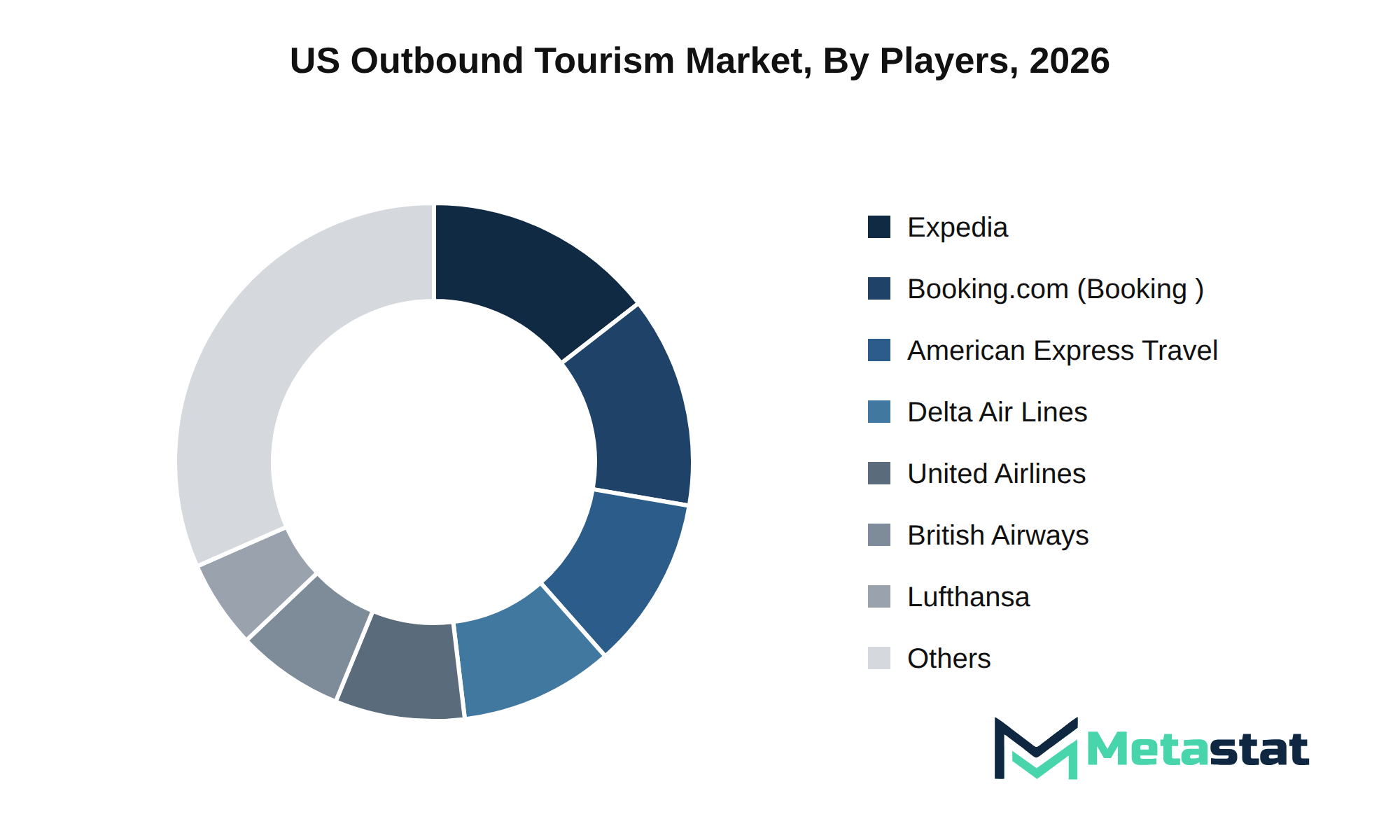
The US Outbound Tourism market features a diverse group of players engaged in strategic behaviors aimed at enhancing market positioning and capturing consumer demand. Key competitors including Expedia Group, Inc., Booking.com, and American Express Travel prioritize innovation in booking technologies and customer service enhancements to secure loyalty and retain market share. These companies leverage extensive networks to create competitive advantages through differentiated product offerings and tailored travel packages.
Major airlines including Delta Air Lines, Inc., United Airlines, and Emirates focus on establishing efficient travel experiences through alliances and partnerships with hotels and travel agencies. Their strategies involve integrating value-added services and improving operational efficiencies, which contribute to a more compelling value proposition for travelers. Competitive pricing models and loyalty programs strengthen customer retention in the market.
New entrants face barriers to entry within the US Outbound Tourism market, primarily due to established brand equity and customer loyalty dynamics prevalent among incumbents. Existing players benefit from extensive supply chain networks and procurement leverage that enhance their market positions. Overall, the competitive outlook remains robust, driven by ongoing strategic growth vectors and a continual focus on enhancing consumer experiences.
Market size is forecast to rise from USD 160.4 billion in 2025 to over USD 552 billion by 2033. The base case reflects this growth trajectory, with a compound annual growth rate (CAGR) of 16.7%. In a strong economic scenario, the US Outbound Tourism market could experience accelerated growth driven by factors including increased disposable income, evolving consumer preferences toward international travel, and enhanced connectivity. These elements contribute to a travel industry that stimulates demand across various segments.
Conversely, in a conservative scenario, potential economic downturns and geopolitical tensions could constrain growth, impacting consumer spending and travel behavior. Adjustments in regulations and compliance requirements could introduce additional complexities for stakeholders, affecting operational dynamics within the market. Monitoring these factors will provide insights into downstream demand changes, core industry maturation, and structural consumption shifts influencing the market's future.
Strategic capital allocation and infrastructure commitments emerge driven by critical components shaping the US Outbound Tourism market. Investments in technology integration and enhancements in the travel experience will drive new growth opportunities. Addressing emerging white-space opportunities and unmet enterprise needs will contribute to the market's expansion, enabling stakeholders to navigate evolving trade corridors and regional supply chain shifts effectively.
The report strategically identifies and profiles the key market players and analyses their core competencies in each sub-segment of the Outbound Tourism market.
Report Attributes | Details |
Study Period | 2021-2033 |
Base Year | 2025 |
Estimated Year | 2026 |
Forecast Period | 2026-2033 |
Historical Period | 2021-2025 |
Growth Rate | CAGR 16.7% from 2026 to 2033 |
Revenue Unit | USD billion |
Segmentation | By Travel Purpose, Booking Channel, Travel Party Composition, Travel Duration, and Region |
Find answers to common questions about this report
The Outbound Tourism market size in the United States was valued at USD 160.4 billion in 2025.
The Outbound Tourism market is projected to grow at a CAGR of 16.7% during the forecast period from 2026 to 2033.
Leisure and Vacation leads the US Outbound Tourism market, with a projected value of USD 320.1 billion by 2033, representing the largest share of travel purpose segments. This segment accounts for 60.8 percent of the market.
Key drivers for the US Outbound Tourism market include rapid economic growth, rising disposable incomes, and increased consumer confidence. The digital transformation enhances travel planning through improved online platforms and mobile applications, while technological advancements optimize operational efficiency and customer experience, positioning the market for sustained growth.
Regulatory complexities and compliance hurdles restrain US Outbound Tourism market growth by increasing operational costs and delaying market entry. Macroeconomic headwinds, including inflationary pressures and rising prices, limit consumer spending power, reducing travel frequency and overall market demand. Geopolitical instability further deters potential travelers, impacting confidence and travel decisions.
Increasing disposable incomes and improvements in living standards drive consumer interest in travel experiences abroad. The digital transformation enhances travel planning efficiency, while investments in technology optimize customer experiences, further encouraging adoption in the US Outbound Tourism market.
The Outbound Tourism market is estimated to reach a valuation of USD 552 billion by 2033.
Key players in the US Outbound Tourism market include Expedia Group, Inc., Booking.com (Booking Holdings Inc.), American Express Travel, Delta Air Lines, Inc., United Airlines, and British Airways.
Leisure and vacation travel is projected to reach USD 320.1 billion by 2033, reflecting a compound annual growth rate (CAGR) of 16 percent from 2026.
Online travel agencies exhibit the highest growth, with a forecasted value of USD 149 billion by 2033 and a CAGR of 17.7 percent.
The analysts below cover Consumer Goods research at Metastat Insights.
LEAD ANALYST
Utkarsh Khirodkar is a Lead Market Research Analyst at MetaStat Insight, specializing in market intelligence, technology sector assessments, and competitive strategy.
Our group needed clearer visibility into out-of-autoclave processing timelines for high-temperature thermoplastic composites. MetaStat Insight delivered an objective assessment that contrasted automated fiber placement scrap rates with traditional thermoset prepreg layup cycles. The supplier landscape mapped out primary resin suppliers and tape slitting capacity across France, Germany, and Japan with solid technical accuracy. Their analyst handled our questions on precursor supply risks during an unscheduled inquiry call, providing clear, unembellished context.
Evaluating sensor fusion reliability across harsh operating environments can be tricky without field-validated data. The study on agricultural autonomous guidance systems clearly separated stereo vision setups from automotive-grade solid-state LiDAR. We appreciated the regional infrastructure analysis, specifically around RTK network density across North America and South America. During our follow-up consultation, the MetaStat Insight team walked through tier-two perception software partnerships, giving our engineering leads a practical basis for vendor shortlisting.
Analyzing the transition from natural gas to green hydrogen in iron ore reduction requires realistic infrastructure timelines. Meta stat insight supplied a detailed regional assessment of DRI plant conversion costs and scrap metal availability in North America and Western Europe. Their report carefully examined pellet quality specs and electrical grid access constraints without making oversimplified market assumptions. The research material served as a practical reference during internal technology roadmap discussions.
Explore related market intelligence reports worth reading alongside this one.