
LEAD ANALYST
Utkarsh Khirodkar is a Lead Market Research Analyst at MetaStat Insight, specializing in market intelligence, technology sector assessments, and competitive strategy.

West Africa Flexible Plastic Packaging Market Size, Share, By Packaging Format (Shrink Sleeve Labels, Flexible Films and Rollstock, Pouches and Sachets, Bags and Liners, Stretch Wrap Films, Shrink Bundling and Collation Films, Wrappers), By Substrate Material (PVC, PETG, LDPE/LLDPE, HDPE, BOPP, CPP, BOPET/PET, Polyamide (PA/Nylon)), By End-Use Industry (Food, Beverages, Home and Personal Care, Pharmaceuticals and Healthcare, Industrial and Chemicals, Agriculture, Retail and E-commerce, Building Materials and Construction), By Region (Nigeria, Niger, Chad, Cameroon, Ivory Coast), Industry Analysis, Growth, Trends, and Forecast, 2026-2033
Report ID
MSI-5189
Published
September, 2026
Pages
310 Pages
Format
Historical
Base year
Forecast
Forecast period
Report Details
Choose Your License
West Africa Flexible Plastic Packaging Market
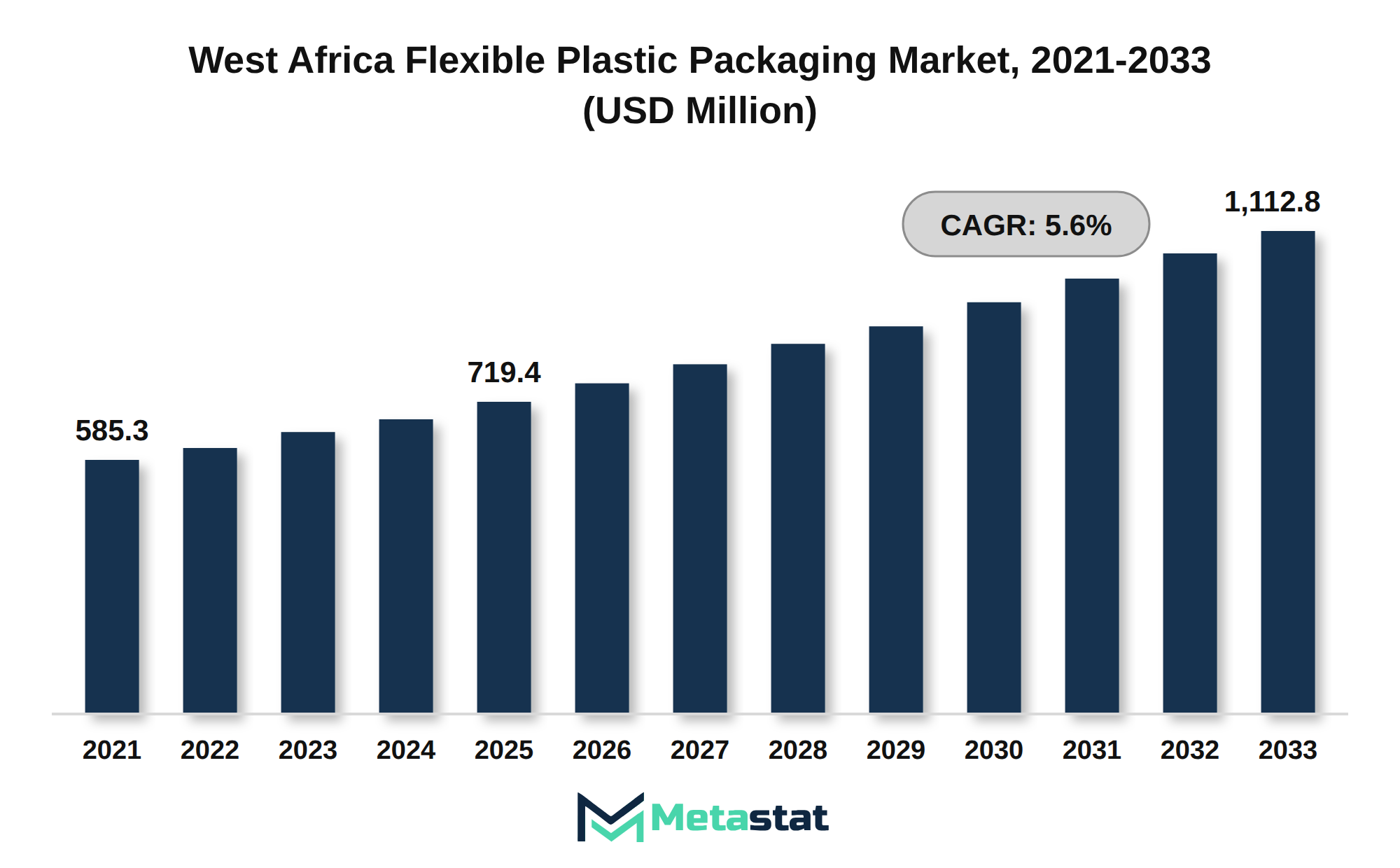
The West Africa Flexible Plastic Packaging market was valued at USD 719.4 million in 2025 and is projected to reach USD 1,112.8 million by 2033, growing at a CAGR of 5.6% over the forecast period.
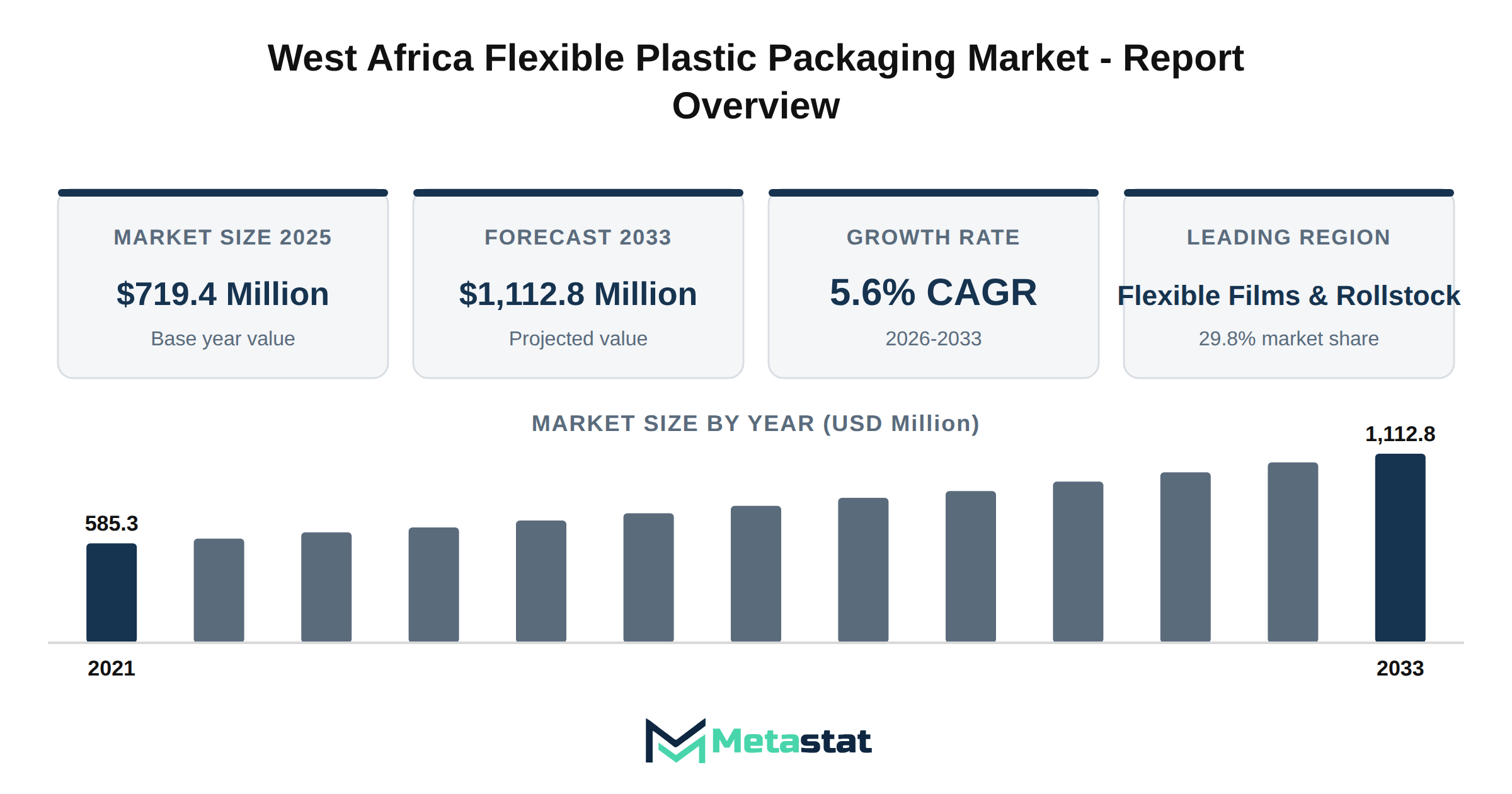
The West Africa Flexible Plastic Packaging market exhibits significant growth potential, with a base value of USD 719.4 million in 2025 and a projected value of USD 1,112.8 million by 2033, reflecting a compound annual growth rate (CAGR) of 5.6%. Historical data indicates steady growth, with values increasing from USD 585.3 million in 2021 to USD 678.9 million in 2024. The anticipated growth stems from rising demand across various sectors, particularly in food and beverage packaging.
Trends in the market highlight the increasing adoption of PVC and PETG materials for shrink-sleeve applications, with PETG expected to demonstrate a robust CAGR of 10.4% through 2033. This shift indicates a growing preference for materials that offer enhanced clarity and barrier properties, crucial for preserving product quality in competitive retail environments. The relationship between these substrate materials reflects ongoing innovation and shifts in consumer preferences.
The demand for LDPE in bulk-packaging applications shows a strong upward trajectory, driven by the need for efficient and sustainable solutions in supply chains. This trend aligns with broader industry movements towards sustainability and cost efficiency, impacting procurement strategies across various sectors.
Nigeria, the primary market within the region, demonstrates a significant packaging capacity, with a projected increase from USD 461.4 million in 2026 to USD 656.6 million in 2033. This growth positions Nigeria because a key player in the West Africa Flexible Plastic Packaging market, influencing regional dynamics and investment strategies.
Benchmarking plant utilization and margins reveals critical insights into operational efficiencies and profitability within the sector. Companies operating in this market segment face varying levels of margin pressure, stemming from fluctuating material costs and competitive pricing strategies. Understanding these dynamics will aid stakeholders in developing robust strategies to enhance operational effectiveness.
Market fragmentation remains a notable characteristic, with numerous players contributing to a competitive landscape. The presence of both local and international companies encourages innovation and diversification of product offerings, thereby enhancing customer choices within the West Africa Flexible Plastic Packaging market.
The trends in PVC versus PETG shrink-sleeve applications indicate a growing preference for PETG due to its superior clarity and barrier properties. This shift reflects the evolving demands of the food and beverage sectors, driving innovation in packaging formats that enhance product visibility and shelf life. The market anticipates continued growth in PETG utilization, which aligns with sustainability initiatives aimed at reducing plastic waste.
In the bulk-packaging segment, LDPE demonstrates robust demand dynamics, particularly for applications in the food industry. The material's flexibility and cost-effectiveness position it favorably in the competitive landscape. This growing preference for LDPE aligns with trends in consumer packaging solutions that prioritize convenience and functionality.
Nigeria's packaging capacity benchmarking reveals significant potential for expansion, supported by the country's expanding population and increasing consumer spending. Investments in local manufacturing facilities enhance supply chain efficiency, positioning the country because a key player in the regional market. This growth trajectory contributes to the overall development of the West Africa Flexible Plastic Packaging market.
Benchmarking plant utilization and profit margins highlights operational efficiencies across various players in the market. Facilities that employ advanced manufacturing technologies achieve higher throughput and reduced operational costs, contributing to improved profitability. This operational excellence plays a critical role in maintaining competitive advantages within the sector.
Recent M&A activity in the flexible packaging space highlights strategic consolidation efforts among key players. These transactions target synergies that enhance product portfolios and expand market reach. While the market evolves, this trend is likely to drive innovation and competitive dynamics.
Private equity investment activity remains strong in the flexible packaging sector, with investors recognizing the growth potential in the West Africa Flexible Plastic Packaging market. This influx of capital supports innovation initiatives and capacity expansion, positioning companies for long-term success in a rapidly changing industry environment.
Valuation multiples for packaging companies indicate a favorable investment climate, driven by consistent demand and market expansion. Investors exhibit heightened interest in firms that demonstrate strong growth prospects and operational efficiencies, contributing to competitive valuations within the sector.
Selected market benchmarking highlights the importance of regulatory compliance and geopolitical risk frameworks in shaping operational strategies. Companies that navigate these complexities effectively position themselves for sustained growth in the West Africa Flexible Plastic Packaging market, adapting to evolving market conditions and consumer expectations.
Disruption in supply chains, driven by geopolitical factors and economic fluctuations, has prompted companies to reevaluate sourcing strategies. This reassessment enhances resilience in logistics architecture, enabling firms to mitigate risks and ensure continuity in production and distribution.
Market fragmentation presents both challenges and opportunities for companies operating in the flexible packaging space. This competitive landscape encourages innovation and differentiation, allowing firms to capture niche markets and drive growth through targeted product offerings.
Capital allocation strategies increasingly emphasize investments in infrastructure, technology, and sustainability initiatives. Companies that prioritize these areas enhance their competitive positioning and meet the evolving demands of consumers and regulatory bodies.
Inflationary pressures and currency volatility impact operational costs, influencing pricing strategies across the market. Companies that adopt proactive measures to manage these economic factors maintain profitability and competitiveness in a challenging environment.
The strategic outlook for the West Africa Flexible Plastic Packaging market highlights the importance of innovation, sustainability, and operational efficiency. Companies that align their strategies with these imperatives are well-positioned to capitalize on emerging trends and drive growth in the years ahead.
The growing capital investment environment significantly influences the West Africa Flexible Plastic Packaging market. Increased funding opportunities, particularly in venture capital and public-private partnerships, enhance innovation within the packaging sector. These investments support advancements in automation and digitization, allowing companies to streamline manufacturing processes and improve operational efficiency. While technology adoption accelerates, manufacturers achieve greater flexibility and responsiveness to market demands.
Investment in sustainable packaging solutions becomes crucial due to consumers demanding higher environmental standards. Companies focusing on eco-friendly materials and processes gain a competitive advantage, attracting customers who prioritize sustainability. This shift towards innovative and sustainable practices not only meets consumer expectations but contributes to long-term growth and profitability within the market.
Enhanced capital investment encourages collaboration among industry players, leading to the development of new products and services. The combined efforts of stakeholders facilitate the introduction of advanced packaging formats, which cater to diverse consumer preferences across various sectors, including food and beverages. Consequently, the West Africa Flexible Plastic Packaging market is poised for growth driven by capital investment and innovation.
Shifting consumer preferences in the West Africa Flexible Plastic Packaging market prompt a significant push towards sustainability. Increased awareness regarding environmental issues influences consumers to favor products with eco-friendly packaging solutions. This shift creates a demand for flexible plastic packaging that minimizes environmental impact, aligning with the growing emphasis on sustainable practices. Consumers express a preference for products that reflect their values, which includes a commitment to reducing waste and adopting materials that support the circular economy.
The evolving demographic patterns, characterized by urbanization and a younger population, contribute to changing buying behaviors. Millennials and Generation Z prioritize products that demonstrate corporate social responsibility, including sustainability initiatives. This generational focus encourages brands to innovate and invest in packaging solutions that are environmentally friendly. Brands responding to these demands enhance their market position and build customer loyalty, which further drives growth in the market.
The integration of technology within packaging processes enhances operational efficiency while reducing waste. Innovations including digital printing and automation facilitate the production of sustainable packaging solutions that meet consumer demands. The ability to produce tailored, eco-friendly packaging satisfies consumers and positions companies within the market, driven by leaders in sustainable practices. Overall, the convergence of consumer behavior, technological advancement, and sustainability initiatives shapes the growth trajectory of the West Africa Flexible Plastic Packaging market.
The West Africa Flexible Plastic Packaging market faces significant challenges due to regulatory compliance requirements. Various legal mandates impose stringent standards on packaging materials and waste management, leading to increased operational costs for producers. Compliance hurdles arise from the meet both environmental standards and consumer safety regulations, creating delays in product launches and market entry.
Macroeconomic headwinds, including inflationary pressures and capital stagnation, further exacerbate these challenges. Rising material costs and supply chain disruptions create an environment where manufacturers struggle to maintain profitability. These factors limit the capacity for innovation and expansion, leading to reduced market competitiveness.
The need for skilled labor in the manufacturing sector complicates compliance efforts. A shortage of talent contributes to operational inefficiencies, impacting production rates and product quality. Such deficiencies hinder firms' ability to adapt to changing regulations effectively. Market fragmentation caused by differing regional regulations creates barriers for companies operating across multiple jurisdictions, complicating compliance and increasing costs.
Overall, these regulatory compliance challenges and associated costs directly impact the growth trajectory of the West Africa Flexible Plastic Packaging market, limiting investment and innovation opportunities while complicating the operational landscape for key players.
The West Africa Flexible Plastic Packaging market encounters significant challenges stemming from geopolitical tensions that destabilize supply chains. These tensions contribute to trade deficits and tariff friction, complicating the procurement of essential materials. The resulting volatility in feedstock and component availability increases costs for manufacturers, adversely affecting profitability. Such dynamics necessitate adjustments in pricing strategies, leading to margin pressures across the industry.
Logistical disruptions arising from geopolitical conflicts heighten uncertainties in product delivery timelines. This instability complicates inventory management for companies operating within the market. Companies face additional operational challenges due to fluctuating regulatory standards and evolving legal liabilities, which increase compliance overhead and require ongoing investments in risk management. Consequently, these factors collectively limit the growth potential of the West Africa Flexible Plastic Packaging market.
The West Africa Flexible Plastic Packaging market is positioned for growth due to emerging technological advancements. Increased investments in automation and digital transformation enhance operational efficiencies among manufacturers. These advancements facilitate improved production capabilities, directly addressing the rising demand for flexible packaging solutions across various industries.
Infrastructure modernization strengthens regional capacities, allowing manufacturers to better cater to the needs of diverse end-use sectors, including food, beverages, and pharmaceuticals. Increased adoption of sustainable practices creates a significant opportunity for eco-friendly packaging solutions, reflecting changing consumer preferences centered on sustainability.
Growing interest in niche applications, including specialized packaging formats for pharmaceuticals and high-value consumer goods, drives innovation within the market. Companies focus on product integration and diversification to capture emerging demands while optimizing their value chains. This strategic alignment supports the market's long-term growth trajectory.
Evolving buying behaviors and digital procurement shifts reshape purchasing processes, enabling more efficient interactions between suppliers and customers. These changes create a competitive environment, encouraging suppliers within the West Africa Flexible Plastic Packaging market to enhance their offerings and address new consumer needs.
The West Africa Flexible Plastic Packaging market is segmented based on Packaging Format, Substrate Material, End-Use Industry, and Region.
Shrink Sleeve Labels segment is valued at USD 63.3 million in 2026 and is projected to reach USD 100.2 million by 2033, at a CAGR of 6.8% during the forecast period. The rising demand for visually appealing packaging in the food and beverage sectors drives investment in this segment. Brands increasingly prioritize packaging that enhances product visibility and brand recognition, fueling growth in shrink sleeve applications. Technological advancements in printing and labeling techniques contribute to improved production efficiency, allowing manufacturers to meet diverse customer needs and preferences. The regulatory environment surrounding packaging and labeling compliance further influences this segment by encouraging investments in sustainable and recyclable materials, appealing to environmentally conscious consumers. While end-use industries, particularly food and beverages, adopt innovative packaging solutions, the West Africa Flexible Plastic Packaging market experiences significant expansion opportunities, positioning shrink sleeve labels because a critical component of the overall market growth strategy.
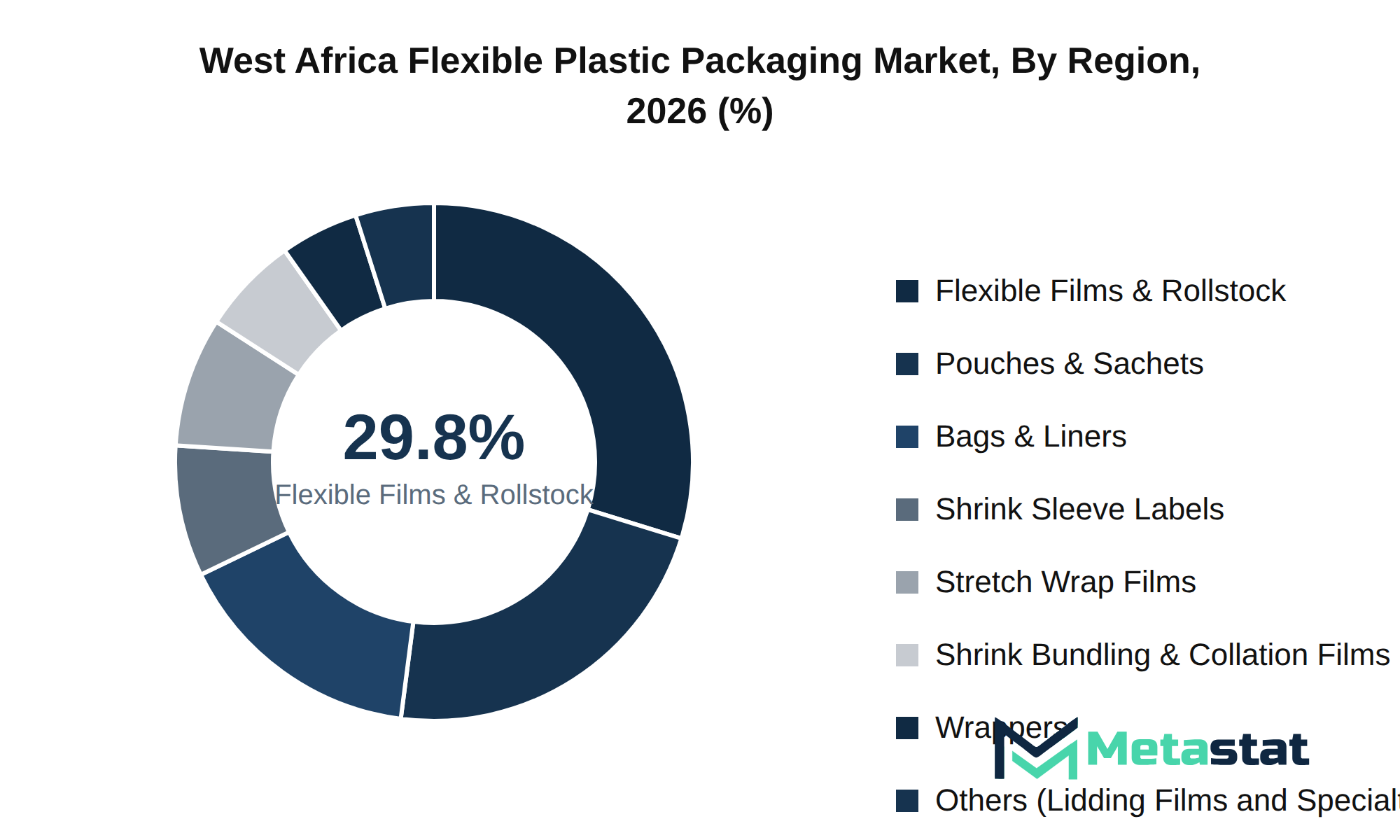
Flexible Films & Rollstock segment is estimated to reach USD 311.6 million by 2033, at a CAGR of 4.8% during the forecast period. This segment experiences growth driven by increasing demand for lightweight and versatile packaging solutions across various end-use industries, particularly in food and beverages. The shift toward convenience and sustainability influences producers to adopt flexible films that offer better performance and waste reduction.
Technological advancements contribute significantly to the evolution of this segment, enabling the introduction of next-generation materials that enhance barrier properties and durability. These innovations attract investments and increase competition within the West Africa Flexible Plastic Packaging market. The growing trend of e-commerce and retail expansion further drives the need for efficient and cost-effective packaging solutions, thereby supporting segment growth.
Market dynamics reflect a strong emphasis on compliance with regulatory standards and certifications that ensure product safety and environmental responsibility. These factors create a favorable environment for manufacturers to innovate while addressing consumer preferences for eco-friendly options. Consequently, the segment is projected to thrive with rising demand and evolving market conditions.
Pouches and sachets represent a significant segment within the West Africa Flexible Plastic Packaging market, projected to reach USD 278.2 million by 2033. This growth derives from increasing demand in the food and beverage industries, driven by a shift toward convenient and portable packaging solutions. Consumers increasingly favor single-serving sizes and on-the-go options, pushing manufacturers to innovate in pouch designs and functionalities.
Technological maturation plays a critical role in the evolution of pouches and sachets. Advances in printing technology and material science enhance barrier properties, ensuring product freshness and safety. Manufacturers invest in next-generation upgrades, enabling the production of sustainable and recyclable pouches that meet rising consumer expectations for environmentally friendly packaging.
Regulatory compliance standards influence product development. Stricter regulations on food safety and packaging waste compel manufacturers to adopt certifications that guarantee product reliability and sustainability. Cost structures remain a consideration, with fluctuations in raw material prices impacting production expenses. However, leveraging local materials mitigates margin pressures, ensuring competitive pricing.
End-use dynamics further highlight the significance of the pouches and sachets segment. The rise in e-commerce and retail demand for flexible packaging supports market growth. Disruptive alternatives, including rigid packaging, present challenges, but the unique advantages of flexible formats maintain their market relevance. Strategic opportunities arise for companies to expand product lines and enhance supply chain resilience, positioning themselves favorably within the West Africa Flexible Plastic Packaging market.
Growth in the Bags & Liners segment reflects increasing demand for versatile packaging solutions across various industries, including food, beverages, and personal care. This segment is projected to grow at a CAGR of 4% during the forecast period. The expansion of urban populations and changing consumer preferences towards convenience and sustainability drive this demand. Retailers and manufacturers increasingly adopt flexible packaging formats, recognizing the benefits of bags and liners in enhancing product visibility and shelf life.
Technological advancements contribute significantly to the development of innovative bags and liners that meet the evolving needs of end-users. Manufacturers focus on creating lightweight, durable, and eco-friendly options, aligning with global sustainability trends. Enhanced barrier properties and the ability to customize designs allow products to cater to specific market requirements, further establishing their position within the West Africa Flexible Plastic Packaging market.
Regulatory compliance surrounding packaging standards influences the growth of the segment. Stricter guidelines regarding environmental impact prompt suppliers to invest in sustainable materials and processes. Cost structures impact pricing volatility, affecting margins. Strategic opportunities arise for manufacturers leveraging technology and innovation to differentiate their products in a competitive landscape.
Overall, the Bags & Liners segment demonstrates resilience and adaptability in the West Africa Flexible Plastic Packaging market. With increasing demand driven by changing consumption patterns and regulatory pressures, stakeholders expect continued growth and opportunities for investment in this sector.
Continuous demand for efficient packaging solutions drives interest in stretch wrap films within the West Africa Flexible Plastic Packaging market. The growth stems from the increasing need for protection during storage and transportation in various industries, particularly in the retail and logistics sectors. Enhanced durability and flexibility of stretch wrap films contribute to their popularity, allowing for secure palletizing and reduced product damage.
Technological advancements play a critical role in the evolution of stretch wrap films. Innovations in film production and development of multi-layered films enhance performance characteristics, including puncture resistance and load-holding force. End-use industries, including food and beverages, benefit from improved packaging solutions that extend product shelf life while maintaining visual appeal.
Adoption of stretch wrap films aligns with sustainability efforts, driven by manufacturers exploring eco-friendly materials and processes. Regulatory compliance standards focused on reducing plastic waste influence manufacturers to incorporate recyclable materials in their stretch wrap offerings. This shift toward environmentally responsible products opens new opportunities for market players to differentiate their offerings and meet evolving consumer expectations.
Pricing volatility for raw materials, including polyethylene, impacts overall cost structures for stretch wrap films. Fluctuating resin prices necessitate strategic sourcing and supply chain resilience to maintain competitive margins. Companies investing in efficient production technologies mitigate these pressures, enabling them to offer cost-effective solutions while maintaining quality.
The West Africa Flexible Plastic Packaging market continues to present strategic opportunity windows for stretch wrap films. Demand evolution driven by changing consumer preferences and regulatory frameworks positions this sub-segment for growth in the coming years.
Growth in the Shrink Bundling & Collation Films sub-segment results from increasing demand for efficient packaging solutions in various end-use industries. The rise of e-commerce significantly drives this demand, with packaging solutions that protect products during transit becoming essential. Retailers prioritize cost-effective and visually appealing packaging, which enhances brand visibility and consumer engagement.
Technological advancements in film production techniques support the evolution of shrink bundling and collation films, offering higher quality and better performance. Innovations in materials contribute to enhanced durability and sustainability, aligning with global trends towards environmentally friendly packaging. The market aligns with stringent regulatory compliance standards, creating a competitive landscape that encourages continuous improvement.
End-use dynamics further influence consumption patterns, with food and beverage industries increasingly adopting these films for their efficient packaging solutions. The ability to customize sizes and designs caters to diverse consumer preferences, expanding market opportunities. Raw material sourcing remains a critical factor, driven by fluctuations in material prices that impact production costs and pricing strategies within the market.
Strategic opportunity windows arise from the increasing need for sustainable packaging solutions, prompting manufacturers to explore eco-friendly alternatives. The West Africa Flexible Plastic Packaging market reflects a growing trend toward innovation and adaptation, positioning stakeholders to capture emerging opportunities effectively and meet evolving consumer demands.
Growing demand for sustainable packaging solutions drives interest in wrappers within the West Africa Flexible Plastic Packaging market. Increasing environmental awareness among consumers influences manufacturers to adopt eco-friendly materials, expanding product offerings. The food and beverage industries represent significant end-users of wrappers, using them for their lightweight, flexible nature that maintains product freshness and extends shelf life.
Technological advancements facilitate the evolution of wrapper designs. Innovations in materials, including biodegradable and compostable options, align with shifting consumer preferences for sustainable alternatives. Regulatory compliance regarding environmental impact supports the shift toward environmentally friendly wrapper solutions, enhancing market appeal and encouraging investment in research and development.
Adoption of wrappers is influenced by trends in e-commerce and retail, where packaging plays a critical role in product presentation and consumer experience. Customized designs and branding opportunities offered by wrappers enhance product visibility on shelves, driving demand in the market. Strategic opportunity windows arise due to businesses seeking to differentiate their products through innovative packaging solutions.
Pricing volatility in raw materials impacts profit margins for manufacturers of wrappers. Close attention to supply chain resilience and raw material sourcing becomes essential for maintaining cost-effectiveness while navigating market challenges. The West Africa Flexible Plastic Packaging market will see continued evolution in the wrappers segment, driven by these dynamics and opportunities in the coming years.
Increasing emphasis on sustainable and convenient packaging solutions drives growth in the Others (Lidding Films and Specialty Flexible Formats) sub-segment within the West Africa Flexible Plastic Packaging market. Consumers show a preference for products that not only offer functionality but align with environmental standards. This trend encourages innovation, driven by manufacturers exploring new materials and technologies that enhance product performance while minimizing ecological impact.
Regulatory compliance influences the shaping of this sub-segment. Emerging policies promote the use of recyclable and biodegradable materials, pushing manufacturers to adapt their offerings accordingly. This shift aligns with the evolving expectations of consumers and retailers looking for sustainable packaging options, thereby enhancing market competitiveness.
Technological advancements contribute significantly to the growth of specialty flexible formats. Innovations in printing technology and material science enable manufacturers to create high-quality, visually appealing packaging solutions that capture consumer attention. Investment in research and development strengthens the sub-segment's position by encouraging continuous improvement and adaptation to market demands.
Investment in capabilities that support customization and flexibility offers strategic opportunities for businesses operating within this market. Tailoring packaging solutions to meet specific product requirements enhances customer satisfaction and drives adoption across various industries, including food, beverages, and personal care.
Overall, the Others (Lidding Films and Specialty Flexible Formats) sub-segment reflects a dynamic intersection of consumer preferences, regulatory influences, and technological innovations, positioning it for sustained growth within the broader West Africa Flexible Plastic Packaging market.
Growth in the PVC segment reflects increasing demand for cost-effective and versatile packaging solutions within the West Africa Flexible Plastic Packaging market. Valued at USD 66.1 million in 2026, this segment is projected to reach USD 79.2 million by 2033, at a CAGR of 2.6% during the forecast period. The use of PVC in packaging applications results from its favorable properties, including durability and resistance to moisture, which are crucial for preserving product integrity.
Adoption of PVC in various end-use industries, particularly food and beverages, drives segment growth. Regulatory compliance related to food safety standards shapes the demand landscape for PVC products. Innovations in formulation and processing techniques enhance the performance characteristics of PVC, reinforcing its role in the market.
Strategic opportunity windows arise from the rising trend of sustainability and recyclability within the packaging industry. Manufacturers explore ways to improve the environmental footprint of PVC-based products, influencing capital investment decisions. Supply chain resilience for PVC relies on consistent sourcing of raw materials, particularly given pricing volatility seen in the broader resin markets.
The West Africa Flexible Plastic Packaging market presents a strong future for PVC, driven by evolving consumer preferences and technological advancements that offer enhanced functionality. Overall, the PVC segment remains a critical area within the market, catering to diverse needs of various industries while adapting to changing regulatory and consumer landscapes.
Significant growth within the PETG sub-segment is anticipated, driven by its application in various packaging formats favored by end-users. This material's unique combination of clarity, strength, and barrier properties supports its adoption in sectors including food and beverages, where packaging integrity is crucial. The market's emphasis on sustainability further enhances the appeal of PETG, reflecting increasing environmental concerns and regulatory pressures for recyclable materials.
Demand for PETG is expected to rise, leading the segment to an estimated value of USD 66.8 million by 2033, at a CAGR of 10.4% during the forecast period. Investments in technology and innovations in processing capabilities enhance the material's market position, promoting its use in diverse applications. The market for PETG is characterized by its adaptability, allowing manufacturers to meet the evolving needs of consumers and regulatory standards.
Strong demand for LDPE/LLDPE in the West Africa Flexible Plastic Packaging market stems from its versatility and cost-effectiveness in packaging applications. This material addresses the needs of various end-use industries, particularly food and beverages, by providing excellent barrier properties and flexibility. The anticipated growth in this sub-segment aligns with the broader market, with projections indicating that the LDPE/LLDPE segment is projected to reach USD 322.7 million by 2033.
Adoption of LDPE/LLDPE benefits from advancements in manufacturing techniques and increasing investments in production capacity. Enhanced production processes lead to improved quality and performance, further driving market adoption. The push for sustainable packaging solutions influences manufacturers to explore innovative uses of LDPE/LLDPE, enhancing its appeal in competitive markets.
End-use dynamics show a consistent shift toward flexible packaging solutions, which provide convenience and efficiency. The rise in e-commerce and changing consumer preferences towards ready-to-use products contribute to the growing demand for LDPE/LLDPE packaging. Consequently, the market experiences a significant transformation driven by businesses adapting to these evolving consumption trends.
Regulatory compliance surrounding packaging sustainability and safety standards influences the LDPE/LLDPE segment. Manufacturers focus on meeting these standards while exploring eco-friendly alternatives, enhancing the overall market outlook. The strategic opportunity windows created by these developments offer potential for increased investments in the LDPE/LLDPE sub-segment, positioning it favorably in the West Africa Flexible Plastic Packaging market.
Growing adoption of HDPE in the West Africa Flexible Plastic Packaging market stems from its versatility and strength, making it suitable for various applications across industries. The segment is projected to grow at a CAGR of 4% during the forecast period. Increased focus on sustainable practices influences demand, with manufacturers seeking eco-friendly alternatives that maintain performance standards. Applications in food and beverage packaging drive significant consumption, driven by HDPE's excellent barrier properties against moisture and chemicals.
Regulatory compliance regarding packaging materials fuels interest in HDPE, prompting producers to adopt environmentally friendly practices that align with industry standards. Cost-effectiveness remains a key factor, because HDPE provides a balance between quality and price, ensuring competitiveness in the market. The segment benefits from strategic investments in production technology, enhancing efficiency and lowering production costs, which positively impacts profit margins.
Technological advancements lead to next-generation HDPE products that improve functionality and sustainability. The increased focus on recycling initiatives promotes circular economy practices, further boosting the segment's growth potential. Overall, HDPE's resilience and adaptability position it favorably within the West Africa Flexible Plastic Packaging market, supporting ongoing expansion and innovation.
Demand for BOPP in the West Africa Flexible Plastic Packaging market reflects a growing preference for lightweight and cost-effective packaging solutions. Adoption occurs across multiple sectors, driven by BOPP's superior barrier properties and versatility. The food and beverage industries show heightened interest in BOPP due to its ability to maintain product freshness and enhance shelf appeal.
Segment expansion accelerates with technological maturation and product evolution, leading to the introduction of next-generation BOPP films that offer improved performance characteristics. Downstream applications in various end-use segments emphasize the material's adaptability, aiding in consumption shifts towards more sustainable packaging options. This evolution enhances the overall demand for BOPP films.
Regulatory compliance standards significantly influence BOPP market dynamics. Manufacturers continuously align with environmental regulations while optimizing cost structures. Pricing volatility poses challenges, impacting margins and requiring strategic responses from stakeholders in the supply chain.
Supply chain resilience remains crucial owing to raw material sourcing disruptions. Substitution risks from alternative materials present competitive pressures, while technological obsolescence pushes manufacturers to innovate. Strategic opportunity windows emerge for firms willing to invest in advanced BOPP solutions, enhancing their market position in the evolving market.
Growing interest in the CPP sub-segment within the West Africa Flexible Plastic Packaging market stems from its lightweight properties and versatility, which align with the needs of various industries. Demand for CPP arises primarily from the food and beverage sectors, where protective packaging is essential for preserving product quality and extending shelf life.
Technological advancements drive significant developments in CPP, allowing manufacturers to create films that offer enhanced barrier properties and improved moisture retention. These innovations contribute to product evolution, meeting the increasingly sophisticated requirements of end-users.
Downstream applications highlight the flexibility of CPP in packaging solutions, particularly in food packaging, which prioritizes convenience and sustainability. The growing emphasis on recyclable materials influences consumption shifts, aligning with consumer preferences for environmentally friendly options.
Regulatory compliance standards shape the landscape of the CPP segment, compelling producers to adapt to stringent requirements regarding safety and environmental impact. This creates opportunities for companies that invest in sustainable practices and materials.
The CPP sub-segment within the West Africa Flexible Plastic Packaging market benefits from strong demand drivers and ongoing technological maturation, resulting in a dynamic market environment and promising growth potential.
Interest in BOPET/PET substrates within the West Africa Flexible Plastic Packaging market reflects rising demand for versatile and lightweight packaging options. This segment benefits from technological advancements that enhance material properties, resulting in stronger, more durable products suitable for various applications. Adoption of BOPET/PET substrates aligns with trends in the food and beverage industries, where packaging requirements emphasize barrier properties and longevity.
End-use industries prioritize sustainability, contributing to increased investments in BOPET/PET technologies. These materials support compliance with regulatory standards focused on environmental impact, driving demand across multiple sectors. The shift toward eco-friendly materials influences consumption patterns, pushing manufacturers to explore innovative solutions that balance performance and sustainability.
Challenges in raw material sourcing and pricing volatility impact the overall cost structures associated with BOPET/PET. Market participants navigate these pressures while seeking opportunities for strategic partnerships to enhance supply chain resilience. Evolving consumer preferences further emphasize the need for continuous product evolution to meet market expectations.
Strategic opportunity windows exist for companies willing to invest in next-generation upgrades and disruptive alternatives that leverage the properties of BOPET/PET. Focus on technological maturation will play a significant role in enhancing product offerings and influencing competitive positioning within the market.
In the West Africa Flexible Plastic Packaging market, the adoption of Polyamide (PA/Nylon) substrates aligns with rising demand for enhanced performance characteristics in packaging. These materials offer superior mechanical strength and thermal resistance, attracting attention from multiple end-use industries, particularly in food and pharmaceuticals.
Technological advancements in the production of Polyamide substrates contribute to increasing penetration in various applications. These innovations enable manufacturers to enhance product quality while reducing environmental impact, creating strategic opportunities for businesses focused on sustainable practices.
Changing consumer preferences toward more durable and efficient packaging solutions drive the adoption of Polyamide materials. Increased focus on extending product shelf life within the food sector necessitates packaging that meets stringent regulatory compliance standards, influencing market dynamics.
Cost structures relevant to Polyamide substrates reflect fluctuations in raw material prices, impacting overall profitability for suppliers. Firms engaged in this segment navigate these challenges while maintaining competitive pricing, influencing investment decisions and market positioning.
Overall, the expanding application of Polyamide (PA/Nylon) in the West Africa Flexible Plastic Packaging market signifies a shift toward advanced materials that meet evolving consumer demands and industry standards. This trend highlights the importance of innovation and effective supply chain strategies in achieving sustained growth.
Interest in innovative materials drives the development of the Others (EVOH, Bio-Based and Specialty Barrier Polymers) sub-segment within the West Africa Flexible Plastic Packaging market. This segment benefits from its ability to meet regulatory compliance standards, particularly in regions focused on reducing environmental impacts. The increasing shift toward sustainable packaging options influences product evolution, creating demand for advanced barrier solutions that enhance product preservation and extend shelf life.
Technological maturation facilitates the introduction of next-generation barrier materials, enabling manufacturers to offer enhanced functionality without compromising sustainability. Evolving preferences of end-users toward eco-friendly packaging solutions influence consumption shifts, impacting downstream applications across various industries, including food and beverages. Suppliers prioritizing certifications and aligning with environmental policies maintain a competitive edge in this segment, enhancing their appeal to environmentally conscious consumers.
Pricing volatility remains a concern, with fluctuations in raw material costs impacting margins. Manufacturers focus on securing a resilient supply chain to mitigate risks associated with logistics vulnerabilities. Strategic opportunities arise for companies willing to invest in the development of disruptive alternatives, positioning themselves favorably within the competitive environment of the market.
Valued at USD 256.7 million in 2026, the Food segment is projected to reach USD 358.3 million by 2033, reflecting a CAGR of 4.9% during the forecast period. Increasing consumer preference for convenient, ready-to-eat meals significantly influences this growth. The rising trend toward healthy eating and sustainability drives demand for innovative packaging solutions that maintain product freshness and extend shelf life. Developments in biodegradable and recyclable materials strengthen market potential, aligning with global shifts in regulatory compliance and consumer awareness regarding environmental impact.
Food and beverage industries actively pursue flexible plastic packaging solutions that enhance product visibility and appeal. Packaging solutions integrating advanced technology, including smart packaging, contribute to improved freshness and safety, catering to health-conscious consumers. Growth in the West Africa Flexible Plastic Packaging market benefits from manufacturers adopting next-generation upgrades that optimize production processes and reduce costs. Continued investments in R&D by leading players facilitate product evolution, ensuring offerings adapt to changing consumer preferences and market dynamics.
Valued at USD 222.6 million by 2033, the Beverages segment experiences a compound annual growth rate (CAGR) of 6.8% during the forecast period. Primary demand drivers include a rising population and increased urbanization across the region, fueling higher consumption of packaged beverages. Consumers prioritize convenience and on-the-go packaging options, leading to the adoption of flexible plastic packaging solutions. Innovations in packaging technology enhance product functionality and shelf life, driving further segment expansion.
Growing consumer preferences for various beverage options, including soft drinks, juices, and bottled water, contribute to the upward trend in the West Africa Flexible Plastic Packaging market. Regulatory compliance closely influences packaging choices, with manufacturers adapting to sustainability initiatives and environmental standards. This shift generates opportunities for companies to invest in next-generation upgrades and sustainable materials that align with evolving consumer expectations.
Market dynamics reflect increasing competition among packaging suppliers, with companies focused on developing innovative and cost-effective solutions. Strategic opportunity windows arise from the demand for eco-friendly packaging materials, highlighting the importance of raw material sourcing in maintaining supply chain resilience. While the segment evolves, beverage manufacturers seek ways to enhance product appeal while managing cost structures and pricing volatility.
Consumer interest in personal care products continues to rise in West Africa, supporting significant growth within the Home & Personal Care segment. Increasing populations and urbanization drive higher demand for personal care items, stimulating investments in flexible plastic packaging that cater to diverse consumer preferences. Innovations in packaging design enhance user experience, providing opportunities for companies to differentiate their products in a competitive market.
Recent trends reflect a shift toward convenient and efficient packaging solutions, particularly in urban centers. Manufacturers respond to these trends by integrating advanced technologies into their production processes, improving both product quality and sustainability. Regulatory pressures around environmental impact push firms to adopt eco-friendly materials and practices, aligning with changing consumer expectations for sustainability in packaging.
The Home & Personal Care segment represents a critical portion of the overall market, encompassing a wide range of products that require tailored packaging solutions. Companies operating in the sector navigate a complex environment of consumer preferences, regulatory requirements, and cost structures to ensure sustained growth and competitiveness within the West Africa Flexible Plastic Packaging market.
Growing investment in the Pharmaceuticals & Healthcare segment reflects an increasing focus on health and safety standards across West Africa. The segment is projected to grow at a CAGR of 7% during the forecast period. Rising demand for flexible packaging solutions in this sector is driven by the need for effective product preservation, enhanced shelf life, and compliance with stringent regulatory requirements. Innovations in materials and technologies support advancements in packaging designs, enabling manufacturers to meet the evolving demands of healthcare providers and consumers.
The segment's estimated value of USD 256.7 million in 2026 highlights its significance within the West Africa Flexible Plastic Packaging market. Contributing factors include heightened consumer awareness around product quality and safety, alongside a growing preference for convenient and accessible packaging formats. The expansion of pharmaceutical and healthcare sectors within the region creates further opportunities for flexible packaging manufacturers, aligning with market trends favoring sustainability and efficiency.
Investment in the Industrial & Chemicals sub-segment within the West Africa Flexible Plastic Packaging market reflects growth driven by increasing demand for packaging solutions that enhance product safety and shelf life. End-use industries including chemicals and plastics rely on flexible packaging to ensure the integrity of their products during storage and transportation. Regulatory compliance regarding safety standards influences packaging choices, urging manufacturers to adopt high-quality materials that meet stringent guidelines.
The shift toward sustainability drives the exploration of eco-friendly alternatives in the packaging sector, pushing companies to innovate while aligning with environmental standards. Rising competition within the market compels businesses to invest in advanced technologies that enhance production efficiency and reduce costs, creating an environment ripe for innovation. Ongoing research in materials science contributes to the development of next-generation packaging solutions that address evolving consumer preferences.
Strategic opportunities emerge for manufacturers focusing on automation and process optimization, enabling them to offer competitive pricing while maintaining quality standards. The landscape of raw material sourcing continues to evolve, with an emphasis on resilient supply chains that mitigate risks associated with fluctuations in raw material availability. This approach ensures stability in production processes, which is critical for maintaining a competitive advantage in the market.
Increasing awareness of sustainable agricultural practices drives demand for flexible plastic packaging in the agriculture sector. The need for effective and eco-friendly packaging solutions influences the market, leading to a shift towards biodegradable options. Farmers rely on flexible packaging to protect crops and reduce spoilage, contributing to better yields and reduced waste.
Technological advancements support innovation in product design and performance, enhancing packaging efficiency. Enhanced barrier properties and improved durability deliver significant advantages for agricultural products, aligning with consumer expectations for quality and safety. These advancements facilitate the adoption of flexible plastic packaging across various agricultural applications, resulting in improved operational efficiency.
Growing regulatory compliance standards regarding food safety and environmental impact shape market dynamics. Producers face pressure to meet stringent regulations, prompting investment in advanced packaging technologies. Compliance ensures market access and establishes brand credibility, leading to increased consumer trust.
Consumption shifts towards fresh and organic produce drive the need for effective packaging solutions. The agriculture sector increasingly adopts flexible plastic packaging to maintain product freshness and extend shelf life. This trend enhances market potential, aligning with evolving consumer preferences for convenience and quality.
Strategic opportunity windows arise from the increasing focus on sustainable practices within the agriculture sector. Producers invest in research and development to create innovative packaging solutions that reduce environmental impact. This proactive approach positions them favorably within the West Africa Flexible Plastic Packaging market, driving growth and enhancing competitiveness.
Rapid growth in the Retail & E-commerce sub-segment emerges from increasing online shopping trends across West Africa. The transition to digital commerce drives demand for flexible packaging solutions that effectively cater to diverse product offerings in retail environments. E-commerce platforms require packaging that protects items during shipment and enhances brand visibility and consumer appeal.
Technological advancements play a significant role in shaping product evolution within this segment. Innovations in materials and designs facilitate the development of packaging that meets the unique requirements of online retailers. Enhanced durability, lightweight options, and sustainable materials align with consumer preferences for eco-friendly products, further influencing purchasing decisions.
Changing consumer behavior continues to influence packaging dynamics, with a notable shift toward convenience and sustainability. The demand for single-use and easy-to-dispense packaging formats aligns with the nature of online shopping. This trend creates opportunities for manufacturers to develop packaging solutions that cater to evolving consumer expectations in the Retail & E-commerce sector.
The market faces challenges related to cost structures and pricing volatility, impacting profit margins for manufacturers. Increased raw material prices and fluctuations in supply chain dynamics compel companies to adopt strategic measures that optimize production processes while maintaining quality standards. Continuous investment in production capabilities and technology upgrades is essential to remain competitive in the market.
Regulatory compliance standards surrounding packaging materials influence the Retail & E-commerce segment. Adhering to environmental regulations and certifications encourages manufacturers to innovate and provide sustainable packaging options. This compliance pathway meets regulatory requirements and aligns with environmentally conscious consumers, driving adoption within the market.
Overall, the Retail & E-commerce segment within the West Africa Flexible Plastic Packaging market presents significant strategic opportunities for growth amid evolving consumer preferences and technological advancements. The focus on sustainability, product innovation, and regulatory compliance positions stakeholders favorably to capitalize on the expanding digital commerce landscape.
Investment in the Building Materials & Construction sub-segment within the West Africa Flexible Plastic Packaging market reflects a shift towards enhanced packaging solutions that cater to the demands of the industry. Growth in construction activities across the region drives the need for durable and efficient packaging options, ensuring the protection of materials during transit and storage.
Regulatory compliance standards increasingly influence packaging choices, requiring manufacturers to adopt safer and environmentally friendly materials. This trend encourages innovation in product development to meet stringent regulations while maintaining cost-effectiveness. Increased focus on sustainability enhances the competitive landscape, compelling suppliers to invest in advanced technologies and materials that align with eco-friendly initiatives.
Downstream application dynamics indicate an expanding market for flexible packaging solutions in the construction sector. Construction firms prioritize packaging that provides superior barrier properties and structural integrity, particularly for construction supplies and equipment. Shifts in consumption patterns towards lightweight and versatile packaging formats facilitate improved logistics and operational efficiency.
Cost structures within the segment face pressures from fluctuating raw material prices, with suppliers seeking to optimize their sourcing strategies. This context creates strategic opportunity windows for companies that innovate their offerings while ensuring price stability. The competitive environment in the market necessitates continuous adaptation to evolving consumer preferences and technological advancements, driving the evolution of packaging solutions.
Growing trends in textiles and specialty consumer products emphasize the importance of flexible plastic packaging within the West Africa Flexible Plastic Packaging market. The demand for innovative and sustainable packaging solutions aligns with the increasing consumer preference for quality and functionality in these sectors. Manufacturers actively seek advanced materials that enhance product integrity and appeal, driving significant investments in research and development.
The dynamic nature of consumer behavior influences packaging requirements, reflecting shifts towards eco-friendly options. Regulatory compliance emerges because a critical factor, compelling companies to adopt sustainable practices and materials in their production lines. This trend enhances brand reputation and aligns with growing environmental consciousness among consumers.
While new technologies mature, the market sees an influx of next-generation packaging solutions that cater to evolving consumer needs. These advancements facilitate increased customization and improved performance of flexible packaging formats. Companies emphasize the strategic opportunity windows presented by these innovations, creating competitive advantages in a rapidly changing marketplace.
Capital investment in this sub-segment continues to strengthen supply chain resilience. Raw material sourcing strategies adapt to mitigate risks associated with price volatility and supply disruptions. This proactive approach not only stabilizes production costs but enhances the overall sustainability of materials in flexible packaging.
Overall, the Others (Textiles and Specialty Consumer Products) segment contributes to the growth of the West Africa Flexible Plastic Packaging market, aligning with broader consumer trends and technological advancements that shape the industry's future.
Growth in the Nigeria segment of the West Africa Flexible Plastic Packaging market reflects strong demand across various industries. Valued at USD 461.4 million in 2026, this segment is projected to reach USD 656.6 million by 2033, at a CAGR of 5.2% during the forecast period. The food industry acts because a primary demand driver, with increasing consumption of packaged food products contributing significantly to market expansion. The growing population and urbanization trends further enhance demand for convenient and ready-to-eat food items, necessitating more efficient packaging solutions.
Technological maturation plays a critical role in the segment's development. Advancements in flexible packaging technologies enhance product durability and shelf life, addressing consumer preferences for high-quality products. The adoption of next-gen materials, including sustainable options, aligns with global trends towards environmental responsibility, appealing to eco-conscious consumers. This shift not only meets regulatory compliance standards but opens strategic opportunity windows for manufacturers in Nigeria.
Amid rising competition, companies actively seek to innovate and differentiate their offerings. Investment in product evolution, including the introduction of smart packaging solutions, enhances the market's dynamics. Consumer preferences for packaging aesthetics and functionality drive brands to explore disruptive alternatives while maintaining cost structures that accommodate pricing volatility. Margins remain pressured by fluctuations in raw material costs, emphasizing the need for supply chain resilience and effective sourcing strategies.
Overall, the Nigeria segment exemplifies significant potential within the West Africa Flexible Plastic Packaging market. By leveraging technological advancements and responding to regulatory demands, companies positioned in this segment are well-equipped to capitalize on emerging trends and consumer shifts.
Niger's position within the West Africa Flexible Plastic Packaging market highlights significant growth potential, with an estimated value of USD 46.7 million by 2033, at a CAGR of 6.1% during the forecast period. This increase stems from rising demand for packaged goods, driven by urbanization and changing consumer preferences toward convenient packaging solutions.
Consumer behavior shifts toward ready-to-use products in various sectors, particularly food and beverages, drive further expansion. The growing population and increasing disposable income contribute to heightened demand for flexible packaging in Niger, benefiting manufacturers focused on innovation and product development.
Technological advancements in production processes and materials, including the use of eco-friendly substrates, support efficient manufacturing practices and reduce environmental impact. This evolution aligns with global trends emphasizing sustainability, enhancing the attractiveness of flexible plastic packaging solutions.
Investment in infrastructure and supply chain resilience strengthens the market's operational capacity, ensuring timely delivery of products to meet consumer needs. Strategic opportunities arise from the demand for customized packaging solutions tailored to specific industries, particularly food and personal care, positioning Niger because an emerging player in the West Africa Flexible Plastic Packaging market.
Chad's involvement in the West Africa Flexible Plastic Packaging market exhibits notable growth potential. The segment is projected to reach USD 35.6 million by 2033, driven by increasing demand for packaging solutions across various industries. Adoption of flexible plastic packaging in Chad reflects a broader trend, with manufacturers focusing on innovation and efficiency in production processes.
In the context of end-use dynamics, the food and beverage industries play a significant role in shaping demand for flexible plastic packaging products. Evolving consumer preferences toward convenience and sustainability drive the demand for packaging solutions that enhance product shelf life while minimizing environmental impact. Regulatory compliance standards further reinforce the shift toward modern packaging solutions, pushing producers to adopt more advanced technologies.
Investment in Chad's flexible plastic packaging sector highlights strategic opportunity windows for companies aiming to expand their footprint in the market. This growth aligns with national development goals, which emphasize improving local manufacturing capabilities and driving economic growth. The anticipated growth rate of 5.2% reflects the potential for manufacturers to capitalize on emerging market trends and consumer preferences within the region.
Projected growth in the Cameroon segment occurs at a CAGR of 6.4% during the forecast period, driven by increasing demand for flexible packaging solutions across various industries. Rising consumer preferences for convenience and sustainability in packaging fuel this growth. The food and beverage sectors represent significant end-users, with both industries seeking innovative packaging options to enhance product shelf life and brand visibility. Investment in local production capabilities of flexible plastic packaging addresses increasing market needs and reduces dependency on imports.
Technological advancements in material science contribute to the evolution of packaging solutions, enabling the development of sustainable options that meet regulatory standards. Manufacturers in Cameroon focus on adapting to these regulations, ensuring compliance while enhancing product offerings. The market remains resilient, with strategic opportunities arising from the need for customizable packaging solutions tailored to local preferences. Overall, the West Africa Flexible Plastic Packaging market reflects a dynamic environment where growth potential aligns with investment opportunities in the region.
Consumer preferences in the Ivory Coast increasingly lean towards sustainable and innovative packaging solutions, positioning this segment within the broader West Africa Flexible Plastic Packaging market for growth opportunities. Demand for flexible packaging formats, particularly in food and beverages, drives suppliers to adapt their offerings to meet evolving expectations. Regulatory standards surrounding food safety and environmental impact influence product development, prompting manufacturers to invest in advanced materials that enhance shelf life while minimizing ecological footprints.
Competitive factors including pricing pressures and margin constraints compel suppliers in the Ivory Coast to streamline operations and optimize supply chains. Collaborations with local distributors enhance market reach and improve responsiveness to consumer needs. Technological advancements in production processes contribute to efficiency gains, enabling firms to maintain competitiveness in a dynamic marketplace.
Strategic investment in infrastructure and logistics facilitates better raw material sourcing, contributing to supply chain resilience. The evolving landscape presents white-space opportunities for new entrants aiming to capture market share through innovative packaging solutions. The market anticipates continued shifts in consumption patterns, driven by urbanization and changing lifestyles, further emphasizing the significance of flexible plastic packaging in the Ivory Coast.
Based on geography, the West Africa Flexible Plastic Packaging market is divided into North America, Europe, Asia-Pacific, South America, Middle East, and Africa.
The North America Flexible Plastic Packaging Market is set to expand at a CAGR of 5.6% within the forecast period, reaching a market size (TAM) of USD million by the end of 2033. Factors contributing to market growth include increasing consumer demand for flexible packaging solutions across various end-use industries. Adoption rates for flexible plastic packaging show a positive trend driven by manufacturers seeking efficient, sustainable, and cost-effective solutions to meet changing consumer preferences.
Growth catalysts within the market include advancements in packaging technology and increasing emphasis on sustainability. Emerging market front-runners, driven by innovation and investment, enhance competitive dynamics. Infrastructure modernization supports the expansion of flexible plastic packaging, promoting the localization of manufacturing and contributing to supply chain efficiency.
Mature market dynamics present opportunities for high-value replacement cycles, where older packaging solutions are replaced with newer, more efficient alternatives. Incremental growth vectors arise from evolving consumer preferences and increased focus on brand differentiation, reinforcing market potential. The regional competitive landscape features domestic market participants, leading to vendor consolidation trends and enhanced procurement dynamics.
Regulatory frameworks and local compliance mandates shape the market environment, influencing production practices and packaging materials. The market's alignment with cultural nuances and regional B2B buying behaviors facilitates tailored solutions that connect with local stakeholders. The West Africa Flexible Plastic Packaging market reflects these trends through its response to regional resource availability and infrastructure readiness.
The West Africa Flexible Plastic Packaging market presents a landscape characterized by evolving consumer preferences and increasing investments in flexible packaging solutions. The demand for innovative packaging formats aligns with the trends across various industries, including food and beverages, which prioritize convenience and sustainability. Adoption of flexible packaging continues to gain traction driven by rising urbanization and population growth, reinforcing market expansion.
Local manufacturing capabilities and infrastructure advancements contribute significantly to the market's growth. Efforts towards modernization and enhanced production processes support the increasing need for higher-quality packaging solutions. This environment encourages competitive dynamics among local suppliers, facilitating strategic collaborations and supply chain regionalization.
Vendor consolidation trends emerge because companies seek efficiency and enhanced service delivery, positioning themselves effectively within the market. Investments in foreign direct investment (FDI) create opportunities for localized manufacturing and procurement dynamics, aligning with the growing demand for flexible plastic packaging solutions.
While domestic players dominate, cross-border trade corridors and geopolitical factors influence market strategies and supplier relationships. The complexities of local compliance mandates and regulatory frameworks necessitate agility among market participants, ensuring alignment with emerging policies and consumer expectations. Overall, the West Africa Flexible Plastic Packaging market exhibits substantial growth potential, driven by both domestic and regional factors.
The West Africa Flexible Plastic Packaging market exhibits potential for growth through regional dynamics that drive demand across various sectors. Factors including increased urbanization, population growth, and evolving consumer preferences contribute to a robust demand for flexible packaging solutions. The food and beverage industries particularly influence market expansion, driven by these sectors' continuous pursuit of innovative packaging formats to enhance product shelf life and consumer appeal.
Infrastructure modernization facilitates market growth. Improvements in transportation networks and logistics capabilities support the effective distribution of flexible packaging products. Localized manufacturing densities are becoming more prominent, enabling manufacturers to respond swiftly to changing market needs and reduce lead times. The demand for biodegradable and recyclable materials is rising, reflecting a shift towards sustainable practices within the market.
The competitive landscape includes various domestic players that actively pursue opportunities to strengthen their market presence. These vendors focus on enhancing production capabilities and building strategic partnerships to expand their market share. While foreign direct investment flows into the region, companies increasingly prioritize localized procurement dynamics, ensuring that they align with regional compliance mandates and regulations to better serve the market.
Overall, the West Africa Flexible Plastic Packaging market benefits from significant investment and development opportunities, presenting a landscape ripe for growth owing to industries adapting to new consumer needs and preferences.
The West Africa Flexible Plastic Packaging market experiences unique dynamics influenced by various regional factors. Infrastructure modernization and localized manufacturing densities play critical roles in shaping market growth. Emerging market front-runners actively engage in adapting to evolving consumer preferences, contributing to incremental growth across various segments.
The regional competitive landscape features domestic market participants who exhibit agility through vendor consolidation trends and localized procurement dynamics. Supply chain regionalization becomes increasingly relevant, with rising cross-border trade corridors facilitating product movement and enhancing market accessibility. Investment in specific segments, including food and beverages, highlights ongoing expansion opportunities that align with consumer demand in the market.
Geographic regulatory frameworks and local compliance mandates establish essential criteria for market participation, influencing foreign direct investment flows. Energy grid resiliency and local infrastructure readiness further impact operational efficiencies, driving the market's evolution. Overall, the West Africa Flexible Plastic Packaging market shows promising avenues for growth and development built on these foundational elements.
Growth in the West Africa Flexible Plastic Packaging market benefits from several factors, including an increasing focus on consumer goods and packaging innovations. Demand for flexible plastic packaging gains traction due to rising consumer preferences for convenience products, particularly within the food and beverage sectors. Modernization of manufacturing infrastructure enhances production capabilities. Investment in localized manufacturing increases competitiveness while reducing dependency on imports.
The market experiences a shift towards sustainable practices driven by changing consumer behaviors, prompting companies to adapt to eco-friendly packaging solutions. This shift stimulates new product development and innovation in flexible packaging materials. Emerging companies contribute to market dynamics, intensifying competition and leading to enhanced offerings across various packaging formats.
Regional competitive landscapes include a mix of established players and new entrants, driving product differentiation and technological advancements. A focus on foreign direct investment enhances market growth opportunities, particularly in developing areas where demand for flexible plastic packaging remains underpenetrated. Efforts to establish cross-border trade corridors facilitate access to new markets, supporting the overall expansion of the West Africa Flexible Plastic Packaging market.
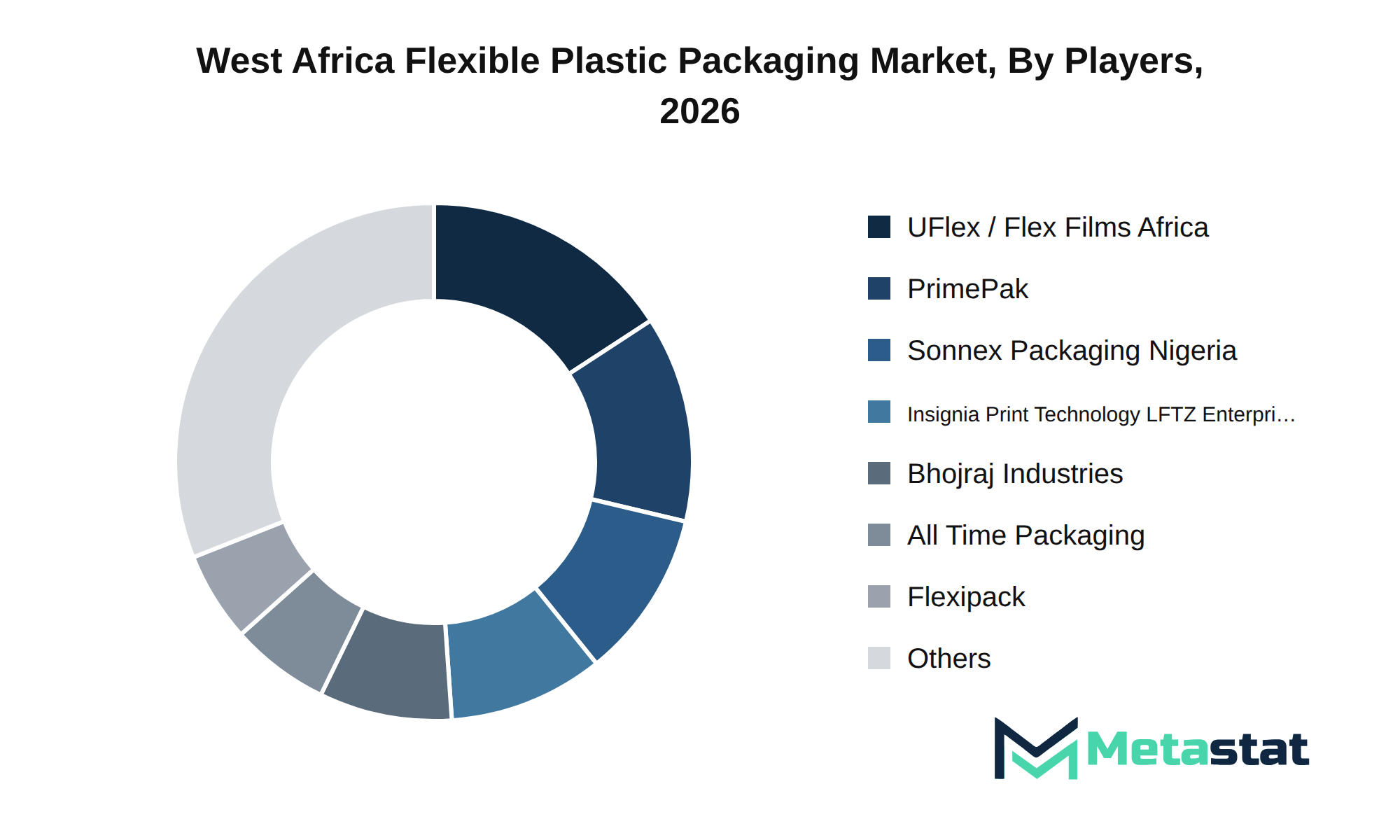
The West Africa Flexible Plastic Packaging market features a competitive landscape shaped by strategic consolidation and various partnerships. Companies including PrimePak Limited and UFlex Limited / Flex Films Africa Private Limited exemplify this trend, focusing on enhancing their market positioning through joint ventures and alliances. The emphasis on product differentiation strengthens competitive edges, allowing firms to leverage proprietary technology and unique offerings.
Several players, including Sonnex Packaging Nigeria Limited and Bhojraj Industries Limited, invest significantly in research and development pipelines to drive innovation and maintain technological defensibility. These efforts contribute to barriers to entry for new market entrants, ensuring established companies retain market share. Pricing strategies and customer retention initiatives play crucial roles in sustaining competitiveness, with firms like Tempo Paper Pulp & Packaging Plc and Flexipack Limited implementing effective measures to build brand equity and reduce switching costs.
Overall, the competitive outlook in the West Africa Flexible Plastic Packaging market reflects a dynamic ecosystem where established players navigate industry restructuring and shifting consumer demands. This environment presents challenges and opportunities for growth, influencing strategic decisions across the region.
Market size is forecast to rise from USD 719.4 million in 2025 to over USD 1,112.8 million by 2033. The base case demonstrates a growth trajectory with a compound annual growth rate (CAGR) of 5.6%. In a bullish scenario, accelerated adoption of next-generation technologies and robust demand from key industries could lead to an even more favorable market environment. Conversely, a bearish case results from economic downturns or disruptions in supply chains, potentially hampering growth.
Strategic capital allocation directives and infrastructure commitments will act because significant drivers in the West Africa Flexible Plastic Packaging market. Companies focusing on research and development commercialization will likely capture unmet enterprise needs and high-growth pockets. Regulatory evolution timelines and compliance milestones will establish new operational landscapes, demanding adaptation from market participants.
Evolving trade corridors and geopolitical realignments impact supply chain dynamics, facilitating new opportunities for regional collaboration. Maturation of core industries could lead to structural consumption shifts, influencing overall demand patterns. Recognizing these factors will enable stakeholders to navigate challenges effectively and seize emerging white-space opportunities within the market.
The report strategically identifies and profiles the key market players and analyses their core competencies in each sub-segment of the Flexible Plastic Packaging market.
Report Attributes | Details |
Study Period | 2021-2033 |
Base Year | 2025 |
Estimated Year | 2026 |
Forecast Period | 2026-2033 |
Historical Period | 2021-2025 |
Growth Rate | CAGR 5.6% from 2026 to 2033 |
Revenue Unit | USD million |
Segmentation | By Packaging Format, Substrate Material, End-Use Industry, Region, and Region |
Find answers to common questions about this report
The Flexible Plastic Packaging market size in West Africa was valued at USD 719.4 million in 2025.
The Flexible Plastic Packaging market is projected to grow at a CAGR of 5.6% during the forecast period from 2026 to 2033.
The segment leading the West Africa Flexible Plastic Packaging market is Flexible Films & Rollstock, with a projected value of USD 311.6 million by 2033. This segment holds the largest share compared to others in the market.
Key drivers for the West Africa Flexible Plastic Packaging market include increased capital investment enhancing innovation and sustainability initiatives. Consumer preference for eco-friendly packaging solutions, driven by awareness of environmental issues, further supports market growth. Technological advancements in automation and digitization improve operational efficiency, enabling manufacturers to respond effectively to evolving consumer demands.
The West Africa Flexible Plastic Packaging market growth faces significant challenges from regulatory compliance requirements and geopolitical tensions. Stringent legal mandates increase operational costs and complicate market entry, while geopolitical instability disrupts supply chains, leading to higher material costs and logistical uncertainties. These factors collectively hinder investment and innovation opportunities within the market.
The West Africa Flexible Plastic Packaging market benefits from heightened consumer demand for sustainable solutions and increased capital investment. Technological advancements in automation and digital transformation enhance operational efficiencies, enabling manufacturers to produce eco-friendly packaging that aligns with consumer preferences, thus favoring product adoption.
The Flexible Plastic Packaging market is estimated to reach a valuation of USD 1,112.8 million by 2033.
Key players in the West Africa Flexible Plastic Packaging market include PrimePak Limited, UFlex Limited / Flex Films Africa Private Limited, Sonnex Packaging Nigeria Limited, Insignia Print Technology LFTZ Enterprise, Bhojraj Industries Limited, and Quantum Plastic Nigeria Limited.
Flexible films and rollstock is projected to reach USD 311.6 million by 2033, reflecting a compound annual growth rate of 4.8%.
The food industry leads the market, with a projected growth from USD 256.7 million in 2026 to USD 358.3 million by 2033, achieving a compound annual growth rate of 4.9%.
The analysts below cover Packaging research at Metastat Insights.
LEAD ANALYST
Utkarsh Khirodkar is a Lead Market Research Analyst at MetaStat Insight, specializing in market intelligence, technology sector assessments, and competitive strategy.

SENIOR RESEARCH ANALYST
Biotechnology · Food and Beverages · Medical Devices · Packaging
Snehal Pasalkar is a Research Analyst at MetaStat Insight, operating at the intersection of life sciences research, competitive strategy, and market intelligence.

INDUSTRY CONSULTANT - CHEMICALS & ADVANCED MATERIALS
Chemicals and Materials · Machinery & Equipment · Packaging
Amit Gadhekar Consultant for Chemicals and Materials at MetaStat Insight, directing sector-specific intelligence, research, and strategic consulting across global chemical and processing markets.
Tracking ceramic matrix composite adoption in high-bypass aero engines requires strict attention to material qualification cycles and FAA airworthiness testing milestones. The MetaStat Insight team provided a detailed timeline of silicon carbide fiber manufacturing capacity and commercial foundry lead times. Having clear visibility into upstream thermal barrier coating supply helped us stress-test our long-term component procurement strategy.
Transitioning ultra-class mining haul trucks to alternative power requires concrete data on remote hydrogen refueling infrastructure economics. The report evaluated megawatt-scale electrolyzer installation expenses, onsite storage safety mandates, and heavy-duty fuel cell stack degradation under continuous duty cycles. That technical rigor helped our engineers benchmark realistic total operating cost horizons for off-highway fleet decarbonization.
Enterprise zero-trust network rollouts are often slowed down by multi-cloud transit latency and proprietary hardware retirement schedules. This study provided realistic total cost of ownership models comparing cloud-delivered security edge solutions against traditional hardware refreshes. The analysis of contract renewal lengths and software maintenance fees gave us clear visibility into enterprise replacement cycles over the next three to five years.
Explore related market intelligence reports worth reading alongside this one.
Starting from
$2950