
Explore the evolving Speciality Gold Alloys landscape, focusing on trends and insights that will impact the market's dynamics through 2033.
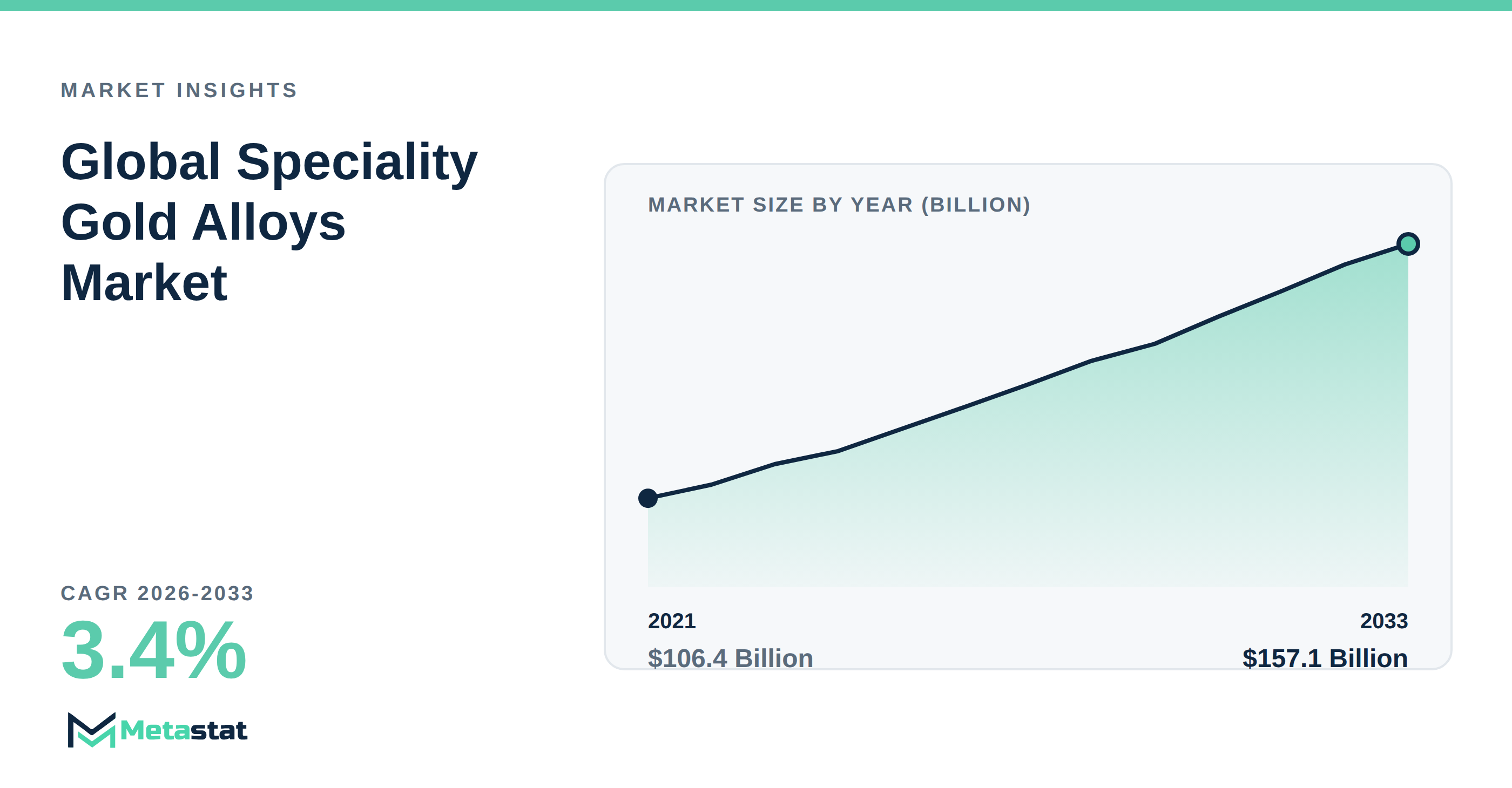
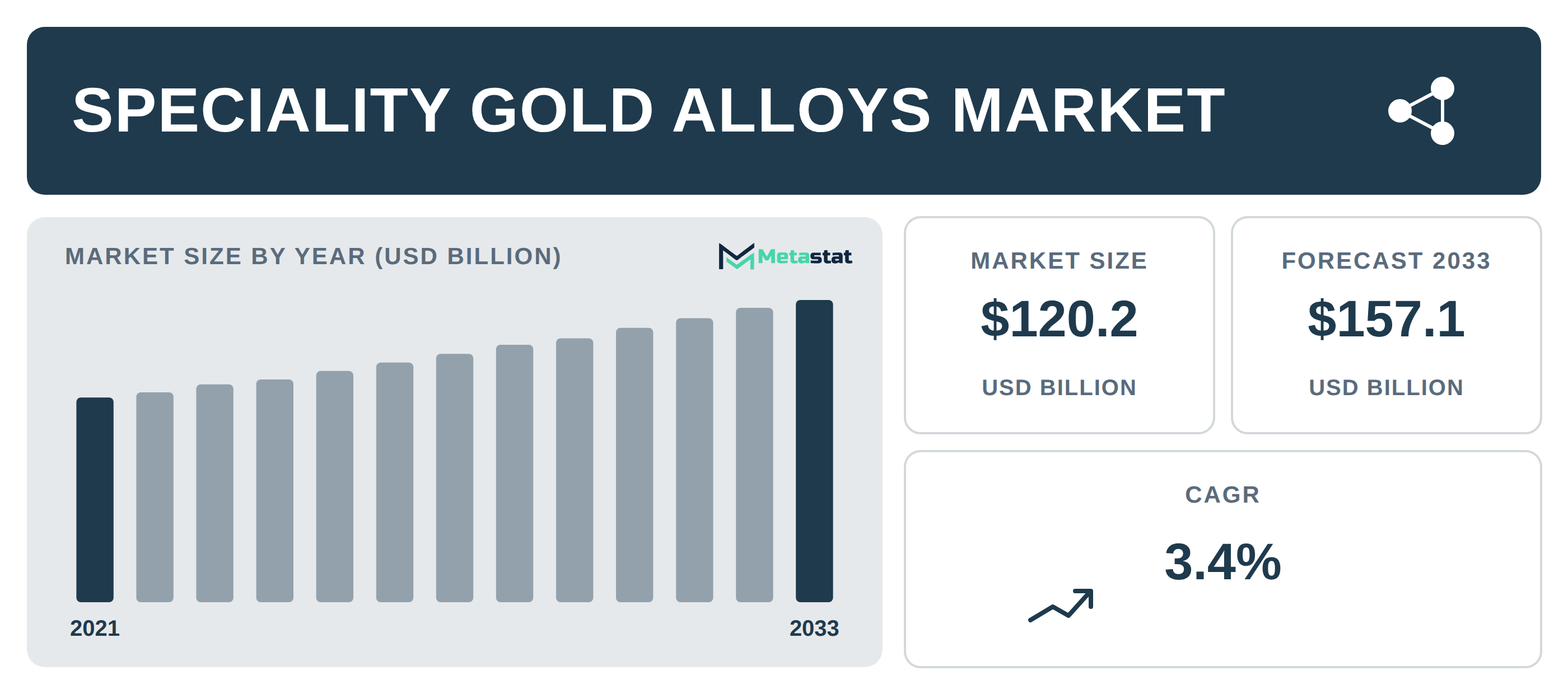
While the landscape for Speciality Gold Alloys evolves, several factors will shape its trajectory toward 2033. Understanding these dynamics is crucial for manufacturers, suppliers, and buyers alike, particularly in sectors including jewellery, electronics, and medical devices. This discussion highlights key trends that will influence decision-making and investment in the coming years. The full figures are in our Speciality Gold Alloys market size and forecast report.
How will consumer preferences impact the market?
Consumer preferences are on the rise, especially in the Asia Pacific region, which holds a dominant market position. The growing affluence of various classes in countries including China and India reshapes demand for luxury and custom-designed jewellery and accessories. This demographic shift encourages manufacturers to invest in tailored alloy solutions that meet evolving tastes.
Manufacturers in the jewellery and watchmaking sectors brace for heightened competition as more brands seek to differentiate their offerings through innovative gold alloy compositions. The trend toward high-quality and uniquely designed products coincides with an expanding consumer base willing to pay a premium for exclusivity and craftsmanship, forming a solid foundation for growth.
What role do regulatory changes play?
Regulatory changes regarding the use of certain metals, particularly nickel, are influential in shaping the Speciality Gold Alloys landscape. The rising demand for nickel-free formulations in jewellery and watchmaking reflects evolving consumer preferences for hypoallergenic materials alongside tighter regulations across key markets.
Suppliers ready to adapt by providing advanced, nickel-free white gold solutions will likely gain competitive advantages. These adaptations align product offerings with health and safety standards while meeting consumers' demands for style and functionality. While the regulatory environment continues to tighten, manufacturers will invest in research to develop alternatives that do not compromise aesthetics or workability.
What technological advancements are influencing growth?
Technological advancements are driving significant transformations in the production and application of Speciality Gold Alloys. For example, the growing use of gold-tin solder in semiconductor packaging highlights the industry's increasing reliance on alloys that ensure high reliability and performance. As electronic devices continue to miniaturize, the need for components featuring predictable melting points and resistance to oxidation will escalate.
This demand for high-reliability applications emphasizes the importance of ongoing innovation in alloy development. Companies focusing on enhancing their metallurgical capabilities and providing value-added services will secure their positions among key players in the electronics and semiconductor sectors.
What is the outlook for pricing and cost structures?
Price fluctuations for gold remain a constant concern for manufacturers and buyers within this sector. While high raw material prices deter adoption, buyers navigate the distinct cost structures associated with metal value and fabrication charges. Those in industries like jewellery and watchmaking will particularly feel these impacts, facing challenges related to passing costs onto consumers.
Long-term contracts provide some stability, but manufacturers remain agile in managing production and procurement strategies. As gold prices continue to be volatile, leveraging supplier relationships and favorable sourcing strategies becomes crucial for maintaining profit margins.
How will emerging applications shape demand?
Emerging applications in sectors including medical devices will significantly influence the demand for Speciality Gold Alloys. The projected growth in this segment highlights the increasing focus on biocompatibility and corrosion resistance in gold alloys for implantable devices and surgical instruments.
This emphasis on advanced healthcare technologies will push suppliers to meet stricter regulatory requirements while ensuring product performance. Innovators in this field will benefit from the higher premiums associated with producing materials that meet essential safety and functional standards.
The outlook for Speciality Gold Alloys reveals a complex interplay of factors that manufacturers and suppliers should closely monitor. Understanding shifting consumer preferences, regulatory changes, technological advancements, pricing dynamics, and new applications will empower stakeholders to navigate this evolving landscape effectively.
Tags
About the Authors

LEAD ANALYST
Utkarsh Khirodkar is a Lead Market Research Analyst at MetaStat Insight, specializing in market intelligence, technology sector assessments, and competitive strategy.

INDUSTRY CONSULTANT - CHEMICALS & ADVANCED MATERIALS
Chemicals and Materials · Machinery & Equipment · Packaging
Amit Gadhekar Consultant for Chemicals and Materials at MetaStat Insight, directing sector-specific intelligence, research, and strategic consulting across global chemical and processing markets.