
Explore the essential factors influencing costs in the Ship Design market. Understand how regulatory compliance, digital transformation, and supply chain dynamics affect pricing strategies.
The Ship Design market is currently experiencing significant shifts due to technological advancements and sustainability demands. Understanding the underlying factors that shape costs provides buyers and operators with the tools to navigate this evolving landscape effectively.
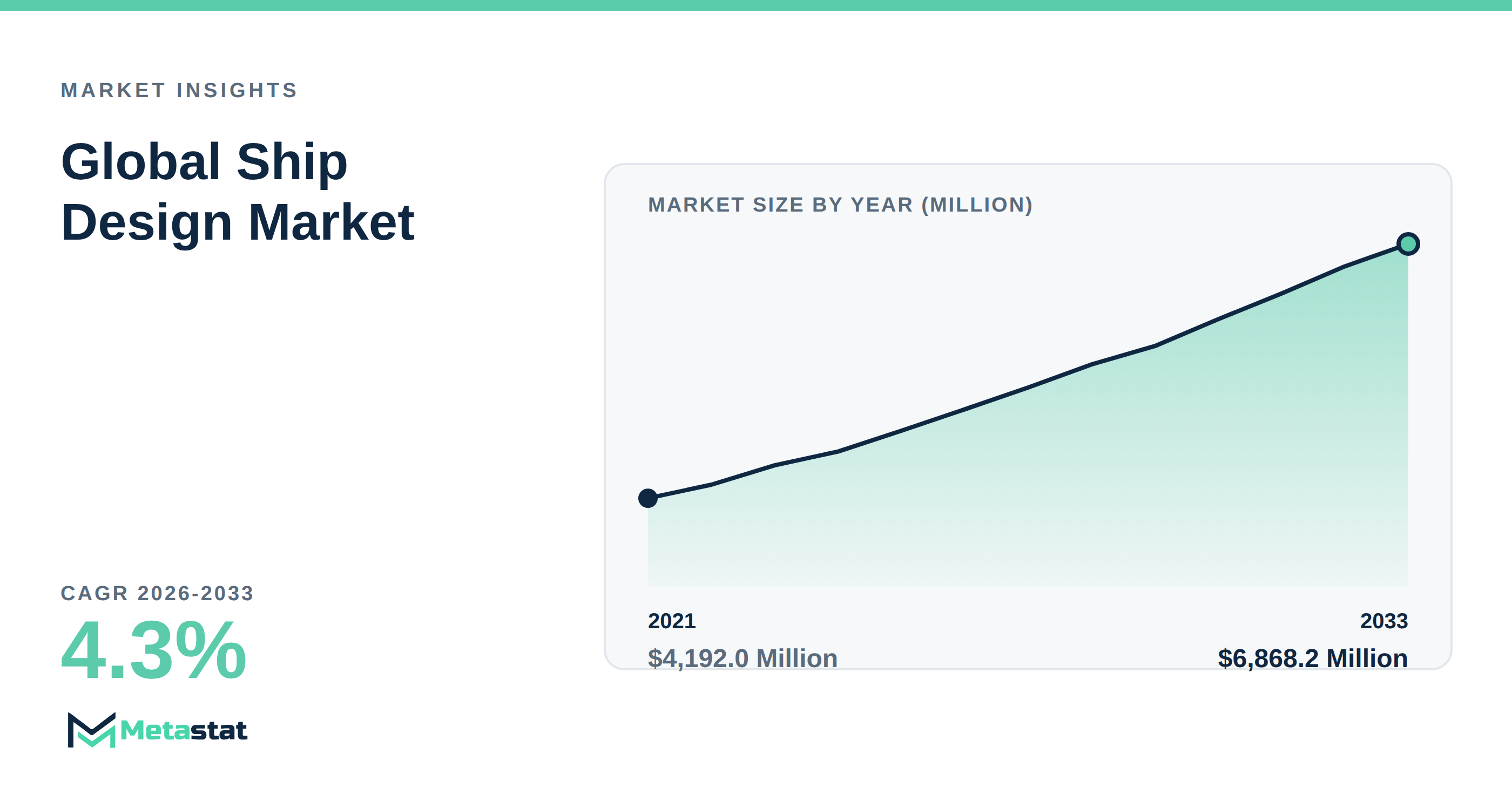
1. Regulatory Compliance Shapes Design Costs
Stringent environmental regulations imposed by the International Maritime Organization (IMO) significantly influence ship design costs. Firms invest in advanced technologies to comply with carbon intensity and energy efficiency standards. This necessity drives up design costs and operational expenses, which buyers should factor into their budgets. Understanding these regulatory landscapes allows buyers to anticipate potential cost increases in compliance-related modifications and plan accordingly.
2. Digital Transformation Reduces Time-to-Market
The growing adoption of digital tools in the Ship Design market streamlines workflows and enhances design accuracy, impacting overall costs. Automation, AI, and simulation technologies reduce time to market, allowing companies to respond swiftly to changing demands. Buyers benefit from faster project completions and potentially lower costs associated with delays. Firms that embrace digital transformation offer more competitive pricing structures, making it a vital consideration for buyers.
3. Investment in Sustainable Practices Drives Upfront Costs
Investments in sustainable ship designs, including alternative fuel vessels and energy-efficient technologies, often result in higher initial costs. However, these investments lead to lower operational costs and increased compliance with environmental standards over time. Buyers should evaluate the long-term benefits of sustainable designs when considering upfront costs, driven by improved operational efficiencies and reduced fuel expenses that offset the initial investment.
4. Supply Chain Disruptions Elevate Costs
Ongoing supply chain disruptions due to geopolitical tensions and material shortages severely impact ship design costs. Delays in acquiring essential components lead to increased project timelines and higher budgets. Buyers mitigate these risks by collaborating closely with design firms on procurement strategies and exploring alternative material options to ensure timely project execution while managing expenses effectively.
5. Competitive Market Dynamics Influence Pricing Strategies
Firms in the Ship Design market often engage in strategic partnerships and collaborations to enhance their service offerings and respond to evolving market dynamics. This competitive landscape leads to variations in pricing strategies among design firms. Buyers should conduct thorough market research to identify firms aligning with their budgetary constraints while seeking innovative solutions. Understanding the competitive dynamics provides leverage in negotiations, potentially resulting in favorable pricing.
The Ship Design market is influenced by a multitude of factors that shape costs and pricing strategies. Buyers equipped with this knowledge are better positioned to navigate the complexities of the market, ensuring they make informed decisions that align with their operational and financial goals. For more in-depth analysis, consider exploring the Global Ship Design Market.
Tags
About the Authors

LEAD ANALYST
Utkarsh Khirodkar is a Lead Market Research Analyst at MetaStat Insight, specializing in market intelligence, technology sector assessments, and competitive strategy.

ENERGY & INFRASTRUCTURE INDUSTRY CONSULTANT
Automotive and Transportation · Electronics and Semiconductor · Energy and Power · Machinery & Equipment
Saurabh Vasant Ganvir consults for Energy & Infrastructure Industry at MetaStat Insight, specializing in renewable energy, solar EPC, and electric vehicle (EV) infrastructure markets.