
LEAD ANALYST
Utkarsh Khirodkar is a Lead Market Research Analyst at MetaStat Insight, specializing in market intelligence, technology sector assessments, and competitive strategy.

Global Ship Design Market Size, Share, By Vessel Type (Platform Supply and Anchor Handling Vessels, Offshore Construction and Subsea Vessels, Offshore Wind Service and Installation Vessels, Bulk Carriers and General Cargo Ships, Tankers, Container Ships, Passenger and Ferry Vessels, Fishing and Aquaculture Vessels, Cruise and Expedition Vessels), By Design Phase (Feasibility and Pre-Concept Design, Concept Design, Tender and Contract Design, Basic and Class Design, Detailed Design, Production Design, Construction Support and As-Built Engineering), By Project Type (Newbuild Vessel Design and Existing Vessel Conversion and Retrofit Design), By Ship Size (Small Ships (Below 5,000 GT), Medium Ships (5,000-24,999 GT), Large Ships (25,000-49,999 GT), Very Large Ships (50,000 GT and Above)), Industry Analysis, Growth, Trends, and Forecast, 2026-2033
Report ID
MSI-5335
Published
September, 2026
Pages
290 Pages
Format
Historical
Base year
Forecast
Forecast period
Report Details
Market Valuation: Valued at $4,902.6 Million in 2025, projected to reach $6,868.2 Million by 2033 at a 4.3% CAGR.
Dominant Segment: The Offshore Wind Service & Installation Vessels segment leads the market, driven by increasing investments in renewable energy and infrastructure development.
Geographic Lead: The Asia Pacific region shows the fastest growth, supported by enhanced maritime activities and significant government investments in port infrastructure.
What's Inside: The report provides comprehensive coverage of market dynamics, competitive landscape, and detailed analyses across various vessel types and design phases.
Emerging Demands: The market is witnessing substantial opportunities due to emerging regional demands and a focus on sustainability, prompting innovation in vessel design.
Choose Your License
Global Ship Design Market
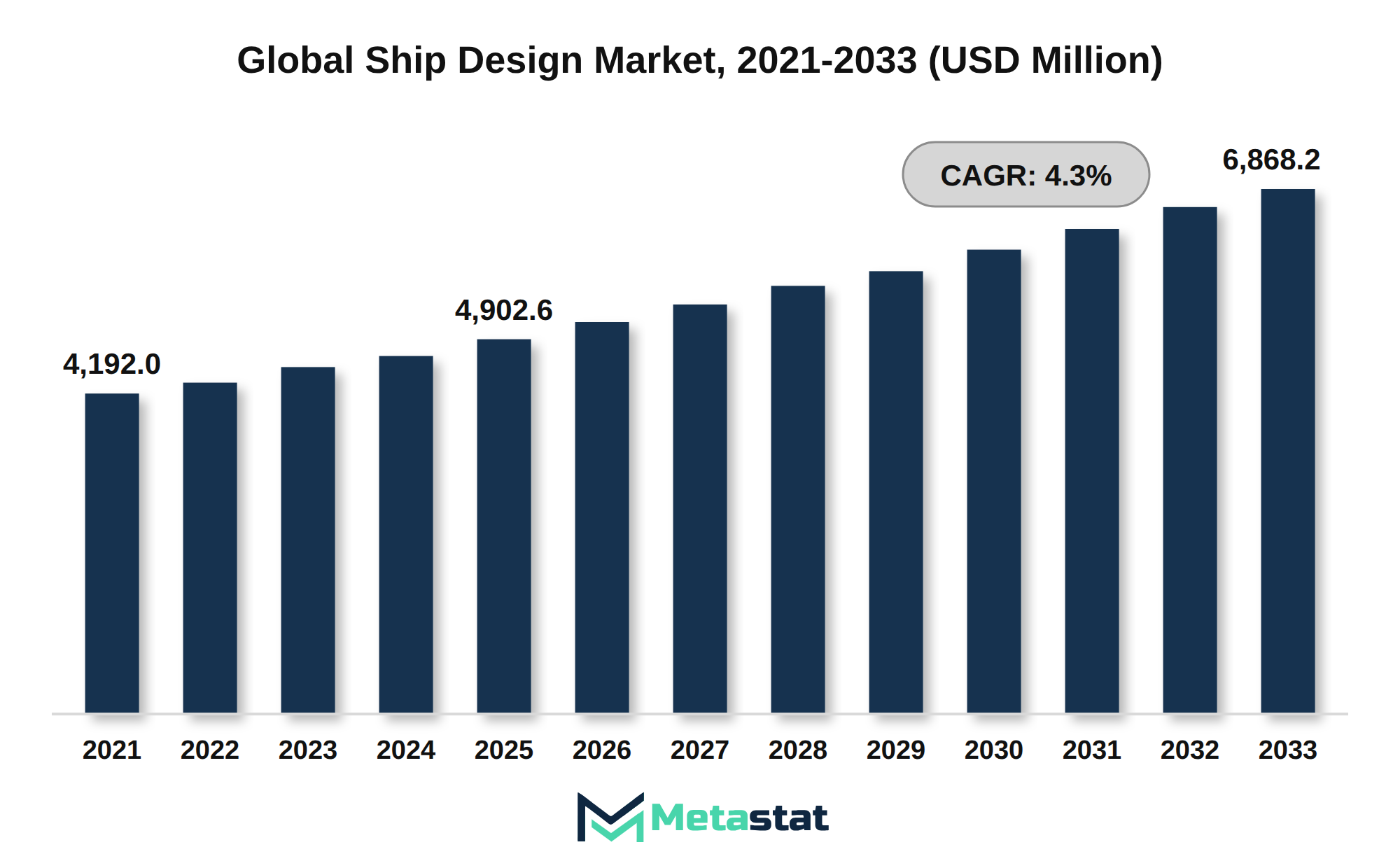
The global Ship Design market was valued at USD 4,902.6 million in 2025 and is projected to reach USD 6,868.2 million by 2033, growing at a CAGR of 4.3% over the forecast period.
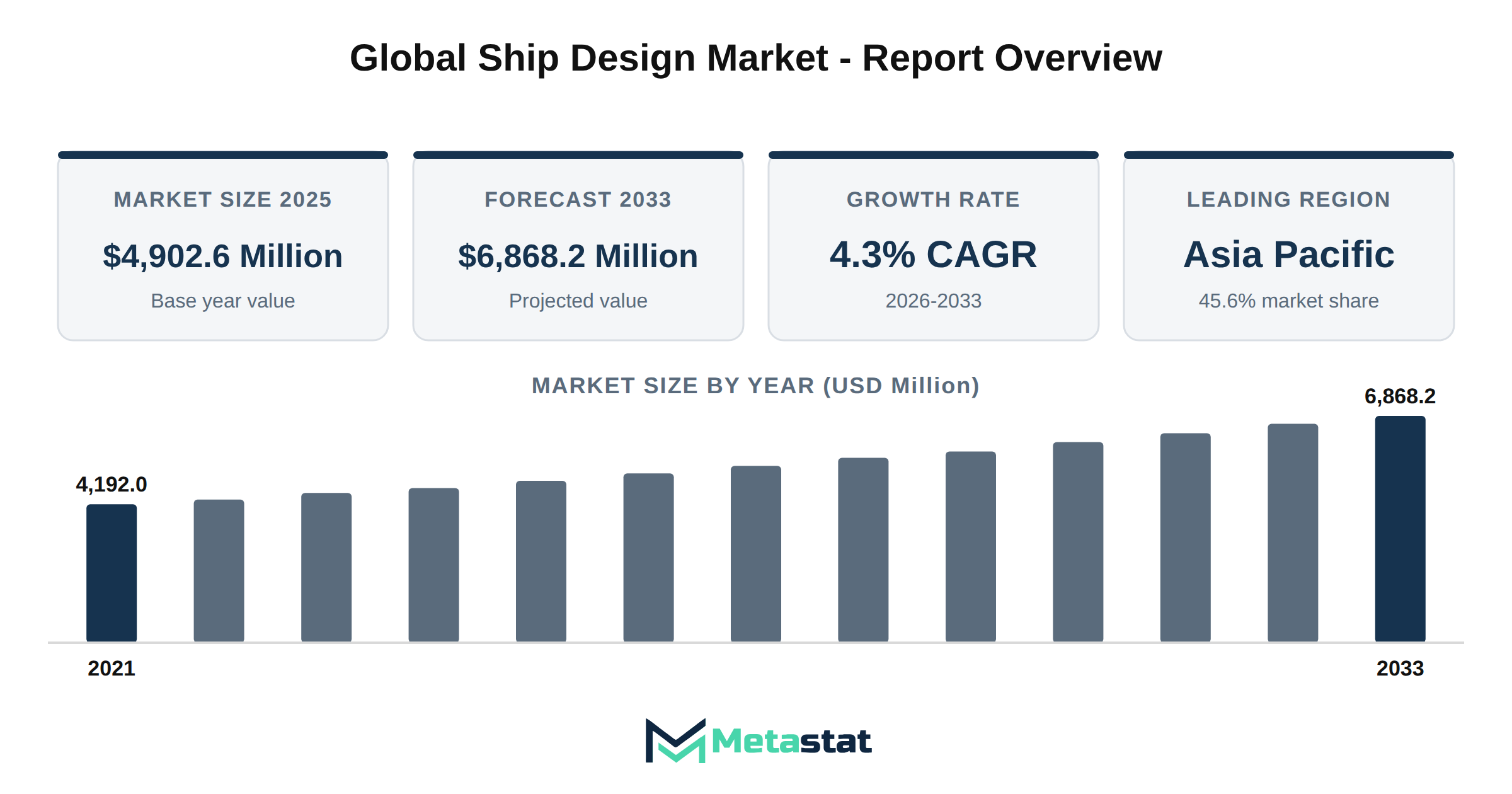
The Ship Design market reached a valuation of USD 4,902.6 million in 2025. This market is projected to grow at a compound annual growth rate (CAGR) of 4.3% from 2026 to 2033, ultimately reaching USD 6,868.2 million by the end of the forecast period.
Significant trends are shaping next-generation vessel development, including energy-efficient designs and strategies for fuel consumption reduction. The increasing focus on alternative-fuel vessel design, specifically for LNG, methanol, ammonia, and hydrogen, reflects the industry's shift towards sustainable practices.
Integration of hybrid and electric propulsion technologies into modern ship design enhances operational efficiency and reduces environmental impact. Demand for offshore wind vessel design is growing, creating newbuild opportunities that align with global energy transition goals.
Growth in offshore construction and subsea vessel design results from increasing investments in renewable energy projects. The commercial vessel fleet renewal drives demand for innovative ship design solutions, driven by aging fleets requiring modernization and enhanced capabilities.
Ship retrofit and conversion design are essential for compliance with decarbonization regulations, influencing design specifications and project investments. The adoption of digital ship design, simulation, and virtual prototyping technologies facilitates improved accuracy and efficiency throughout the design process.
AI and generative engineering applications in naval architecture significantly enhance design capabilities, enabling rapid design iterations and optimization. Advanced hull optimization techniques contribute to improved hydrodynamic efficiency, reducing fuel consumption and operational costs.
International Maritime Organization (IMO) decarbonization regulations exert influence on future vessel designs, prompting ship designers to innovate in compliance with stringent carbon intensity and energy efficiency standards. This regulatory landscape drives demand for specialized fishing and aquaculture vessel designs, reflecting changing industry needs.
Electrification of passenger ferries and the development of low-emission vessels align with broader sustainability goals, promoting innovation across the ship design market. Innovations in cruise and expedition vessel design continue to attract investment, enabling the sector to adapt to evolving consumer preferences.
Trends in smart ship systems and integrated marine engineering enhance operational performance and reliability. Collaboration between shipyards and naval architecture firms in newbuild projects encourages innovation, ensuring alignment with market demands and regulatory compliance.
Asia Pacific shipbuilding growth supports demand for ship design services, driven by increasing domestic and international shipping activities. European markets exhibit strong demand for green and offshore wind vessel design, reflecting regional commitments to sustainability.
North American opportunities in commercial and specialized vessel design present a favorable environment for investment and growth. Cost considerations, engineering complexity, and project economics play crucial roles in shaping decisions within the market, influencing the competitive landscape.
Supply chain constraints affecting marine equipment and vessel design decisions present challenges, requiring strategic responses from industry players. Competitive strategies among ship design and naval architecture firms focus on innovation and responsiveness to market dynamics, positioning them for future opportunities in sustainable and zero-emission ship design.
Innovations in ship design increasingly focus on energy-efficient strategies and fuel consumption reduction. The integration of advanced technologies enables the development of vessels that optimize fuel use, contributing to lower operational costs and enhanced environmental performance. This trend attracts various stakeholders across the maritime industry, including shipping companies and design firms, positioning them for competitive advantage in an evolving market.
Alternative-fuel vessel designs incorporating LNG, methanol, ammonia, and hydrogen are gaining traction. These designs respond to regulatory pressures and the growing demand for cleaner alternatives. Companies investing in research and development of these technologies are likely to capture significant market share, driven by tightening environmental standards.
Hybrid and electric propulsion systems play a crucial role in modern ship design. Integration of these systems not only reduces greenhouse gas emissions but enhances vessel performance. The growing interest in sustainable practices among operators drives investment in this area, further directing the market towards greener technologies.
The demand for offshore wind vessel design is surging, driven by increased investment in renewable energy projects. Newbuild opportunities in this sector create a robust pipeline for ship design firms, enhancing growth potential and encouraging innovation tailored to specific project requirements.
Growth in offshore construction and subsea vessel design reflects a broader shift towards complex maritime operations. The need for specialized designs aligns with the expanding scope of offshore activities, resulting in increased demand for tailored solutions that meet stringent operational requirements.
Commercial vessel fleet renewal significantly influences ship design demand. Aging fleets require modern replacements that comply with contemporary regulations and performance standards, driving a wave of new designs aimed at enhancing efficiency and sustainability.
Ship retrofit and conversion design for decarbonization compliance presents opportunities in the market. Many existing vessels require upgrades to meet evolving environmental regulations, prompting design firms to innovate solutions that extend the life of these assets while reducing their carbon footprints.
The adoption of digital ship design, simulation, and virtual prototyping continues to reshape the industry. These technologies enhance design accuracy and reduce time-to-market, allowing companies to respond swiftly to changing customer needs and regulatory frameworks.
Applications of AI and generative engineering in naval architecture are emerging trends. These innovations streamline the design process, enabling the creation of highly optimized vessels that meet specific performance criteria more efficiently.
Advanced hull optimization techniques are essential for improving hydrodynamic efficiency. Investments in research and development in this area yield significant benefits, including reduced fuel consumption and enhanced overall vessel performance, appealing to environmentally conscious operators.
Decarbonization regulations from the International Maritime Organization (IMO) are shaping future vessel designs. Compliance with these regulations necessitates innovative approaches in ship design, pushing firms to adapt quickly to maintain competitiveness.
Compliance with carbon intensity and energy efficiency standards remains a priority in ship design. Organizations focusing on these aspects attract clients aiming to meet rigorous environmental requirements, creating a competitive edge in the market.
Demand for specialized fishing and aquaculture vessel designs reflects shifts in the maritime economy. While the industry evolves, new technologies and designs cater to the specific needs of this sector, enhancing operational efficiency and sustainability.
Electrification of passenger ferries and development of low-emission vessels highlight the industry's commitment to sustainability. These advancements satisfy growing consumer demand for eco-friendly travel options, prompting operators to invest in modern fleets.
Innovation in cruise and expedition vessel design emphasizes luxury, comfort, and environmental responsibility. The market responds to consumer preferences for unique experiences while adhering to sustainability standards, driving growth within this segment.
Smart ship systems and integrated marine engineering trends are transforming operational capabilities. The market benefits from advancements in automation and data analytics, leading to improved efficiency and safety in vessel operations.
Collaboration between shipyards and naval architecture firms in newbuild projects enhances design efficiency and innovation. These partnerships facilitate a quicker response to market demands, enabling the development of advanced vessels that meet diverse customer requirements.
Shipbuilding growth in the Asia Pacific region supports demand for ship design services. The expansion of local shipyards and investment in advanced technologies position this region because a key player in the global market.
European demand for green and offshore wind vessel design reflects the continent's commitment to sustainability. This focus supports the development of innovative designs that align with environmental goals, driving growth in the market.
North American opportunities in commercial and specialized vessel design arise from a robust maritime economy. Companies targeting these segments benefit from a strong demand for modern, efficient vessels tailored to specific operational needs.
Cost considerations, engineering complexity, and project economics shape decision-making in ship design. Firms navigating these challenges leverage innovative approaches to enhance competitiveness and profitability in the market.
Supply chain constraints affect marine equipment and vessel design decisions. Companies addressing these challenges effectively position themselves to meet market demand while ensuring timely delivery of high-quality designs.
Competitive strategies among ship design and naval architecture firms emphasize innovation and adaptability. Firms that excel in these areas strengthen their market positions and enhance their ability to capture emerging opportunities.
Future opportunities in sustainable and zero-emission ship design emerge because industries align with global climate goals. Companies investing in these initiatives are likely to experience significant growth, reflecting the market's shift towards environmentally responsible solutions.
Investment in infrastructure development has emerged because a significant driver for the Ship Design market. Increased government spending on maritime infrastructure, combined with private sector capital allocation, enhances the capability and efficiency of ship design processes. Nations prioritize upgrading ports, terminals, and supporting facilities, leading to rising demand for innovative vessel designs, which directly impacts the market's expansion.
Simultaneously, the digital transformation in the design phase promotes integration of advanced technologies including automation and artificial intelligence. These technologies streamline design processes, optimize resource allocation, and improve operational efficiencies. The increased adoption of software solutions within the industry facilitates the digitization of legacy systems, resulting in enhanced productivity.
The market's growth trajectory reflects a broader macroeconomic environment characterized by rising GDP and favorable capital investment conditions. More stakeholders invest in the modernization of fleet capabilities, creating opportunities for new vessel designs and retrofitting existing ships. This trend accelerates the demand for specialized design services across various vessel types, including offshore construction and subsea vessels, further enhancing the market's position.
The ship design market experiences significant growth driven by digital transformation initiatives. Companies increasingly adopt advanced technologies including artificial intelligence, automation, and digital tools to enhance design efficiency and accuracy. Integration of these technologies streamlines workflows, reduces time-to-market, and improves decision-making capabilities, resulting in enhanced competitive positioning for firms operating within the market.
Investment in software adoption forms a crucial aspect of this transformation, allowing for real-time data analysis and simulations. By leveraging these capabilities, designers optimize vessel performance and minimize environmental impact. Enhanced design methodologies drive innovation in vessel types, including offshore wind service and installation vessels, significantly influencing the market's upward trajectory.
Increasing reliance on digital platforms supports collaboration among teams, facilitating knowledge transfer and innovation through a more integrated approach. This focus on technological integration aligns with shifting consumer demands for more efficient and sustainable vessels, further propelling growth in the ship design market.
Regulatory compliance and legal mandates present significant challenges within the Ship Design market, affecting operational efficiencies and overall profitability. Compliance hurdles often stem from stringent environmental regulations, requiring substantial investment in technology and processes to meet evolving standards. This situation impacts various stakeholders, including shipbuilders and design firms, who face increased operational costs, potentially diverting capital from innovation and development.
Macroeconomic headwinds further complicate the market landscape. Economic fluctuations, inflationary pressures, and rising interest rates create a challenging environment for investment. These conditions lead to heightened capital investment requirements, limiting the capacity for firms to initiate new projects or upgrade existing designs. Consequently, this restricts growth opportunities and stifles competition.
Supply chain disruptions and geopolitical instability hinder market progress. Delays in obtaining critical components affect project timelines and inflate costs, placing additional strain on budgets. Resource scarcity impacts materials availability, compelling firms to seek alternative solutions that do not align with existing design capabilities.
Operational challenges related to workforce issues contribute to market constraints. A shortage of skilled labor and rising workforce overhead create barriers to efficient project execution. This talent gap hampers the ability to innovate and adapt to market demands, affecting the overall competitiveness of players in the ship design industry.
Technological obsolescence poses a risk to ship design firms. Rapid advancements in technology necessitate ongoing investment in training and development to avoid falling behind competitors. The potential for substitution risks from alternative offerings introduces additional complexity in maintaining market relevance.
The combined effect of regulatory compliance, macroeconomic headwinds, supply chain disruptions, and workforce challenges creates a multifaceted restraint on the Ship Design market, influencing growth trajectories and competitive dynamics. Addressing these constraints requires strategic focus on operational efficiencies and adaptive business models to navigate the evolving landscape.
Geopolitical fragmentation poses significant challenges in the Ship Design market by creating instability within supply chains. Trade deficits and tariff friction disrupt the procurement of essential components, increasing costs and complicating logistics. This fragmentation results in variability in feedstock availability, leading to component volatility that affects project timelines and budgets. Suppliers face pressure to adapt to changing geopolitical climates, diverting resources from research and development efforts.
The market experiences further challenges due to tightening global regulatory standards that impose compliance overhead. Companies in the Ship Design market navigate a complex environment of evolving legal liabilities, impacting operational efficiencies. These compliance requirements necessitate investments in systems and processes to ensure adherence, leading to increased operational costs.
Pricing compression emerges because a critical issue driven by margin pressures across the industry. Rising input costs compound these challenges, prompting a reevaluation of pricing strategies. Workforce skill gaps hinder the ability to effectively implement advanced technological solutions, resulting in slower adoption of innovative designs. This skills shortage, alongside talent retention pressures, highlights the urgency for firms to attract and develop skilled professionals in the sector.
Environmental lifecycle footprints and decarbonization mandates influence design choices, compelling companies to innovate sustainably while managing costs. Infrastructure gaps present barriers to effective retrofitting and modernization of existing vessels, creating implementation bottlenecks. These factors collectively shape an intricate environment where the Ship Design market navigates multiple challenges to pursue growth and maintain competitiveness.
The Ship Design market experiences substantial opportunity driven by emerging regional demands and infrastructure modernization. Countries within the Asia Pacific region show significant growth potential, propelled by enhanced maritime activities and strategic investments in port infrastructure. This trend promotes the development of advanced vessels tailored to meet the specific needs of regional industries, including offshore energy and logistics.
Technological disruptions play a critical role in shaping the market landscape. The integration of digital tools and next-generation innovations supports the development of energy-efficient vessels while enhancing design capabilities. Companies leveraging these technologies achieve operational efficiencies and improved project timelines, reinforcing their competitive advantage in the Ship Design market.
Sustainability imperatives drive increased focus on eco-friendly designs and compliance with environmental standards. Stakeholders align strategies with green transformations, which include the adoption of alternative energy sources and sustainable materials. This shift not only meets regulatory requirements but aligns with evolving consumer preferences for environmentally responsible products.
Market diversification contributes to new opportunities through strategic consolidation and cross-industry collaborations. By integrating capabilities across various sectors, firms enhance service offerings and capture niche markets. The alignment of design services with sectors including renewable energy and environmental engineering creates pathways for growth within the ship design ecosystem.
Digital procurement shifts and evolving buying behaviors significantly impact market dynamics. The transition towards online platforms for project sourcing and management streamlines processes, reduces costs, and enhances transparency. This development reshapes traditional purchasing approaches and encourages collaboration between suppliers and buyers in the market.
The Global Ship Design market is segmented based on Vessel Type, Design Phase, Project Type, and Ship Size.
Valued at USD 297.3 million in 2026, the Platform Supply & Anchor Handling Vessels segment is projected to reach USD 378.4 million by 2033, reflecting a CAGR of 3.5% during the forecast period. Demand for these vessels stems from the growing offshore oil and gas sector, which relies heavily on specialized vessels for logistics and support operations. Increasing investments in renewable energy, particularly offshore wind farms, contribute to this segment's growth. The integration of advanced technologies enhances operational efficiency, enabling vessels to perform complex tasks more effectively.
Regulatory compliance standards shape design requirements for Platform Supply & Anchor Handling Vessels. Certification processes and environmental regulations push manufacturers to innovate and develop solutions that align with sustainability goals. End-use dynamics favor vessels capable of operating in diverse marine environments, leading to heightened competition among players in the market. Investment in next-generation upgrades and product evolution remains critical, driven by companies seeking to enhance vessel capabilities while minimizing costs and maximizing performance.
Market players focus on strategic opportunity windows, capitalizing on trends in offshore exploration and construction. Expanding capacities in shipyards and increasing collaboration among stakeholders strengthen supply chain resilience. These developments contribute to the overall growth trajectory of the Ship Design market, particularly within specialized vessel categories.
Increasing investment in offshore activities drives demand for Offshore Construction & Subsea Vessels within the Ship Design market. The segment is estimated to reach USD 495.9 million by 2033, at a CAGR of 4.7% during the forecast period. Expanding offshore oil and gas projects, along with the growth of renewable energy initiatives, are key factors propelling this segment. Enhanced technological capabilities in vessel design, alongside the need for specialized vessels for subsea operations, improve the market's growth potential.
Growing adoption of advanced technologies, including automation and digitalization, supports efficiency and safety in vessel operations, further enhancing demand. The focus on sustainability and environmental regulations influences design preferences, pushing developers to create vessels that minimize environmental impact. These factors increase competition among firms and encourage investment in innovative design solutions tailored for the offshore sector.
Market players engage in collaborations and partnerships to leverage expertise and expand their service offerings. This strategic approach enables companies to respond effectively to evolving market dynamics and client requirements. The Offshore Construction & Subsea Vessels segment represents a significant growth area within the broader Ship Design market, reflecting shifts in energy demands and technological advancements.
Demand for Offshore Wind Service & Installation Vessels is projected to reach USD 629.1 million by 2033. The growing emphasis on renewable energy sources significantly drives market expansion, particularly in offshore wind projects. Increasing investments in infrastructure and technology for wind energy installation further support segment growth, attracting various stakeholders, including energy companies and governments committed to sustainable energy initiatives.
Technological maturation influences vessel design, with advancements in automation and efficiency contributing to operational effectiveness. Next-generation upgrades focus on enhancing capabilities, allowing these vessels to support more complex offshore operations. The evolution of products within this sub-segment emphasizes adaptability for varying wind farm requirements, thereby addressing specific end-use dynamics.
Regulatory compliance standards play a crucial role in shaping the market, pushing for higher efficiency and sustainability in vessel operations. Cost structures and pricing volatility represent challenges faced by manufacturers, with fluctuations in material costs directly impacting profitability. Competitive pressures necessitate strategic investments in research and development, ensuring that offerings remain aligned with evolving market demands.
Strategic opportunity windows exist for innovative designs that address both operational efficiency and environmental impact. Supply chain resilience remains critical, particularly in sourcing raw materials and managing logistics vulnerabilities. The potential for disruptive alternatives in energy generation and installation methods alters market dynamics, highlighting the need for adaptability among players in the ship design market.
Growth in the Bulk Carriers & General Cargo Ships segment of the Ship Design market is driven by increasing demand for efficient transport solutions across global supply chains. Rising international trade fuels the need for bulk carriers, which transport large quantities of goods, and general cargo ships, which handle a variety of cargo types. The segment is projected to grow at a CAGR of 3.4% during the forecast period.
Technological advancements in ship design enhance vessel efficiency and reduce operational costs, attracting operators seeking to upgrade their fleets. Implementation of regulatory compliance measures influences design choices, requiring modern vessels to meet stringent environmental standards. Industry participants focus on integrating innovative designs and materials, which support both sustainability and performance in bulk carriers and general cargo ships.
Investment in next-generation upgrades leads to improved fuel efficiency and reduced emissions, aligning with global sustainability goals. Adoption of digital technologies, including advanced simulation and modeling tools, facilitates better design processes and reduces time-to-market for new vessels. This trend indicates a strong outlook for the segment within the wider market, encouraging further exploration of innovative designs and operational efficiencies.
Demand for tankers within the Ship Design market aligns closely with growing global trade and the need for efficient transportation of liquid cargoes, including crude oil, chemicals, and liquefied natural gas. Regulatory frameworks increasingly emphasize emissions reduction, pushing advancements in tanker design that enhance fuel efficiency and reduce the environmental impact of maritime operations.
Technological maturation facilitates the integration of next-generation designs, improving operational capabilities and safety features in tankers. Innovations in hull design, propulsion systems, and materials contribute to enhanced performance and lower operational costs. The trend toward larger vessels presents opportunities and challenges. Shipbuilders accommodate evolving customer requirements while adhering to international regulations.
End-use dynamics reflect a shift in demand toward more environmentally friendly and technologically advanced vessels. Operators seek designs that meet current regulatory requirements and anticipate future standards. This focus influences consumption patterns, leading to increased investment in research and development for sustainable tanker solutions.
Capital investment outlook for tanker designs remains robust, driven by the need for fleet modernization and compliance with stringent regulations. The market's resilience against global economic fluctuations stems from ongoing demand for reliable and efficient liquid transport solutions across various sectors.
Global trade dynamics heavily influence demand for container ships, with increasing reliance on maritime transport for goods. E-commerce growth increases the need for efficient shipping solutions, driving vessel design innovation. Environmental regulations compel designers to adopt cleaner, fuel-efficient technologies, aligning with sustainability goals set by multiple governments. The market recognizes the importance of these advancements in maintaining competitiveness.
Technological maturation in shipping systems enhances operational efficiency. Implementations of automation and smart technologies in vessel operations improve safety and reduce human error. Next-generation upgrades facilitate better cargo handling and tracking systems. This evolution promotes significant interest in container ship design, leading to investments from shipping companies aiming to optimize fleet operations.
The rising cost of raw materials affects pricing strategies in the container ship segment. Global supply chain disruptions emphasize the need for resilient sourcing practices. Pricing volatility associated with fluctuating material costs necessitates careful management of budgets and procurement strategies. Increased competition intensifies pressures on margins, prompting firms to innovate to remain profitable.
Strategic opportunity windows appear owing to shipowners looking to modernize aging fleets. Regulatory compliance standards demand equipment upgrades, particularly in emissions and fuel efficiency. Investments in new designs that meet these criteria become vital for operators aiming to enhance their market positioning. The resulting product evolution contributes to a more sustainable and competitive shipping industry.
Downstream applications for container ships focus on enhanced operational capabilities, improving end-use dynamics in various sectors. The increasing demand for quick turnaround times in shipping stimulates innovations in logistics and vessel design. Consumption shifts towards environmentally friendly transport solutions influence purchasing decisions, shaping the future of the market.
Increasing demand for Passenger & Ferry Vessels emerges from several factors, including urbanization and rising disposable income in various regions. The growth of tourism and the expansion of coastal cities further increase the need for efficient and reliable ferry services, which significantly impacts the ship design market. Innovations in vessel design focus on enhancing passenger comfort, safety, and environmental sustainability, aligning with regulatory compliance and evolving consumer expectations.
Technological maturation drives investments in next-generation upgrades within this segment, particularly in integrating digital technologies and automation. These advancements improve operational efficiency and vessel performance while reducing emissions, meeting strict environmental regulations. Enhanced connectivity features, including onboard Wi-Fi and smart navigation systems, attract more passengers and significantly influence end-use dynamics.
Price sensitivity among operators introduces challenges in cost structures and margin pressures, especially amid fluctuating raw material prices and regulatory changes. These factors compel designers to explore cost-effective materials and methods without compromising quality. Strategic opportunity windows emerge for suppliers who innovate rapidly and meet the market's evolving demands.
Supply chain resilience remains crucial in sustaining growth. Disruptive alternatives, including electrification and hybrid propulsion systems, are gaining traction, reshaping the Passenger & Ferry Vessels segment. The emphasis on sustainability and efficiency positions this sub-segment because a key player in the overall ship design market.
Investment in sustainable fishing practices drives demand for Fishing & Aquaculture Vessels. Increasing focus on environmentally friendly technologies influences ship design parameters, encouraging innovation in this segment. Regulatory compliance regarding emissions and sustainability standards shapes market dynamics. While end-users shift toward more efficient and eco-friendly vessels, ship design firms adapt their offerings to meet these demands.
Technological advancements enhance the capabilities of Fishing & Aquaculture Vessels, enabling improved performance and operational efficiency. Next-generation upgrades often focus on automation and data analytics, allowing operators to optimize their fishing activities. This evolution of product offerings reflects the market's response to changing consumption patterns and increased competition from alternative sourcing methods.
Supply chain resilience remains critical in the Fishing & Aquaculture Vessels sector. Raw material sourcing strategies directly affect pricing structures, owing to fluctuations in material costs impacting overall project budgets. Continued investment in research and development strengthens the market's potential, providing strategic opportunities for players to differentiate their products in a competitive landscape.
Market players navigate challenges related to technological obsolescence. Keeping up with rapid advancements in design and construction techniques is essential for maintaining competitiveness. Emerging trends in aquaculture, including offshore farming, create additional opportunities, pushing companies to innovate their designs and expand product offerings to cater to new market segments within the Ship Design market.
Interest in cruise and expedition vessels continues to rise due to increased consumer demand for unique travel experiences and adventure tourism. Operators prioritize innovative design, focusing on sustainability and environmental impact, aligning with the growing consumer preference for eco-friendly travel options. The market adapts to rapid advancements in technology that enhance passenger comfort and operational efficiency.
Investment in next-generation upgrades emphasizes smart ship technologies and energy-efficient systems, meeting the evolving expectations of environmentally conscious travelers. Expansion in this segment benefits from collaborations between shipbuilders and technology providers, facilitating the integration of advanced systems that improve the passenger experience. Regulatory compliance regarding emissions and safety standards influences design approaches, driving innovation and enhancing the appeal of new builds.
Shifts in consumption patterns toward customized and experience-driven travel encourage operators to invest in unique vessel designs tailored to specific market segments. Cost structures remain a critical consideration, with a balance needed between investment in advanced technology and maintaining competitive pricing. Pricing volatility affects the market, compelling operators to strategize efficiently while responding to demand fluctuations in tourism.
Supply chain resilience ensures consistent delivery of high-quality materials, essential for constructing modern cruise and expedition vessels. Challenges associated with raw material sourcing have led to an increased focus on supply chain diversification, reducing risks linked to single-source dependencies. Strategic opportunity windows arise from ongoing advancements in design and technology, leading to innovative approaches within the market.
Increasing investment in various maritime sectors fuels demand for the sub-segment encompassing tugs, workboats, dredgers, research vessels, and icebreakers. The push for enhanced operational efficiency and safety drives advancements in design and technology specific to these vessel types. A rising focus on environmental sustainability influences shipbuilders to integrate eco-friendly technologies, including hybrid propulsion systems and energy-efficient designs, catering to regulatory pressures and market expectations.
Investment in offshore exploration and production activities increases the requirement for specialized vessels, which perform critical tasks in challenging maritime environments. Adaptation to evolving end-user needs results in a focus on versatile designs, leading to the development of multi-functional vessels that support various applications, including rescue operations and environmental monitoring.
Technological maturation within the Ship Design market enables the adoption of innovative materials and construction techniques, enhancing vessel durability and reducing operational costs. Suppliers that emphasize strategic partnerships with technology developers benefit from improved design capabilities and expand their portfolio. This alignment creates opportunities for growth and diversification within the market, driven by companies seeking to differentiate their offerings in a competitive environment.
Consumer preferences shift toward vessels that provide enhanced safety features and operational flexibility, influencing demand dynamics in the market. A combination of regulatory compliance standards and certifications necessitates investment in advanced design methodologies to ensure vessels meet international safety and environmental guidelines. Companies that prioritize these aspects remain competitive and capture emerging market opportunities.
Valued at USD 355.5 million in 2026, the Feasibility and Pre-Concept Design segment is projected to reach USD 497.3 million by 2033, at a CAGR of 4.9% during the forecast period. Demand for this segment derives from increasing complexity in design requirements, necessitating in-depth analysis and planning before moving to subsequent phases. Stakeholders within the maritime industry emphasize the importance of thorough feasibility studies to reduce risks and ensure project viability; this trend signals heightened awareness regarding investment efficiency. Technological advancements, including the adoption of simulation tools and software, enhance the accuracy of early-stage designs, allowing for more informed decision-making and optimization of resources.
While maritime operations evolve, the integration of environmental considerations into design processes expands significantly. Regulatory frameworks across various jurisdictions impose stringent standards regarding emissions and environmental impact. Compliance with these regulations influences the feasibility analysis, compelling designers to innovate and incorporate sustainable practices into their proposals. The growing emphasis on sustainable shipping fuels demand for more comprehensive feasibility studies, enabling companies to align their designs with the latest environmental and regulatory expectations.
Project owners demonstrate a preference for detailed feasibility assessments, recognizing their critical role in minimizing unforeseen costs and maximizing project success. Enhanced scrutiny during the pre-concept phase results in improved project outcomes, contributing to the overall growth of the Ship Design market. In response to this trend, design firms increasingly invest in expertise and technology to refine their feasibility and pre-concept design capabilities, facilitating competitive advantages in securing contracts and optimizing project execution.
Valued at USD 836.6 million by 2033, the Concept Design segment significantly influences the future of the Ship Design market. This segment demonstrates a compound annual growth rate (CAGR) of 4.7% during the forecast period, driven by increasing complexity in vessel specifications and the demand for innovation in design methodologies. Enhanced focus on sustainability and energy efficiency influences design choices, prompting companies to invest in advanced materials and technologies.
Technological maturation in computer-aided design (CAD) and simulation tools facilitates more efficient and precise design processes. The integration of next-generation upgrades, including artificial intelligence and machine learning, supports improved design accuracy and reduces time-to-market for new vessels. Shifts in end-use dynamics, particularly in the offshore and renewable energy sectors, drive demand for innovative design solutions that meet evolving operational requirements.
Regulatory compliance standards impose additional demands on design processes, necessitating adherence to environmental and safety regulations. This aspect pressures design firms to enhance their capabilities and adapt to changing industry standards. The market's landscape reflects a competitive environment with several players including Kongsberg Maritime, Vard Design AS, and Ulstein Design & Solutions AS driving innovation.
Primary demand drivers for the Concept Design segment encompass the need for efficiency, sustainability, and compliance in vessel design. The increasing emphasis on cost-effective and environmentally friendly solutions further accelerates investment in this area. The forecast highlights substantial growth potential within the Ship Design market, emphasizing the importance of the Concept Design segment in meeting future market challenges and opportunities.
Investment in maritime operations significantly influences demand for the Tender and Contract Design segment. This sub-segment is expected to reach USD 658 million by 2033, reflecting the ongoing evolution within the Ship Design market. Clients increasingly seek specialized designs tailored to their unique operational requirements, driving the necessity for precise contract specifications and tender documents. Regulatory compliance and safety standards shape the expectations for design submissions, compelling firms to invest in robust tender and contract design processes.
Technological advancements contribute to the evolution of design practices, enabling more efficient and effective tendering processes. Enhanced software tools allow engineers to create detailed project specifications that align closely with client needs while optimizing overall project costs. The influence of sustainable practices leads to an increased emphasis on eco-friendly designs, shaping market dynamics. Firms prioritizing technological maturation and developing next-generation upgrades secure a competitive advantage within the market.
Consumption shifts towards environmentally conscious vessels create strategic opportunity windows for suppliers in the tender and contract design space. Increasing emphasis on reducing carbon footprints compels shipbuilders to adopt innovative designs that meet emerging regulatory standards. The resulting focus on performance and efficiency aligns with broader trends observed in the Ship Design market, where profitability and sustainability remain key drivers of growth and adoption. Investment in this sub-segment remains essential for maintaining relevance in a rapidly changing industry.
Investment in various maritime sectors significantly impacts the Basic and Class Design segment. Valued at USD 355.5 million in 2026, this segment is projected to grow at a CAGR of 4.5% during the forecast period. Increasing focus on regulatory compliance standards and certifications enhances the need for detailed design insights, ensuring vessels meet safety and performance benchmarks. Evolving technological requirements drive the adoption of innovative design approaches, facilitating the development of vessels equipped with next-generation systems and features.
Growing emphasis on environmental sustainability influences design practices, promoting energy-efficient solutions that align with global standards. This trend results in heightened demand for designs that incorporate advanced materials and technologies, contributing to operational efficiency and reduced emissions. The market reflects this shift, with customers increasingly prioritizing designs that adhere to eco-friendly practices. In addition, strategic investments in capital resources enhance the capabilities of designers, enabling them to deliver tailored solutions that meet diverse customer needs.
Market dynamics indicate a shift towards digital design tools and software, streamlining the design process and improving collaboration among stakeholders. This evolution enhances project efficiency, allowing designers to address complex requirements more effectively. Ultimately, the Basic and Class Design segment is an essential component of the broader Ship Design market, positioning itself because a key factor in the industry's growth trajectory.
Investment in detailed engineering processes significantly shapes the Ship Design market. This segment focuses on the translation of conceptual designs into precise specifications, ensuring vessels meet operational and regulatory standards. Increasing complexity in vessel operations necessitates advanced design methodologies that accommodate various factors including safety, efficiency, and environmental compliance.
Technological advancements fuel innovation in detailed design practices, leading to enhanced software tools that streamline the design process. Designers leverage computational fluid dynamics and advanced modeling techniques to optimize vessel performance. These technologies drive adoption among firms seeking to improve design accuracy and reduce rework costs, providing a competitive edge in the market.
Regulatory compliance standards influence design practices, mandating adherence to safety and environmental regulations. Firms invest in training and upgrading their capabilities to align with evolving standards. This commitment to compliance strengthens market positioning and enhances trust among stakeholders.
Cost structures play a critical role in shaping strategic decisions within this segment. Potential pricing volatility in raw materials impacts the overall design budget, prompting firms to develop more efficient sourcing and production strategies. Strategic planning in response to market conditions allows firms to maintain profitability while meeting client demands.
Investment in this segment opens strategic opportunity windows for firms looking to expand their market reach. By focusing on innovative designs tailored to emerging market needs, companies enhance their service offerings, addressing various end-use dynamics from commercial shipping to recreational vessels. This approach supports growth and increases market penetration.
Increasing focus on efficiency and cost-effectiveness in shipbuilding drives interest in Production Design within the Ship Design market. This segment benefits from advancements in technology that streamline the design process and enhance the overall quality of vessels. Investment in next-gen upgrades, including digital modeling tools and simulation software, supports the evolution of design methodologies. Regulatory compliance standards require enhanced design specifications, impacting how designs are developed and implemented.
End-use dynamics contribute significantly to demand within this segment. Operators seek designs that optimize fuel efficiency and reduce environmental impact, prompting shifts toward greener technologies. Rising consumption of electric and hybrid propulsion systems further shapes design preferences, ensuring compliance with evolving regulations. Consequently, companies in the market strive to integrate sustainable practices into their design processes.
Cost structures and pricing volatility remain critical factors affecting the Production Design segment. Fluctuations in raw material prices influence design costs, necessitating strategic sourcing and planning. Supply chain resilience is critical, particularly given the global nature of shipbuilding. Firms navigate potential disruptions in logistics and raw material sourcing to maintain competitive pricing and operational efficiency.
The emergence of disruptive alternatives, including modular construction techniques, presents both challenges and opportunities for the market. These methods reduce lead times and costs, reshaping traditional design approaches. Strategic opportunity windows arise for firms that embrace innovative solutions and adapt to changing market dynamics.
Investment in Construction Support and As-Built Engineering highlights the importance of precision in the Ship Design market. The growing complexity of maritime projects increases the demand for innovative engineering solutions that ensure operational efficiency and compliance with regulatory standards. Clients prioritize services that improve the reliability and longevity of vessels, leading to a shift toward more specialized design and engineering offerings.
Technological maturation within this segment drives adoption among various stakeholders, including shipping companies and vessel owners, who seek to optimize their assets. The trend toward digitalization encourages integration of advanced software tools and methodologies that support detailed design processes. This evolution enables real-time monitoring during construction and improves decision-making throughout a vessel's lifecycle.
Regulatory compliance standards play a critical role in shaping the demand for Construction Support and As-Built Engineering services. Adherence to stringent maritime regulations and certifications drives investment in quality assurance and risk management practices. Consequently, firms aligning their offerings with these standards position themselves favorably within the market, leading to increased opportunities for growth and strategic partnerships.
Cost structures associated with engineering services reflect the need for efficiency amid fluctuating material prices. Providers face margin pressures resulting from rising costs of raw materials and the necessity for skilled labor. Diverse pricing models emerge in response to these challenges, allowing firms to remain competitive while ensuring quality outcomes for clients.
A shift toward sustainability further influences investment strategies within this segment. Firms increasingly focus on environmentally friendly practices, aligning with broader industry trends toward greener maritime solutions. This commitment to sustainability enhances competitiveness within the market and strengthens brand reputation among environmentally conscious stakeholders.
Strategic opportunity windows arise from the ongoing evolution of vessel design and construction methodologies. Companies actively seeking innovation and engaging in white-space analysis capitalize on emerging trends, including automation and modular construction techniques. These developments reshape the competitive environment of the Ship Design market, creating new avenues for revenue generation and client engagement.
Valued at USD 3,616.5 million in 2026, the Newbuild Vessel Design segment is projected to reach USD 4,551.6 million by 2033, at a CAGR of 3.3% during the forecast period. Demand for newbuild vessel design is driven by the expansion of global shipping operations and the corresponding need for modern, efficient vessels. The maritime industry increasingly focuses on sustainability, necessitating designs that comply with environmental regulations and improve fuel efficiency. Manufacturers and operators in the market prioritize innovative designs that integrate advanced technologies, enhancing operational effectiveness and reducing emissions.
Investment in research and development significantly influences the Newbuild Vessel Design segment, enabling the creation of next-generation vessels equipped with state-of-the-art features. The demand for customized solutions to meet specific operational requirements contributes to segment growth. While international trade continues to expand, the need for larger and more capable vessels shapes the design landscape. The market experiences shifts in consumption patterns, with increased emphasis on multifunctional vessels capable of serving diverse maritime applications.
Regulatory compliance standards exert pressure on shipbuilders to adopt new technologies and adhere to stringent environmental guidelines. While regulations evolve, the market adapts by promoting designs that ensure compliance while maintaining cost-effectiveness. Rising costs associated with raw material sourcing and pricing volatility compel strategic cost management, which remains critical for competitive positioning in this segment. The Newbuild Vessel Design segment presents strategic opportunities for investment, particularly in regions experiencing heightened maritime activity, further enhancing its importance within the overall Ship Design market.
Valued at USD 2,316.7 million by 2033, the Existing Vessel Conversion and Retrofit Design segment exhibits a CAGR of 6.3% during the forecast period. This segment reflects a growing trend toward retrofitting existing vessels to meet evolving regulatory requirements and improve operational efficiencies. Investment in technology upgrades and compliance with environmental standards drives demand for retrofitting initiatives, enabling older vessels to operate more sustainably and economically.
Several factors contribute to the segment's expansion, including rising fuel prices, which incentivize ship owners to optimize the performance of their existing fleets. Conversion projects present opportunities for shipyards to enhance their service offerings while expanding their operational capabilities. The focus on reducing emissions and enhancing the longevity of older vessels aligns with the priorities of various stakeholders in the maritime industry.
Technological advancements, including improved design methodologies and innovative materials, support the market's growth. These developments enable efficient upgrades with minimal downtime for the vessels involved. Ship owners benefit from enhanced vessel performance while minimizing disruptions to their operations, leading to increased interest in the retrofit segment.
Environmental regulations are becoming more stringent, creating heightened pressure to adopt greener practices. This pressure aligns with the global push for sustainability within the Ship Design market, reinforcing the importance of conversion and retrofit projects. The segment's growth prospects remain strong due to the ongoing need for compliance with international maritime standards and certifications.
Valued at USD 1,257.3 million in 2026, the Small Ships (Below 5,000 GT) segment is projected to reach USD 1,601 million by 2033, at a CAGR of 3.5% during the forecast period. Increased interest in small vessels, particularly for coastal and short-distance operations, fuels growth in this segment. Rising environmental awareness and regulatory pressures for cleaner and more efficient vessels encourage manufacturers to innovate in ship design, enhancing performance and reducing emissions. This trend attracts investment in advanced materials and technologies, which improve vessel efficiency and operational capabilities.
Growing demand for small ships from sectors including tourism, fishing, and local freight transport supports market expansion. The shift towards sustainable practices and compliance with international maritime regulations encourages operators to upgrade existing fleets or invest in new designs. Developments in design software and modeling technologies enable quicker iterations and customization, making new designs more appealing to buyers. Competitive pricing pressures and the need for cost-effective solutions drive manufacturers to optimize their design processes, influencing overall market dynamics.
Increased collaboration between design firms and end-users ensures that vessels meet specific operational requirements, enhancing customer satisfaction. Investment in training and workforce development strengthens the industry's ability to adapt to evolving market needs. Overall, the Small Ships (Below 5,000 GT) segment reflects a dynamic environment within the broader Ship Design market, characterized by innovation and responsiveness to shifting consumer demands.
Growing interest in Medium Ships (5,000-24,999 GT) drives significant market activity. Valued at USD 2,435.5 million by 2033, this segment achieves a CAGR of 4.5% during the forecast period. The demand for these vessels stems from their versatility in various applications, including cargo transportation, offshore operations, and regional ferry services. Increased focus on improving operational efficiency and reducing environmental impact influences the design and construction of these ships.
Technological advancements facilitate innovations in vessel design, enhancing performance and safety features. Regulatory compliance standards, particularly those aimed at reducing emissions, push manufacturers to adopt eco-friendly technologies. The integration of next-gen upgrades, including hybrid propulsion systems, supports the growing adoption of these medium-sized ships. These factors contribute to the segment's expansion within the broader Ship Design market.
Cost structures associated with medium ships remain competitive, appealing to ship owners and operators. Pricing volatility in raw materials impacts overall project budgets; however, efficient supply chain management mitigates these effects. Strategic opportunity windows arise from emerging markets and increasing demand for sustainable maritime solutions. The ongoing evolution within the Ship Design market presents numerous avenues for growth and development in the medium ship segment.
Investment in the design of large ships significantly influences the overall dynamics of the Ship Design market. Demand for Large Ships (25,000-49,999 GT) stems from their significance in bulk transport and offshore operations. This segment is expected to reach USD 1,502.1 million by 2033, driven by the rising need for efficient cargo transportation and advancements in vessel technology. Growing emphasis on sustainability and regulatory compliance standards influences design innovations, aligning with environmental expectations and operational efficiency.
Segment expansion reflects an increase in maritime trade and a shift towards more capable vessels that operate in diverse environments. Innovations in materials and design processes enhance operational capabilities, offering strategic advantages to shipbuilders and operators. This evolution in design not only meets current market needs but positions manufacturers for future growth within the competitive landscape of the Ship Design market.
Valued at USD 1,502.1 million in 2033, the Very Large Ships (50,000 GT and Above) segment is projected to grow at a CAGR of 4.6% during the forecast period. Ongoing advancements in engineering technologies and design capabilities contribute to the increasing appeal of very large ships in the global maritime sector. Major demand arises from the shipping industry, which seeks to optimize transport efficiency and reduce operating costs. The integration of more advanced materials and design techniques supports improvements in fuel efficiency and environmental compliance, aligning with industry regulations and consumer preferences.
Adoption of next-generation upgrades and sustainable technologies significantly shapes this segment, driven by shipowners' investments in more efficient and eco-friendly vessels. Increased investments in offshore projects, including wind farms, further drive the demand for very large ships, particularly in offshore construction. The capital investment outlook remains positive, encouraging manufacturers to innovate and refine designs while addressing evolving market needs. These factors collectively enhance the market's growth potential, leading to greater competition among design firms focused on the evolving requirements of the Ship Design market.
Based on geography, the Global Ship Design market is divided into North America, Europe, Asia-Pacific, South America, Middle East, and Africa.
The North America Ship Design market is set to expand at a CAGR of 4.3% within the forecast period, reaching a market size (TAM) of USD 1,049.5 million by the end of 2033. The regional market benefits from a diverse maritime sector that includes the United States, Canada, and Mexico, each contributing to the overall market dynamics. An increase in vessel design projects across various maritime segments, particularly in Offshore Wind Service & Installation Vessels and Offshore Construction & Subsea Vessels, drives demand.
High investment in infrastructure modernization and a focus on localized manufacturing further enhance market growth. The ongoing trend of nearshoring initiatives allows for improved supply chain efficiencies while improving domestic production capabilities. Increased investment in infrastructure and localized manufacturing aligns with the broader aspirations within the Ship Design market.
Cultural nuances and regional B2B buying behaviors influence procurement strategies, encouraging companies to adapt to local preferences. The landscape features a competitive environment with established domestic market participants and emerging players, driving innovation and enhancing service offerings. Such dynamics contribute to the consolidation trends observed across the region, facilitating strategic partnerships and collaborations.
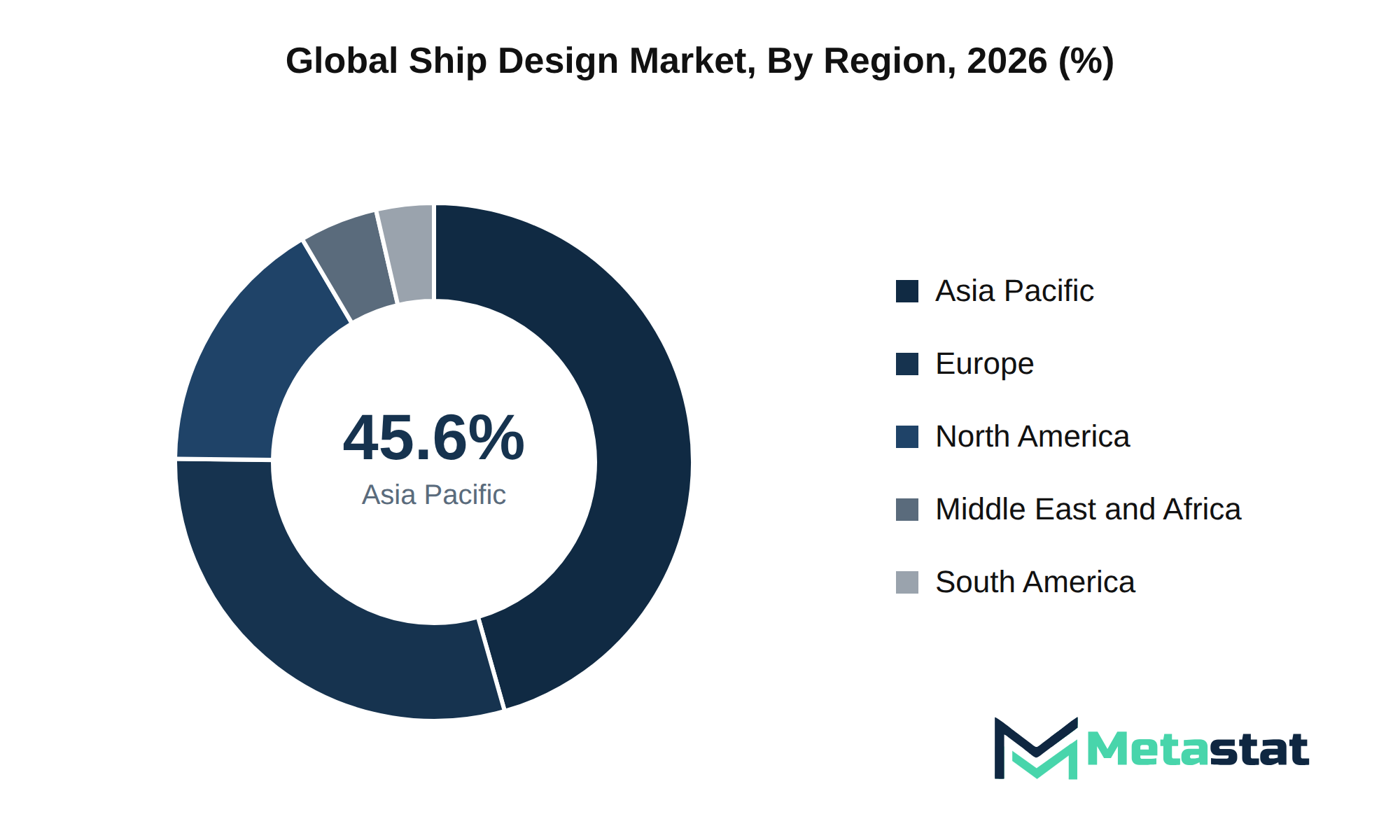
The European Ship Design market accounts for 29.6% of the global market in 2025. Countries including Germany, France, the UK, Italy, Spain, and Russia represent key players in this region, contributing to the overall growth trajectory. A combination of mature market dynamics and continuous investment in technological advancements drives demand for innovative ship designs. The focus on sustainability and environmental regulations necessitates the adoption of more efficient vessel designs, influencing investment patterns across various design phases.
Countries in Europe exhibit robust infrastructure readiness, supporting the development and modernization of ship design capabilities. Local compliance mandates create a competitive landscape that emphasizes quality and innovation. The presence of domestic market participants facilitates collaboration and knowledge sharing, further enhancing the region's capabilities. Incremental growth vectors emerge from specialized segments, including Offshore Wind Service & Installation Vessels and Offshore Construction & Subsea Vessels.
Cross-border trade corridors stimulate demand for ship designs tailored for diverse applications. The region's strategic entry barriers attract foreign direct investment, reinforcing the growth of localized manufacturing densities. Geopolitical factors impact trade dynamics, prompting companies to adapt to shifting regulatory frameworks. Overall, the European Ship Design market benefits from a complex set of local factors, driving sustained growth and competitive positioning.
With a projected market share of 45.6% in 2025, Asia-Pacific stands because a significant contender in the Ship Design market. Countries including China, Japan, and India drive this expansion through robust maritime activities and increasing investments in ship design processes. The region benefits from a strong emphasis on offshore construction and subsea vessels, aligning with global energy demands and environmental initiatives.
Infrastructure modernization contributes to enhancing shipbuilding capabilities, particularly in South Korea and Australia, where technology adoption accelerates project execution. Emerging market front-runners in Southeast Asia demonstrate potential for growth, driven by rising demand for bulk carriers and general cargo ships.
Local compliance mandates and regulatory frameworks shape procurement strategies and design specifications within the market. Cultural nuances influence regional B2B buying behaviors, encouraging tailored solutions that meet specific needs. The competitive landscape features domestic market leaders, highlighting the significance of vendor consolidation trends across the region.
Strategic entry barriers present opportunities for foreign direct investment flows, enhancing geographic expansion windows for international players. Regional resource availability and energy grid resiliency further support the growth of localized manufacturing densities, enabling companies to respond effectively to evolving market demands.
Brazil and Argentina play significant roles in the South American Ship Design market, which is expected to represent 3.6% of the global market share in 2025. The continued modernization of infrastructure within these countries enhances opportunities for the market by facilitating new projects and retrofitting existing vessels.
Investment in local manufacturing capacities and the push toward sustainable maritime practices drive growth in the market. Domestic operators focus on improving operational efficiency through advanced design solutions, addressing regional challenges including environmental compliance and resource management.
Emerging domestic market players are likely to influence competitive dynamics, driving innovation and collaboration within the sector. The presence of local procurement dynamics further emphasizes the importance of understanding cultural nuances in B2B buying behaviours across Brazil, Argentina, and the Rest of South America.
Strategic entry barriers persist, with foreign direct investment (FDI) flows supporting expansion opportunities. Companies operating in the market navigate regulatory frameworks tailored to regional compliance mandates while addressing local infrastructure readiness and energy grid resiliency.
Overall, the South American Ship Design market shows incremental growth vectors, with a focus on high-value replacement cycles and supply chain regionalization. This positioning helps establish the region because a significant contributor to the global maritime design landscape.
The Ship Design market in the Middle East and Africa, accounting for 4.9% of the global share in 2025, reflects distinct characteristics influenced by various factors. Saudi Arabia and the UAE demonstrate strong investments in maritime infrastructure and shipbuilding capabilities, driven by strategic geographic locations and significant oil and gas industries. South Africa's established maritime sector contributes to growing design needs, particularly in the context of regional shipping and trade activities.
Emerging market front-runners in the region, including the UAE, prioritize modernization and efficiency in ship design, creating a favorable environment for technological adoption. This focus aligns with global trends toward sustainable and efficient shipping solutions. Incremental growth vectors arise from local demand for specialized vessels, including those suited for offshore operations and renewable energy projects.
Supply chain regionalization significantly shapes the competitive landscape, with local procurement dynamics impacting vendor strategies. Domestic market participants leverage available resources and localized manufacturing capabilities to enhance service delivery and reduce turnaround times. Cultural nuances and regional B2B buying behaviors further influence decision-making processes within the market.
Foreign Direct Investment (FDI) flows into the ship design sector are expected to increase, promoting collaboration between local and international firms. This investment will likely support geographic expansion windows and enhance the overall competitiveness of the market. The focus on compliance with local regulations and trade policies will shape future initiatives in the region, ensuring alignment with international standards while addressing specific regional needs.
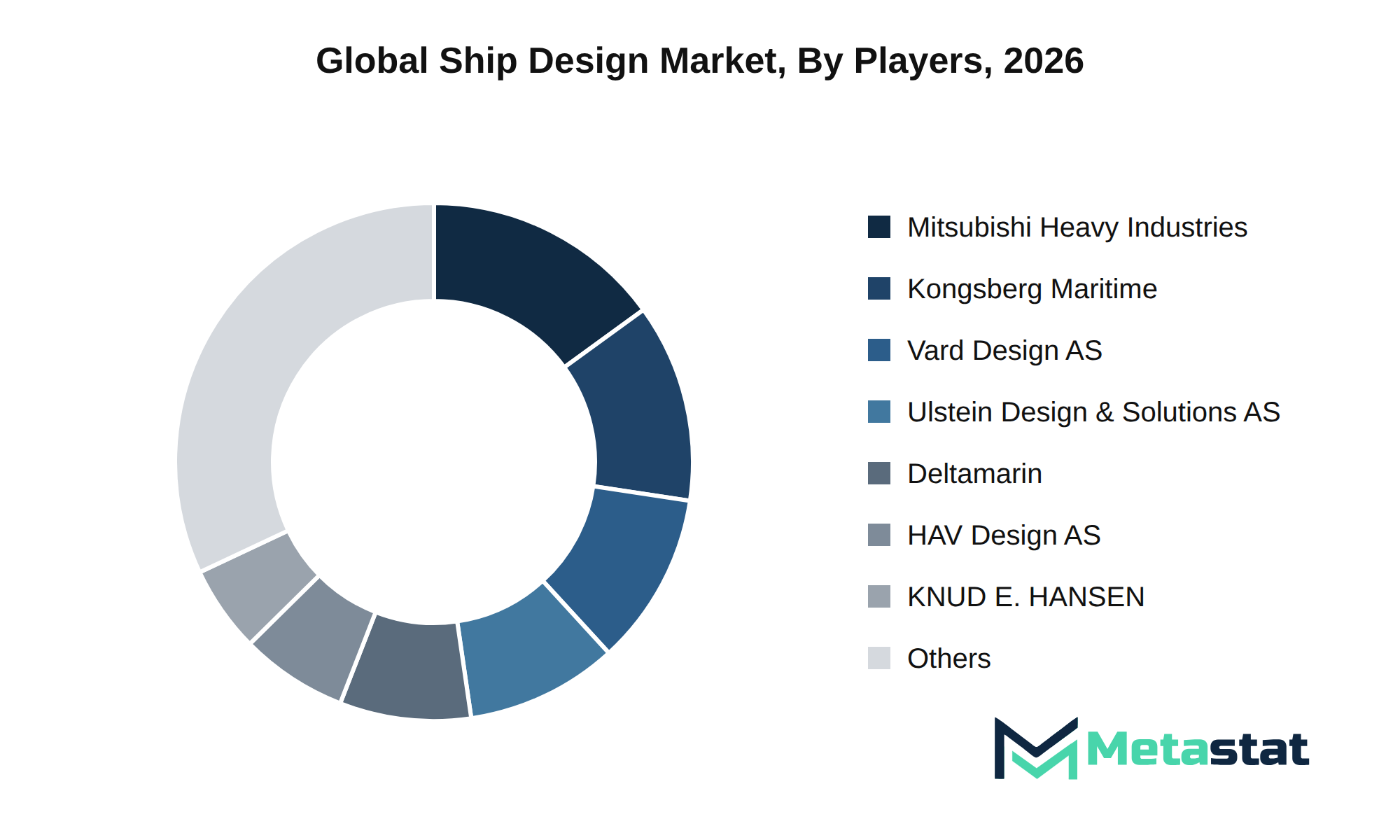
The Ship Design market experiences diverse competitive dynamics driven by companies pursuing various strategic behaviors to enhance their market positioning. Key players including Kongsberg Maritime, Vard Design AS, and Ulstein Design & Solutions AS focus on product differentiation and innovation, leveraging proprietary technologies to establish competitive moats. Companies prioritize research and development pipelines to meet evolving customer demands, creating unique design capabilities that differentiate their offerings in the marketplace.
Strategic alliances and partnerships form a significant part of the landscape, with companies like Deltamarin Ltd and HAV Design AS collaborating on projects that enhance their market reach and technological capabilities. Cross-industry partnerships facilitate the integration of new technologies and services, enabling firms to respond effectively to market shifts. Barriers to entry remain significant, particularly due to the established brand equity of incumbents and the high levels of investment required to develop robust design capabilities.
The competitive outlook indicates a focus on customer retention strategies. Companies aim to enhance customer loyalty through tailored solutions and value-added services, which shield them from potential new entrants. The threat of startup disruption dynamics persists, owing to innovative newcomers introducing agile approaches and novel designs, challenging traditional business models within the market. Overall, the ongoing evolution of strategic behaviors will shape the future landscape of the Ship Design market.
Market size is forecast to rise from USD 4,902.6 million in 2025 to over USD 6,868.2 million by 2033. The base case projects growth at a rate of 4.3% CAGR during this period. A favorable macroeconomic environment, characterized by increased investments in infrastructure and technological advancements, drives demand within the Ship Design market. Significant R&D efforts focus on next-generation technologies, enhancing efficiency and sustainability in vessel designs.
Potential bull cases present higher growth scenarios, driven by stronger-than-anticipated demand across various industries, particularly in offshore construction and renewable energy sectors. Bear cases involve economic downturns or geopolitical tensions that could disrupt supply chains and reduce capital allocations, leading to slower growth.
Shifts in downstream demand reflect changing consumer preferences and regulatory landscapes, necessitating adaptability from stakeholders within the market. Strategic capital allocation and investments in new technologies become vital for maintaining competitiveness. Emerging opportunities exist within niches requiring specialized designs, emphasizing the need for innovation and responsiveness to evolving market conditions.
The outlook for the Ship Design market remains positive, supported by continued expansion efforts, investments in new technologies, and the exploration of unmet enterprise needs. This dynamic environment allows companies to develop robust strategies, ensuring alignment with evolving economic landscapes and regulatory requirements.
The report strategically identifies and profiles the key market players and analyses their core competencies in each sub-segment of the Ship Design market.
Report Attributes | Details |
Study Period | 2021-2033 |
Base Year | 2025 |
Estimated Year | 2026 |
Forecast Period | 2026-2033 |
Historical Period | 2021-2025 |
Growth Rate | CAGR 4.3% from 2026 to 2033 |
Revenue Unit | USD million |
Segmentation | By Vessel Type, Design Phase, Project Type, Ship Size, and Region |
By Region | North America (By Vessel Type, Design Phase, Project Type, Ship Size, and Country)
|
Europe (By Vessel Type, Design Phase, Project Type, Ship Size, and Country)
| |
Asia Pacific (By Vessel Type, Design Phase, Project Type, Ship Size, and Country)
| |
South America (By Vessel Type, Design Phase, Project Type, Ship Size, and Country)
| |
Middle East and Africa (By Vessel Type, Design Phase, Project Type, Ship Size, and Country)
|
Find answers to common questions about this report
The Ship Design market size was valued at USD 4,902.6 million in 2025, according to the Metastat Insights study.
The Ship Design market is projected to grow at a CAGR of 4.3% during the forecast period from 2026 to 2033.
The North America Ship Design market size is estimated to reach USD 1,049.5 million by 2033.
The segment of Newbuild Vessel Design leads the Ship Design market with a projected value of USD 4,551.6 million by 2033. This segment demonstrates a compound annual growth rate of 3.3% during the forecast period.
Investment in infrastructure development and digital transformation drive the Ship Design market. Increased government spending on maritime infrastructure and the adoption of advanced technologies enhance design processes, leading to greater efficiency and innovation in vessel designs. These factors collectively support market expansion and competitiveness.
Asia Pacific holds the dominant share of the Ship Design market, accounting for 45.6% of the total market in 2025. This region's significant share reflects its robust maritime industry and demand for various vessel types.
Regulatory compliance, macroeconomic headwinds, supply chain disruptions, and workforce challenges significantly restrain the Ship Design market's growth. Stringent environmental regulations increase operational costs, while economic fluctuations and skilled labor shortages hinder project execution and innovation. Geopolitical fragmentation complicates logistics and procurement, further impacting market dynamics.
Investment in infrastructure development and the digital transformation of design processes favor product adoption in the Ship Design market. Increased government spending and private sector capital enhance design capabilities, while the integration of advanced technologies, including automation and artificial intelligence, streamlines workflows and improves operational efficiencies.
The Ship Design market is estimated to reach a valuation of USD 6,868.2 million by 2033.
Key players in the Ship Design market include Kongsberg Maritime, Vard Design AS, Ulstein Design & Solutions AS, Deltamarin Ltd, HAV Design AS, KNUD E. HANSEN, and Elomatic.
The analysts below cover Automotive and Transportation research at Metastat Insights.
LEAD ANALYST
Utkarsh Khirodkar is a Lead Market Research Analyst at MetaStat Insight, specializing in market intelligence, technology sector assessments, and competitive strategy.

ENERGY & INFRASTRUCTURE INDUSTRY CONSULTANT
Automotive and Transportation · Electronics and Semiconductor · Energy and Power · Machinery & Equipment
Saurabh Vasant Ganvir consults for Energy & Infrastructure Industry at MetaStat Insight, specializing in renewable energy, solar EPC, and electric vehicle (EV) infrastructure markets.
Assessing 200mm wafer transition schedules and substrate supply bottlenecks requires precise technical intelligence. MetaStat Insight supplied an actionable breakdown comparing planar and trench MOSFET architectures across automotive and industrial drive markets. The regional capacity estimates for Asia-Pacific foundries helped clarify lead-time uncertainties during our strategic planning session. When we needed additional clarification on high-purity raw material sourcing, their analyst team responded with helpful context within twenty-four hours.
Tracking maintenance cycle demand for secondary flight display units and terrain collision avoidance systems across regional jet fleets involves complex aftermarket dynamics. MetaStat Insight provided practical analysis separating airline retrofit programs from OEM forward-fit production schedules in North America and Southeast Asia. The supplier matrix highlighted component obsolescence timelines without resorting to vague generalizations. The dataset served as a dependable reference during our annual program review meetings.
Evaluating secondary resin quality across post-consumer packaging streams requires reliable technical segmentation. MetaStat Insight delivered an objective assessment that distinguished between extrusion-grade flake pricing and optical sorting throughput limitations across Western Europe. The competitive positioning breakdown for licensed depolymerization technology providers answered several questions during our feedstock feasibility audit. Their team clarified regional trade restrictions on mixed plastic scrap quickly when our team submitted follow-up requests.
Explore related market intelligence reports worth reading alongside this one.
Starting from
$2950
Starting from
$2950