
Explore the crucial elements that shape pricing strategies in the market for Western Wear, helping buyers make informed decisions.
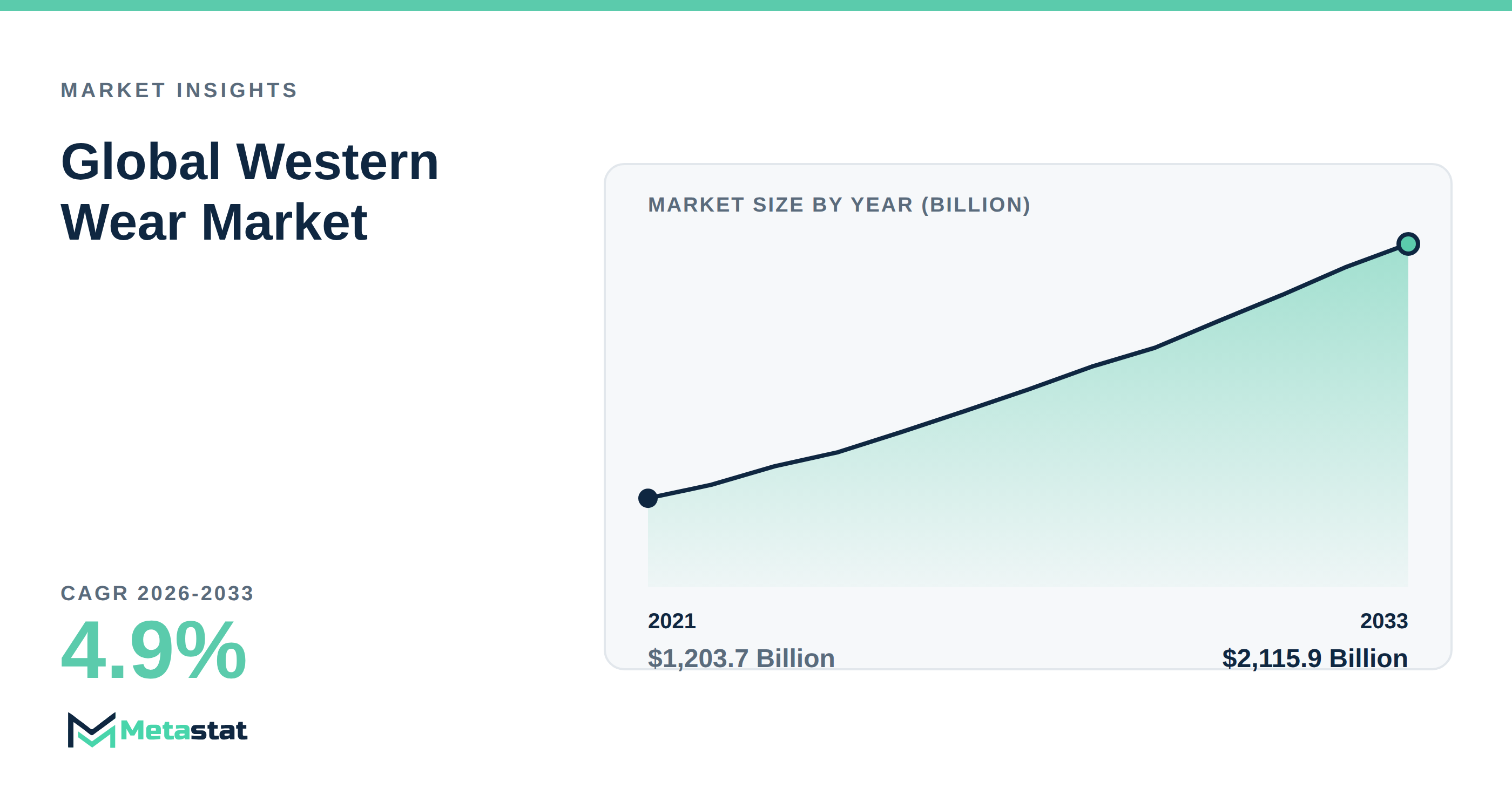
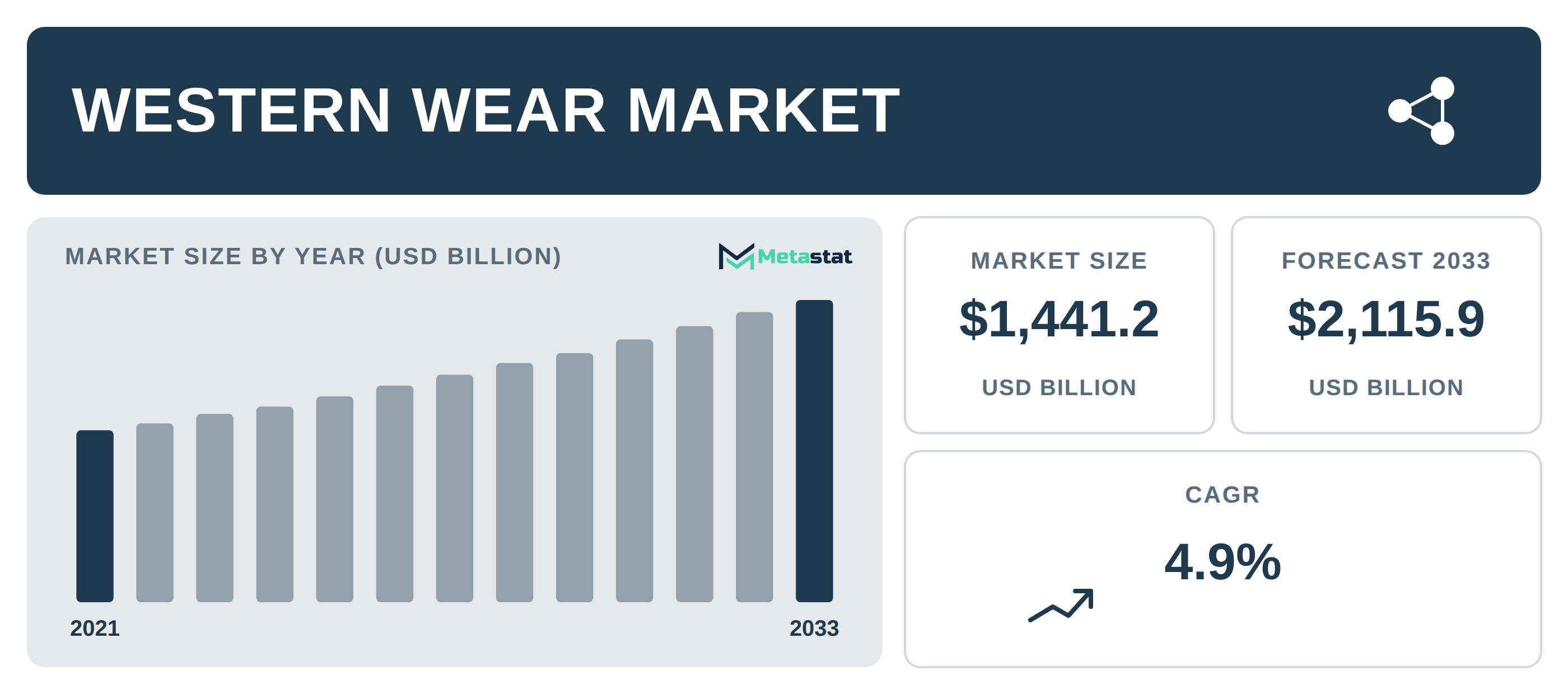
The pricing of Western Wear is shaped by various factors that buyers should understand to make informed purchasing decisions. As consumer preferences evolve, the cost structures behind the products are changing. Are key elements impacting the pricing landscape that every buyer in the market for Western Wear should consider. The full figures are in our Western Wear market size and forecast report.
1. Rising Input Costs Affect Prices
Increasing prices for raw materials like cotton and synthetic fabrics significantly impact the overall pricing of Western Wear. As suppliers face higher costs, they often pass these expenses onto consumers, leading to increased retail prices. This trend challenges budget-conscious buyers, particularly within the casual wear segment, where affordability remains critical. Brands navigate these rising costs while maintaining product quality, making it essential for buyers to consider price fluctuations when shopping for their Western Wear.
2. Online Retail Expansion Drives Competitive Pricing
The surge in online retail channels is altering the pricing dynamics in the market for Western Wear. As e-commerce platforms grow, consumers gain access to a wider range of products at competitive prices. This enhanced visibility compels brands to adopt more aggressive pricing strategies to attract customers. Buyers benefit from the convenience of online shopping, allowing them to compare prices and seek out better deals across various brands, which helps them leverage competition in their favor.
3. Consumer Demand for Sustainability Influences Costs
Today's buyers increasingly prioritize sustainable and ethically sourced materials when choosing their Western Wear. Brands that incorporate traceable materials into their products face higher initial production costs. However, this commitment to sustainability creates a premium segment that appeals to environmentally conscious consumers willing to pay more for responsible fashion. Understanding this consumer sentiment allows buyers to align their choices with their values, impacting their willingness to pay.
4. Casual Wear Trend Shapes Pricing Strategies
The demand for casual wear is reshaping pricing strategies among Western Wear brands. With projections indicating rapid growth in this segment, companies adjust their pricing to reflect changing consumer preferences for comfort and versatility. This shift allows buyers to find a variety of Western Wear options that blend style and affordability, further influencing purchasing decisions as brands cater to the evolving market landscape.
5. Influence of Brand Reputation on Pricing
Brand reputation significantly impacts the pricing of Western Wear products. Established brands with a strong presence often command higher prices, reflecting their perceived quality and customer loyalty. Buyers pay a premium for recognized names like Levi Strauss & Co. or Ralph Lauren Corporation due to their historical significance in Western fashion. However, emerging brands disrupt this dynamic by offering comparable quality at lower prices, enabling consumers to leverage their purchasing power and explore new options.
Understanding these factors behind Western Wear pricing equips consumers with the knowledge needed to navigate their purchase decisions effectively. By considering input costs, online retail dynamics, sustainability demands, trends in casual wear, and brand reputation, buyers make informed choices while maximizing their value in the market for Western Wear.
Tags
About the Author

LEAD ANALYST
Utkarsh Khirodkar is a Lead Market Research Analyst at MetaStat Insight, specializing in market intelligence, technology sector assessments, and competitive strategy.