
LEAD ANALYST
Utkarsh Khirodkar is a Lead Market Research Analyst at MetaStat Insight, specializing in market intelligence, technology sector assessments, and competitive strategy.

Global Western Wear Market Size, Share, By Product Category (Apparel, Footwear), By Wear Type (Casual Wear and Formal Wear), By End User (Women, Men, and Kids), By Distribution Channel (Online Retail, Brand-Owned Stores and Outlets, Multi-Brand Specialty Stores, Department Stores, Supermarkets and Hypermarkets), Industry Analysis, Growth, Trends, and Forecast, 2026-2033
Report ID
MSI-2534
Published
October, 2026
Pages
253 Pages
Format
Historical
Base year
Forecast
Forecast period
Report Details
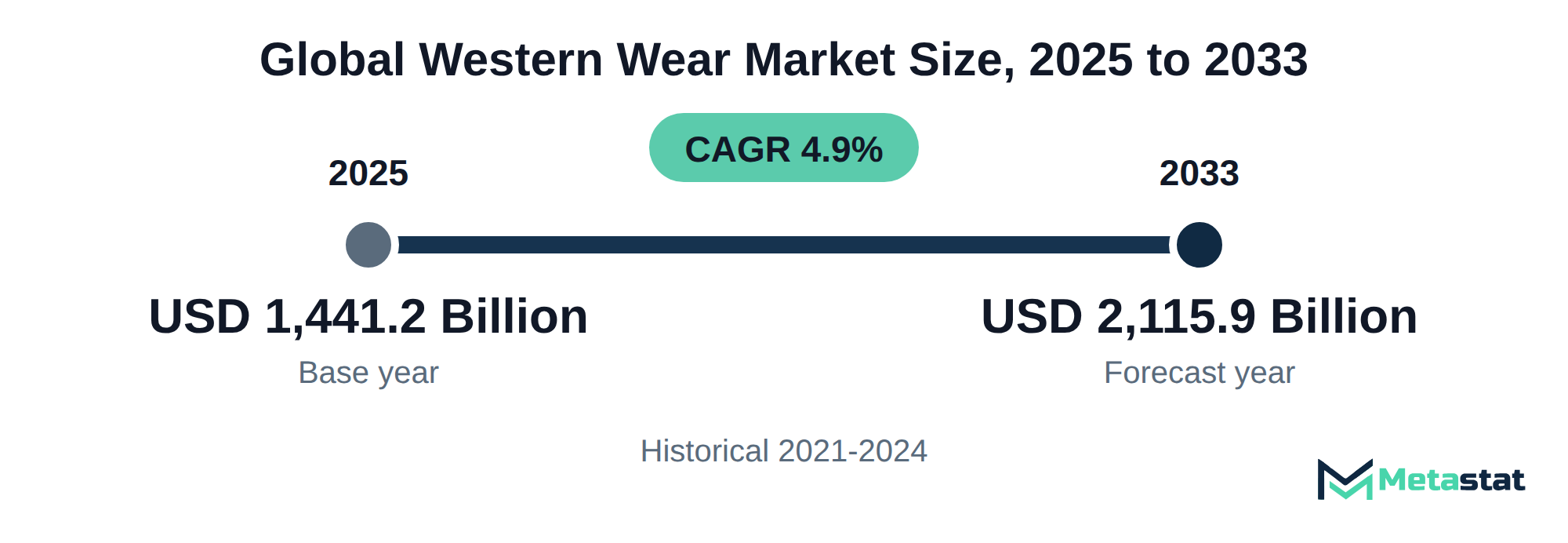
Market Valuation: Valued at $1,441.2 Billion in 2025, projected to reach $2,115.9 Billion by 2033 at a 4.9% CAGR.
Dominant Segment: The apparel segment leads the market, driven by a growing preference for casual wear that blends comfort and style. This segment is projected to reach USD 1,646.4 billion by 2033, reflecting the increasing demand for versatile clothing options.
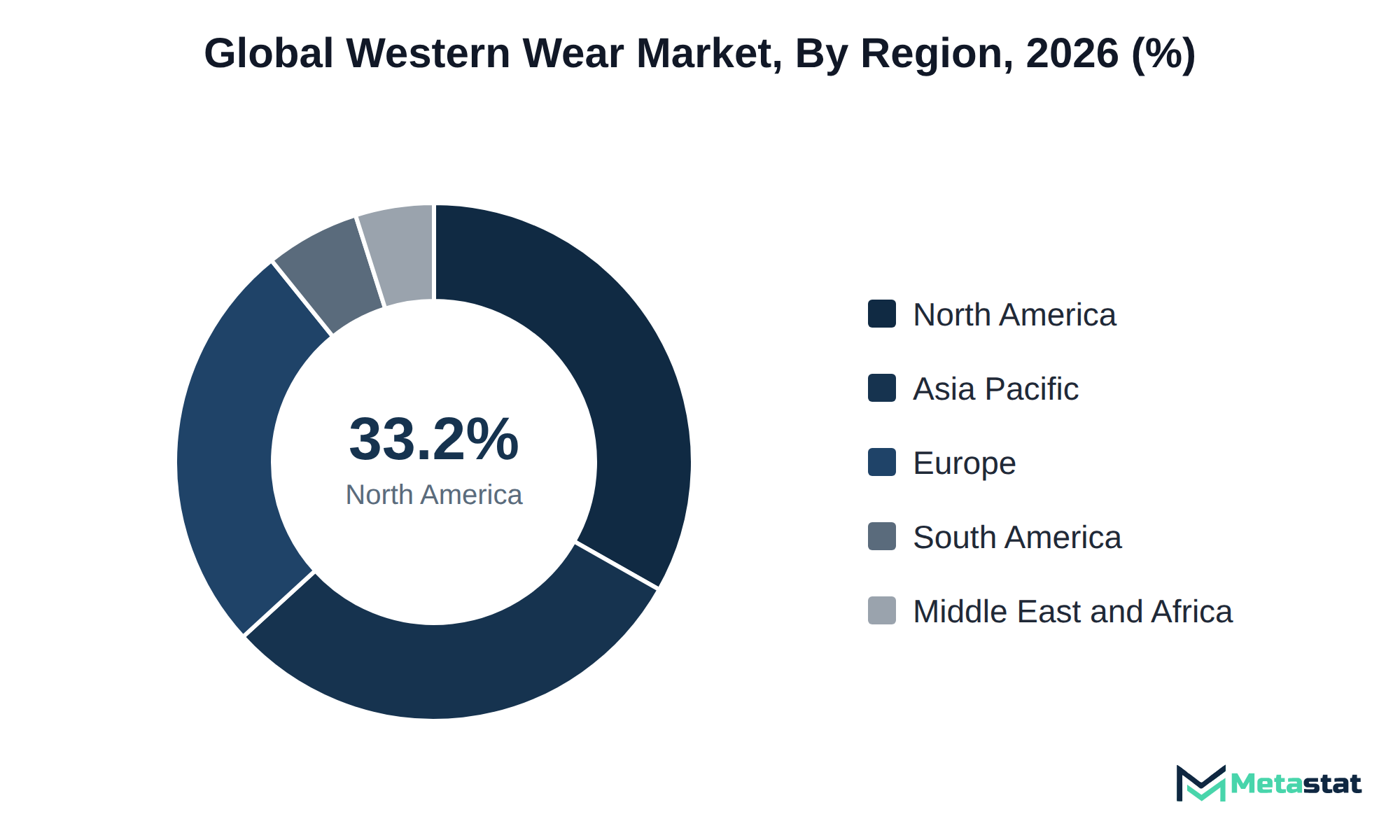
Geographic Lead: North America dominates the market, accounting for 33.2% in 2025, with the US expected to maintain its lead through 2026. The region's cultural ties to Western fashion and expanding online retail channels contribute to its growth.
What's Inside: The report provides a comprehensive analysis of the Western Wear market, covering competitive dynamics, market segmentation by product category, wear type, end user, and distribution channel, along with forecasts through 2033.
Market Opportunity: The online retail channel is identified as a key growth driver, projected to reach USD 830.3 billion by 2033, as consumer preferences shift towards digital shopping for convenience and variety.
Increased Spending on Casual Wear: Consumer demand for casual wear is on the rise, particularly among women, leading to increased sales volume and a projected market value of USD 1,448.5 billion by 2033.
Choose Your License
Global Western Wear Market
The global Western Wear market was valued at USD 1,441.2 billion in 2025 and is projected to reach USD 2,115.9 billion by 2033, growing at a CAGR of 4.9% over the forecast period.
The market encompasses a variety of products, including apparel and footwear, designed to cater to specific consumer needs. Buyers invest in this market due to the increasing interest in fashion that reflects personal style and cultural heritage. This interest drives demand from diverse consumer segments, including men, women, and children, each seeking unique styles that blend tradition with modern trends.
Growth in the Western Wear market is propelled by rising consumer awareness and changing fashion preferences. The apparel segment holds the most value, significantly influencing overall market performance. North America holds 33.2% of the market in 2025, with the US leading in 2026. The region's strong cultural ties to Western fashion contribute to its dominance, attracting both local and international consumers.
Another key driver of growth lies in the expansion of online retail channels, providing consumers with easier access to these products. The convenience and variety offered through online platforms cater to the evolving shopping habits of consumers. Expanding online retail channels enhance market penetration and drive competitive dynamics among key players.
The Western Wear market encompasses a diverse range of apparel and footwear tailored for various demographics. Buyers invest in this market because of the cultural significance of Western fashion, which blends tradition with contemporary style. The expansion of social media and influencer marketing has heightened consumer interest, driving purchases among fashion-conscious individuals who seek to express their identity through Western styles.
Growth in the market is primarily driven by the increasing acceptance of casual wear in everyday life, with apparel representing the largest segment by value. The Asia Pacific region closely follows, capturing 30% of the market, reflecting a growing interest in Western aesthetics among younger consumers in urban centers.
Consumer preferences shape Western Wear market dynamics. The rise of online retailing significantly influences purchasing behaviors, allowing wider access to Western Wear brands and styles. This shift towards digital platforms enhances consumer discovery and purchasing of products, contributing to overall market growth.
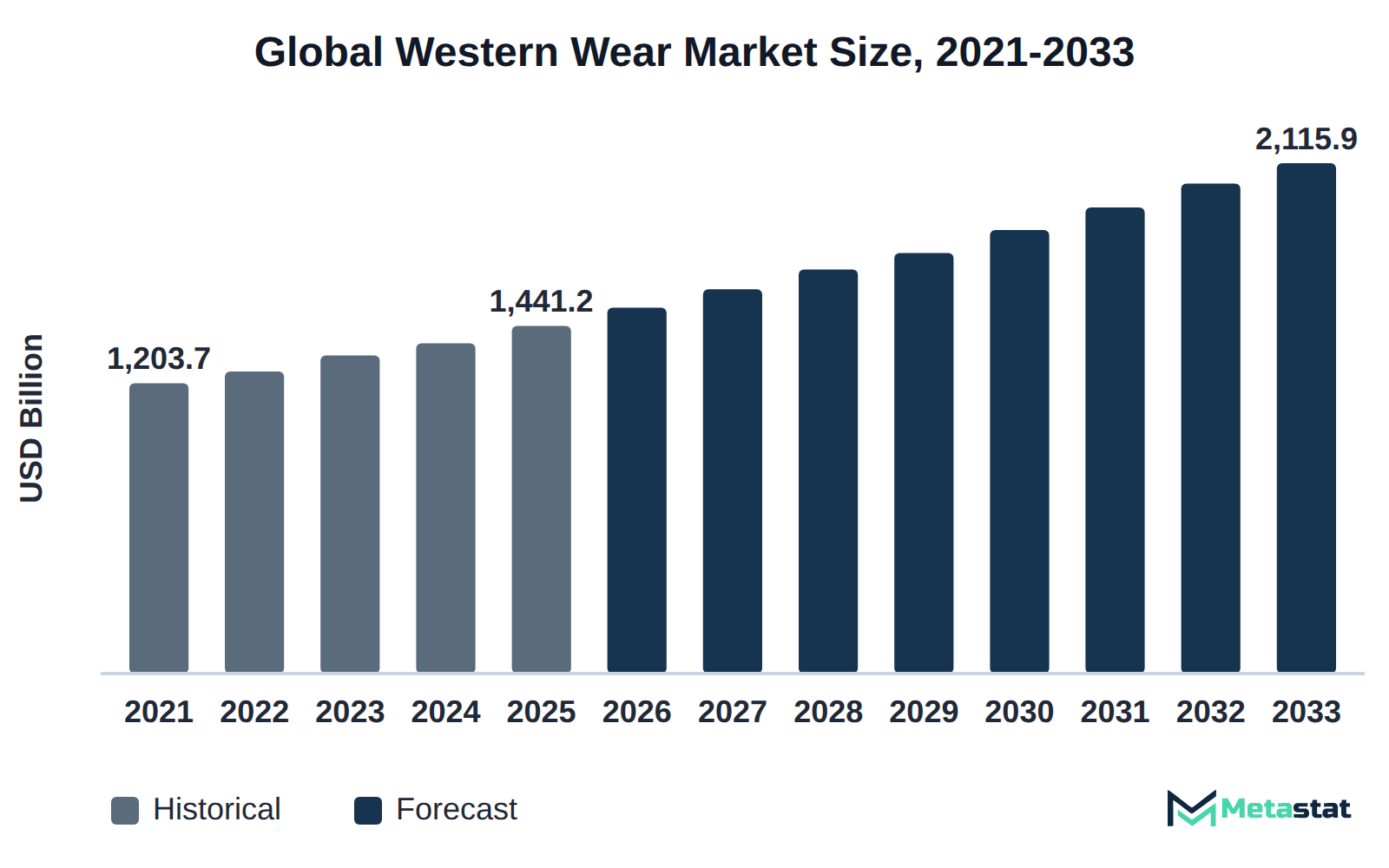
A notable trend in the Western Wear market involves the increasing popularity of denim and relaxed tailoring within everyday wardrobes. This shift reflects a broader consumer preference for comfort blended with style, driving a significant transformation in apparel choices. In the upcoming years, the casual wear segment is projected to expand from USD 1.006 billion in 2026 to USD 1.448 billion by 2033, demonstrating a compound annual growth rate of 5.3 percent.
Combining traditional denim with relaxed tailoring techniques produces versatile garments suitable for various occasions and appeals to a broad consumer base. Brands respond to this demand by innovating their product offerings, incorporating materials that enhance comfort without sacrificing aesthetics. This evolution caters particularly to the evolving preferences of younger demographics, who prioritize both functionality and style in their fashion choices.
The widespread adoption of denim and relaxed tailoring contributes positively to overall market growth by attracting customers seeking casual yet chic options. Retailers that embrace this product shift benefit through increased sales and enhanced customer loyalty. While the market continues to evolve, this trend positions brands to capture significant market share within the Western Wear market.
Traceable materials and garment durability significantly shape purchasing decisions in the Western Wear market. Buyers increasingly prioritize transparency in sourcing, with a growing emphasis on sustainable fashion and ethical practices. For instance, a notable segment, casual wear, is projected to achieve a value of USD 1,448.5 billion by 2033, reflecting rising consumer interest in durable and responsibly sourced products. This trend influences pricing and contract models, prompting brands to adopt more stringent supplier evaluations and certifications.
The rise of online retail channels adds another layer to the purchasing landscape. With an expected value of USD 830.3 billion in this distribution channel by 2033, the market sees an increase in contract negotiations that favor online platforms. Buyers gain access to competitive pricing through heightened market accessibility, which benefits consumers seeking value alongside quality. Ultimately, these dynamics lead to a more informed and engaged customer base, driving long-term growth within the Western Wear market.
Social commerce and virtual fit tools significantly influence the conversion economics in the Western Wear market. These innovations address the specific needs of younger consumers, who prioritize effective online shopping experiences. This demographic, particularly Gen Z and Millennials, seeks personalized shopping options that enhance engagement and satisfaction levels. By integrating social commerce, brands create interactive platforms that allow users to browse and purchase while simultaneously engaging with their peers. Improved conversion rates drive sales growth.
Online retail for the Western Wear market is projected to reach USD 830.3 billion by 2033, reflecting a compound annual growth rate of 7.3%. This rapid expansion highlights the importance of virtual fit tools, which let users visualize how specific apparel fits their body types. Enhanced fitting experiences lead to lower return rates, ultimately benefiting retailers financially. Brands that invest in these technologies strengthen their competitive position and appeal to the distinct preferences of younger shoppers as retail habits change.
Reducing online returns presents a significant challenge for brands in the Western Wear market, with operational efficiency and customer satisfaction at stake. Key strategies focus on enhancing product descriptions and improving size guides. A clear, accurate size guide helps customers select the right fit, addressing one of the main reasons for returns. The apparel segment, projected to reach USD 1,646.4 billion by 2033, highlights the substantial commercial implications of addressing return rates effectively.
Online retail has emerged as a major distribution channel within the Western Wear market, with a projected growth from USD 507.2 billion in 2026 to USD 830.3 billion by 2033. This growth emphasizes the importance of optimizing the online shopping experience. Incorporating customer reviews and offering virtual fitting technologies further enhance this experience, reducing uncertainty for buyers. By focusing on accuracy in product representation, brands cultivate trust and loyalty among consumers, ultimately driving sales while minimizing returns.
A shift among consumers toward casual wear significantly impacts spending patterns. Women, in particular, drive demand for comfortable and stylish casual options, influenced by lifestyle changes that favor relaxed clothing. This demographic shift results in increased sales volume and higher prices for casual western apparel. Recent data highlights that the casual wear segment is projected to reach USD 1,448.5 billion by 2033, reflecting a compound annual growth rate of 5.3%. This growth illustrates a broader trend wherein buyers prioritize comfort and versatility in their wardrobes, ultimately shaping the overall dynamics of the Western Wear market.
Growing online retail channels further support this shift, facilitating easier access to a variety of casual options. With online retail expected to reach USD 830.3 billion by 2033, the convenience of purchasing casual wear online aligns with evolving consumer preferences.
Innovations in manufacturing technologies significantly impact product quality and production efficiency in the Western Wear market. Advanced textile technologies, including digital textile printing and automated cutting, enhance design capabilities while reducing waste. These changes lead to higher quality fabrics that offer improved durability and comfort, aligning with consumer preferences for long-lasting apparel.
Automation in manufacturing processes allows suppliers to lower production costs, facilitating competitive pricing for consumers. Enhanced operational efficiencies support quicker turnaround times, enabling brands to respond effectively to changing fashion trends and consumer demands. This responsiveness creates a dynamic environment where trends rapidly shift, further stimulating growth in the market.
Integration of sustainable practices into manufacturing processes reflects a growing demand for environmentally friendly products. Brands prioritizing sustainable production attract a more environmentally conscious consumer base, driving additional sales in the Western Wear market. These technological advances support continued market expansion and better product offerings.
Price sensitivity presents a significant challenge for the western wear market, particularly affecting budget-conscious consumers from various demographic segments. In a competitive retail environment, rising production costs translate into higher retail prices, leading to slower uptake among potential buyers. This dynamic influences purchasing decisions, particularly for casual wear and footwear, where consumers seek value and affordability. Retailers experience smaller order sizes from price-sensitive customers, resulting in reduced sales volume. Prolonged economic fluctuations exacerbate consumer hesitation, leading to delays in replacement purchases. Buyers prioritize affordability, and brands in the western wear market face increased pressure to manage pricing strategies effectively to maintain market share and drive demand.
Input cost pressures challenge suppliers in the Western Wear market. Rising prices for raw materials, including cotton and synthetic fabrics, significantly impact profitability, forcing producers to reevaluate sourcing strategies. In response, many suppliers explore alternative materials or adjust pricing strategies to maintain competitiveness. This shift often involves investing in sustainable practices that lower long-term costs, including adopting recycled textiles or optimizing supply chain logistics.
Increasing operational efficiencies through technology integration further aids suppliers in managing costs. Automation and data analytics streamline manufacturing processes, reducing waste and enhancing productivity. These measures enable suppliers to mitigate the adverse effects of rising input costs while maintaining product quality and meeting consumer demand. The pressure on margins prompts a need for innovative approaches to pricing and product offerings. Suppliers shift focus toward value-driven marketing, emphasizing durability and cost-effectiveness to attract budget-conscious consumers. These strategies are essential for sustaining growth as consumer preferences change.
The online retail channel emerges as a significant growth avenue within the Western Wear market. This growth is driven by increasing consumer preference for digital shopping, enhancing convenience and accessibility. The segment appeals to a broad demographic, particularly younger buyers who favor online platforms for their purchases. Retailers focusing on online sales use digital marketing strategies and personalized shopping experiences to capture this expanding market share. The shift toward online retailing addresses changing consumer behaviors, positioning brands for increased profitability and market penetration. Investment in e-commerce infrastructure and technology is essential for brands aiming to capitalize on this trend and stay competitive.
The Global Western Wear market is segmented based on Product Category, Wear Type, End User, and Distribution Channel.
Apparel segment is valued at USD 1,198.2 billion in 2026 and is projected to reach USD 1,646.4 billion by 2033, at a CAGR of 4.6% during the forecast period. This segment serves a wide range of consumers, from casual wearers to those seeking more formal options. The increasing preference for casual and comfortable styles drives significant demand for this segment, reflecting broader trends in lifestyle choices. The apparel segment differentiates itself by exhibiting a higher growth trajectory compared to its footwear counterpart, which has a lower CAGR of 5.7%. Consumer focus on sustainable and versatile clothing influences purchasing decisions, with brands integrating innovative materials to enhance product appeal. The ongoing shift towards online retail channels further supports the segment's growth potential, aligning with broader trends in the Western Wear market.
Footwear segment is estimated to reach USD 469.5 billion by 2033, at a CAGR of 5.7% during the forecast period. This segment primarily includes boots and shoes tailored for various outdoor activities and casual wear, appealing to consumers across different age groups. The rising popularity of casual and functional footwear significantly drives growth, particularly among younger demographics seeking comfort and style. Unlike apparel, which caters to diverse fashion needs, footwear focuses more on performance and durability, influencing purchasing decisions. The footwear segment exhibits a stronger growth rate compared to the formal wear segment within the product category, reflecting changing consumer preferences towards more informal and versatile options. This shift aligns with broader trends in the Western Wear market, where practicality meets fashion.
Casual western wear primarily caters to consumers seeking comfortable and versatile clothing options suitable for everyday wear. Strong demand from young adults and urban professionals influences growth. The increasing popularity of casual styles fueled by evolving fashion trends drives market expansion. Compared to Formal Wear, which is valued at USD 667.3 billion by 2033, Casual Wear exhibits a higher growth rate. The need for stylish yet practical clothing continues to attract significant consumer interest, reinforcing the segment’s role in the Western Wear market.
Formal Wear segment is estimated to reach USD 667.3 billion by 2033, at a CAGR of 3.9% during the forecast period. This segment primarily serves those seeking attire for formal occasions, including business meetings and social events, catering to both men and women. The increasing demand for stylish and well-fitted formal wear drives growth, influenced by evolving fashion trends and social norms. Compared to the Casual Wear segment, which has a projected CAGR of 5.3%, Formal Wear experiences slower growth. This difference is attributed to varying consumer preferences, with casual styles gaining popularity among younger demographics, while formal wear remains essential for traditional and professional settings. The market demonstrates resilience, adapting to trends while maintaining a focus on quality and craftsmanship.
The women segment is valued at USD 666.4 billion in 2026 and is projected to reach USD 938.8 billion by 2033, at a CAGR of 5% during the forecast period. Apparel in this segment caters to women looking for stylish and practical clothing choices for various occasions. The increase in disposable income among women drives demand for high-quality and fashionable western wear, enhancing their purchasing power. This segment experiences faster growth compared to the men’s segment, which is projected to reach USD 800.6 billion by 2033, at a CAGR of 4.3%. Women’s western wear stands out due to its emphasis on both comfort and aesthetics, appealing to a broader consumer base that values functionality and style. Evolving fashion trends lead to diverse offerings in this segment, ensuring that it remains relevant and appealing in a competitive market.
This segment caters to a diverse range of clothing needs, serving men who seek both casual and formal options. The rising trend of casualization, driven by changing lifestyle preferences, supports demand for this segment. The increasing focus on comfort and functionality in apparel enhances its appeal among male consumers. Compared to the Women and Kids segments, which exhibit higher growth rates, the Men segment experiences steadier growth, presenting a more stable market landscape. The difference in growth rates highlights varying consumer attitudes and purchasing power among these demographics, with men gravitating toward durable and versatile options in the Western Wear market.
The Kids segment is expected to reach USD 376.4 billion by 2033. This segment caters to a growing demographic of parents seeking stylish and durable clothing for their children. Increased focus on fashion trends among young consumers drives demand, while parents prioritize affordability and quality. The segment exhibits a faster growth rate compared to others, with a projected CAGR of 5.0% during the forecast period. Compared to the Women segment, which is projected to grow at a CAGR of 5.0%, the Kids segment focuses more on practical attributes, appealing to budget-conscious families. The market emphasizes the significance of online retail channels for purchasing kids' western wear, reflecting a shift toward convenience and accessibility for parents.
This segment serves a diverse customer base, including young professionals and tech-savvy consumers who prefer the convenience of shopping from home. Increased smartphone penetration and the popularity of social media platforms drive significant engagement, enhancing purchasing experiences. Compared to other distribution channels, this segment exhibits faster growth, exemplified by its CAGR of 7.3%, surpassing growth rates in traditional retail formats. The shift toward online shopping influences the desire for convenience and a broader product selection, positioning this segment as a key player in the expansion of the market. The competitive landscape remains active, with retailers investing in digital strategies to enhance user experience and streamline checkout processes.
Brand-Owned Stores and Outlets segment is estimated to reach USD 490.2 billion by 2033, at a CAGR of 4.1% during the forecast period. This channel serves consumers directly, offering a variety of western wear products that cater to specific tastes and styles. Demand for branded products drives consumers to these outlets, where they expect higher quality and brand recognition compared to multi-brand specialty stores. Growth in this segment is supported by increasing consumer preference for brand loyalty, reflecting a willingness to invest in higher-priced items. In contrast, the online retail channel displays a faster growth rate of 7.3% CAGR during the same period, indicating a shift in purchasing habits among consumers seeking convenience. While Brand-Owned Stores and Outlets focus on delivering an exclusive brand experience, online platforms continue to attract a broader audience through competitive pricing and accessibility. This differentiation highlights evolving dynamics within the market.
Multi-Brand Specialty Stores segment is expected to reach USD 377.9 billion by 2033. This segment offers diverse brands and styles, appealing particularly to shoppers seeking a curated selection of Western wear. The rapid growth of online shopping influences this segment, driving foot traffic while consumers enjoy the tactile experience of trying on products before purchase. The expansion of fashion trends promotes consumer interest, with buyers increasingly favoring unique styles available at specialty stores compared to more generic offerings found at mass retailers. This segment exhibits a growth rate slower than the online retail channel, which is projected to expand at a CAGR of 7.3% during the same period. By 2033, the market for Multi-Brand Specialty Stores reflects a significant shift towards personalized shopping experiences in the Western Wear market.
Department Stores segment is projected to grow at a CAGR of 2.2% during the forecast period. This segment caters to consumers seeking a variety of western apparel and footwear in a single shopping environment. Department stores attract diverse consumer demographics, making them a popular choice for families and individuals looking for convenience. The growing trend of omnichannel retailing drives foot traffic to these stores, with consumers appreciating the blend of online and in-store shopping experiences. Unlike other distribution channels, including online retail, which is expected to grow at a CAGR of 7.3%, the slower growth of the Department Stores segment highlights a more traditional shopping preference among certain buyer groups. With increasing emphasis on in-store promotions and personalized customer service, this segment continues to adapt to evolving consumer preferences while maintaining its role in the broader Western Wear market.
Supermarkets and hypermarkets serve significant retail channels for western wear, catering to a diverse demographic, including families and individuals seeking convenience and variety. These establishments typically offer a wide range of products, from apparel to footwear, appealing to budget-conscious consumers. Factors influencing this segment include the growing preference for one-stop shopping experiences and increasing foot traffic in physical retail spaces driven by consumers returning to traditional shopping venues. Compared to online retail, which experiences higher growth rates, supermarkets and hypermarkets provide a tactile shopping experience that allows consumers to assess product quality before purchase. This segment's performance is characterized by stable pricing strategies, competing with specialized stores and online platforms while maintaining a loyal customer base seeking affordable options in the market.
Independent Apparel and Footwear Shops serve a vital role in retailing western wear, catering to diverse customer preferences and offering unique selections that appeal to localized markets. These shops typically attract consumers seeking distinctive styles and personal service, differentiating themselves from larger retail chains. The rise of consumer demand for personalized shopping experiences contributes significantly to the growth of this segment, allowing it to flourish in an environment where individual expression is prioritized. Independent shops often face challenges related to economies of scale, which influence pricing strategies. However, their focused merchandising allows for higher markups on unique items, positioning them differently compared to larger players. The market shift toward experiential retailing further supports the relevance of independent shops, making them essential in the current landscape of the western wear market.
Based on geography, the Global Western Wear market is divided into North America, Europe, Asia-Pacific, South America, Middle East, and Africa.
Strong consumer interest in fashion and lifestyle trends drives the demand for the Western Wear market in North America. The region's diverse demographic, particularly in the United States, Canada, and Mexico, influences purchasing behaviors, with emphasis on casual and informal clothing styles. Increasing online retail penetration enhances accessibility, encouraging higher spending on apparel and footwear. North America is projected to reach USD 658.5 billion by the end of 2033. The region holds a significant position in the global market in 2025. Competitive dynamics among leading brands further stimulate innovation and marketing strategies, promoting growth within the market. Manufacturers and retailers focus on enhancing customer experience through personalized offerings and technology integration, which strengthens brand loyalty and drives revenue growth.
Demand for the Western Wear market in Europe is driven by diverse consumer preferences across several countries, including Germany, France, and the UK. Fashion trends increasingly emphasize casual and versatile clothing, reflecting lifestyle changes among individuals in urban areas. The market benefits from established retail networks and a strong infrastructure, which facilitate the distribution of apparel and footwear. European countries prioritize sustainability, leading brands to adopt eco-friendly practices that appeal to environmentally conscious consumers. The market accounts for 26.0% of the global share in 2025, highlighting its significance. Growth opportunities exist for online retail platforms, enabling brands to reach a wider audience effectively within this region.
Growth in the Western Wear market across Asia-Pacific is driven by a rising middle class and increasing disposable incomes. Demand for casual wear and trend-driven apparel emerges prominently among urban populations in countries like China, India, and South Korea. The surge in online shopping has transformed retail dynamics, enhancing consumer access to a broader range of products. Infrastructure improvements, particularly in e-commerce platforms and courier, express, and parcel logistics, support this expansion. By 2025, this region is anticipated to contribute 30% to the global market, indicating significant potential for further growth. Retail strategies focusing on convenience and variety align with changing consumer preferences, enhancing brand competitiveness across diverse markets. A focus on sustainable practices among key players in the region sets a distinct approach to consumer engagement within the Western Wear market.
Brazil and Argentina emerge as key markets within the Western Wear market, driven by growing demand for casual and trendy apparel among younger consumers. The rise of social media influencers significantly impacts fashion choices, motivating purchases. Consumer spending in South America reflects increasing interest in personal style, particularly among the youth demographic. Retail infrastructure in urban areas has seen improvements, with a mix of traditional and online channels enhancing accessibility. The region's share of the global market is projected to reach 5.9% in 2025, highlighting its potential in the broader context. The market in South America faces challenges related to economic fluctuations; however, opportunities arise from a youthful population eager for fashionable options.
The Middle East and Africa exhibit specific characteristics influencing the Western Wear market. A growing interest in western fashion trends among consumers in countries including Saudi Arabia and the UAE significantly drives demand. The region's market share is projected at 4.9% in 2025, highlighting its emerging role in the global landscape. Retail channels including brand-owned stores and online platforms are expanding, reflecting the increasing consumer inclination towards convenient shopping experiences. South Africa contributes to this dynamic environment with its diverse fashion preferences, supporting the market's evolution. Ongoing economic development in the region enables greater access to western fashion, enhancing consumer engagement and increasing sales opportunities.
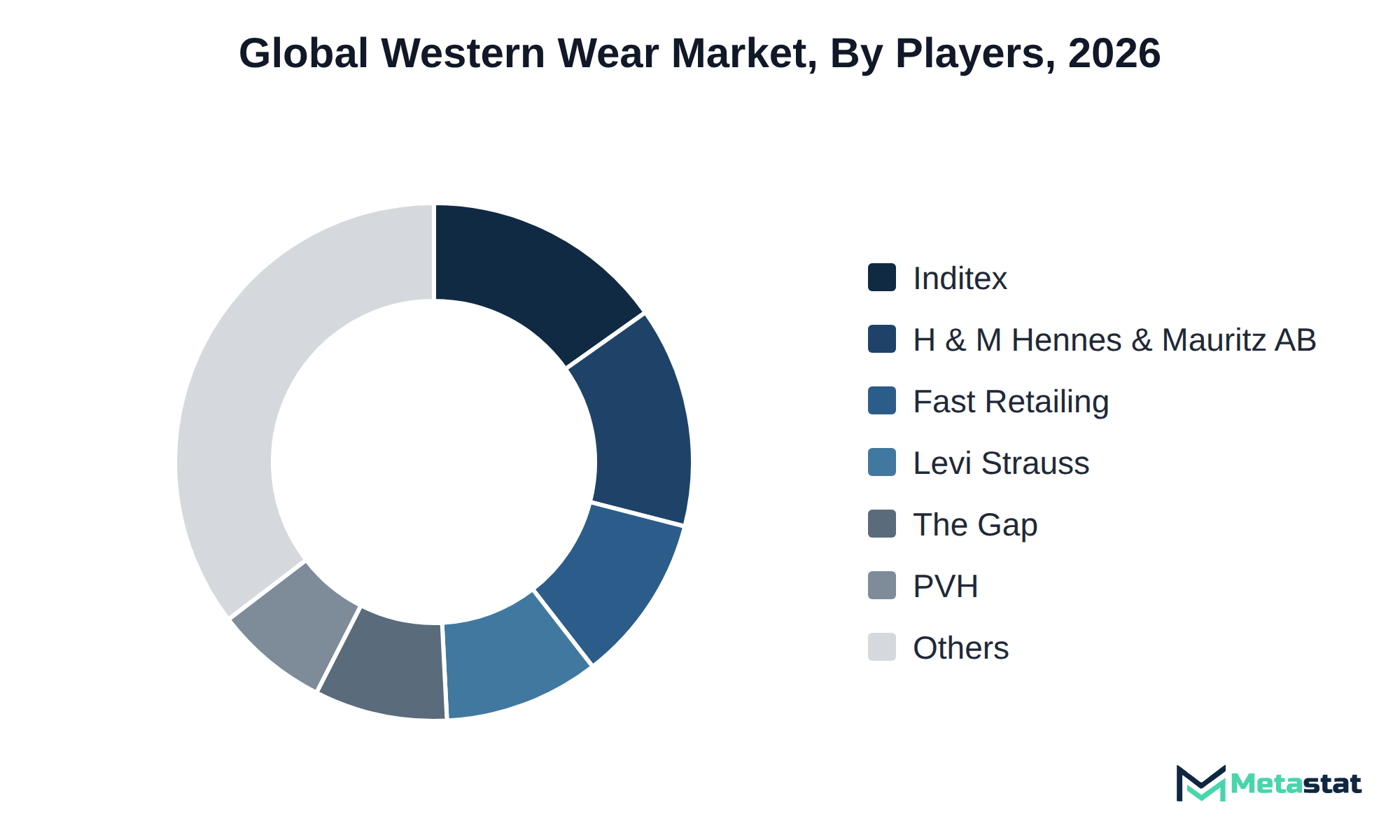
Competition in the Western Wear market divides primarily among companies focusing on apparel and footwear. Various brands, including Industria de Diseño Textil, S.A. (Inditex) and H & M Hennes & Mauritz AB, emphasize diverse product offerings to cater to distinct consumer preferences. Casual wear features heavily, appealing to a broad range of consumers, while formal wear targets more niche markets.
Buyers select products based on price, quality, and brand reputation. For instance, Levi Strauss & Co. emphasizes classic denim styles that connect with consumers seeking authenticity and durability. In contrast, NIKE, Inc. targets active consumers with innovative footwear designed for performance. The presence of brands like PVH Corp. highlights a strategy centered on premium pricing and high-quality materials, appealing to consumers prioritizing luxury when choosing premium Western wear.
This growth relies on several key developments in the Western Wear market. First, the expansion of online retail channels will drive significant sales, with a projected growth rate of 7.3% CAGR from USD 507.2 billion in 2026 to USD 830.3 billion by 2033. This channel's rise facilitates greater accessibility for consumers across various demographics. Second, casual wear among women is expected to grow from USD 666.4 billion in 2026 to USD 938.8 billion by 2033. This reflects a shift in consumer preferences toward more versatile and comfortable clothing options. Challenges arise from fluctuating material costs, which could hinder the overall growth of the market. Rising prices for raw materials could negatively impact profitability for manufacturers, especially in the apparel segment, where margins are already tight. If these costs continue to escalate, they restrict investment in product innovation and expansion plans. Consequently, these factors will determine whether the market achieves its forecasted growth target.
By Product Category: Apparel, Footwear
By Wear Type: Casual Wear, Formal Wear
By End User: Women, Men, Kids
By Distribution Channel: Online Retail, Brand-Owned Stores and Outlets, Multi-Brand Specialty Stores, Department Stores, Supermarkets and Hypermarkets, Others (Independent Apparel and Footwear Shops)
The report strategically identifies and profiles the key market players and analyses their core competencies in each sub-segment of the Western Wear market.
|
Report Attributes |
Details |
|
Study Period |
2021-2033 |
|
Base Year |
2025 |
|
Estimated Year |
2026 |
|
Forecast Period |
2026-2033 |
|
Historical Period |
2021-2025 |
|
Growth Rate |
CAGR 4.9% from 2026 to 2033 |
|
Revenue Unit |
USD billion |
|
Segmentation |
By Product Category, Wear Type, End User, Distribution Channel, and Region |
|
By Region |
North America (By Product Category, Wear Type, End User, Distribution Channel, and Country)
|
|
Europe (By Product Category, Wear Type, End User, Distribution Channel, and Country)
|
|
|
Asia Pacific (By Product Category, Wear Type, End User, Distribution Channel, and Country)
|
|
|
South America (By Product Category, Wear Type, End User, Distribution Channel, and Country)
|
|
|
Middle East and Africa (By Product Category, Wear Type, End User, Distribution Channel, and Country)
|
Find answers to common questions about this report
The Western Wear market size was valued at USD 1,441.2 billion in 2025.
The market is projected to grow at a CAGR of 4.9% during the forecast period from 2026 to 2033.
The North America Western Wear market size is estimated to reach USD 658.5 billion by 2033.
Apparel leads the Western Wear market with a projected value of USD 1,198.2 billion in 2026, surpassing other segments in size. This segment's growth reflects strong consumer demand for clothing options.
A shift toward casual wear significantly impacts spending patterns, driven by consumer preferences for comfort and versatility. the online retail channel emerges as a significant growth avenue, with projected expansion reflecting increasing consumer preference for digital shopping.
North America holds the dominant share of the Western Wear market, with a projected value of USD 658.5 billion in 2033, representing 33.2 percent of the total market.
Price sensitivity restrains growth in the Western Wear market, particularly impacting budget-conscious consumers. Rising production costs lead to increased retail prices, resulting in slower uptake among potential buyers. This dynamic influences purchasing decisions, especially for casual wear and footwear, where consumers prioritize value and affordability.
Technological advancements in manufacturing, including automation and digital printing, enhance product quality and operational efficiency, promoting adoption in the Western Wear market. the integration of sustainable practices aligns with consumer demand for environmentally friendly products, further driving market growth.
The Western Wear market is estimated to reach a valuation of USD 2,115.9 billion by 2033.
Key players operating in the Western Wear market include Industria de Diseño Textil, S.A. (Inditex), H & M Hennes & Mauritz AB, Fast Retailing Co., Ltd., The Gap, Inc., Levi Strauss & Co., Kontoor Brands, Inc., Ralph Lauren Corporation, and Ariat International, Inc.
The analysts below cover Consumer Goods research at Metastat Insights.
LEAD ANALYST
Utkarsh Khirodkar is a Lead Market Research Analyst at MetaStat Insight, specializing in market intelligence, technology sector assessments, and competitive strategy.
When planning edge sensor rollouts across refinery environments, generic IoT reports typically miss the harsh-environment certification bottlenecks. MetaStat Insight gave an objective evaluation of ATEX and Class 1 Division 2 hardware availability, along with realistic five-year maintenance cycle cost projections. The comparison of wireless mesh versus private cellular backhaul helped our team pressure-test network reliability models for remote processing facilities.
In the biological seed treatment space, registration timelines vary drastically between the European Union, Brazil, and North America. The MetaStat Insight research handled these cross-border regulatory barriers with genuine nuance, mapping commercialization pathways alongside historical field adoption rates. The segmentation between microbial strains and biochemical active ingredients was particularly well structured.
Our team was tracking whether regional recycling infrastructure could realistically absorb the growing volume of lithium iron phosphate batteries over the next decade. The report did a solid job separating announced hydrometallurgical plant capacity from active, permitted operational throughput. That distinction made the feedstock availability projections and regional recovery rate models far more credible than standard commercial overviews.
Explore related market intelligence reports worth reading alongside this one.