
LEAD ANALYST
Utkarsh Khirodkar is a Lead Market Research Analyst at MetaStat Insight, specializing in market intelligence, technology sector assessments, and competitive strategy.

Global Organic Personal Care Market Size, Share, By Product Type (Skin Care, Hair Care, Oral Care, Bath and Body Care, Cosmetics and Makeup, Deodorants, Fragrances and Others), By Certification Standard (COSMOS and ECOCERT Organic, USDA Organic, NATRUE, NSF/ANSI 305 and Other Third-Party Organic Standards), By Distribution Channel (Hypermarkets and Supermarkets, Specialty Stores, Pharmacies and Drugstores, E-Commerce and Direct Selling), By Price Point (Mass, Premium and Luxury), Industry Analysis, Growth, Trends, and Forecast, 2026-2033
Report ID
MSI-5735
Published
November, 2026
Pages
255 Pages
Format
Historical
Base year
Forecast
Forecast period
Report Details
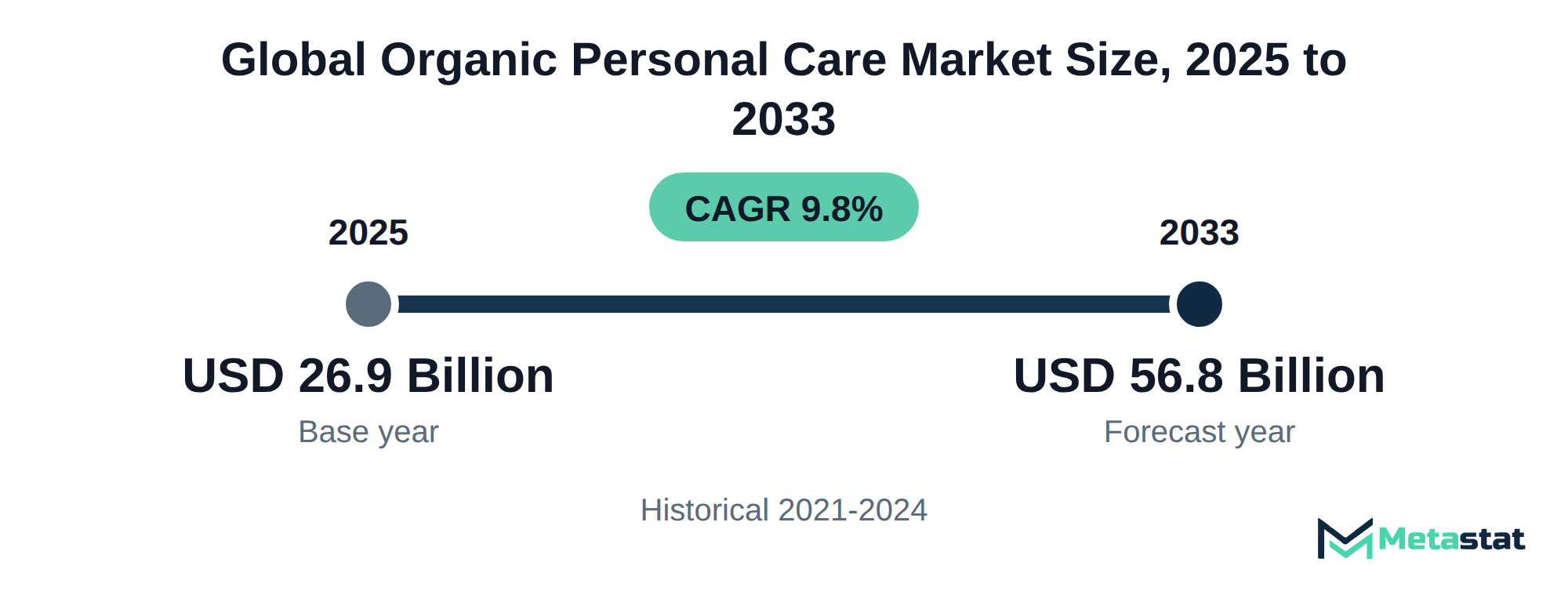
Market Valuation: Valued at $26.9 Billion in 2025, projected to reach $56.8 Billion by 2033 at a 9.8% CAGR.
Dominant Segment: Skin Care leads the Organic Personal Care market, driven by increasing consumer demand for products that promote health and sustainability.
Geographic Lead: North America is the leading region in the market, holding 28.5% in 2025, with the U.S. projected to maintain its dominance into 2026.
What's Inside: The report provides comprehensive competitive coverage, in-depth analyses, and forecasts spanning from 2026 to 2033, focusing on various product types and certification standards.
Emerging Trends: E-commerce is rapidly expanding, with a projected CAGR of 13.7%, enhancing access to organic personal care brands and aligning with consumer preferences for convenience.
Consumer Behavior: There is a notable shift towards sustainability, with consumers increasingly prioritizing eco-friendly products, significantly influencing purchasing decisions across all segments.
Choose Your License
Global Organic Personal Care Market
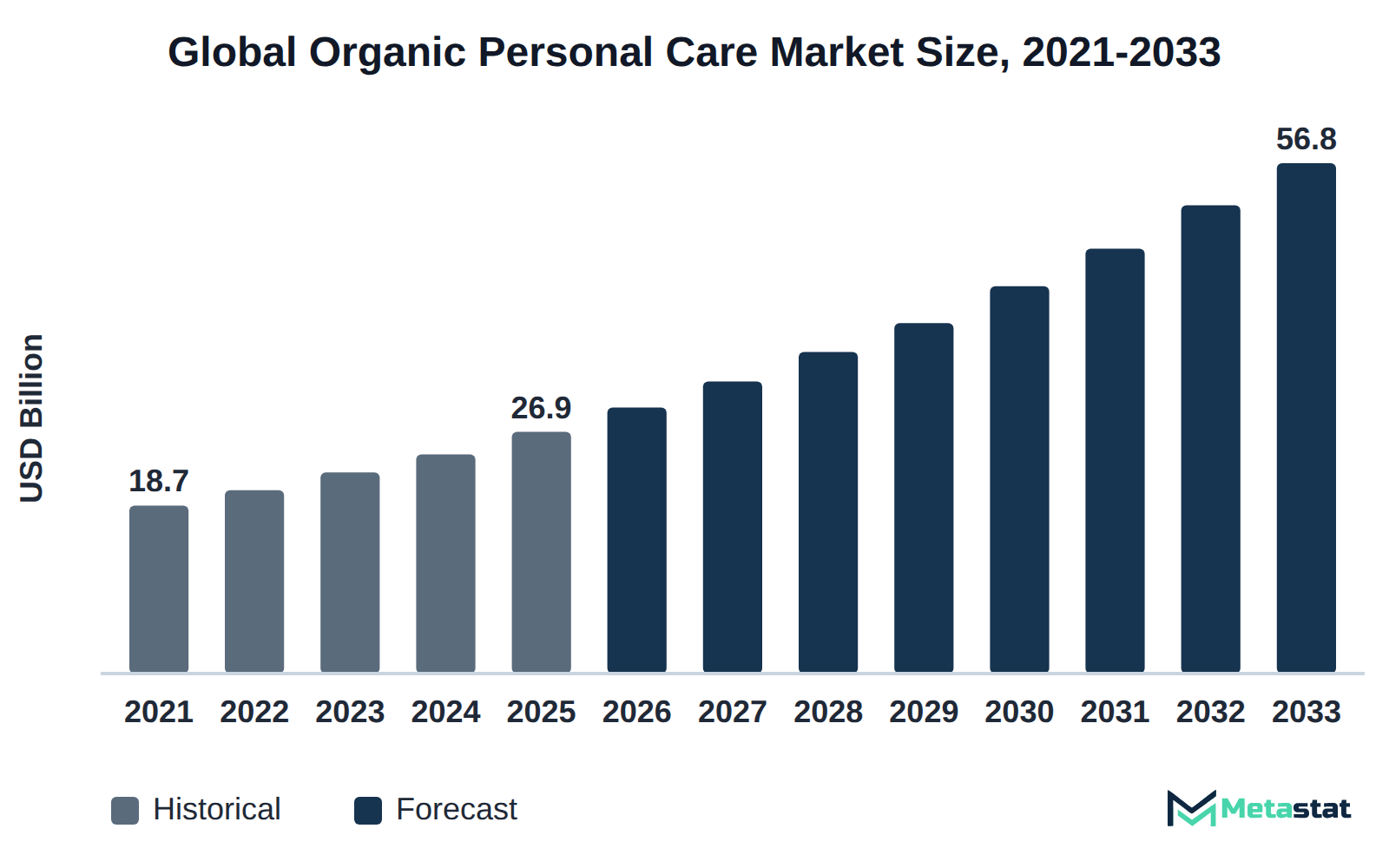
The global Organic Personal Care market was valued at USD 26.9 billion in 2025 and is projected to reach USD 56.8 billion by 2033, growing at a CAGR of 9.8% over the forecast period.
The Organic Personal Care market encompasses a variety of products designed for personal hygiene and cosmetic use, formulated with natural and organic ingredients. Buyers invest in these products due to increasing awareness of health, environmental concerns, and a growing preference for sustainable options. Consumers prioritize products that align with their values, leading to a shift in purchasing behavior toward organic personal care solutions.
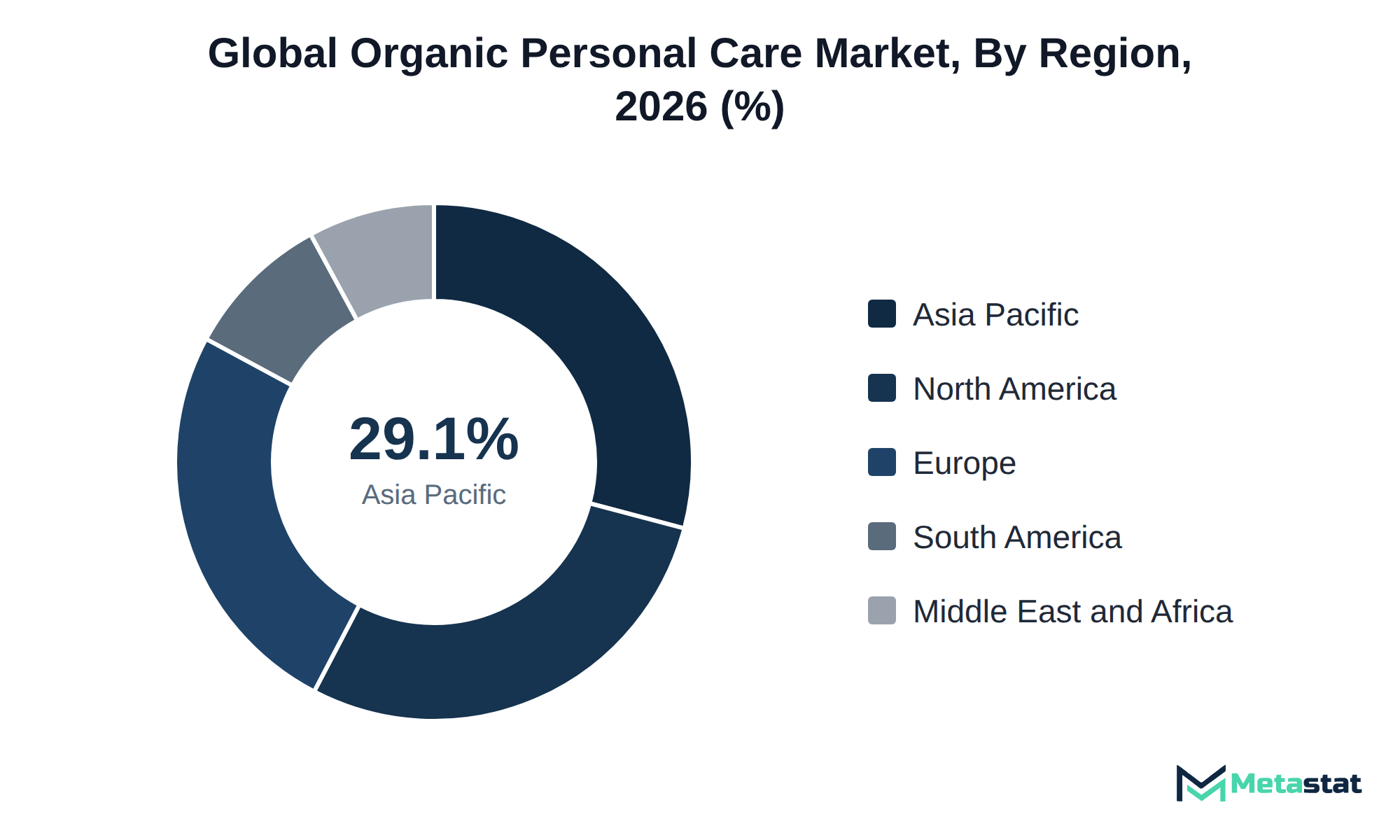
Growth in the market is driven by several factors, including heightened consumer awareness regarding the benefits of using organic ingredients. Skin Care represents the segment with the most value, reflecting the demand for products that promote health and sustainability. North America holds 28.5% of the market in 2025, with the US leading in 2026. The Asia Pacific region follows closely, accounting for 29.1% of the market share, indicating significant potential for expansion in this area.
The market experiences an annual growth rate of 9.8%, reflecting substantial growth over the forecast period. The increasing trend toward e-commerce distribution channels supports this expansion, allowing consumers to access organic personal care products conveniently. This trend aligns with the broader shift in shopping habits, enhancing the visibility and availability of organic options for consumers.
The Organic Personal Care market includes products across various segments, catering to consumer preferences for natural and organic formulations. Buyers prioritize these products due to increased awareness of the potential harmful effects of synthetic ingredients and a growing desire for sustainable options. This shift in consumer behavior drives demand for organic alternatives in personal hygiene and beauty routines.
Growth within the market is significantly influenced by the rising consumer inclination toward sustainable and eco-friendly products. Skin care emerges as the segment with the most value, highlighting the importance of this category in addressing specific consumer needs. The region's demand stems from high disposable income levels and a strong trend toward organic products.
Awareness around health and wellness continues to rise, driving accelerated growth in the market. E-commerce channels facilitate greater accessibility to organic offerings, aligning with evolving shopping habits. The combination of these factors enhances penetration and increases competition within the Organic Personal Care market.
Certified organic ingredients drive innovation in skin and hair care products within the Organic Personal Care market. The demand for organic formulations reflects a broader consumer trend toward sustainability and health consciousness, with buyers seeking products free from synthetic chemicals. This shift is evident in the forecasted growth of skin care products, expected to rise from USD 9.9 billion in 2026 to USD 18.6 billion by 2033, representing a CAGR of 9.5%. Such growth signifies a rising preference for safe and environmentally friendly ingredients.
Companies in the Organic Personal Care market increasingly emphasize certifications like COSMOS and ECOCERT Organic, which enhance product credibility among consumers. This focus on transparency and quality aligns with the growing awareness of the environmental impact of personal care products. The anticipated rise in demand for certified organic products encourages brands to innovate, introducing new formulations that leverage organic plant extracts and natural materials. This trend strengthens brand loyalty and increases market competitiveness.
Using certified organic ingredients helps companies meet consumer expectations and adapt to a changing marketplace. The emphasis on quality and sustainability drives higher sales volumes and creates opportunities for brand differentiation in a crowded market.
Sustainable packaging and traceable sourcing significantly influence purchasing decisions in the Organic Personal Care market. Buyers increasingly prioritize products that feature environmentally friendly personal care packaging, reflecting growing consumer awareness regarding sustainability. This trend is driven by a collective shift toward responsible consumption, where consumers seek brands that align with their values. For instance, in the Skin Care segment, which is projected to reach USD 18.6 billion by 2033, brands that prioritize eco-conscious materials and transparent sourcing practices gain a competitive edge.
The emphasis on sustainability appeals to environmentally conscious consumers and strengthens brand loyalty. Companies investing in sustainable practices often experience an increase in customer retention, which supports long-term profitability. Regulatory pressures and consumer demand for transparency require rigorous practices in sourcing organic ingredients. Businesses that effectively communicate their commitment to sustainability capture a broader market share, ultimately contributing to revenue growth in the Organic Personal Care market.
E-commerce enhances access to certified organic personal care brands, meeting the demands of environmentally conscious consumers. The shift toward online shopping in the Organic Personal Care market reflects a broader trend in retail, where convenience and variety attract buyers seeking organic products. The online cosmetics category reflects the same convenience-led buying pattern. E-commerce in this sector exhibits a compound annual growth rate (CAGR) of 13.7%, indicating a significant expansion opportunity for brands operating in this space.
Consumers increasingly prefer the digital marketplace for purchasing organic personal care items due to convenience, detailed product information, and easy brand comparison. This trend caters to the distinct needs of health-conscious buyers who prioritize quality and certification standards. Traditional retail channels often lack the extensive selection that online platforms offer, limiting access to niche organic brands.
Brands that optimize their online presence position themselves favorably within the expanding e-commerce segment of the market, effectively reaching a wider audience. Enhanced visibility through online platforms drives sales and builds brand loyalty among consumers who value transparency in sourcing and formulation. Consequently, growth in e-commerce channels directly correlates to increased revenue potential for certified organic personal care brands.
Choosing the right certification standards matters to buyers of organic personal care products. Certification assures consumers of the authenticity of organic claims and distinguishes products in a competitive market. Major standards including COSMOS and ECOCERT Organic represent a significant portion of the market, with an expected increase from USD 10.6 billion in 2026 to USD 21.1 billion by 2033, reflecting a compound annual growth rate (CAGR) of 10.4%. This growth indicates heightened consumer awareness and demand for certified organic products.
Buyers assessing products should prioritize certification standards that align with their values and the expectations of their target demographics. USDA Organic is another key standard, projected to reach USD 10.1 billion by 2033, indicating its importance in meeting consumer expectations for organic authenticity. Products meeting these standards typically command higher price points, allowing brands to position themselves within premium segments of the organic personal care market. Consequently, adherence to recognized certification standards enhances brand loyalty, consumer trust, and potential market share. Third-party cosmetics and personal care testing, inspection and certification services support the verification of these standards.
Shifts in consumer behavior significantly influence spending patterns in the Organic Personal Care market. An increasing number of buyers prioritize eco-friendly products, reflecting a broader commitment to sustainability. This demographic trend includes a broad group of consumers, particularly millennials and Gen Z, who actively seek products that align with their values. The desire for environmentally responsible options drives demand for organic and natural formulations, pushing sales volumes higher. In 2025, the market valuation reached USD 26.9 billion, setting the stage for substantial growth. Forecasts suggest a rise to USD 56.8 billion by 2033, illustrating the strong connection between sustainability concerns and market expansion.
Heightened awareness regarding the environmental impact of personal care products drives consumers to gravitate toward organic alternatives. Buyers increasingly evaluate brands based on their commitment to sustainable practices and ethical sourcing. This evolving consumer preference presents opportunities for brands that align with these values, ultimately enhancing their market positions.
Technological advancements improve product efficacy and safety in the Organic Personal Care market. Suppliers use new processing methods and extraction techniques to produce higher-quality organic ingredients, which appeal to health-conscious consumers. Innovations include the development of more effective natural preservatives and emulsifiers, allowing brands to extend product shelf life without compromising organic certification. This transformation attracts a broader customer base, particularly individuals seeking alternatives to synthetic ingredients found in conventional personal care products.
Increased investments in research and development drive competitive advantage among companies. Enhanced ingredient sourcing technologies enable brands to capitalize on emerging trends, including the use of adaptogens and probiotics in personal care formulations. This trend reflects a shift toward multifunctional products that address various skin and hair needs, resulting in greater consumer loyalty. Suppliers focusing on these innovations experience growth opportunities, positioning themselves favorably in the evolving market.
Price sensitivity remains a significant constraint for the Organic Personal Care market, particularly affecting the mass market segment. Consumers with limited disposable income prioritize affordability in personal care products, leading to slower adoption rates of organic options. Budget-conscious buyers perceive organic offerings as premium-priced alternatives, resulting in smaller order volumes and delayed purchases. The perception that organic products carry a higher price tag discourages buyers from making the transition from conventional personal care items. This trend presents challenges for brands targeting this segment, as they balance product quality against consumer price expectations. In a competitive landscape, brands focused on affordability struggle to capture market share among price-sensitive consumers. Consequently, the market experiences constrained growth potential, particularly in regions where economic factors heavily influence purchasing decisions.
Rising input costs challenge suppliers within the Organic Personal Care market, impacting profitability and pricing strategies. Increased raw material prices and supply chain disruptions contribute to escalating costs, affecting margins for producers. Suppliers face the task of managing these rising expenses while maintaining competitive pricing to attract consumers. In response, many adopt cost-control measures, including optimizing sourcing strategies and enhancing operational efficiencies. Several organizations explore partnerships with local suppliers to mitigate transportation costs and ensure stable supply chains. Investments in technology and automation streamline production processes, further supporting cost reduction. The focus on sustainability drives suppliers to balance eco-friendly practices with cost management, presenting a challenge that influences overall market dynamics. How firms handle these input cost pressures significantly affects their growth trajectory and competitive positioning in the market.
The e-commerce distribution channel represents a significant growth opportunity within the Organic Personal Care market. This segment is projected to experience a compound annual growth rate (CAGR) of 13.7%, reflecting the increasing consumer shift towards online shopping. The convenience, variety, and accessibility provided by e-commerce platforms drive demand, particularly among younger demographics who prioritize purchasing organic personal care products online. This trend allows brands to reach a broader audience while minimizing the overhead costs associated with physical retail locations.
E-commerce enables brands to present their product offerings more effectively through targeted digital marketing strategies. Engaging online content and consumer reviews enhance brand visibility and trust, encouraging purchases. The market's growth in this segment aligns with the overall increase in organic personal care product sales, as more consumers seek alternatives to conventional products driven by health and environmental concerns. Adapting to this changing retail landscape positions e-commerce as a vital component shaping the future of the market.
The Global Organic Personal Care market is segmented based on Product Type, Certification Standard, Distribution Channel, and Price Point.
This segment focuses on products including moisturizers, serums, and cleansers that enhance skin health and appearance. Increasing awareness of the benefits of natural ingredients drives demand among environmentally conscious consumers seeking safe and effective organic skin care solutions. The segment experiences strong growth compared to others, with a pronounced emphasis on organic certifications. Skin Care products often command higher prices due to premium ingredients and formulations, in contrast to lower-priced personal care items including bath and body care. The growing trend toward personalized skin care routines further accelerates market expansion, prioritizing innovation in product development and consumer engagement strategies.
Hair Care segment is estimated to reach USD 13.6 billion by 2033, at a CAGR of 10.6% during the forecast period. This segment is important for maintaining and enhancing hair health through a variety of products, including shampoos, conditioners, and treatments. Increased consumer awareness regarding the harmful effects of synthetic ingredients drives demand for organic alternatives. Buyers, including environmentally conscious individuals, prioritize natural formulations to avoid harsh chemicals that damage hair. Compared to other segments, hair care demonstrates faster growth, reflecting a growing trend toward personalized and sustainable beauty solutions. The segment's growth is further supported by innovations in product formulations that emphasize natural ingredients and ethical sourcing, positioning it as a leader in the Organic Personal Care market.
The Oral Care segment is expected to reach USD 5.6 billion by 2033. This segment includes products like organic toothpaste, mouthwash, and dental floss, appealing to health-conscious consumers seeking natural alternatives to conventional oral care items. Increasing awareness regarding the health benefits associated with organic ingredients drives demand in this segment. Compared to other product types, Oral Care shows a slower growth rate, influenced by the established presence of traditional brands and the necessity for consumer education on the advantages of organic formulations. The Oral Care segment differentiates itself with a focus on functionality and overall health, catering to consumers who prioritize wellness and sustainability in their purchasing choices. In contrast to Skin Care and Hair Care, which experience higher CAGRs, this segment represents a steady but significant component of the market overall.
Bath and Body Care segment is projected to grow at a CAGR of 9.2% during the forecast period. This segment includes products used for cleansing and moisturizing the skin and body, appealing to consumers seeking natural alternatives to conventional products. Demand primarily comes from environmentally conscious consumers and those with sensitive skin, driving the push for organic formulations. Rising awareness of ingredient safety and environmental impact influences purchasing decisions, with many buyers prioritizing certifications and transparency in sourcing. Compared to other segments, Bath and Body Care experiences slower growth than Hair Care, which has a CAGR of 10.6%. However, it offers comparable pricing to Skin Care products, making it an attractive choice for consumers who prioritize quality and sustainability in their personal care routines.
Cosmetics and Makeup encompass a range of organic products designed for enhancing facial appearance and overall beauty. These products appeal to consumers seeking natural alternatives to conventional cosmetics, aiming to reduce exposure to harmful chemicals. Demand for cosmetics and makeup is driven primarily by growing awareness of health and environmental impacts associated with synthetic ingredients. This segment attracts consumers who prioritize sustainable beauty practices, distinguishing it from other product types in the market. Unlike segments including Skin Care, which is projected to grow at a CAGR of 9.5%, the Cosmetics and Makeup sub-segment appeals to a demographic focused on performance and aesthetic appeal, influencing purchasing decisions. Ongoing shifts toward eco-friendly formulations significantly shape consumer preferences within the Organic Personal Care market.
Deodorants consist of personal care products designed to mask or eliminate body odor. Typically used by individuals seeking to maintain personal hygiene, this segment appeals to a wide range of consumers, including those prioritizing natural and organic ingredients. A notable driver for this segment stems from increasing awareness of health and wellness, prompting consumers to seek alternatives to synthetic ingredients commonly found in conventional products. The segment stands out with a focus on eco-friendly formulations and packaging, attracting environmentally conscious buyers. This emphasis on sustainability differentiates deodorants from other segments, which do not experience the same level of demand driven by health-conscious consumer choices. Overall, the deodorants segment reflects a growing trend toward organic and natural personal care solutions, aligning with broader market movements toward healthier lifestyles.
Fragrances comprise a category of organic personal care products that enhance appealing scents while providing various benefits. These products attract consumers seeking natural alternatives to chemically-laden options. The growing demand reflects a shift toward clean beauty, with many buyers prioritizing health-conscious and environmentally friendly choices. Awareness of synthetic chemicals encourages consumers to seek organic fragrances as safer options, influencing purchase decisions. This segment distinguishes itself from others in the product type category through a unique appeal to fragrance enthusiasts who value quality and sustainability. The connection to personal identity and lifestyle enhances its market attractiveness, contributing to broader trends in the organic personal care market.
Personal care products for babies and feminine hygiene focus on safe and gentle formulations. These products serve parents seeking organic options for their children and individuals prioritizing health and sustainability in feminine care. A significant driver for this segment includes the growing awareness of product safety, leading consumers to choose organic options free from harmful chemicals. The segment distinguishes itself from others by appealing to a niche market that prioritizes quality and safety over price, resulting in potentially higher price points. This segment's growth trajectory is more stable compared to the skin and hair care segments, reflecting a consistent consumer preference for organic products. The Organic Personal Care market experiences this unique dynamic; consumers increasingly shift toward cleaner, safer alternatives in personal care choices.
This segment focuses on personal care products that adhere to strict organic standards, appealing to consumers seeking safe and environmentally friendly options. Buyers include health-conscious individuals and environmentally aware consumers who prioritize organic ingredients in their daily routines. Growing awareness regarding product safety and the environmental impact of personal care products drives demand in this segment. Compared to other certification standards, COSMOS and ECOCERT Organic products often command higher prices due to stringent requirements, resulting in a slower growth rate than the USDA Organic segment, which is projected to reach USD 10.1 billion by 2033 at a CAGR of 9.2%. Such dynamics influence the competitive landscape, prompting brands to innovate and improve transparency to attract discerning consumers.
This segment includes personal care products certified under the USDA Organic standard, appealing primarily to consumers seeking organic and environmentally friendly options. The demand for USDA Organic products is driven by growing awareness of sustainability and health implications associated with conventional personal care items. This segment experiences robust competition from the COSMOS and ECOCERT Organic segment, which is projected to grow at a higher CAGR of 10.4%, reaching USD 21.1 billion by 2033. The price point for USDA Organic products remains generally competitive compared to luxury alternatives, making them accessible to a broader consumer base. Consumer preference for transparency in ingredient sourcing further influences purchasing decisions, reinforcing the segment's growth trajectory. The market maintains a strong outlook, reflecting increasing demand for organic solutions among health-conscious consumers.
NATRUE segment is expected to reach USD 8.1 billion by 2033. This certification standard focuses on organic personal care products that adhere to specific quality and sustainability criteria. Consumers seeking eco-friendly and natural products frequently gravitate towards NATRUE-certified items, recognizing their trustworthy claims and authenticity. Demand for these products is driven by increasing awareness of environmental issues and health concerns related to synthetic ingredients. Compared to other certification standards, NATRUE offers a more stringent framework, appealing to consumers willing to pay a premium for verified organic credentials. This segment experiences strong competition from COSMOS and ECOCERT Organic, which are projected to reach USD 21.1 billion by 2033. However, NATRUE's positioning within the organic personal care market continues to attract a loyal customer base that prioritizes transparency and sustainability in purchasing decisions.
NSF/ANSI 305 segment is projected to grow at a CAGR of 10.1% during the forecast period. This certification is for personal care products that meet specific organic standards, appealing primarily to consumers seeking transparency and quality in their grooming products. Demand for NSF/ANSI 305 certified products has surged among health-conscious buyers prioritizing proven organic formulations, driven by a growing emphasis on safety and sustainability. Compared to other certification standards, this segment exhibits a unique appeal, focusing on stringent regulatory compliance and product integrity, which connects well with premium consumers. The higher price point of these items reflects their quality and certification, differentiating them from mass-market alternatives. The market's trajectory is influenced by increasing consumer awareness around ingredient sourcing and product safety, propelling NSF/ANSI 305 certified offerings into a notable growth phase.
Other Third-Party Organic Standards encompass various certifications not covered by mainstream organic labels but still hold significant value in the Organic Personal Care market. These standards appeal to consumers seeking reliable, environmentally friendly products, strengthening brand integrity. Demand for transparency and sustainability drives growth within this segment. While consumers increasingly prioritize ethical sourcing and environmentally safe ingredients, brands adopting these standards gain a competitive edge. Compared to other certification segments, this sub-segment experiences different growth dynamics due to varying consumer preferences and awareness levels. The market sees brands leveraging these certifications to differentiate products, enhancing consumer trust and driving demand.
Verified Organic-Ingredient Claims represent a unique certification standard that focuses on the integrity of organic ingredients in personal care products. This segment attracts environmentally conscious consumers seeking transparency regarding product formulations, influencing their purchasing decisions. Growing awareness of the benefits of organic ingredients drives demand, particularly among consumers prioritizing health and wellness. Unlike other certification standards, this segment appeals to a niche market that seeks assurance about ingredient sourcing and formulation purity. The organic personal care market experiences shifts; consumer preferences evolve, with verified claims enhancing brand trust and loyalty. Buyers increasingly seek products that align with their values, promoting growth within this segment, while more brands adopt verified organic-ingredient standards.
Hypermarkets and Supermarkets segment is valued at USD 8 billion in 2026 and is projected to reach USD 13.5 billion by 2033, at a CAGR of 7.7% during the forecast period. This channel serves as a primary shopping destination for consumers seeking organic personal care products due to its accessibility and variety. Increased health awareness among consumers drives demand, with shoppers prioritizing organic options that reflect their lifestyle choices. Compared to other distribution channels, including E-Commerce which is expected to grow at a CAGR of 13.7%, Hypermarkets and Supermarkets exhibit slower growth, highlighting a transition where consumers adapt to online shopping convenience. However, the tangible experience of product selection in physical stores continues to attract buyers, particularly in regions where such outlets dominate retail. The market's overall expansion reflects shifting consumer preferences towards organic personal care solutions, further influencing purchasing behaviors.
Specialty Stores segment is estimated to reach USD 14.9 billion by 2033, at a CAGR of 8.4% during the forecast period. This segment serves consumers seeking organic personal care products that emphasize quality and unique formulations. A significant driver for this segment stems from increasing consumer preference for specialized shopping experiences, allowing customers to access curated selections of organic products tailored to their specific needs. Unlike hypermarkets and supermarkets, which offer a broader range of products, specialty stores focus on a more niche market that prioritizes organic options. This differentiation supports higher pricing, appealing to consumers willing to invest in premium organic personal care items. The market's growth reflects a shift toward personalized shopping experiences, enhancing the appeal of specialty stores for discerning consumers.
Pharmacies and Drugstores segment is expected to reach USD 8.4 billion by 2033. This segment primarily serves consumers seeking organic personal care products that promote health and wellness. A growing awareness of natural ingredients in beauty and care products drives demand within this segment, particularly among health-conscious individuals. Compared to other distribution channels, pharmacies and drugstores offer a more limited selection but ensure accessibility and trust through established reputations. The growth rate for this segment is anticipated to be slower than that of E-Commerce, which exhibits a CAGR of 13.7%. This difference arises from increasing consumer preference for online shopping experiences, which allow for broader product discovery and convenience. The Organic Personal Care market benefits from the ongoing trend toward health practices, further enhancing the relevance of this segment.
E-Commerce segment is projected to grow at a CAGR of 13.7% during the forecast period. This segment serves consumers seeking convenience and accessibility in purchasing organic personal care products. Increasing preference for online shopping among consumers, driven by a wide selection and competitive pricing, fuels growth in the segment. Compared to traditional retail channels, E-Commerce offers unique advantages, including the ability to compare products easily and access user reviews, enhancing informed purchasing decisions. While other distribution channels, including Hypermarkets and Supermarkets, exhibit growth at a CAGR of 7.7%, E-Commerce stands out with its higher growth rate. This reflects a broader trend of digital transformation across various sectors, influencing consumer buying behavior and reshaping the market.
Direct Selling involves the personal sale of organic personal care products directly to consumers, often through independent representatives. This method serves various demographics, particularly those seeking personalized consultations or recommendations. A significant driver for this segment includes the increasing consumer preference for organic and natural products, which aligns with the growing demand for transparency in sourcing and ingredients. Direct Selling typically features higher engagement levels compared to other distribution channels, allowing for tailored marketing strategies that emphasize product benefits. While segments like E-Commerce experience faster growth rates, Direct Selling remains unique due to its personal touch, attracting customers who value direct interaction and advice. This segment is essential to the overall dynamics of the organic personal care market, contributing to its evolving landscape.
This sub-segment consists of department stores and convenience stores, providing organic personal care products to a diverse consumer base. These retail formats cater to shoppers seeking convenience and accessibility in purchasing personal care items. Increasing consumer awareness regarding the importance of organic ingredients drives demand within this segment. Many customers prioritize natural formulations over synthetic alternatives, leading to higher sales in organic personal care products. Compared to other distribution channels, this sub-segment reflects a different buying behavior, with consumers often opting for convenience stores for quick purchases rather than for in-depth product selection. The growth trajectory of department stores and convenience stores within the Organic Personal Care market reflects ongoing trends in consumer preferences for quality and accessibility, distinguishing it from online shopping channels that experience faster growth rates.
Mass segment is valued at USD 17.5 billion in 2026 and is projected to reach USD 32.1 billion by 2033, at a CAGR of 9.1% during the forecast period. This segment includes personal care products that are affordable and accessible to a wide range of consumers. Products in this segment attract price-sensitive buyers seeking quality without a premium price tag. A significant driver for this segment is the growing consumer awareness regarding organic ingredients in daily care routines. The increasing demand for affordable organic products supports expansion in this segment, differentiating it from premium and luxury segments that cater to higher-income consumers. Mass products generally experience slower growth compared to premium offerings, with their CAGR of 9.1% positioned lower than the 10.7% projected for the premium segment. The Organic Personal Care market continues to evolve, with strong demand for mass products aligning with broader consumer trends toward sustainability and health-conscious choices.
Premium segment is estimated to reach USD 17.4 billion by 2033, at a CAGR of 10.7% during the forecast period. This segment includes high-quality organic personal care products targeting consumers seeking luxury and effectiveness in their skincare, haircare, and body care routines. Premium offerings attract discerning buyers who prioritize both natural ingredients and brand reputation. Demand for premium products is driven by increasing awareness of the benefits of organic ingredients and sustainable practices among consumers. Unlike the Mass segment, which emphasizes affordability, the Premium segment focuses on providing superior formulations and high-quality sensory experiences, reflecting its higher price point. The anticipated growth of this segment signals strong demand for quality and ethical sourcing, influencing market dynamics while producers enhance their premium product portfolios.
Luxury personal care products are expected to reach USD 7.2 billion by 2033. This segment caters to consumers who seek high-quality and exclusive organic formulations, often characterized by unique ingredients and innovative formulations. Growth is driven by increasing consumer awareness regarding the benefits of organic ingredients, particularly among affluent buyers who prioritize sustainability and health. The Luxury segment exhibits a higher average price point compared to other segments, reflecting its focus on premium materials and branding. While Luxury products grow at a CAGR of 10.7%, faster than the Mass segment, which grows at a CAGR of 9.1%, this segment appeals mainly to a niche market of discerning consumers willing to invest in superior personal care experiences. The Organic Personal Care market sees this segment flourish, driven by lifestyle changes and a strong preference for ethical consumption among its buyers.
Based on geography, the Global Organic Personal Care market is divided into North America, Europe, Asia-Pacific, South America, Middle East, and Africa.
In North America, the Organic Personal Care market experiences significant demand driven by consumer preferences for natural and organic ingredients, particularly in the United States, Canada, and Mexico. Growing awareness of the harmful effects of synthetic chemicals increases purchases among environmentally conscious consumers. Regulatory frameworks ensure product safety and quality, enhancing consumer confidence. The market is projected to reach USD 15.2 billion by the end of 2033, reflecting a strong commitment to sustainability. Emphasis on organic certifications, including USDA Organic and COSMOS, reinforces product credibility. E-commerce channels play a crucial role in disseminating information and facilitating purchases, capturing the interest of digitally savvy consumers. Rising disposable incomes and a shift towards healthier lifestyle choices among consumers contribute to strong growth in the market.
In Europe, the Organic Personal Care market benefits from robust consumer awareness and demand for environmentally friendly products. Countries including Germany, France, and the UK lead the charge, driven by a growing emphasis on sustainability and organic certifications. The market shares significant interest in 2025. Regulations surrounding organic standards, particularly COSMOS and ECOCERT, have influenced purchasing behaviors among consumers. Infrastructure improvements in distribution channels, including specialty stores and e-commerce, enhance product accessibility. The ongoing trend toward natural ingredients strengthens growth potential within the region while encouraging brands to innovate in product offerings. Consumer preferences shift toward transparency regarding ingredient sourcing, further enhancing the appeal of certified organic products in the market.
Significant growth in the Organic Personal Care market within the Asia-Pacific region results from increasing consumer awareness of health and sustainability. The rising demand for organic products stems from changing lifestyles and growing concern about the harmful effects of synthetic ingredients. Key countries including China, Japan, and India play a crucial role in this expansion, driven by a youthful population seeking natural alternatives. E-commerce emerges as a dominant distribution channel, allowing consumers to access a broader range of organic products conveniently. The region accounts for 29.1% of the global market share in 2025. This notable figure highlights the increasing penetration of organic personal care products, reflecting a shift in purchasing preferences toward eco-friendly options.
Brazil and Argentina drive significant demand in the Organic Personal Care market, reflecting a growing consumer base focused on health and wellness. Rising disposable incomes contribute to increased spending on organic products, enhancing their market appeal. The presence of eco-conscious retailers creates an environment where sustainable products gain traction. Regulatory frameworks supporting organic certifications further enhance consumer trust in these offerings. The market share for this region indicates a noteworthy position within the global landscape. The development of local brands emphasizes the cultural connection to organic and natural ingredients, catering to regional preferences and building loyalty among consumers.
In the Middle East and Africa, the Organic Personal Care market experiences growth driven by rising consumer awareness regarding health and wellness. Countries like Saudi Arabia and the UAE show strong demand for organic products, influenced by an increasing preference for sustainable and natural ingredients. The market benefits from a young and urban population eager to adopt modern beauty standards, which drives innovation in organic offerings. South Africa presents a unique opportunity, with a growing middle-class segment seeking high-quality personal care solutions. A significant challenge lies in the diversity of regulations and standards across the region, impacting market entry for several international players. The Middle East and Africa's share of the global market highlights its emerging role in the organic sector.
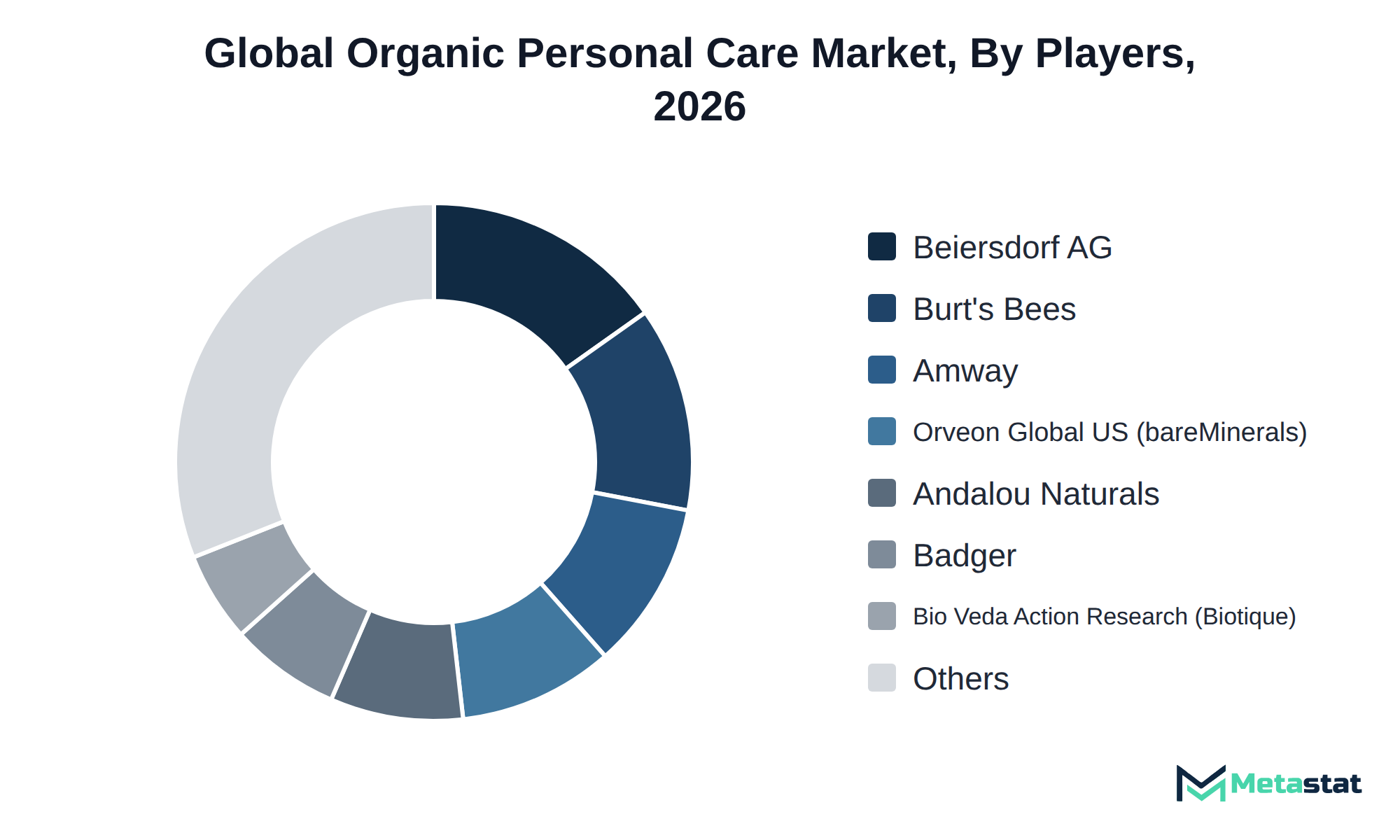
Competition in the Organic Personal Care market involves various strategies that reflect different business models and consumer preferences. Companies focus on product differentiation through certification standards, with players including Amway Corporation and Beiersdorf AG emphasizing organic certifications to attract health-conscious consumers. Price point influences buyer decisions, with mass-market brands like Burt's Bees appealing to budget-conscious customers while premium offerings from brands like L'Oréal S.A. cater to consumers willing to invest more for higher-quality products.
Buyers in the market prioritize factors including certification, customization, and product efficacy. Brands like Dr. Bronner's and Nature & Stratégie leverage their commitment to organic ingredients and environmental sustainability to attract eco-conscious consumers. Specialty formulators like Andalou Naturals and Eminence Organic Skin Care Inc. focus on innovative formulations, appealing to consumers seeking unique and effective solutions for personal care needs. This landscape reflects the diverse approaches companies adopt to capture market share and meet evolving consumer demands.
Several developments will determine whether this forecast is achieved. Firstly, increasing consumer awareness regarding the benefits of organic ingredients is anticipated to drive demand, particularly within the skin care segment, which is projected to expand from USD 9.9 billion in 2026 to USD 18.6 billion by 2033. Secondly, the rapid growth of e-commerce as a distribution channel is expected to enhance accessibility, allowing more consumers to purchase organic products conveniently. This channel is projected to grow significantly, supported by a CAGR of 13.7%. Lastly, the certification of products under standards including COSMOS and ECOCERT Organic is likely to enhance consumer confidence, resulting in more purchases of certified organic personal care products. However, a potential risk lies in fluctuating raw material costs, which impact pricing and consumer demand. Monitoring these developments will be crucial for the Organic Personal Care market to realize its growth potential.
By Product Type: Skin Care, Hair Care, Oral Care, Bath and Body Care, Cosmetics and Makeup, Deodorants, Fragrances, Others (Baby Care, Feminine Hygiene)
By Certification Standard: COSMOS and ECOCERT Organic, USDA Organic, NATRUE, NSF/ANSI 305, Other Third-Party Organic Standards, Others (Verified Organic-Ingredient Claims)
By Distribution Channel: Hypermarkets and Supermarkets, Specialty Stores, Pharmacies and Drugstores, E-Commerce, Direct Selling, Others (Department Stores, Convenience Stores)
By Price Point: Mass, Premium, Luxury
The report strategically identifies and profiles the key market players and analyses their core competencies in each sub-segment of the Organic Personal Care market.
Report Attributes | Details |
Study Period | 2021-2033 |
Base Year | 2025 |
Estimated Year | 2026 |
Forecast Period | 2026-2033 |
Historical Period | 2021-2025 |
Growth Rate | CAGR 9.8% from 2026 to 2033 |
Revenue Unit | USD billion |
Segmentation | By Product Type, Certification Standard, Distribution Channel, Price Point, and Region |
By Region | North America (By Product Type, Certification Standard, Distribution Channel, Price Point, and Country)
|
Europe (By Product Type, Certification Standard, Distribution Channel, Price Point, and Country)
| |
Asia Pacific (By Product Type, Certification Standard, Distribution Channel, Price Point, and Country)
| |
South America (By Product Type, Certification Standard, Distribution Channel, Price Point, and Country)
| |
Middle East and Africa (By Product Type, Certification Standard, Distribution Channel, Price Point, and Country)
|
Find answers to common questions about this report
The Organic Personal Care market size was valued at USD 26.9 billion in 2025.
The market is projected to grow at a CAGR of 9.8% during the forecast period from 2026 to 2033.
The North America Organic Personal Care market size is estimated to reach USD 15.2 billion by 2033.
Skin Care leads the Organic Personal Care market with a projected value of USD 18.6 billion in 2033. This segment demonstrates significant growth potential, driven by increasing consumer demand for organic products.
Key drivers for the Organic Personal Care market include heightened consumer demand for eco-friendly products, reflecting a commitment to sustainability, particularly among millennials and Gen Z. Technological advancements enhance product efficacy and safety, attracting health-conscious consumers seeking organic alternatives to synthetic ingredients.
North America holds the dominant share of the Organic Personal Care market, with a value of USD 15.2 billion projected for 2033, representing 28.5 percent of the total market.
Price sensitivity significantly restrains growth in the Organic Personal Care market, particularly within the mass market segment. Consumers with limited disposable income prioritize affordability, impacting adoption rates of organic products. Rising input costs further challenge suppliers, affecting profitability and complicating efforts to attract price-sensitive consumers.
Several factors favor adoption in the Organic Personal Care industry. Heightened consumer awareness regarding sustainability drives demand for eco-friendly products. technological advancements enhance product efficacy and safety, attracting health-conscious buyers. The growth of the e-commerce distribution channel, projected to achieve a compound annual growth rate of 13.7%, further supports market expansion by providing convenience and accessibility.
The Organic Personal Care market is estimated to reach a valuation of USD 56.8 billion by 2033.
Key players operating in the Organic Personal Care market include Amway Corporation, Badger, Burt's Bees, Dr. Bronner's, The Estée Lauder Companies Inc., L'Oréal S.A., and Laboratoires Expanscience.
The analysts below cover Consumer Goods research at Metastat Insights.
LEAD ANALYST
Utkarsh Khirodkar is a Lead Market Research Analyst at MetaStat Insight, specializing in market intelligence, technology sector assessments, and competitive strategy.
Evaluating secondary resin quality across post-consumer packaging streams requires reliable technical segmentation. MetaStat Insight delivered an objective assessment that distinguished between extrusion-grade flake pricing and optical sorting throughput limitations across Western Europe. The competitive positioning breakdown for licensed depolymerization technology providers answered several questions during our feedstock feasibility audit. Their team clarified regional trade restrictions on mixed plastic scrap quickly when our team submitted follow-up requests.
Evaluating sovereign cloud deployments for core banking platforms demands a clear view of data residency regulations and migration exit strategies. MetaStat Insight delivered an exhaustive review of regional latency tolerances, mainframe decommission milestones, and third-party vendor concentration risk. The regulatory compliance mapping across European and Asian financial jurisdictions gave our team a dependable baseline for multi-cloud infrastructure discussions.
Replacing petrochemical surfactants with bio-based alternatives requires realistic timelines on industrial precision fermentation scaling. The market research broke down commercialization timelines, feedstock sugar price sensitivities, and regional cosmetic ingredient regulatory approvals in Europe and East Asia. That supplier readiness mapping gave our formulations team reliable context when comparing renewable chemical sourcing roadmaps.
Explore related market intelligence reports worth reading alongside this one.