
Explore the competitive landscape of Activated Carbon Recycling and Reactivation Service. Understand the strategies and positions of key players shaping the sector.
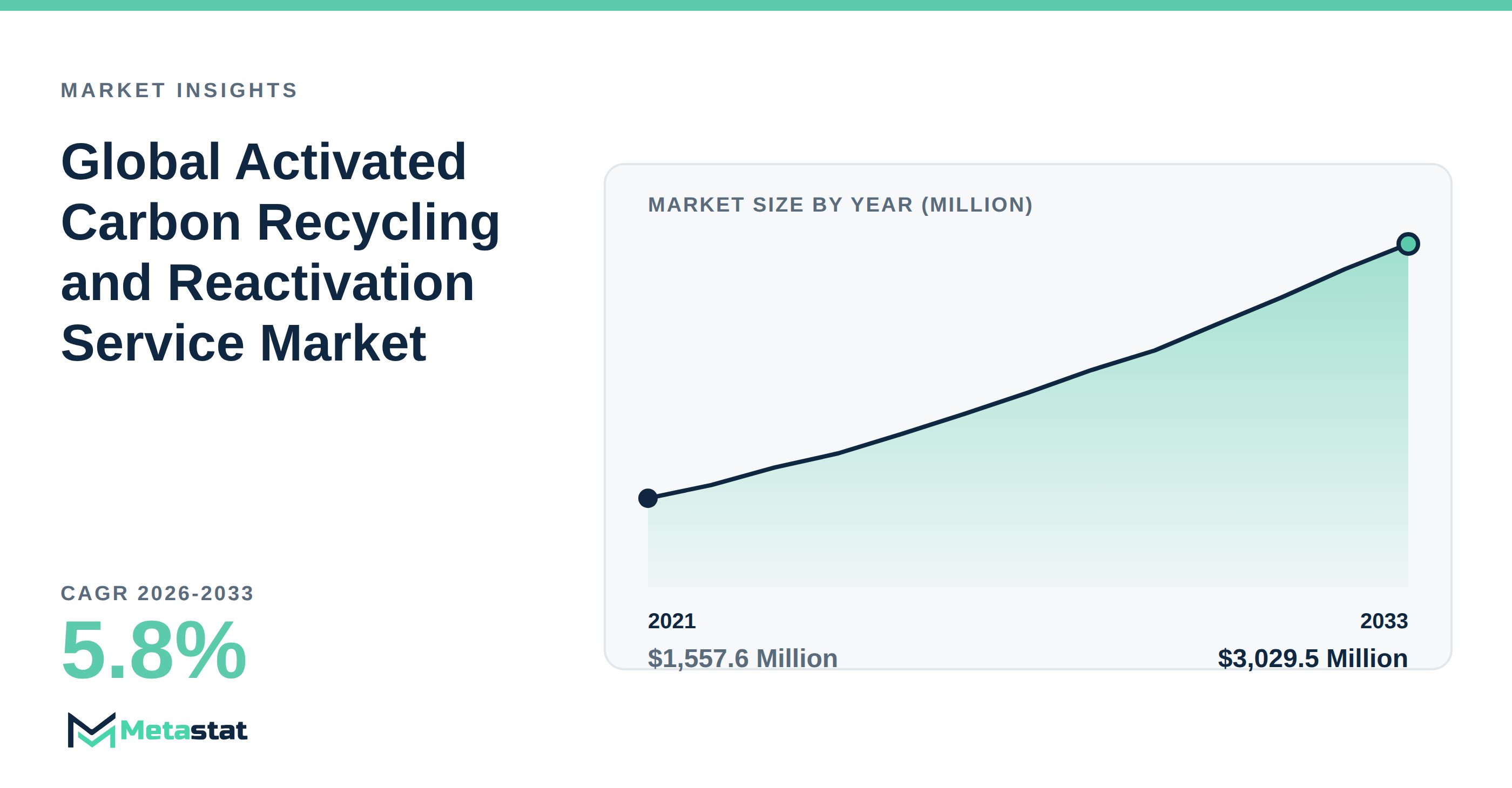
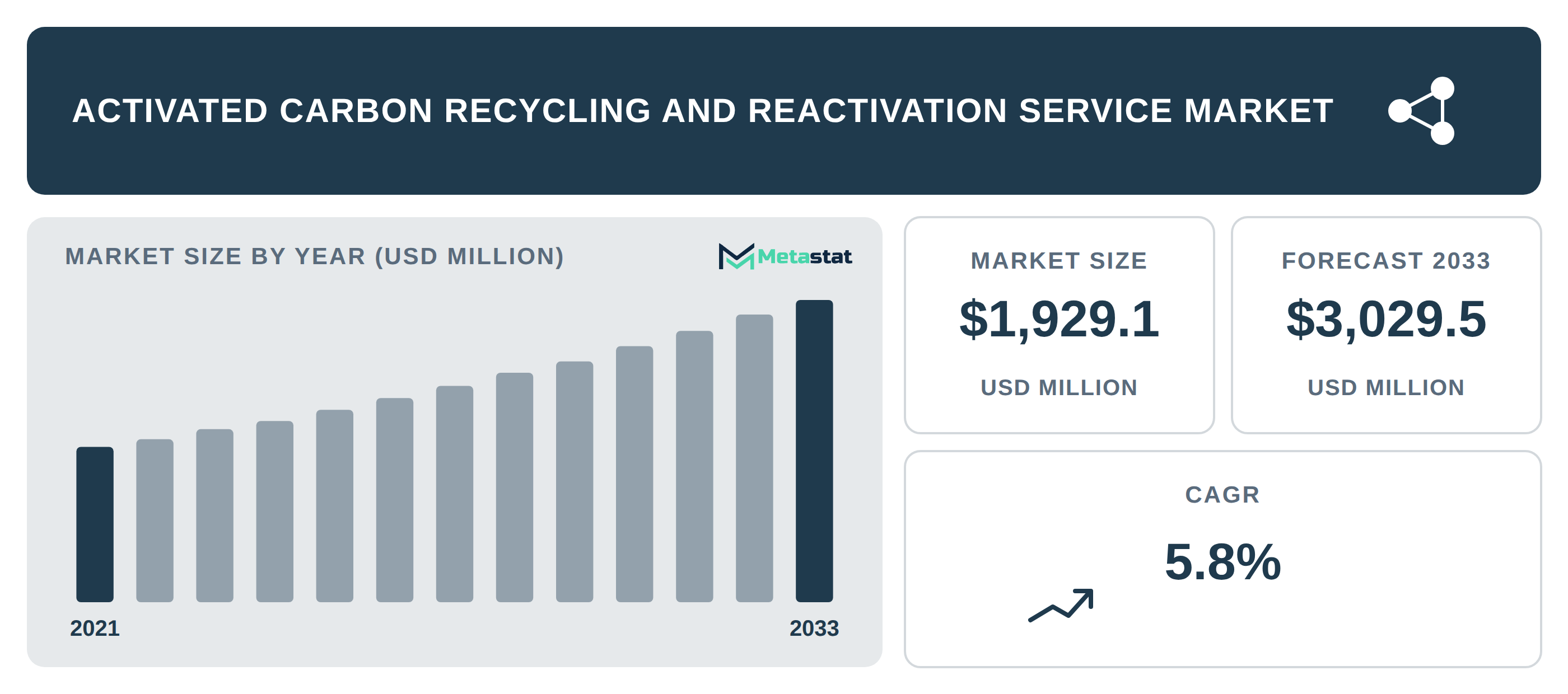
The competitive dynamics of the Activated Carbon Recycling and Reactivation Service sector highlight critical factors influencing market positions. This analysis emphasizes the strategies of leading companies and their operational focus, providing insights valuable for industry stakeholders. The full figures are in our Activated Carbon Recycling and Reactivation Service market size and forecast report.
1. Dominance of the reactivation and regeneration processing segment
The reactivation and regeneration processing segment represents the most significant aspect of the Activated Carbon Recycling and Reactivation Service sector. This segment's prominence reflects its essential role in revitalizing activated carbon for various applications, particularly in municipal water utilities. Buyers increasingly recognize the value of reactivation services for enhancing sustainability and quality standards, establishing its importance for operational efficiency.
2. North America's competitive edge through advanced infrastructure
North America accounts for a considerable portion of the Activated Carbon Recycling and Reactivation Service environment, attributed mainly to its well-established industrial infrastructure and strict environmental standards. This region leads in demand driven by municipal water and wastewater utilities that prioritize cleanliness and compliance. The sophisticated network of service providers enhances competitive positioning, as companies leverage technological advancements to improve their offerings.
3. Rising importance of PFAS management
The management of PFAS-laden carbon is increasingly becoming a vital focus for companies in the Activated Carbon Recycling and Reactivation Service arena. Regulations surrounding PFAS handling are becoming stricter, stimulating service providers to refine their operational protocols. Companies that effectively implement compliant reactivation processes position themselves within a growing niche that emphasizes environmental responsibility.
4. Economic advantages of dedicated-batch versus pooled contracts
Dedicated-batch contracts in the reactivation services sector provide buyers with specific assurances regarding carbon quality, enhancing control over operational outcomes. On the other hand, pooled contracts enable multiple customers to share resources, leading to reductions in per-unit costs. Companies face challenges in balancing quality and pricing when choosing contract models, which significantly influences their market strategy and relationships with service providers.
5. Technological advancements shaping competitive dynamics
Technological innovations in activated carbon reactivation are reshaping competitive dynamics in the sector. Advanced methods enhance recovery rates and operational efficiency, attracting utilities focused on resource optimization. Companies investing in improved reactivation technologies boost their competitiveness by addressing environmental compliance concerns and catering to the evolving needs of buyers seeking sustainable solutions.
6. Talent costs affecting operational efficiency
Talent costs pose a considerable challenge for service providers in the Activated Carbon Recycling and Reactivation Service sector. The necessity for skilled personnel to manage complex reactivation processes increases operational expenses, impacting profit margins. Companies are investing in training programs and automation technologies to mitigate these costs, ensuring they maintain competitive pricing while delivering high-quality services.
In closing, the competitive picture of the Activated Carbon Recycling and Reactivation Service reveals a landscape shaped by technological advancements, regulatory pressures, and strategic contract models. Companies that adapt to these dynamics position themselves favorably within a growing and evolving market.
Tags
About the Authors

LEAD ANALYST
Utkarsh Khirodkar is a Lead Market Research Analyst at MetaStat Insight, specializing in market intelligence, technology sector assessments, and competitive strategy.

INDUSTRY CONSULTANT - CHEMICALS & ADVANCED MATERIALS
Chemicals and Materials · Machinery & Equipment · Packaging
Amit Gadhekar Consultant for Chemicals and Materials at MetaStat Insight, directing sector-specific intelligence, research, and strategic consulting across global chemical and processing markets.