
Explore key elements that shape pricing in the Enterprise Networking space, from hardware costs to sector-specific needs.
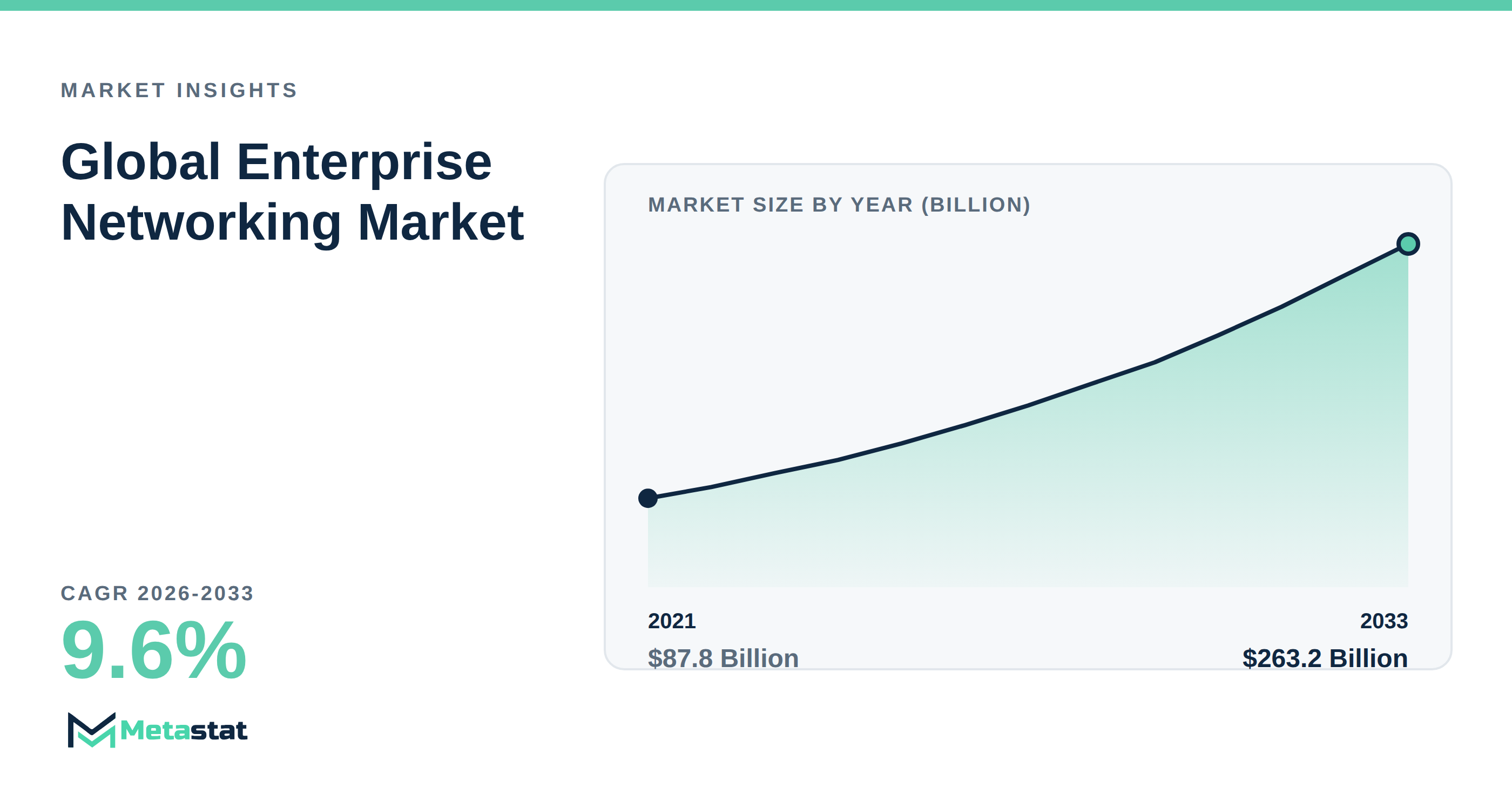
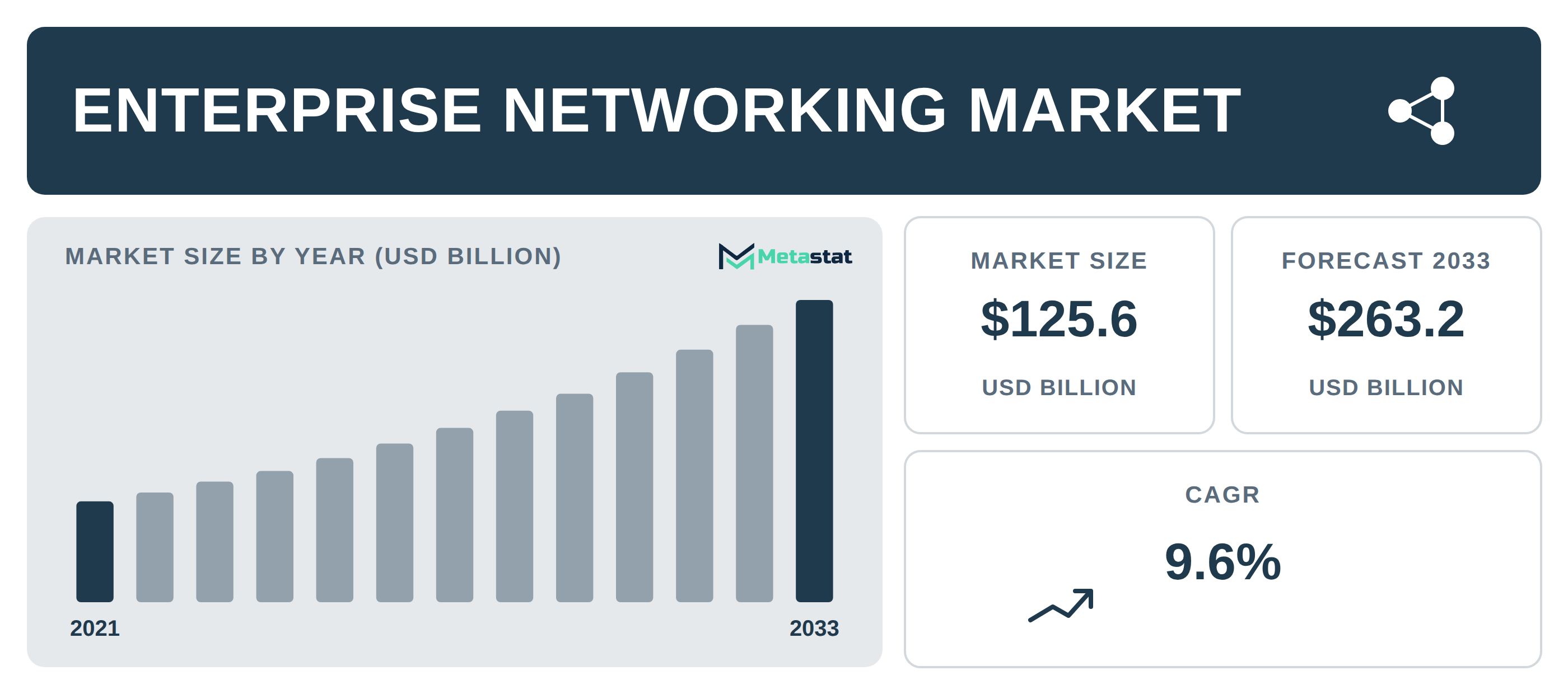
Organizations investing in Enterprise Networking face several pricing considerations that directly impact their total cost of ownership. These factors influence purchase decisions and operational efficiency. Are five key elements that shape pricing in this market. The full figures are in our Enterprise Networking market size and forecast report.
1. Hardware Costs Drive Infrastructure Investment
The physical components of networking solutions, including routers, switches, and access points, are fundamental to connectivity. The demand for high-performance hardware continues to drive prices significantly. Hardware revenue is set to reach USD 112.4 billion by 2033, reflecting the necessity for reliable infrastructure across various sectors. This reliance on hardware inflates costs, particularly for organizations requiring extensive upgrades or expansions. Strategic procurement and vendor negotiations help mitigate some of these expenses.
2. Software Solutions Offering Flexibility and Scalability
Software solutions have become essential as enterprises seek to streamline operations and enhance network management capabilities. The software segment is projected to achieve a value of USD 88.2 billion by 2033, demonstrating rapid growth due to the increasing demand for automation, security, and analytics. Buyers who prioritize scalable software solutions leverage subscription-based models that ease upfront investments. This shift reduces initial costs while allowing for gradual integration of advanced functionalities over time.
3. Cloud Integration Reducing Upfront Capital
Cloud-managed networking solutions facilitate a shift in how organizations approach infrastructure investment. By transferring network management to cloud-hosted platforms, businesses lower their initial capital outlay. This strategy appeals particularly to firms in the IT and telecommunications sectors, which increasingly adopt cloud-first strategies. Companies transitioning to these models often experience improved cash flow management, allowing investments in ongoing operational improvements, which ultimately influence pricing structures.
4. Competitive Pricing Pressures Among Suppliers
Rising competition among networking vendors has driven pricing down across the sector. Numerous suppliers frequently engage in aggressive pricing strategies to secure contracts, especially with large enterprises seeking bulk deals. This competitive environment compels suppliers to differentiate beyond price through value-added services. Organizations that negotiate effectively takes advantage of these pricing pressures to secure better contract terms or bundled solutions that enhance their overall value proposition.
5. Sector-Specific Requirements Influencing Costs
Different sectors exhibit unique networking needs, significantly impacting pricing. Industries including healthcare and BFSI face stringent regulatory compliance and security standards, necessitating advanced network solutions that often come at a premium. Buyers in these sectors incur higher costs due to their specific requirements but are more likely to gain tailored solutions that provide long-term operational benefits. Understanding these sectoral dynamics helps organizations navigate pricing challenges and make informed investment decisions.
In summary, pricing in the field of Enterprise Networking is influenced by a range of factors, including hardware and software costs, the shift toward cloud solutions, competitive pressures, and sector-specific needs. By understanding these elements, organizations optimize their purchasing strategies and ensure they invest in solutions that align with their operational goals.
Tags
About the Authors

LEAD ANALYST
Utkarsh Khirodkar is a Lead Market Research Analyst at MetaStat Insight, specializing in market intelligence, technology sector assessments, and competitive strategy.

PRINCIPAL CONSULTANT - ENTERPRISE AI & EMERGING TECHNOLOGIES
Banking & Finance · Electronics and Semiconductor · Energy and Power · Healthcare IT · Information & Technology · Professional Services
Vijay Gunti is a Principal Consultant at MetaStat Insight, bringing over two decades of experience across enterprise digital transformation, technology strategy, and intelligent systems.

LEAD CONSULTANT - COMMUNICATION, TELECOM, AND IT
Electronics and Semiconductor · Information & Technology · Machinery & Equipment · Professional Services
Ravindra Sathe Consultants for Communication, Telecom, and IT at MetaStat Insight. He leads the firm's industry research initiatives across telecommunications infrastructure, digital connectivity, enterprise networking, and emerging information technology domains.