
Discover the key questions to ask suppliers in the Oil and Gas Equipment Maintenance, Repair, and Operation (MRO) Services market.
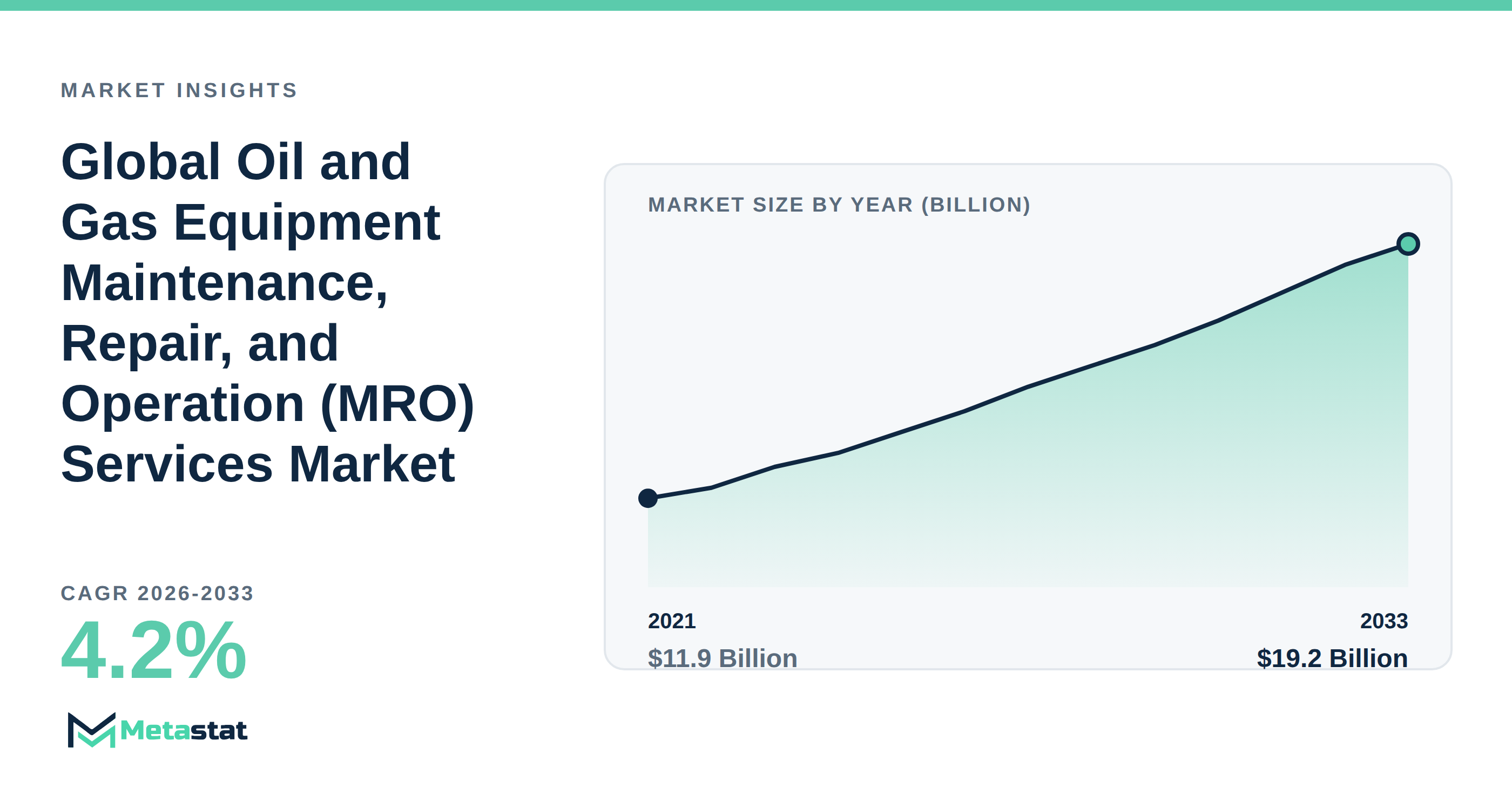
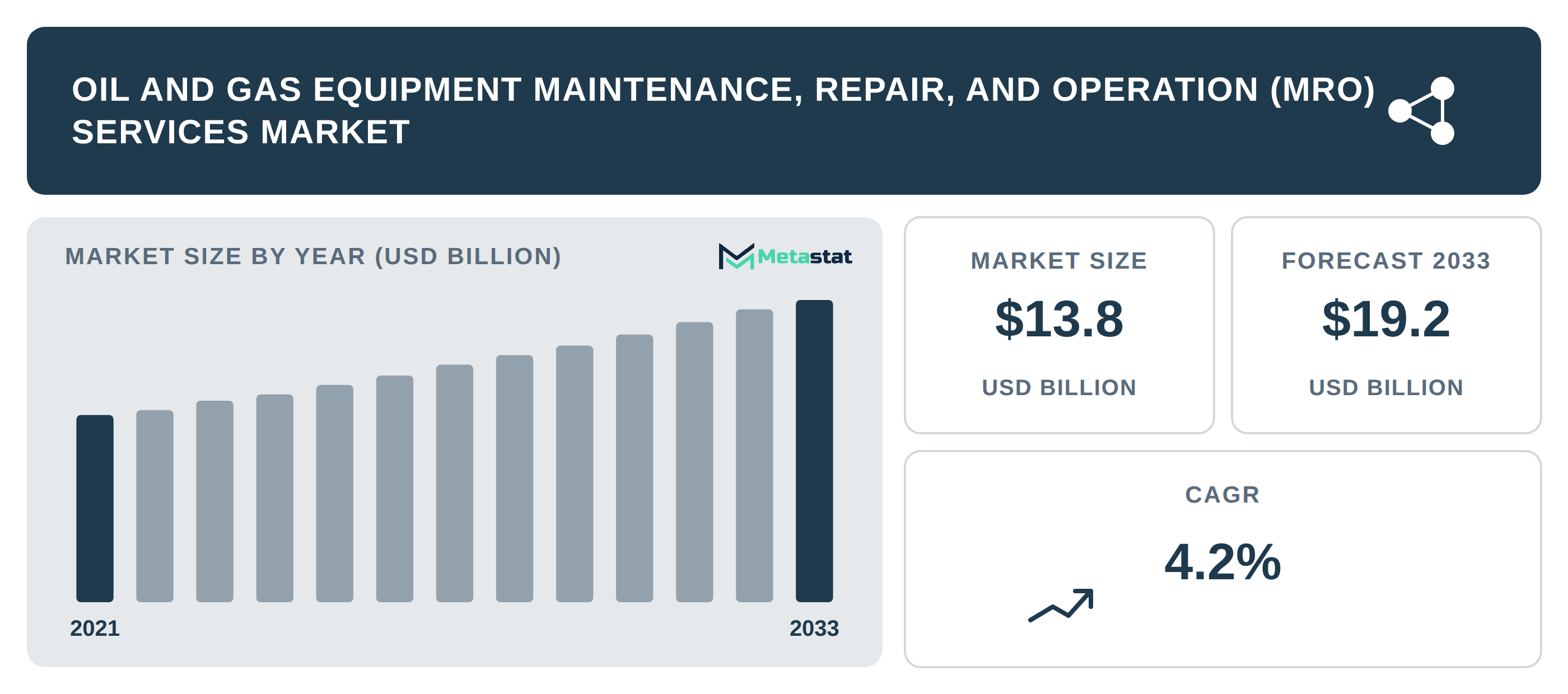
Understanding supplier relationships is crucial for buyers in the Oil and Gas Equipment Maintenance, Repair, and Operation (MRO) Services sector. With the significant growth anticipated, making informed choices about service providers holds greater importance. This article outlines essential questions buyers should ask when evaluating suppliers, ensuring they select the right partners for their operational needs. The full figures are in our Oil and Gas Equipment Maintenance, Repair, and Operation (MRO) Services market size and forecast report.
1. What is your approach to predictive maintenance?
In the energy sector, employing data-driven strategies becomes vital for optimizing equipment performance. Suppliers should clearly outline their predictive maintenance strategies, encompassing the technologies and methodologies in use. An effective predictive maintenance framework improves operational efficiency by addressing potential failures proactively, thus reducing costly downtimes. Buyers who prioritize suppliers with strong predictive maintenance programs enhance their operational reliability and reduce unexpected interruptions.
2. How do you ensure compliance with safety and environmental regulations?
Compliance with safety and environmental regulations remains crucial in the oil and gas sector. Buyers inquire about the specific measures suppliers take to meet regulatory standards and uphold environmental responsibilities. A supplier's commitment to compliance directly impacts the operational integrity of equipment and facilities. Selecting suppliers dedicated to these regulations helps buyers mitigate risks and bolster their compliance efforts.
3. What training and support do you provide for technicians and operators?
The complexity of oil and gas equipment necessitates ongoing training and support. Suppliers should explain how they facilitate skill development for technicians and operators, ensuring effective use of advanced technologies. A robust training program elevates the efficiency of maintenance services and promotes a culture of safety and reliability. Buyers benefit from collaborations with suppliers committed to continuous education and support.
4. Can you describe your service responsiveness and turnaround times?
Timely service responsiveness is crucial for minimizing downtime and maintaining operational efficiency. Buyers should evaluate suppliers based on their ability to provide prompt maintenance and support services. Understanding the turnaround times for repairs enables buyers to gauge how quickly a supplier reacts to emergencies. Suppliers with strong local repair capabilities and efficient turnaround protocols significantly support business continuity, vital for maintaining a competitive edge in the oil and gas sector.
5. What technologies are integrated into your service offerings?
Innovative technologies play a significant role in enhancing equipment reliability and performance. Buyers should ascertain which technologies suppliers incorporate into their services, including condition monitoring, digital twins, or automation solutions. These advancements streamline maintenance processes and allow operators to make data-driven decisions that boost productivity. By choosing suppliers focused on integrating technological advancements, buyers substantially improve their operational frameworks and market positioning.
6. What is your approach to long-term service agreements?
Long-term service agreements reflect a commitment to ongoing maintenance and performance reliability. Buyers should discuss the structure of such agreements, including pricing models and flexibility in service offerings. Understanding how a supplier plans to provide consistent support over time significantlies influence operational success. Suppliers who offer comprehensive long-term agreements enable buyers to secure predictable maintenance costs while aligning with evolving operational needs in the oil and gas sector.
Selecting the right supplier for Oil and Gas Equipment Maintenance, Repair, and Operation (MRO) Services demands a thorough understanding of their capabilities and commitments to operational excellence. By asking these key questions, buyers ensure they partner with suppliers that meet their goals and enhance their operational efficiency.
Tags
About the Authors

LEAD ANALYST
Utkarsh Khirodkar is a Lead Market Research Analyst at MetaStat Insight, specializing in market intelligence, technology sector assessments, and competitive strategy.

PRINCIPAL CONSULTANT - ENTERPRISE AI & EMERGING TECHNOLOGIES
Banking & Finance · Electronics and Semiconductor · Energy and Power · Healthcare IT · Information & Technology · Professional Services
Vijay Gunti is a Principal Consultant at MetaStat Insight, bringing over two decades of experience across enterprise digital transformation, technology strategy, and intelligent systems.

ENERGY & INFRASTRUCTURE INDUSTRY CONSULTANT
Automotive and Transportation · Electronics and Semiconductor · Energy and Power · Machinery & Equipment
Saurabh Vasant Ganvir consults for Energy & Infrastructure Industry at MetaStat Insight, specializing in renewable energy, solar EPC, and electric vehicle (EV) infrastructure markets.