
Explore the key factors influencing Australia Volumetric Modular Buildings pricing, from factory capacity to regional differences, and how buyers leverage these insights.
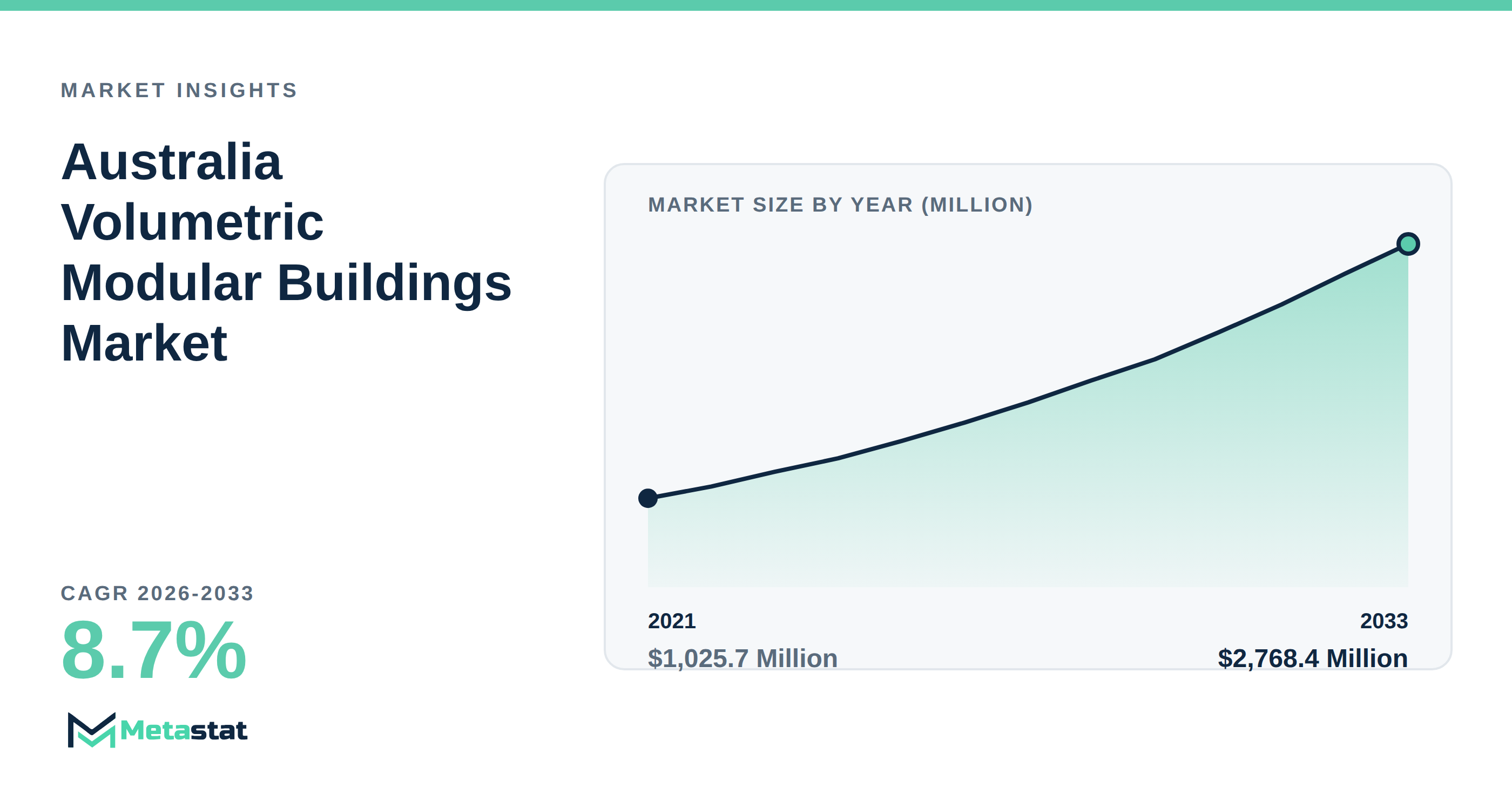
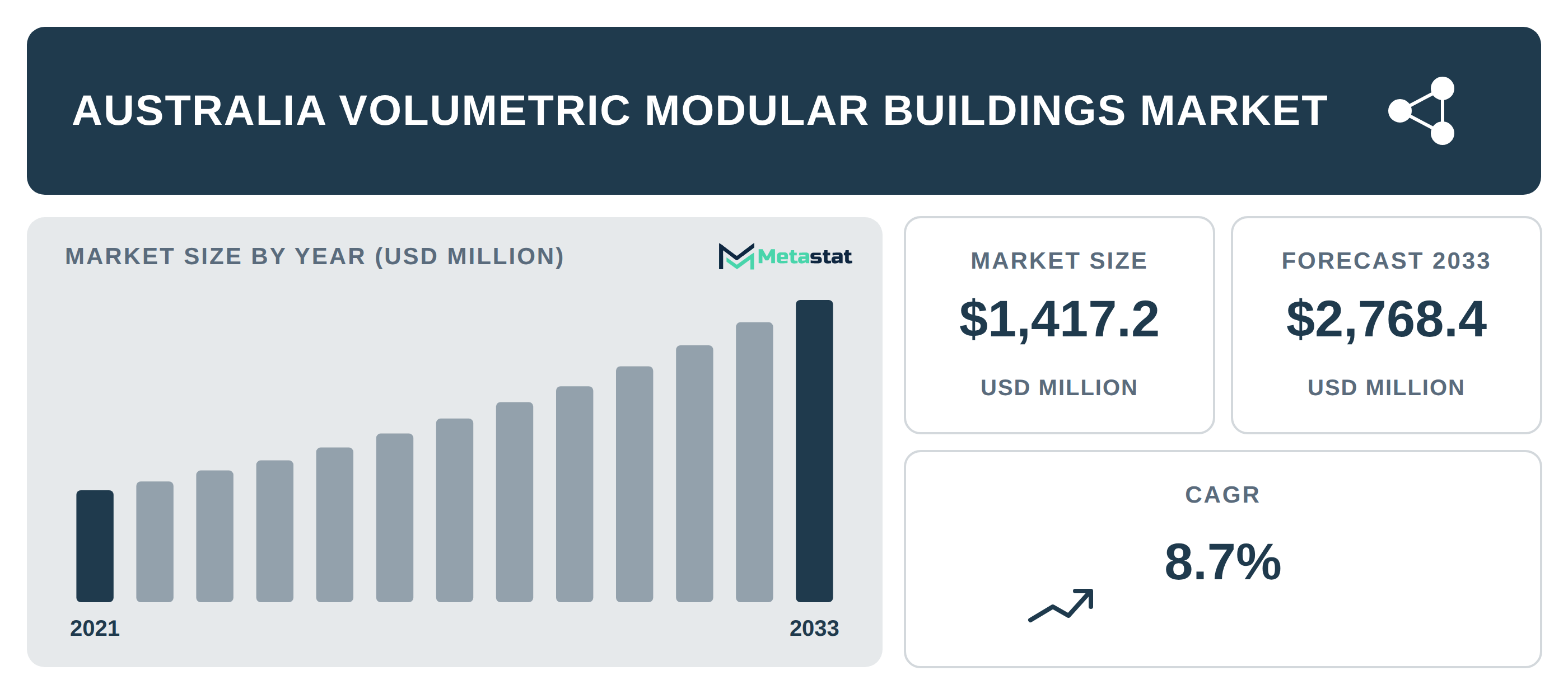
The Australia Volumetric Modular Buildings sector is experiencing significant growth, fueled by rising urbanization and the need for affordable housing. Understanding the factors influencing pricing in this market allows buyers to make more informed decisions. This blog explores insights affecting costs and highlights areas where buyers exert influence in their purchasing strategies. For a comprehensive overview of the sector, refer to the Australia Volumetric Modular Buildings market size and forecast report.
1. Factory Capacity Impacts Pricing and Availability
Factory capacity significantly impacts the pricing of volumetric modular buildings. When production capabilities are limited, costs tend to rise, and delivery times extend. Buyers who establish long-term partnerships with manufacturers often enjoy better pricing through strategies centered around repeat procurement. These collaborations help ensure a steady supply and shorter lead times, resulting in more predictable costs and improved budgeting for projects.
2. Transport Distances Affect Overall Expenses
Transport distances critically influence the pricing of modular buildings. Longer distances increase logistical costs and can lead to delays in installation. Buyers should be aware of these expenses and might consider investing in locally sourced materials or regional assembly facilities. This strategic planning significantlies mitigate transport costs, ultimately affecting the overall project budget and enhancing profitability.
3. Fixed-Price Contracts Offer Budget Certainty
In the healthcare sector, fixed-price contracts for volumetric modular buildings provide buyers with budgeting certainty. This approach appeals to organizations requiring clear financial projections, especially in public healthcare projects. Grasping the implications of different pricing models allows buyers to negotiate terms that align with their financial planning, ultimately enhancing project feasibility and execution.
4. Input Costs Drive Pricing Strategies
Fluctuations in raw material costs, particularly timber and steel, play a considerable role in shaping pricing strategies within the modular building market. Suppliers strive to maintain profit margins while offering competitive prices. Buyers navigate these challenges by staying informed about market trends and collaborating with suppliers to optimize sourcing practices, leading to more predictable pricing for construction projects.
5. Sustainability Initiatives Enhance Value Proposition
The growing focus on sustainability is reshaping pricing dynamics in the Australia Volumetric Modular Buildings sector. Buyers increasingly prioritize eco-friendly building practices and materials, impacting overall project costs. Companies that invest in innovative and energy-efficient solutions offer value-added benefits justifying higher price points. Understanding how sustainability initiatives impact pricing enables strategic purchasing decisions aligning with environmental objectives.
6. Regional Differences Influence Pricing
Pricing for volumetric modular buildings varies significantly across Australia due to regional regulations and labor costs. Regions that have established modular frameworks often benefit from lower installation costs, creating a competitive advantage. Buyers carefully assess these regional differences, as they significantly affect project timelines and budgets. Aligning project planning with local conditions helps companies optimize construction expenses and enhance project feasibility.
By understanding the factors influencing pricing in Australia Volumetric Modular Buildings, buyers leverage these strategic insights to refine their procurement decisions. From factory capacity to regional considerations, these insights enable stakeholders to navigate the evolving landscape effectively and maximize their investments.
Tags
About the Authors

LEAD ANALYST
Utkarsh Khirodkar is a Lead Market Research Analyst at MetaStat Insight, specializing in market intelligence, technology sector assessments, and competitive strategy.

SENIOR RESEARCH ANALYST
Biotechnology · Food and Beverages · Medical Devices · Packaging
Snehal Pasalkar is a Research Analyst at MetaStat Insight, operating at the intersection of life sciences research, competitive strategy, and market intelligence.

INDUSTRY CONSULTANT - CHEMICALS & ADVANCED MATERIALS
Chemicals and Materials · Machinery & Equipment · Packaging
Amit Gadhekar Consultant for Chemicals and Materials at MetaStat Insight, directing sector-specific intelligence, research, and strategic consulting across global chemical and processing markets.