
Explore the top trends in Generative AI that are transforming business operations, focusing on cloud adoption, data security, and cost-effective strategies.
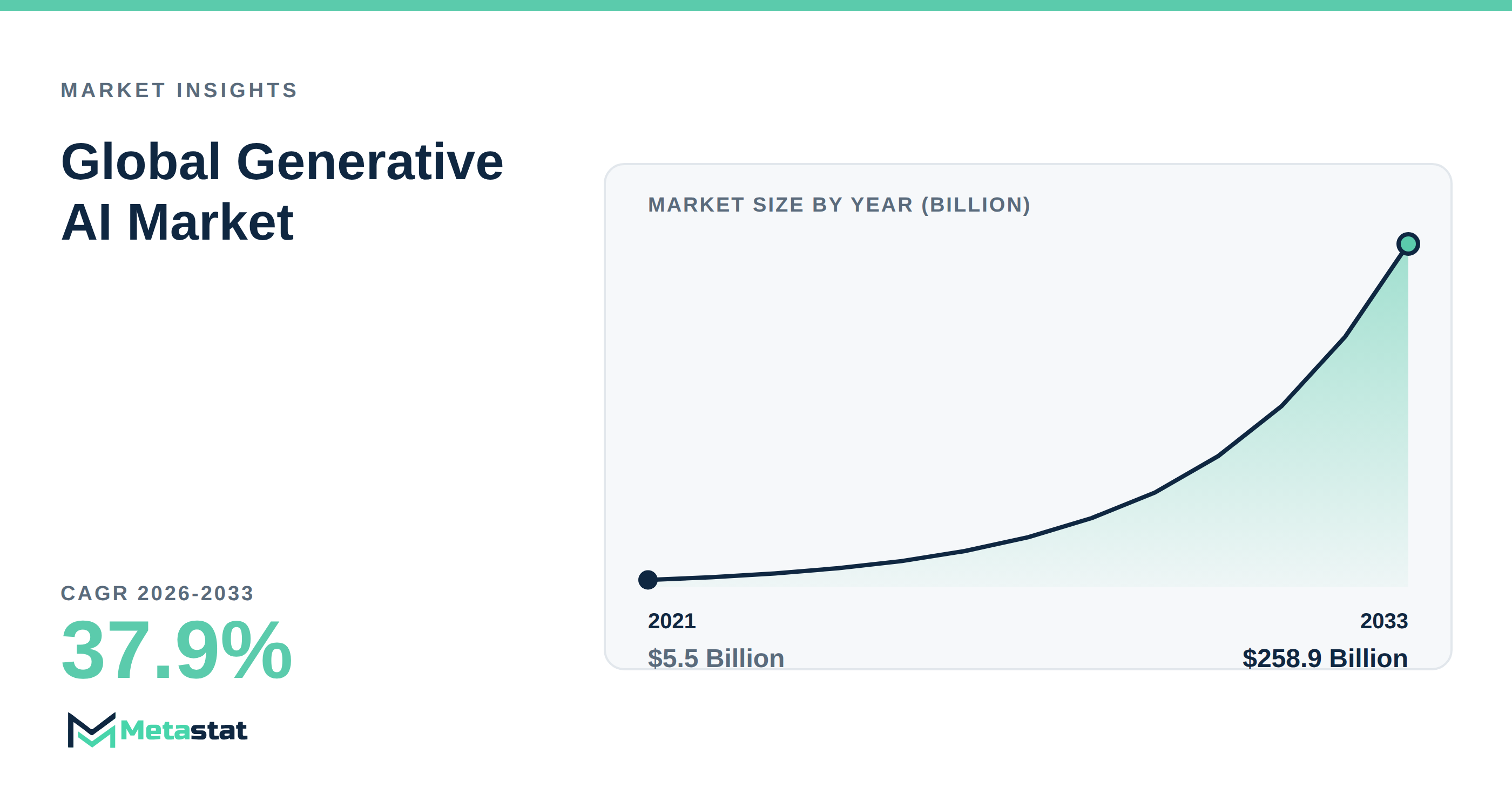
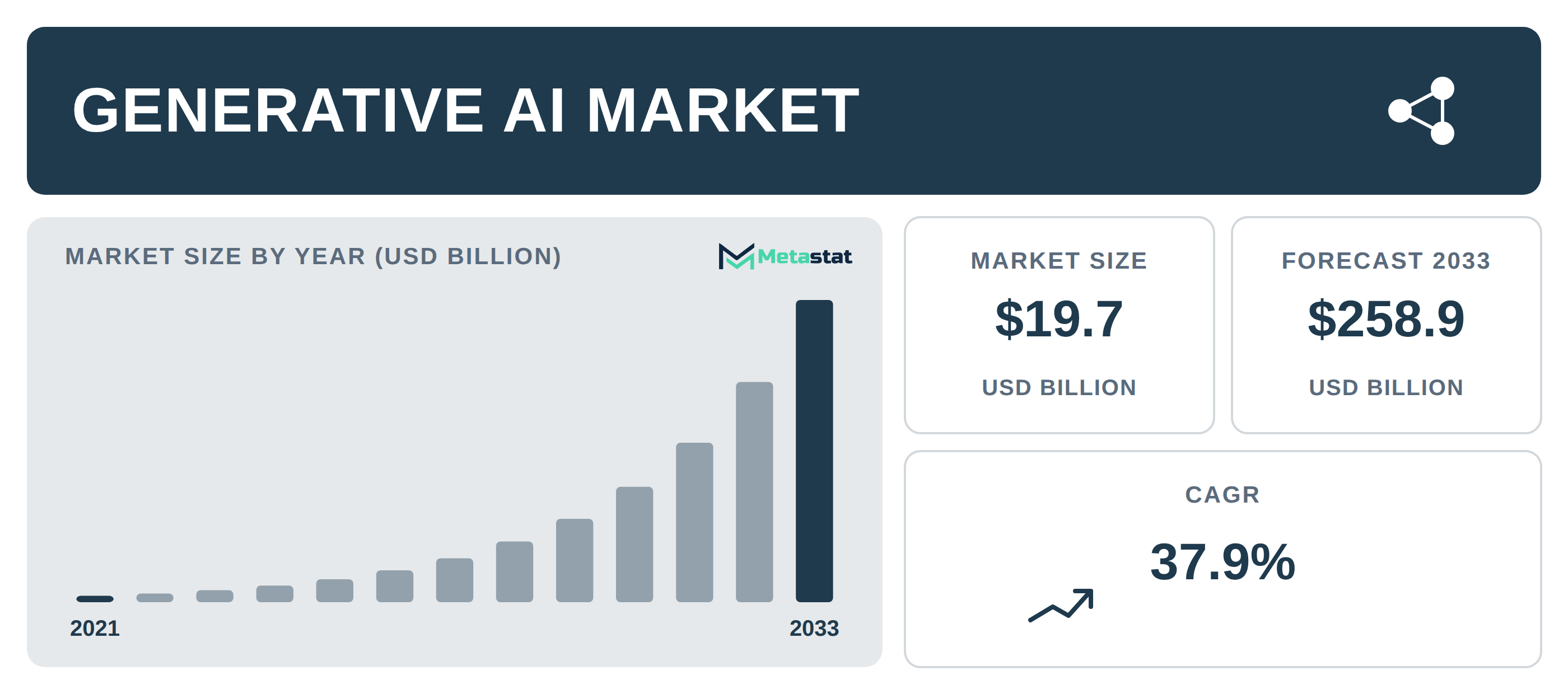
As organizations increasingly turn to advanced technologies, the market for Generative AI is witnessing notable shifts. Understanding these Generative AI trends is crucial for buyers looking to leverage this potential. The following points highlight the significant trends driving demand and their implications for enterprises. The full figures are in our Generative AI market size and forecast report.
1. Cloud-Based Solutions Drive Adoption
A shift toward cloud-based solutions is reshaping how organizations acquire Generative AI technologies. The cloud segment is expected to grow significantly, providing enterprises with access to scalable and flexible infrastructures that enhance operational efficiency. This transition allows businesses to minimize upfront costs and streamline their operations. While more companies adopt cloud deployment, they enhance the ability to integrate advanced AI tools into everyday processes, ultimately improving service delivery and reducing time to market.
2. Complexity in IT Environments Increases Demand
The growing intricacy of IT environments is boosting demand for Generative AI copilots in IT operations and service management. This segment is set to experience substantial expansion as organizations seek automated solutions to optimize their IT resources. Enhanced efficiency and accuracy become critical in managing complex systems. This trend leads to reduced downtime and faster response times, positively impacting productivity and overall customer satisfaction.
3. Focus on Data Security and Compliance
Industries including banking, financial services, and healthcare prioritize data security, prompting a shift towards private and hybrid deployment models for Generative AI solutions. Revenue in the banking sector is expected to see remarkable growth as firms recognize the importance of safeguarding sensitive information and complying with regulatory requirements. This focus on data integrity creates a competitive edge while enhancing trust among clients.
4. Rising Demand for Personalized Content
Organizations are increasingly investing in Generative AI technologies to address the growing demand for personalized content. As buyers seek innovative methods to engage customers, tools that automate content creation become essential. This trend signifies the necessity for high-quality, tailored messaging across various industries. Enhanced capabilities in content generation enable enterprises to improve customer interactions, ultimately driving better engagement and retention.
5. Transition to Cost-Effective Pricing Models
Enterprises favor subscription-based pricing models for Generative AI solutions, facilitating effective budget management over time. This development encourages flexibility in scaling usage according to operational needs, which is crucial in a competitive landscape. Such pricing structures contribute to more predictable cost frameworks, enabling organizations to maximize their return on investment. Companies should evaluate various pricing strategies to support more widespread adoption of these technologies.
6. Challenges in Talent Acquisition
The increasing costs associated with acquiring skilled talent in artificial intelligence present challenges for suppliers of Generative AI solutions. The heightened demand for expertise results in increased competition, raising salaries and impacting operational margins. To counteract these pressures, organizations are turning to employee training programs and partnerships with educational institutions to ensure access to skilled professionals. By investing in workforce development, companies maintain competitiveness and optimize productivity in this rapidly evolving environment.
These trends collectively illustrate the evolving landscape of Generative AI, highlighting the need for enterprises to adapt to changing demands. Each factor contributes to a deeper understanding of how organizations leverage advanced technologies to achieve greater efficiency and innovation.
Tags
About the Authors

LEAD ANALYST
Utkarsh Khirodkar is a Lead Market Research Analyst at MetaStat Insight, specializing in market intelligence, technology sector assessments, and competitive strategy.

PRINCIPAL CONSULTANT - ENTERPRISE AI & EMERGING TECHNOLOGIES
Banking & Finance · Electronics and Semiconductor · Energy and Power · Healthcare IT · Information & Technology · Professional Services
Vijay Gunti is a Principal Consultant at MetaStat Insight, bringing over two decades of experience across enterprise digital transformation, technology strategy, and intelligent systems.

LEAD CONSULTANT - COMMUNICATION, TELECOM, AND IT
Electronics and Semiconductor · Information & Technology · Machinery & Equipment · Professional Services
Ravindra Sathe Consultants for Communication, Telecom, and IT at MetaStat Insight. He leads the firm's industry research initiatives across telecommunications infrastructure, digital connectivity, enterprise networking, and emerging information technology domains.