
Explore the rising demand for Single-Family Offices and the factors driving this trend in wealth management for high-net-worth families.
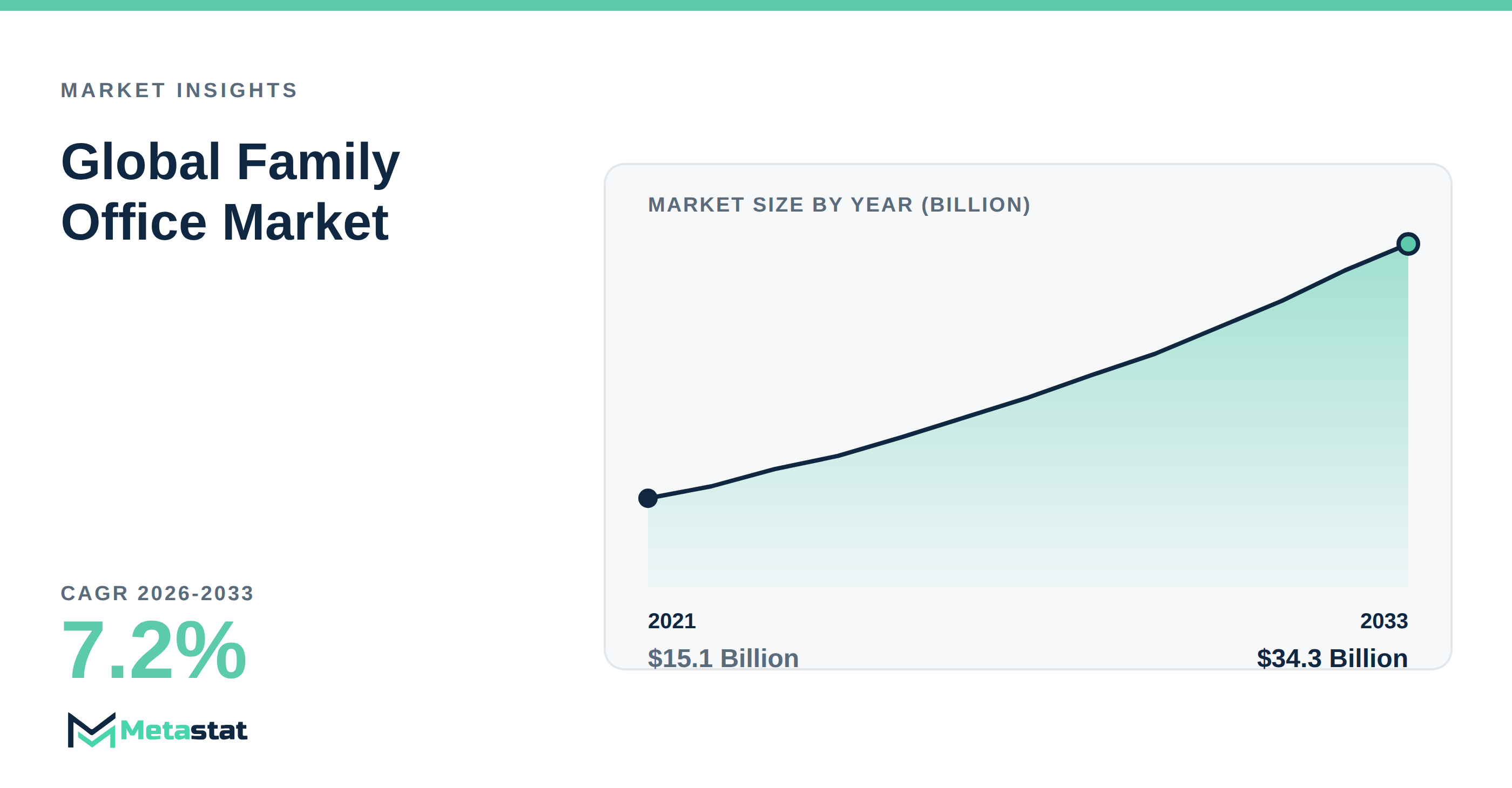
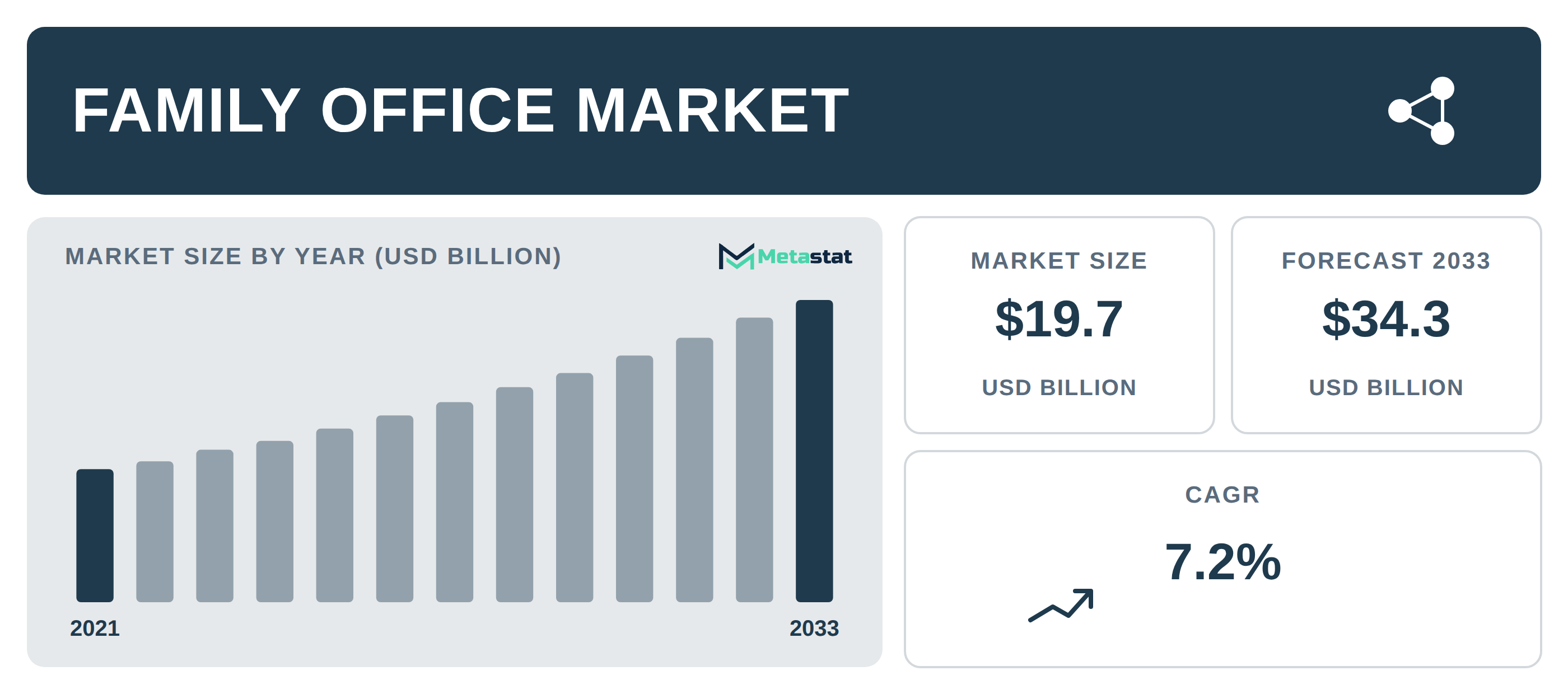
The Single-Family Office segment is significantly outpacing its counterparts in the market for Family Office services. With a projected value of USD 21.4 billion by 2033, this segment is evolving to meet the specific needs of wealthy families. Understanding the reasons behind this trend sheds light on the current dynamics within the broader Family Office landscape. The full figures are in our Family Office market size and forecast report.
One primary factor contributing to the rising demand for Single-Family Offices is the increasing desire among high-net-worth individuals for tailored services. These bespoke solutions cater specifically to the unique financial dynamics of ultra-affluent families, allowing for personalized attention in managing wealth. Families often prefer the exclusivity and privacy that come with a Single-Family Office. This personalized approach not only maintains confidentiality but develops a deeper connection between clients and service providers. While the complexity of wealth management increases, affluent families are gravitating toward these dedicated offices that offer customized financial strategies.
How do unique family dynamics influence this demand?
Families differ in their values, goals, and investment philosophies, which significantly shape their financial management approaches. Single-Family Offices enable a more nuanced understanding of these dynamics, allowing families to implement strategies that align with their specific aspirations. The singular focus of such offices on one family's needs reduces the potential for conflicts of interest, which often arise in Multi-Family Office structures.
The emphasis on governance and succession planning within Single-Family Offices ensures that wealth transition aligns with family values over generations. This focus on long-term stability is particularly appealing to families looking to preserve their legacies. As younger generations assume leadership roles in family businesses and investments, they increasingly seek out office structures that provide comprehensive support in navigating these complex transitions.
What role does wealth concentration play?
The concentration of wealth among high-net-worth individuals greatly influences the trajectory of Single-Family Offices. With the rise of wealth concentration, affluent families are more inclined to seek dedicated services that offer strategic asset allocation and risk management tailored to their wealth levels. The growing number of ultra-wealthy individuals globally drives the expansion of Single-Family Offices, as these entities provide the necessary infrastructure to manage complex investment portfolios.
Moreover, Single-Family Offices offer an advantage through their ability to respond swiftly to changing market conditions, given their agile structure. This flexibility allows families to capitalize on new investment opportunities and adapt their strategies according to evolving economic landscapes. In contrast, Multi-Family Offices, while providing valuable services, may not possess the same level of responsiveness due to their broader client base.
How is technology influencing this segment?
Technological advancements further enrich the appeal of Single-Family Offices. The integration of digital tools facilitates sophisticated investment strategies and enhances operational efficiency. Wealthy families increasingly desire platforms that provide real-time insights into their financial situations, enabling informed decision-making. Single-Family Offices that leverage technology effectively are better positioned to offer personalized services that align with clients' goals and values.
Technology significantly enhances communication between families and their advisors. Improved transparency builds trust, an essential element in cultivating successful long-term relationships in wealth management. As affluent families prioritize firms that embrace innovative solutions, Single-Family Offices are likely to gain a competitive edge in attracting and retaining clients.
Conclusion: The future of Family Office services
The upward trajectory of Single-Family Offices stems from their ability to offer personalized services catering to the unique needs of high-net-worth families. As wealth concentration continues to rise, families are drawn to dedicated offices that prioritize privacy, governance, and tailored financial strategies. Technological advancements enhance service delivery, making it easier for families to manage their wealth efficiently. Understanding these dynamics will be crucial for service providers aiming to navigate the evolving demand for Family Office services effectively.
The ongoing growth of Single-Family Offices offers insights into the preferences of affluent individuals and families in wealth management. As they seek to ensure the longevity of their legacies, the demand for these unique financial structures is expected to continue escalating.
Tags
About the Authors

LEAD ANALYST
Utkarsh Khirodkar is a Lead Market Research Analyst at MetaStat Insight, specializing in market intelligence, technology sector assessments, and competitive strategy.

PRINCIPAL CONSULTANT - ENTERPRISE AI & EMERGING TECHNOLOGIES
Banking & Finance · Electronics and Semiconductor · Energy and Power · Healthcare IT · Information & Technology · Professional Services
Vijay Gunti is a Principal Consultant at MetaStat Insight, bringing over two decades of experience across enterprise digital transformation, technology strategy, and intelligent systems.