
Explore critical observations shaping the competitive landscape of the Malaysia Bio-Based Thermal Insulation Materials market, highlighting positioning strategies and trends.
The competitive environment of the Malaysia Bio-Based Thermal Insulation Materials market is changing rapidly. With sustainability becoming a focal point in construction, various companies are positioning themselves to gain market share. This blog highlights six critical observations regarding the competitive landscape in this emerging sector.
1. Wood fibre insulation leads in market share
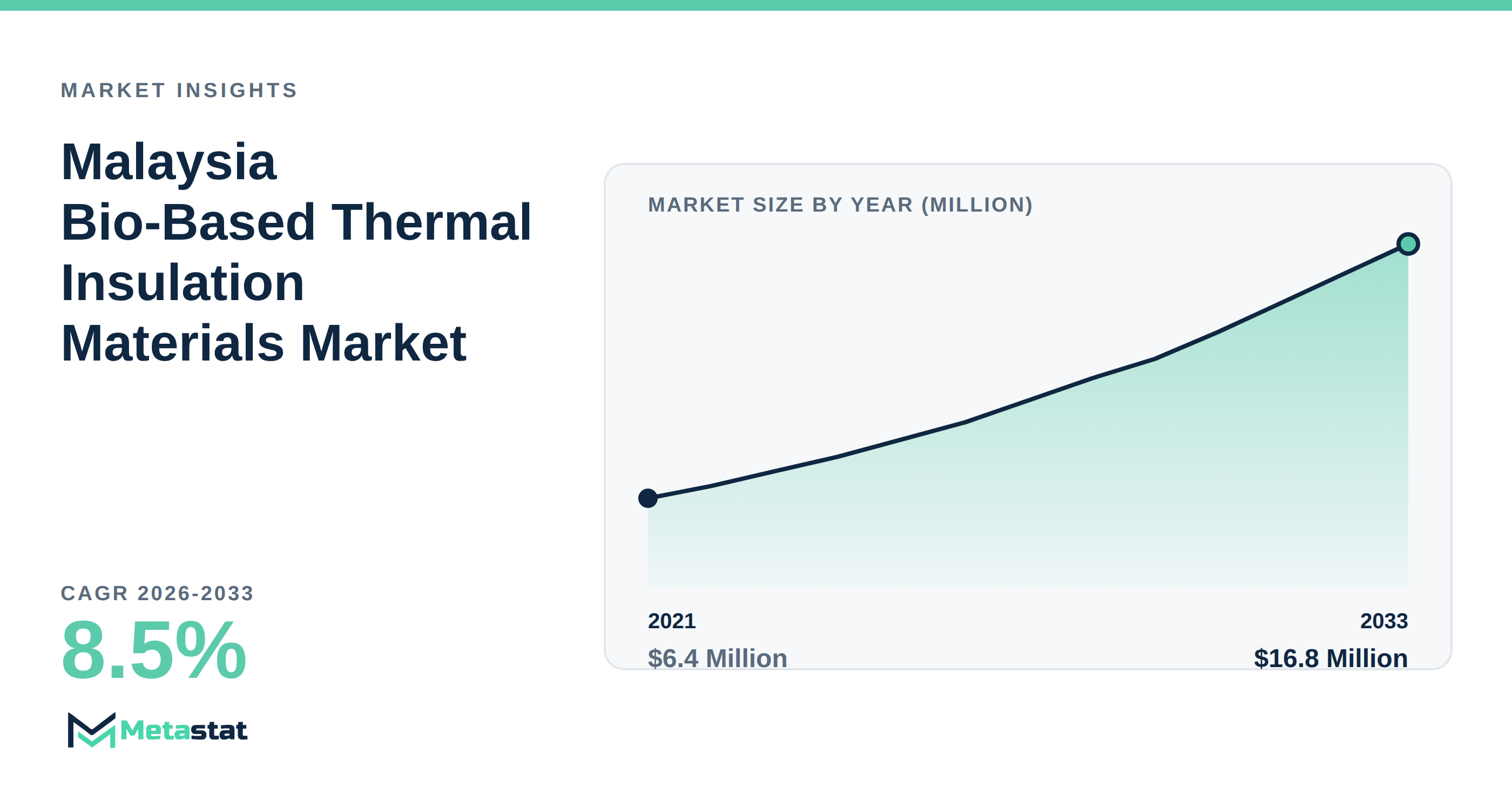
Wood fibre insulation holds a prominent position in the Malaysia Bio-Based Thermal Insulation Materials market, contributing significantly to overall revenue. This segment is projected to grow from USD 2.5 million in 2026 to USD 4.1 million by 2033, fueled by a growing inclination towards eco-friendly building materials. The rising commitment to sustainable construction practices among builders and homeowners enhances this trend. Major companies including STEICO SE and GUTEX Holzfaserplattenwerk H. Henselmann GmbH + Co. KG are taking advantage of this demand by providing high-quality wood fibre products that meet modern construction standards.
2. Cellulose fibre insulation gains traction
The cellulose fibre insulation segment is anticipated to reach USD 3.4 million by 2033, spurred by heightened awareness of its thermal efficiency and environmental benefits. The increasing need for energy-efficient building solutions has resulted in substantial investments in this area. Manufacturers are focusing on innovative production methods to strengthen the performance characteristics of cellulose products. Companies like ISOCELL GmbH & Co KG are crucially contributing to this growth through the development of superior cellulose insulation options.
3. Kenaf fibre insulation emerges in the market
Kenaf fibre insulation is showcasing significant commercial potential in Malaysia's market. This natural fibre aligns perfectly with local sourcing trends and satisfies the growing demand for sustainable building materials. Its rapid growth and minimal resource requirements make it an appealing option for builders. Companies like MYCEEN are actively pursuing ways to leverage the advantages of kenaf fibre to enhance their insulation product offerings.
4. Utilization of oil palm biomass bolsters sustainability
Utilizing oil palm biomass for thermal insulation products capitalizes on Malaysia's extensive palm oil production. This practice supports the circular economy by reprocessing agricultural waste, thus improving the market's sustainability profile. Firms like CAVAC Biomatériaux are dedicated to developing insulation solutions utilizing this resource, promoting economic growth while maintaining environmental responsibility.
5. Regulatory compliance influences market competition
Regulatory challenges significantly affect competition within the Malaysia Bio-Based Thermal Insulation Materials market. Companies comply with rigorous environmental regulations, leading to heightened operational costs. Adherence to fire performance standards and eco-friendly certifications is vital for gaining consumer trust. This regulatory environment compels manufacturers to invest in advanced technologies and sustainable practices to remain competitive, impacting the strategic decisions of firms including SOPREMA Group.
6. Innovation and collaboration drive market expansion
Innovation is a critical factor propelling the Malaysia Bio-Based Thermal Insulation Materials market forward, with companies striving to improve product performance and sustainability. Partnerships among manufacturers, suppliers, and research organizations are essential for encouraging product innovation and enhancing distribution efficiency. Companies like Amorim Cork Insulation, S.A. are working collaboratively to streamline processes and increase the availability of quality products. This cooperative strategy not only reinforces the market ecosystem but opens up new avenues for the development of bio-based insulation solutions.
These insights illustrate the competitive dynamics shaping the Malaysia Bio-Based Thermal Insulation Materials market. While the sector matures, stakeholders will adapt to evolving consumer preferences, regulatory frameworks, and technological advancements to solidify their positions in this expanding industry.
The full analysis is in Malaysia Bio-Based Thermal Insulation Materials Market.
Tags
About the Authors

LEAD ANALYST
Utkarsh Khirodkar is a Lead Market Research Analyst at MetaStat Insight, specializing in market intelligence, technology sector assessments, and competitive strategy.

INDUSTRY CONSULTANT - CHEMICALS & ADVANCED MATERIALS
Chemicals and Materials · Machinery & Equipment · Packaging
Amit Gadhekar Consultant for Chemicals and Materials at MetaStat Insight, directing sector-specific intelligence, research, and strategic consulting across global chemical and processing markets.