
Explore the influences shaping costs and pricing in the Food & Beverage Process Plants market, essential for informed purchasing decisions.
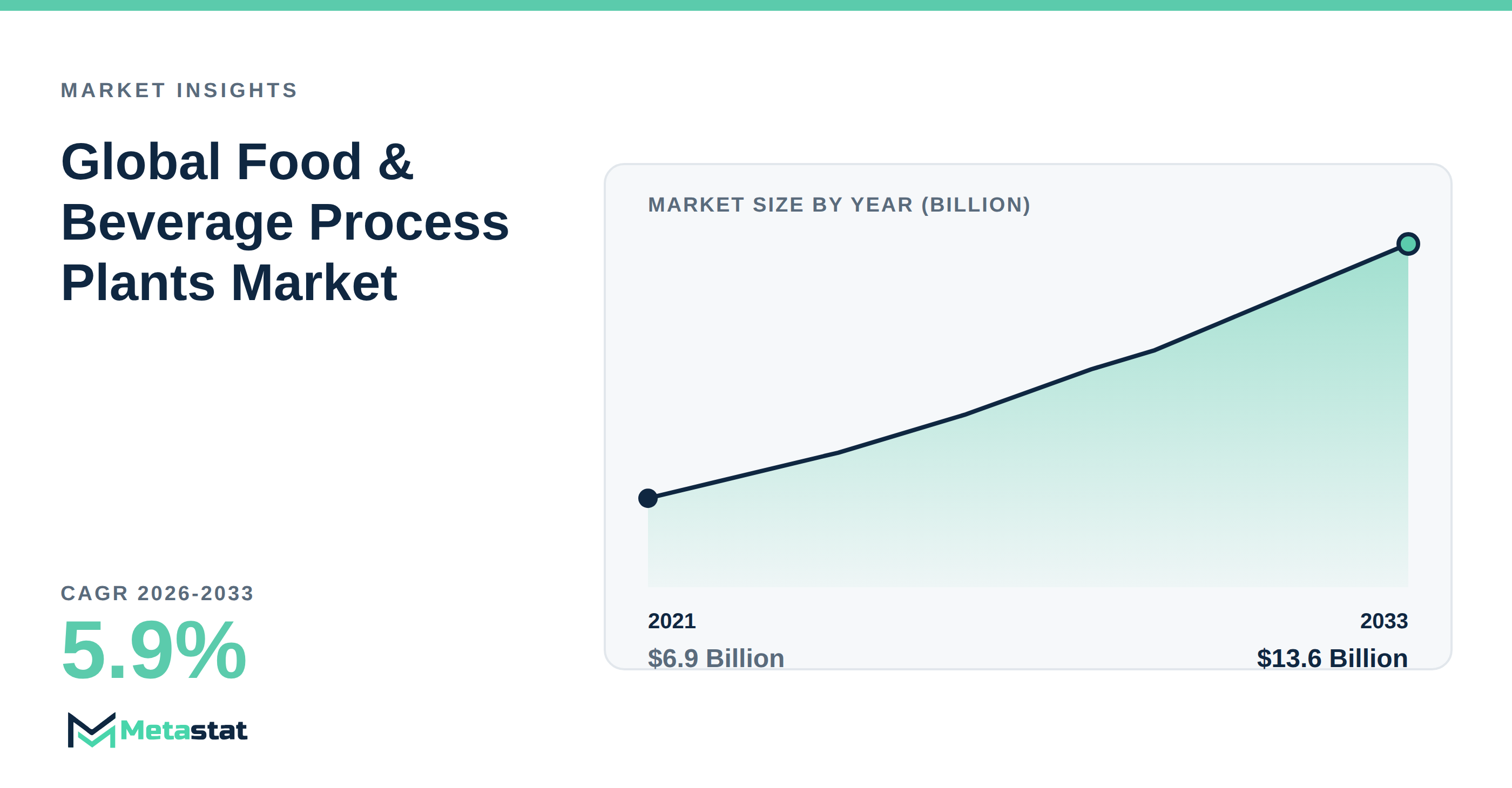
The Food & Beverage Process Plants market, currently valued at USD 8.6 billion, is projected to expand to USD 13.6 billion by 2033. This growth reflects various underlying factors that impact costs and pricing strategies for buyers and operators within the sector. Understanding these factors equips organizations to make informed decisions in their purchasing strategies and operational practices.
1. Regulatory compliance impacts operational costs
Compliance with stringent safety and quality regulations significantly influences operational expenses for manufacturers. Investment in technology and ongoing training needed to meet these standards escalate costs. Companies navigating these compliance challenges often face increased operational inefficiencies. It is crucial for buyers to consider suppliers with robust compliance frameworks, because this leads to lower costs and enhanced operational performance.
2. Capital investment drives technological advancement
Significant capital investment fuels growth and modernization within the Food & Beverage Process Plants market. Organizations that focus on technology upgrades enhance efficiency and product quality, resulting in reduced overall production costs. Buyers should seek suppliers that prioritize innovation and capital investment, because this focus often translates into competitive pricing and improved product offerings, ultimately benefiting their financial performance.
3. Consumer preferences shape pricing strategies
The shift in consumer demand toward healthier and sustainable food options has a direct impact on pricing strategies across the market. Manufacturers that adapt production lines to meet these preferences incur additional costs, which subsequently influence pricing. Buyers that align their procurement strategies with suppliers embracing consumer trends often leverage better pricing due to enhanced product relevance and increased demand. This alignment is essential for maintaining market competitiveness.
4. Supply chain resilience mitigates cost pressures
Recent global disruptions have underscored the need for increased supply chain resilience in the Food & Beverage Process Plants market. Companies that prioritize strategic partnerships and diversified supplier bases mitigate risks associated with sourcing and logistics disruptions. For buyers, selecting suppliers with resilient supply chains translates to more stable pricing structures and reduced exposure to cost fluctuations caused by supply chain vulnerabilities.
5. Technological integration enhances productivity
The integration of advanced processing technologies, including automation and artificial intelligence, significantly improves operational efficiency in the Food & Beverage Process Plants market. Upgrading to automated systems reduces labor costs and enhances production speed. Buyers should assess potential suppliers' technological capabilities, because those investing in automation and process optimization tend to offer more competitive pricing and enhanced quality assurance, ultimately benefiting the purchasing organization.
6. Focus on sustainability influences cost structures
Growing emphasis on sustainability within the Food & Beverage Process Plants market affects cost structures for all stakeholders. Companies that adopt eco-friendly practices often incur upfront costs but can realize long-term benefits through reduced waste and energy consumption. Buyers aiming to align with sustainable suppliers negotiate prices that reflect these long-term cost efficiencies, resulting in a more advantageous procurement strategy.
Overall, the Food & Beverage Process Plants market is influenced by various factors that shape costs and pricing strategies. Buyers equipped with knowledge of regulatory compliance, capital investment trends, and sustainability practices make informed decisions that enhance their operational efficiency and market competitiveness. For further insights, explore our Global Food & Beverage Process Plants Market.
Tags
About the Authors

LEAD ANALYST
Utkarsh Khirodkar is a Lead Market Research Analyst at MetaStat Insight, specializing in market intelligence, technology sector assessments, and competitive strategy.

LEAD PRINCIPAL ANALYST, PHARMA AND HEALTHCARE
Food and Beverages · Healthcare · Healthcare IT · Medical Devices
Ajay Devgire is the Lead Healthcare Analyst at MetaStat Insight, leading strategic research and market intelligence initiatives across the global healthcare domain.

SENIOR RESEARCH ANALYST
Biotechnology · Food and Beverages · Medical Devices · Packaging
Snehal Pasalkar is a Research Analyst at MetaStat Insight, operating at the intersection of life sciences research, competitive strategy, and market intelligence.