
Explore crucial factors influencing Transformer Bushings pricing, from material choices to innovations that shape purchasing decisions for utilities and industrial operators.
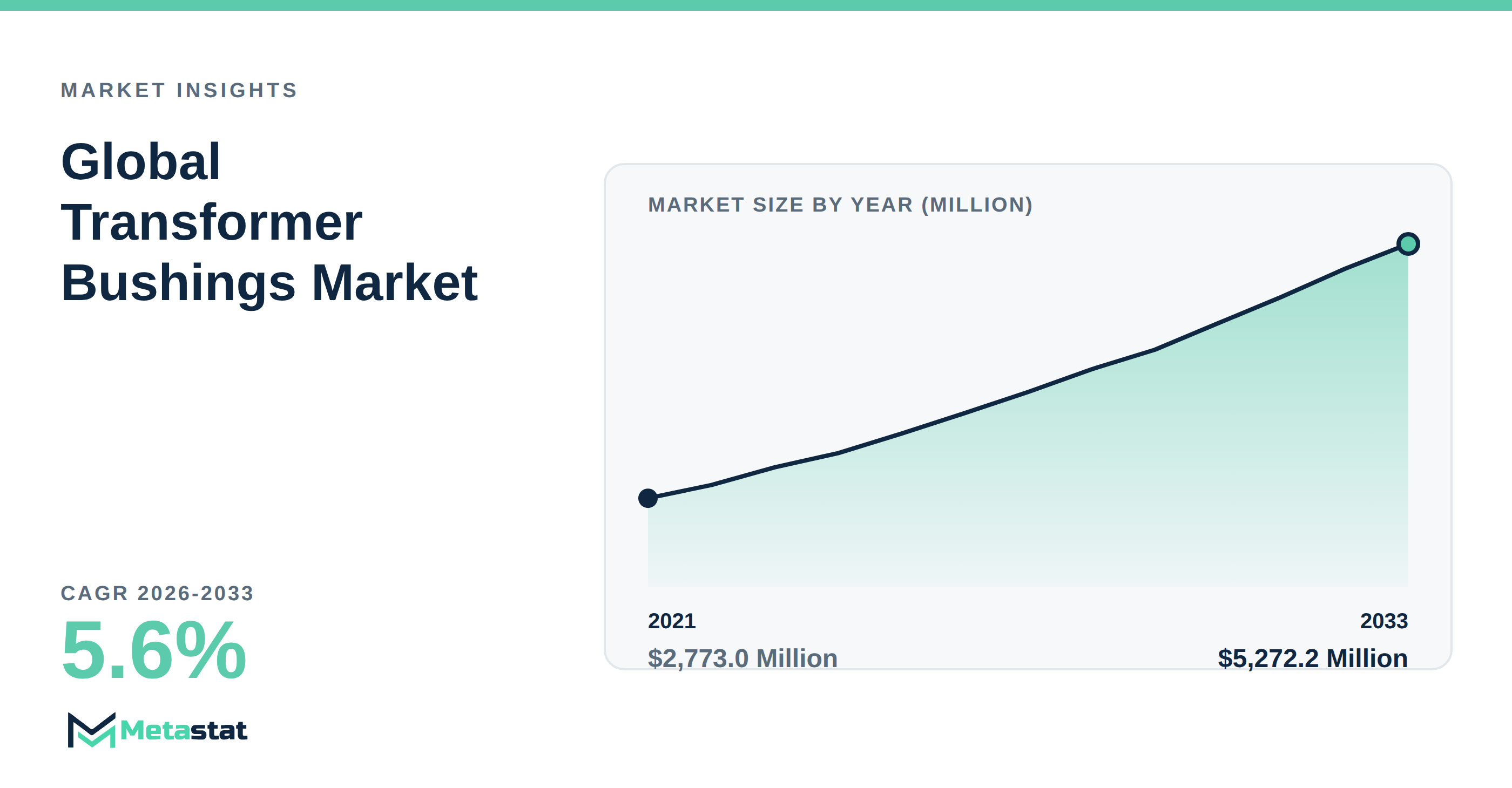
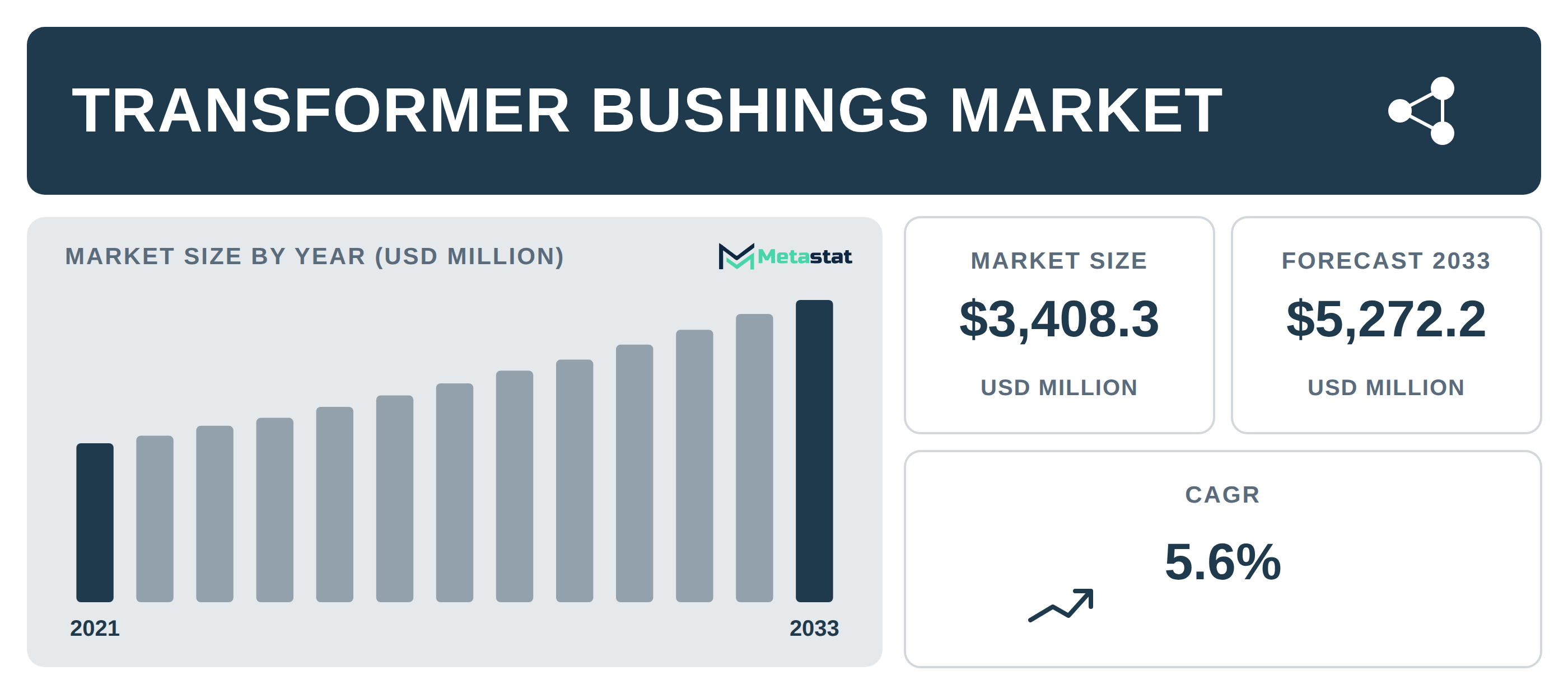
The pricing of Transformer Bushings is influenced by various factors, including material choices, technological advancements, and market dynamics. Understanding these elements helps utilities and industrial operators make informed purchasing decisions. Six key considerations affect Transformer Bushings pricing. The full figures are in our Transformer Bushings market size and forecast report.
1. Material Choices Impact Costs
The choice of materials significantly influences the pricing of Transformer Bushings. For instance, resin-impregnated technologies like Resin-Impregnated Paper (RIP) and Resin-Impregnated Fiberglass (RIF) command higher prices due to their advanced insulating properties, which enhance safety and performance. Operators focusing on long-term reliability invest more upfront in these materials, resulting in lower maintenance costs and reduced risk of failures over time. Understanding the benefits of various materials guides buyers in selecting options that offer the best balance between initial investment and lifecycle performance.
2. Demand for High-Voltage Applications Drives Up Prices
The increasing demand for high-voltage Transformer Bushings is another factor impacting pricing, particularly for applications rated above 145 kV. As grid modernization accelerates, utilities invest in advanced bushing technologies to support new infrastructure that handles higher capacities and integrates renewable energy sources. This surge in demand has led to higher average selling prices for products designed to meet the rigorous performance standards of high-voltage environments. Buyers weigh the benefits of these technologies against their budget constraints, especially when planning for installations or upgrades.
3. Customization Needs Create Pricing Complexity
Customization for specific applications adds another layer of complexity to Transformer Bushings pricing. High-voltage direct current (HVDC) projects often require uniquely designed bushings tailored to specific project requirements, increasing procurement costs. Buyers should consider suppliers that offer proven capabilities in delivering customized solutions that align with operational needs. Pricing models for customized products typically reflect the technical complexity and the level of engineering required. Understanding the specifics of project requirements helps operators negotiate better pricing while ensuring project success.
4. Retrofit Compatibility Affects Procurement Costs
Utilities and industrial operators prioritize retrofit-compatible Transformer Bushings when making procurement decisions. Aging infrastructure often requires replacements that match legacy designs to avoid costly modifications and downtime. Pricing for these bushings varies based on compatibility requirements and potential needs for additional components. Buyers should prioritize manufacturers that provide modular designs and flexible installation options, enhancing the overall value proposition while minimizing disruption during upgrades.
5. Innovation in Insulation Technologies Shapes Pricing Strategies
New advancements in insulation materials and bushing designs reshape pricing strategies in the Transformer Bushings space. Innovations, particularly in dry-type solutions, shift buyer preferences, highlighting the advantages of reduced maintenance costs and enhanced safety. These innovations often come at a premium, reflecting their advanced features and long-term cost benefits. Buyers should evaluate the financial implications of adopting newer technologies, weighing the initial cost against potential savings over the equipment's lifespan, particularly in environments with strict safety regulations.
6. Long-Term Reliability vs. Upfront Cost
Long-term reliability plays a critical role in Transformer Bushings pricing. While several options have lower initial costs, they often incur higher maintenance expenses over time. Buyers have to assess the total cost of ownership, including not just the purchase price but the operational costs associated with each bushing type. Investing in higher-quality bushings result in reduced overall costs and increased system reliability, particularly in demanding environments where performance standards are paramount.
Understanding the factors influencing Transformer Bushings pricing - material choices, demand trends, customization needs, retrofit compatibility, innovation, and long-term reliability - equips buyers with insights necessary to optimize purchasing strategies. By making informed decisions, utilities and industrial operators enhance operational efficiency while managing costs effectively.
Tags
About the Authors

LEAD ANALYST
Utkarsh Khirodkar is a Lead Market Research Analyst at MetaStat Insight, specializing in market intelligence, technology sector assessments, and competitive strategy.

PRINCIPAL CONSULTANT - ENTERPRISE AI & EMERGING TECHNOLOGIES
Banking & Finance · Electronics and Semiconductor · Energy and Power · Healthcare IT · Information & Technology · Professional Services
Vijay Gunti is a Principal Consultant at MetaStat Insight, bringing over two decades of experience across enterprise digital transformation, technology strategy, and intelligent systems.

ENERGY & INFRASTRUCTURE INDUSTRY CONSULTANT
Automotive and Transportation · Electronics and Semiconductor · Energy and Power · Machinery & Equipment
Saurabh Vasant Ganvir consults for Energy & Infrastructure Industry at MetaStat Insight, specializing in renewable energy, solar EPC, and electric vehicle (EV) infrastructure markets.