
Explore the major factors influencing pricing in the Sports Goods market, including consumer preferences, technology, and supply chain dynamics.
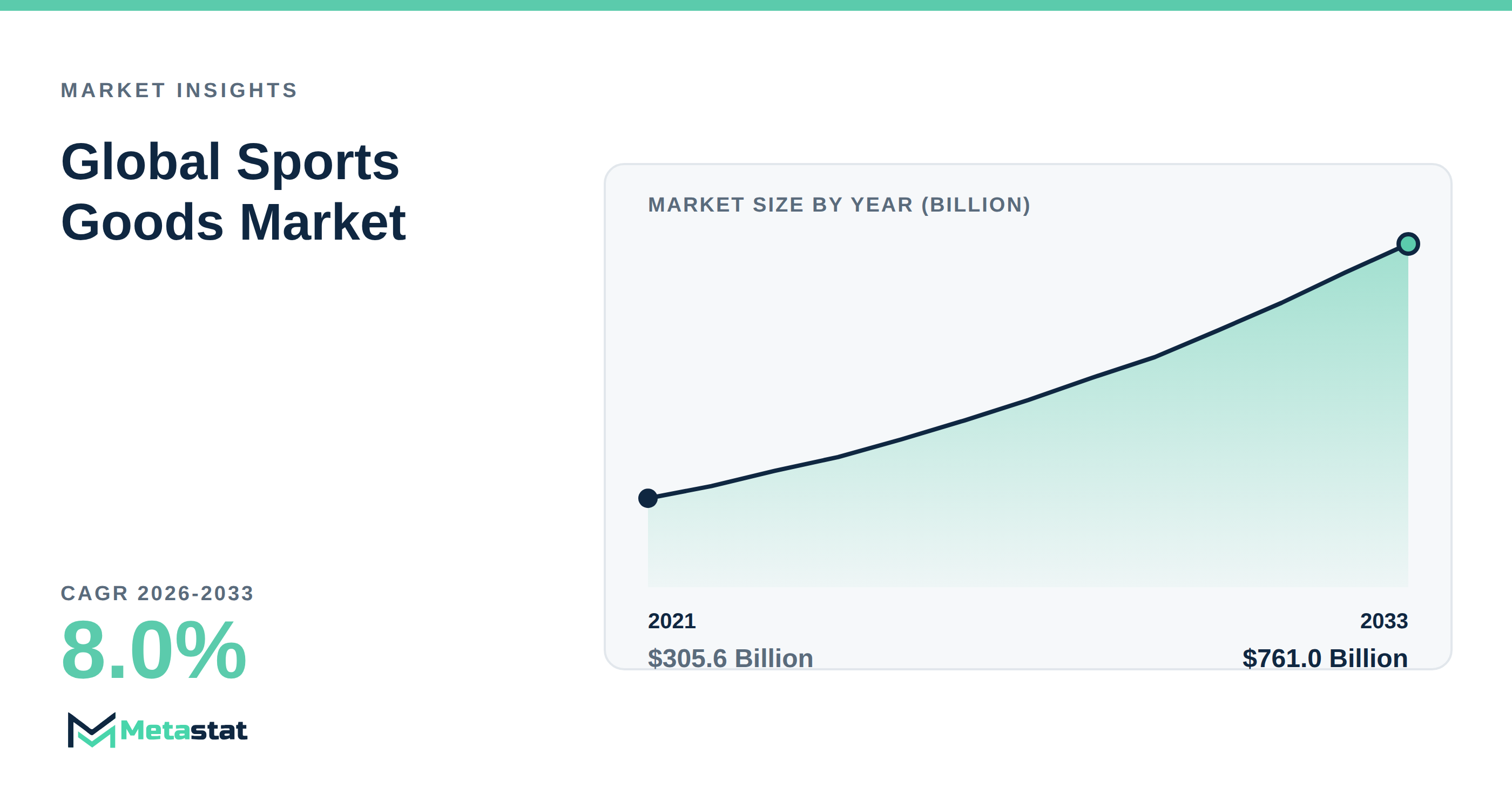
The Sports Goods market, valued at USD 411 billion in 2025 and expected to reach USD 761 billion by 2033, is influenced by several cost factors that buyers should understand. Knowing these drivers and constraints helps stakeholders navigate this dynamic market effectively.
1. Consumer Preferences Shape Pricing Dynamics
Consumer demand for sustainable products significantly impacts pricing strategies in the Sports Goods market. Buyers increasingly seek brands that align with their environmental values, prompting manufacturers to invest in eco-friendly materials and sustainable production methods. This transition often results in higher production costs, which manufacturers pass on to consumers. Understanding these preferences provides buyers with leverage by reinforcing their expectations for responsible sourcing practices.
2. Technological Advancements Drive Innovation Costs
Technological innovation in the Sports Goods market leads to enhanced product offerings but can elevate costs. Companies invest in advanced materials and smart technologies that improve performance but often increase the price point. Consumers prioritizing innovation in their sports gear are willing to pay a premium for these advancements. This scenario creates an opportunity for buyers to negotiate based on the perceived value derived from these enhancements.
3. Regulatory Compliance Impacts Operational Costs
Regulatory pressures significantly influence operational costs for manufacturers. Companies face challenges in complying with evolving safety and environmental standards, leading to investments in new technologies. Compliance potentially increases product pricing, affecting how buyers evaluate their purchasing decisions. Awareness of these regulatory impacts enables buyers to demand transparency regarding product safety and production practices.
4. Supply Chain Resilience Affects Pricing Stability
Ongoing supply chain disruptions, exacerbated by geopolitical tensions and resource scarcity, create challenges for price stability in sports goods. Manufacturers are compelled to adapt to these dynamics, resulting in fluctuating costs for raw materials and transportation. Buyers who remain informed about supply chain conditions find opportunities to negotiate better terms during favorable market conditions, where suppliers seek to maintain steady sales.
5. The Rise of Direct-to-Consumer Sales Channels
The growth of online retail and direct-to-consumer sales channels has transformed how consumers access sports goods. This shift often reduces the markup associated with traditional retail channels, enabling companies to offer competitive pricing. Buyers leverage this trend by exploring direct purchasing options to obtain better deals, particularly because brands enhance their online presence.
6. Market Fragmentation Allows for Competitive Pricing
The Sports Goods market is diverse, with numerous players competing across various segments. This competitive environment promotes pricing pressure, enabling buyers to explore multiple options. By comparing pricing across different manufacturers and distributors, buyers capitalize on competition to secure favorable deals. This market fragmentation encourages consumers to make informed choices, enhancing their overall purchasing experience.
Understanding these insights regarding cost and pricing dynamics equips buyers and operators in the Sports Goods market with the knowledge needed to navigate this evolving landscape successfully. Recognizing the connections between consumer preferences, technological advancements, and market competition enables stakeholders to make informed purchasing decisions that align with their objectives.
The full analysis is in Global Sports Goods Market.
Tags
About the Author

LEAD ANALYST
Utkarsh Khirodkar is a Lead Market Research Analyst at MetaStat Insight, specializing in market intelligence, technology sector assessments, and competitive strategy.