
LEAD ANALYST
Utkarsh Khirodkar is a Lead Market Research Analyst at MetaStat Insight, specializing in market intelligence, technology sector assessments, and competitive strategy.

Global Sports Goods Market Size, Share, By Product Type (Sports Apparel, Sports Footwear, and Sports Accessories), By Sport (Ball Sports, Racquet Sports, Fitness and Training, Outdoor and Adventure Sports, Water Sports, Winter Sports, Golf, and Others), By Distribution Channel (Specialty Sports Stores, Brand-Owned Stores, Mass Merchandisers, Online Retail, and Others), By End User (Individual Consumers, Professional Athletes and Teams, Amateur and Recreational Athletes, Sports Clubs and Academies, Educational Institutions, and Fitness and Recreational Facilities), Industry Analysis, Growth, Trends, and Forecast, 2026-2033
Report ID
MSI-5145
Published
September, 2026
Pages
277 Pages
Format
Historical
Base year
Forecast
Forecast period
Report Details
Choose Your License
Global Sports Goods Market
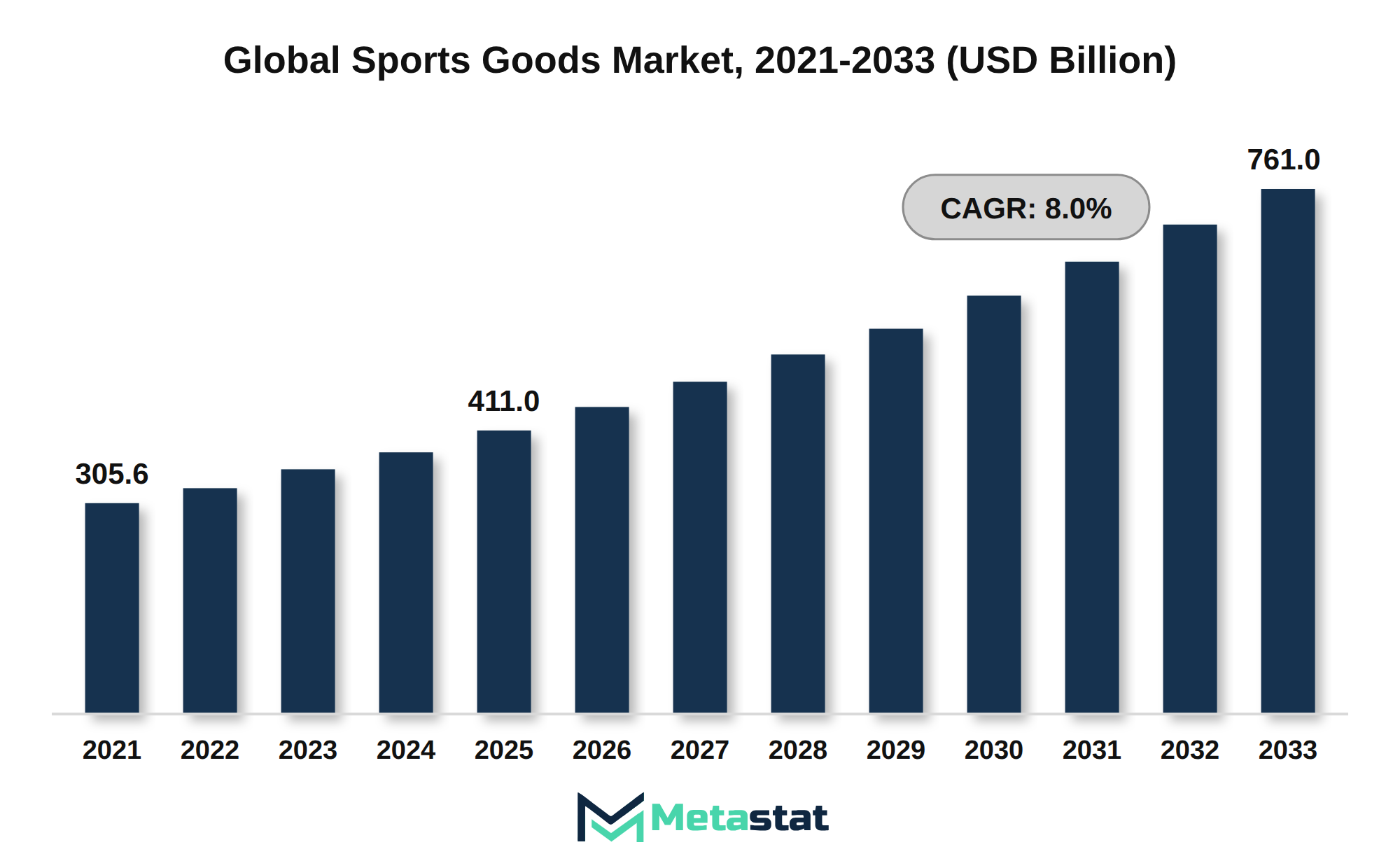
The global Sports Goods market was valued at USD 411 billion in 2025 and is projected to reach USD 761 billion by 2033, growing at a CAGR of 8.0% over the forecast period.
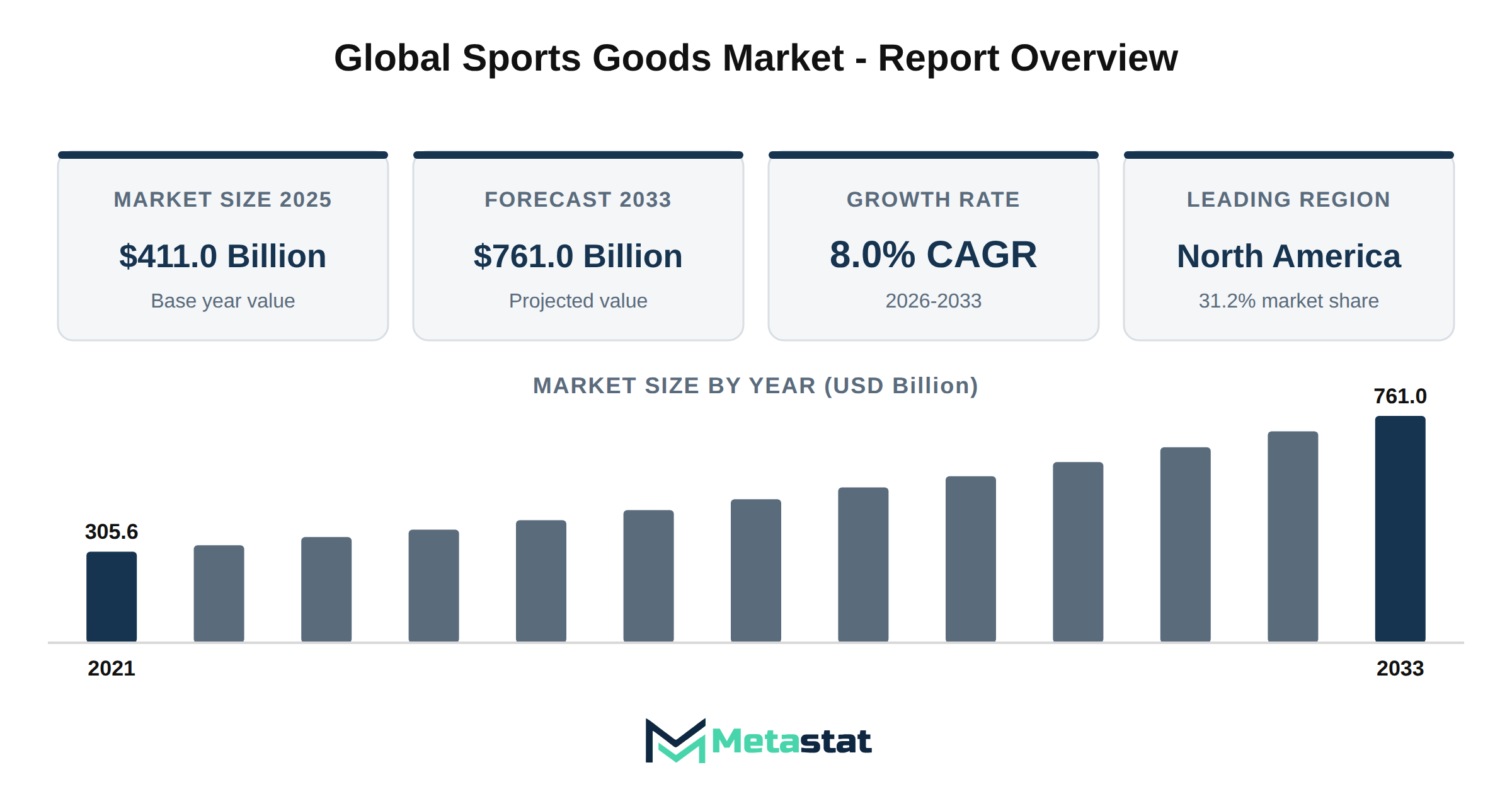
The Sports Goods market reached a value of USD 411 billion in 2025, reflecting a notable increase from USD 305.6 billion in 2021. The market is projected to experience significant growth, with an estimated value of USD 761 billion by 2033, resulting in a compound annual growth rate (CAGR) of 8 percent from 2026 to 2033.
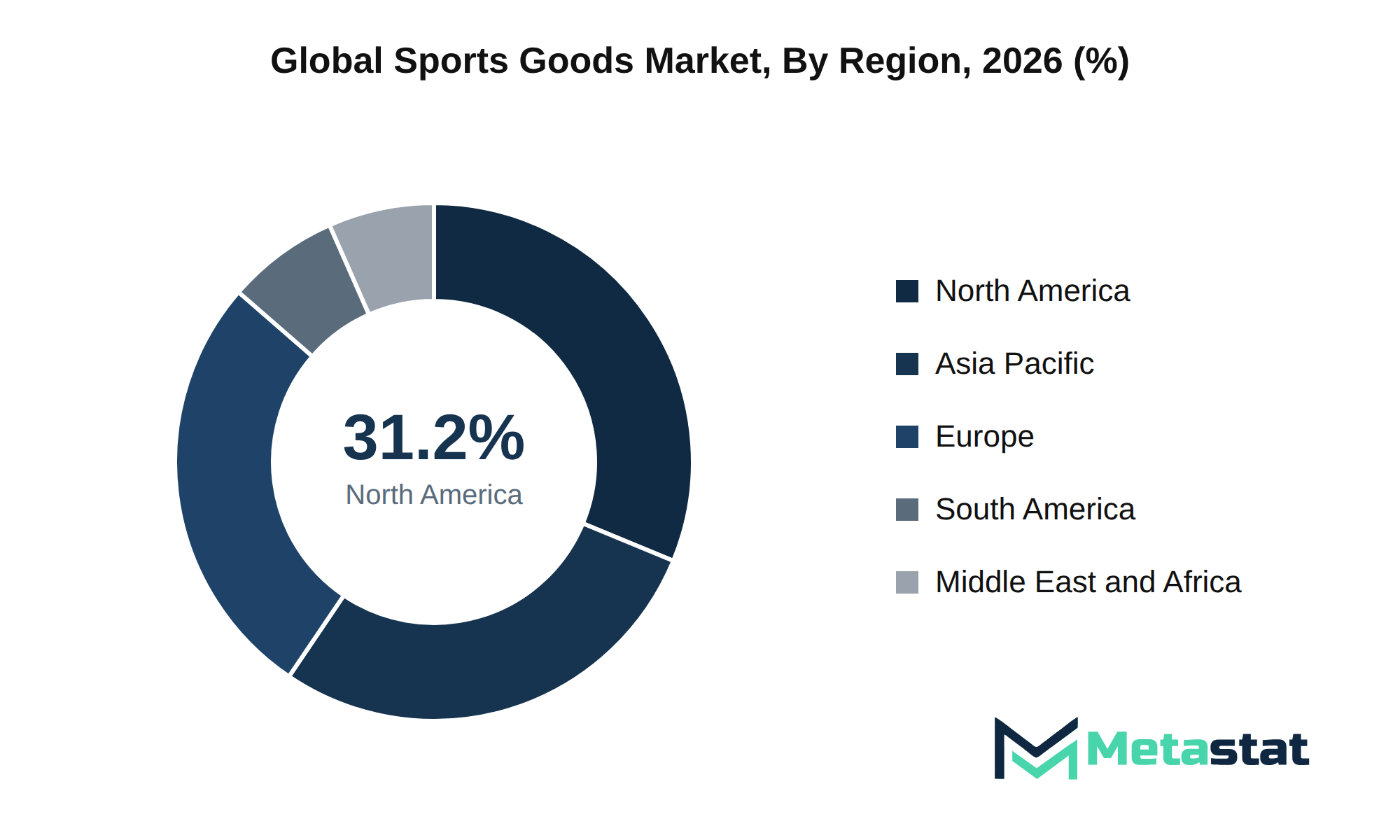
Regional distribution highlights North America because the largest market share holder at 31.2 percent, followed by Asia Pacific at 28.2 percent and Europe at 26.9 percent. This distribution indicates a competitive landscape where regional preferences influence product development and marketing strategies.
Product segments within the Sports Goods market include Sports Apparel, Sports Footwear, and Sports Accessories. Sports Apparel is anticipated to grow from USD 158.4 billion in 2026 to USD 259.6 billion by 2033, while Sports Footwear is expected to reach USD 311.6 billion during the same period. Sports Accessories will contribute significantly to the market, although growth figures remain unspecified.
Market dynamics are shaped by various factors, including consumer preferences for sustainable products and innovations in sports technology. Companies within the market increasingly focus on research and development to create next-generation products that enhance performance and sustainability. This shift in focus underlines the importance of corporate imperatives aimed at aligning product offerings with evolving consumer expectations.
The Sports Goods market undergoes significant transformation driven by evolving consumer preferences and an increasing focus on health and wellness. This shift encourages manufacturers to innovate and diversify product offerings, aligning with the trend of personalized sports solutions. The integration of advanced technology in sports goods enhances user experience and performance, contributing to market expansion.
Regulatory compliance and standards play crucial roles in shaping product development and market entry strategies. Companies actively engage in adhering to safety regulations and environmental standards, which influences their operational practices and product design. This adherence mitigates risks and creates opportunities for brands to build consumer trust and loyalty.
The supply chain landscape for the Sports Goods market experiences ongoing changes due to global disruptions and the push towards more resilient logistics architectures. Companies invest in enhancing their supply chain efficiencies, focusing on local sourcing and sustainable practices. This strategic shift supports cost reduction and improves the overall agility of operations, allowing companies to respond effectively to market demands.
Future strategic outlooks emphasize sustainable transformation and decarbonization efforts within the industry. Brands prioritize circular economy dynamics, implementing practices that reduce waste and promote the recycling of materials. These initiatives address environmental concerns and connect with increasingly eco-conscious consumers, positioning brands favorably in the competitive environment.
The market remains fragmented, with numerous players competing across various segments. M&A dynamics are evident because companies seek to consolidate their positions and enhance market share through strategic partnerships and acquisitions. This activity drives innovation and enables firms to leverage complementary strengths, ultimately benefiting consumers with enhanced product offerings.
Capital allocation towards research and development remains a priority for industry players. Investments in next-gen innovations drive product advancements and enhance competitive advantage. Companies actively explore new technologies, including smart fabrics and wearable devices, to meet the evolving needs of consumers and improve performance metrics.
The Sports Goods market demonstrates growth potential fueled by consumer trends, regulatory frameworks, and strategic investments. Companies that prioritize innovation, sustainability, and consumer engagement are positioned to thrive in this dynamic environment.
Increasing interest in health and fitness significantly impacts the Sports Goods market. The rise in awareness regarding health benefits associated with physical activities motivates consumers to pursue sports and recreational activities. This trend is particularly evident among aging populations, where maintaining an active lifestyle becomes essential. There is heightened demand for various sporting goods, including apparel, footwear, and accessories.
The market benefits from urbanization patterns, which result in consumers seeking convenient access to sports facilities and recreational areas. Urban consumers increasingly prioritize active lifestyles, leading to a surge in the adoption of sports goods. The growing influence of social media and online platforms further shapes consumer preferences, driven by individuals sharing their fitness journeys and athletic achievements, inspiring others to participate.
Shifting consumer preferences toward sustainable products influences purchasing decisions. Eco-conscious consumers actively seek brands that uphold environmental and ethical practices in their product offerings. This shift encourages manufacturers to innovate and develop sustainable sports goods, aligning with evolving consumer values. The Sports Goods market sustains growth driven by these dynamic consumer behaviors and preferences.
The Sports Goods market benefits from increased investment in infrastructure development, which enhances access and distribution capabilities across various regions. Expansion of physical retail spaces, improved logistics facilities, and upgraded digital platforms promote greater market penetration and consumer interaction. This development results from heightened public and private spending power, driven by robust GDP growth and favorable interest rate environments.
Regional governments and private entities prioritize infrastructure projects that facilitate trade and streamline supply chain processes, creating a more resilient market. Enhanced logistics networks and retail experiences directly influence consumer engagement, leading to increased sales in the market. Improved infrastructure supports localized production strategies, reducing reliance on international supply chains and mitigating associated risks.
The commitment to modernizing assets promotes operational efficiency within the market. Investments in technology and automation streamline processes, enabling suppliers and retailers to respond swiftly to changing consumer demands. These advancements enhance competitiveness and create opportunities for innovation-led product diversification, ultimately driving sustained growth within the Sports Goods market.
Regulatory tightening and compliance hurdles impact the Sports Goods market by increasing operational complexities and costs for manufacturers. Companies face challenges in meeting evolving legal mandates, which require investments in new technologies and processes to achieve compliance. This situation particularly affects smaller companies that lack the resources to adapt swiftly. Market fragmentation and competitive disadvantage follow.
Macroeconomic headwinds, including inflationary pressures and rising operating costs, further constrain the market. Increasing costs of raw materials and labor influence manufacturers' pricing strategies, leading to higher retail prices for consumers. Price increases deter potential buyers and slow demand growth, particularly in price-sensitive segments of the market.
Supply chain disruptions resulting from geopolitical instability and resource scarcity threaten the market. Reliance on global supply networks exposes manufacturers to risks including delayed shipments and higher transportation costs. Product availability and overall market performance suffer. A slowdown in downstream demand for sports goods exacerbates these challenges, leading to excess inventory and financial strain.
Technological obsolescence poses a continuous threat, particularly for companies unable to keep pace with innovation. New entrants with advanced technologies could capture market share, compelling established players to invest heavily in research and development. This dynamic creates a competitive environment where traditional players adapt quickly to remain relevant in the Sports Goods market.
Geopolitical fragmentation significantly challenges the Sports Goods market, influencing trade relationships and causing fluctuations in supply chains. Rising trade deficits and tariff friction disrupt the flow of goods, increasing costs and complicating pricing strategies for producers. This instability leads to a lack of predictability in sourcing materials and components, affecting manufacturers' ability to meet demand efficiently.
Technological disruptions, including rapid advancements in automation and digital processes, require significant investments in research and development. Complex integrations of new technologies with existing systems create interoperability challenges, further complicating production timelines and increasing operational burdens. Such challenges place additional pressure on resources, diverting attention from core business functions.
Supply chain instability has emerged because a critical concern, exacerbated by logistics disruptions and vulnerabilities in data security. These factors create obstacles in the timely delivery of products, which impacts the market's overall responsiveness to consumer trends. The heightened risk of cyberattacks adds another layer of complexity, necessitating enhanced protective measures that increase costs.
The market faces mounting pressures from rising input costs, compounding the impact of environmental lifecycle footprints and sustainability demands. The need for compliance with tightening global regulatory standards leads to increased operational overhead, which constrains profitability. Workforce skill gaps and challenges in talent retention further restrict the market's ability to respond rapidly to changing consumer preferences.
Market saturation and substitution pressures challenge growth potential, driven by consumers becoming more selective in their choice of products and brands. These dynamics necessitate strategic adaptations among companies, emphasizing the importance of innovation and agility in product development and marketing strategies. Overall, navigating the current geopolitical landscape presents substantial challenges for the Sports Goods market, influencing both growth trajectories and competitive positioning.
Technological disruptions significantly influence the Sports Goods market, leading to new opportunities for growth. Innovations in materials and manufacturing processes enhance product performance and sustainability, appealing to environmentally conscious consumers. Rising demand for smart sports equipment and wearables, integrated with digital technologies, creates new revenue streams for suppliers, resulting in a shift in product development strategies.
Geographical expansion significantly impacts market dynamics, with increasing popularity of sports and outdoor activities in emerging regions. Infrastructure modernization enhances accessibility to sports facilities, driving participation rates and consequently increasing demand for sports goods. The focus on sustainability imperatives aligns with consumer values, encouraging suppliers to adopt eco-friendly practices and materials.
Strategic consolidation among key players allows for enhanced product offerings and market penetration. Mergers and acquisitions facilitate the integration of innovative technologies and diverse product lines, strengthening competitive positioning. Evolving buying behaviors, influenced by digital procurement shifts, enable consumers to access a broader range of products online, enhancing convenience and driving sales in the market.
The Sports Goods market reflects a growing emphasis on value-chain optimization. Companies invest in asset life-cycle extensions and maintenance upgradations to increase operational efficiency and reduce costs. This focus on process automation and yield maximization equips companies to respond effectively to changing consumer demands and market trends, supporting overall growth.
The Global Sports Goods market is segmented based on Product Type, Sport, Distribution Channel, and End User.
Valued at USD 158.4 billion in 2026, the Sports Apparel segment is projected to reach USD 259.6 billion by 2033, at a CAGR of 7.3% during the forecast period. Increased focus on fitness and athletic performance drives demand within this segment, driven by consumers prioritizing high-quality, functional apparel. The integration of advanced materials and technologies promotes enhanced comfort, moisture-wicking, and breathability, appealing to a wide range of end users, from professional athletes to casual fitness enthusiasts.
Market expansion stems from shifting consumer preferences towards athleisure and multifunctional clothing. Sports Apparel is increasingly worn in everyday settings, leading to a growing demand for stylish yet functional pieces. This trend encourages brands to innovate their product lines, offering versatile apparel suitable for both athletic and casual wear.
Technological advancements in fabric production play a significant role in product evolution. Innovations including smart textiles and sustainable materials contribute to differentiated offerings, enhancing brand competitiveness. Regulatory compliance regarding sustainability and ethical production practices further shapes the landscape, motivating brands to adopt responsible sourcing methods that appeal to environmentally conscious consumers.
Pricing volatility remains a challenge within the Sports Apparel segment due to fluctuations in raw material costs. Manufacturers experience margin pressures, compelling them to optimize pricing strategies while maintaining product quality. Strategic investments in supply chain resilience and efficiency improvements help mitigate these impacts.
The Sports Apparel segment experiences growth driven by evolving consumer demands, technological advancements, and strategic investments. The projected market value of USD 259.6 billion by 2033 reflects the segment's significant role within the broader Sports Goods market.
In the competitive landscape of the Sports Goods market, the emphasis on performance-oriented footwear stimulates interest among consumers. This segment thrives on trends favoring outdoor activities, fitness regimens, and sports participation. Rising health consciousness and an increasing number of fitness enthusiasts drive demand for specialized footwear. Innovations including advanced cushioning technologies and lightweight materials contribute to enhanced user experience, influencing purchasing decisions.
The Sports Footwear segment is projected to reach USD 311.6 billion by 2033, at a CAGR of 8.5% during the forecast period. The proliferation of e-commerce platforms facilitates accessibility, enabling consumers to explore diverse offerings and brands. This trend encourages competition among brands, leading to rapid product evolution and the introduction of limited-edition releases that attract consumer interest.
End-user dynamics significantly influence segment growth, with individual consumers and professional athletes seeking footwear that aligns with their performance needs. Educational institutions, sports clubs, and recreational facilities prioritize quality footwear for their athletes, creating robust demand. Regulatory compliance standards regarding product safety and environmental impact influence manufacturers' designs and materials, promoting sustainability alongside performance.
Strategic opportunity windows arise from shifting consumption patterns, where consumers increasingly favor brands with eco-friendly practices. This shift presents a competitive advantage for companies that prioritize sustainable production methods. Supply chain resilience becomes essential in ensuring timely product availability, especially in the face of potential disruptions. Overall, the Sports Footwear segment presents a positive outlook, driven by technological advancements, evolving consumer preferences, and a commitment to quality and sustainability.
Growth in the Sports Accessories segment is driven by rising awareness of health and fitness among consumers. This awareness motivates increased participation in various sports and recreational activities, thereby boosting accessory sales. Innovative product designs that enhance performance and comfort play a crucial role in appealing to both professional athletes and recreational users. Enhanced functionality through technological advancements, including moisture-wicking fabrics and durable materials, strengthens product appeal across diverse consumer segments.
Changes in consumer behavior, including a shift towards online shopping, significantly influence sales dynamics within the market. Retailers increasingly adopt omnichannel strategies to cater to the growing demand for convenient shopping experiences, including same-day delivery options and user-friendly e-commerce platforms. Increased accessibility to sports accessories through various distribution channels, including specialty sports stores and mass merchandisers, supports broader market penetration.
The Sports Accessories segment is projected to reach USD 189.8 billion by 2033. Investments in marketing, brand collaborations, and influencer partnerships enhance visibility and brand loyalty, further driving segment growth. The segment's performance reflects broader trends in the Sports Goods market, which consistently evolves to meet changing consumer demands and preferences.
Ball sports represent a dynamic segment within the Sports Goods market, driven by increasing participation rates and heightened consumer interest in various sports disciplines. The sector benefits from a strong emphasis on youth engagement, promoting participation in activities ranging from basketball to soccer. This growing enthusiasm creates demand for a variety of equipment, apparel, and accessories tailored to specific sports, contributing to overall market expansion.
Technological advancements play a crucial role in shaping product offerings within the ball sports segment. Innovations in material science lead to the development of lighter, more durable, and performance-enhancing equipment. Next-gen upgrades, including smart basketballs and soccer balls equipped with sensors, improve the training experience for both amateur and professional athletes. This ongoing evolution in product development strengthens connections between brands and consumers, enhancing brand loyalty and driving repeat purchases.
End-use dynamics show a notable shift toward online retail channels for purchasing ball sports equipment. The convenience of e-commerce platforms enables consumers to access a broader selection of products, often at competitive prices. This shift not only enhances customer experience but encourages brands to optimize their digital marketing strategies and strengthen online presence. While the market continues evolving, companies that successfully adapt to these consumption shifts will likely secure a more substantial market share.
Adoption of regulatory compliance standards within the ball sports segment focuses on ensuring safety and performance. Standards set by governing bodies enhance consumer confidence in product safety and performance metrics. Compliance with these regulations becomes essential for manufacturers aiming to establish credibility and maintain a competitive edge in the market.
Strategic opportunity windows emerge because brands explore partnerships with professional sporting organizations and events. Such collaborations enable companies to boost brand visibility and credibility while reaching target demographics effectively. This strategic alignment allows businesses to leverage the popularity of professional sports to penetrate new markets and expand their consumer base.
Interest in racquet sports continues to grow, fueled by a global emphasis on health and physical activity. Increased participation in tennis, badminton, and squash contributes to expanding demand for related equipment, including racquets, balls, and protective gear. This heightened engagement in racquet sports creates substantial opportunities for product innovation and enhancement. Manufacturers respond to consumer preferences with advanced materials and designs that improve performance, durability, and player experience.
Strategic partnerships among brands, local clubs, and educational institutions drive participation rates and awareness. Events and tournaments promote the sport, attracting new enthusiasts and reinforcing existing players' loyalty. Association and sponsorship from professional organizations strengthen brand visibility and market penetration, enhancing overall growth within the segment.
Technological advancements play a crucial role in the evolution of racquet sports equipment. Innovations including smart racquets equipped with sensors and performance tracking features gain traction among tech-savvy consumers. This trend towards integrating technology into sports equipment encourages enhanced training and performance analysis, appealing to both amateur and professional athletes.
Consumption shifts impact pricing dynamics and margin pressures in this segment. Increased competition among brands leads to diverse product offerings and pricing strategies, influencing purchasing decisions. Cost structures remain a focus for manufacturers seeking to optimize production while maintaining high-quality standards. The market adapts to fluctuations in raw material availability and pricing, ensuring resilience in supply chains.
Racquet sports face challenges from disruptive alternatives, including emerging fitness trends that promote alternative forms of exercise. However, strategic opportunity windows remain, with brands focusing on enhancing community engagement and expanding their customer base. By embracing the evolving landscape, stakeholders in the sports goods market capitalize on the opportunities presented by the growing interest in racquet sports.
Growing health consciousness among consumers significantly drives demand for fitness and training products. Increased participation in fitness activities and training programs contributes to product adoption across various demographics, enhancing the overall market environment. The rise of digital fitness platforms and home workout solutions stimulates further engagement in fitness-related activities. Investment in innovative technologies, including wearable fitness trackers and smart training equipment, supports segment expansion and attracts tech-savvy consumers.
Shifts in consumer preferences toward personalized training solutions encourage product evolution, pushing companies to develop offerings that cater to specific fitness goals. Regulatory compliance standards regarding safety and performance criteria influence product design and enhance consumer trust in the market. Ongoing advancements in materials and manufacturing processes lead to improved product durability and performance, enabling competitive differentiation among suppliers.
Pricing volatility remains a concern, influenced by raw material costs and supply chain dynamics. Companies strategically navigate these challenges to maintain profit margins while ensuring product accessibility. The presence of disruptive alternatives, including outdoor fitness activities and alternative sports, introduces competitive dynamics that companies address. Strategic opportunity windows arise because brands innovate and adapt to changing consumer needs, highlighting the importance of agility in the market.
Interest in outdoor and adventure sports continues to grow, driven by a rising consumer desire for unique experiences and outdoor activities. Increased participation in hiking, camping, and various adventure sports stimulates demand for specialized equipment, apparel, and accessories. This segment experiences robust engagement from a diverse demographic, including families, outdoor enthusiasts, and individuals seeking recreational activities. In response, manufacturers focus on developing innovative and high-performance products tailored to meet the evolving needs of consumers.
Next-generation upgrades in technology enhance product offerings, with an emphasis on lightweight materials, improved durability, and weather resistance. The adoption of eco-friendly materials aligns with growing consumer awareness regarding sustainability, influencing purchasing decisions. Regulatory compliance standards regarding safety and environmental impact drive manufacturers to invest in certifications and sustainable practices, further shaping product development within the segment.
Shifts in consumer behavior reflect a broader trend towards health and wellness, with more individuals seeking outdoor activities that promote physical fitness. This trend encourages brand engagement through experiential marketing and community-building initiatives, enhancing brand loyalty and consumer connection. Competitive dynamics in the market lead to strategic partnerships and collaborations among brands, promoting product accessibility and visibility.
Pricing volatility emerges from fluctuating raw material costs, presenting challenges for manufacturers in maintaining profit margins while offering competitive pricing. This pressure necessitates a focus on supply chain resilience, encouraging companies to diversify sourcing strategies and enhance logistics capabilities. Strategic opportunity windows arise for brands that effectively navigate these challenges while delivering innovative and sought-after products to the market.
Interest in water sports has surged, driven by the increasing popularity of activities including kayaking, paddleboarding, and surfing. This trend reflects a growing consumer focus on outdoor recreation and fitness, which increases participation in water-based activities. While recreational water sports attract a broader audience, manufacturers enhance product offerings tailored to meet diverse needs.
Innovations in water sports equipment, including improved materials and designs, support performance and safety. The introduction of lightweight, durable materials has led to advancements in equipment functionality, appealing to both amateur and professional athletes. Integration of technology into products, including performance tracking and smart features, improves user experience and engagement.
Consumer preferences are shifting towards environmentally friendly products, prompting brands to explore sustainable materials and manufacturing processes. This shift aligns with broader ecological awareness and regulatory expectations, compelling manufacturers to adopt more sustainable practices. Compliance with environmental standards becomes crucial for companies aiming to maintain competitive advantages in the market.
Market players face challenges related to pricing volatility and margin pressures due to fluctuating raw material costs. Strategic sourcing and efficient supply chain management are essential for mitigating these risks. While companies navigate these challenges, opportunities to expand market presence through collaboration and innovation remain abundant.
The water sports segment's dynamics reflect broader trends within the Sports Goods market, with brands focusing on enhancing customer engagement and loyalty through tailored experiences. Investment in marketing and community-building efforts is crucial for attracting and retaining consumers. By building strong connections with customers, companies leverage their offerings to capitalize on the growing interest in water sports.
Interest in winter sports continues to grow, driven by increased participation in activities including skiing and snowboarding. This trend reflects a shift towards outdoor recreational activities during colder months, with consumers seeking both adventure and fitness benefits. Enhanced marketing campaigns by leading brands in the Sports Goods market promote awareness and engagement in winter sports.
Product evolution in this segment focuses on advanced materials and designs that enhance performance and safety. Innovations in equipment, including improved ski technology and lightweight apparel, attract both amateurs and professionals. The market increasingly emphasizes sustainability, with brands integrating eco-friendly materials and manufacturing processes into their winter sports offerings.
Competitive dynamics within the winter sports segment highlight the importance of strategic partnerships and collaborations. Companies forge alliances with resorts and event organizers to promote product visibility and enhance consumer experiences. This approach deepens customer engagement and loyalty, positioning brands favorably in the market.
Shifts in consumer preferences towards personalized and high-performance products drive demand for customization options in winter sports gear. End users increasingly seek tailored solutions that meet their specific needs, from recreational enthusiasts to professional athletes. This evolving consumer landscape presents significant opportunities for brands to innovate and differentiate their offerings.
Regulatory compliance standards related to safety and environmental impact significantly influence product development in the winter sports segment. Brands invest in certifications that assure consumers of product quality and environmental responsibility. This commitment to meeting regulatory requirements strengthens brand reputation and builds consumer trust in the market.
Interest in golf continues to gain traction among various demographics, supported by increasing participation in recreational and professional levels. The rise of golf-related events and tournaments stimulates consumer enthusiasm, contributing to heightened demand for sports goods tailored to this segment. Technological advancements in equipment design and materials enhance performance and player experience, encouraging more individuals to engage in the sport.
The product evolution within the golf segment reflects consumer preferences for high-quality, innovative gear that improves playability and comfort. Manufacturers invest in next-generation upgrades, focusing on lightweight materials, customizable features, and integrated technology to appeal to discerning customers. The emphasis on sustainability in production processes aligns with the growing environmental awareness among consumers, driving further engagement in the market.
Consumption shifts towards premium golf products indicate a willingness among consumers to invest in quality. This trend enhances brand positioning for manufacturers that prioritize performance, durability, and aesthetics in their offerings. The competitive environment encourages players to differentiate themselves through unique features and branding, creating a culture of loyalty among consumers.
Technological maturation influences product offerings, driven by advancements in data analytics and performance tracking tools that influence buying decisions. Enhanced consumer education regarding equipment benefits leads to informed purchasing choices, raising expectations for product performance. Regulatory compliance standards regarding equipment specifications ensure that products meet established guidelines, further instilling confidence in consumers.
Strategic opportunity windows emerge for brands that align with emerging trends, including the increasing popularity of golf among younger generations. Capital investment in targeted marketing and community engagement activities enhances brand visibility and builds relationships with potential customers. The supply chain dynamics of the market require resilience to effectively manage raw material sourcing and distribution challenges while maintaining product availability.
Overall, the golf segment within the Sports Goods market reflects a dynamic and evolving environment, driven by consumer interest, technological innovation, and strategic alignment with market trends. This environment presents opportunities for growth and expansion, positioning manufacturers for sustained success in the coming years.
Combat sports and motorsports gear have gained traction among enthusiasts and professionals, driving growth within the Sports Goods market. Increasing participation in these sports, along with rising consumer interest in performance-oriented equipment, is increasing demand. Enhanced training methodologies and competition formats further contribute to the overall appeal of these activities.
Technological advancements play a crucial role in this segment, with innovations in materials and design improving performance and safety standards. Manufacturers focus on next-gen upgrades, integrating smart technologies into gear to enhance user experience and performance tracking. This evolution aligns with shifting consumer preferences towards high-quality and multifunctional equipment.
End-use dynamics reflect a diverse consumer base, ranging from individual athletes to professional teams. The segment caters to various demographics, including younger audiences engaged in competitive environments. The rising influence of social media and digital platforms facilitates greater visibility and accessibility for combat sports and motorsports, encouraging further participation and consumption.
Regulatory compliance standards influence product development, ensuring safety and performance levels meet industry benchmarks. Certifications from recognized bodies enhance consumer trust and strengthen brand reputation, directly impacting purchasing decisions. While the market evolves, adherence to these standards remains essential for manufacturers aiming to capture market share.
Cost structures and pricing volatility present challenges within this segment. Fluctuating raw material costs impact pricing strategies, prompting manufacturers to adopt more resilient supply chain practices. A focus on sustainable sourcing and production methods mitigates these pressures, appealing to the environmentally conscious consumer.
Strategic opportunity windows exist for businesses looking to innovate and differentiate within the combat sports and motorsports segments. Brands that effectively leverage consumer insights and emerging trends position themselves favorably in an increasingly competitive environment. Overall, the segment represents a dynamic component of the Sports Goods market, poised for continued growth.
Demand for Specialty Sports Stores thrives due to the personalized shopping experience these outlets provide. Customers increasingly seek expert advice on equipment, apparel, and accessories tailored to their individual needs, creating a strong connection between consumers and retailers. The rise in health awareness and active lifestyles contributes significantly to the growth of the Sports Goods market, driving traffic to specialty stores that cater to specific sports and activities.
Product evolution within the industry, including innovative materials and designs, encourages consumers to visit these stores for the latest offerings. The trend towards niche markets, where specialty stores provide unique products not readily available in mass retail, further enhances their appeal. Enhanced customer engagement through events, workshops, and community involvement strengthens brand loyalty and attracts a dedicated customer base.
Pricing volatility presents challenges for specialty retailers; however, their focus on high-quality products justifies premium pricing. Margins remain under pressure due to competition from online platforms, necessitating strategic marketing and promotional efforts. Successful adaptation to these dynamics positions specialty sports stores favorably in the evolving Sports Goods market, emphasizing the importance of a strong value proposition to sustain their market presence.
Supply chain resilience plays a critical role in maintaining inventory levels and ensuring product availability. Retailers focus on building relationships with manufacturers and diversifying sourcing strategies to mitigate risks associated with supply chain disruptions. This proactive approach supports the operational efficiency of specialty sports stores, allowing them to respond swiftly to changing consumer needs in the Sports Goods market.
Investment in next-generation upgrades, including digital platforms and augmented reality experiences, enhances the in-store shopping journey. These technological advancements cater to tech-savvy consumers, facilitating an effective integration of online and offline shopping experiences. Specialty sports stores that leverage these innovations position themselves to capture a larger share of the market, aligning with current trends in consumer behavior.
Brand-owned stores represent a vital distribution channel within the Sports Goods market, presenting the latest products while enhancing brand loyalty among consumers. The segment thrives on the ability to provide a unique shopping experience, allowing customers to engage directly with brand offerings. This direct connection builds a strong relationship between brands and consumers, leading to repeat purchases and enhanced customer loyalty.
Consumer preferences continue to shift toward personalized shopping experiences, driving the expansion of brand-owned stores. These outlets often feature exclusive merchandise, limited editions, and specialized products tailored to specific athletic activities, attracting dedicated enthusiasts. This trend enhances brand differentiation in a competitive market, creating growth opportunities for established players.
Technological advancements play a significant role in enhancing the brand-owned store experience. Digital tools including augmented reality fitting rooms and interactive displays allow consumers to explore products innovatively, increasing overall engagement. Brands integrating these technologies experience improved foot traffic and sales conversions, further strengthening their market position.
Price volatility and margin pressures represent ongoing challenges for brand-owned stores within the Sports Goods market. Fluctuating raw material costs and supply chain complexities impact profitability. However, brands that effectively manage these challenges through strategic sourcing and operational efficiency remain well-positioned for sustainable growth.
Investment in marketing and promotional strategies enhances the visibility of brand-owned stores, attracting a broader consumer base. Collaborating with athletes or influencers for endorsements significantly influences purchasing decisions, driving foot traffic and ultimately boosting sales. Such strategic initiatives create opportunities for increased market share and revenue growth.
Recent trends indicate an increasing preference for mass merchandisers in the Sports Goods market. The expansion of these retail channels occurs due to their ability to offer a diverse range of products at competitive prices, appealing to budget-conscious consumers. This segment benefits from significant foot traffic and wide-reaching marketing strategies, enhancing brand visibility for various sports goods manufacturers.
Consumer shifts toward convenience have prompted mass merchandisers to prioritize online retail, resulting in enhanced e-commerce capabilities. Such changes create an opportunity for sports goods suppliers to engage with a broader audience, driving sales through both in-store and online platforms. The rise of omnichannel shopping experiences signifies a strategic advantage for mass merchandisers in capturing the attention of diverse consumer demographics.
Technological advancements in inventory management and logistics improve the operational efficiency of mass merchandisers. These tools facilitate better product availability and timely fulfillment of consumer demands. Consequently, sports goods suppliers find opportunities to strengthen partnerships with mass merchandisers, ensuring that popular products are readily accessible in the market.
Price volatility remains a consideration within this segment, influenced by fluctuating raw material costs and global supply chain dynamics. Mass merchandisers typically adopt strategies to mitigate these pressures, ensuring competitive pricing while maintaining profit margins. Leveraging economies of scale allows these retailers to absorb cost increases, preserving their market share within the competitive sports goods landscape.
Overall, the validity of the mass merchandisers segment in the Sports Goods market stems from its adaptability and responsiveness to consumer needs. Strategic investments in technology, inventory management, and e-commerce integration position mass merchandisers favorably for sustained growth and expansion.
Shifts in consumer purchasing behavior significantly impact the online retail segment of the Sports Goods market. Increasing access to the internet and mobile devices has led to a surge in e-commerce, allowing consumers to explore a wider range of products conveniently. This accessibility encourages the growing preference for online shopping among individual consumers, professional athletes, and sports clubs, enhancing the reach of brands in the market.
Technological advancements in online platforms streamline the shopping experience. Enhanced user interfaces and personalized marketing strategies engage customers effectively, driving sales conversion rates. Retailers investing in advanced analytics to track consumer behavior realize improved inventory management and targeted promotions, further strengthening their market presence.
Digital marketing strategies including social media advertising and influencer partnerships enhance brand visibility and attract potential buyers. These strategies cultivate connections with younger demographics, who increasingly prioritize online shopping. By aligning with current consumer trends, brands strengthen their market position and expand their consumer base.
Regulatory compliance standards regarding online transactions and consumer data protection influence operational practices within the segment. Adherence to evolving regulations builds consumer trust and encourages repeat purchases. Consequently, brands focusing on compliance enhance their reputation and build long-term customer loyalty.
Growth opportunities emerge from the increasing trend of omni-channel retailing, whereby brands integrate online and offline sales channels. This strategy allows consumers to purchase products via their preferred platform, improving overall customer satisfaction and driving market growth.
Market distribution through sporting goods distributors represents a strategic channel for reaching diverse customer bases across various sports segments. These distributors play a critical role in connecting manufacturers with retailers, ensuring that products are widely available to meet consumer demand. The growth of the Sports Goods market aligns with increasing consumer interest in sports and fitness activities, further driving the need for effective distribution strategies. Distributors benefit from economies of scale, enabling them to negotiate better pricing and terms with suppliers, which ultimately enhances their competitive position in the market.
Technological advancements influence the operational efficiency of sporting goods distributors. The adoption of data analytics and inventory management systems allows distributors to optimize stock levels and streamline logistics processes. Such improvements lead to reduced costs and enhanced service levels, ultimately attracting more retail partners. Evolving consumer preferences impact the type of products distributors prioritize, shifting focus towards high-demand items that align with current market trends.
Regulatory compliance standards surrounding product safety and quality significantly impact distributors. Adhering to these regulations ensures that distributors maintain their reputation and avoid potential legal complications. Certifications related to sustainability and ethical sourcing increasingly influence purchasing decisions among consumers, prompting distributors to align with brands that prioritize these values. Investment in sustainable practices enhances brand image and opens new market opportunities within the Sports Goods market, particularly among environmentally conscious consumers.
Pricing volatility in raw materials presents challenges for sporting goods distributors. Fluctuations in costs directly affect profit margins and pricing strategies, compelling distributors to adopt flexible pricing models. This adaptability enables them to remain competitive while ensuring customer satisfaction. Strategic partnerships with key suppliers mitigate risks associated with price volatility, creating a more resilient supply chain.
Overall, the role of sporting goods distributors evolves alongside market dynamics, emphasizing the importance of innovation, regulatory compliance, and strategic partnerships. These elements collectively shape the future of distribution within the Sports Goods market, ultimately enhancing its growth trajectory.
Consumer awareness surrounding fitness and healthy lifestyles drives engagement in the Sports Goods market. Individual consumers prioritize high-quality, performance-oriented products tailored to meet diverse athletic needs. A noticeable trend indicates a growing preference for eco-friendly materials, reflecting an increasing commitment to sustainability among buyers. The segment observes steady adoption of wearable technology, which enhances consumer engagement and performance tracking. This integration of technology into sports goods improves the user experience, contributing to heightened satisfaction.
Market expansion benefits from the rise of e-commerce platforms, which enable consumers to access a broader range of products. Enhanced online shopping experiences provide convenience and accessibility, reshaping purchasing behaviors. Personalized marketing strategies targeting individual consumers further enhance brand loyalty, leading to sustained demand for innovative sports goods. This dynamic engagement encourages companies to invest in product development and differentiation to capture consumer interest.
Ongoing innovations in product design and materials continue to evolve the market landscape. Competitors actively pursue advancements that improve performance, durability, and comfort. Regulatory compliance regarding safety standards and environmental practices influences product development, ensuring alignment with consumer expectations. Increasing consumer demand for versatile and multifunctional products drives brands focusing on adaptability to gain market traction.
The individual consumers segment significantly impacts the Sports Goods market through its unique preferences and purchasing behaviors. Emphasis on sustainability, technological integration, and innovative designs remains crucial for brands aiming to capture this segment's attention and drive future growth.
Professional athletes and teams represent a critical segment within the Sports Goods market, driven by increasing demand for high-performance sports equipment and apparel. These athletes strive for excellence, and their requirements for specialized gear evolve, pushing brands to innovate continually. This demand for advanced materials and technology in products creates a competitive environment, prompting manufacturers to invest in research and development efforts that lead to product evolution and technological maturation.
In the context of consumption shifts, rising visibility of professional athletes in media increases interest in sports participation among the general public. Brands recognize the potential to use endorsements from renowned athletes to enhance product visibility, driving further growth within the market. Strategic partnerships between brands and professional teams create unique opportunities for co-branding and product exclusivity, expanding market reach and consumer engagement.
Regulatory compliance standards for equipment safety and performance reliability significantly influence product offerings in this segment. Brands navigate these standards while ensuring optimal performance, balancing cost structures and pricing strategies to maintain competitive advantage. The supply chain resilience of manufacturers becomes essential in meeting the dynamic demands of professional sports, particularly during high-stakes events where equipment performance is critical.
Technological advancements play a key role in enhancing performance and durability, with innovations in materials including lightweight composites and moisture-wicking fabrics. These advancements cater to the rigorous demands placed on equipment by professional athletes, ensuring that products not only meet but exceed expectations. The focus on next-gen upgrades encourages continuous improvement and differentiation within the market.
The presence of prominent players in the Sports Goods market, including adidas AG and Nike Inc., drives competition and encourages innovation. Their commitment to excellence influences product development, creating a ripple effect throughout the industry. Investment in this segment remains robust, with companies keen on capturing increasing demand for specialized sports goods designed for athletes and teams striving for peak performance.
Growing participation in physical activities fuels demand among amateur and recreational athletes, a significant segment in the Sports Goods market. This demographic increasingly prioritizes products that enhance their training and performance, leading to heightened interest in innovative sports gear. Factors including the rise of fitness-related social media and community events contribute to increased engagement among this group.
The expansion of this segment reflects broader trends in consumer behavior, with individuals seeking out high-quality apparel, footwear, and accessories for various sports. Enhanced product features, including moisture-wicking fabrics and ergonomic designs, appeal to amateur athletes looking to improve their comfort and performance. The market experiences ongoing shifts driven by brands responding to these needs with tailored offerings.
Technological advancements in materials and design drive product evolution, aligning with the preferences of amateur and recreational athletes. Brands invest in research and development to create next-generation products that provide better performance and durability. This competitive edge creates a dynamic environment where innovation plays a critical role in capturing consumer interest.
Consumption shifts reflect a growing focus on sustainability, with many consumers opting for eco-friendly products. This trend supports purchasing decisions, prompting brands to adopt sustainable practices in their supply chains. Regulatory compliance and certification standards regarding environmental impact significantly affect product development strategies, pushing companies to align with these expectations to enhance brand loyalty.
In terms of pricing dynamics, the amateur and recreational athlete segment faces pressures from fluctuating raw material costs. This volatility impacts profitability and pricing strategies, prompting brands to adopt cost-efficient practices without compromising product quality. The strategic opportunity window for capital investment expands because companies explore ways to optimize their supply chains and meet rising consumer expectations.
Overall, the market for amateur and recreational athletes is poised for growth, driven by evolving consumer preferences, technological advancements, and a commitment to sustainability. Brands that effectively respond to these trends position themselves to capture a larger share of the Sports Goods market.
Increasing participation in sports and fitness activities drives demand for equipment and apparel among sports clubs and academies. These organizations focus on enhancing athletic performance, which necessitates high-quality sports goods tailored to specific needs. Adoption of innovative training methods and technologies creates an environment where advanced equipment becomes essential, leading to growth within this segment.
Investment in youth sports programs and community engagement initiatives expands the reach of sports clubs and academies. This expansion generates a larger base of participants, fueling consumption of sports goods. While organizations prioritize skill development and competition readiness, high-performance gear becomes integral to their operations, influencing purchasing decisions across the market.
Increased awareness of health and wellness further drives the growth of sports clubs and academies. Consumers increasingly recognize the benefits of engaging in physical activities, pushing these organizations to enhance their offerings. Next-generation upgrades in sports equipment, focused on safety and performance enhancement, attract both amateur and professional athletes to invest in high-quality products.
Regulatory compliance standards within the sports goods market play a significant role in shaping purchasing behaviors. Organizations adhere to safety and performance regulations, which influences the selection of products. Certifications from recognized bodies enhance credibility and drive clubs and academies toward premium offerings, aligning with their commitment to excellence.
Strategic opportunity windows emerge owing to technological advancements that transform training and competition. Organizations increasingly integrate digital tools and smart technologies into their training regimens. This evolution influences the types of sports goods required, pushing suppliers to innovate and adapt to meet changing demands in the market.
Growth in the educational institutions segment of the Sports Goods market stems from increased participation in physical education and extracurricular sports activities. Schools and universities prioritize health and fitness, leading to greater demand for sports equipment and apparel tailored for students. This heightened focus aligns with policy initiatives advocating for active lifestyles among youth, enhancing student engagement and performance.
Educational institutions increasingly adopt advanced technologies and training programs that enhance athletic performance. These innovations drive investments in high-quality sports gear, enabling institutions to provide students with the necessary tools for success. The integration of sports into educational curriculums cultivates a culture of fitness, promoting lifelong habits that benefit students beyond their academic pursuits.
Shifts in consumer preferences toward sustainable and eco-friendly products influence purchasing decisions within this segment. Increased awareness of environmental impact promotes the adoption of sports goods made from recycled materials, aligning with broader sustainability goals of educational institutions. This trend encourages manufacturers to innovate, developing products that appeal to environmentally conscious consumers.
Pricing pressures and cost structures specific to educational institutions present challenges, particularly for budget-constrained schools. Institutions often seek cost-effective solutions, creating opportunities for suppliers to develop competitive offerings tailored to meet specific needs. Affordability and quality emerge because critical factors influencing procurement strategies, shaping the overall dynamics of the market.
Strategic partnerships between educational institutions and sports brands strengthen market presence and enhance product offerings. Collaborations often involve sponsorships, endorsements, and community engagement initiatives, boosting brand visibility and driving consumer loyalty. This collaboration creates a supportive environment that benefits both educational entities and sports goods manufacturers.
Overall, the educational institutions segment of the Sports Goods market reflects a growing recognition of the importance of physical activity and sport in promoting student well-being. Continued investment in this area, coupled with evolving consumer preferences and strategic partnerships, positions the segment for sustained growth and impact.
Increasing demand for fitness and recreational facilities significantly impacts the Sports Goods market. Health-conscious consumers prioritize physical fitness, driving investment in gym memberships and recreational facilities. Enhanced awareness surrounding well-being fuels this trend, leading to a growing interest in various fitness programs and activities.
Facility operators focus on upgrading equipment and amenities to attract more customers. This trend influences technological maturation and next-gen upgrades in fitness equipment, enabling facilities to offer advanced features that enhance user experience. The growth of boutique gyms and specialized fitness centers reflects a shift towards personalized fitness solutions, catering to specific consumer preferences.
Regulatory compliance standards continue to shape the operational landscape of fitness and recreational facilities. Adherence to safety and health regulations ensures consumer confidence and supports long-term growth. Strategic opportunity windows arise due to facilities seeking to incorporate innovative technologies that enhance energy efficiency and reduce operational costs.
Investments in facility renovations and equipment purchases contribute to an evolving market environment. The ongoing evolution of fitness trends drives consumption shifts towards more specialized offerings, including group classes or high-intensity training sessions. Consequently, operators optimize their offerings to align with consumer demands, supporting sustained growth within the segment. This segment is well-positioned to capture a larger share of the market in the coming years.
Overall, the fitness and recreational facilities segment significantly influences the Sports Goods market. With ongoing investment and innovation, this segment is poised to capture a larger share of the market in the coming years.
Based on geography, the Global Sports Goods market is divided into North America, Europe, Asia-Pacific, South America, Middle East, and Africa.
In North America, participation in sports and fitness activities underpins the expansion of the Sports Goods market. The region benefits from a robust infrastructure that supports diverse sports initiatives, enhancing engagement among consumers. The United States, Canada, and Mexico represent key markets contributing to significant revenue generation and growth within this sector.
North America Sports Goods market is set to expand at a CAGR of 8.0% within the forecast period, reaching a market size (TAM) of USD 226.7 billion by the end of 2033. A combination of high-value replacement cycles and evolving consumer preferences facilitates ongoing growth. Increased awareness of health and wellness drives adoption across various demographics, resulting in a dynamic marketplace.
The presence of domestic market leaders influences competitive dynamics, with brands continually innovating to capture consumer interest. Vendors in North America emphasize localized manufacturing and procurement, reducing supply chain vulnerabilities. This focus on regionalization reflects broader trends in cross-border trade corridors and geopolitical considerations, influencing market strategies.
Increased participation in outdoor and adventure sports creates opportunities for segment expansion, attracting a variety of consumers. Retail channels, including specialty sports stores and online platforms, serve vital distribution networks, ensuring accessibility to a wide range of products. The Sports Goods market in North America is characterized by a progressive environment that encourages investment and development across multiple sectors.
Europe accounts for 26.9% of the global Sports Goods market in 2025. The region benefits from a strong sporting culture, particularly in countries like Germany, France, the UK, Italy, Spain, and Russia, driving consistent demand for diverse sports products.
Increasing health consciousness among consumers in Europe boosts demand for sports apparel and footwear. The rise in outdoor and adventure sports creates opportunities for brands to introduce innovative products tailored to specific activities, enhancing market growth. Emerging market front-runners prioritize investments in infrastructure modernizations, promoting accessibility to sports facilities and events, which further stimulates participation rates.
Localized manufacturing densities contribute to competitive advantages within the market. The trend towards nearshoring initiatives allows companies to maintain closer proximity to consumers while reducing logistical costs. Domestic market participants invest in high-value replacement cycles, ensuring consumers have access to the latest advancements in sports technology and apparel.
Geopolitical fragmentation affects trade corridors, but strong domestic procurement dynamics maintain a steady supply chain within the region. Cultural nuances shape consumer preferences, with specific sports gaining popularity in different countries, influencing product offerings and marketing strategies. The Sports Goods market in Europe is expected to experience growth driven by evolving consumer behaviors and the ongoing expansion of sporting activities.
The Asia Pacific region accounts for 28.2% of the global Sports Goods market in 2025. This region experiences growth driven by increasing consumer interest in sports and fitness. Countries including China, Japan, and India play crucial roles in this expansion, contributing to rising disposable incomes and a growing middle class. Enhanced awareness of health and wellness fuels demand for sports apparel, footwear, and accessories.
Infrastructure modernization remains a key catalyst for market expansion, particularly in urban areas across Southeast Asia and South Korea. Investments in sports facilities and recreational spaces enable greater accessibility, promoting participation in various sports. Localized manufacturing densities strengthen supply chains, minimizing lead times and lowering costs for consumers.
Emerging market front-runners, including India and China, feature a youthful demographic keen on sporting activities, which further accelerates growth. The increasing popularity of sports among the youth drives demand for innovative products and experiences, pushing brands to tailor offerings to local preferences.
Competitive dynamics in the region feature both multinational players and local manufacturers, creating a diverse market landscape. Companies like adidas AG, Nike Inc., and PUMA SE compete alongside domestic brands, enhancing product variety and driving innovation. This competitive environment encourages investment in research and development, leading to the introduction of advanced materials and technologies in sports goods.
Cross-border trade corridors support the regional market, facilitating the flow of products and enhancing the availability of sports goods. Tariff impacts remain manageable, allowing for smoother transactions and greater collaboration among businesses. Overall, the Asia Pacific region is poised for substantial growth, influenced by demographic shifts, increased participation in sports, and evolving consumer preferences in the Sports Goods market.
South America presents a developing market within the Sports Goods sector, with Brazil and Argentina because key players. This region holds a 7.0% share of the global market in 2025, reflecting both potential and challenges in growth trajectories.
The increasing focus on health and fitness among consumers drives demand for sports goods, particularly in urban areas where lifestyle changes are more pronounced. Cultural factors influential in purchasing behaviors emphasize local preferences, shaping the types of products in demand across Brazil and Argentina.
Infrastructure modernization, particularly in urban centers, enhances accessibility to sports facilities and retail outlets. This improvement increases participation rates in sports and recreational activities, contributing to overall market expansion.
Localized manufacturing and procurement dynamics emerge because significant factors supporting regional growth. Investments in domestic production streamline supply chains and reduce reliance on imports, positioning local players to compete effectively in the market.
Competitive landscapes feature a mix of domestic and international brands, with local companies adapting to consumer preferences and market demands. This adaptation enables firms to strengthen their positions and improve market share.
Incremental growth vectors, including high-value replacement cycles and segment expansion, signal opportunities for stakeholders within the Sports Goods market. Emphasis on innovation and responsive strategies will determine the effectiveness of capturing emerging market segments.
The Middle East and Africa region represents an emerging market for the Sports Goods market, characterized by a growing interest in fitness and sporting activities. The region's market share highlights potential for expansion, driven by regional consumers increasingly prioritizing health and wellness. Countries including Saudi Arabia, UAE, and South Africa are significant, supported by rising disposable incomes and urbanization trends that promote active lifestyles.
Localized manufacturing initiatives support market growth, reducing reliance on imports and enhancing supply chain efficiencies. Companies invest in developing infrastructure to better serve the rising demand for sports apparel, footwear, and accessories. Increasing participation in sports and recreational activities drives demand, particularly in urban centers where fitness culture is strong.
The competitive landscape features domestic market leaders actively positioning themselves to capture market share, establishing strong distribution channels to meet local preferences. Engagement strategies tailored to regional nuances, including cultural considerations, influence buying behaviors among consumers. This regional focus on localized procurement dynamics enhances the overall resilience of the market.
Investment in cross-border trade corridors facilitates access to various markets, while geopolitical factors affect regional dynamics. The combination of these elements shapes the market environment, presenting opportunities and challenges for stakeholders aiming to navigate the complexities of the Sports Goods market in the Middle East and Africa.
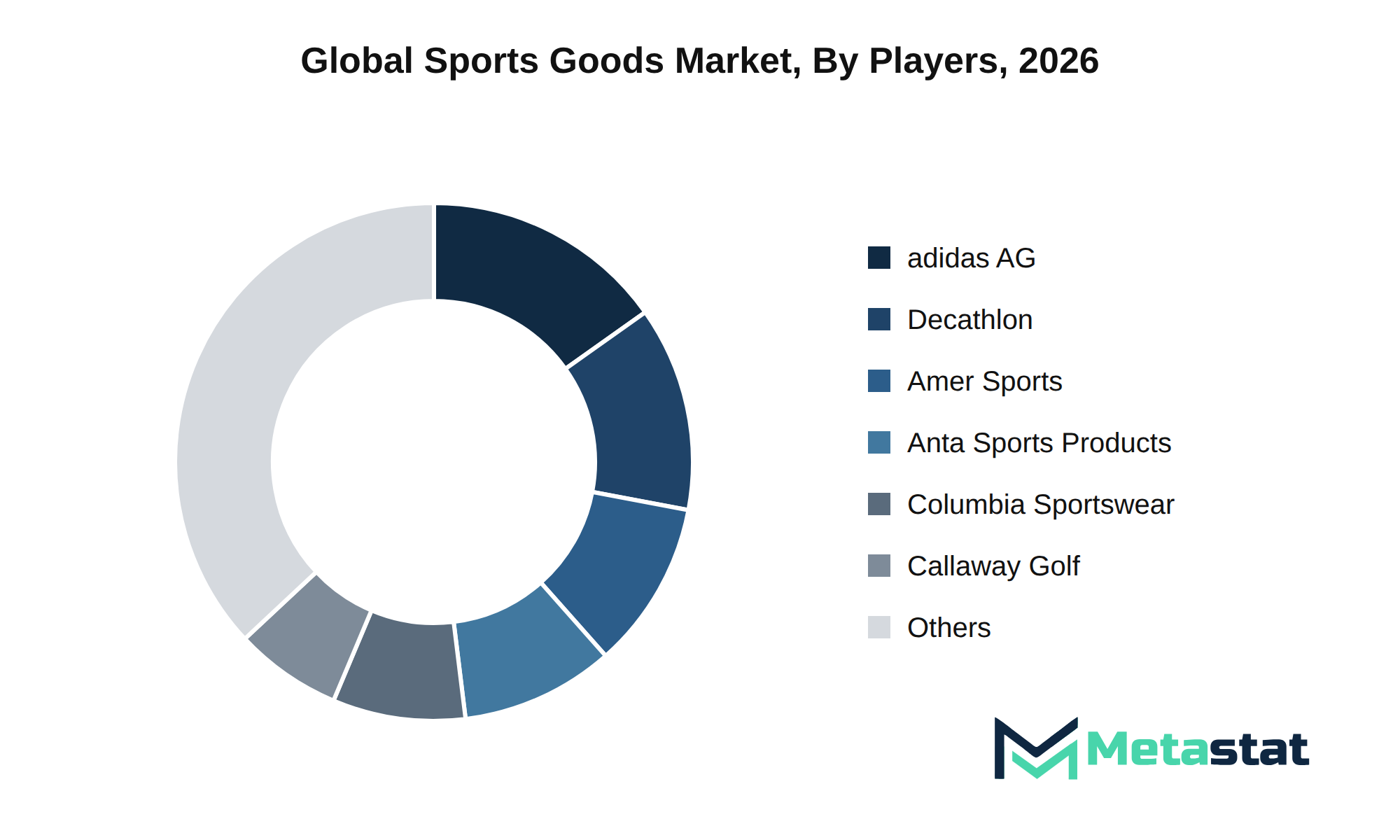
The Sports Goods market features a diverse competitive environment with key players focusing on strategic consolidation, product differentiation, and value chain integration. Companies including Nike Inc., adidas AG, and PUMA SE leverage their brand equity to enhance customer retention and create barriers to entry for potential new entrants. These firms invest heavily in proprietary technology and R&D pipelines, enabling them to maintain a competitive edge through innovation.
Partnerships and strategic alliances play a significant role in market dynamics. Companies like Under Armour Inc. and Lululemon Athletica Inc. engage in cross-industry collaborations to expand their reach and enhance their product offerings. The focus on sustainability and eco-friendly practices drives growth in consumer preference, pushing companies to adapt their commercial models and pricing architectures accordingly. This competitive landscape continues to evolve, driven by new entrants seeking to disrupt established players, further intensifying the race for market share.
Market size is forecast to rise from USD 411 billion in 2025 to over USD 761 billion by 2033. The base case assumes a steady increase in market demand driven by evolving consumer preferences, technological advancements, and enhanced production capabilities. Economic factors, including inflation rates and global trade dynamics, influence growth trajectories, with significant implications for strategic capital allocation.
Fluctuations in the market arise from macroeconomic shifts and geopolitical realignments. A bullish scenario anticipates accelerated growth driven by increased consumer spending and innovation, leading to stronger demand for premium products. Conversely, a bearish outlook could result from economic downturns or regulatory challenges, constraining growth and heightening competition among industry players.
Significant investments in research and development shape the landscape of the Sports Goods market, driving the integration of next-generation technologies. Companies focusing on sustainability and product lifecycle management enhance their market positions through innovative solutions. Regulatory evolution and compliance milestones create challenges that firms navigate effectively to maintain competitiveness.
Strategic capital expenditure directed toward infrastructure development creates emerging opportunities and addresses unmet consumer needs. High-growth pockets in diverse segments, including sports footwear and apparel, present avenues for expansion. Firms aligning their strategies with executive-level imperatives and defensibility roadmaps establish a strong foothold in this dynamic market.
The report strategically identifies and profiles the key market players and analyses their core competencies in each sub-segment of the Sports Goods market.
Report Attributes | Details |
Study Period | 2021-2033 |
Base Year | 2025 |
Estimated Year | 2026 |
Forecast Period | 2026-2033 |
Historical Period | 2021-2025 |
Growth Rate | CAGR 8.0% from 2026 to 2033 |
Revenue Unit | USD billion |
Segmentation | By Product Type, Sport, Distribution Channel, End User, and Region |
By Region | North America (By Product Type, Sport, Distribution Channel, End User, and Country)
|
Europe (By Product Type, Sport, Distribution Channel, End User, and Country)
| |
Asia Pacific (By Product Type, Sport, Distribution Channel, End User, and Country)
| |
South America (By Product Type, Sport, Distribution Channel, End User, and Country)
| |
Middle East and Africa (By Product Type, Sport, Distribution Channel, End User, and Country)
|
Find answers to common questions about this report
The Sports Goods market size was valued at USD 411 billion in 2025.
The Sports Goods market is projected to grow at a CAGR of 8.0% during the forecast period from 2026 to 2033.
The North America Sports Goods market size is estimated to reach USD 226.7 billion by 2033.
Sports Footwear leads the Sports Goods market with a projected value of USD 311.6 billion by 2033, based on its higher growth rate compared to other segments.
Increasing interest in health and fitness drives demand for sports goods, particularly among aging populations prioritizing active lifestyles. Urbanization and social media influence consumer preferences, while the shift toward sustainable products encourages innovation within the market. Enhanced infrastructure investments further support market growth by improving access and distribution capabilities.
North America holds the dominant share of the Sports Goods market, with a value of USD 226.7 billion projected for 2033, representing 31.2 percent of the total market.
Regulatory tightening and compliance hurdles restrain Sports Goods market growth by increasing operational complexities and costs for manufacturers, particularly affecting smaller companies. Macroeconomic headwinds, including inflationary pressures and rising operating costs, further constrain the market by raising prices and deterring potential buyers. Supply chain disruptions from geopolitical instability and resource scarcity threaten product availability and overall market performance.
Increasing interest in health and fitness significantly impacts product adoption in the Sports Goods market. The rise in awareness regarding health benefits motivates consumers, particularly aging populations, to pursue active lifestyles, leading to heightened demand for sporting goods. urbanization patterns and the influence of social media further drive consumer preferences toward sports goods.
The Sports Goods market is estimated to reach a valuation of USD 761 billion by 2033.
Key players operating in the Sports Goods market include adidas AG, Amer Sports Corporation, Anta Sports Products Limited, ASICS Corporation, Callaway Golf Company, Decathlon SA, Nike Inc., and PUMA SE.
The analysts below cover Consumer Goods research at Metastat Insights.
LEAD ANALYST
Utkarsh Khirodkar is a Lead Market Research Analyst at MetaStat Insight, specializing in market intelligence, technology sector assessments, and competitive strategy.
Evaluating secondary resin quality across post-consumer packaging streams requires reliable technical segmentation. MetaStat Insight delivered an objective assessment that distinguished between extrusion-grade flake pricing and optical sorting throughput limitations across Western Europe. The competitive positioning breakdown for licensed depolymerization technology providers answered several questions during our feedstock feasibility audit. Their team clarified regional trade restrictions on mixed plastic scrap quickly when our team submitted follow-up requests.
Evaluating sovereign cloud deployments for core banking platforms demands a clear view of data residency regulations and migration exit strategies. MetaStat Insight delivered an exhaustive review of regional latency tolerances, mainframe decommission milestones, and third-party vendor concentration risk. The regulatory compliance mapping across European and Asian financial jurisdictions gave our team a dependable baseline for multi-cloud infrastructure discussions.
Replacing petrochemical surfactants with bio-based alternatives requires realistic timelines on industrial precision fermentation scaling. The market research broke down commercialization timelines, feedstock sugar price sensitivities, and regional cosmetic ingredient regulatory approvals in Europe and East Asia. That supplier readiness mapping gave our formulations team reliable context when comparing renewable chemical sourcing roadmaps.
Explore related market intelligence reports worth reading alongside this one.
Starting from
$2950