
Explore the essential factors that shape pricing strategies in the Direct Selling market, and learn how buyers leverage these insights.
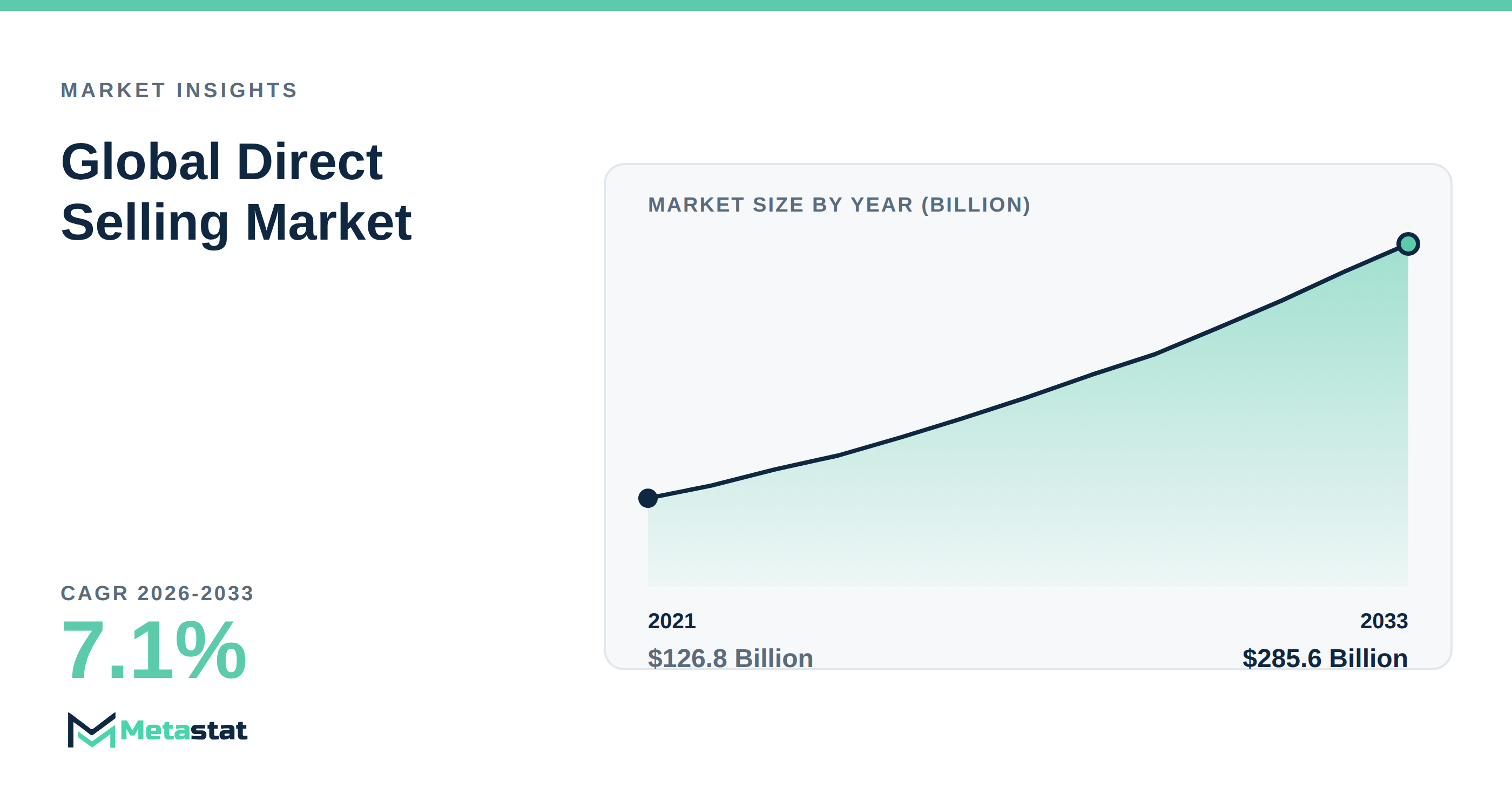
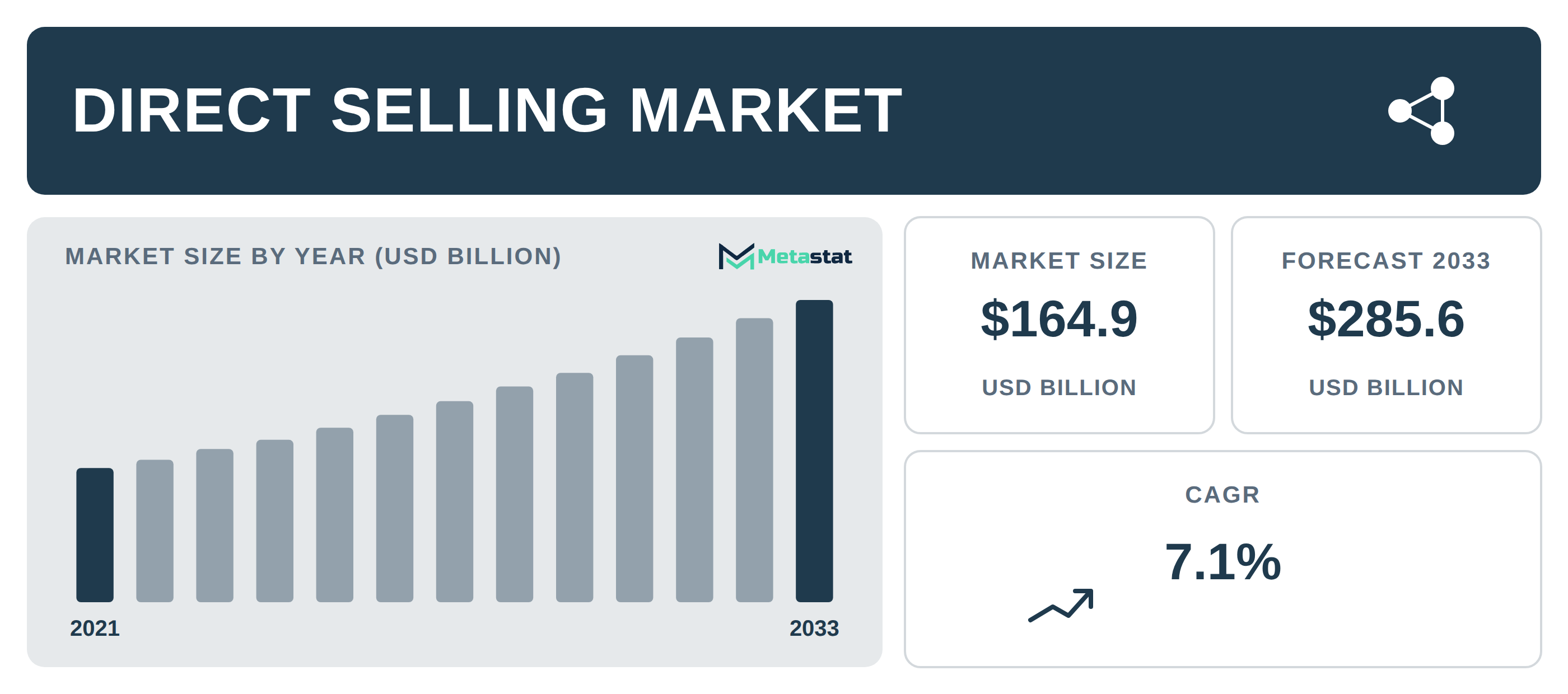
The Direct Selling sector has been expanding significantly, with a focus on health, beauty, and wellness products. Understanding the factors influencing Direct Selling pricing can offer buyers insight into how to navigate costs and maximize value. Are six critical factors shaping pricing strategies in this market. The full figures are in our Direct Selling market size and forecast report.
1. Growing Demand for Health and Wellness Products
The rising consumer focus on health and wellness significantly drives demand within the Direct Selling sector. With health and wellness product sales projected to reach USD 74.8 billion by 2033, buyers negotiate prices based on the competition among suppliers eager to capture this lucrative market. Companies often adjust pricing strategies to attract health-conscious consumers, which creates opportunities for buyers looking for the best value.
2. Multi-Level Marketing Compensation Structures
Multi-Level Marketing (MLM) companies implement complex compensation structures that influence pricing. Distributors earn commissions not only from their sales but from sales made by recruits. This compensation model encourages sales representatives to offer competitive pricing to entice more customers. Buyers benefit from promotional offers and discounts due to the financial incentives driving distributors to sell more effectively.
3. Technological Advancements and Digital Engagement
Digital platforms and social commerce are transforming how Direct Selling pricing is approached. Companies that leverage e-commerce and social media expedite price adjustments and enable dynamic pricing strategies. Buyers who engage with sellers through these platforms often find unique deals tailored to their preferences, enhancing their purchasing experience and potentially lowering costs.
4. Personalization and Tiered Pricing Models
Personalization in Direct Selling leads to tiered pricing strategies that cater to varying customer needs. Companies offer distinct price packages based on consumer demographics and purchasing behaviors. Buyers leverage their preferences for personalized experiences to negotiate better prices, ensuring they receive products that meet their specific needs at competitive rates.
5. Economic Factors and Consumer Sensitivity
Economic conditions and rising product costs affect consumer spending behaviors and pricing strategies in Direct Selling. Increased pricing due to inflation leads to consumer hesitancy, compelling companies to introduce promotions or discounts to retain sales. Buyers capitalize on this price sensitivity during promotional periods, obtaining products at reduced prices as companies strive to maintain sales volumes.
6. Competitive Landscape and Brand Positioning
With numerous players in the Direct Selling space, competition influences pricing strategies significantly. Companies like Amway Corporation and Herbalife Ltd. frequently adjust prices based on market positioning and brand reputation. Buyers should explore various offerings and leverage competitive pricing to negotiate deals that align with their purchasing preferences.
By understanding these factors, buyers in the Direct Selling space navigates pricing strategies effectively, ultimately enhancing their purchasing power and ensuring they receive value for their investments.
Tags
About the Author

LEAD ANALYST
Utkarsh Khirodkar is a Lead Market Research Analyst at MetaStat Insight, specializing in market intelligence, technology sector assessments, and competitive strategy.