
Explore the crucial elements that determine Dry Bulk Shipping pricing and where buyers exert influence in the market.
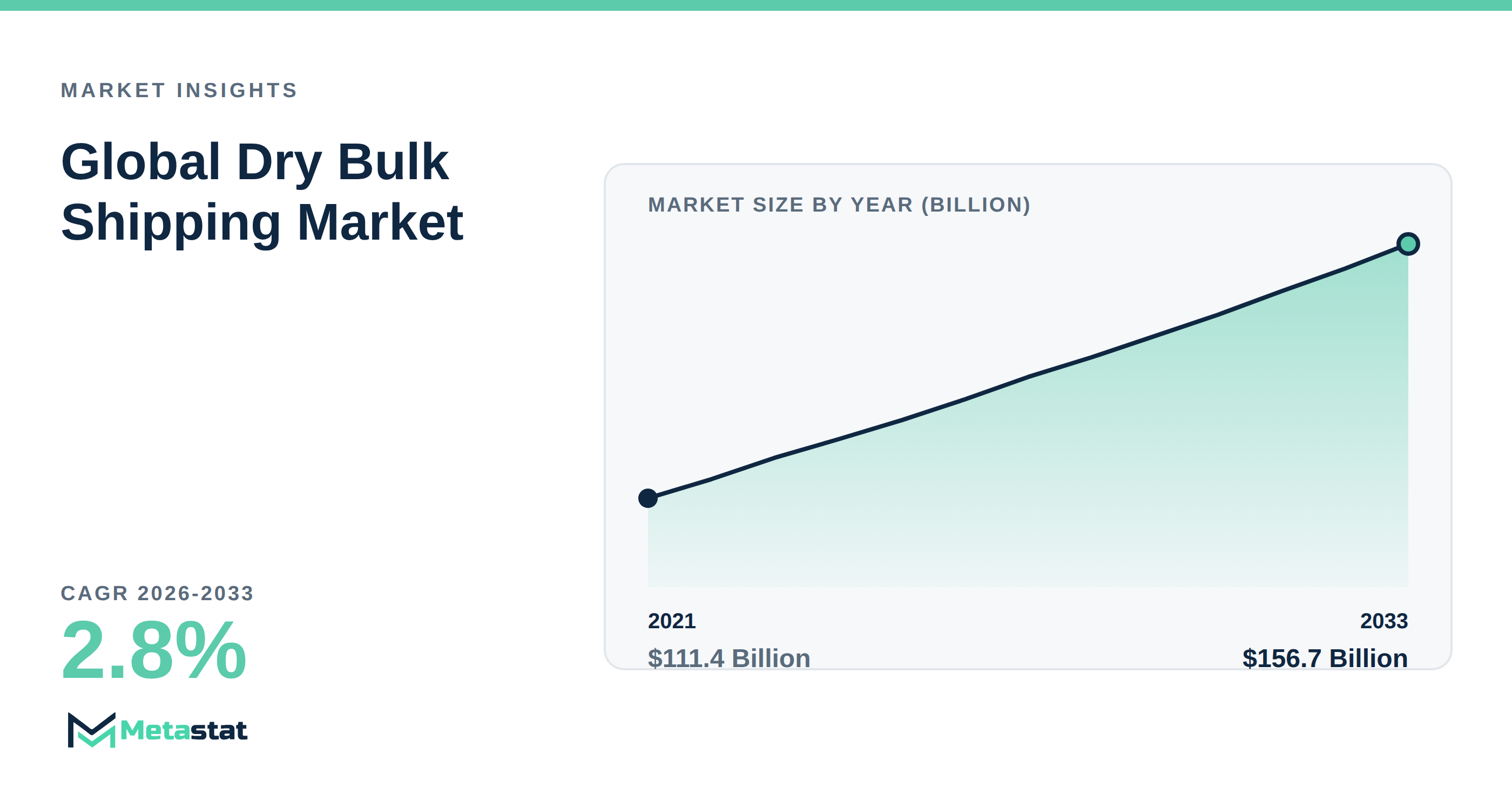
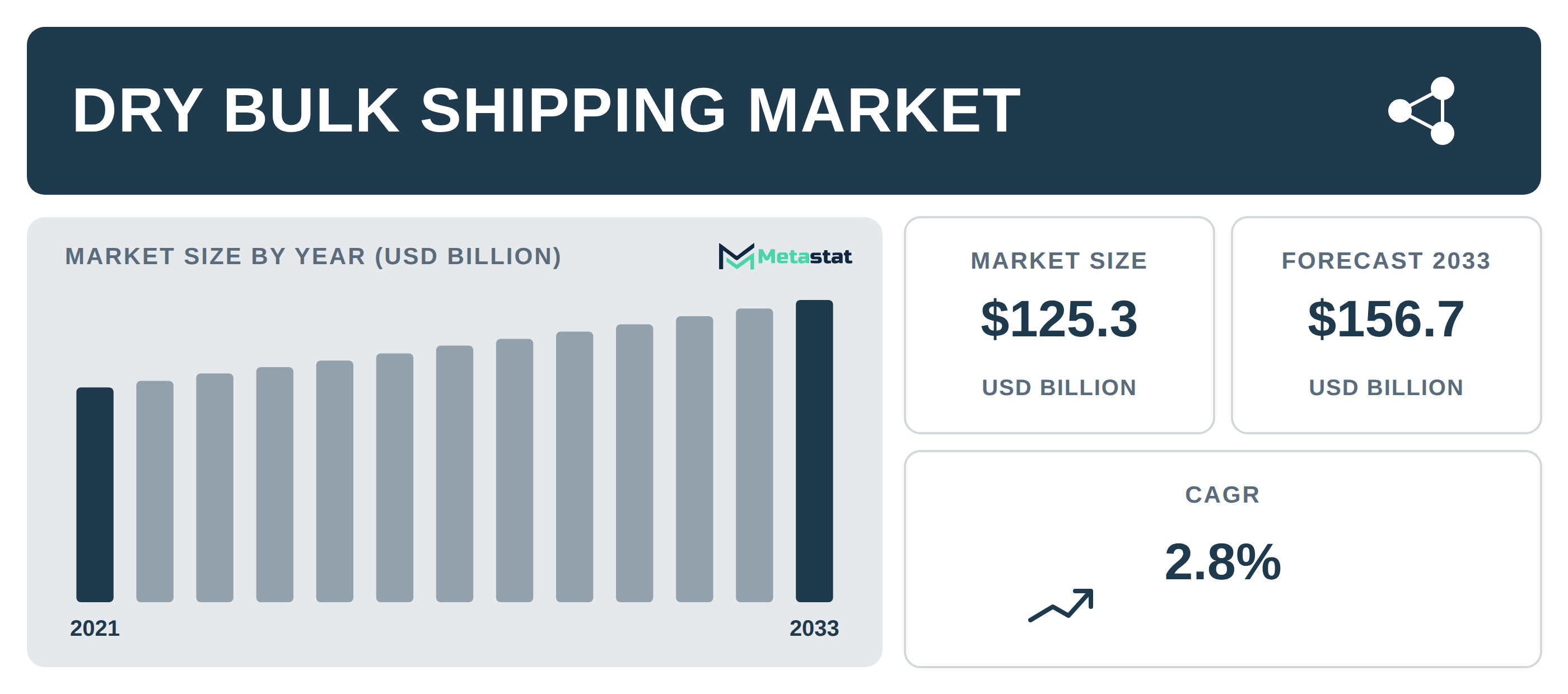
In the dynamic world of Dry Bulk Shipping, understanding pricing is essential for buyers and operators navigating logistical challenges and cost management. Multiple factors influence freight costs and operational expenses, which significantly impact profitability. We highlight key elements that dictate Dry Bulk Shipping pricing and offer insights into areas where buyers exert influence. The full figures are in our Dry Bulk Shipping market size and forecast report.
1. The Impact of Vessel Type on Freight Rates
The type of vessel used for transport significantly influences pricing in the Dry Bulk Shipping sector. Larger vessels, particularly Capesize and Panamax, typically command higher freight rates due to their capacity and operational efficiencies. Operators utilizing these vessels often benefit from economies of scale, leading to lower per-unit costs. This makes them attractive for high-volume shipping of commodities like iron ore. Buyers should evaluate the vessel type's operational costs and their effects on overall pricing strategies.
2. Operational Mode: Ownership vs. Chartering
Choosing between owned-vessel operations and chartered-in vessels has substantial financial implications for shipping costs. Ownership typically results in lower operational costs over time, allowing operators to manage their fleet without the fluctuations of charter rates. Conversely, chartered-in operations offer flexibility, enabling companies to adapt to changing demands without significant capital investment. Buyers should assess their requirements to determine which mode provides the best balance between cost and operational flexibility.
3. The Role of Commodity Type in Pricing
The type of bulk commodity being shipped directly impacts pricing structures within the Dry Bulk Shipping space. For instance, iron ore generally yields higher freight rates due to its significant value and consistent demand from the steel manufacturing sector. In contrast, other segments like coal and grains experience slower growth and lower rates owing to market fluctuations and regulatory pressures. Understanding commodity-specific dynamics allows buyers to negotiate better terms based on the inherent value of the materials they transport.
4. Fuel Efficiency and Environmental Regulations
Fuel efficiency requirements and environmental regulations increasingly shape cost structures in Dry Bulk Shipping. While regulations tighten around emissions, operators face pressure to invest in more fuel-efficient vessels, raising upfront costs. However, these investments lead to long-term savings by reducing fuel consumption. Buyers should be aware of these trends, as operators incorporating advanced technologies pass some of these costs onto their customers while improving sustainability profiles.
5. Market Volatility and Freight Rate Exposure
Freight rate volatility is a fundamental factor affecting pricing in the Dry Bulk Shipping sector. Spot markets experience significant fluctuations, compelling operators who rely on these rates to adjust their pricing strategies rapidly. In contrast, those engaged in long-term contracts benefit from stable revenue streams, encouraging consistent pricing. Buyers selecting contract agreements avoid the unpredictability associated with spot rates, which helps stabilize their operational costs over time.
6. Supply Chain Efficiency and Logistics
The efficiency of the supply chain plays a critical role in determining Dry Bulk Shipping pricing. Delays in logistics or disruptions within the supply chain elevates costs significantly. Buyers should focus on optimizing logistics and fostering relationships with reliable shipping partners to enhance overall operational efficiency. Investing in technology solutions for tracking shipments and streamlining operations yield cost savings and improve service delivery. By addressing these elements, buyers enhance their competitive positioning and ensure better pricing outcomes.
These insights into the factors affecting Dry Bulk Shipping pricing illustrate the complexities inherent in this sector. Buyers and operators equipped with this knowledge make more informed decisions regarding their shipping strategies, ultimately enhancing their competitive positioning within the market.
Tags
About the Authors

LEAD ANALYST
Utkarsh Khirodkar is a Lead Market Research Analyst at MetaStat Insight, specializing in market intelligence, technology sector assessments, and competitive strategy.

ENERGY & INFRASTRUCTURE INDUSTRY CONSULTANT
Automotive and Transportation · Electronics and Semiconductor · Energy and Power · Machinery & Equipment
Saurabh Vasant Ganvir consults for Energy & Infrastructure Industry at MetaStat Insight, specializing in renewable energy, solar EPC, and electric vehicle (EV) infrastructure markets.