
Explore the key elements affecting pricing in US Telecom Infrastructure Services. This guide helps operators and buyers optimize their pricing strategies.
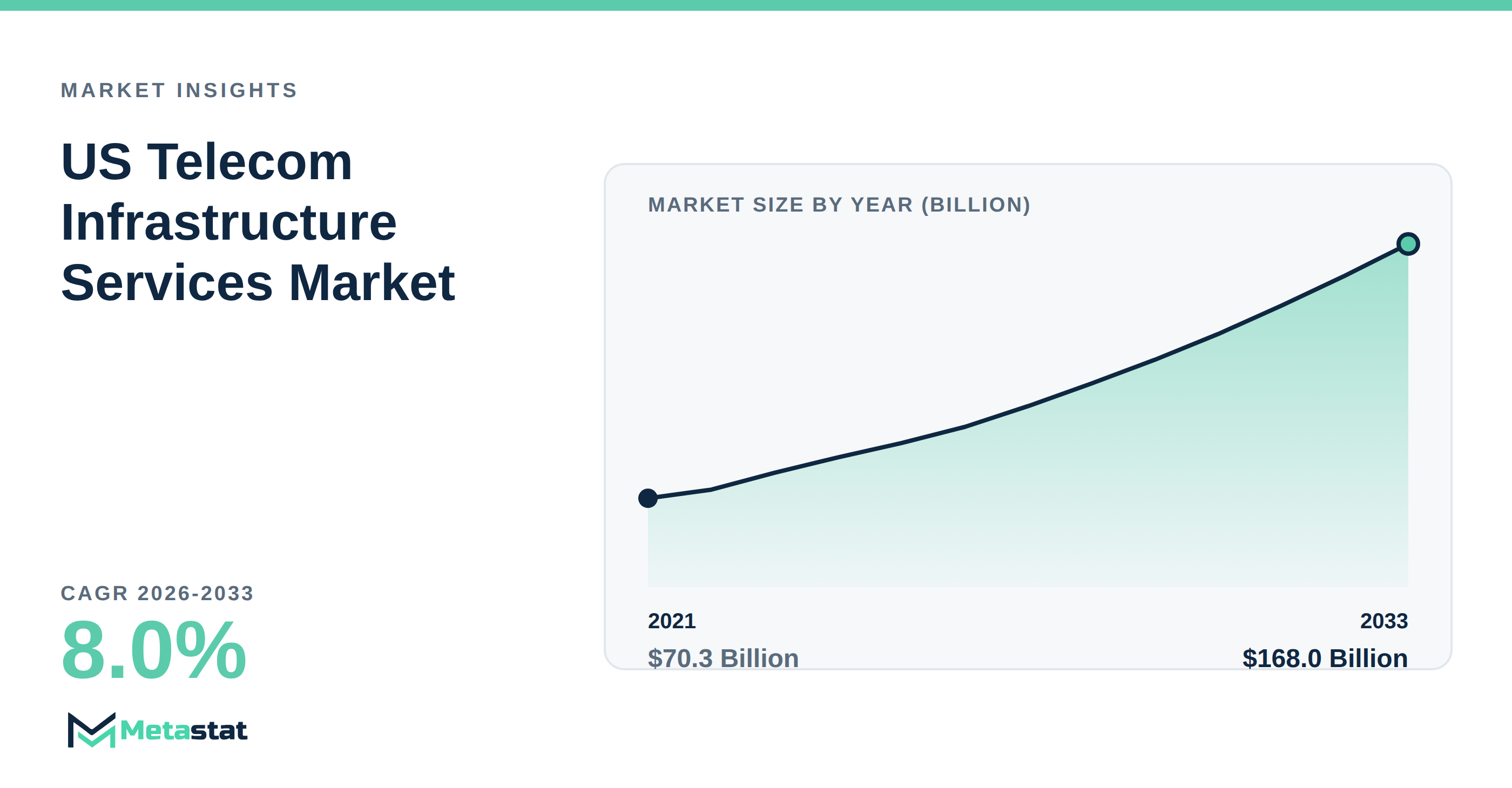
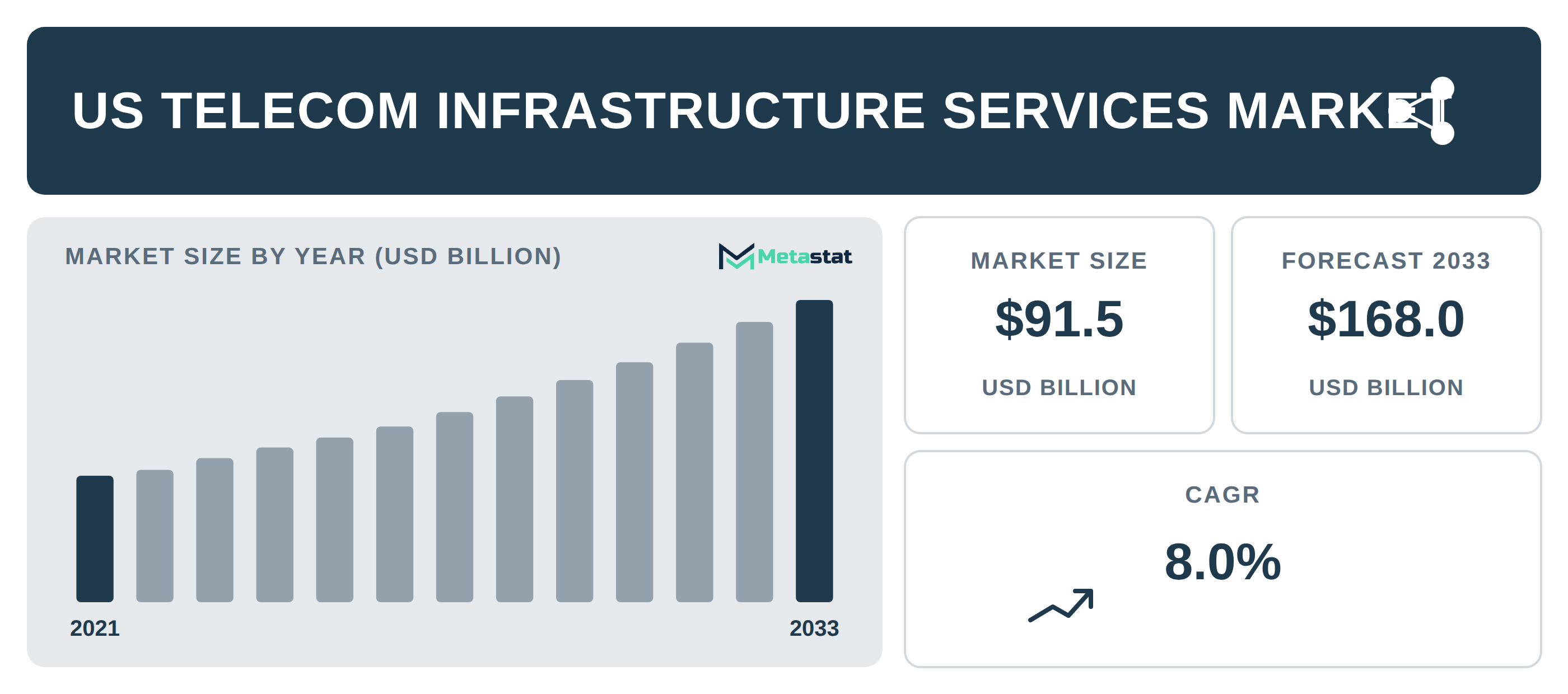
The pricing dynamics in the market for US Telecom Infrastructure Services hinge on various factors that impact costs and buyer leverage. Understanding these elements is essential for businesses aiming to navigate this complex landscape effectively. This post highlights six significant drivers that influence pricing strategies in the telecom infrastructure services arena. The full figures are in our US Telecom Infrastructure Services market size and forecast report.
1. The Role of Telecom Towers in Cost Structures
Telecom towers remain a crucial component of telecom infrastructure, significantly impacting pricing strategies. With the ongoing expansion and upgrades required to meet the rising demand for mobile connectivity, the costs associated with construction and maintenance increase. Buyers keen on enhancing their service offerings negotiate pricing structures that account for these ongoing costs. As 5G networks expand, telecom operators face further investments, influencing overall service pricing.
2. Importance of Network Integration Services
Network and system integration services play an important role in shaping operational costs and service pricing. Telecommunications companies increasingly adopt more advanced technologies and expand their service portfolios, driving the demand for integration solutions. Buyers recognize the added value these services provide, as they streamline operations and enhance overall efficiency. Successful contract negotiations for integration services yield long-term financial benefits by improving connectivity and service reliability.
3. Design and Engineering Services Value Proposition
Design and engineering services are essential for navigating the complexities of deploying telecom infrastructure. As projects grow in sophistication, the demand for specialized expertise increases. This segment is projected to exhibit significant growth, reflecting buyers' willingness to invest in high-quality design solutions. Recognizing this value enables buyers to prioritize their investments, influencing pricing structures based on quality and expertise in project execution.
4. Navigating Regulatory and Compliance Costs
Compliance with local regulations and zoning laws complicates the deployment of new infrastructure. Regulatory hurdles lead to increased costs and extended timelines, directly affecting the pricing of services offered. Buyers often engage specialized consulting and regulatory advisory services to effectively navigate these challenges. By understanding the intricacies of regulatory compliance, buyers better manage costs and mitigate risks, ultimately influencing their overall expenditure in infrastructure services.
5. The Impact of Fiber Networks on Pricing
Fiber networks are critical for supporting high-capacity communication links, helping to reduce costs associated with data transfer and connectivity. With the growing demand for bandwidth-intensive applications, investments in fiber infrastructure become increasingly valuable. Buyers who understand the capabilities and advantages of fiber networks leverage their purchasing power to negotiate better pricing arrangements. This highlights the critical role advanced infrastructure plays in shaping service pricing and overall quality.
6. The Effect of Construction and Installation Services
Construction and installation services are integral to establishing new telecom infrastructure. This segment drives substantial costs due to the labor and materials required for deployment. Buyers negotiate contracts that account for these expenses while ensuring timely project completion. The increasing demand for enhanced connectivity, particularly from ongoing 5G rollouts, places pressure on construction timelines and costs. Optimizing pricing within this segment requires careful consideration of both immediate and long-term needs.
Understanding the key factors affecting pricing in the US Telecom Infrastructure Services sector equips buyers with the insights necessary to make informed decisions. By considering the impact of telecom towers, network integration, design services, regulatory compliance, fiber networks, and construction services, businesses navigate the complexities of pricing strategies effectively. These insights enable operators and buyers to maximize value while ensuring robust infrastructure development.
Tags
About the Authors

LEAD ANALYST
Utkarsh Khirodkar is a Lead Market Research Analyst at MetaStat Insight, specializing in market intelligence, technology sector assessments, and competitive strategy.

PRINCIPAL CONSULTANT - ENTERPRISE AI & EMERGING TECHNOLOGIES
Banking & Finance · Electronics and Semiconductor · Energy and Power · Healthcare IT · Information & Technology · Professional Services
Vijay Gunti is a Principal Consultant at MetaStat Insight, bringing over two decades of experience across enterprise digital transformation, technology strategy, and intelligent systems.

LEAD CONSULTANT - COMMUNICATION, TELECOM, AND IT
Electronics and Semiconductor · Information & Technology · Machinery & Equipment · Professional Services
Ravindra Sathe Consultants for Communication, Telecom, and IT at MetaStat Insight. He leads the firm's industry research initiatives across telecommunications infrastructure, digital connectivity, enterprise networking, and emerging information technology domains.