
Explore the top trends reshaping the Supply Chain Execution Software landscape and understand how they impact efficiency and visibility in operations.
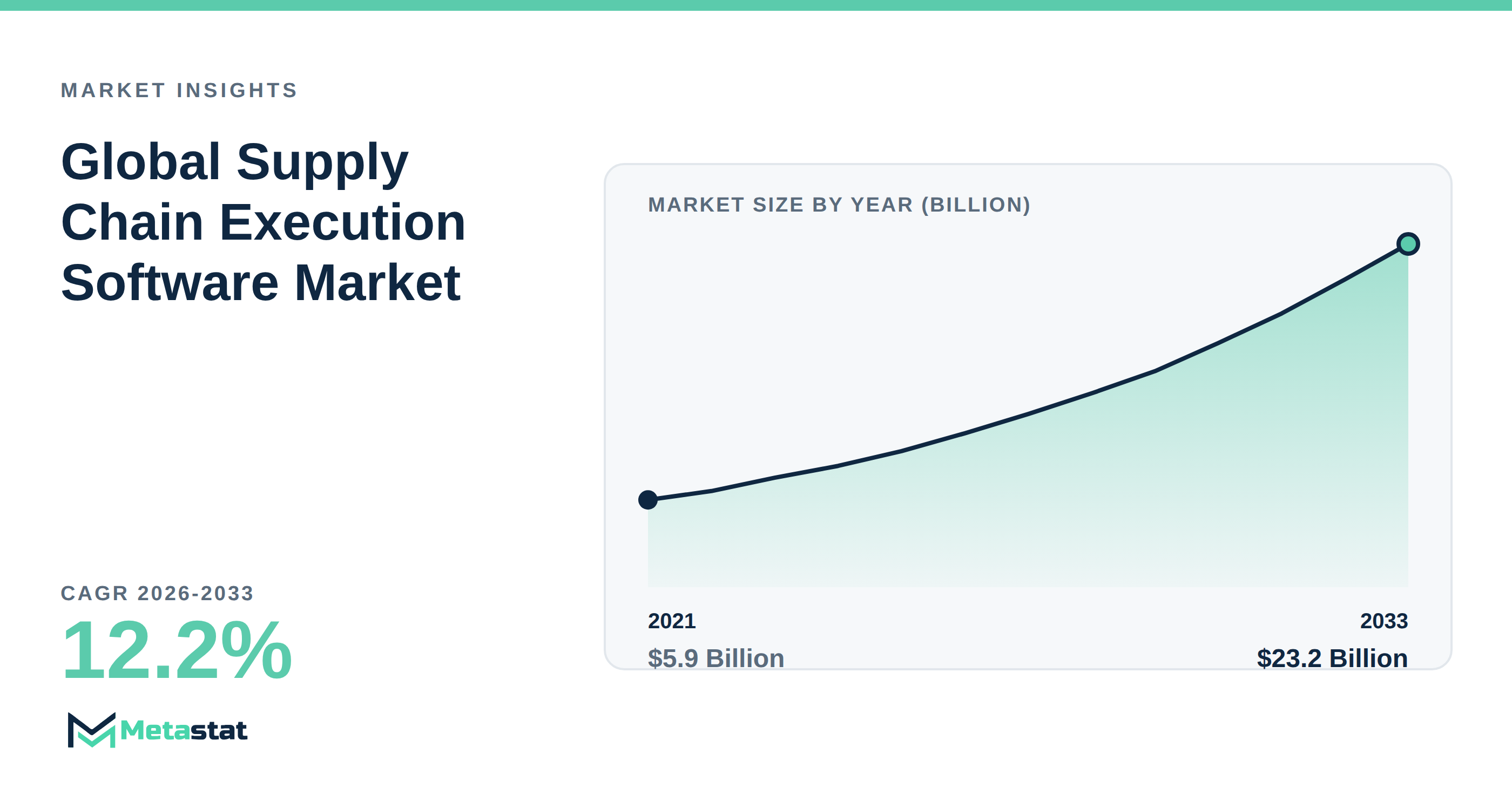
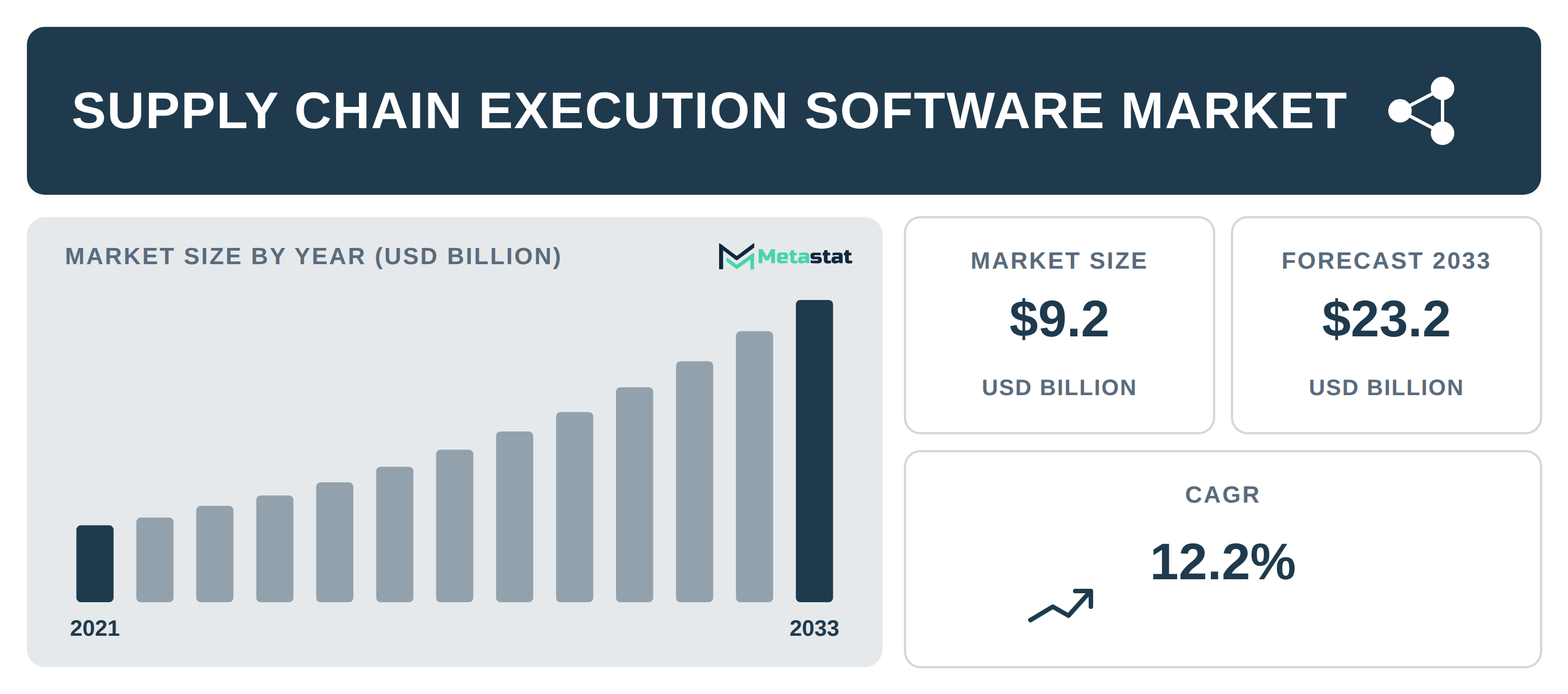
The landscape of the market for Supply Chain Execution Software is evolving, driven by various trends that reshape how businesses manage their supply chain operations. From automation to cloud integration, these trends significantly influence operational efficiency and visibility. This post explores key trends that every buyer and operator in the market for Supply Chain Execution Software should understand. Supply Chain Execution Software market size and forecast report.
1. Cloud solutions enhance flexibility and scalability
The shift to cloud-based solutions significantly benefits organizations by providing increased flexibility and scalability. Businesses adopting cloud Warehouse Management Systems (WMS) and Transportation Management Systems (TMS) enjoy streamlined implementation processes and reduced initial expenses. This transition empowers small and medium-sized enterprises (SMEs) to leverage advanced technologies that were previously out of reach. Consequently, companies enhance their ability to adapt to market fluctuations and improve competitiveness.
2. Demand for real-time data analytics is rising
Increasingly complex supply chains fuel the demand for real-time data analytics. Companies seek solutions that offer visibility into their operations, facilitating timely decision-making. This trend is particularly crucial for large enterprises where enhanced coordination and tracking capabilities lead to greater efficiency. By harnessing advanced analytics, organizations successfully optimize logistics, lower operational costs, and enhance customer satisfaction through improved service delivery.
3. Warehouse Management Systems (WMS) lead adoption
Warehouse Management Systems (WMS) are essential tools for organizations looking to refine their supply chain operations. Focused on inventory management and order fulfillment, WMS solutions enhance process efficiency and boost productivity. While the most valuable segment in Supply Chain Execution Software, WMS is currently seeing substantial investments. Companies that prioritize WMS adoption are positioned to benefit from improved visibility and resource management, solidifying their market presence.
4. E-commerce influences spending patterns
The growth of e-commerce significantly alters spending patterns regarding Supply Chain Execution Software. Companies now invest in solutions that improve order fulfillment speed and refine customer experiences. The necessity for tools that effectively manage logistics accelerates, driven by consumer expectations for quick deliveries and precise order processing. Businesses that adapt to these evolving demands position themselves for sustained growth and long-term profitability.
5. Integration of AI and automation improves efficiency
The integration of artificial intelligence (AI) and automation technologies into supply chain processes transforms operational capabilities. These innovations reduce reliance on manual tasks and expedite processing times, leading to enhanced overall efficiency. Companies in various sectors, including retail and manufacturing, recognize the importance of adopting these technologies to maintain competitiveness. Those that implement automation streamline operations, minimize errors, and respond more effectively to market changes.
6. Strong focus on compliance and risk management
With mounting regulatory requirements, businesses increasingly prioritize compliance and risk management within their supply chain operations. This trend is particularly paramount in industries including healthcare and food and beverage, where adherence to safety and quality standards is critical. Organizations investing in targeted software solutions to address compliance challenges mitigate potential operational risks while protecting their brand reputation. This commitment to compliance underscores the significance of adopting advanced technologies tailored to specific industry requirements.
These trends collectively reshape the market for Supply Chain Execution Software, driving demand for innovative solutions that enhance operational efficiency and visibility. Businesses that recognize and adapt to these dynamics ensure their long-term success in an increasingly competitive environment.
Tags
About the Authors

LEAD ANALYST
Utkarsh Khirodkar is a Lead Market Research Analyst at MetaStat Insight, specializing in market intelligence, technology sector assessments, and competitive strategy.

PRINCIPAL CONSULTANT - ENTERPRISE AI & EMERGING TECHNOLOGIES
Banking & Finance · Electronics and Semiconductor · Energy and Power · Healthcare IT · Information & Technology · Professional Services
Vijay Gunti is a Principal Consultant at MetaStat Insight, bringing over two decades of experience across enterprise digital transformation, technology strategy, and intelligent systems.

LEAD CONSULTANT - COMMUNICATION, TELECOM, AND IT
Electronics and Semiconductor · Information & Technology · Machinery & Equipment · Professional Services
Ravindra Sathe Consultants for Communication, Telecom, and IT at MetaStat Insight. He leads the firm's industry research initiatives across telecommunications infrastructure, digital connectivity, enterprise networking, and emerging information technology domains.