
Explore essential questions for buyers in the Utility Poles sector, ensuring informed supplier evaluations and infrastructure decisions.
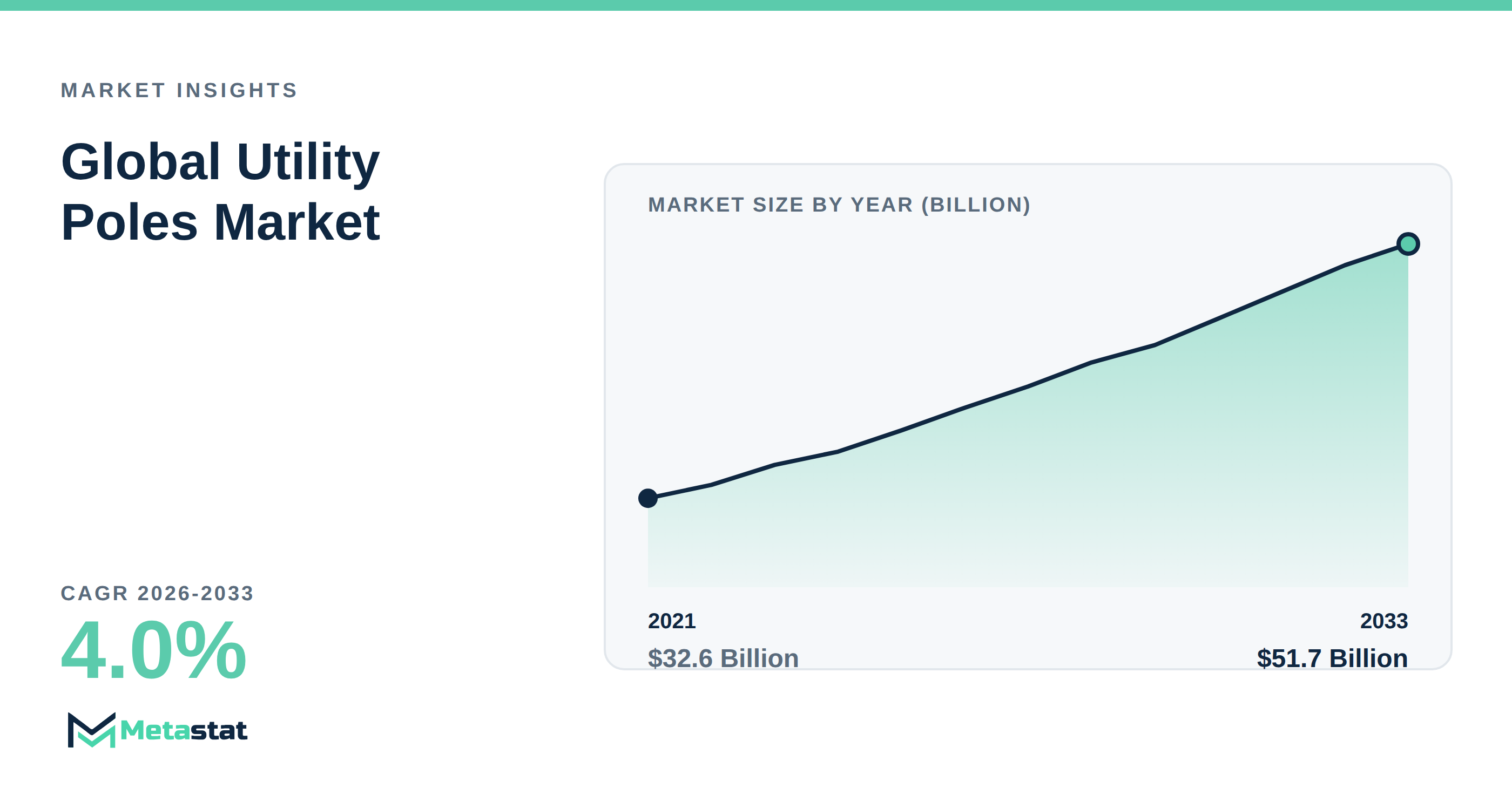
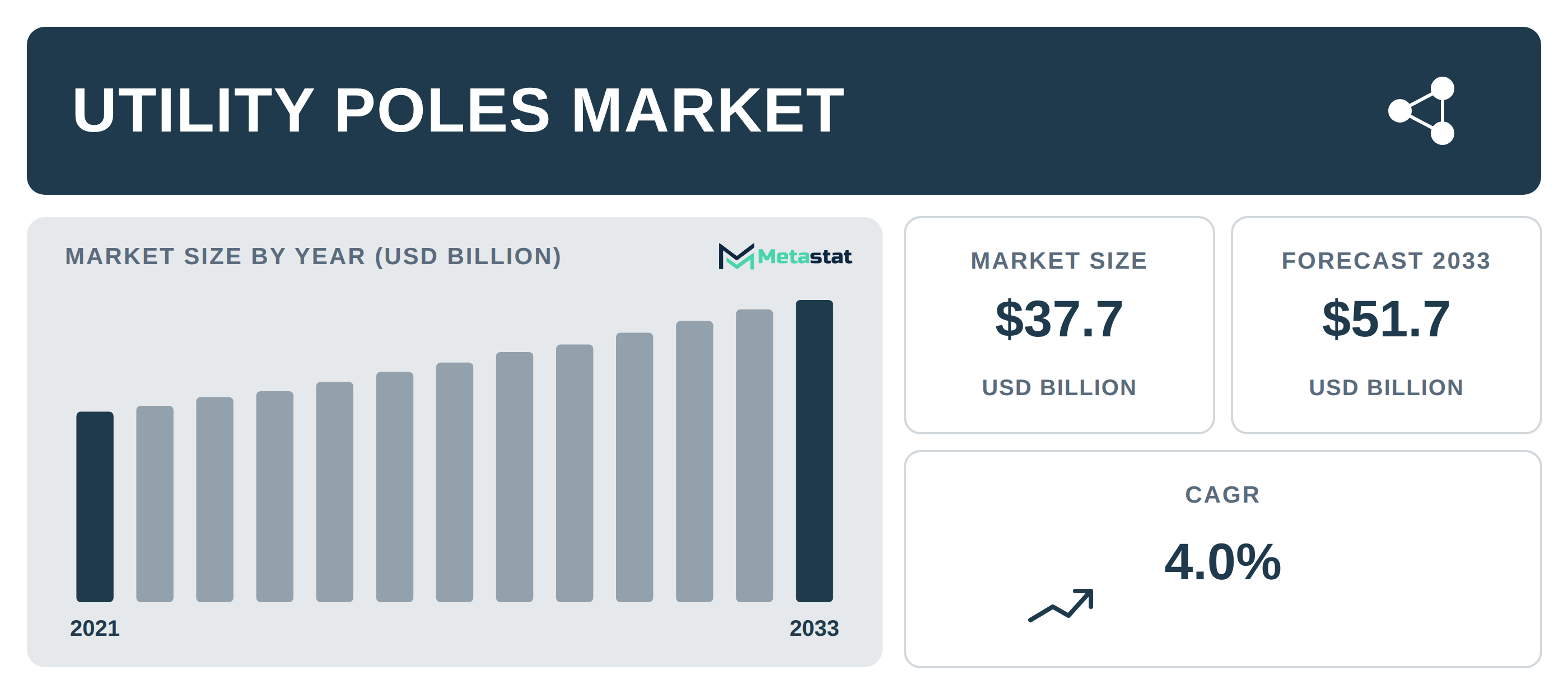
The demand for reliable infrastructure in the Utility Poles sector continues to grow as urbanization and energy requirements expand. Buyers in this market carefully evaluate suppliers to ensure they meet evolving needs and standards. Are six essential questions to ask Utility Poles suppliers, based on our latest research. The full figures are in our Utility Poles market size and forecast report.
1. What materials do you offer for utility poles?
Understanding the materials used in utility pole manufacturing is crucial. Various options, including wood, concrete, steel, and fiber-reinforced polymer (FRP), each come with unique properties and benefits. For instance, FRP poles are becoming increasingly popular due to their lightweight composition and high durability, with a significant growth projection of 8.6% during the forecast period. By knowing the materials offered, buyers make informed decisions based on durability, cost, and suitability for specific applications.
2. How do you address groundline decay in wood poles?
Groundline decay poses a serious challenge for utility companies that rely on wood poles. Suppliers should provide insights into their preservative treatments and maintenance strategies to extend the lifespan of these poles. The wood pole segment is projected to grow significantly, increasing from USD 21.8 billion in 2026 to USD 26.8 billion by 2033. Effective treatment options play a vital role in influencing operational longevity and managing costs.
3. What strategies do you implement for storm hardening?
With weather patterns becoming increasingly unpredictable, buyers should inquire about storm hardening measures. Suppliers that prioritize steel and FRP structures offer enhanced durability and resilience against extreme weather conditions. The steel segment is expected to reach USD 8.6 billion by 2033, reflecting a strong market shift towards materials that endure severe weather. Understanding a supplier's approach to storm hardening enables buyers to mitigate risks and reduce long-term maintenance expenses.
4. How do you manage joint-use attachments?
Joint-use attachments allow multiple utilities to share a single pole, which increases operational efficiency and profitability. Suppliers should demonstrate their ability to maintain accurate pole inventories, an essential practice for optimizing these shared infrastructures. Given that the Electricity Distribution segment is anticipated to expand from USD 21.7 billion in 2026 to USD 27.8 billion by 2033, companies that effectively handle joint-use inquiries are likely to enhance customer satisfaction and strengthen their competitive positioning.
5. What is your approach to the aging pole reinforcement process?
Reinforcing aging poles rather than replacing them is a cost-effective strategy for utility companies. Suppliers should explain their methods for assessing pole integrity and the reinforcement materials they provide. The Replacement and Upgrade segment is expected to increase from USD 24.5 billion in 2026 to USD 33.2 billion by 2033, underscoring how a supplier's focus on reinforcement significantlies affect resource allocation and service continuity for utilities.
6. How do you support sustainability in your products?
Sustainability has become a priority for many buyers. Suppliers should discuss their sourcing practices and the environmental impact of their materials. The increasing emphasis on sustainable solutions influences purchasing decisions as utility companies aim to align with regulatory standards and community expectations. Understanding a supplier's commitment to sustainability helps buyers select partners who support their environmental objectives.
These questions encompass critical aspects of utility pole procurement that buyers should prioritize when evaluating suppliers. By focusing on material offerings, maintenance strategies, storm resilience, joint-use capabilities, reinforcement processes, and sustainability practices, utility companies ensure they select suppliers that align with their operational goals and infrastructure needs.
Tags
About the Authors

LEAD ANALYST
Utkarsh Khirodkar is a Lead Market Research Analyst at MetaStat Insight, specializing in market intelligence, technology sector assessments, and competitive strategy.

PRINCIPAL CONSULTANT - ENTERPRISE AI & EMERGING TECHNOLOGIES
Banking & Finance · Electronics and Semiconductor · Energy and Power · Healthcare IT · Information & Technology · Professional Services
Vijay Gunti is a Principal Consultant at MetaStat Insight, bringing over two decades of experience across enterprise digital transformation, technology strategy, and intelligent systems.

ENERGY & INFRASTRUCTURE INDUSTRY CONSULTANT
Automotive and Transportation · Electronics and Semiconductor · Energy and Power · Machinery & Equipment
Saurabh Vasant Ganvir consults for Energy & Infrastructure Industry at MetaStat Insight, specializing in renewable energy, solar EPC, and electric vehicle (EV) infrastructure markets.