
Explore key trends impacting the demand for Indonesia Illipe Butter, from organic growth to technological innovations.
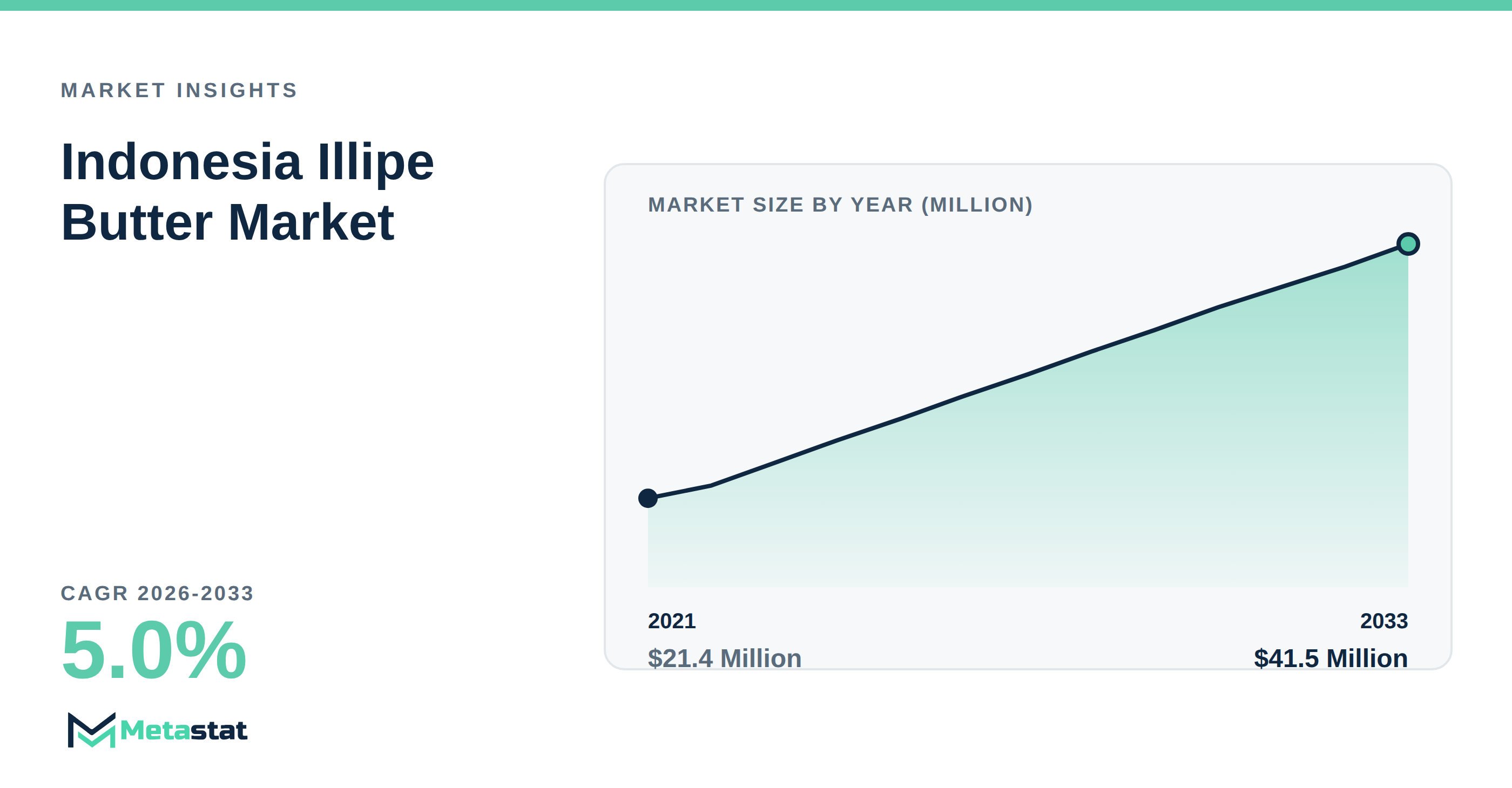
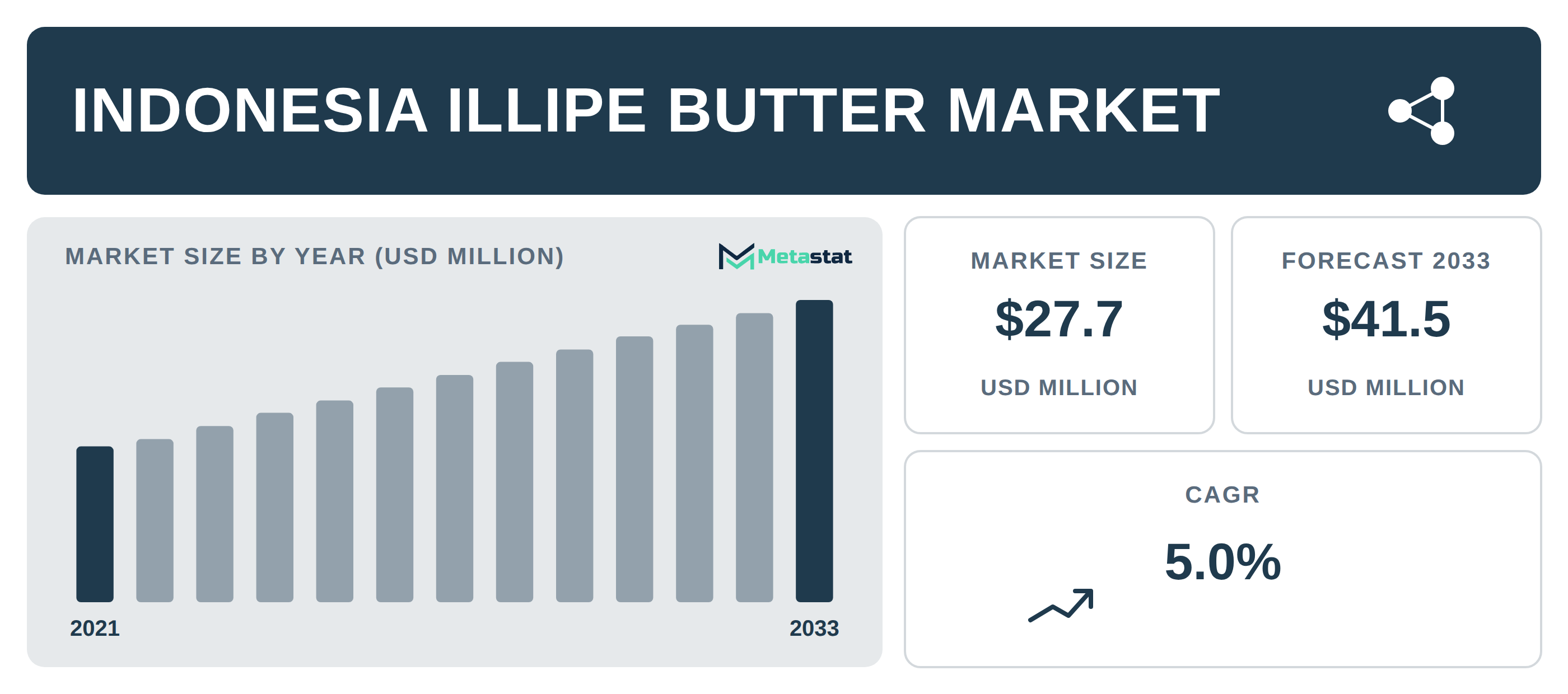
The market for Indonesia Illipe Butter is experiencing significant changes driven by evolving consumer behaviors and industry dynamics. Understanding these Indonesia Illipe Butter trends is essential for stakeholders aiming to navigate this changing landscape effectively. The following points highlight key drivers reshaping the market and their implications for buyers and suppliers. The full figures are in our Indonesia Illipe Butter market size and forecast report.
1. Growing Demand for Organic Ingredients
An increasing number of consumers are prioritizing health and wellness, leading to a surge in the demand for organic ingredients. This trend is particularly pronounced in personal care products, where buyers seek natural components. Suppliers are responding by enhancing their offerings, ensuring that organic illipe butter meets quality expectations. This competitive landscape benefits consumers, who gain access to a wider array of product choices that reflect eco-friendly practices.
2. Significance of Sourcing Traceability
Traceability plays a vital role in the sourcing of illipe butter, especially as consumer awareness of sustainability rises. Manufacturers are investing in robust traceability systems to guarantee the ethical harvesting of illipe nuts, particularly from wild sources in Indonesia. Strengthening traceability not only builds consumer trust but creates opportunities for premium pricing. Companies adopting advanced tracking technologies, including blockchain, enhance their market position by appealing to environmentally aware consumers.
3. Clean-Label Cosmetics Propel Premium Demand
There is a notable increase in consumer interest in clean-label cosmetics, resulting in a demand for transparency regarding ingredient sourcing and production techniques. This trend is driving manufacturers to choose ethically sourced components like cold-pressed Shorea stenoptera seed butter. Growth in the cosmetics and personal care segment reflects this shift, with manufacturers benefiting from elevating brand image and supporting premium pricing structures aligned with consumer values.
4. Technological Innovations in Processing
Recent advancements in processing techniques are influencing the production of illipe butter, resulting in improved quality and yields. Enhanced extraction protocols ensure maximum oil recovery while retaining essential nutritional elements. These innovations provide suppliers with opportunities to maintain competitive pricing while adhering to strict quality standards. Producers that invest in these technologies successfully attract buyers interested in high-quality, responsibly sourced ingredients.
5. Pricing Pressures Impacting Smaller Enterprises
Pricing pressures in the market for Indonesia Illipe Butter pose challenges for smaller businesses, particularly in the cosmetics and personal care domains. Higher sourcing costs for organic ingredients compel these companies to place smaller orders and delay product launches. This dynamic creates a friction point between preserving product quality and managing budget constraints, leading several buyers to seek lower-cost alternatives and affecting the overall demand for illipe butter.
6. The Rise of Alternative Ingredients
While demand for illipe butter rises, several manufacturers are exploring alternative fat sources to enhance their product formulations. Ingredients that substitute cocoa butter in food products are being examined for their functional benefits. This trend presents both challenges and opportunities for traditional suppliers, as they face competition from these alternative ingredients. Understanding market dynamics around substitutes help businesses strategize effectively and maintain market relevance.
The trends shaping the demand for Indonesia Illipe Butter include the growing emphasis on organic ingredients, the importance of sourcing transparency, the rise of clean-label cosmetics, technological advancements in production, the pressures faced by smaller enterprises, and the exploration of alternative ingredients. Stakeholders who adapt to these shifts will be better positioned to compete and thrive in this evolving landscape.
Tags
About the Authors

LEAD ANALYST
Utkarsh Khirodkar is a Lead Market Research Analyst at MetaStat Insight, specializing in market intelligence, technology sector assessments, and competitive strategy.

LEAD PRINCIPAL ANALYST, PHARMA AND HEALTHCARE
Food and Beverages · Healthcare · Healthcare IT · Medical Devices
Ajay Devgire is the Lead Healthcare Analyst at MetaStat Insight, leading strategic research and market intelligence initiatives across the global healthcare domain.

SENIOR RESEARCH ANALYST
Biotechnology · Food and Beverages · Medical Devices · Packaging
Snehal Pasalkar is a Research Analyst at MetaStat Insight, operating at the intersection of life sciences research, competitive strategy, and market intelligence.