
Explore essential questions that buyers should ask suppliers of Wearable Medical Devices to ensure informed purchasing decisions.
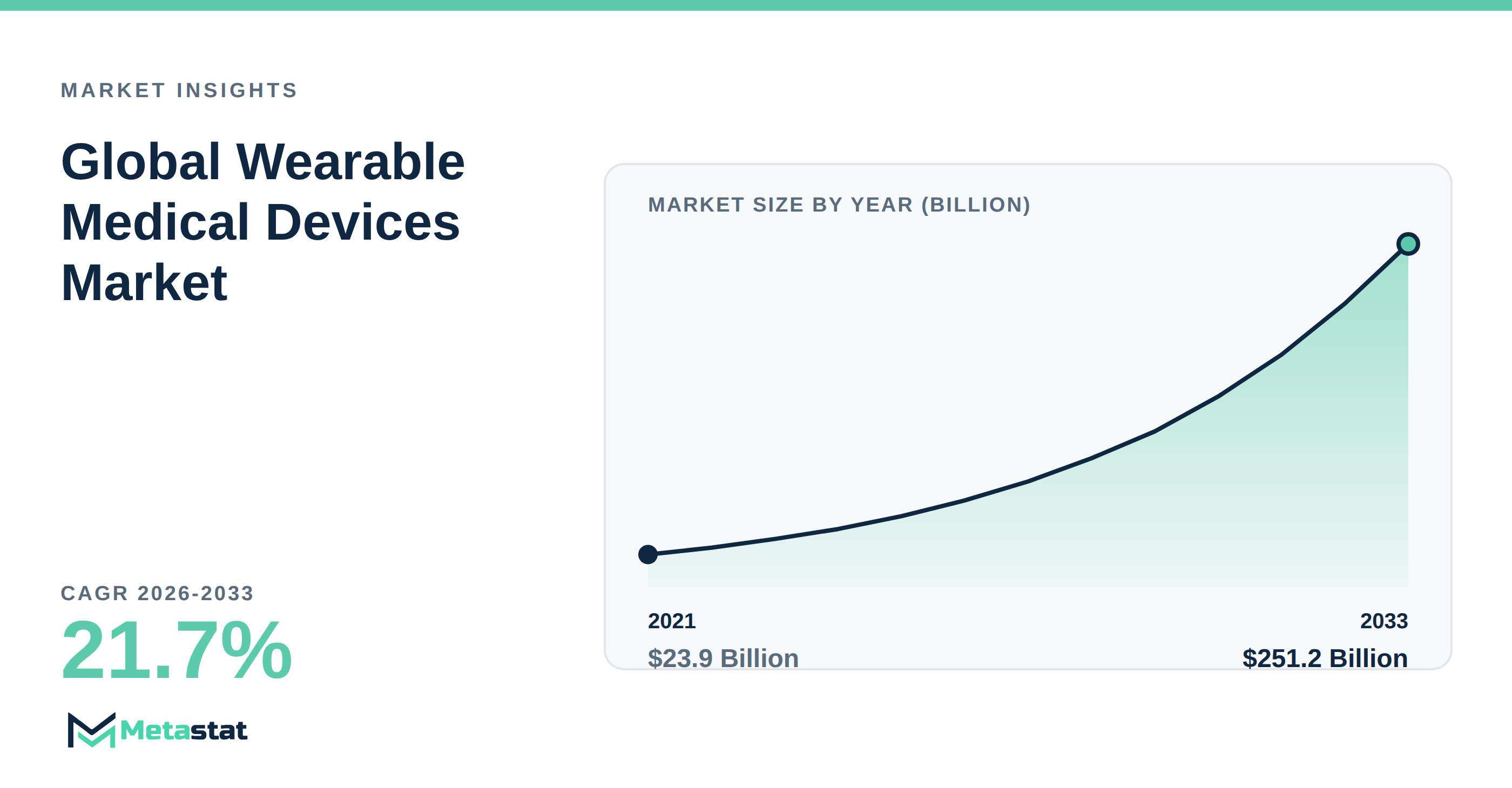
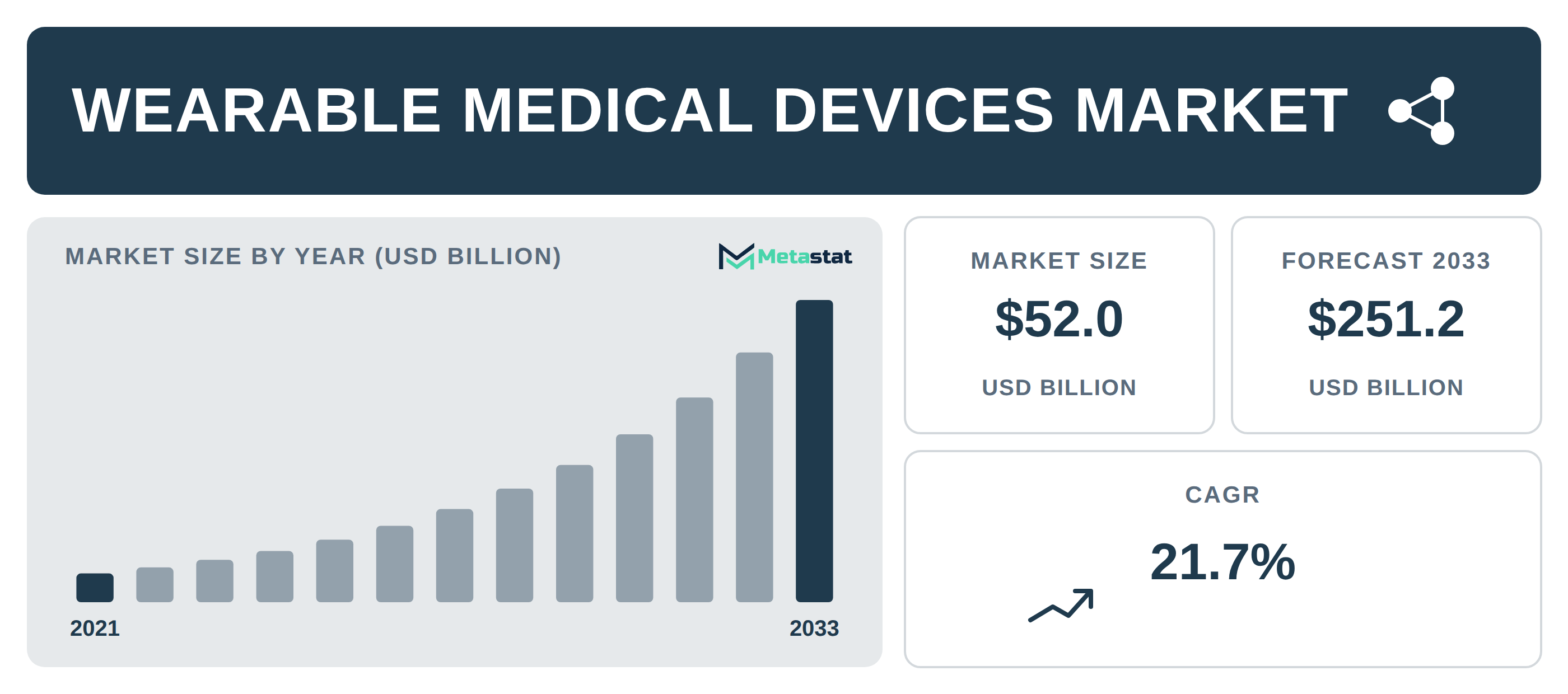
The demand for Wearable Medical Devices is rapidly increasing as individuals and healthcare providers seek innovative solutions to monitor health and manage chronic conditions. Buyers ask the right questions when engaging with suppliers to ensure they acquire the most suitable devices for their needs. Are seven critical questions that guide buyers in making informed decisions. The full figures are in our Wearable Medical Devices market size and forecast report.
1. What are the key functionalities of your devices?
Understanding the specific capabilities of wearable medical devices offered by suppliers is essential. Critical functionalities include real-time monitoring of vital signs, integration with mobile applications, and compatibility with health management systems. Suppliers focusing on diagnostic and monitoring devices, including Abbott Laboratories and Dexcom, emphasize the accuracy and reliability of their products. Grasping these features is vital for buyers aiming to enhance patient outcomes and streamline health management processes.
2. How do you ensure data accuracy and compliance with regulations?
Data accuracy is crucial for wearable devices, particularly those used in clinical settings. Buyers should inquire about suppliers' adherence to regulatory standards, including FDA guidelines, and the methodologies employed to validate their devices. Clinical-grade devices, projected to achieve a market value of USD 74.7 billion by 2033, often meet stricter regulations compared to consumer-grade devices. This distinction is paramount for buyers who seek reliable data for diagnostic and monitoring purposes.
3. What support and training do you provide for users?
Evaluating the level of support and training suppliers offer is critical for successful device implementation. Buyers should consider whether the supplier provides comprehensive user training, ongoing technical support, and troubleshooting resources, which significantly impacts the device's operational efficiency. As healthcare facilities increasingly adopt wearable medical devices, supplier support becomes essential for optimizing health management and enhancing patient care.
4. Can your devices integrate with existing healthcare systems?
Integration capabilities are vital for buyers seeking to streamline operations and enhance workflow efficiency. Suppliers should clarify how their devices connect with existing electronic health records (EHR) and telemedicine platforms. Devices that facilitate efficient data exchange help healthcare providers manage patient information effectively, ultimately leading to improved treatment plans and patient outcomes. Companies like GE HealthCare Technologies Inc. often highlight their devices' compatibility with various healthcare infrastructures.
5. What are your pricing models and contract options?
Understanding pricing is critical for buyers concerned about budget constraints. Suppliers should outline their pricing structure, including any upfront costs, subscription fees, and maintenance expenses. Flexible contract options, including rental agreements or purchasing plans, provide buyers with financial flexibility and access to the latest technologies. This flexibility is particularly important for healthcare providers who face budget limitations when investing in new wearable medical devices.
6. How do you address product innovation and advancements in technology?
Buyers should prioritize suppliers demonstrating a commitment to research and development, ensuring their devices incorporate the latest technological advancements. In a rapidly expanding market, with diagnostic and monitoring devices anticipated to reach USD 166.5 billion by 2033, innovation remains a key driver. Suppliers focusing on continuous improvement offer buyers enhanced functionalities, significantly increasing their devices' value in health monitoring.
7. What is your approach to customer feedback and product improvement?
Supplier responsiveness to customer feedback significantly influences product quality and user satisfaction. Buyers should inquire about processes suppliers have in place for gathering and implementing user feedback. Suppliers who actively seek customer input and are willing to enhance products based on that feedback demonstrate a commitment to delivering high-quality devices. This approach fosters better long-term partnerships between buyers and suppliers.
Engaging suppliers with these critical questions enables buyers to make informed choices, ultimately optimizing health monitoring and management capabilities. The increasing demand for innovative wearable medical devices highlights the necessity of evaluating suppliers thoughtfully to achieve sustained improvements in patient care.
Tags
About the Authors

LEAD ANALYST
Utkarsh Khirodkar is a Lead Market Research Analyst at MetaStat Insight, specializing in market intelligence, technology sector assessments, and competitive strategy.

LEAD PRINCIPAL ANALYST, PHARMA AND HEALTHCARE
Food and Beverages · Healthcare · Healthcare IT · Medical Devices
Ajay Devgire is the Lead Healthcare Analyst at MetaStat Insight, leading strategic research and market intelligence initiatives across the global healthcare domain.

SENIOR RESEARCH ANALYST
Biotechnology · Food and Beverages · Medical Devices · Packaging
Snehal Pasalkar is a Research Analyst at MetaStat Insight, operating at the intersection of life sciences research, competitive strategy, and market intelligence.