
As the Vehicle-To-Grid (V2G) sector expands, buyers should ask suppliers crucial questions to ensure informed decisions.
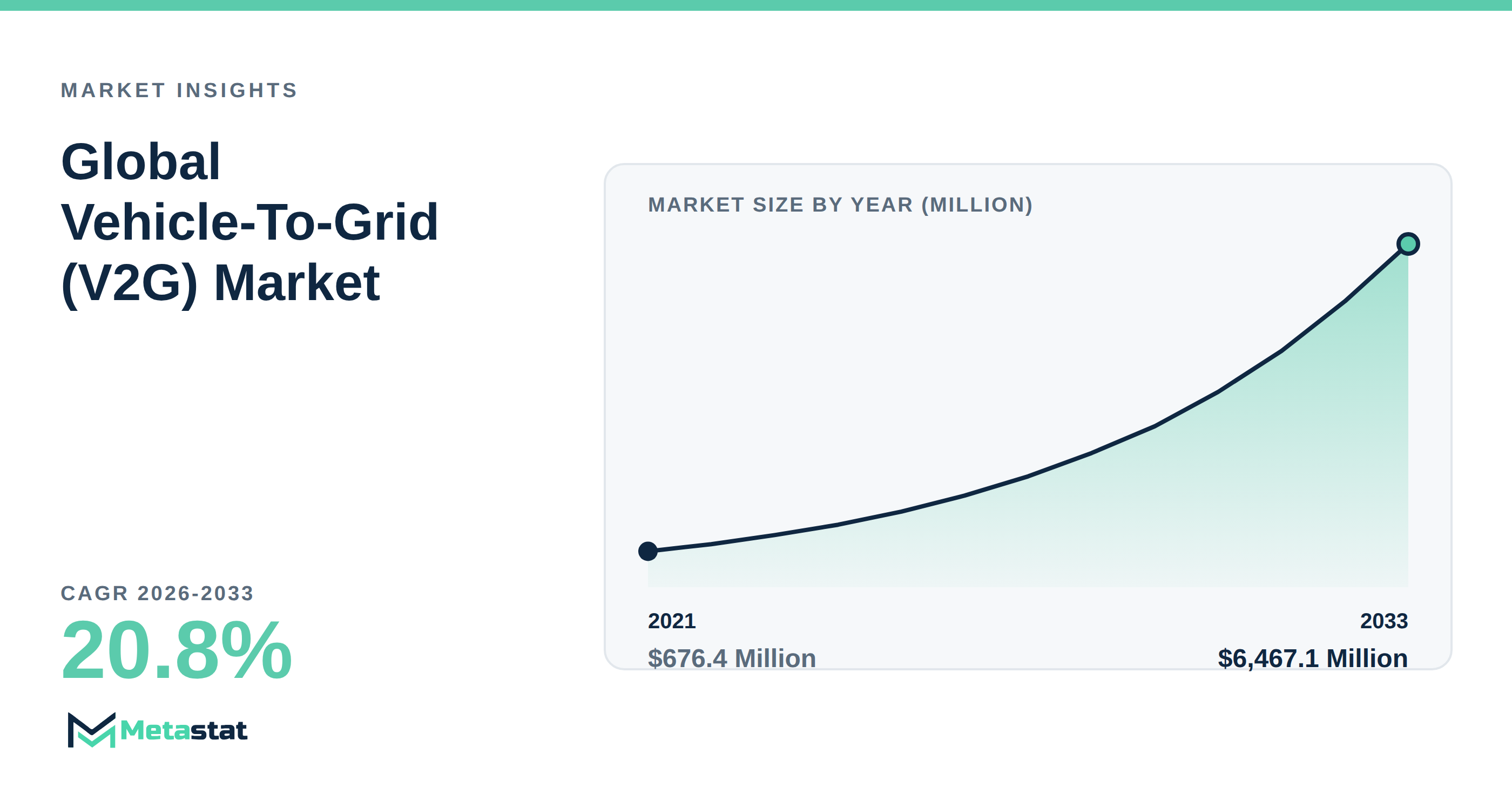
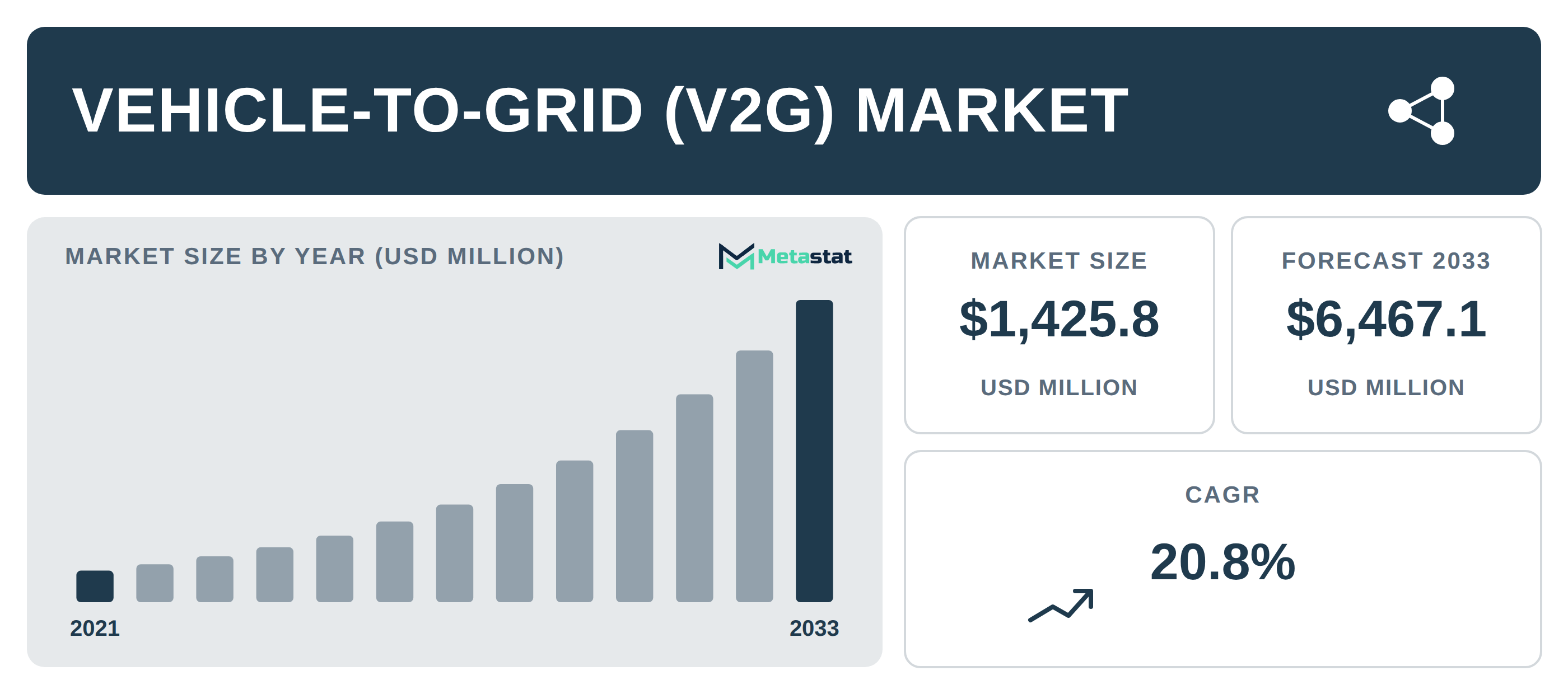
While the adoption of Vehicle-To-Grid (V2G) technologies accelerates, buyers in the energy sector seek reliable suppliers to enhance energy management and optimize grid performance. Understanding the critical aspects of these technologies significantly impacts operational efficiencies and cost savings. Below are essential questions that buyers should ask potential Vehicle-To-Grid (V2G) suppliers to ensure they make informed decisions. For a comprehensive overview, refer to the Vehicle-To-Grid (V2G) market size and forecast report.
1. What bidirectional charging solutions do you offer?
Bidirectional EV charging technology allows electric vehicles to act as energy storage units, enhancing grid flexibility. Suppliers should detail their bidirectional charging equipment, including specifications and compliance with industry standards. Understanding the technology's functionalities helps buyers gauge its suitability for their specific energy management needs. Insights into ongoing advancements and capabilities for integrating renewable sources will be crucial for buyers seeking long-term solutions.
2. How do you support energy management optimization?
Effective energy management systems are key to V2G technology. Buyers should inquire about the supplier's V2G energy management software and its features, including real-time monitoring and analytics capabilities. This software is essential for maximizing energy efficiency, allowing users to monitor energy flows and optimize demand response strategies. Suppliers should provide details on how their solutions integrate with existing grid systems to enhance operational performance and support renewable energy sources.
3. Can you explain your pricing model?
Understanding the pricing structure is essential for buyers to assess the financial viability of adopting V2G solutions. Suppliers should clarify whether they employ a subscription model, pay-per-use, or a combination of both for their services. This transparency allows buyers to estimate costs based on their anticipated energy usage patterns. Flexible contract terms are crucial to accommodate the dynamic nature of energy consumption and production.
4. What measures are taken to ensure grid stability?
Grid stability is a primary concern for utility companies and energy stakeholders. Buyers should ask suppliers about their approaches to ensuring grid stability through V2G technology. This includes methods for managing energy flows during peak demand periods and strategies for integrating renewable energy sources. Demonstrable capabilities in frequency regulation and ancillary services will reflect a supplier's commitment to enhancing grid resilience.
5. What experience do you have with regulatory compliance?
Regulatory frameworks significantly influence the adoption of V2G technologies. Buyers should inquire about the supplier's experience navigating compliance requirements and their engagement in supportive policies. A supplier's understanding of local regulations and initiatives aimed at promoting clean energy will be crucial for effectively implementing V2G solutions. Suppliers who actively participate in regulatory discussions demonstrate their commitment to supporting long-term sustainability goals.
6. How do you address infrastructure gaps?
Infrastructure availability plays a significant role in the successful deployment of V2G technologies. Buyers should discuss with suppliers how they plan to address existing infrastructure gaps that limit the widespread adoption of bidirectional charging solutions. Information on partnerships with infrastructure developers and commitment to enhancing charging networks will provide insights into the supplier's capacity to facilitate access to V2G solutions.
7. What advancements are on the horizon for your V2G solutions?
Continuous innovation is essential for the evolution of Vehicle-To-Grid (V2G) technologies. Buyers should inquire about upcoming product developments and technological advancements that suppliers are pursuing. This information will help buyers evaluate the supplier's commitment to enhancing their offerings and staying competitive in a rapidly changing energy sector. Advanced solutions that integrate smart technologies and digital capabilities will be crucial for maximizing the value of V2G investments.
These questions guide buyers in assessing Vehicle-To-Grid (V2G) suppliers effectively. By addressing these critical points, buyers confidently invest in technologies that enhance energy management, support renewable energy integration, and ensure grid stability.
Tags
About the Authors

LEAD ANALYST
Utkarsh Khirodkar is a Lead Market Research Analyst at MetaStat Insight, specializing in market intelligence, technology sector assessments, and competitive strategy.

ENERGY & INFRASTRUCTURE INDUSTRY CONSULTANT
Automotive and Transportation · Electronics and Semiconductor · Energy and Power · Machinery & Equipment
Saurabh Vasant Ganvir consults for Energy & Infrastructure Industry at MetaStat Insight, specializing in renewable energy, solar EPC, and electric vehicle (EV) infrastructure markets.