
Explore the competitive landscape of the LTE and 5G Broadcast sector, highlighting key players, their strategies, and market dynamics.
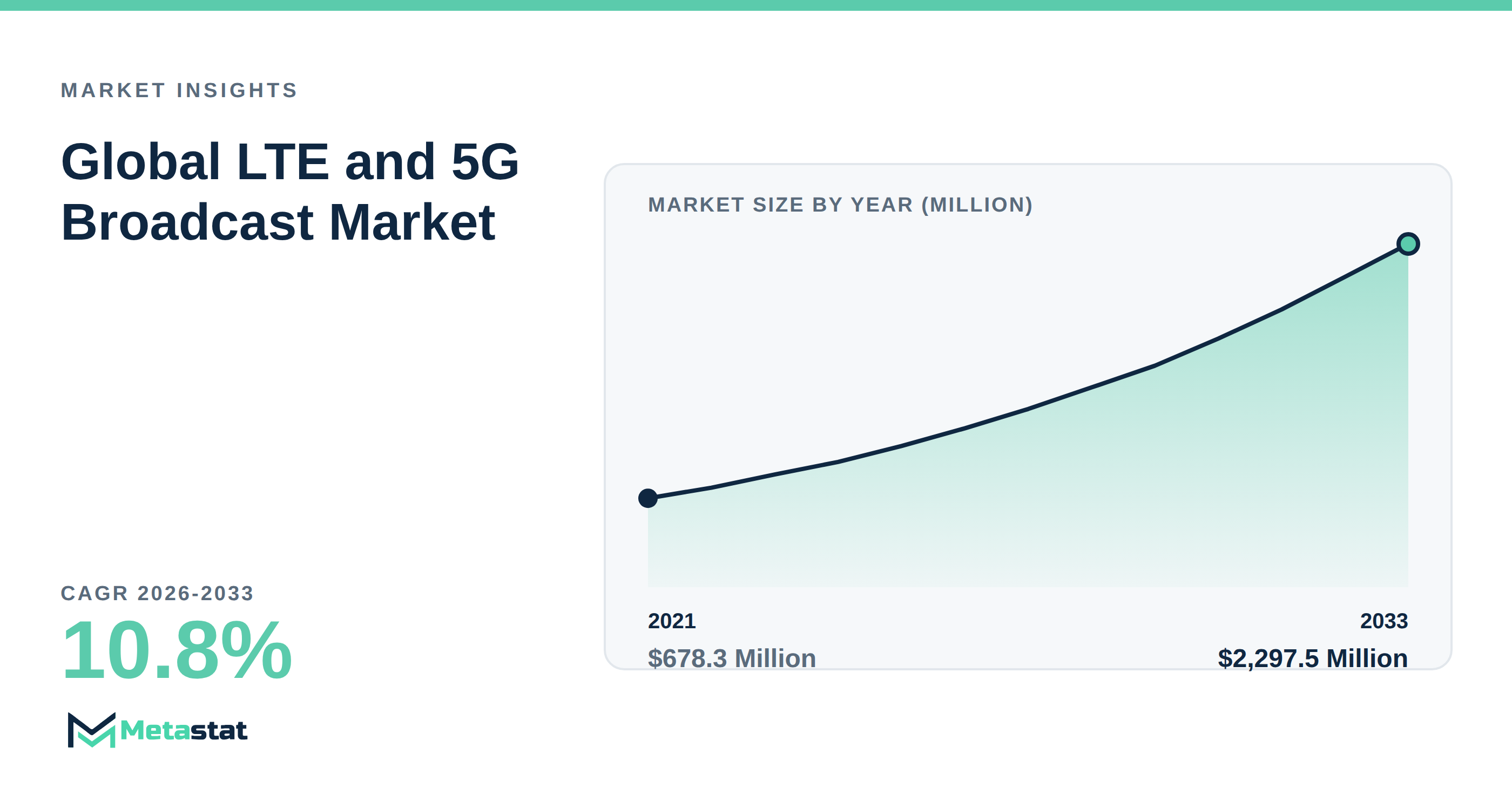
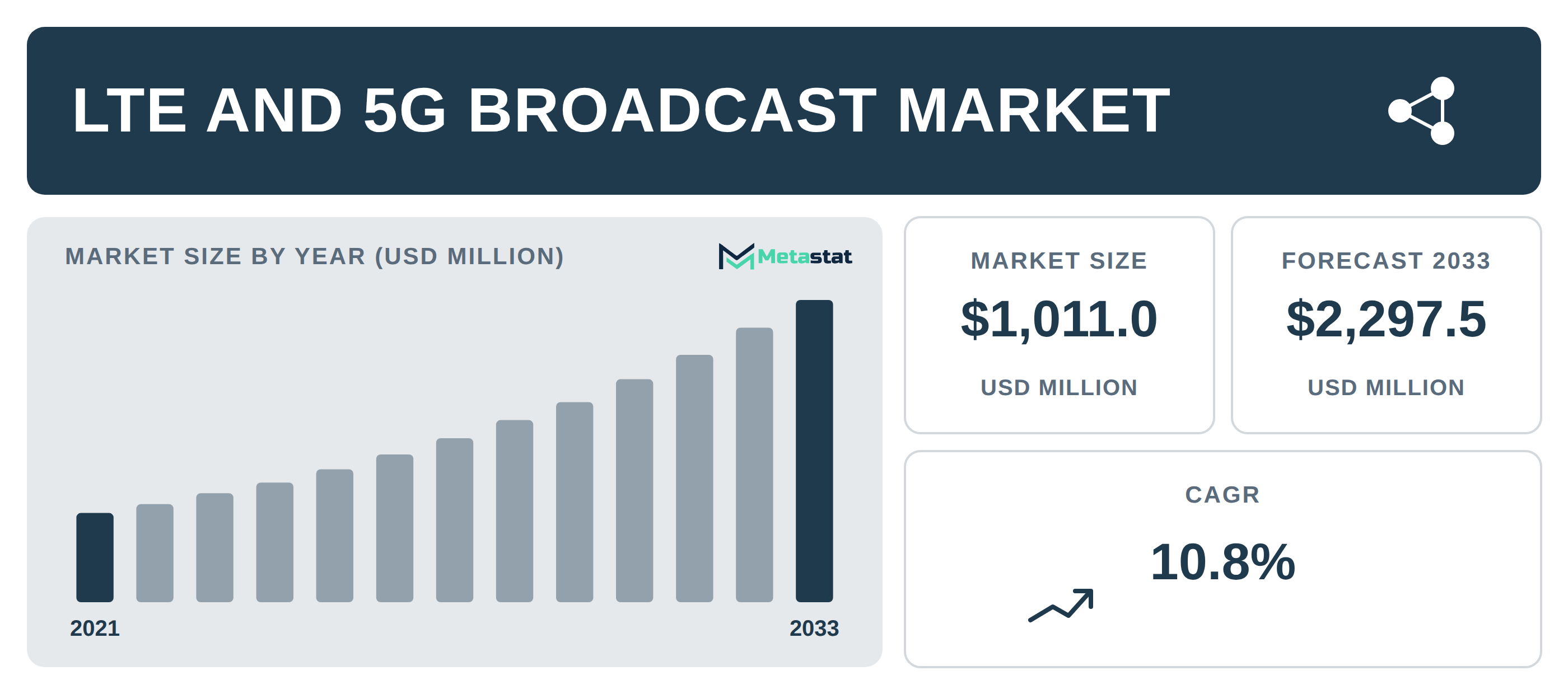
The competitive picture of the LTE and 5G Broadcast sector is constantly shifting, with numerous companies striving for leadership. Understanding these dynamics provides valuable insights into how different players position themselves for success in this growing market. Are key factors defining the competitive landscape. The full figures are in our LTE and 5G Broadcast market size and forecast report.
1. Major players leverage advanced infrastructure
Companies including Huawei Technologies Co., Ltd. and Ericsson AB capitalize on their advanced infrastructure capabilities to deliver superior broadcasting solutions. Their investments in innovative technology enable them to meet the increasing demands for high-quality multimedia content delivery. This commitment enhances their market position, giving them a competitive advantage in securing partnerships with mobile network operators and content providers.
2. Focus on hybrid solutions drives innovation
The shift towards hybrid broadcasting solutions, integrating LTE and 5G technologies, is a strategic focus for firms including Nokia Corporation and ZTE Corporation. By offering services that combine the strengths of both technologies, these companies enhance content delivery efficiency, capturing a significant share of the growing demand for multimedia experiences. The ability to address diverse customer needs supports sustained growth and market relevance.
3. Emphasis on public safety communications
Organizations like Verizon Communications Inc. and NEC Corporation prioritize investments in public safety and emergency communications. This focus positions them advantageously as governments and agencies seek reliable broadcasting solutions for critical information dissemination. The increasing frequency of natural disasters drives demand for robust communication systems, allowing these companies to strengthen their market foothold.
4. 5G multicast services are gaining traction
The growth of 5G multicast services represents a significant opportunity for companies including Qualcomm Incorporated and Samsung Electronics Co., Ltd.. With projected revenue reaching USD 708.8 million by 2033, these firms are investing in high-quality multimedia content delivery systems. By catering to the rising consumer preference for real-time content, they position themselves effectively for future success in this sector.
5. Enhanced viewer engagement shapes competition
Companies like Haivision Systems Inc. and LiveU Ltd. are focusing on technologies that enhance viewer engagement through interactive media experiences. By integrating augmented reality and immersive content delivery, these players differentiate their offerings. This strategic positioning supports their appeal to broadcasters and content creators seeking innovative solutions to effectively engage audiences.
6. Pricing strategies adapt to market requirements
As competition intensifies, companies in this field are revising their pricing strategies. Players like Harmonic Inc. and TVU Networks Corporation adopt tiered pricing models to cater to variable user demands while maintaining cost predictability for mobile network operators. This adaptability ensures sustained partnerships and enhances customer loyalty, strengthening their position in the sector.
7. The role of infrastructure investments
Investment in infrastructure remains critical for companies including GatesAir, Inc. and Rohde & Schwarz GmbH & Co. KG. These firms are focusing on enhancing their infrastructure to support the increasing data demands associated with LTE and 5G broadcasting. Their commitment to upgrading existing systems enables them to maintain operational efficiency and ensure competitiveness in a fast-changing environment.
Overall, the competitive landscape for LTE and 5G Broadcast reflects the dynamic relationship between technology advancements and strategic investments. Companies that effectively leverage these insights differentiate themselves and capture growth opportunities in this sector.
Tags
About the Authors

LEAD ANALYST
Utkarsh Khirodkar is a Lead Market Research Analyst at MetaStat Insight, specializing in market intelligence, technology sector assessments, and competitive strategy.

PRINCIPAL CONSULTANT - ENTERPRISE AI & EMERGING TECHNOLOGIES
Banking & Finance · Electronics and Semiconductor · Energy and Power · Healthcare IT · Information & Technology · Professional Services
Vijay Gunti is a Principal Consultant at MetaStat Insight, bringing over two decades of experience across enterprise digital transformation, technology strategy, and intelligent systems.

LEAD CONSULTANT - COMMUNICATION, TELECOM, AND IT
Electronics and Semiconductor · Information & Technology · Machinery & Equipment · Professional Services
Ravindra Sathe Consultants for Communication, Telecom, and IT at MetaStat Insight. He leads the firm's industry research initiatives across telecommunications infrastructure, digital connectivity, enterprise networking, and emerging information technology domains.