
Explore the strategic positions of key players in the Smart Transportation market, highlighting their focus on innovation, safety, and urban mobility solutions.
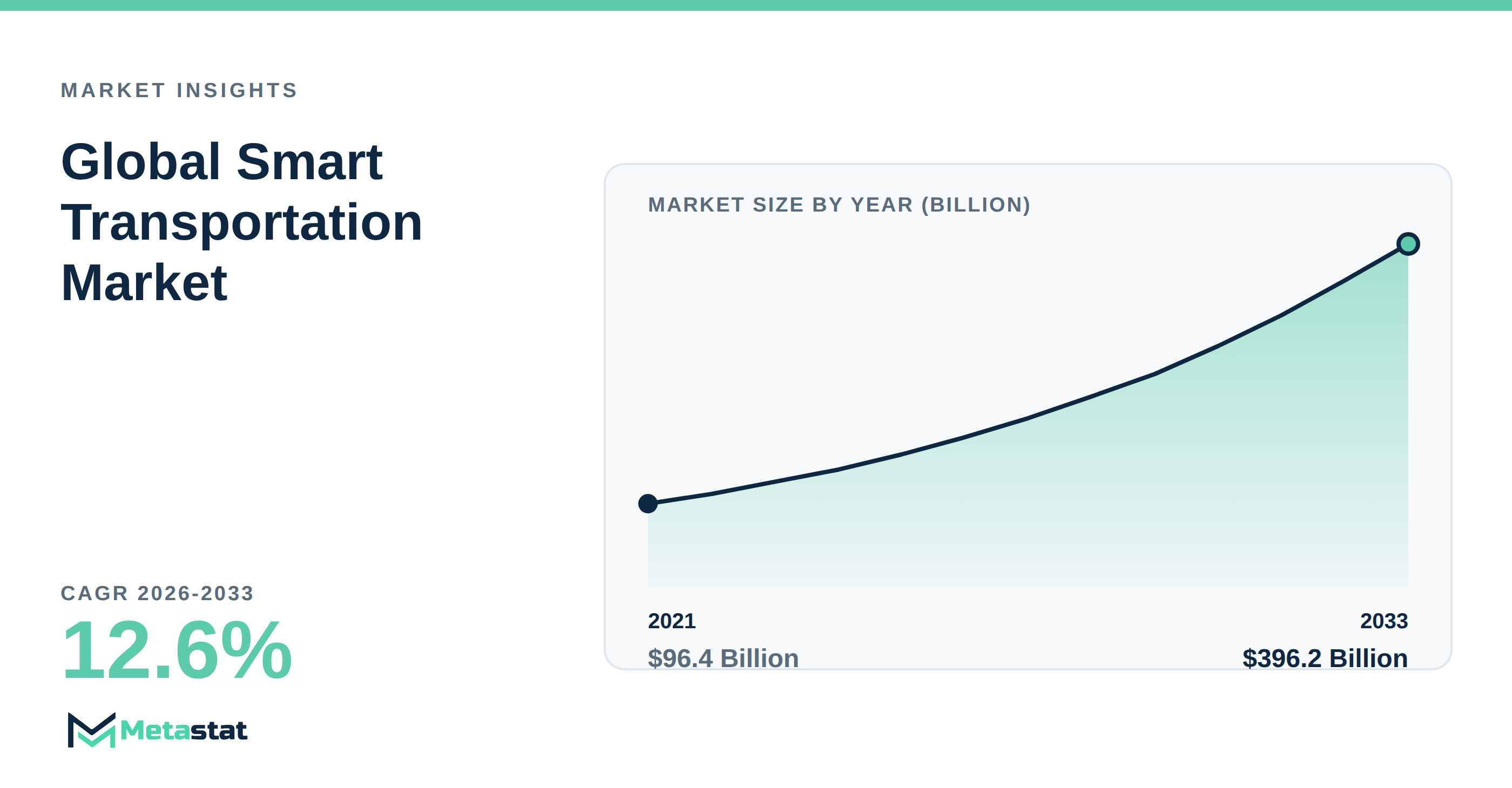
The Smart Transportation market is experiencing significant change, defined by a variety of players with distinct strategic positions. Understanding these positions provides insights for stakeholders aiming to navigate this expanding landscape effectively.
1. Siemens AG focuses on integrated solutions for urban mobility
Siemens AG positions itself strongly in the Smart Transportation market by offering a wide range of integrated solutions that enhance urban mobility. Their emphasis on comprehensive systems, particularly in Advanced Traffic Management Systems (ATMS), allows clients to streamline traffic management and alleviate congestion. This approach aligns with the growing demands of urbanization while addressing the rising need for sustainable transport solutions. Siemens’ commitment to continuous research and development boosts its capabilities, reinforcing its competitive advantage within an increasingly crowded marketplace.
2. Thales Group emphasizes safety and security technologies
Thales Group utilizes its expertise in safety and security to establish a significant niche within the Smart Transportation market. Their innovative solutions, notably in Public Transport and Ticketing systems, assist municipalities in enhancing operational efficiency while ensuring passenger safety. By prioritizing adherence to rigorous regulatory standards, Thales builds trust with clients, positioning itself because a dependable partner for public transport authorities investing in advanced transportation systems.
3. IBM Corporation champions AI-driven analytics
IBM Corporation drives its competitive strategy through the incorporation of artificial intelligence and advanced analytics into Smart Transportation offerings. By emphasizing data-driven decision-making, IBM empowers clients to enhance operational efficiency and optimize resource allocation. The firm’s strong capabilities in machine learning and IoT support the development of smart traffic management systems, establishing IBM because a leading player in the future of urban mobility and infrastructure management.
4. Garmin Ltd enhances traveler experience with user-friendly navigation
Garmin Ltd prioritizes user experience by developing innovative navigation solutions within the Smart Transportation sector. Their Advanced Traveler Information Systems (ATIS) are designed to deliver real-time information to travelers, improving journey planning and operational efficiency. By focusing on mobile technology and connectivity, Garmin addresses the evolving expectations of consumers, strengthening its market position because a leader in user-friendly transportation solutions.
5. NoTraffic integrates AI for optimized traffic management
NoTraffic stands out in the Smart Transportation landscape with its advanced traffic management solutions that leverage artificial intelligence. By incorporating IoT connectivity, NoTraffic enhances traffic signal control and improves overall traffic flow in urban settings. Their commitment to sustainability and minimizing congestion meets the critical needs of modern cities, providing a competitive edge for municipalities striving for smarter, greener solutions.
6. Cubic Corporation drives innovation in payment systems
Cubic Corporation takes advantage of the increasing demand for efficient payment systems within the Smart Transportation sector. Their Advanced Transportation Pricing Systems (ATPS) streamline fare collection processes while delivering valuable data insights for transportation agencies. By focusing on innovative pricing strategies, Cubic positions itself to assist cities in managing traffic congestion effectively while enhancing user satisfaction through efficient payment experiences.
7. Mobileye integrates autonomous innovations for enhanced safety
Mobileye leads in the realm of autonomous vehicle technology, making considerable advancements in the Smart Transportation market. Their focus on integrating vehicle-to-everything (V2X) communication creates a safer driving environment by enabling real-time data exchange between vehicles and infrastructure. By prioritizing advancements in road safety and autonomous solutions, Mobileye enhances safety and influences regulatory frameworks surrounding smart transportation initiatives.
Collectively, understanding the competitive dynamics of the Smart Transportation market showcases how various players implement tailored strategies to address emerging challenges and opportunities. Each company's focus on innovation, regulatory compliance, and user experience contributes to the overall growth trajectory of the market.
The full analysis is in Global Smart Transportation Market.
Tags
About the Authors

LEAD ANALYST
Utkarsh Khirodkar is a Lead Market Research Analyst at MetaStat Insight, specializing in market intelligence, technology sector assessments, and competitive strategy.

ENERGY & INFRASTRUCTURE INDUSTRY CONSULTANT
Automotive and Transportation · Electronics and Semiconductor · Energy and Power · Machinery & Equipment
Saurabh Vasant Ganvir consults for Energy & Infrastructure Industry at MetaStat Insight, specializing in renewable energy, solar EPC, and electric vehicle (EV) infrastructure markets.