
Explore the seven critical factors impacting costs in the Non-Alcoholic Beverages market, including consumer trends, regulatory challenges, and raw material prices.
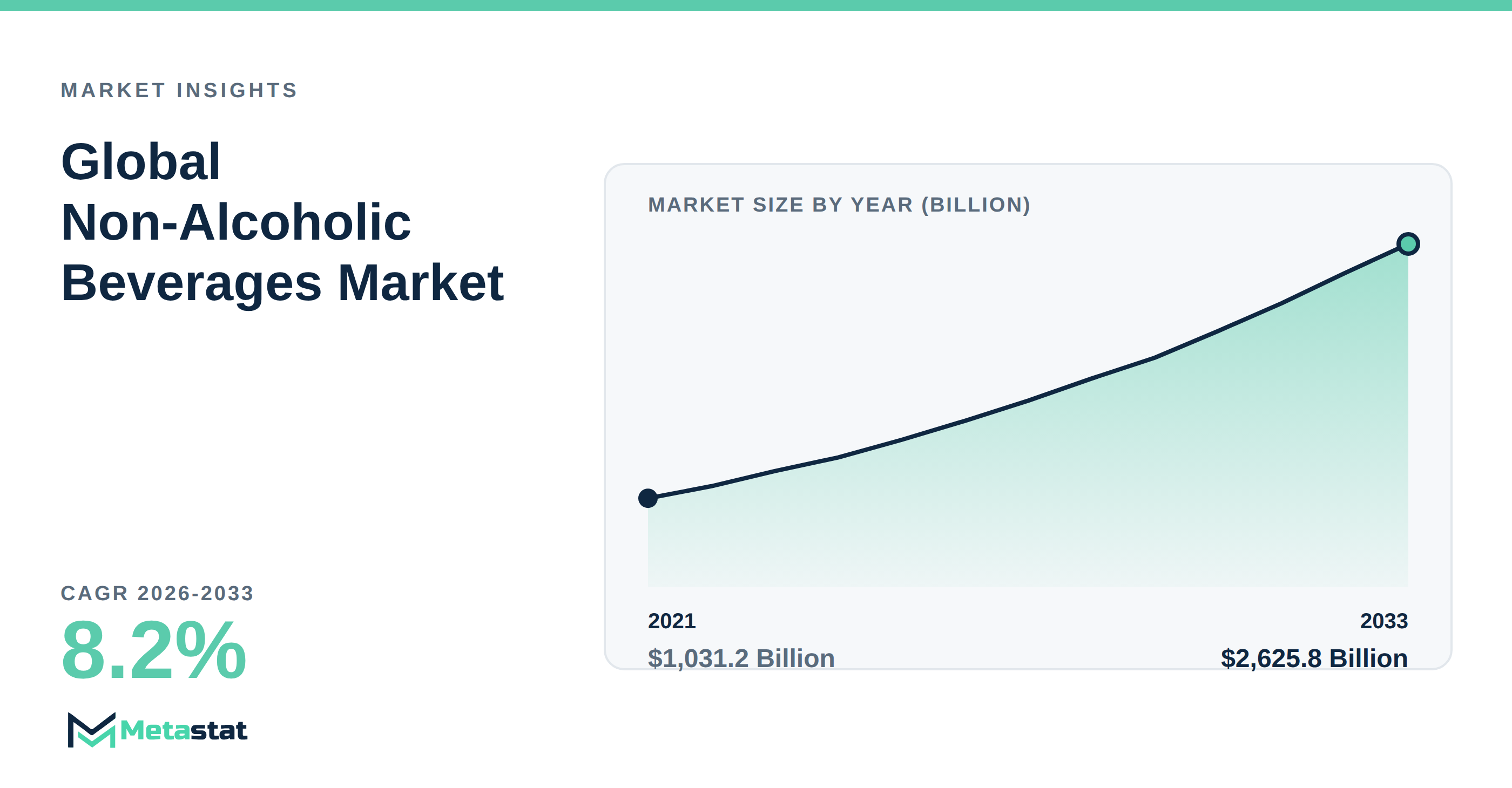
The Non-Alcoholic Beverages market is experiencing substantial growth, with a projected valuation of USD 2,625.8 billion by 2033. This robust expansion is fueled by changing consumer preferences and evolving market dynamics, but it comes with challenges related to pricing and costs. Below are seven key factors that influence costs within the Non-Alcoholic Beverages market.
1. Consumer Demand for Healthier Options
Increased health consciousness significantly drives demand for low-sugar and functional beverages. Consumers actively seek products rich in vitamins, minerals, and probiotics, influencing production costs. This shift encourages manufacturers to invest in innovation, creating healthier formulations, which increases operational expenses but ultimately enhances brand loyalty. Companies that effectively manage these costs while offering desirable products are better positioned to capture market share.
2. Regulatory Compliance Challenges
Growing regulatory scrutiny on health and safety standards impacts production costs profoundly. Compliance requires investments in quality control and adjustments in labeling practices, placing a heavier burden on smaller manufacturers compared to larger firms. The resulting increased operational costs lead to higher prices for consumers, ultimately affecting demand. Firms that prioritize adherence to regulations while streamlining costs find a competitive edge.
3. Fluctuating Raw Material Prices
Raw material costs play a critical role in the Non-Alcoholic Beverages market. Ingredients including sugar, fruits, and natural flavorings experience price volatility driven by various factors, including climate change and supply chain disturbances. Manufacturers strategically manage these costs, with rising ingredient prices compressing profit margins. Firms with diverse sourcing strategies exhibit greater resilience against these market pressures.
4. Infrastructure Development and Investment
Investment in infrastructure significantly enhances production capabilities and distribution networks, impacting overall costs. Upgrading facilities and modernizing equipment necessitates substantial capital expenditures. However, these investments lead to increased efficiency and reduced operational costs in the long run. Companies that embrace technological advancements are positioned to respond quickly to market demand, strengthening their competitive stance.
5. Emerging Technologies in Production
Technological advancements in production processes enable manufacturers to diversify offerings and improve efficiency. Innovations including automation and digital transformation reduce labor costs and enhance product quality. Although these technologies require upfront investments, the long-term advantages often outweigh initial expenses, allowing companies to maintain competitive pricing within the Non-Alcoholic Beverages market.
6. Supply Chain Logistics and Distribution
Effective supply chain logistics and distribution strategies play a vital role in managing costs within the Non-Alcoholic Beverages market. Efficient transportation networks ensure timely product delivery and availability, directly influencing customer satisfaction. Companies that invest in optimizing their distribution channels reduce delays and enhance product accessibility, ultimately supporting competitive pricing strategies and improving market reach.
7. Consumer Preferences for Convenience
The rising demand for convenience significantly shapes product development and pricing strategies in the Non-Alcoholic Beverages market. Busy lifestyles have driven consumers toward ready-to-drink (RTD) options, impacting production costs and pricing structures. Manufacturers that focus on creating convenient packaging formats and optimizing logistic capabilities are more likely to meet consumer demands while managing costs effectively.
Understanding the factors that influence costs in the Non-Alcoholic Beverages market is critical for companies aiming to optimize their pricing strategies. By navigating the complexities of consumer preferences, regulatory requirements, raw material sourcing, infrastructure investment, technological innovation, supply chain logistics, and consumer demand for convenience, companies enhance their operational efficiency and market positioning. For more detailed insights, visit the Global Non-Alcoholic Beverages Market.
Tags
About the Authors

LEAD ANALYST
Utkarsh Khirodkar is a Lead Market Research Analyst at MetaStat Insight, specializing in market intelligence, technology sector assessments, and competitive strategy.

LEAD PRINCIPAL ANALYST, PHARMA AND HEALTHCARE
Food and Beverages · Healthcare · Healthcare IT · Medical Devices
Ajay Devgire is the Lead Healthcare Analyst at MetaStat Insight, leading strategic research and market intelligence initiatives across the global healthcare domain.

SENIOR RESEARCH ANALYST
Biotechnology · Food and Beverages · Medical Devices · Packaging
Snehal Pasalkar is a Research Analyst at MetaStat Insight, operating at the intersection of life sciences research, competitive strategy, and market intelligence.