
LEAD ANALYST
Utkarsh Khirodkar is a Lead Market Research Analyst at MetaStat Insight, specializing in market intelligence, technology sector assessments, and competitive strategy.

Global Non-Alcoholic Beverages Market Size, Share, By Product Type (Carbonated Soft Drinks, Packaged Water, Juices, Nectars and Fruit Drinks, Tea, Coffee, Energy Drinks, Sports and Electrolyte Drinks, Dairy-Based Beverages, Plant-Based Beverages, Others (Malt Drinks, Kombucha, Functional Shots)), By Product Form (Ready-to-Drink (RTD), Brewable Dry Products, Instant and Powdered Mixes, Liquid Concentrates and Syrups, Frozen Concentrates, Freshly Prepared / Made-to-Order, Fountain and Dispensed Preparations), By Distribution Channel (Supermarkets and Hypermarkets, Convenience Stores, Traditional Grocery and Independent Retail, Specialty Beverage Stores, Foodservice / HoReCa, Third-Party E-commerce and Online Grocery, Direct-to-Consumer and Home Delivery, Vending, Institutional and Workplace Channels, Wholesale and Cash-and-Carry), Industry Analysis, Growth, Trends, and Forecast, 2026-2033
Report ID
MSI-5267
Published
September, 2026
Pages
277 Pages
Format
Historical
Base year
Forecast
Forecast period
Report Details
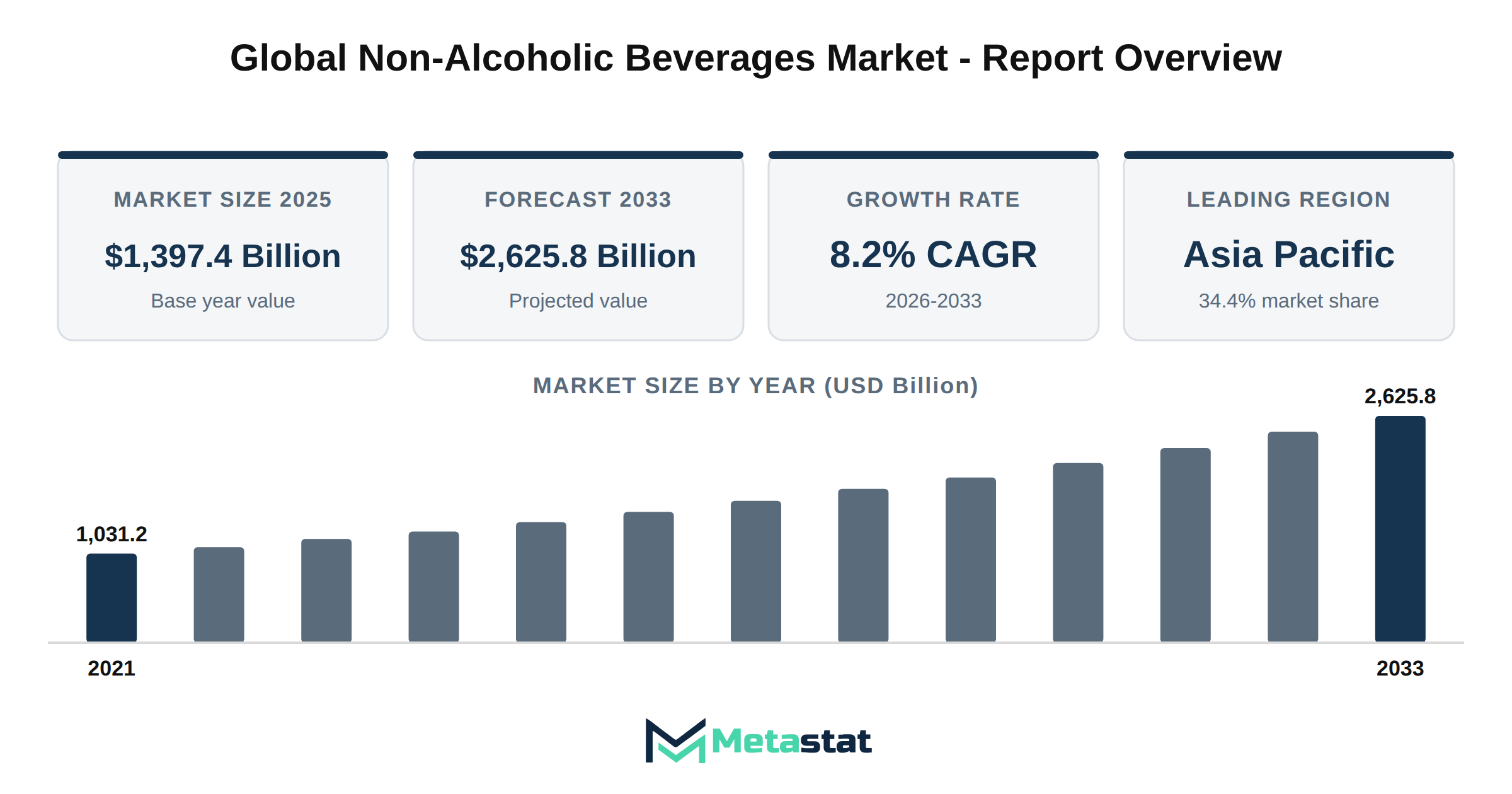
Market Valuation: Valued at $1,397.4 Billion in 2025, projected to reach $2,625.8 Billion by 2033 at a 8.2% CAGR.
Dominant Segment: The Carbonated Soft Drinks segment leads the market, valued at USD 357.4 billion in 2026, driven by strong consumer preference for refreshing qualities and diverse flavors.
Geographic Lead: The Packaged Water segment is projected to grow rapidly, reaching USD 485.8 billion by 2033, propelled by increasing health consciousness and urbanization.
What's Inside: The report provides a comprehensive analysis of the global Non-Alcoholic Beverages market, covering product types, forms, and distribution channels, along with insights into competitive dynamics and growth trends.
Emerging Trends: Technological innovations are enhancing product development and distribution efficiency, enabling brands to cater to evolving consumer preferences with new flavors and healthier options.
Investment Drivers: Investment in infrastructure development is crucial for enhancing production capabilities and distribution networks, facilitating market growth and innovation.
Choose Your License
Global Non-Alcoholic Beverages Market
The global Non-Alcoholic Beverages market was valued at USD 1,397.4 billion in 2025 and is projected to reach USD 2,625.8 billion by 2033, growing at a CAGR of 8.2% over the forecast period.
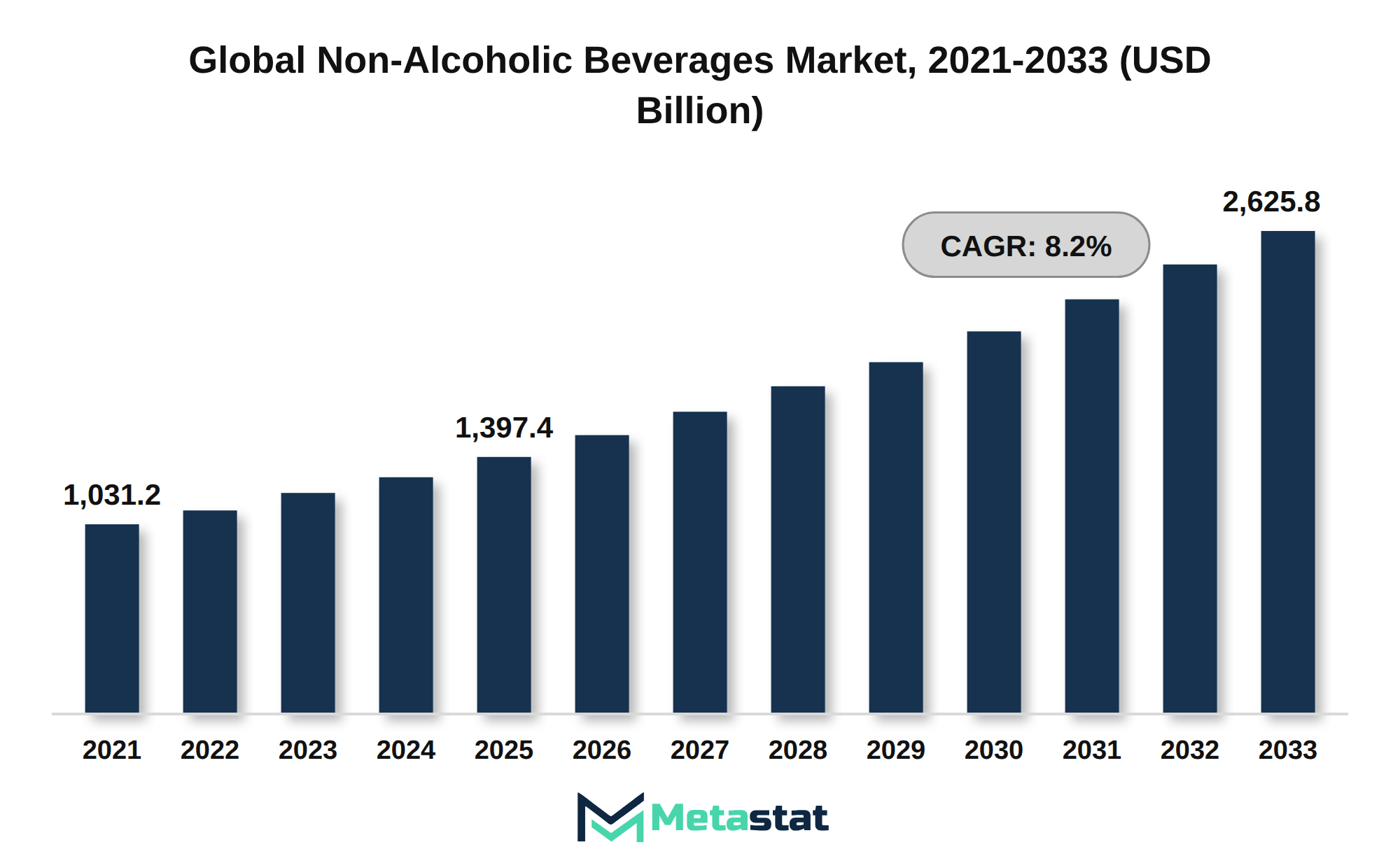
The Non-Alcoholic Beverages market reached a value of USD 1,397.4 billion in 2025 and is projected to grow significantly, reaching USD 2,625.8 billion by 2033, reflecting a compound annual growth rate (CAGR) of 8.2%. Historical data shows steady growth, starting from USD 1,031.2 billion in 2021 and increasing to USD 1,287.1 billion in 2024.
Key trends shape global demand for non-alcoholic beverages. Rising consumer preference for healthier and low-sugar beverage options influences product development strategies among major players. Functional and fortified beverages drive market growth, appealing to health-conscious consumers seeking enhanced nutritional benefits.
Ready-to-drink tea and coffee consumption trends gain traction, with consumers gravitating towards convenient, portable options. Energy and sports drinks expand beyond core consumer groups, attracting a wider audience interested in performance and hydration benefits. Premiumization trends across various beverage categories reflect consumer willingness to invest in higher-quality products.
Plant-based beverages gain mainstream consumer adoption, driven by increasing awareness of health and environmental benefits. Bottled water and enhanced hydration demand outlook remains robust, positioning these products favorably within the market. Innovation in natural sweeteners and sugar reduction formulations supports product diversification and enhances consumer satisfaction.
The Non-Alcoholic Beverages market experiences significant trends that shape global demand. A rising consumer inclination towards healthier and low-sugar beverages influences product offerings. This shift toward health consciousness drives manufacturers to innovate, creating beverages with reduced sugar content and enhanced nutritional profiles.
Functional and fortified beverages significantly contribute to market growth. Consumers increasingly seek products that offer health benefits, leading to a surge in demand for beverages containing vitamins, minerals, and probiotics. This trend encourages brands to formulate products that align with wellness-oriented lifestyles.
Ready-to-drink tea and coffee consumption trends gain momentum, particularly among busy consumers seeking convenience. These beverages provide an accessible solution for those desiring quality beverages without the need for preparation, leading to an increase in on-the-go consumption.
Energy and sports drinks expand beyond core consumer groups. Increasing interest in fitness and active lifestyles attracts a broader audience, encouraging brands to market to diverse demographics and promote performance-enhancing benefits.
Premiumization trends across non-alcoholic beverage categories reflect consumers' willingness to pay more for high-quality ingredients and unique flavors. This inclination drives brands to enhance their offerings, focusing on artisanal and crafted products that appeal to discerning consumers.
Plant-based beverages gain mainstream consumer adoption, with a growing awareness of health and environmental benefits associated with plant-based diets. This trend drives innovation in dairy alternatives and encourages brands to diversify their product lines to include plant-based options.
Bottled water and enhanced hydration demand outlook remains robust, with consumers increasingly prioritizing hydration. This trend drives brands to innovate with flavored and functional water options, catering to diverse preferences while addressing health needs.
Innovation in natural sweeteners and sugar reduction formulations transforms product development strategies. Companies prioritize research and development efforts to create alternatives that satisfy consumer taste preferences without compromising health values.
Clean label and natural ingredient trends in non-alcoholic beverages gain traction, driven by consumers seeking transparency in product formulations. Brands responding to this demand emphasize the use of recognizable ingredients, aligning with the growing focus on health and wellness.
Sustainable packaging innovation across the beverage industry plays a critical role in attracting environmentally conscious consumers. Brands invest in eco-friendly packaging solutions, reducing their environmental footprint while appealing to consumers' preferences for sustainable products.
E-commerce and direct-to-consumer beverage sales growth reflect changing shopping behaviors. Consumers increasingly turn to online platforms for convenience and access to a wider range of products, prompting brands to enhance their digital presence and distribution strategies.
Foodservice and HoReCa demand for non-alcoholic beverages influences product offerings. Restaurants and cafes expand their beverage selections to meet consumer preferences, incorporating innovative and health-oriented options into their menus.
Changing consumer preferences for convenient beverage formats drive product innovation. Brands focus on developing single-serve and ready-to-drink formats that cater to busy lifestyles, enhancing on-the-go beverage options.
Emerging opportunities in low-calorie and zero-sugar drinks present growth potential for manufacturers. While consumers seek healthier alternatives, brands prioritize the development of products that align with these preferences while maintaining flavor integrity.
Probiotic, kombucha, and gut health beverage innovation continues to reshape market dynamics. The demand for beverages that support digestive health influences product development, prompting brands to explore fermentation techniques and functional ingredients.
Personalized nutrition and functional beverage development create unique opportunities in the market. Brands increasingly focus on tailoring products to meet specific consumer health needs and preferences, enhancing the overall consumer experience.
Non-Alcoholic Beverage pricing and raw material cost trends directly impact market strategies. Fluctuations in ingredient sourcing and production costs necessitate strategic pricing adjustments, influencing competitive positioning.
Beverage supply chain and ingredient sourcing developments undergo scrutiny, with brands investing in sustainable practices. This focus enhances resilience while addressing consumer concerns regarding sourcing transparency and ethical practices.
Competitive strategies of leading non-alcoholic beverage companies shape market dynamics. Firms invest in innovation, marketing, and strategic partnerships to enhance their market presence and respond to evolving consumer demands effectively.
Product launches and flavor innovation in non-alcoholic beverages reflect the market's dynamic nature. Companies continually introduce new and exciting flavors to attract consumers, driving ongoing engagement and brand loyalty.
Mergers, acquisitions, and strategic partnerships in the beverage industry contribute to market consolidation. Collaborations between companies enhance product offerings and expand market reach, creating synergies that benefit consumers and brands alike.
The Asia Pacific non-alcoholic beverage market growth opportunities highlight the region's potential. Rapid urbanization and changing consumer preferences create fertile ground for market expansion and innovation.
North America demand for functional and better-for-you beverages demonstrates a shift towards health-focused products. This trend encourages brands to prioritize health benefits in their offerings, aligning with consumer preferences.
Europe non-alcoholic beverage sustainability and reformulation trends emphasize the importance of eco-friendly practices. Brands increasingly focus on reducing sugar content and enhancing product sustainability to meet regulatory requirements and consumer expectations.
Emerging market opportunities in Latin America, the Middle East, and Africa present avenues for growth. Increased disposable income and changing consumer habits create demand for diverse beverage options, prompting brands to explore these regions.
Future growth opportunities in the global non-alcoholic beverages market hinge on innovation, consumer preferences, and sustainability initiatives. Brands that adapt to these changes will be well-positioned to thrive in the evolving environment.
Shifting consumer behaviors drive significant growth in the non-alcoholic beverages market. An increasing focus on health and wellness, alongside lifestyle changes, impacts purchasing decisions. Consumers actively seek healthier beverage options, including low-sugar or sugar-free alternatives. This trend is particularly evident among younger demographics and urban populations, leading to a surge in demand for beverages that align with health-conscious preferences.
The rise of urbanization contributes to changing consumption patterns, with consumers in metropolitan areas gravitating towards convenient and ready-to-drink options. This shift enhances the appeal of packaged water, juices, and functional drinks, enabling brands to innovate and diversify their offerings. Consequently, beverage companies are investing in product development to cater to these evolving preferences, increasing competition within the market.
Aging populations drive demand for fortified beverages that support health needs, including hydration, nutrition, and wellness. Brands responding to this demographic change enhance their portfolios with products targeting older consumers, integrating functional ingredients that promote health benefits. This adaptation broadens market reach and supports revenue growth across various segments in the non-alcoholic beverages market.
Investment in infrastructure development significantly influences the non-alcoholic beverages market by enhancing production capabilities and distribution networks. Upgrading facilities and modernizing equipment enables manufacturers to increase efficiency, reduce operational costs, and respond swiftly to market demands. The ongoing trend towards digital transformation and automation further supports this initiative, allowing for streamlined processes and improved supply chain management.
Countries with robust capital investment environments experience higher growth in the market. Increased public and private spending power facilitates the establishment of new production lines and distribution channels. This investment increases the market's capacity and attracts venture funding, driving innovation-led product and service diversification. Enhanced logistics capabilities enable companies to optimize their reach, ensuring timely delivery and availability of products to consumers.
Shifting demographic patterns, including urbanization and changing lifestyles, necessitate efficient distribution solutions. Modernized infrastructure accommodates the growing demand for convenience and accessibility, directly impacting consumer preferences for non-alcoholic beverages. Improved transportation networks support localized production strategies, which mitigate risks associated with global supply chains while addressing consumer needs more effectively. This modernization directly influences market dynamics.
Investment in infrastructure development ultimately strengthens the competitive position of companies within the non-alcoholic beverages market. By adopting advanced technologies and modernizing their operations, businesses enhance productivity and align with sustainability goals and environmental stewardship initiatives. This alignment supports the long-term growth trajectory of the market, ensuring that it remains responsive to evolving consumer demands and preferences.
The Non-Alcoholic Beverages market encounters significant challenges owing to regulatory compliance and operational hurdles that impact producers' ability to innovate and expand. Increasing regulatory scrutiny surrounding health and safety standards necessitates substantial investment in compliance measures, which raises operational costs and limits available capital for growth initiatives. These compliance requirements particularly burden smaller producers who lack the resources to adapt swiftly to changing regulations.
Macroeconomic headwinds, including inflationary pressures and resource scarcity, place additional strain on the market. Rising costs associated with raw materials and transportation create a challenging environment for manufacturers, leading to potential price increases for consumers. This situation reduces overall demand for non-alcoholic beverages, resulting from consumers seeking more affordable alternatives.
Supply chain disruptions contribute to the hurdles faced by the market. Geopolitical instability and logistical bottlenecks hinder the timely delivery of products and raw materials, resulting in increased lead times and operational inefficiencies. These disruptions impact not only production but distribution, affecting the accessibility of products to consumers.
Technological obsolescence further complicates the market landscape. Manufacturers face pressure to keep pace with rapid advancements in production and distribution technologies. Failure to invest in modern technologies results in competitive disadvantages, limiting market share and profitability.
Finally, market fragmentation presents a further challenge. The diversity of consumer preferences leads to a range of products, making it difficult for brands to establish a strong foothold. Cultural barriers across different regions contribute to variable adoption rates, impacting overall growth in the Non-Alcoholic Beverages market. Addressing these complexities is critical for players seeking to thrive in this competitive environment.
The Non-Alcoholic Beverages market faces challenges from geopolitical fragmentation, leading to trade deficits and tariff friction. This fragmentation results in rising costs for raw materials and increased complexities in international trade agreements. Suppliers experience delays and higher expenses, which affect pricing strategies and profitability across the market.
Technological disruptions further complicate operations, driven by companies struggling to integrate advanced manufacturing processes with existing systems. The challenge of interoperability arises, hindering efficient operations and complicating the development of innovative products. These factors contribute to significant research and development (R&D) challenges, forcing companies to allocate resources to address complex integration issues.
Global regulatory standards are tightening, increasing compliance overhead. Companies incur costs related to adapting to new legal requirements and ensuring that products meet evolving environmental and safety standards. Such pressures lead to reduced margins and impact overall market growth.
Supply chain instability, driven by logistics disruptions and feedstock volatility, creates additional hurdles for manufacturers. Fluctuating component availability leads to unpredictable production schedules and affects inventory management. This instability results in inconsistent product availability in the market, ultimately influencing consumer satisfaction and brand loyalty.
The Non-Alcoholic Beverages market experiences pricing compression due to increased competition and market saturation. While new entrants emerge, established players face pressure to maintain competitive pricing while managing rising input costs. This dynamic strains profitability, particularly for companies with less flexibility in their pricing structures.
Workforce skill gaps and talent retention pressures complicate these challenges. Companies find it difficult to attract skilled labor necessary for advanced production techniques, impacting operational efficiency. A growing emphasis on automation creates displacement concerns, affecting workforce stability and operational continuity.
Environmental sustainability demands play a critical role in shaping market dynamics. Companies are challenged to implement sustainable practices throughout their supply chains, which incur significant upfront costs. Failure to meet these sustainability expectations results in reputational damage and lost market share, emphasizing the need for strategic adaptation.
The Non-Alcoholic Beverages market experiences notable opportunities stemming from emerging technological innovations that enhance product development and distribution efficiency. Advancements in processing technology and production techniques enable manufacturers to create a broader range of beverage options, catering to evolving consumer preferences. The introduction of niche products, including functional beverages and plant-based alternatives, aligns with health-conscious consumer trends.
Digital transformation initiatives within the market facilitate streamlined operations and improved customer engagement. E-commerce platforms enable brands to reach larger audiences, while data analytics provides insights into consumer behavior and purchasing patterns. The shift in commercial models allows businesses to adapt rapidly and personalize their offerings, thereby enhancing brand loyalty and market penetration.
Infrastructure modernization contributes significantly to the ability of suppliers to meet growing demands, particularly in emerging markets. Investments in cold chain logistics and distribution networks enhance product availability and freshness, which is crucial for maintaining competitive advantages. Increased consumer trust and repeat purchases fuel overall market growth.
Sustainability imperatives drive companies to adopt eco-friendly practices and products. The focus on green transformations and ESG-driven alignments significantly influences corporate strategies across the market. Companies that prioritize sustainability appeal to environmentally conscious consumers and improve operational efficiency through resource optimization, reducing costs over time.
Strategic consolidation and cross-industry mergers present additional market opportunities. Collaborations between beverage producers and technology firms promote innovation and expedite the development of new products. This dynamic creates a competitive environment, enhancing the overall value proposition within the Non-Alcoholic Beverages market.
Overall, the combination of technological advancements, digital transformation, and sustainability initiatives positions the market for substantial growth. The focus on innovation and efficiency aligns with evolving consumer expectations, leading to increased investment and diversification across the sector.
The Global Non-Alcoholic Beverages market is segmented based on Product Type, Product Form, and Distribution Channel.
Carbonated Soft Drinks segment is valued at USD 357.4 billion in 2026 and is projected to reach USD 564.6 billion by 2033, at a CAGR of 6.8% during the forecast period. Consumer preference for carbonated soft drinks remains strong, driven by their refreshing qualities and diverse flavor options. This segment benefits from effective marketing strategies that engage younger demographics, promoting consumption through various channels, including social media and influencer partnerships. The introduction of innovative products, including low-sugar and zero-calorie alternatives, addresses health-conscious trends while maintaining brand loyalty among traditional consumers. Competitive pricing strategies enhance accessibility, allowing wider market penetration. While the Non-Alcoholic Beverages market evolves, carbonated soft drinks are expected to experience sustained growth, supported by continuous product evolution and aggressive advertising campaigns that highlight unique selling propositions. Increasing demand for convenience influences sales, with ready-to-drink formats gaining traction across various retail channels.
Growth in the Packaged Water segment results from increasing health consciousness and a shift toward healthier beverage options among consumers. Urbanization and rising disposable incomes contribute to a higher demand for convenient and portable hydration solutions. This segment is projected to reach USD 485.8 billion by 2033, at a CAGR of 8.5% during the forecast period. Innovations in packaging, including eco-friendly materials, enhance appeal while addressing environmental concerns, attracting a broader consumer base.
Regulatory compliance regarding bottled water quality and labeling influences market dynamics. Brands focusing on sustainability and transparency in sourcing enhance their competitive positioning within the Non-Alcoholic Beverages market. Pricing strategies that align with consumer preferences for premium and functional bottled water products enable companies to capture higher market shares. Effective distribution through supermarkets, convenience stores, and e-commerce ensures greater accessibility, further driving consumption.
Strategic investments in branding and marketing reinforce consumer loyalty and brand recognition. Organizations investing in promotion and customer engagement initiatives capitalize on the growing trend of health-oriented lifestyles. Enhanced distribution networks and supply chain resiliency support consistent product availability, ensuring that consumer demand is met efficiently. Overall, the combination of health trends, sustainability efforts, and effective marketing strategies positions the Packaged Water segment for significant growth in the upcoming years.
The increasing focus on health and wellness among consumers drives strong demand for Juices, Nectars & Fruit Drinks within the Non-Alcoholic Beverages market. This segment is particularly favored owing to its perception because a natural and healthier alternative to sugary beverages. The adoption of these products is fueled by the rising popularity of functional beverages that offer additional health benefits, including vitamins and antioxidants, enhancing their appeal to health-conscious consumers.
Innovation acts because a significant catalyst for segment expansion. Manufacturers invest in product development to introduce new flavors, organic options, and value-added features including low-sugar or no-added-sugar formulations. This evolution caters to changing consumer preferences and aligns with global trends emphasizing clean labeling and transparency in ingredient sourcing.
Regulatory compliance influences market dynamics, with increasing scrutiny on labeling and health claims. Companies actively engage in ensuring adherence to these regulations, which impact pricing structures and profit margins. The segment is projected to overcome these challenges by integrating compliance into product development processes, thereby reinforcing consumer trust and brand loyalty.
Juices, Nectars & Fruit Drinks segment is expected to reach USD 275.7 billion by 2033. The cost structures associated with sourcing high-quality raw materials, including fresh fruits and natural sweeteners, remain a key consideration. Fluctuations in raw material prices pose challenges, while strategic partnerships with suppliers help mitigate risks and enhance supply chain resilience.
Shifts in consumer consumption patterns contribute to a growing preference for on-the-go options, propelling demand for convenient packaging formats. The expansion of distribution channels, particularly through e-commerce platforms, enables wider accessibility and enhances market penetration. This segment’s ability to adapt to evolving consumer behavior positions it favorably for sustained growth within the Non-Alcoholic Beverages market.
Growth in the Tea segment reflects evolving consumer preferences toward healthy and functional beverages. This shift, driven by increasing awareness of wellness and the benefits of tea consumption, drives demand across various demographics. The segment is projected to grow at a CAGR of 7.6% during the forecast period, highlighting its potential to capture a larger share of the Non-Alcoholic Beverages market.
Technological advancements in tea production and packaging enhance the quality and convenience of products available to consumers. Innovations including ready-to-drink formats and organic options cater to health-conscious individuals, further stimulating market growth. Premiumization trends encourage consumers to seek high-quality and specialty teas, driving value within the segment.
End-use dynamics shift owing to consumers prioritizing beverages that align with their lifestyle choices. The Tea segment benefits from a broad spectrum of applications, ranging from casual consumption to more formal settings, including tea ceremonies and social gatherings. This versatility positions tea because a preferred choice for various occasions, supporting its expansion in the market.
Pricing strategies and cost structures play crucial roles in segment performance. Competitive pricing combined with strategic promotional activities supports consumer engagement and loyalty. Regulatory compliance standards ensure product safety and quality, further enhancing consumer trust in tea products. This regulatory environment influences market dynamics, shaping competitive strategies among key players.
Raw material sourcing remains a critical factor, with fluctuations in tea leaf prices impacting overall profitability. Strategic sourcing from reliable suppliers mitigates risks associated with price volatility, contributing to supply chain resilience. While demand for tea continues to rise, companies within the market navigate these challenges effectively to maintain competitive advantages.
Consumer preferences for coffee drive substantial growth in the Non-Alcoholic Beverages market. The increasing demand for specialty coffee, including gourmet and premium offerings, reflects evolving tastes and a desire for quality experiences among consumers. This trend is fueled by the rise of coffee culture, particularly in urban areas, where consumers seek unique flavors and artisanal brewing methods. The convenience of ready-to-drink coffee products and the expansion of coffee-based beverages in cafes and retail establishments support the segment's growth.
Technological advancements in brewing equipment and packaging enhance product offerings, allowing for greater innovation and variety within the segment. Cold brew and nitro coffee options cater to shifting preferences for refreshing alternatives to traditional caffeinated drinks. Sustainability initiatives within the coffee supply chain appeal to environmentally conscious buyers, pushing brands to adopt ethically sourced ingredients and eco-friendly packaging.
Regulatory compliance, particularly concerning food safety standards and labeling, significantly shapes market dynamics. Compliance ensures product quality and safety, which builds consumer trust and loyalty. Companies that successfully navigate these regulatory landscapes gain competitive advantages while maintaining alignment with consumer expectations regarding health and wellness.
Pricing volatility in coffee commodities influences cost structures and profit margins for producers. Fluctuating raw material prices due to climate change, trade policies, and market demand for coffee beans challenge pricing strategies. Companies managing these costs effectively enhance their market position and profitability within the competitive landscape of the Non-Alcoholic Beverages market.
Strategic opportunities arise from expanding distribution channels, including online platforms and specialty beverage stores, enabling brands to reach a broader audience. Investing in marketing strategies that emphasize quality, sustainability, and unique product attributes enhances brand value and consumer engagement.
Increasing demand for energy drinks stems from heightened consumer interest in functional beverages that provide energy and focus. This trend arises from busy lifestyles, where consumers seek convenient solutions to enhance productivity. The youth demographic drives this demand, reflecting a preference for innovative flavors and branding that align with their lifestyle choices.
Product evolution plays a critical role in segment growth. Manufacturers introduce next-generation upgrades, including natural ingredients and reduced sugar content, aligning with health-conscious consumer preferences. This shift reflects a broader movement within the non-alcoholic beverages market toward healthier options.
Regulatory compliance standards impact the product formulation landscape. Companies invest in research and development to meet health regulations while maintaining flavor and functionality. This aspect poses challenges for producers in the segment while presenting opportunities for innovation.
Fluctuations in raw material costs create pricing volatility, affecting profit margins. Energy drinks often rely on specific ingredients, which face supply chain vulnerabilities. Companies respond by diversifying sourcing strategies to mitigate risks associated with price changes and ingredient availability.
Strategic opportunity windows arise for brands that successfully capture consumer trends toward sustainability and transparency. Brands that prioritize eco-friendly packaging and ethical ingredient sourcing enhance their appeal within the market, building brand loyalty and competitive advantage.
Growing awareness of health and fitness among consumers drives demand for Sports & Electrolyte Drinks in the Non-Alcoholic Beverages market. These beverages cater to active individuals seeking hydration and replenishment of electrolytes during physical activities. Targeting fitness enthusiasts and athletes creates opportunities for brands to innovate and diversify product offerings. Increased participation in sports and fitness activities across demographics further supports segment expansion, influencing purchasing decisions toward functional beverages.
Technological advancements in formulation and packaging enhance product appeal and functionality. Manufacturers focus on developing low-calorie and sugar-free options to align with consumer health trends. Premiumization trends and unique flavor profiles contribute to product evolution, attracting a broader audience. End-use dynamics reflect rising consumption shifts toward convenience and ready-to-drink formats, creating strategic opportunities for market players to capture consumer attention more effectively.
Regulatory compliance standards influence formulation and marketing practices within the segment. Adhering to health guidelines ensures product safety and credibility, impacting brand loyalty. Cost structures and pricing volatility pose challenges for manufacturers, necessitating careful management of raw material sourcing and production costs. Strategic investments in marketing and product research enhance competitive positioning. Supply chain resilience becomes essential in navigating potential disruptions.
Substitution risks from both homemade alternatives and competitive beverage categories challenge growth. Awareness of disruptive alternatives demands continuous innovation from brands to retain market share. Capital investment in research and development remains crucial for players aiming to lead in this dynamic environment. Overall, the Sports & Electrolyte Drinks segment significantly shapes the future of the Non-Alcoholic Beverages market, responding proactively to evolving consumer needs and preferences.
Consumer interest in Dairy-Based Beverages continues to rise, driven by the increasing demand for nutritious and convenient options. This segment benefits from shifts toward healthier lifestyles, with consumers actively seeking products that provide essential nutrients. The trend toward plant-based diets influences the market, encouraging producers to innovate and offer diverse dairy alternatives that appeal to health-conscious demographics.
Technological maturation plays a critical role in the evolution of product offerings within the Dairy-Based Beverages segment. Advances in processing techniques enhance the quality and shelf-life of products, enabling brands to meet evolving consumer expectations. Innovations in flavor profiles and formulations, including reduced sugar and added functional ingredients, contribute to the segment's attractiveness in the broader Non-Alcoholic Beverages market.
Regulatory compliance standards impact product development strategies and operational practices within the Dairy-Based Beverages segment. Adherence to safety and quality regulations ensures brand credibility and builds consumer trust. Certifications for organic and non-GMO products provide competitive advantages, influencing purchasing decisions among health-oriented consumers.
Pricing volatility and margin pressures challenge producers, particularly in sourcing raw materials. Fluctuations in dairy prices directly affect product costs, necessitating strategic pricing adjustments to maintain profitability. Companies prioritize supply chain resilience by diversifying supply sources and investing in local sourcing, which mitigates risks associated with logistical vulnerabilities.
Strategic opportunity windows emerge because the segment expands, particularly in emerging markets where dairy consumption is growing. Capital investment in marketing and distribution channels strengthens brand presence and accessibility. The Dairy-Based Beverages segment aligns with the increasing preference for convenient, on-the-go options, enhancing its relevance in the broader context of the Non-Alcoholic Beverages market.
Consumer demand for Plant-Based Beverages experiences a surge due to heightened awareness regarding health and sustainability. This segment aligns with shifting preferences towards natural ingredients, attracting health-conscious consumers. The rise in flexitarian diets further drives this trend, reflecting a growing acceptance of plant-based alternatives across demographics.
Innovation within the segment continues to play a critical role in expansion. Brands focus on developing new flavors and formulations that emphasize nutritional benefits, which increases interest from a broad consumer base. Technological advancements in production processes enhance the quality and shelf life of plant-based beverages, thereby improving their market appeal.
Regulatory compliance surrounding health claims and ingredient transparency influences the segment's dynamics. Certifications from recognized organizations enhance consumer trust, positively impacting purchase decisions. Brands prioritizing such standards position themselves favorably in the competitive landscape, aligning with consumer expectations for quality and safety.
Consumption shifts toward plant-based options indicate a broader trend within the Non-Alcoholic Beverages market. Increased availability in various distribution channels, including supermarkets and online platforms, facilitates accessibility for consumers. This transition promotes steady growth in the segment, driven by favorable market trends.
Shifting consumer preferences toward health-conscious options significantly influence the Others (Malt Drinks, Kombucha, Functional Shots) sub-segment within the Non-Alcoholic Beverages market. Increased awareness regarding wellness drives growth, particularly among younger demographics seeking nutritious and functional beverage choices. This trend encourages innovation because manufacturers develop products that align with consumer demands for natural ingredients and functional benefits, including probiotics and herbal infusions.
Technological advancement plays a critical role in product evolution, enabling companies to introduce novel flavors and enhance product formulations. The emergence of craft brands contributes to a diverse market, offering unique and artisanal options that appeal to niche segments. Regulatory compliance regarding health claims and ingredient transparency strengthens consumer trust, building loyalty and encouraging repeat purchases.
Pricing strategies remain essential, with brands focusing on premium positioning to signal quality while navigating cost structures influenced by ingredient sourcing and production processes. Competition intensifies because new entrants explore market opportunities, emphasizing the importance of strategic marketing and distribution channels. Overall, the Others sub-segment captures attention within the broader Non-Alcoholic Beverages market, reflecting a dynamic relationship of consumer interests and market innovations.
Valued at USD 644.3 billion in 2026, the Ready-to-Drink (RTD) segment is projected to reach USD 1,200 billion by 2033, achieving a CAGR of 9.3% during the forecast period. This growth is driven by an increasing preference for convenience and on-the-go consumption among consumers. Busy lifestyles prompt a shift toward ready-to-consume beverages, significantly impacting the Non-Alcoholic Beverages market.
Technological advancements enhance product offerings within the segment, introducing innovations in flavors, packaging, and nutritional formulations. With evolving consumer tastes, brands are expanding their RTD lines to include healthier options, which aligns with the trend towards wellness. This product evolution supports broader adoption and drives strong market growth.
Distribution channels, particularly supermarkets and convenience stores, play a critical role in making RTD products accessible to consumers. Enhanced supply chain resilience ensures that products reach consumers efficiently, contributing to segment performance. Companies adapt to shifting consumption patterns, and strategic investments in marketing and distribution networks strengthen their competitive positions.
Regulatory compliance regarding health claims and ingredient transparency influences market dynamics. Brands that meet these standards gain consumer trust, which enhances brand loyalty. This regulatory landscape encourages innovation, driven by companies striving to develop products that align with consumer expectations and comply with health guidelines.
Overall, the Ready-to-Drink (RTD) segment within the Non-Alcoholic Beverages market demonstrates robust potential for growth, driven by consumer demand for convenience, technological advancements, and strategic marketing initiatives. The outlook for this segment remains positive, with significant capital investments anticipated to support ongoing expansion.
Growth in the Brewable Dry Products segment stems from increasing consumer preference for convenient beverage options that are prepared at home. This trend aligns with rising demand for products that offer both quality and versatility. Innovations in flavors, packaging, and marketing strategies have positioned this segment favorably within the Non-Alcoholic Beverages market.
Expansion catalysts include the introduction of new product lines that cater to various consumer tastes and dietary preferences. Increased availability through diverse distribution channels, including supermarkets and online platforms, enhances accessibility and drives consumption rates. The Brewable Dry Products segment is projected to reach USD 367.6 billion by 2033, with a CAGR of 6.6% during the forecast period.
Shifts toward health-conscious alternatives contribute to the segment's growth. Brewable Dry Products offer a flexible solution for consumers seeking healthier beverage options without sacrificing flavor. Continuous product evolution, including organic and functional offerings, responds to these consumption shifts and attracts a broader demographic.
Technological advancements have facilitated the production of higher-quality dry products, enhancing flavor profiles and convenience. Strategic partnerships between manufacturers and retailers strengthen market presence and ensure resilience against supply chain vulnerabilities. This dynamic environment creates significant opportunities for investment and innovation within the Brewable Dry Products segment.
Growing consumer preference for convenience and instant solutions increases the demand for Instant & Powdered Mixes within the Non-Alcoholic Beverages market. This segment benefits from an increasing number of busy consumers seeking quick and accessible beverage options. The flexibility of these products, including their ability to be customized for individual tastes, enhances their appeal, contributing to sustained growth. Shifts in lifestyle and eating habits drive the need for portable and easy-to-prepare beverage solutions, further stimulating segment expansion.
Technological advancements in flavor enhancement and preservation techniques support the quality and appeal of Instant & Powdered Mixes. These innovations ensure consistent flavor and quality, while improved packaging solutions enhance product shelf life. Health-conscious formulations, including reduced-sugar and fortified options, cater to evolving consumer demands, positioning this segment favorably in the market.
Growth in the Instant & Powdered Mixes segment is evident, with expectations to reach USD 367.6 billion by 2033. This growth trajectory aligns with broader trends in consumer behavior, where convenience and health considerations increasingly influence purchasing decisions. Suppliers are set to capitalize on strategic opportunities by enhancing product offerings and optimizing distribution channels. The segment's resilience against fluctuations in raw material costs and supply chain disruptions further reinforces its outlook, enabling it to adapt to changing consumer preferences effectively.
Growing consumer preference for personalized beverage options contributes to the expansion of Liquid Concentrates & Syrups within the Non-Alcoholic Beverages market. The segment is projected to grow at a CAGR of 6.6% during the forecast period. Innovations in flavor varieties drive consumer interest, leading to increased adoption among households and foodservice operations. Enhanced convenience and affordability associated with liquid concentrates and syrups appeal to a broad range of consumers, including busy families and professionals seeking quick beverage solutions.
Technological advancements in formulation and packaging further stimulate segment growth, allowing for better preservation of flavors and reduction of waste. Manufacturers focus on developing healthier options, including low-calorie and organic variants, aligning with the rising demand for health-conscious products. These innovations enhance the attractiveness of liquid concentrates and syrups, ensuring sustained interest from retail and foodservice buyers.
Strategic opportunities arise from ongoing consumption shifts toward versatile and easy-to-use products. Beverage companies increasingly invest in marketing and distribution strategies that highlight the customizable nature of liquid concentrates and syrups. This approach strengthens market presence and enhances brand loyalty among consumers seeking unique beverage experiences. Liquid Concentrates & Syrups are positioned for significant growth within the Non-Alcoholic Beverages market, driven by evolving consumer preferences and innovations in product development.
Consumer trends increasingly favor Frozen Concentrates within the Non-Alcoholic Beverages market. This shift is influenced by growing preferences for convenient and customizable beverage options among consumers. The segment benefits from advancements in preservation and packaging technologies, which enhance product quality and shelf life.
Growing demand for healthier beverage alternatives drives interest in Frozen Concentrates. This product form allows for the creation of low-sugar and natural flavor options, aligning with consumer health priorities. The versatility of Frozen Concentrates caters to both retail and foodservice sectors, supporting widespread adoption across various channels.
Innovation in product formulations, including the introduction of functional ingredients, drives market interest. These enhancements in Frozen Concentrates respond to evolving consumer preferences for beverages that offer added health benefits, positioning the segment for further growth. Strategic collaborations with beverage manufacturers create market opportunities, establishing a dynamic environment for product development.
Technological maturation in freezing and concentration processes ensures quality retention in Frozen Concentrates. This advancement meets consumer expectations and supports cost-effective production methods. Overall, the segment is poised for significant expansion within the Non-Alcoholic Beverages market.
Consumer interest in freshly prepared beverages aligns with a rising trend toward personalization and quality, driving growth within the Non-Alcoholic Beverages market. This shift reflects a desire for fresh, high-quality ingredients, leading to increased adoption of made-to-order products across various retail environments. The evolving market emphasizes unique flavor profiles and artisanal approaches, appealing to health-conscious consumers who prioritize freshness and nutritional value.
Technological advancements in beverage preparation enhance efficiency and quality, promoting segment expansion. Operators implement advanced equipment to streamline production processes, ensuring consistency while maintaining flavor integrity. Such innovations attract consumers seeking unique and tailored beverage experiences, supporting sustained interest and engagement in the market.
End-use dynamics further influence this segment, with cafes, restaurants, and foodservice establishments actively embracing freshly prepared offerings. While consumers exhibit a preference for on-demand solutions, businesses capitalize on this trend by integrating freshly prepared options into their menus. This strategic alignment meets customer expectations and enhances brand loyalty and customer retention.
Regulatory compliance standards continue to shape product offerings, emphasizing the importance of transparency regarding ingredient sourcing and preparation methods. Brands that adhere to quality certifications gain consumer trust, providing a competitive edge in the market. The focus on quality assurance aligns with consumer demand for sustainable practices, enhancing the appeal of freshly prepared products.
Overall, the freshly prepared segment within the Non-Alcoholic Beverages market presents significant opportunities for brands committed to innovation, quality, and meeting evolving consumer preferences. Continuous investment in technology and adherence to regulatory standards will enable businesses to succeed in this dynamic market environment.
Demand for Fountain & Dispensed Preparations aligns with trends favoring on-the-go consumption, particularly in foodservice and quick-service restaurant sectors. This segment benefits from the increasing popularity of customizable beverage options that enhance consumer experience, addressing the desire for personalization in drink choices.
Technological advancements drive innovation in dispensing equipment, allowing for efficient product mixing and serving. Equipment upgrades enhance operational efficiency, enabling establishments to offer a diverse range of flavors and beverage types, strengthening market positioning.
Consumer shifts toward healthier and low-calorie beverage options influence product offerings within the segment. This evolution includes a focus on natural ingredients and organic formulations to match growing health consciousness among consumers, supporting overall growth in the Non-Alcoholic Beverages market.
Regulatory compliance standards remain essential for suppliers, particularly regarding ingredient transparency and quality assurance. Meeting these standards mitigates liability risks and builds consumer trust, which is crucial for long-term brand loyalty in the competitive landscape.
Supply chain resilience plays a critical role in maintaining consistent product availability. Establishments prioritize reliable sourcing of raw materials, ensuring that quality remains uncompromised despite fluctuations in demand. This focus on quality enhances brand reputation and contributes to sustained revenue growth.
Strategic opportunity windows arise owing to evolving consumer preferences. Companies that adapt quickly to these shifts with innovative products and marketing strategies position themselves advantageously within the market. Insights from consumer behavior facilitate targeted investments that align with emerging trends.
Valued at USD 402.8 billion in 2026, the Supermarkets & Hypermarkets segment is projected to reach USD 617.1 billion by 2033, at a CAGR of 6.3% during the forecast period. This segment experiences expansion driven by the growing trend towards convenient shopping experiences, where consumers prefer one-stop destinations for beverage purchases. The increasing prevalence of health-conscious products, including low-sugar and organic options, influences purchasing decisions within this segment. Innovative marketing strategies adopted by retailers enhance shelf visibility and drive impulse purchases, supporting growth. Technological advancements in point-of-sale systems and inventory management streamline operations, thereby improving the shopping experience for consumers in the Non-Alcoholic Beverages market. Shifting consumer habits towards online shopping contribute to the expansion of this segment, with retailers enhancing e-commerce platforms to cater to evolving preferences. The competitive landscape engages established players, resulting in enhanced product offerings and competitive pricing strategies that benefit consumers. The Supermarkets & Hypermarkets segment remains a critical distribution channel within the Non-Alcoholic Beverages market, reflecting a blend of consumer preferences and retailer strategies that drive market growth.
Growing consumer preference for quick and accessible shopping experiences significantly drives the Convenience Stores segment within the Non-Alcoholic Beverages market. Increased foot traffic and the availability of a wide range of products in convenience stores enhance the appeal of these retail outlets. The segment is projected to reach USD 288.8 billion by 2033, at a CAGR of 6.6% during the forecast period. This growth reflects a shift in consumer behavior towards purchasing beverages in locations that offer both convenience and speed.
Adoption of new technologies in convenience stores, including mobile payment options and enhanced inventory management systems, improves the overall shopping experience. The focus on efficient supply chains and product availability aligns with consumer expectations for immediate gratification. These factors contribute to the segment's expansion and strengthen its position within the broader Non-Alcoholic Beverages market.
Heightened competition within the beverage industry drives innovation in product offerings tailored for convenience store consumers. Brands increasingly introduce smaller, on-the-go packaging and unique flavor profiles to capture consumer interest. This strategic product evolution aligns with the market's emphasis on convenience and accessibility, leading to greater market penetration and revenue growth.
Consumer preference for convenience drives notable growth in the Traditional Grocery & Independent Retail segment within the Non-Alcoholic Beverages market. This segment benefits from the accessibility it offers, allowing consumers to quickly and easily purchase a variety of beverage products. Increased health-consciousness among shoppers influences the selection of beverages available, leading to a rise in demand for healthier options. Regulatory standards focusing on health and safety further support the expansion of this segment, resulting from retailers seeking to comply with requirements while appealing to consumer preferences.
Valued at USD 288.8 billion by 2033, the segment reflects a healthy compound annual growth rate of 6.6%. The presence of local retailers enhances competitive dynamics, often providing distinctive product offerings that align with community values. This localized approach strengthens consumer loyalty and encourages repeat purchases. Evolving consumption trends, including a shift towards ready-to-drink options, align with the product evolution within this segment, reflecting a growing diversity in offerings that cater to various consumer preferences.
Overall, the Traditional Grocery & Independent Retail segment remains a crucial component of the Non-Alcoholic Beverages market, driven by an emphasis on accessibility, health consciousness, and community engagement.
Rising consumer engagement with specialty beverages fuels growth in the Specialty Beverage Stores segment within the Non-Alcoholic Beverages market. This increase corresponds with a greater focus on unique flavors and premium offerings, attracting consumers seeking distinct beverage experiences. Specialty Beverage Stores feature curated selections, including artisanal and health-oriented options that appeal to health-conscious buyers. These trends align with an overall shift toward personalized consumption patterns in the broader beverage landscape.
Projected growth at a CAGR of 6.6% during the forecast period highlights the segment's resilience and adaptability. Evolving demand for beverages tailored to specific dietary preferences or lifestyle choices enhances the appeal of Specialty Beverage Stores. The segment benefits from strategic partnerships with local producers and brands, improving product diversity and availability, which strengthens market positioning.
The Specialty Beverage Stores segment leverages trends toward premiumization, emphasizing quality over quantity. Such trends support higher pricing strategies, enhancing profit margins while appealing to consumers willing to invest in unique beverage experiences. The focus on customer experience, including knowledgeable staff and personalized service, further differentiates these stores from conventional retail channels, reinforcing their niche within the Non-Alcoholic Beverages market.
Significant trends in the Foodservice / HoReCa distribution channel reflect evolving consumer behaviors and preferences within the Non-Alcoholic Beverages market. Demand for ready-to-drink beverages, coupled with a surge in health-conscious consumption, drives growth across various foodservice settings. Establishments focus on offering diverse beverage options to enhance customer experiences, aligning with the trend toward personalization and quality.
Technological advancements facilitate the introduction of next-generation beverage offerings, supporting the expansion of this channel. The integration of innovative beverage solutions enhances operational efficiency and meets consumer expectations for variety and sustainability. Businesses in the foodservice sector adapt to these shifts, and investments in high-quality, functional beverages are integral to their strategies.
Consumer habits exhibit a notable shift toward convenience, influencing beverage availability and presentation in restaurants and cafes. The market responds to these changes through enhanced distribution strategies and partnerships with beverage suppliers, creating opportunities for growth. Regulatory compliance and quality standards shape product offerings, ensuring alignment of supplier capabilities with consumer demands.
Players in the foodservice sector explore this evolving landscape, and strategic investments are essential for capturing market share in the Non-Alcoholic Beverages market. Establishments that prioritize flexibility, innovation, and customer engagement position themselves to thrive amid competitive pressures, reflecting a robust outlook for this distribution channel.
Consumer behavior increasingly leans toward online shopping, driving demand for the Third-Party E-commerce & Online Grocery segment within the Non-Alcoholic Beverages market. The convenience associated with online platforms aligns with a broader trend of consumers seeking accessible and speedy purchasing options, particularly for beverages that support health-oriented lifestyles.
Technological advancements in e-commerce infrastructure enhance the ability of online grocery providers to offer diverse non-alcoholic beverage selections. Features including personalized recommendations and targeted marketing strategies contribute to an improved shopping experience, encouraging more consumers to explore product varieties available in this segment.
Shifts in consumption patterns, particularly among younger demographics, further fuel growth within the segment. Increased smartphone penetration and internet accessibility enable consumers to make informed purchasing decisions from the comfort of their homes, leading to greater engagement with brands that offer online shopping convenience.
Regulatory compliance plays a critical role, driven by online retailers facing stringent guidelines concerning food safety and labeling. Meeting these standards ensures market credibility and builds consumer trust in online purchases of non-alcoholic beverages.
Investment in logistics and supply chain resilience remains essential for businesses operating in this segment. Efficient distribution channels enable prompt delivery and maintain product freshness, both of which are essential for retaining customer satisfaction.
Pricing strategies adapt to competitive pressures within the online marketplace. Companies balance cost management with pricing structures that attract price-sensitive consumers while building brand loyalty in the Non-Alcoholic Beverages market.
Increasing reliance on direct-to-consumer delivery channels aligns with consumer demand for convenience and accessibility. This trend reflects a shift toward online shopping and home delivery services, prompting beverage companies to adapt their distribution strategies accordingly, which enhances their market presence.
Adoption of direct-to-consumer models gains momentum through the integration of advanced technologies, enabling online transactions and personalized customer experiences. Companies investing in e-commerce platforms enhance their reach and improve customer engagement, ultimately driving sales and reinforcing brand loyalty.
Changes in consumer behavior, particularly the inclination toward purchasing beverages online and having them delivered directly to their homes, influence the Non-Alcoholic Beverages market. This transformation reflects broader trends toward instant gratification and the desire for hassle-free shopping experiences, which are critical for market growth.
Investment in logistics and supply chain enhancements remains critical for companies pursuing direct-to-consumer avenues. Robust supply chain resilience impacts the ability to meet consumer demand efficiently, ensuring timely deliveries and maintaining product quality, which is essential for sustaining competitive advantage.
Regulatory compliance standards and certifications play a vital role in shaping the dynamics of the direct-to-consumer segment. Adhering to these standards reinforces consumer trust in product safety and quality, which is essential for growth in the Non-Alcoholic Beverages market and supports long-term consumer relationships.
Increased demand for convenient beverage options drives growth in the vending distribution channel. The rapid adoption of vending machines, particularly in high-traffic locations including offices, schools, and public spaces, provides consumers with quick access to a variety of non-alcoholic beverages. This trend reflects broader consumption shifts favoring on-the-go lifestyles, enhancing the appeal of vending solutions.
Technological advancements contribute significantly to the evolution of vending machines, with modern units equipped with cashless payment options and smart technology for inventory management. This innovation improves consumer experience and streamlines operations for vending suppliers, creating a more efficient market environment. Vending operators attract a wider range of consumers by offering healthier beverage choices and premium products.
The competitive landscape within the vending segment of the Non-Alcoholic Beverages market increasingly favors suppliers that leverage partnerships with beverage brands. These collaborations enhance product offerings and ensure machine variety aligns with consumer preferences. Strategic placement of vending machines in targeted locations maximizes visibility and accessibility, further supporting market expansion.
Pricing volatility remains a factor in the vending segment, influenced by fluctuations in raw material costs and operational expenses. Efficient supply chain management and sourcing strategies mitigate these pressures, allowing vending operators to maintain competitive pricing. The market's resilience hinges on the ability to adapt to these challenges while consistently delivering value to consumers.
In the Institutional & Workplace Channels segment, factors driving demand include the increasing focus on employee wellbeing and the provision of healthy beverage options in workplaces and institutional settings. Organizations recognize that access to diverse beverage choices positively impacts productivity and employee satisfaction. This growing awareness encourages companies to enhance their beverage offerings to maintain a competitive environment within the market.
Expansion catalysts involve the shift toward healthier lifestyles and the rising popularity of functional beverages. Corporations and institutions actively seek beverages that support hydration and wellness, responding to consumer trends favoring health-conscious choices. The integration of innovative beverage solutions into workplace environments supports the evolution of the segment.
Adoption of new technologies within beverage dispensing systems streamlines service delivery in institutional setups. Companies investing in next-generation beverage solutions enhance operational efficiency and reduce waste, aligning with sustainability goals. This technological maturation contributes to an increasing adoption rate of advanced dispensing systems, positioning the segment for growth.
Downstream applications highlight the importance of tailored beverage offerings for specific consumer needs. Institutions including schools and corporate offices increasingly prioritize beverages that align with dietary requirements and health trends. This focus on customized beverage solutions creates a more engaged consumer base and cultivates loyalty within the market.
Shifts in consumption patterns reflect a growing preference for ready-to-drink options, particularly in busy environments. Consumers favor convenience, leading to greater demand for beverages that are easily accessed and consumed on-the-go. This shift influences product evolution, prompting suppliers to diversify their offerings to meet emerging consumer preferences.
Regulatory compliance standards and certifications shape the market. Institutions emphasize the importance of sourcing beverages that meet health regulations and quality standards, ensuring consumer safety. Suppliers focusing on compliance enhance their market credibility and appeal to health-conscious consumers.
Cost structures and pricing volatility significantly impact the segment. Suppliers face challenges related to raw material sourcing, which affects pricing strategies and profitability. Navigating these cost pressures requires strategic planning and innovative sourcing solutions to maintain competitive pricing within the market.
Supply chain resilience remains essential for ensuring consistent beverage availability. Institutions demand reliability in beverage supply, driving suppliers to strengthen their logistics and distribution channels. Addressing logistics vulnerabilities allows producers to secure their market position and respond effectively to consumer demand.
Strategic opportunity windows arise from emerging trends influencing product development. Capital investment in research and development enables suppliers to introduce innovative beverage solutions tailored to the needs of institutional clients. This proactive approach supports growth and positions the segment for long-term success within the Non-Alcoholic Beverages market.
Increased interest in bulk purchasing drives demand for the Wholesale / Cash-and-Carry distribution channel within the Non-Alcoholic Beverages market. Retailers and businesses benefit from competitive pricing and the ability to stock a wide variety of beverages, contributing to growth in this segment. The preference for cost-effective solutions among consumers and businesses fuels expansion. Purchasing in larger quantities reduces overall expenses.
Technological advancements facilitate the efficient management of inventory and supply chains in the Wholesale / Cash-and-Carry sector. Improved logistics systems enable businesses to optimize their stock levels, ensuring that popular products remain available. This operational efficiency supports the segment's growth trajectory and positions it favorably against other distribution channels.
Consumer behavior shows a shift toward purchasing beverages in bulk, motivated by the desire for savings and convenience. This trend aligns with broader economic patterns, where businesses and households seek to reduce costs while maintaining access to a diverse range of non-alcoholic beverages. The market's expansion reflects these changing dynamics, positioning the Wholesale / Cash-and-Carry channel because a vital player in the overall beverage landscape.
Based on geography, the Global Non-Alcoholic Beverages market is divided into North America, Europe, Asia-Pacific, South America, Middle East, and Africa.
North America represents a significant portion of the Non-Alcoholic Beverages market, contributing 28.4% to the global share in 2025. The market is projected to expand at a CAGR of 8.2% during the forecast period, reaching a market size (TAM) of USD 709 billion by the end of 2033. Key drivers include increasing health consciousness among consumers, which drives demand for healthier beverage options, including low-sugar and functional drinks.
In the United States, Canada, and Mexico, heightened interest in sustainability has led to a rise in demand for eco-friendly packaging solutions within the market. This shift encourages manufacturers to adopt innovative practices, enhancing product appeal and aligning with consumer values. The expansion of e-commerce platforms further supports growth by providing consumers with access to various beverage options, particularly those emphasizing health and wellness.
Infrastructure modernization plays a crucial role in addressing distribution challenges. Enhanced logistics networks facilitate efficient product delivery to retailers and consumers alike. Investment in local manufacturing capacities strengthens supply chains while meeting rising demand. The focus on regional resource availability ensures that manufacturers respond swiftly to market changes and consumer preferences.
Domestic market participants, including The Coca-Cola Company and PepsiCo, continue to innovate and expand their product offerings to capture growing segments. Strategic entry barriers for new players include established brand loyalty and regulatory compliance, which require significant investment and operational expertise. Overall, the dynamics within North America's Non-Alcoholic Beverages market reflect a blend of growth opportunities and competitive challenges, shaping its trajectory over the forecast period.
Europe represents a growing share of the Non-Alcoholic Beverages market, accounting for 23.8% of the global landscape in 2025. The region exhibits a diverse consumer base with varying preferences across countries including Germany, France, the UK, Italy, Spain, and Russia. A trend towards healthier lifestyles is driving increased demand for beverages perceived because healthier, including juices and plant-based options.
Infrastructural advancements in distribution channels enhance market access, particularly in urban centers. Modernization of supply chains promotes efficiency, while localized manufacturing supports the growing trend of sustainability among consumers seeking eco-friendly products. This creates opportunities for domestic players to expand their presence in the market.
Competitive dynamics in Europe involve established brands striving to innovate and differentiate their offerings. The presence of major companies creates a robust competitive environment, prompting continual product development and marketing strategies aimed at capturing consumer attention. Emerging players contribute to this landscape, introducing niche products that cater to specific consumer preferences.
Geopolitical considerations influence market operations, with regulatory frameworks varying significantly across countries. Compliance with local mandates shapes market entry strategies, impacting foreign direct investment flows. Understanding these aspects remains vital for companies targeting expansion throughout the region.
Consumer trends indicate a shift towards convenience, with preferences for ready-to-drink products increasing steadily. This trend reflects a broader pattern of busy lifestyles requiring accessible beverage options. The market remains poised for growth, driven by changing consumer habits and a focus on innovation in product offerings.
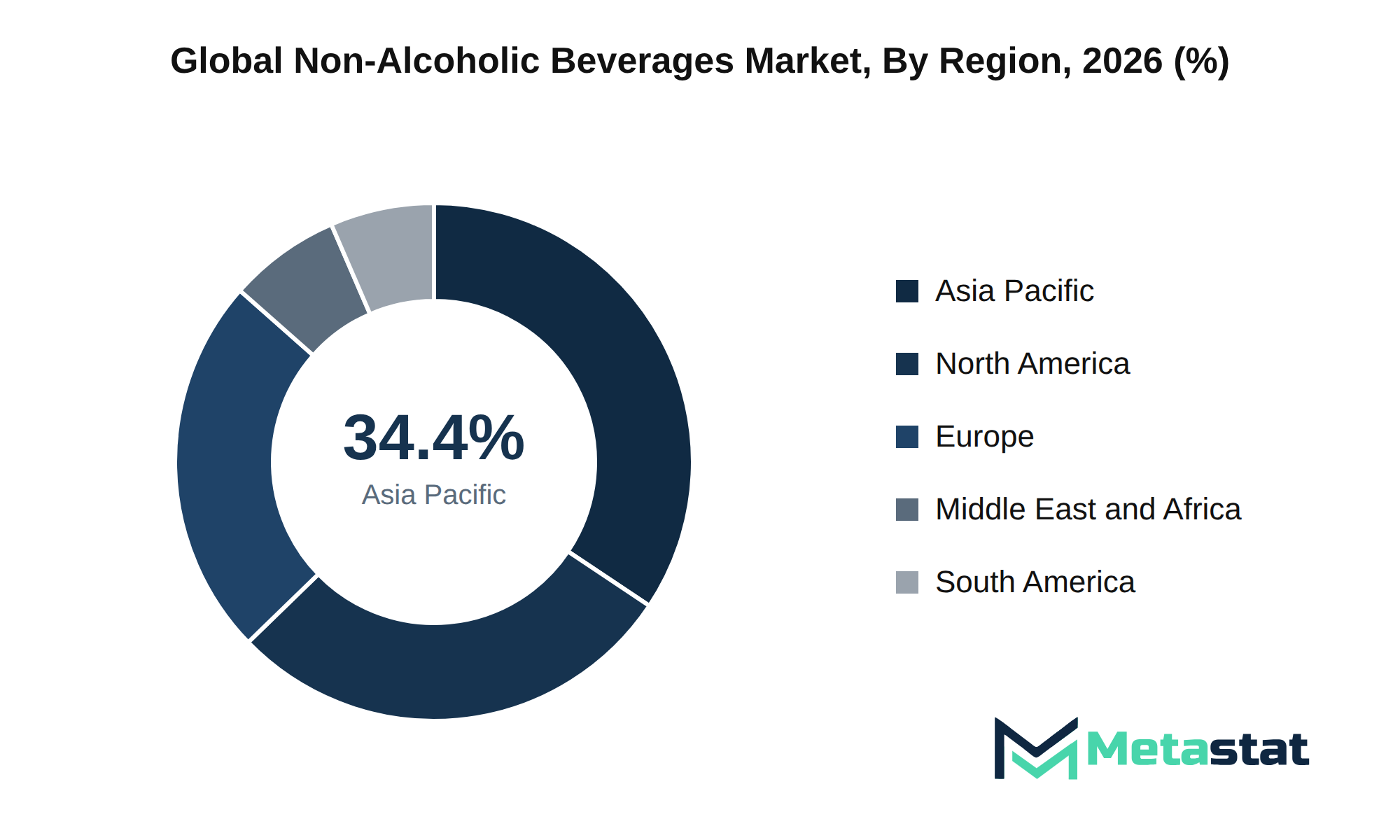
The Asia-Pacific region accounts for 34.4% of the global Non-Alcoholic Beverages market in 2025. Rapid urbanization and rising disposable incomes in countries like China, India, and South Korea contribute to the increasing demand for a diverse range of beverage products. The expansion of the middle class fuels consumer preferences for premium and health-oriented beverages, driving growth across various segments.
Infrastructure modernization enhances distribution networks within the region. Improved logistics and supply chain capabilities enable manufacturers to reach a broader customer base efficiently. Emerging market front-runners including China and India will likely experience substantial growth due to their vast populations and shifting consumption patterns, which favor ready-to-drink and packaged water segments.
Cultural nuances and regional B2B buying behaviors significantly influence market dynamics. Local preferences shape the types of beverages offered, with traditional flavors and health-oriented options gaining traction. Sustainability initiatives prompt manufacturers to adapt their portfolios, appealing to environmentally conscious consumers.
Energy grid resiliency and local infrastructure readiness contribute to the overall market stability. Regional resource availability, coupled with foreign direct investment flows, enhances production capabilities, supporting the growing demand for innovative beverage products. Strategic entry barriers for international brands include navigating local regulations and establishing partnerships with domestic players.
The competitive landscape in Asia-Pacific is characterized by both domestic market participants and global players, creating a vigorous environment for innovation and brand loyalty. Companies actively pursue vendor consolidation trends to strengthen their market presence and enhance operational efficiency.
The Asia-Pacific region is poised for growth in the Non-Alcoholic Beverages market, driven by evolving consumer preferences, infrastructure advancements, and competitive dynamics. These factors create numerous opportunities for businesses to expand their reach and capture a larger share of the market.
In South America, the Non-Alcoholic Beverages market reflects a changing environment influenced by diverse consumer preferences and evolving distribution channels. Brazil and Argentina represent the primary markets, contributing significantly to the overall regional performance. The market share in South America is projected at 6.5% of the global total in 2025, highlighting its potential among other emerging markets.
Consumer interest in healthier beverage options drives growth in segments including packaged water and juices, with a noticeable trend toward premium and organic products. Retail strategies focusing on supermarkets and hypermarkets facilitate accessibility and enhance consumer engagement. Urbanization progresses, leading consumers to increasingly favor ready-to-drink options, which contributes to market expansion.
South America experiences positive impacts from localized manufacturing and procurement strategies, enhancing supply chain efficiency. The region benefits from infrastructure modernization, allowing for improved distribution and logistics. Domestic players strengthen their positions through strategic partnerships and product innovation, adapting to regional tastes and preferences.
Regulatory frameworks in the region influence market dynamics, impacting import tariffs and compliance mandates for local and international brands. These factors contribute to a competitive environment that encourages both domestic and foreign investment in the Non-Alcoholic Beverages market. Overall, opportunities for growth in South America continue to evolve, driven by cultural nuances and a growing market presence.
The Middle East and Africa represent a growing segment within the Non-Alcoholic Beverages market, accounting for a share of 7.00% in 2025. Rising health awareness among consumers drives demand for healthier beverage options, fueling growth in segments including packaged water and juices. Countries like Saudi Arabia and the UAE experience a surge in the consumption of low-calorie and functional beverages, reflecting a shift in consumer preferences toward wellness-oriented products.
Infrastructure modernization enhances distribution channels across the region. The increase in retail outlets, supermarkets, and specialty beverage stores supports better access to a variety of non-alcoholic beverages. Localized manufacturing initiatives enable companies to meet rising demand while optimizing supply chains, reducing lead times, and improving cost efficiencies.
Emerging market front-runners experience significant investments, contributing to the expansion of the market. Countries including South Africa exhibit a strong growth trajectory in beverage consumption, driven by urbanization and increasing disposable incomes. This demographic shift, coupled with evolving consumer lifestyles, creates fertile ground for new product introductions and innovation within the sector.
Regional competitive landscapes indicate a consolidation trend among domestic market participants. Companies adapt to cultural nuances and regional B2B buying behaviors by tailoring products to meet local tastes and preferences. This localized approach enhances brand loyalty and establishes a strong market presence, positioning companies favorably in the non-alcoholic beverages market.
Geopolitical factors and trade policies influence market dynamics within the region. The establishment of cross-border trade corridors enhances the flow of goods, while ongoing efforts to navigate regulatory frameworks ensure compliance with local mandates. This strategic alignment improves operational efficiency and supports the overall growth of the market.
The Non-Alcoholic Beverages market experiences significant dynamics driven by various competitive strategies among key players. Companies including The Coca-Cola Company, PepsiCo, Inc., and Nestlé S.A. engage in strategic consolidation and mergers to enhance market presence. This consolidation results in improved product offerings and expanded market reach.
Product differentiation remains crucial within the market. Companies like Keurig Dr Pepper Inc. and Suntory Beverage & Food Limited invest in research and development to innovate their product lines, catering to evolving consumer preferences. Strategic alliances and joint ventures, including partnerships with cross-industry entities, further enhance product portfolios and market penetration.
Barriers to entry in the Non-Alcoholic Beverages market are notable, with established brands like Red Bull GmbH and Monster Beverage Corporation maintaining strong brand equity. These companies leverage customer retention strategies and switching costs to secure market share. Intellectual property portfolios and proprietary technology moats provide a competitive edge, ensuring technological defensibility in the market.
The future competitive outlook indicates a focus on value chain integration and supply chain dominance. Companies including Starbucks Corporation and LIPTON Teas and Infusions are positioned to capitalize on procurement leverage, enhancing operational efficiency. Strategic growth vectors will shape the market landscape in the coming years.
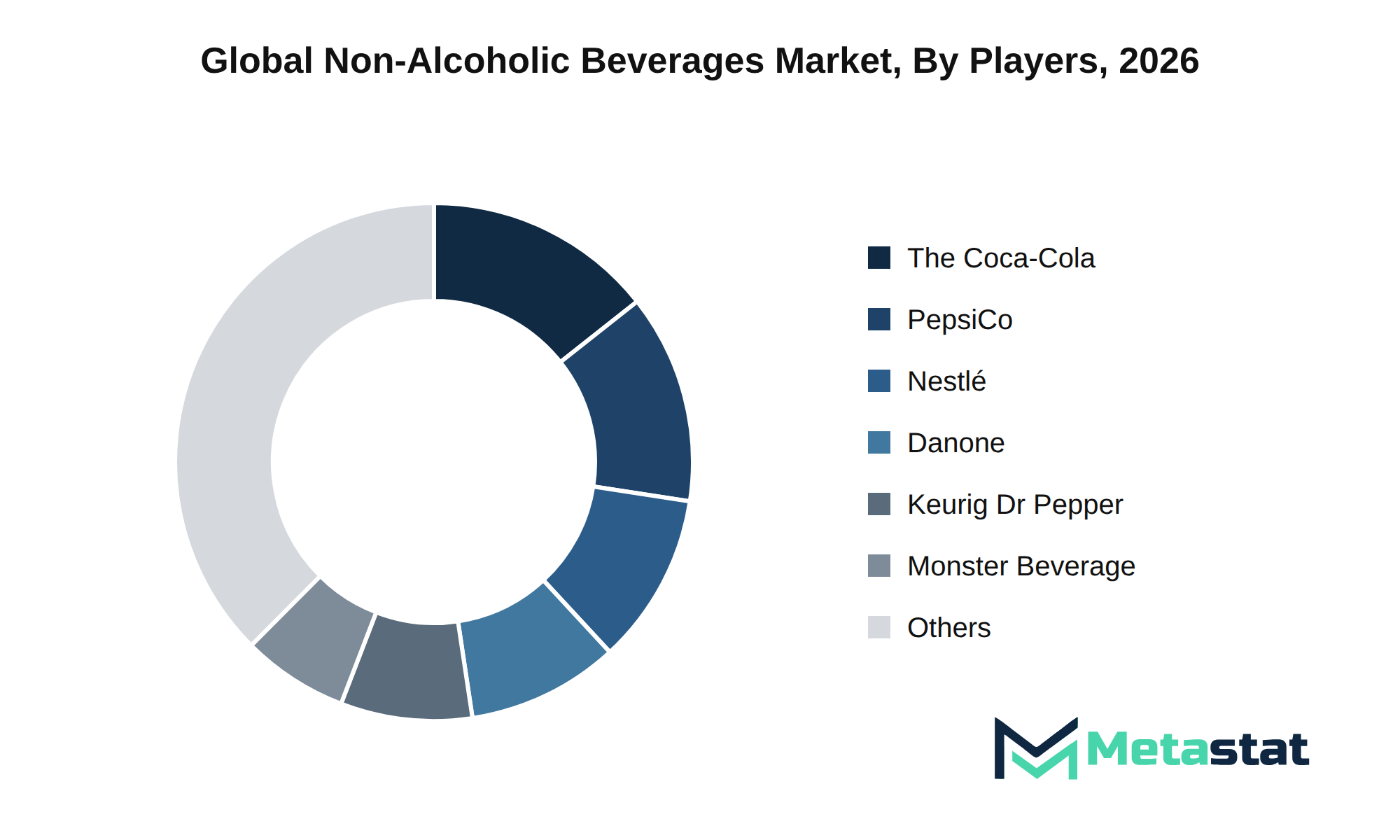
Market size is forecast to rise from USD 1,397.4 billion in 2025 to over USD 2,625.8 billion by 2033. The base case indicates a growth trajectory characterized by a compound annual growth rate (CAGR) of 8.2%. In a bull case, robust economic recovery and increased consumer spending could drive accelerated demand, propelling the market beyond the anticipated growth. Conversely, in a bear case, economic downturns or regulatory hurdles limit growth potential, placing downward pressure on market expansion.
Several macroeconomic factors influence this forecast. The integration of next-generation technologies enhances production efficiency and product innovation. Research and development timelines will impact the introduction of novel products, shaping consumer preferences and opening up emerging white-space opportunities within the market. Regulatory evolutions will define compliance landscapes, affecting operational strategies for suppliers.
Geopolitical realignments and shifting trade corridors disrupt global supply chains, impacting costs and availability of raw materials. Strategic capital allocation will drive investments in infrastructure, further facilitating market growth. Identifying high-growth pockets and unmet enterprise needs presents opportunities for market participants to enhance their competitive positioning.
The Non-Alcoholic Beverages market continues to evolve, requiring organizations to adapt to dynamic consumer trends and regulatory environments. Executives prioritize defensibility roadmaps while exploring avenues for future growth. Effective management of these factors will determine overall performance and resilience in the market.
The report strategically identifies and profiles the key market players and analyses their core competencies in each sub-segment of the Non-Alcoholic Beverages market.
Report Attributes | Details |
Study Period | 2021-2033 |
Base Year | 2025 |
Estimated Year | 2026 |
Forecast Period | 2026-2033 |
Historical Period | 2021-2025 |
Growth Rate | CAGR 8.2% from 2026 to 2033 |
Revenue Unit | USD billion |
Segmentation | By Product Type, Product Form, Distribution Channel, and Region |
By Region | North America (By Product Type, Product Form, Distribution Channel, and Country)
|
Europe (By Product Type, Product Form, Distribution Channel, and Country)
| |
Asia Pacific (By Product Type, Product Form, Distribution Channel, and Country)
| |
South America (By Product Type, Product Form, Distribution Channel, and Country)
| |
Middle East and Africa (By Product Type, Product Form, Distribution Channel, and Country)
|
Find answers to common questions about this report
The Non-Alcoholic Beverages market size was valued at USD 1,397.4 billion in 2025, according to the Metastat Insights study.
The Non-Alcoholic Beverages market is projected to grow at a CAGR of 8.2% during the forecast period from 2026 to 2033.
The North America Non-Alcoholic Beverages market size is estimated to reach USD 709 billion by 2033.
The leading segment in the Non-Alcoholic Beverages market is Packaged Water, projected to reach USD 485.8 billion by 2033. This segment surpasses others based on its growth potential and consumer demand.
Shifting consumer behaviors, including a growing focus on health and wellness, significantly drive the Non-Alcoholic Beverages market. The rise of urbanization and changing lifestyles enhance demand for convenient and healthier beverage options, prompting companies to innovate and diversify their offerings to meet evolving consumer preferences.
The Non-Alcoholic Beverages market growth faces significant restraints from regulatory compliance costs, macroeconomic pressures, and supply chain disruptions. Increasing scrutiny on health and safety standards raises operational costs, while inflation and resource scarcity limit affordability for consumers. geopolitical fragmentation complicates international trade, leading to higher raw material costs and operational inefficiencies.
Shifting consumer behaviors favor product adoption in the non-alcoholic beverages market. An increasing focus on health and wellness drives demand for healthier beverage options, particularly among younger demographics and urban populations. aging populations seek fortified beverages that support health needs, further enhancing market reach and revenue growth.
The Non-Alcoholic Beverages market is estimated to reach a valuation of USD 2,625.8 billion by 2033.
Key players in the Non-Alcoholic Beverages market include The Coca-Cola Company, PepsiCo, Inc., Nestlé S.A., Danone S.A., Keurig Dr Pepper Inc., and Red Bull GmbH.
The Non-Alcoholic Beverages market is projected to grow at a CAGR of 8.2% from 2026 to 2033.
The analysts below cover Food and Beverages research at Metastat Insights.
LEAD ANALYST
Utkarsh Khirodkar is a Lead Market Research Analyst at MetaStat Insight, specializing in market intelligence, technology sector assessments, and competitive strategy.

LEAD PRINCIPAL ANALYST, PHARMA AND HEALTHCARE
Food and Beverages · Healthcare · Healthcare IT · Medical Devices
Ajay Devgire is the Lead Healthcare Analyst at MetaStat Insight, leading strategic research and market intelligence initiatives across the global healthcare domain.

SENIOR RESEARCH ANALYST
Biotechnology · Food and Beverages · Medical Devices · Packaging
Snehal Pasalkar is a Research Analyst at MetaStat Insight, operating at the intersection of life sciences research, competitive strategy, and market intelligence.
Most industry reports on warehouse automation bundle autonomous mobile robots and fixed conveyor installations into the same top-level numbers, which complicates advisory work. This study split the market cleanly by payload tiers, navigation technology, and fleet management software layers. The regional forecast for Western Europe gave our team defensible adoption benchmarks when evaluating capital allocation for logistics clients, saving us days of secondary data scrubbing.
Standard industry briefs frequently blur the operational distinctions between isobaric pressure exchangers and centrifugal turbines. In this study, MetaStat Insight categorized mega-scale desalination tenders across the GCC and Mediterranean basins by membrane replacement frequencies and salinity tolerances. Their primary research helped us evaluate local content requirements in Saudi Arabia and the UAE without relying on marketing literature. We found the segment-level equipment replacement estimates grounded and well-reasoned throughout.
The technical breakdown of ISO 20022 migration readiness across correspondent banking corridors was remarkably thorough. Rather than treating cross-border corporate payments as a single block, the report drew a useful distinction between multilateral netting platforms and domestic instant payment rails across ASEAN economies. MetaStat Insight highlighted regulatory constraints on foreign exchange liquidity management that many publications gloss over. The research material offered practical clarity for our platform development roadmap.
Explore related market intelligence reports worth reading alongside this one.