
LEAD ANALYST
Utkarsh Khirodkar is a Lead Market Research Analyst at MetaStat Insight, specializing in market intelligence, technology sector assessments, and competitive strategy.

Food and Beverage Consulting Market Size, Share, By Type (Strategy Advisory, Growth Advisory, Commercial Excellence Advisory, Route-To-Market Advisory, Operations Advisory, Lean Transformation Consulting, Supply Chain Consulting, Procurement Consulting, Digital Transformation Consulting, Data Transformation Consulting, Quality Consulting, Food Safety, Compliance Consulting, Regulatory Affairs, Labeling Advisory, Research-Development, Product Innovation, Formulation Consulting, Sustainability Advisory, ESG Advisory, and Others), By Application (Market Entry, Expansion Strategy, Brand Strategy, Portfolio Optimization, Pricing, Promotion, Revenue Growth Management, Manufacturing Footprint Optimization, OEE Improvement, Cold Chain, Warehousing, Logistics Optimization, Supplier Qualification, Strategic Sourcing, Food Safety Management Systems, Audit Readiness, Traceability, Recall Readiness, Risk Management, Regulatory Compliance, Claims Substantiation, Label Reviews, and Others), By End User (Packaged Food Manufacturers, Beverage Manufacturers, Alcoholic, Non-Alcoholic, Dairy Alternative, Dairy Producers, Meat, Poultry, Seafood Processors, Bakery, Confectionery Companies, Ingredients, Additives Suppliers, Food Packaging Producers Serving F&B, Quick Service Restaurants, Foodservice Chains, Retailers With Private Label, Fresh Operations, and Others), Industry Analysis, Growth, Trends, and Forecast, 2026-2033
Report ID
MSI-4668
Published
April, 2026
Pages
316 Pages
Format
Report Details
Choose Your License
Food and Beverage Consulting Market
The Global Food and Beverage Consulting market size was valued at USD 6.3 billion in 2025 and projected to grow at a CAGR of 6.9% during the forecast period, reaching USD 10.8 billion by 2033.
North America held 35.5% of the global market in 2025, with the U.S. leading regional revenue generation.
The Strategy and Growth Advisory segment accounted for 13.9% of the market in 2025.
Key trends driving growth: Increasing regulatory scrutiny across food safety, labeling, and quality standards is driving sustained demand for specialized consulting expertise and intensifying competition, faster product launches are pushing manufacturers to seek external advisory support for formulation, supply chain, and market entry strategies.
Key opportunity includes growing demand for clean-label, functional, and plant-forward products is creating strong advisory requirements across R&D and compliance functions.
Key insight: Rising regulatory complexity and rapid product innovation cycles are positioning food and beverage consulting services as a strategic necessity for global brands seeking compliance-led growth and operational resilience.
The Global Food and Beverage Consulting market is moving beyond traditional advisory functions and is increasingly positioning itself as a strategic partner for complex, high-value business decisions. Over the forecast period, consulting engagements are expected to shift from limited compliance support toward embedded roles across product development, brand architecture, operational planning, and long-term portfolio strategy. Consulting firms will work more closely with executive leadership teams, shaping decisions that influence brand credibility, geographic expansion, and portfolio rationalization.
Consulting services will expand into behavioral insight analysis, cultural intelligence, and advanced data interpretation. Food and beverage companies are increasingly seeking advisory support that connects taste preferences, packaging cues, wellness expectations, and sustainability positioning into clear market strategies. Consulting firms will translate fragmented consumer sentiment into actionable frameworks that guide formulation choices, product positioning, and communication strategy with greater precision.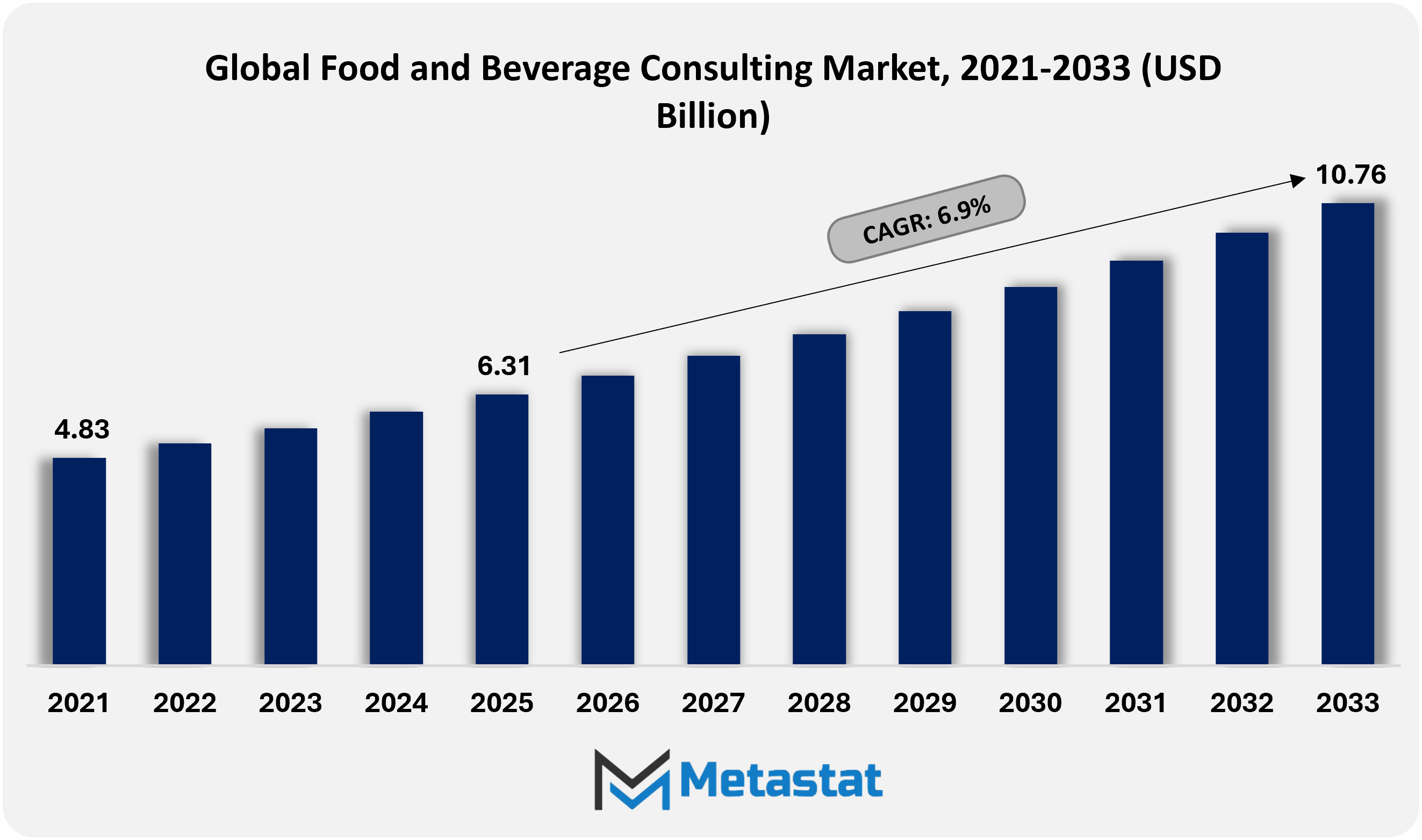
The regulatory landscape for the food and beverage consulting market is characterized by stringent requirements that significantly impact product launches. Manufacturers are increasingly faced with complex regulations concerning food safety, labeling, quality control, and ingredient use. These regulations necessitate comprehensive compliance strategies, which can be resource-intensive and may delay the introduction of new products to the market. The need to navigate these intricate regulatory frameworks means that companies often require specialized consulting services to ensure adherence to local and international standards.
Compliance challenges are particularly pronounced for manufacturers looking to expand their product offerings or enter new markets. Variations in regulations across different regions can complicate the process of launching new products. For instance, food safety standards may differ significantly between countries, requiring tailored approaches to meet specific regulatory demands. This complexity can lead to increased operational costs and longer timelines for product development, ultimately affecting a company's competitive edge in the market. As a result, consulting firms play a crucial role in helping businesses understand and comply with these diverse requirements, ensuring that they can navigate the regulatory landscape effectively.
Moreover, changes in regulations can have a profound impact on market dynamics. As governments and regulatory bodies introduce new standards or amend existing ones, companies must adapt swiftly to maintain compliance. This can lead to shifts in consumer preferences as well, particularly if new regulations promote healthier or more sustainable practices. For example, rising scrutiny on labeling accuracy and health claims can push manufacturers to reformulate products or enhance transparency in ingredient sourcing. Such changes not only affect product development but also influence marketing strategies and consumer trust.
In this context, food and beverage consulting services are increasingly viewed as essential partners in strategic decision-making. Companies that leverage consulting expertise can better anticipate regulatory changes and align their business strategies accordingly. This proactive approach can lead to improved product positioning and brand credibility in a market that is becoming ever more compliance-driven. As regulatory complexities continue to evolve, the demand for specialized consulting services is expected to rise, reinforcing the importance of these firms in shaping the future of the food and beverage industry.
Understanding consumer preferences is paramount for navigating the evolving landscape of the food and beverage consulting market. A notable trend is the increasing demand for health-oriented products. Consumers are becoming more health-conscious, seeking out options that not only satisfy their taste buds but also offer functional benefits. This shift is driving manufacturers to innovate and develop products that align with wellness trends, such as those enriched with probiotics, vitamins, and other beneficial ingredients. The preference for health-centric offerings is reshaping product development strategies, prompting companies to engage in extensive research and development to meet these emerging consumer expectations.
In addition to health considerations, there is a growing trend toward taste and flavor experimentation. Modern consumers are more adventurous than ever, showing a willingness to explore diverse flavors and unique combinations. This inclination towards culinary exploration is influencing product formulations, with brands increasingly incorporating exotic ingredients and international flavors into their offerings. The rise of global cuisine has led to a surge in interest for products such as kimchi, miso, and various fermented beverages, which not only provide health benefits but also enhance the overall dining experience. As a result, consulting firms are tasked with translating these consumer preferences into actionable insights that guide product innovation and market positioning.
Another critical aspect of consumer behavior is the demand for ingredient transparency and authenticity. Today's consumers are more informed and discerning, often scrutinizing product labels for clarity on sourcing, ingredient integrity, and production methods. This trend has amplified the importance of clean-label products, where consumers expect to see recognizable ingredients without artificial additives. Brands that prioritize transparency and authenticity in their ingredient sourcing and production processes can foster greater trust and loyalty among consumers. Consulting services are increasingly focused on helping food and beverage companies navigate these expectations, providing guidance on compliance with labeling regulations and strategies for communicating product authenticity effectively.
As the food and beverage consulting market continues to evolve, the integration of consumer insights regarding health, taste experimentation, and ingredient transparency will be vital. Consulting firms must adapt their services to not only address regulatory compliance and operational resilience but also to position their clients as leaders in meeting consumer demands. By leveraging these insights, companies can develop robust strategies that resonate with health-conscious consumers and capitalize on the growing trend of flavor exploration while maintaining a commitment to authenticity and transparency.
Recent developments within the Global Food and Beverage Consulting market underscore the dynamic nature of this sector, driven by evolving consumer preferences and innovative product offerings. Notably, there has been a surge in product launches that cater to the rising demand for clean-label, functional, and plant-forward products. Consulting firms are increasingly supporting food and beverage companies in integrating these trends into their product development processes. For instance, the introduction of unique flavor profiles and ready-to-consume formats is becoming commonplace, reflecting a broader movement towards convenience and health-conscious choices.
The market has also witnessed the entry of new players who are bringing fresh perspectives and innovative solutions to the consulting landscape. These entrants often focus on niche markets, offering specialized services that address specific consumer demands. As these companies establish their presence, they contribute to a more competitive environment, pushing established firms to adapt and innovate. This influx of new talent is particularly significant in the context of rapidly changing consumer behaviors, where agility and responsiveness are essential for success. The growing emphasis on sustainability and ethical sourcing is prompting consulting firms to advise clients on how to align their practices with these consumer values, further enhancing their market appeal.
In addition to product innovation and new market entrants, trends in consumer engagement and marketing strategies are reshaping the landscape of food and beverage consulting. Companies are increasingly leveraging advanced data analytics and consumer insights to tailor their marketing efforts. This approach allows them to connect more effectively with target audiences by addressing specific preferences related to taste, wellness, and sustainability. As consumers seek products that resonate with their lifestyle choices, consulting firms are tasked with translating these insights into actionable strategies that inform brand positioning and communication.
The rise of digital platforms has also transformed consumer engagement, with brands utilizing social media and e-commerce to reach wider audiences. This shift necessitates a reevaluation of traditional marketing strategies, as companies must now navigate a more complex digital landscape. Consulting firms are playing a critical role in guiding businesses through these changes by developing integrated marketing strategies that encompass both online and offline channels. As a result, food and beverage companies are better equipped to foster brand loyalty and drive consumer engagement in an increasingly competitive market.
Overall, these recent developments highlight the critical role that consulting services play in helping food and beverage companies navigate a landscape characterized by rapid change and heightened consumer expectations. By focusing on innovation, embracing new market entrants, and adapting to evolving marketing trends, consulting firms are positioning themselves as essential partners in driving growth and ensuring compliance-led success for their clients.
Rising oversight from global and regional authorities continues to reshape compliance requirements across the Global Food and Beverage Consulting market. Regulatory frameworks are expanding in scope and complexity, increasing the need for structured support in documentation, audits, labeling, and risk mitigation. Consulting services improve operational alignment, strengthen governance systems, and support readiness for future policy changes.
Accelerated innovation cycles across packaged food and beverage categories are increasing pressure on internal teams. Strategic advisory services support formulation decisions, sourcing strategies, commercialization planning, and launch readiness. Within the Global Food and Beverage Consulting market, forward-looking advisory input helps brands differentiate, shorten development timelines, and improve business outcomes in crowded categories.
Premium pricing associated with specialized advisory services restricts accessibility for emerging and mid-sized manufacturers. Budget allocation priorities often favor production or distribution over external consulting support. Cost sensitivity continues to limit broader adoption across the Global Food and Beverage Consulting market, particularly in price-sensitive regional manufacturing clusters.
Deep expertise across nutrition science, food regulation, and supply chain optimization remains concentrated within a limited talent pool. Capacity constraints affect response speed, project scalability, and service timelines. Talent scarcity remains a key execution challenge in the Global Food and Beverage Consulting market for simultaneous multi-country engagements.
Shifting consumer preferences toward transparency, wellness, and functional nutrition are increasing ingredient complexity and regulatory scrutiny. Advisory services support ingredient validation, claims substantiation, and labeling accuracy. The Global Food and Beverage Consulting market is gaining momentum through stronger demand for consulting support tied to innovation planning, compliance alignment, and portfolio repositioning around future consumption trends.
As consumer preferences evolve, there is a notable shift towards health and wellness products that is significantly impacting the Food and Beverage Consulting market. This growing demand is driven by an increasing awareness of the importance of nutrition and overall well-being. Consumers are actively seeking products that not only satisfy their taste preferences but also contribute positively to their health. This trend is fostering a heightened interest in functional beverages, which are perceived as beneficial for health due to their added nutrients or probiotics. Such beverages are often marketed for their roles in digestive health, immune support, and overall vitality, thereby creating opportunities for consulting firms to guide manufacturers through product development and compliance with health claims.
Another critical consumer trend is the shift towards clean-label and minimally processed foods. Consumers are increasingly scrutinizing product labels and prioritizing transparency regarding ingredient sourcing and processing methods. This demand for clean-label products is prompting manufacturers to reformulate existing products and innovate new offerings that align with these consumer preferences. Consulting firms are therefore positioned to provide essential guidance on ingredient selection, labeling compliance, and marketing strategies that resonate with health-conscious consumers.
Additionally, the rising popularity of plant-based and non-dairy alternatives is reshaping the landscape of the Food and Beverage Consulting market. As more consumers adopt plant-forward diets, there is a growing demand for products that cater to this shift, including plant-based proteins, dairy alternatives, and innovative formulations that appeal to vegan and vegetarian consumers. This trend not only reflects changing dietary preferences but also aligns with broader sustainability goals, as consumers seek options that are perceived as more environmentally friendly. Consulting services can play a pivotal role in helping brands navigate the complexities of developing these alternatives, ensuring they meet both consumer expectations and regulatory requirements.
In summary, the intersection of health and wellness trends, interest in functional beverages, the demand for clean-label products, and the rise of plant-based alternatives are driving significant changes in the Food and Beverage Consulting market. As these trends continue to evolve, consulting firms will need to adapt their strategies to support clients in meeting the diverse needs of modern consumers. This dynamic environment presents both challenges and opportunities for manufacturers, necessitating a proactive approach to innovation, compliance, and market positioning.
The Global Food and Beverage Consulting market is classified based on Type, Application, and End User.
Strategy and Growth Advisory segment is estimated at USD 0.9 billion in 2026 and is projected to reach USD 1.3 billion by 2033, at a CAGR of 5% during the forecast period.
Strategy and Growth Advisory support long-range planning through structured market intelligence, competitive benchmarking, and growth pathway assessment. Future demand will rise with expansion into emerging consumption markets, portfolio diversification, and data-backed decision frameworks. Consulting engagements will increasingly focus on scalable growth models, investment prioritization, and long-term value creation.
Commercial Excellence and Route-To-Market Advisory segment is estimated at USD 0.8 billion in 2026 and is projected to reach USD 1.2 billion by 2033, at a CAGR of 5.9% during the forecast period.
Commercial Excellence and Route-To-Market Advisory improves sales performance through optimized channel strategies, distributor models, and route-to-market execution. Future advisory services will focus on analytics-driven sales planning, omnichannel readiness, and regional customization. Market momentum will strengthen through performance-based frameworks aligned with evolving consumer behavior and channel complexity.
Operations and Lean Transformation Consulting segment is estimated at USD 0.7 billion in 2026 and is projected to reach USD 1.1 billion by 2033, at a CAGR of 5.8% during the forecast period.
Operations and Lean Transformation Consulting improve production efficiency via waste discount, productivity enhancement, and process standardization. Future consulting emphasis will shift toward automation readiness, value resilience, and agile operating models. Structured transformation applications will guide regular output, pleasant, decreased downtime, and improved responsiveness throughout manufacturing networks.
Supply Chain and Procurement Consulting segment is estimated at USD 0.7 billion in 2026 and is projected to reach USD 1 billion by 2033, at a CAGR of 5.7% during the forecast period.
Supply Chain and Procurement Consulting addresses sourcing resilience, supplier collaboration, and cost optimization. Future demand is expected to increase with continued volatility, geopolitical pressure, and raw material constraints. Advisory support is likely to focus on supplier diversification, procurement visibility, and cost-risk balancing across supply networks.
Digital and Data Transformation Consulting segment is estimated at USD 0.8 billion in 2026 and is projected to reach USD 1.6 billion by 2033, at a CAGR of 10.6% during the forecast period.
Digital and Data Transformation Consulting permits fact-based operations through analytics systems, automation gear, and choice intelligence. Future consulting adoption will increase through predictive modeling, demand sensing, and real-time performance monitoring. Structured digital roadmaps will guide operational transparency, faster insights, and scalable generation integration throughout enterprises.
Quality, Food Safety, and Compliance Consulting segment is estimated at USD 0.8 billion in 2026 and is projected to reach USD 1.4 billion by 2033, at a CAGR of 7.9% during the forecast period.
Quality, Food Safety, and Compliance Consulting strengthen governance frameworks supporting consumer safety and regulatory alignment. Future advisory focus will be amplified closer to proactive danger prevention, virtual audit structures, and global well-known harmonization. Consulting services will guide non-stop compliance readiness, process area, and greater agreement throughout deliver ecosystems.
Regulatory Affairs and Labeling Advisory segment is estimated at USD 0.5 billion in 2026 and is projected to reach USD 0.9 billion by 2033, at a CAGR of 8.5% during the forecast period.
Regulatory Affairs and Labeling Advisory supports compliance with evolving local food regulations, claims accuracy, and documentation requirements. Future consulting demand will rise with frequent regulatory updates and continued cross-border trade expansion. Advisory expertise helps ensure compliant labeling strategies that support transparency, market access, and reduced regulatory exposure.
R&D, Product Innovation, and Formulation Consulting segment is estimated at USD 0.8 billion in 2026 and is projected to reach USD 1.3 billion by 2033, at a CAGR of 6.7% during the forecast period.
R&D, Product Innovation, and Formulation Consulting quicken product improvement aligned with nutrition traits, factor innovation, and fee performance. Future boom will emerge through useful ingredients, reformulation desires, and smooth-label demand. Consulting aid will combine a science-based system with pace-to-market optimization.
Sustainability and ESG Advisory segment is estimated at USD 0.4 billion in 2026 and is projected to reach USD 0.8 billion by 2033, at a CAGR of 8.7% during the forecast period.
Sustainability and ESG advisors guide responsible sourcing, emissions reduction, and ethical governance integration. The pace of consultation will be strengthened in the future through regulatory mandates and investor scrutiny. Advisory services will support measurable sustainability outcomes, reporting accuracy, and long-term environmental accountability embedded within operational strategies.
Others (M&A, Due Diligence, Integration Support) segment is estimated at USD 0.3 billion in 2026 and is projected to reach USD 0.3 billion by 2033, at a CAGR of 1% during the forecast period.
Others, including M&A, due diligence, and integration support, address consolidation complexity across the food and beverage industry. Future advisory demand will increase with portfolio realignment and cross-border acquisitions. Consulting support helps improve valuation clarity, reduce transaction risk, and enable smoother post-merger integration.
Market Entry and Expansion Strategy segment is projected to reach USD 1.2 billion by 2033, at a CAGR of 5% during the forecast period.
Market Entry and Expansion Strategy support geographic growth through regulatory navigation, consumer insight assessment, and channel evaluation. Future consulting relevance will rise with emerging market penetration and localization requirements. Advisory services support structured expansion planning through risk-aware execution models.
Brand Strategy and Portfolio Optimization segment is projected to reach USD 1.1 billion by 2033, at a CAGR of 4.8% during the forecast period.
Brand Strategy and Portfolio Optimization improve market relevance through stronger positioning clarity and portfolio rationalization. Future consulting emphasis wil increase with premiumization trends and private label expansion. Advisory frameworks support brand differentiation, lifecycle management, and alignment with evolving consumer expectations.
Pricing, Promotion, and Revenue Growth Management segment is projected to reach USD 1 billion by 2033, at a CAGR of 6.5% during the forecast period.
Pricing, Promotion, and Revenue Growth Management complements profitability via analytics-pushed pricing structures and promotion efficiency. Future demand will increase through margin pressure and competitive depth. Consulting services will support disciplined revenue strategies, balancing the extent of increase with price renovation.
Manufacturing Footprint Optimization and OEE Improvement segment is projected to reach USD 1 billion by 2033, at a CAGR of 5.7% during the forecast period.
Manufacturing Footprint Optimization and OEE Improvement strengthens asset utilization and production network performance. Future advisory engagement will increase with capacity rationalization and automation investment. Consulting support helps plant performance benchmarking and data-enabled productivity improvement initiatives.
Cold Chain, Warehousing, and Logistics Optimization segment is projected to reach USD 1.1 billion by 2033, at a CAGR of 8.2% during the forecast period.
Cold Chain, Warehousing, and Logistics Optimization improves temperature integrity, stock drift, and carrier reliability. Future consulting adoption will grow via perishability dangers and distribution complexity. Advisory services will assist with infrastructure planning, virtual tracking, and fee-green logistics layout.
Supplier Qualification and Strategic Sourcing segment is projected to reach USD 0.9 billion by 2033, at a CAGR of 7% during the forecast period.
Supplier Qualification and Strategic Sourcing strengthen procurement reliability and quality assurance. Future consulting demand will increase with supplier consolidation and traceability requirements. Advisory frameworks support structured qualification processes and long-term sourcing partnerships.
Food Safety Management Systems and Audit Readiness segment is projected to reach USD 1.3 billion by 2033, at a CAGR of 7.9% during the forecast period.
Food Safety Management Systems and Audit Readiness ensure structured compliance through documented controls and verification structures. Future consulting emphasis will rise via audit frequency and regulatory oversight. Advisory offerings will enhance preparedness, corrective movement effectiveness, and governance consistency.
Traceability, Recall Readiness, and Risk Management segment is projected to reach USD 1.1 billion by 2033, at a CAGR of 9.6% during the forecast period.
Traceability, Recall Readiness, and Risk Management improves response capabilities through end-to-end visibility. Future advisory relevance will increase with digital traceability adoption and rising consumer transparency expectations. Consulting solutions support faster containment protocols and reduced reputational exposure.
Regulatory Compliance, Claims Substantiation, and Label Reviews segment is projected to reach USD 1.3 billion by 2033, at a CAGR of 9.1% during the forecast period.
Regulatory Compliance, Claims Substantiation, and Label Reviews ensure accuracy and market recognition. Future consulting will growth via fitness, declare scrutiny, and go-market complexity. Advisory services will help with documentation integrity and regulatory confidence.
Others segment is projected to reach USD 0.9 billion by 2033, at a CAGR of 5.5% during the forecast period.
Other applications deal with rising advisory needs throughout commercialization, transformation, and governance projects. Future consulting scope will evolve through evolving business fashions and innovation cycles, requiring specialised understanding.
Packaged Food Manufacturers segment is projected to reach USD 2.2 billion by 2033.
Packaged Food Manufacturers depend on consulting offerings for performance, compliance, and innovation alignment. Future advisory will grow through portfolio diversification and automation tasks, helping with cost management and constant satisfactory delivery.
Beverage Manufacturers, Including Alcoholic and Non-Alcoholic segment is projected to reach USD 1.5 billion by 2033.
Beverage Manufacturers require consulting expertise across formulation, distribution, and compliance. Future consulting growth will stem from functional beverages, sustainability pressures, and evolving consumption patterns across global markets.
Dairy and Alternative Dairy Producers segment is projected to reach USD 1 billion by 2033.
Dairy and Alternative Dairy Producers have interaction consulting assistance for components, cold chain optimization, and regulatory alignment. The future advisory will focus on plant-based innovation and processing performance enhancements.
Meat, Poultry, and Seafood Processors segment is projected to reach USD 0.9 billion by 2033.
Meat, Poultry, and Seafood Processors rely on consulting offerings for protection, warranty, yield optimization, and traceability. Future consulting relevance will increase via regulatory oversight and sustainability duty.
Bakery and Confectionery Companies segment is projected to reach USD 0.9 billion by 2033.
Bakery and Confectionery Companies make use of consulting services for method performance, shelf-life enhancement, and value control. Future advisory demand will grow through premiumization traits and operational modernization.
Ingredients and Additives Suppliers segment is projected to reach USD 1.1 billion by 2033.
Ingredients and Additives Suppliers interact consulting help for regulatory navigation and innovation strategy. Future consulting growth will arise through smooth-label development and worldwide sourcing complexity.
Food Packaging Producers Serving F&B segment is projected to reach USD 0.9 billion by 2033.
Food Packaging Producers Serving F&B require consulting support for compliance, material innovation, and sustainability alignment. Future advisory demand will strengthen with rising circular economy adoption.
Quick Service Restaurants and Foodservice Chains segment is projected to reach USD 1.3 billion by 2033.
Quick Service Restaurants and Foodservice Chains depend on consulting expertise for supply chain resilience and standardization. Future demand will increase through expansion and operational scalability desires.
Retailers With Private Label and Fresh Operations segment is projected to reach USD 1 billion by 2033.
Retailers with Private Label and Fresh Operations make use of consulting services for sourcing strategy and compliance guarantee. Future consulting relevance will develop through non-public label enlargement.
Others (eCommerce, D2C Food Brands) segment is projected to reach USD 0.2 billion by 2033.
Other end users, including eCommerce and D2C food brands, require consulting support for rapid scaling and regulatory readiness. Future advisory demand will expand through digital-first growth models.
Based on geography, the Global Food and Beverage Consulting market is divided into North America, Europe, Asia Pacific, South America, and Middle East and Africa.
North America Food and Beverage Consulting Market is set to expand at a CAGR of 6.9% within the forecast period, reaching a market size (TAM) of USD 3.3 billion by the end of 2033.
North America drives the Food and Beverage Consulting market through strict food safety regulations that increase reliance on specialized compliance and quality advisory services.
North America strengthens market with continuous product innovation, premiumization, and statistics-driven reformulation techniques adopted through fundamental meals and beverage groups.
Europe strengthens the Global Food and Beverage Consulting market through stringent food safety, labeling, sustainability, and traceability regulations that increase reliance on specialized advisory services across manufacturing and retail value chains.
Asia Pacific presents strong opportunities in the Food and Beverage Consulting market through rapid urbanization, rising packaged food consumption, and growing entry of multinational food brands.
Asia Pacific opens increase avenues pushed by using evolving consumer flavor possibilities, functional meals demand, and elevated recognition of localization techniques for numerous markets.
Across Middle East and Africa and South America, the Food and Beverage Consulting market is gaining traction through modernization of food supply chains, strengthening regulatory frameworks, and rising investment in processed and value-added food production.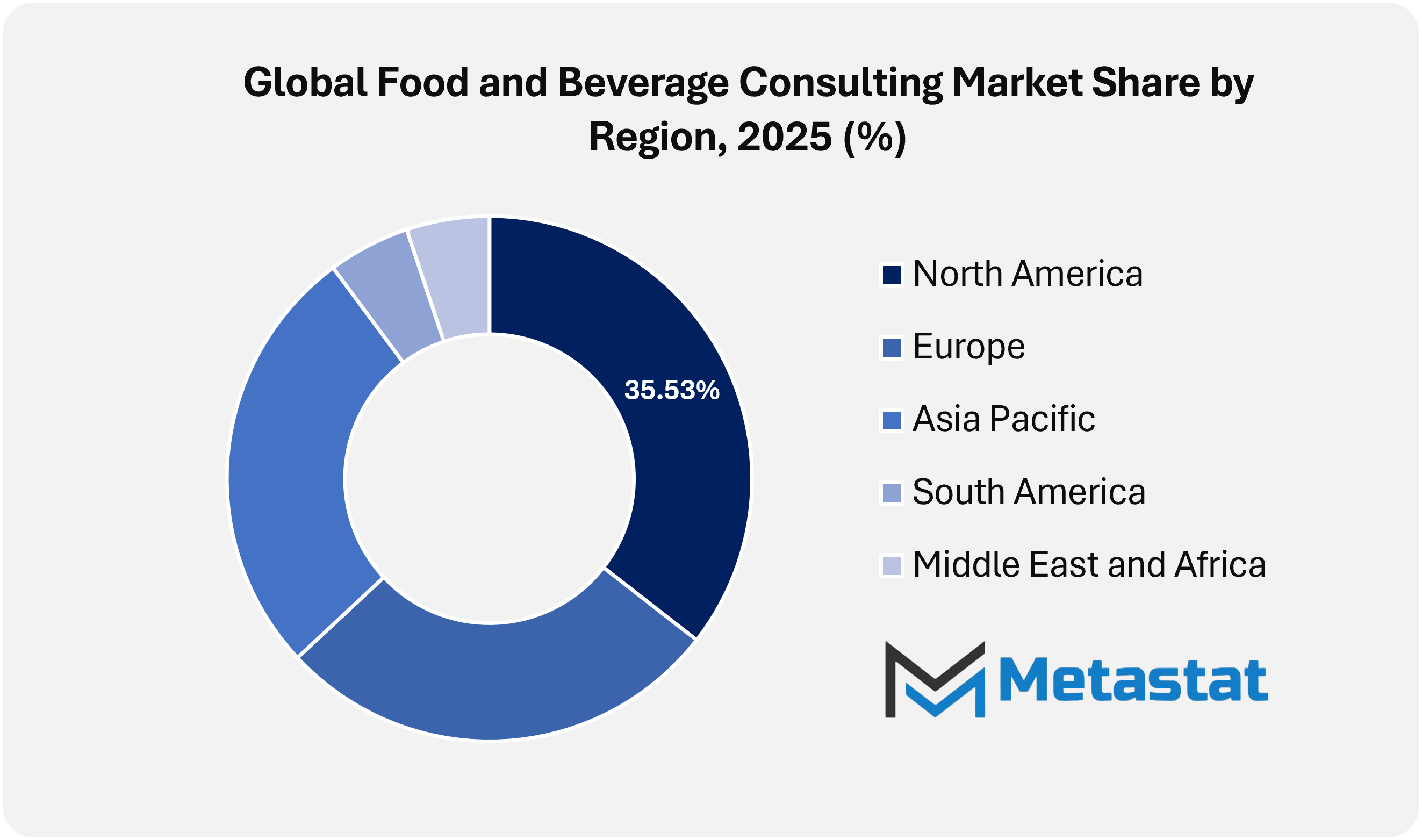
The Global Food and Beverage Consulting market is classified based on Type, Application, and End User. By Type, the market is further segmented into: Strategy and Growth Advisory...
In addition to the established categories of consulting services, the distribution channels for food and beverage products play a crucial role in market segmentation. The presence of supermarkets and hypermarkets significantly impacts product availability, as these retail formats dominate the distribution landscape. They provide consumers with a wide range of food and beverage options, often featuring prominent shelf placements and in-store promotions that enhance product visibility. This accessibility encourages trial and facilitates informed purchasing decisions, as consumers can compare various brands and products directly. Moreover, the ability of these retailers to maintain refrigerated storage for perishable goods ensures that quality is preserved, which is particularly vital for products in the food and beverage sector.
Online channels have emerged as a transformative force in the distribution of food and beverage products. The growth of e-commerce and quick commerce is reshaping consumer shopping habits, with many opting for the convenience of online grocery shopping. This shift is driven by the increasing reliance on digital platforms for product discovery and purchasing, allowing consumers to access a broader array of products from the comfort of their homes. The rapid expansion of online grocery services is particularly relevant for food and beverage consulting, as it necessitates a reevaluation of traditional marketing and distribution strategies to optimize the digital shopping experience.
Specialty stores also hold significant importance in the distribution of niche products within the food and beverage market. These retailers cater to specific consumer preferences, often focusing on organic, artisanal, or health-oriented products that may not be available in larger retail chains. The growth of specialty stores is indicative of a broader trend toward personalized shopping experiences and the increasing demand for unique, high-quality offerings. As consumers become more discerning about their food choices, the role of specialty retailers in promoting innovative products and fostering brand loyalty will continue to grow.
Understanding these distribution channels is essential for both buyers and suppliers in the food and beverage consulting market. For buyers, awareness of where products are available can influence purchasing decisions and brand loyalty. For suppliers, aligning distribution strategies with consumer preferences and market trends is critical for maximizing reach and ensuring product availability. As the market evolves, the interplay between traditional retail formats, online channels, and specialty stores will shape the future landscape of food and beverage distribution, necessitating adaptive strategies from consulting firms to meet the changing needs of their clients.
The Global Food and Beverage Consulting market reflects an adaptive service landscape in which advisory expertise supports manufacturers facing changing consumer behavior, food safety expectations, and operational pressure. Consulting firms focus on helping food and beverage companies strengthen quality systems, improve sourcing decisions, refine product positioning, and respond to regulatory requirements. Their involvement spans strategy, digital transformation, risk assessment, and performance improvement, enabling manufacturers, retailers, and suppliers to remain competitive while maintaining focus on core operations.
Large management consulting firms play a significant role in shaping market direction. Accenture, Cognizant, Genpact, Deloitte, PwC, EY, and KPMG support food and beverage clients through transformation initiatives tied to data, supply chain performance, and compliance readiness. Strategy-focused firms including McKinsey & Company, Boston Consulting Group, Bain & Company, Kearney, Oliver Wyman, and Roland Berger advise leadership teams on market entry planning, pricing models, portfolio restructuring, and long-term growth strategy. Their work typically combines sector expertise with analytical frameworks that support decision-making in margin-sensitive environments.
Technology-led consulting firms add another layer of value to the market. Capgemini, IBM Consulting, Tata Consultancy Services, Infosys, Wipro, HCLTech, and NTT DATA support companies in modernizing production planning, traceability systems, and enterprise platforms. Digital tools linked to automation, analytics, and cloud integration are playing a growing role in food processing and distribution, and these firms help translate complex technologies into practical commercial outcomes. NSF, SGS, Intertek, Bureau Veritas, TÜV SÜD, TÜV Rheinland, LRQA, DNV, UL Solutions, and Eurofins Scientific focus on food safety audits, laboratory testing, sustainability verification, and regulatory guidance. Their presence supports consistent standards across global supply chains and helps brands maintain credibility with regulators, partners, and customers while managing risk in a highly scrutinized market.
In the rapidly evolving Food and Beverage Consulting market, recent product innovations have significantly influenced consumer preferences and brand positioning. Notably, DairyX has made strides in the dairy alternatives sector by developing cow-free casein through precision fermentation. This innovation not only replicates the desirable textures of traditional dairy products but also caters to a growing segment of consumers seeking plant-based alternatives. Such advancements highlight the increasing demand for products that align with dietary preferences and sustainability concerns, positioning DairyX as a key player in the alternative dairy market.
Additionally, GT's Living Foods has continued to expand its product offerings, emphasizing the importance of flavor diversity and health benefits. The company has effectively leveraged consumer interest in probiotic-rich beverages, with its Classic Kombucha and kefir products becoming top-sellers across major retailers. This focus on functional nutrition and taste reflects broader trends within the sector, where consumers are increasingly inclined towards products that not only satisfy their taste buds but also contribute to their wellness.
The landscape of the Food and Beverage Consulting market is further shaped by strategic partnerships and collaborations among key players. These alliances are crucial for enhancing distribution capabilities and expanding market reach. Brands are increasingly recognizing the value of collaborative efforts to navigate the complexities of consumer demand and regulatory landscapes. For instance, partnerships between established brands and emerging players can facilitate the introduction of innovative products while ensuring compliance with food safety standards. This synergy allows companies to capitalize on shared expertise and resources, ultimately driving growth and enhancing competitive positioning.
Emerging brands are carving out unique positions in the Food and Beverage Consulting market by focusing on niche segments and innovative offerings. These brands often emphasize local sourcing and traditional fermentation methods, which resonate with consumers seeking authenticity and quality. The rise of specialized brands, such as those producing unique fermented products, underscores a shift towards more personalized consumer experiences. As these brands gain traction, they challenge established players to adapt their strategies and invest in product differentiation to maintain market relevance.
Overall, the combination of product innovations, strategic collaborations, and the emergence of niche brands is reshaping the Food and Beverage Consulting landscape. Companies that effectively harness these trends will not only enhance their market presence but also cater to the evolving preferences of health-conscious consumers, thereby positioning themselves for sustained success in a competitive environment.
Market size is forecast to rise from USD 6.3 billion in 2025 to over USD 10.8 billion by 2033.
The Global Food and Beverage Consulting market is likewise expected to guide situation making plans tied to supply uncertainty, regulatory divergence, and moving intake ethics. Advisory models are likely to prioritize anticipatory chance mapping, assisting groups put together for regulatory divergence throughout areas, ingredient scrutiny, and reputational publicity tied to sourcing transparency. Such advisory intensity is placed to redefine consulting from external steering into an embedded decision structure.
As the food and beverage consulting market evolves, key players are increasingly focusing on research and development (R&D) to drive innovative product offerings. Companies like Danone S.A. and Nestlé S.A. are investing heavily in R&D to explore new formulations, flavors, and health-oriented products that cater to the shifting consumer preferences toward wellness and sustainability. This commitment to innovation not only enhances their product portfolios but also positions them to meet the growing demand for functional foods and beverages that align with health-conscious consumer trends.
In addition to product innovation, addressing regulatory compliance has become a critical strategy for these industry leaders. The food and beverage sector faces stringent regulations regarding food safety, ingredient use, labeling, and quality control. Companies are adapting by implementing robust compliance frameworks that ensure adherence to local and international standards. This proactive approach not only mitigates risks associated with regulatory non-compliance but also builds consumer trust in their brands. For instance, navigating the complexities of regulations can be particularly challenging when launching new products in diverse markets, necessitating thorough documentation and testing processes. As a result, established players are enhancing their operational capabilities to streamline compliance efforts while maintaining product integrity.
The competitive landscape is further influenced by the market positioning of emerging brands versus established players. While established companies like Danone and Nestlé benefit from extensive distribution networks, strong brand equity, and significant R&D resources, emerging brands are carving out niches by focusing on specialized and innovative offerings. These newer entrants often appeal to younger, health-oriented consumers by leveraging unique fermentation techniques or plant-based ingredients that resonate with contemporary dietary preferences. The agility of emerging brands allows them to respond quickly to market trends, enabling them to experiment with flavors and formulations that may not be feasible for larger organizations with more complex operational structures.
This dynamic interplay between established and emerging players is reshaping the industry landscape. Established brands are increasingly adopting strategies that incorporate elements of innovation and niche marketing traditionally associated with smaller companies. In contrast, emerging brands are striving to scale their operations and enhance their market presence through strategic partnerships and distribution expansions. This competitive environment fosters a culture of continuous improvement and differentiation, ultimately benefiting consumers with a wider array of choices and enhanced product quality.
This research report categorizes the Food and Beverage Consulting market based on key segments and regions, forecasts revenue growth, and analyses trends in each submarket. The report analyses the key growth drivers, opportunities, and challenges influencing the Food and Beverage Consulting market. Recent market developments and competitive strategies such as expansion, product launch, partnership, merger, and acquisition have been included to draw the competitive landscape in the market.
The report strategically identifies and profiles the key market players and analyses their core competencies in each sub-segment of the Food and Beverage Consulting market.
|
Report Attributes |
Details |
|
Study Period |
2021-2033 |
|
Base Year |
2025 |
|
Estimated Year |
2026 |
|
Forecast Period |
2026-2033 |
|
Historical Period |
2021-2025 |
|
Growth Rate |
CAGR 6.9% from 2026 to 2033 |
|
Revenue Unit |
USD Billion |
|
Segmentation |
By Type, Application, End User, and Region |
|
By Region |
North America (By Type, Application, End User, and Country)
|
|
Europe (By Type, Application, End User, and Country)
|
|
|
Asia Pacific (By Type, Application, End User, and Country)
|
|
|
South America (By Type, Application, End User, and Country)
|
|
|
Middle East and Africa (By Type, Application, End User, and Country)
|
Find answers to common questions about this report
Top players operating in the Food and Beverage Consulting industry include Accenture, Cognizant, Genpact, Deloitte, PwC, EY, KPMG, and McKinsey & Company.
Increasing regulatory scrutiny across food safety, labeling, and quality standards is driving sustained demand for specialized consulting expertise and intensifying competition and faster product launches are pushing manufacturers to seek external advisory support for formulation, supply chain, and market entry strategies. are key driving factors, boosting the market.
The Strategy and Growth Advisory is the leading type segment in the Global market.
Global Food and Beverage Consulting market is estimated to reach USD 10.8 billion by 2033.
The Metastat Insights analysis shows that the North America Food and Beverage Consulting market size is estimated to be USD 3.3 billion by 2033.
The Metastat Insights study shows that the Global Food and Beverage Consulting market size was USD 6.3 billion in 2025.
North America region dominates the market.
The Global Food and Beverage Consulting market is expected to grow at a CAGR of 6.9% over the forecast period (2026-2033).
The "1.3 billion" figure for the 2025 Middle East sustainability consulting market likely refers to the projected market size for consulting services focused on sustainability initiatives in that region. This market is driven by increasing corporate commitments to environmental, social, and governance (ESG) goals, as well as a growing awareness of the importance of sustainable practices among businesses and governments. Factors such as regulatory pressures, the need for sustainable development, and the integration of sustainability into business strategies are expected to contribute to the growth of this market. As organizations seek to navigate sustainability challenges and opportunities, the demand for consulting services that provide expertise in this area is likely to rise significantly.
The "1.3 billion" figure refers to the estimated size of the sustainability consulting market in the Middle East, which encompasses services aimed at helping organizations implement sustainable practices and meet environmental regulations. This market is driven by increasing awareness of environmental issues, corporate social responsibility, and the need for businesses to comply with sustainability standards. Companies in the region are increasingly seeking expert guidance on sustainability strategies, resource management, and compliance with local and international regulations. The growth of this market reflects a broader global trend towards sustainability and environmental stewardship across various industries.
The "1.3 billion" figure refers to the estimated size of the sustainability consulting market in the Middle East, highlighting the growing demand for consulting services focused on environmental, social, and governance (ESG) practices. This market is driven by increasing corporate commitments to sustainability, regulatory pressures, and the need for businesses to adapt to climate change challenges. Companies are seeking expert guidance to develop sustainable practices, improve resource efficiency, and enhance their overall environmental performance. As awareness of sustainability issues rises, the market for consulting services in this area is expected to expand further.
The "1.3 billion" sustainability consulting market in the Middle East reflects the growing demand for expert guidance in implementing sustainable practices across various industries. This market is driven by increasing corporate awareness of environmental, social, and governance (ESG) issues, as well as government initiatives aimed at promoting sustainability. Companies are seeking consulting services to navigate regulatory requirements, improve operational efficiencies, and enhance their sustainability strategies. As businesses recognize the importance of sustainability for long-term success, the consulting sector is expected to expand to meet these needs. Overall, the market is characterized by a rising focus on integrating sustainability into business operations and decision-making processes.
The sustainability consulting market in the Middle East is expected to experience significant growth, driven by increasing awareness of environmental issues and regulatory compliance. Companies in the region are increasingly seeking expertise to navigate sustainability challenges, which is fueling demand for consulting services. This growth is supported by a broader trend toward sustainable practices across various industries, as businesses aim to enhance their environmental performance and meet consumer expectations. Overall, the market is evolving as organizations prioritize sustainability in their operations and strategies.
The lean supply chain management consulting market focuses on helping organizations streamline their supply chain processes to eliminate waste, reduce costs, and improve efficiency. Consultants in this field typically employ lean methodologies, which emphasize continuous improvement and value creation for customers. As businesses face increasing pressures from globalization and market volatility, the demand for lean consulting services is growing, as companies seek to enhance their operational agility and resilience. This market is characterized by a diverse range of service providers, from specialized consultancies to larger firms offering integrated solutions. Overall, the lean supply chain management consulting market is driven by the need for organizations to adapt to changing conditions and optimize their supply chain performance.
The analysts below cover Professional Services research at Metastat Insights.
LEAD ANALYST
Utkarsh Khirodkar is a Lead Market Research Analyst at MetaStat Insight, specializing in market intelligence, technology sector assessments, and competitive strategy.

PRINCIPAL CONSULTANT - ENTERPRISE AI & EMERGING TECHNOLOGIES
Banking & Finance · Electronics and Semiconductor · Energy and Power · Healthcare IT · Information & Technology · Professional Services
Vijay Gunti is a Principal Consultant at MetaStat Insight, bringing over two decades of experience across enterprise digital transformation, technology strategy, and intelligent systems.

PRINCIPAL CONSULTANT - QUALITY SYSTEMS & COMPLIANCE
Electronics and Semiconductor · Machinery & Equipment · Professional Services
Omkar Phadtare is an Industry Consultant at MetaStat Insight, specializing in quality systems, regulatory compliance, and standards benchmarking to drive data-driven market intelligence and strategic industry research.

LEAD CONSULTANT - COMMUNICATION, TELECOM, AND IT
Electronics and Semiconductor · Information & Technology · Machinery & Equipment · Professional Services
Ravindra Sathe Consultants for Communication, Telecom, and IT at MetaStat Insight. He leads the firm's industry research initiatives across telecommunications infrastructure, digital connectivity, enterprise networking, and emerging information technology domains.
When evaluating distributed energy resource management systems, standard research summaries tend to gloss over the operational differences between front-of-the-meter utility deployments and behind-the-meter industrial sites. The MetaStat Insight report addressed those distinctions directly, especially regarding software interoperability standards and grid interconnection backlogs. The five-year market sizing across regional transmission organizations provided actionable context for our grid modernization strategy.
Most industry reports on warehouse automation bundle autonomous mobile robots and fixed conveyor installations into the same top-level numbers, which complicates advisory work. This study split the market cleanly by payload tiers, navigation technology, and fleet management software layers. The regional forecast for Western Europe gave our team defensible adoption benchmarks when evaluating capital allocation for logistics clients, saving us days of secondary data scrubbing.
Analyzing the transition from natural gas to green hydrogen in iron ore reduction requires realistic infrastructure timelines. Meta stat insight supplied a detailed regional assessment of DRI plant conversion costs and scrap metal availability in North America and Western Europe. Their report carefully examined pellet quality specs and electrical grid access constraints without making oversimplified market assumptions. The research material served as a practical reference during internal technology roadmap discussions.
Explore related market intelligence reports worth reading alongside this one.