
Explore the driving forces behind the rising demand for SUVs and crossovers in the South Africa Automotive Retail sector, and what it means for the future.
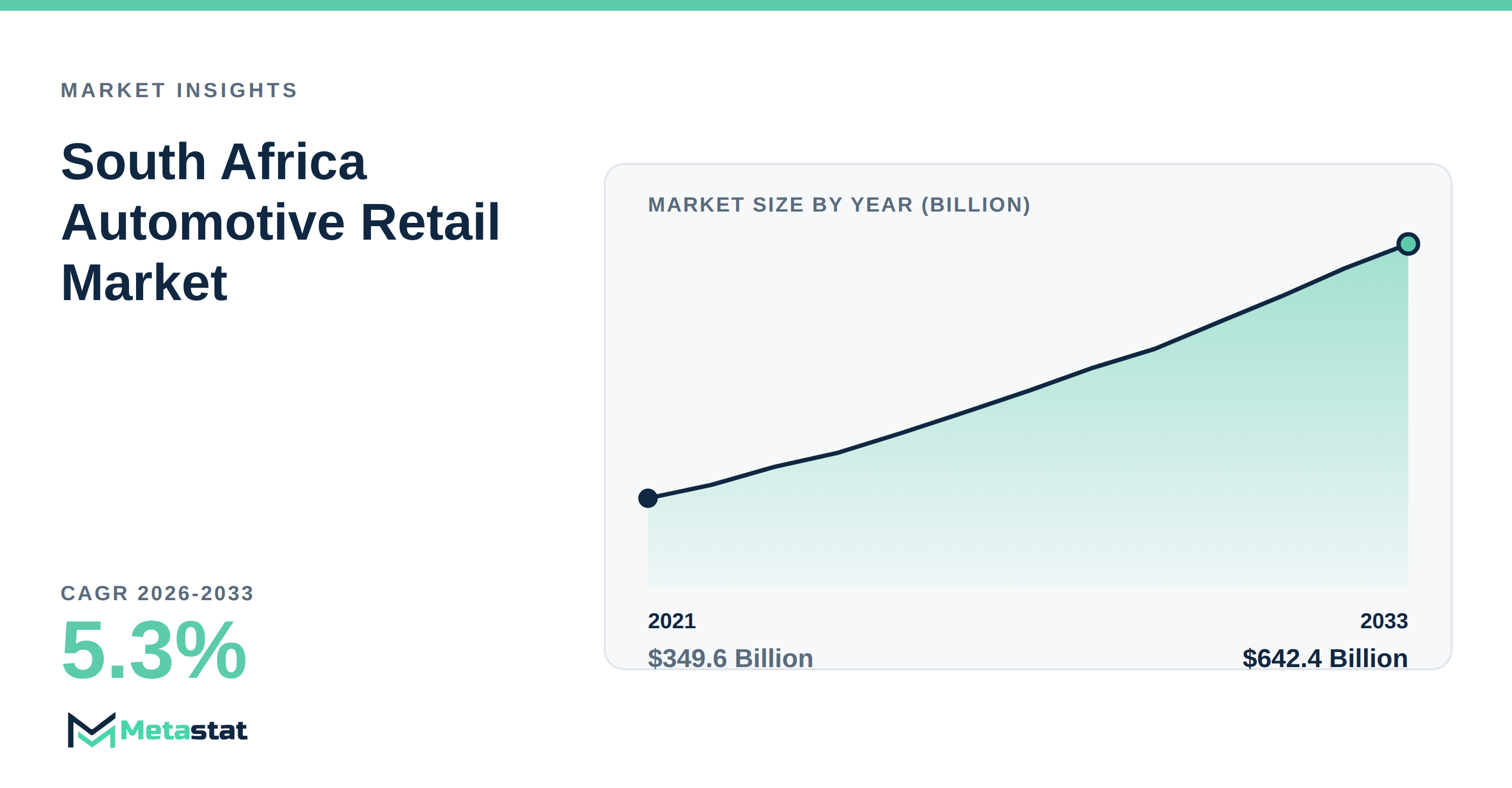
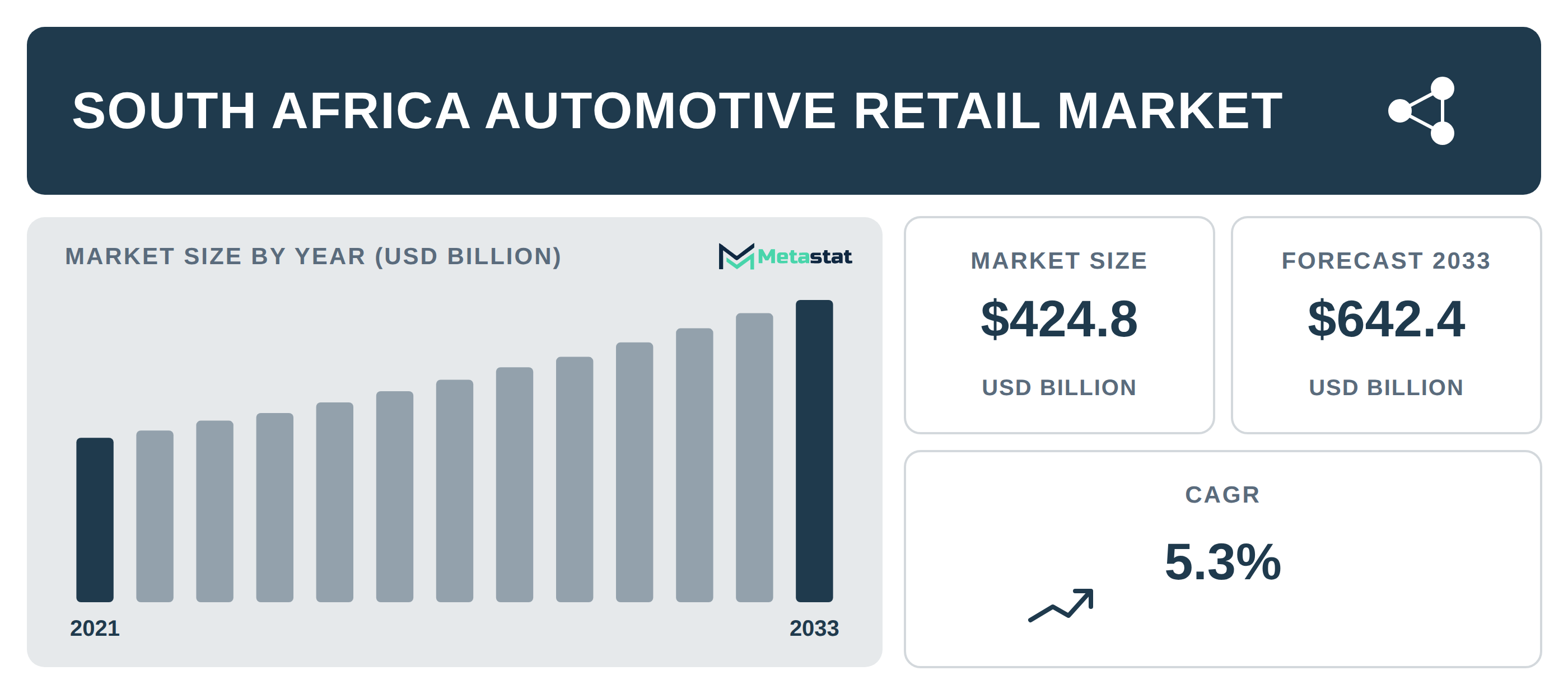
The South Africa Automotive Retail sector is experiencing a significant shift, with SUVs and crossovers emerging as the preferred choice for a growing number of consumers. By 2033, this segment is expected to achieve a valuation of USD 229.6 billion, showcasing a robust annual growth rate of 7.3%. Understanding the reasons behind this trend is crucial for industry stakeholders and consumers alike. The full figures are in our South Africa Automotive Retail market size and forecast report.
What is driving the demand for SUVs in South Africa?
The allure of SUVs lies in their adaptability and spacious interiors, which cater to a diverse range of needs. From families seeking comfort to urban dwellers looking for a versatile vehicle for both commuting and leisure, SUVs are increasingly becoming the go-to choice. Heightened awareness around safety features and a commanding road presence contributes to their appeal. This shift in demand does not appear to be short-lived; it is driven by various social dynamics, including urbanization trends and evolving lifestyle preferences.
How are economic factors influencing SUV popularity?
Consumer confidence significantly impacts the automotive retail landscape, particularly for the SUV segment. As economic conditions improve, many buyers are more inclined to invest in vehicles that offer both practicality and comfort. This growing willingness to purchase reflects a shift towards vehicles that fulfill diverse transport needs, with SUVs positioned as ideal solutions. Expanded financing options have made it easier for consumers to enter the SUV market, further driving demand.
What implications does this have for dealerships?
As consumer preferences evolve, dealerships adapt their inventories to meet the rising demand for SUVs. Those who prioritize stocking these vehicles stand to gain a significant competitive edge. Adapting involves more than just changing inventory; dealerships refine their marketing strategies and align customer engagement practices to effectively communicate the benefits of SUVs to potential buyers.
What does the future hold for other vehicle segments?
While SUVs and crossovers continue to gain traction, implications for other segments including passenger cars and light commercial vehicles are noteworthy. The traditional passenger car segment is expected to grow at a slower rate of 4.1% due to shifting consumer preferences. This transition requires manufacturers and dealers to reevaluate their offerings continuously, ensuring they remain relevant as consumer interests evolve.
Conclusion: Adapting to changing consumer preferences
The increasing demand for SUVs within South Africa's automotive retail sector is being propelled by changing lifestyles, improved economic conditions, and wider financing options. Dealerships that adapt proactively to this trend and prioritize customer experience will likely maintain a competitive advantage in this evolving landscape. As consumer preferences shift further, agility and informed decision-making will be essential for long-term success.
Tags
About the Authors

LEAD ANALYST
Utkarsh Khirodkar is a Lead Market Research Analyst at MetaStat Insight, specializing in market intelligence, technology sector assessments, and competitive strategy.

ENERGY & INFRASTRUCTURE INDUSTRY CONSULTANT
Automotive and Transportation · Electronics and Semiconductor · Energy and Power · Machinery & Equipment
Saurabh Vasant Ganvir consults for Energy & Infrastructure Industry at MetaStat Insight, specializing in renewable energy, solar EPC, and electric vehicle (EV) infrastructure markets.