
Explore essential factors influencing pricing in Food and Beverage Consumer Packaging, including material costs, sustainability, regulations, and supplier competition.
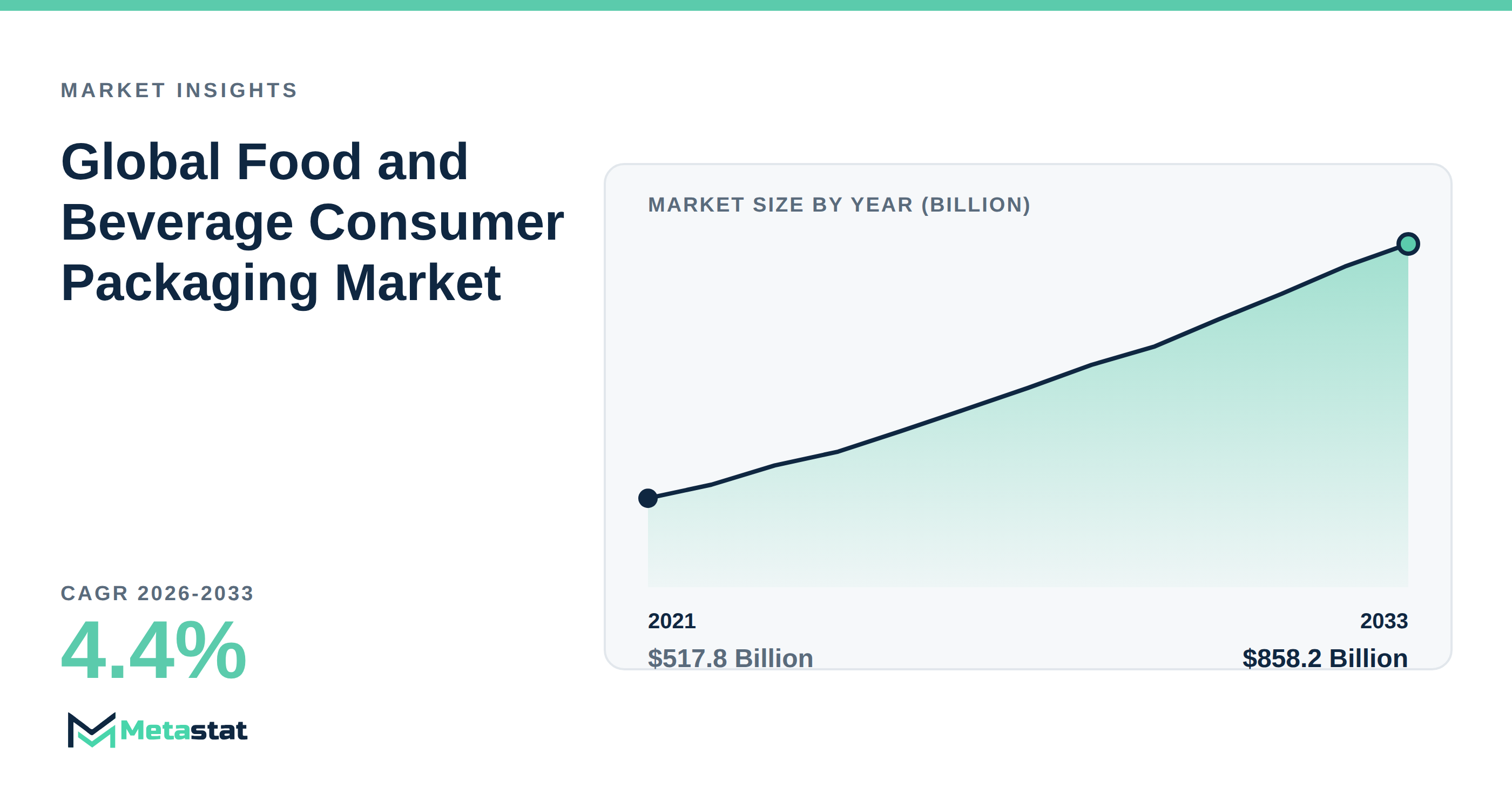
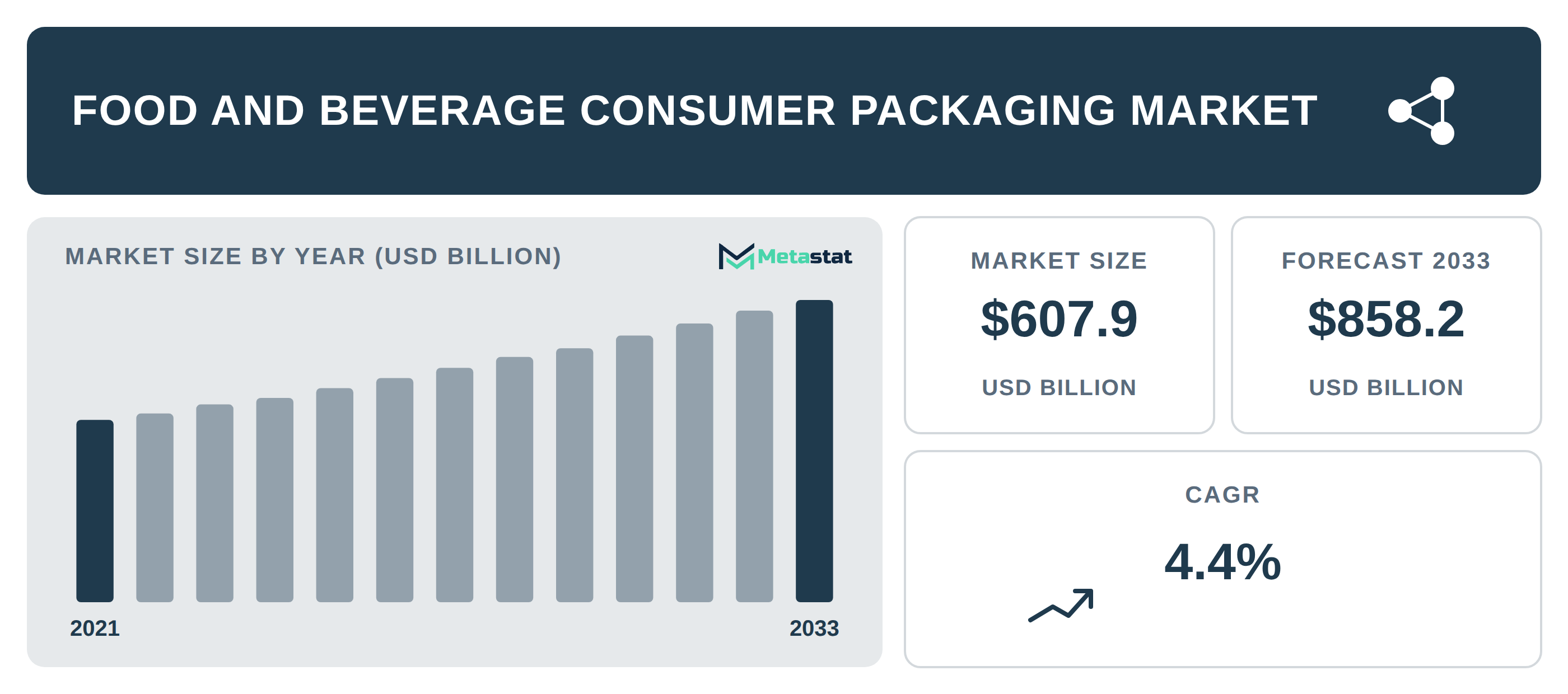
The cost structure in the market for Food and Beverage Consumer Packaging is influenced by numerous factors. Understanding these elements is crucial for buyers aiming to optimize their packaging expenditures while meeting consumer preferences and regulatory requirements. This discussion highlights critical drivers affecting pricing and areas where buyers exert influence. The full figures are in our Food and Beverage Consumer Packaging market size and forecast report.
1. Material Costs Play a Significant Role
Choosing the right packaging material directly impacts pricing strategies. Materials including plastic, paper, and glass carry unique costs based on factors like sourcing and production methods. For instance, the plastic segment of this market is anticipated to rise from USD 253.7 billion in 2026 to USD 324.7 billion by 2033, indicating its extensive application across various sectors. Buyers should evaluate the cost-effectiveness of each material, ensuring a balance between affordability and sustainability, as consumer preferences increasingly lean towards eco-friendly options.
2. Growing Demand for Sustainable Options
Consumer awareness concerning environmental issues is leading to a surge in demand for sustainable packaging solutions, including paper and biodegradable materials. The paper and paperboard segments are projected to experience substantial growth, with expectations for a CAGR of 5.4%. Companies that align their offerings with sustainability trends are more likely to strengthen brand loyalty. Buyers leverage this movement by prioritizing suppliers who demonstrate a genuine commitment to sustainable practices, which lead to slightly higher costs but significant long-term benefits.
3. Regulatory Pressures Shape Packaging Choices
Regulatory frameworks surrounding recycled content are reshaping how companies approach packaging. For example, regulatory bodies in Europe have established ambitious goals requiring that at least 30% of plastic packaging consist of recycled materials by 2030. Adhering to these regulations often incurs additional costs for manufacturers, which directly affects pricing structures throughout the supply chain. Buyers who remain informed about these regulatory changes are better positioned to anticipate cost implications and incorporate them into their procurement strategies.
4. E-commerce Growth is Transforming Packaging Needs
The rise of e-commerce has significantly altered consumer expectations regarding packaging, favoring solutions that are both durable and convenient. This trend leads to increased demand for formats including resealable and single-serve options that meet consumers' desire for ease of use. Although these innovative packaging formats present higher production costs, they enhance customer satisfaction and encourage repeat purchases, justifying the expense for businesses seeking to capitalize on this trend.
5. Supplier Competition Impacts Pricing Flexibility
Fierce competition among packaging suppliers, including notable players like Tetra Pak International S.A. and Amcor plc, influences pricing strategies within the market. Suppliers frequently adjust their pricing to attract new clients or retain existing ones in an innovation-driven environment. Consequently, buyers should explore a range of suppliers and solicit competitive bids to achieve favorable pricing while maintaining the desired quality standards.
6. Investment in Research and Development Fuels Innovation
Continuous investment in research and development is critical for companies looking to keep pace with changing consumer demands and adhere to regulatory standards. Innovations in materials, including advanced barrier technologies and lightweight packaging designs, are vital for improving efficiency and could result in cost savings over time. Buyers with long-term objectives should consider collaborating with suppliers committed to R&D to ensure they access innovative solutions that meet modern requirements.
7. Economic Conditions Affect Overall Costs
Global economic factors, including fluctuations in raw material prices and inflation rates, can greatly influence packaging costs. Buyers should closely monitor these economic indicators to forecast pricing trends effectively in the market for Food and Beverage Consumer Packaging. Awareness of these elements enables buyers to develop their budgets strategically and negotiate better terms based on anticipated market conditions.
Understanding these pivotal factors equips buyers within the Food and Beverage Consumer Packaging sector with the insights necessary to navigate pricing challenges successfully. By leveraging information about material costs, sustainability practices, regulatory frameworks, and supplier competition, businesses make informed decisions that enhance their packaging strategies while managing expenditures.
Tags
About the Authors

LEAD ANALYST
Utkarsh Khirodkar is a Lead Market Research Analyst at MetaStat Insight, specializing in market intelligence, technology sector assessments, and competitive strategy.

SENIOR RESEARCH ANALYST
Biotechnology · Food and Beverages · Medical Devices · Packaging
Snehal Pasalkar is a Research Analyst at MetaStat Insight, operating at the intersection of life sciences research, competitive strategy, and market intelligence.

INDUSTRY CONSULTANT - CHEMICALS & ADVANCED MATERIALS
Chemicals and Materials · Machinery & Equipment · Packaging
Amit Gadhekar Consultant for Chemicals and Materials at MetaStat Insight, directing sector-specific intelligence, research, and strategic consulting across global chemical and processing markets.