
Explore essential questions buyers should ask suppliers in the Silicone-Based Thermal Interface Materials market to ensure optimal product selection and supplier compatibility.
The Silicone-Based Thermal Interface Materials market is experiencing notable expansion, primarily driven by innovations and heightened demand across various sectors. Buyers play a crucial role in collaborating with suppliers to select materials that meet both performance and compliance requirements. The following key questions will assist buyers in evaluating their suppliers effectively.
1. What thermal conductivity levels do your products offer?
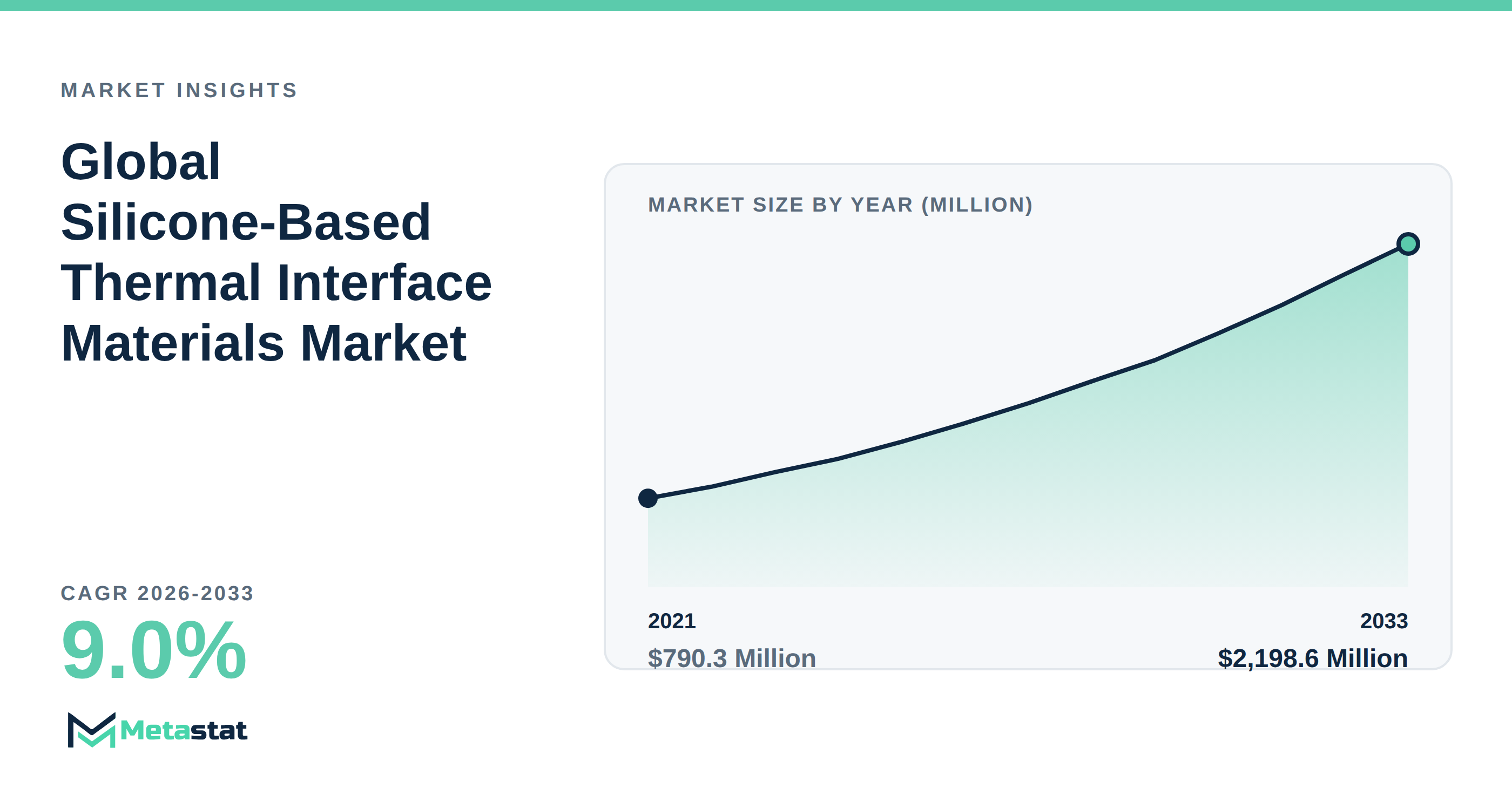
Thermal conductivity represents a critical performance metric for silicone-based thermal interface materials. Buyers should inquire about the specific thermal conductivity levels of products available from suppliers. The market features various conductivity categories, including low, medium, high, and ultra-high. For instance, the high thermal conductivity segment is anticipated to achieve a value of USD 549.6 million by 2033, illustrating strong demand driven by applications in electronics and electric vehicles. Suppliers should provide detailed specifications to demonstrate how their materials fulfill application-specific performance needs.
2. How do you ensure compliance with environmental standards?
Increasing regulatory scrutiny compels buyers to ask suppliers about their approaches to environmental compliance. Regulations significantly shape the development of silicone-based thermal interface materials, promoting eco-friendly formulations and sustainable practices. Manufacturers that prioritize compliance are likely to enhance their market competitiveness. Insights reveal a market shift toward sustainability, marking a vital factor for buyers who seek environmentally responsible suppliers.
3. Can you provide evidence of product reliability under varying conditions?
Reliability amid diverse conditions is paramount for sustaining device performance. Buyers should request documentation on product durability and long-term performance metrics. Manufacturers are developing advanced formulations to enhance these attributes, particularly owing to the industry's requirements for higher performance in compact designs. The segment for consumer electronics is projected to expand at a CAGR of 6.7%, indicating a rising need for dependable thermal management solutions in this domain.
4. What innovations are you pursuing in thermal management technologies?
Innovation in thermal management technologies is essential for suppliers aiming to maintain competitiveness. Buyers benefit from inquiring about ongoing research and development initiatives. The market reflects a strong emphasis on advanced formulations and product capabilities, supported by technological advancements. Companies specializing in thermal gels, for example, project growth that leads to a market value of USD 527.7 million by 2033, showcasing the relevance of novel solutions tailored to industry requirements.
5. How do you handle pricing fluctuations in raw materials?
The dynamics surrounding pricing significantly impact the Silicone-Based Thermal Interface Materials market. Buyers should investigate suppliers' strategies for managing raw material cost volatility. Effective sourcing and supply chain management are critical for maintaining competitive pricing for end users. Research indicates that the pricing environment is complicated by operational challenges and rising costs, underscoring the importance of understanding how suppliers manage these issues.
6. What support do you offer for product integration into existing systems?
Support for product integration directly affects the buyer's experience. Buyers should inquire about the technical assistance available for implementing silicone-based thermal interface materials within existing systems. Companies providing extensive support cultivate stronger partnerships and ensure smoother transitions during the adoption process. While manufacturing industries evolve, the focus on interoperability gains importance, establishing this inquiry because a crucial consideration for buyers.
7. How does your product range address niche applications?
Niche applications present substantial opportunities within the Silicone-Based Thermal Interface Materials market. Buyers should ask suppliers about their capacity to support specialized sectors, including aerospace, medical devices, and telecommunications. The market reflects a trend toward diversification, with manufacturers developing solutions tailored to unique requirements. Engaging with suppliers that effectively address these niches equips buyers with a competitive advantage within their respective markets.
While the Silicone-Based Thermal Interface Materials market evolves, buyers empower their procurement strategies by posing these critical questions. Understanding supplier capabilities not only guides decision-making but positions buyers to leverage new opportunities presented by a changing landscape. For deeper insights into the market dynamics and future prospects, refer to the Global Silicone-Based Thermal Interface Materials Market.
Tags
About the Authors

LEAD ANALYST
Utkarsh Khirodkar is a Lead Market Research Analyst at MetaStat Insight, specializing in market intelligence, technology sector assessments, and competitive strategy.

INDUSTRY CONSULTANT - CHEMICALS & ADVANCED MATERIALS
Chemicals and Materials · Machinery & Equipment · Packaging
Amit Gadhekar Consultant for Chemicals and Materials at MetaStat Insight, directing sector-specific intelligence, research, and strategic consulting across global chemical and processing markets.