
Explore essential questions buyers should consider when selecting suppliers in the Organ Preservation market. Discover insights that enhance supplier partnerships and support successful transplant outcomes.
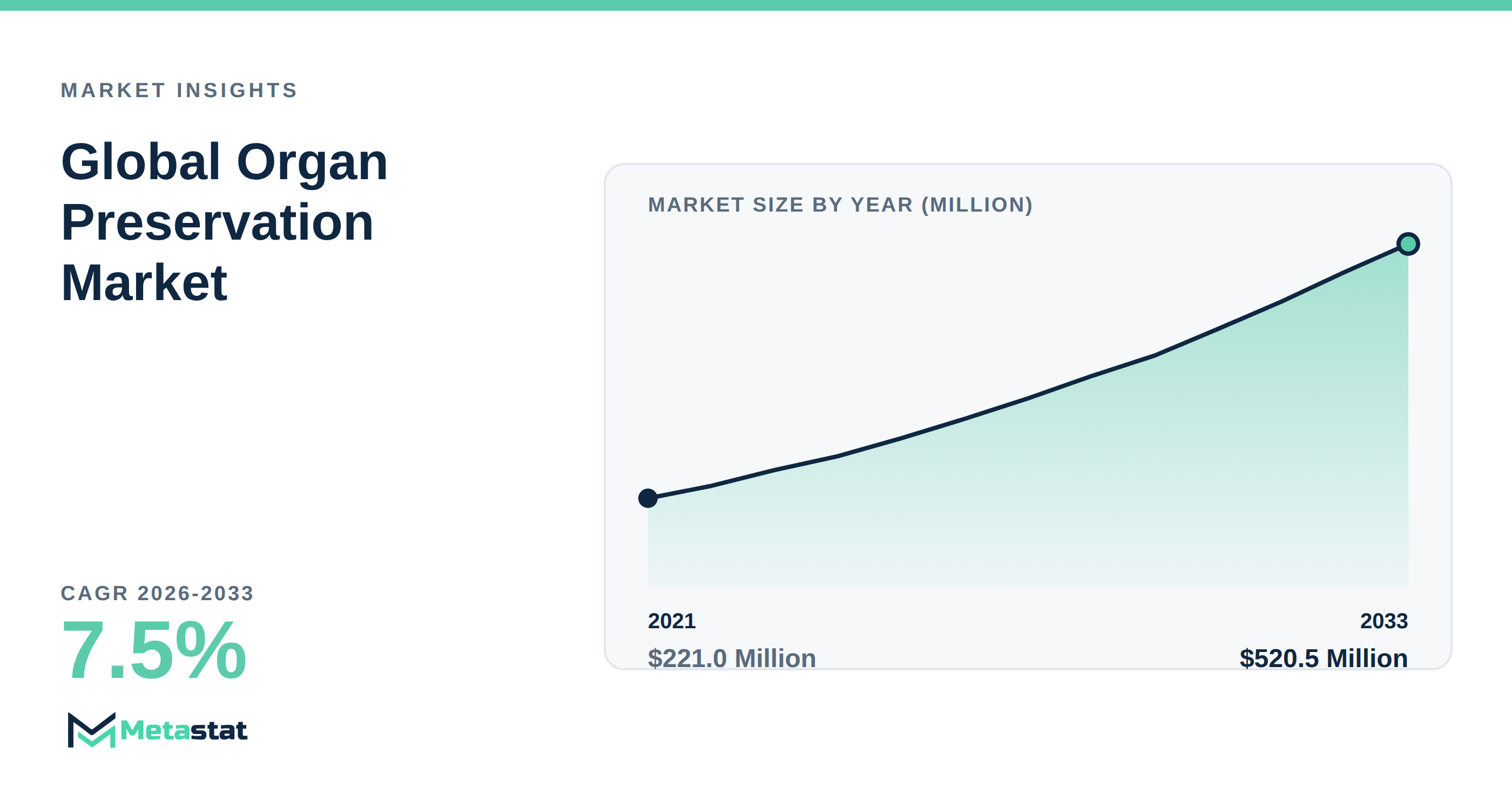
The Organ Preservation market, evaluated at USD 291.8 million in 2025, is projected to expand considerably, reaching USD 520.5 million by 2033. While the dynamics of organ transplantation evolve, buyers in this market is informed to secure optimal partnerships with suppliers. Are critical questions that every buyer should pose to potential suppliers.
1. How do your preservation solutions align with regulatory compliance?
Comprehending a supplier's commitment to regulatory standards is essential. Compliance influences product development timelines and safety certifications crucial in the Organ Preservation market. Suppliers prioritizing compliance mitigate risks associated with delays and ensure product reliability, which is vital for stakeholders including transplant centers and organ procurement organizations. Suppliers who anticipate regulatory adjustments position themselves because valuable partners.
2. What advancements in technology do you incorporate in your offerings?
Technological integration significantly impacts the growth of organ preservation methods. Buyers should inquire about specific technologies employed by suppliers, particularly machine perfusion systems, which demonstrate a substantial CAGR of 9.5%. These systems are instrumental in preserving organ viability, and innovations in this domain enhance preservation results. Understanding the technological prowess of suppliers aids buyers in identifying solutions that match their operational goals and patient care standards.
3. How do you ensure the organ transport systems maintain viability during transit?
With the Organ Transport Systems segment projected to achieve USD 65.9 million by 2033, the importance of these solutions cannot be overstated. Suppliers should elucidate how their transport offerings minimize degradation during transit. This includes details about temperature control measures and packaging technologies that guarantee organs arrive intact at their destination. A supplier’s capability to demonstrate reliable transport systems considerably influences the success of transplant procedures and patient outcomes.
4. Can you detail your organ assessment and monitoring systems?
The Organ Assessment & Monitoring Systems segment anticipates a growth rate of 8.4%, driven by the rising demand for superior monitoring technologies. Buyers should investigate the sophistication of a supplier's monitoring systems and their integration capabilities. Advanced assessment systems enhance organ viability and elevate transplant success rates. Suppliers emphasizing innovation in monitoring technologies are likely to gain a competitive edge in the changing market.
5. What is your approach to sustainability in organ preservation solutions?
Sustainability is becoming increasingly important within the Organ Preservation market, with stakeholders focusing on environmentally responsible practices. Buyers should assess how suppliers embed sustainable methods into their manufacturing and logistics operations. Companies pursuing resource efficiency and carbon reduction strategies not only comply with burgeoning regulatory expectations but resonate with a conscious market. This commitment to sustainability enhances a supplier’s attractiveness and reinforces partnerships.
6. What investment strategies support your R&D initiatives?
Investment in research and development is crucial for tackling the complexities of organ preservation technologies. Suppliers should communicate their funding distributions for R&D and how these investments drive innovation in their product lines. A commitment to ongoing improvement showcases a supplier’s ability to respond to evolving market demands and enhance their organ preservation solutions' effectiveness. This focus on R&D ultimately benefits stakeholders because the market progresses.
7. How do you address supply chain challenges?
Supply chain dynamics present challenges in the Organ Preservation market. Buyers should ask suppliers about strategies implemented to navigate disruptions, including geopolitical tensions or logistical issues. A supplier's ability to maintain a resilient supply chain ensures timely access to necessary components, which is critical for preserving organ quality and viability. Effective supply chain management reflects a commitment to reliability and positions suppliers favorably in the market.
With the Organ Preservation market continuing to evolve, these insightful questions are essential for selecting the right suppliers. Engaging suppliers in substantive discussions facilitates informed decision-making and strengthens partnerships crucial for successful organ transplant outcomes.
The full analysis is in Global Organ Preservation Market.
Tags
About the Authors

LEAD ANALYST
Utkarsh Khirodkar is a Lead Market Research Analyst at MetaStat Insight, specializing in market intelligence, technology sector assessments, and competitive strategy.

LEAD PRINCIPAL ANALYST, PHARMA AND HEALTHCARE
Food and Beverages · Healthcare · Healthcare IT · Medical Devices
Ajay Devgire is the Lead Healthcare Analyst at MetaStat Insight, leading strategic research and market intelligence initiatives across the global healthcare domain.

SENIOR RESEARCH ANALYST
Biotechnology · Food and Beverages · Medical Devices · Packaging
Snehal Pasalkar is a Research Analyst at MetaStat Insight, operating at the intersection of life sciences research, competitive strategy, and market intelligence.