
Navigating the market for 3D Models? Here are seven critical questions to guide your selection of suppliers and enhance your project outcomes.
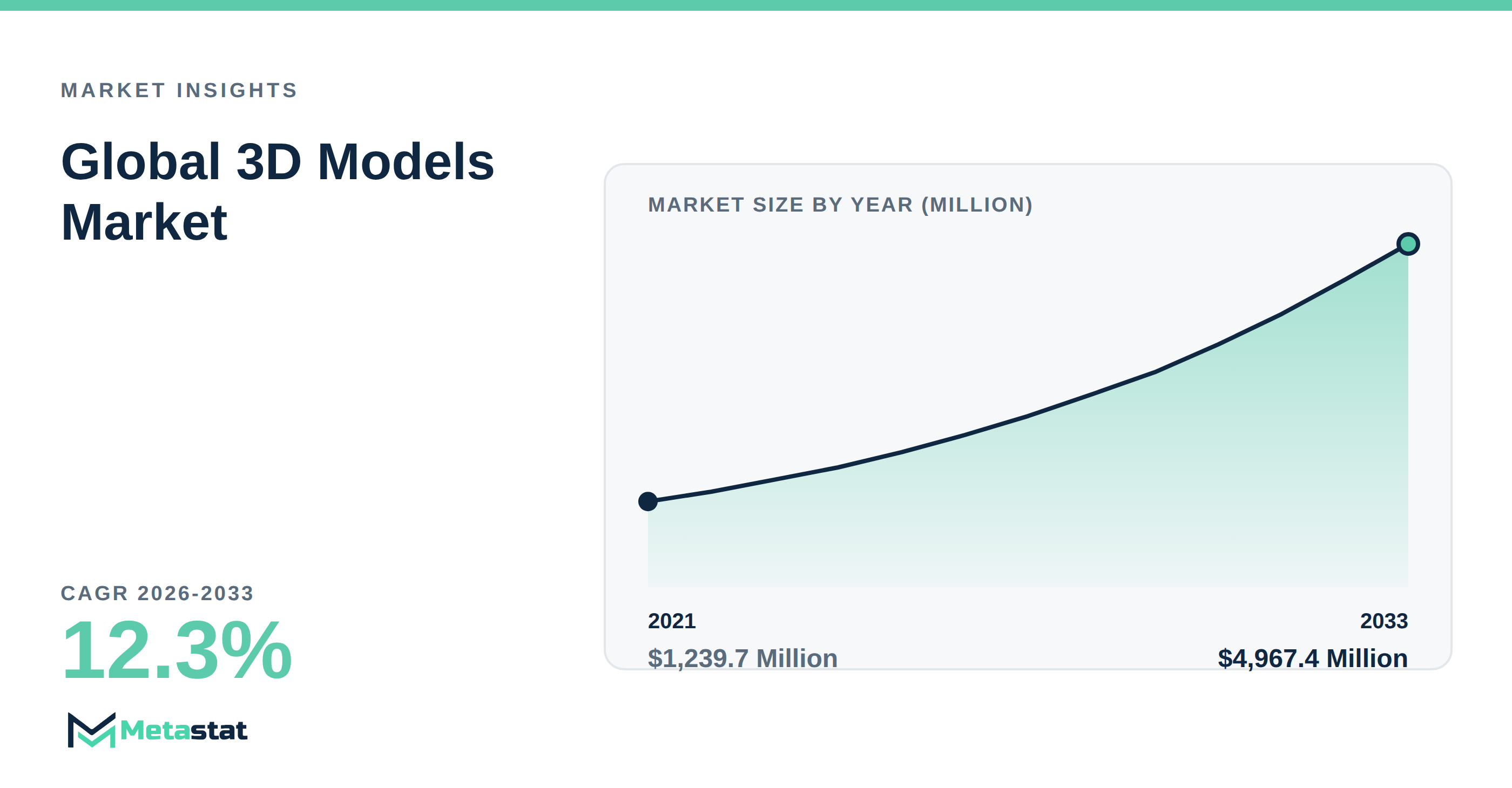
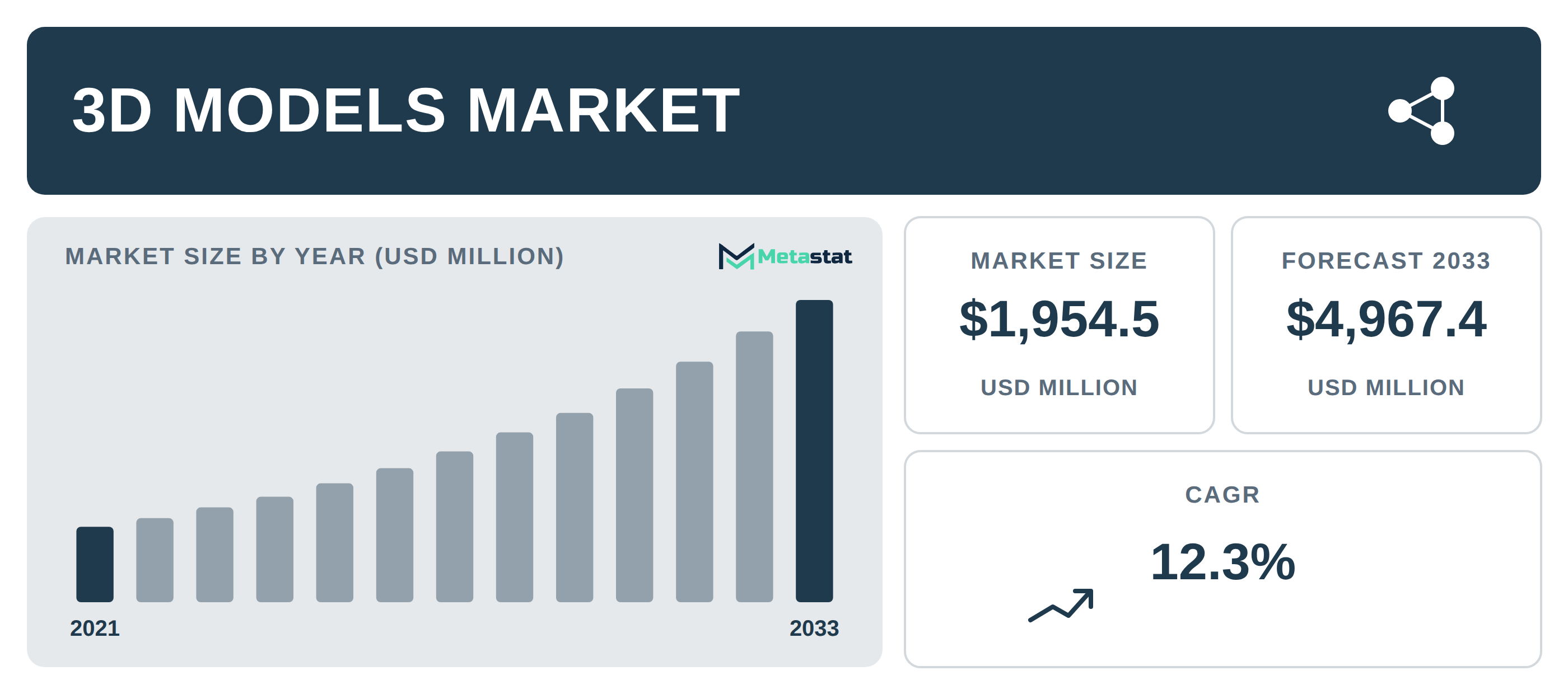
The market for 3D Models requires buyers to be proactive in their inquiries. Understanding supplier offerings is crucial for making informed decisions. Are seven important questions that shape the supplier relationship and ensure optimal project outcomes. The full figures are in our 3D Models market size and forecast report.
1. What quality assurance measures are in place for your models?
Quality assurance remains essential in creating 3D models, especially in sectors like gaming and architecture. Buyers should inquire about the procedures implemented by suppliers to ensure models meet industry standards and client specifications. This includes testing protocols for functionality, aesthetics, and compatibility across various platforms. Reliable suppliers should demonstrate their commitment to quality through certifications or examples of past work. Ensuring high-quality assets leads to better project outcomes and enhances user engagement.
2. How do you accommodate customization requests?
Customization has become increasingly important as buyers seek unique assets to differentiate their projects. Understanding how suppliers handle customization requests is key. Buyers should ask about the process for creating bespoke models, including timelines and costs associated with tailored designs. Suppliers that offer flexible customization options align their offerings with client needs, ultimately strengthening partnerships and satisfaction with the final product.
3. What delivery formats do you support for your models?
The rise of various platforms and applications emphasizes the importance of delivery format. Buyers should inquire about the file formats available and whether the supplier supports industry-standard options, including glTF and USD. These formats facilitate integration into diverse environments, including real-time commerce and simulation applications. Suppliers capable of providing versatile delivery options enhance the usability and accessibility of their models, benefiting buyers significantly.
4. What licensing options do you offer for your assets?
Licensing structures are vital in shaping how 3D models are utilized across different projects. Buyers should ask suppliers about the types of licenses available - options for exclusive rights or shared usage significantlies differ. Clarifying licensing agreements prevents potential legal issues and ensures that buyers maintain control over their purchased assets. Understanding the implications of licensing helps buyers align their project requirements with supplier offerings, facilitating smoother production processes.
5. How do you ensure your models remain up-to-date with industry trends and technologies?
The 3D Models landscape is characterized by rapid technological advancements, making it essential for suppliers to stay current. Buyers should seek information on how suppliers integrate emerging technologies into their model creation processes. This includes advancements like generative AI and new modeling techniques. Suppliers that continually adapt to industry changes provide a competitive edge, ensuring that buyers benefit from high-quality, relevant assets that enhance their projects.
6. What support do you provide during the implementation of your models?
Post-purchase support significantly affects project success. Buyers should explore the level of assistance suppliers offer during the integration of 3D models into their workflows. This includes technical support, guidance on best practices, and access to resources that ease the implementation process. Suppliers prioritizing customer support enhances client satisfaction and contribute to the longevity of buyer-supplier relationships.
7. What innovations are you introducing to your modeling processes?
Staying ahead in the market for 3D Models requires an emphasis on innovation. Buyers should inquire about the latest technologies or methodologies suppliers are adopting to improve model quality and efficiency. For example, the adoption of generative AI or advanced scanning techniques significantly impact both the speed and quality of model production. Suppliers that focus on innovation not only enhance their offerings but position themselves as leaders in the competitive landscape.
By asking these critical questions, buyers effectively gauge potential 3D Models suppliers and ensure they select partners that align with their project needs and standards. This proactive approach proves vital for navigating the complexities of the market and achieving desired results.
Tags
About the Authors

LEAD ANALYST
Utkarsh Khirodkar is a Lead Market Research Analyst at MetaStat Insight, specializing in market intelligence, technology sector assessments, and competitive strategy.

PRINCIPAL CONSULTANT - ENTERPRISE AI & EMERGING TECHNOLOGIES
Banking & Finance · Electronics and Semiconductor · Energy and Power · Healthcare IT · Information & Technology · Professional Services
Vijay Gunti is a Principal Consultant at MetaStat Insight, bringing over two decades of experience across enterprise digital transformation, technology strategy, and intelligent systems.

LEAD CONSULTANT - COMMUNICATION, TELECOM, AND IT
Electronics and Semiconductor · Information & Technology · Machinery & Equipment · Professional Services
Ravindra Sathe Consultants for Communication, Telecom, and IT at MetaStat Insight. He leads the firm's industry research initiatives across telecommunications infrastructure, digital connectivity, enterprise networking, and emerging information technology domains.