
Explore why there are significant differences in demand for Absorbent Hygiene Products between Asia Pacific and North America, focusing on key factors driving growth.
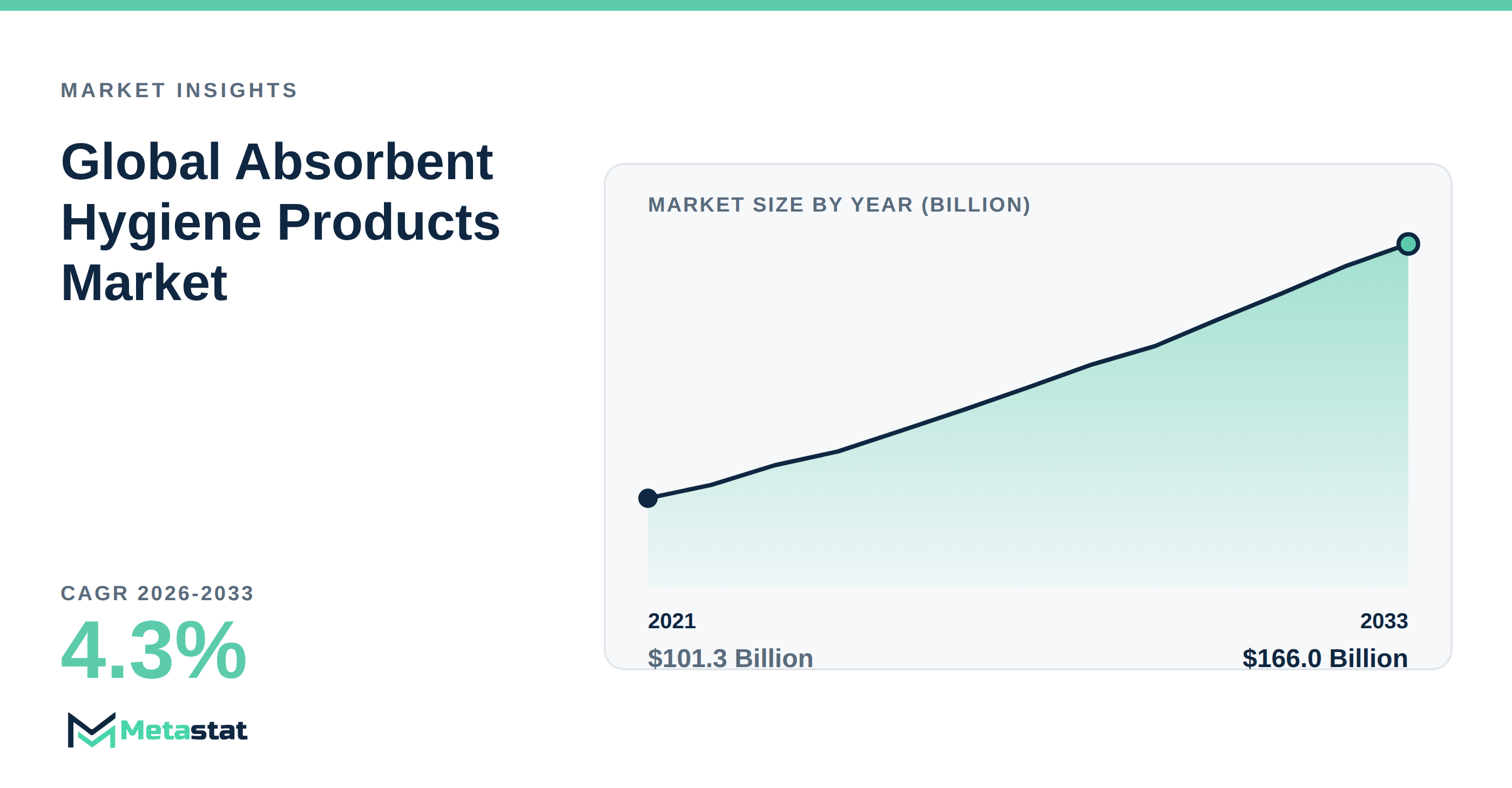
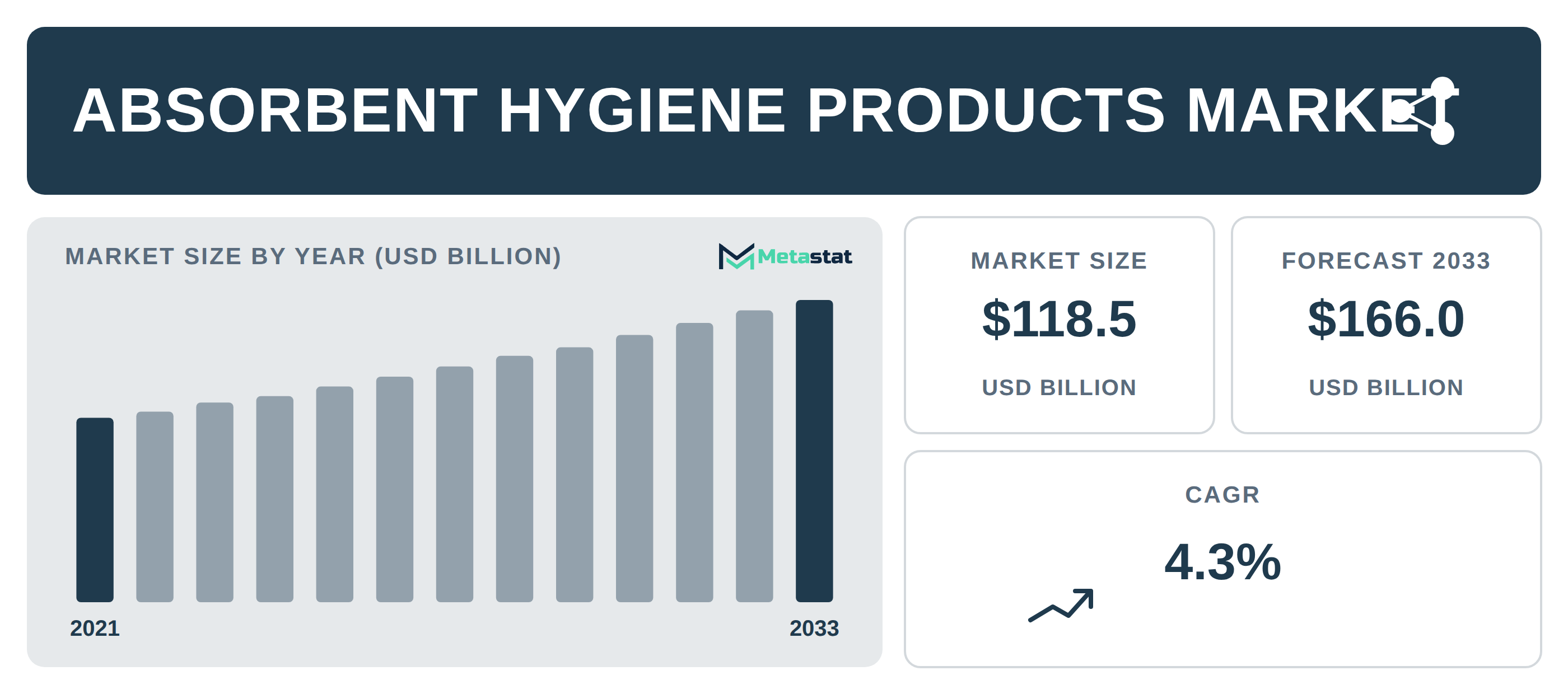
The global demand for absorbent hygiene products varies significantly between regions, with marked differences in growth potential and consumer behavior. Understanding these variations is essential for businesses aiming to optimize their market strategies for products like diapers, sanitary pads, and adult incontinence solutions. This post examines the diverging demand for absorbent hygiene products across Asia Pacific and North America, identifying which regions lead and lag and what factors contribute to these trends. The full figures are in our Absorbent Hygiene Products market size and forecast report.
Why does Asia Pacific lead in demand for absorbent hygiene products?
Asia Pacific commands a substantial share of the global demand for absorbent hygiene products, with 39.5% of the market in 2025. This impressive figure results from several key factors, including rapid urbanization, increasing disposable incomes, and a growing population. Countries including China and India witness a transformation in consumer behavior as families prioritize hygiene and quality in their purchasing decisions.
The rise of women participating in the workforce contributes significantly to the growing demand for sanitary products, especially in urban areas. Women are increasingly seeking convenience and reliability, which enhances the demand for absorbent hygiene products. The expansion of e-commerce platforms in the region plays an essential role, making it easier for consumers to purchase hygiene products. This combination of demographic factors and changing consumer preferences positions Asia Pacific as a leader in the absorbent hygiene products sector.
What challenges does North America face regarding absorbent hygiene products?
In contrast, North America, which accounted for 26.3% of the global demand in 2025, faces specific challenges that affect its demand for absorbent hygiene products. Despite a strong focus on hygiene and health awareness among consumers, rising raw material costs and intense competition present significant hurdles. Manufacturers experience pressure to maintain pricing while ensuring high product quality, which limits their ability to innovate and introduce new offerings to the market.
Changing consumer preferences toward eco-friendly products present additional challenges for traditional disposable items, prompting manufacturers to adapt to these shifts. While the market is expected to reach USD 41.2 billion by 2033, indicating potential growth, companies strategically adjust to meet these challenges effectively.
Where is growth accelerating most rapidly?
The adult incontinence segment is witnessing rapid growth in both Asia Pacific and North America, reflecting the changing demographic landscape, particularly the aging population. In Asia Pacific, demand is increasing due to greater awareness surrounding hygiene and comfort for older adults. In North America, the focus is on specialized products catering to the unique needs of this demographic, leading to heightened interest in the category.
Specialized products not only enhance comfort but address overall health management for the aging population. Manufacturers who innovate to provide effective solutions for this segment strengthen their competitive edge while meeting the growing consumer demand for tailored hygiene products.
How does e-commerce influence regional purchasing behavior?
The rise of e-commerce significantly impacts purchasing behavior for absorbent hygiene products in both regions. In North America, online sales channels are expanding rapidly, influenced by changing consumer habits that favor convenience and discretion. The growth of digital platforms for purchasing hygiene products reflects the preference for seamless shopping experiences.
In Asia Pacific, increasing internet access and a tech-savvy younger demographic further support the expansion of e-commerce. Consumers in this region appreciate the convenience of easily accessing a wide variety of products, enhancing their overall shopping experience. This trend demonstrates a significant shift in marketing and sales strategies, prompting manufacturers to invest in digital solutions that cater to these evolving purchasing preferences.
What does the future hold for absorbent hygiene product demand?
The future demand for absorbent hygiene products will likely mirror broader societal trends toward health and hygiene. In Asia Pacific, growth will be bolstered by continued urbanization and consumer education on hygiene practices. Meanwhile, North America will confront pricing pressures and will innovate sustainably to stay competitive.
Stakeholders should closely monitor these regional dynamics, recognizing that demand for absorbent products will be influenced by a mixture of consumer preferences, economic factors, and the availability of advanced products. Understanding these regional nuances enables companies to tailor their strategies effectively, ensuring they capitalize on growth opportunities while successfully navigating potential challenges.
For detailed insights, refer to the Absorbent Hygiene Products market size and forecast report.
Tags
About the Authors

LEAD ANALYST
Utkarsh Khirodkar is a Lead Market Research Analyst at MetaStat Insight, specializing in market intelligence, technology sector assessments, and competitive strategy.

LEAD PRINCIPAL ANALYST, PHARMA AND HEALTHCARE
Food and Beverages · Healthcare · Healthcare IT · Medical Devices
Ajay Devgire is the Lead Healthcare Analyst at MetaStat Insight, leading strategic research and market intelligence initiatives across the global healthcare domain.