
Explore the regional disparities in the demand for India Data Center Cooling solutions, including key growth drivers and technological impacts.
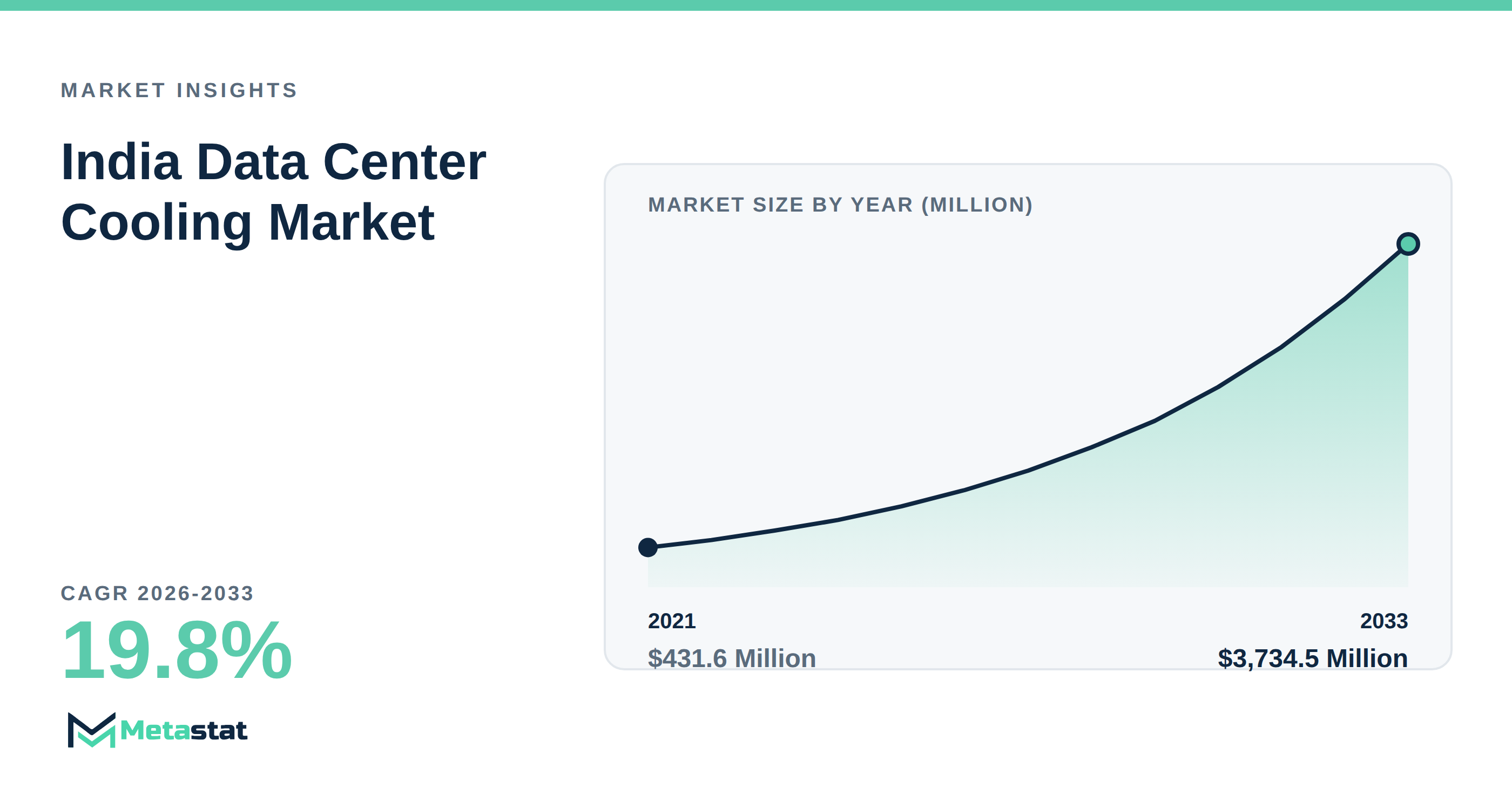
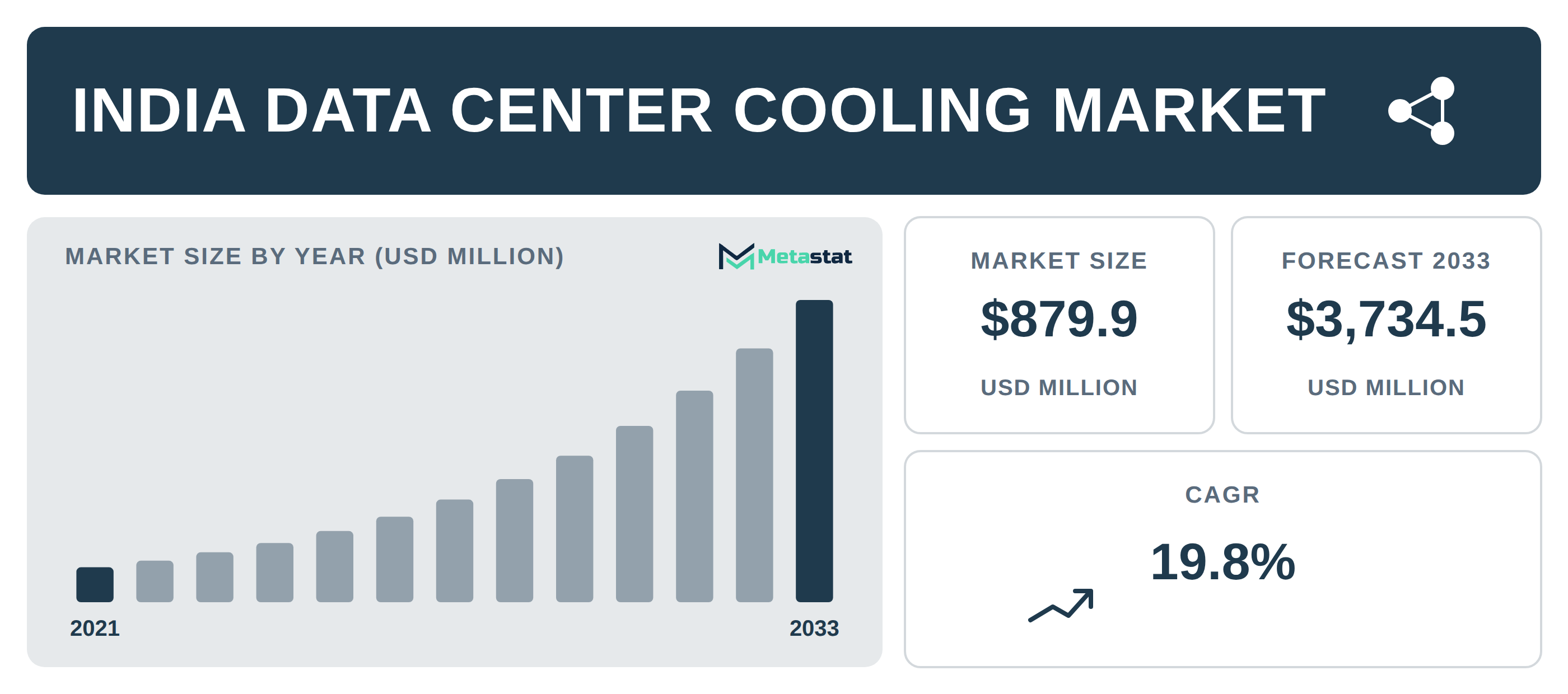
An examination of the India Data Center Cooling landscape shows notable disparities in regional demand and growth patterns. Understanding these trends guide stakeholders in making informed investment decisions. The full figures are in our India Data Center Cooling market size and forecast report.
What accounts for the divergence in regional demand for cooling solutions?
Divergence in demand for data center cooling solutions across different regions in India stems from varying industrial growth rates, infrastructure development, and digital transformation initiatives. The regions with rapidly expanding IT sectors, like Maharashtra and Karnataka, exhibit higher demand for cooling technologies, driven by the proliferation of data centers and hyperscale facilities. These areas are investing significantly in cloud services, leading to an accelerated need for advanced cooling systems to manage heat output efficiently.
In contrast, states with less industrial activity and slower IT development face challenges in adopting modern cooling systems. Limited infrastructure and lower digital service penetration result in subdued demand for innovative cooling solutions. Suppliers identify these challenges to tailor their offerings to meet specific regional needs, helping to bridge the gap in demand.
How do sector dynamics influence cooling technology adoption?
Sector dynamics significantly affect the adoption of cooling technologies in India. The IT and telecommunications sector stands out due to its continuous expansion and increasing reliance on cloud computing. This sector represents the most valuable segment in data center cooling, pushing for robust systems capable of managing high-density workloads. The heightened focus on energy efficiency aligns with broader sustainability initiatives, driving demand for innovative cooling solutions.
Conversely, sectors including manufacturing and industrial face slower adoption rates due to the higher initial costs associated with advanced cooling technologies. Companies often choose to maintain existing systems rather than invest in upgraded solutions, thus limiting overall expansion. The varying levels of commitment to digital transformation and operational efficiency across sectors necessitate tailored strategies to stimulate demand for cooling technologies in less advanced industries.
What role does technological innovation play in regional demand?
Technological advancements play a significant role in shaping regional demand for data center cooling solutions. States that invest in research and development, particularly in liquid cooling technologies, are witnessing substantial growth. Liquid cooling systems offer efficient solutions for managing heat in densely packed environments, appealing to regions with high-performance computing applications and AI workloads.
Air-based cooling technologies are evolving to meet rising energy efficiency standards. Regions prioritizing sustainability and operational cost reductions see significant interest in these innovations. Organizations increasingly prefer investing in air-based systems that provide improvements in energy use and environmental impact, leading to further regional differentiation in cooling technology adoption.
How does economic performance impact cooling system investments?
Regional economic performance directly influences investments in cooling systems. States with robust economic growth attract more investments in data center infrastructure, subsequently driving demand for effective cooling solutions. Conversely, regions with slower economic progress struggle to allocate budgets for advanced cooling technologies, hindering adoption rates. Pricing pressures remain a concern, particularly for smaller enterprises lacking resources to invest in new systems.
Against the backdrop of rising input costs affecting suppliers, companies encounter margin pressures that lead to higher prices for cooling systems. This complicates decision-making for buyers in economically constrained regions, making it essential for suppliers to develop cost-effective solutions that maintain competitive pricing without sacrificing performance.
What does the future hold for India's cooling technology landscape?
The future of India's data center cooling landscape hinges on addressing regional disparities and evolving market demands. As digital transformation reshapes industries, regions that adapt their cooling strategies to align with technological advancements will likely achieve competitive advantages. The increasing emphasis on energy efficiency and sustainability will further drive demand for innovative cooling solutions across all areas.
To capitalize on growth opportunities, suppliers focus on enhancing their product offerings while tailoring solutions to meet the unique needs of different regional markets. By collaborating with key stakeholders, suppliers drive the growth of the India Data Center Cooling segment, ensuring that all regions benefit from advancements in cooling technology.
Tags
About the Authors

LEAD ANALYST
Utkarsh Khirodkar is a Lead Market Research Analyst at MetaStat Insight, specializing in market intelligence, technology sector assessments, and competitive strategy.

PRINCIPAL CONSULTANT - ENTERPRISE AI & EMERGING TECHNOLOGIES
Banking & Finance · Electronics and Semiconductor · Energy and Power · Healthcare IT · Information & Technology · Professional Services
Vijay Gunti is a Principal Consultant at MetaStat Insight, bringing over two decades of experience across enterprise digital transformation, technology strategy, and intelligent systems.

LEAD CONSULTANT - COMMUNICATION, TELECOM, AND IT
Electronics and Semiconductor · Information & Technology · Machinery & Equipment · Professional Services
Ravindra Sathe Consultants for Communication, Telecom, and IT at MetaStat Insight. He leads the firm's industry research initiatives across telecommunications infrastructure, digital connectivity, enterprise networking, and emerging information technology domains.