
Explore the diverging demands for thermal systems in North America and Asia Pacific, driven by technology, industry needs, and market challenges.
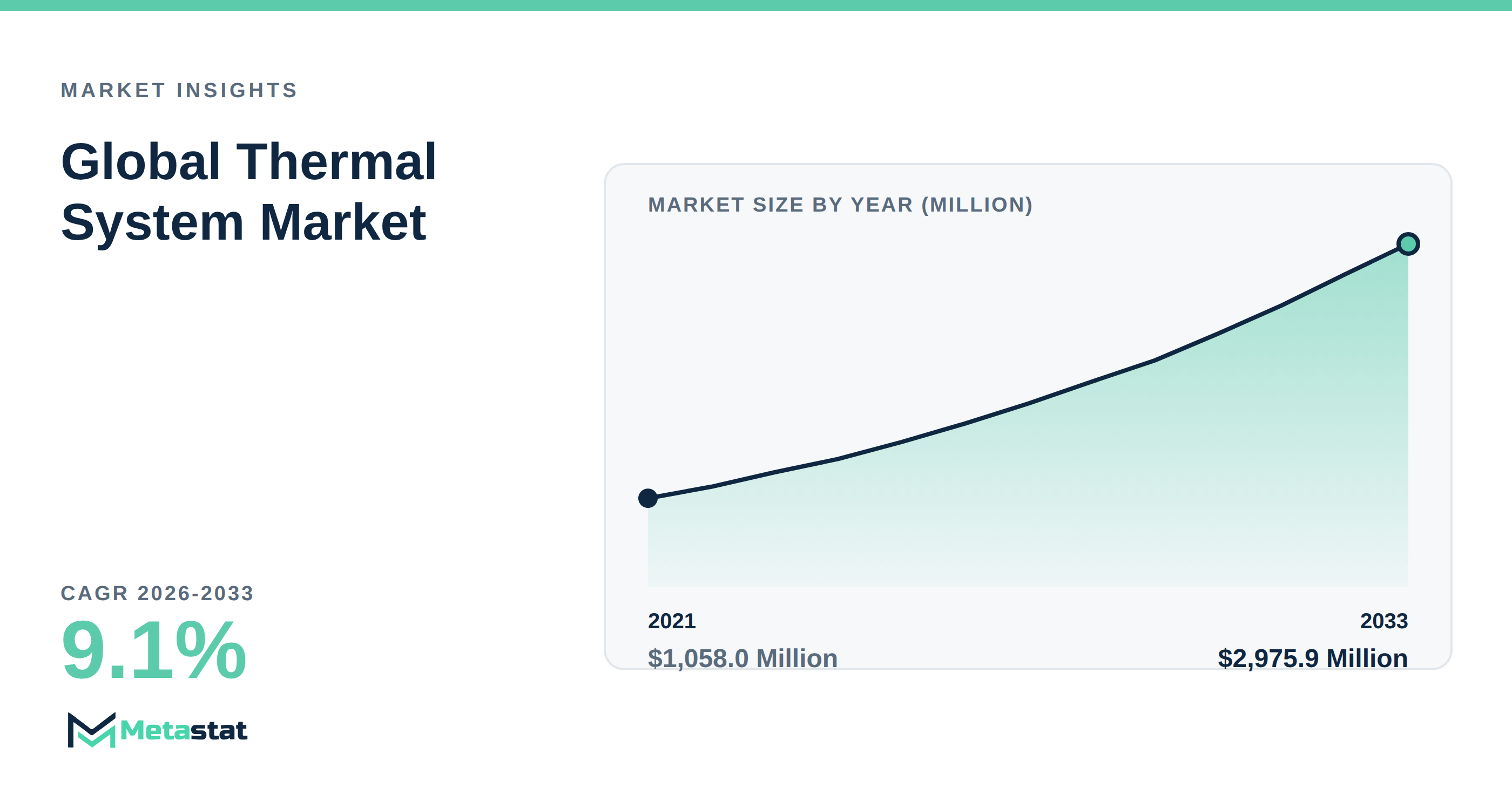
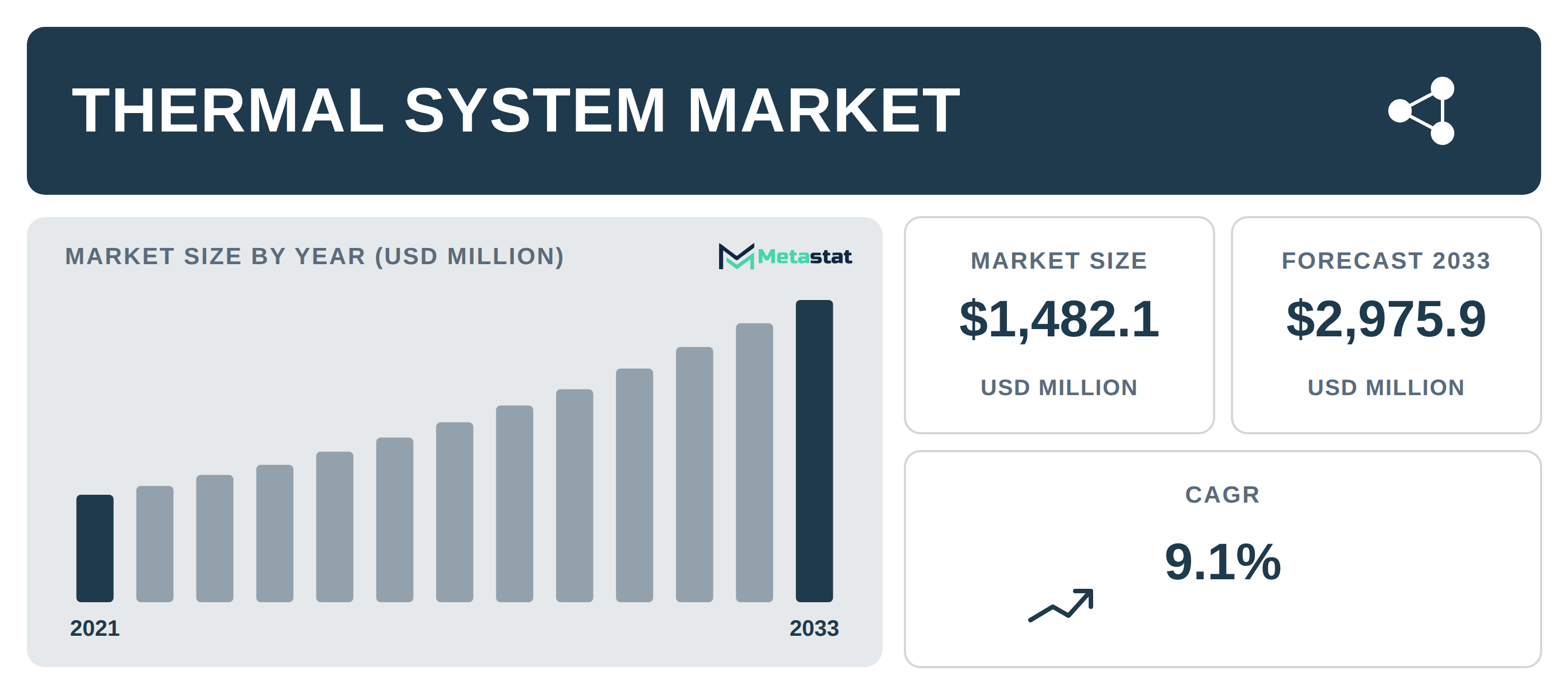
The divergence in regional demand for thermal management solutions is evident, especially between North America and the Asia Pacific. This difference highlights not only varying levels of adoption but distinct driving forces shaping each region's landscape. In 2025, North America is projected to hold 33.3% of the thermal system landscape, while the Asia Pacific follows closely, accounting for 31.9%. This difference illustrates a competitive environment where North America leads in market engagement, driven primarily by technological advancement and robust consumer demand for energy-efficient solutions. The full figures are in our Thermal System market size and forecast report.
What drives North America's leadership in thermal systems?
North America's position as a leader in thermal systems stems from its strong focus on innovation and stringent regulatory requirements. The region's commitment to energy efficiency and environmental sustainability accelerates investments in advanced cooling technologies. These factors encourage industries to adopt systems that enhance operational efficiency, comply with safety standards, and extend the longevity of equipment.
Companies including Eaton Corporation and Carrier Global Corporation actively develop innovative solutions tailored to the specific needs of local industries, particularly in electronics and automotive manufacturing. The drive for better thermal management correlates with the increasing complexity of electronic components and industrial machinery, which require advanced cooling systems to prevent overheating and ensure peak performance.
Why is Asia Pacific catching up?
The Asia Pacific region witnesses rapid growth in the demand for thermal systems due to its booming electronics and semiconductor sectors. The region's adoption of innovative cooling technologies, including thermoelectric systems and liquid cooling solutions, responds to the escalating heat generation from high-performance electronics. Major players, including Mitsubishi Electric Corporation and Daikin Industries, are establishing manufacturing capabilities to cater to the growing regional needs.
The rise of electric vehicle technology significantly influences thermal system demand in Asia Pacific. While the automotive industry shifts toward electrification, effective battery thermal management systems become crucial for ensuring the safety and efficiency of electric vehicles. This trend provides a substantial opportunity for suppliers focusing on advanced thermal management solutions tailored to this evolving market.
What challenges does each region face?
Despite North America's head start, it encounters challenges, notably high installation costs and pressure from rising material expenses. These factors slow down investments in new thermal technologies. The necessity for infrastructure upgrades to accommodate advanced systems further complicates the situation for buyers in this region.
In comparison, the Asia Pacific region grapples with limited infrastructure in certain areas. Inadequate facilities hinder the implementation of advanced thermal systems, resulting in smaller order volumes and increased operational costs. Low awareness among consumers regarding the benefits of innovative thermal solutions restrains demand, which delays market expansion in several emerging markets.
What does the future hold for thermal management?
Looking ahead, both regions present unique growth opportunities. North America's advancements in technology and commitment to sustainability position it to maintain its leadership in thermal management innovation. Conversely, the Asia Pacific region's increasing demand for electronics cooling solutions and the transition to electric vehicles positions it as an emerging powerhouse in thermal systems.
The convergence of new cooling technologies, including phase change and heat pipe solutions, is anticipated to improve thermal management capabilities across sectors in both regions. Collaboration between suppliers and manufacturers will foster new strategies to tackle the specific challenges faced by each region, driving growth opportunities in the overall thermal systems landscape.
Ultimately, understanding the various factors influencing regional demand for thermal management solutions equips buyers and investors with the insights needed to navigate this evolving market effectively. Monitoring trends, supplier innovations, and changing regulations will be critical for capitalizing on the growing opportunities within both North America and the Asia Pacific.
Tags
About the Authors

LEAD ANALYST
Utkarsh Khirodkar is a Lead Market Research Analyst at MetaStat Insight, specializing in market intelligence, technology sector assessments, and competitive strategy.

PRINCIPAL CONSULTANT - ENTERPRISE AI & EMERGING TECHNOLOGIES
Banking & Finance · Electronics and Semiconductor · Energy and Power · Healthcare IT · Information & Technology · Professional Services
Vijay Gunti is a Principal Consultant at MetaStat Insight, bringing over two decades of experience across enterprise digital transformation, technology strategy, and intelligent systems.

ENERGY & INFRASTRUCTURE INDUSTRY CONSULTANT
Automotive and Transportation · Electronics and Semiconductor · Energy and Power · Machinery & Equipment
Saurabh Vasant Ganvir consults for Energy & Infrastructure Industry at MetaStat Insight, specializing in renewable energy, solar EPC, and electric vehicle (EV) infrastructure markets.