
LEAD ANALYST
Utkarsh Khirodkar is a Lead Market Research Analyst at MetaStat Insight, specializing in market intelligence, technology sector assessments, and competitive strategy.

Global Thermal System Market Size, Share, By Product Type (Thermoelectric Cooling Systems, Liquid Cooling Systems, Air Cooling Systems, Chillers, Heat Exchangers, Thermal Control Units, Thermal Management Assemblies and Others), By Technology (Thermoelectric Cooling, Vapor Compression Cooling, Liquid Cooling, Air Cooling, Evaporative Cooling, Phase Change Cooling, Heat Pipe Technology and Others), By Application (Electronics Cooling, Semiconductor Process Temperature Control, Battery Thermal Management, Laser and Optoelectronic Cooling, Medical Equipment Temperature Control, Industrial Process Cooling and Others), By End-Use Industry (Semiconductor and Electronics, Telecommunications and Photonics, Medical and Life Sciences, Industrial Equipment and Instrumentation, Automotive, Aerospace and Defense, Consumer Electronics and Appliances, Data Centers and Computing and Others), Industry Analysis, Growth, Trends, and Forecast, 2026-2033
Report ID
MSI-5458
Published
October, 2026
Pages
291 Pages
Format
Historical
Base year
Forecast
Forecast period
Report Details
Market Valuation: Valued at $1,482.1 Million in 2025, projected to reach $2,975.9 Million by 2033 at a 9.1% CAGR.
Dominant Segment: Thermoelectric cooling systems lead the market, driven by their compact design and energy efficiency, particularly in electronics cooling and semiconductor applications.
Geographic Lead: North America dominates the market with a 33.3% share in 2025, while the Asia Pacific region is also significant, accounting for 31.9% of the market, reflecting strong adoption rates.
What's Inside: The report provides a comprehensive analysis of market dynamics, competitive landscape, and forecasts from 2026 to 2033, covering various product types and technologies.
Emerging Trends: The rising demand for advanced cooling technologies, particularly in the semiconductor and electronics sectors, is reshaping thermal management solutions across high-growth industries.
Infrastructure Challenges: Limited infrastructure in emerging markets poses barriers to growth, affecting the adoption rates of advanced thermal systems and influencing purchasing decisions.
Choose Your License
Global Thermal System Market
The global Thermal System market was valued at USD 1,482.1 million in 2025 and is projected to reach USD 2,975.9 million by 2033, growing at a CAGR of 9.1% over the forecast period.
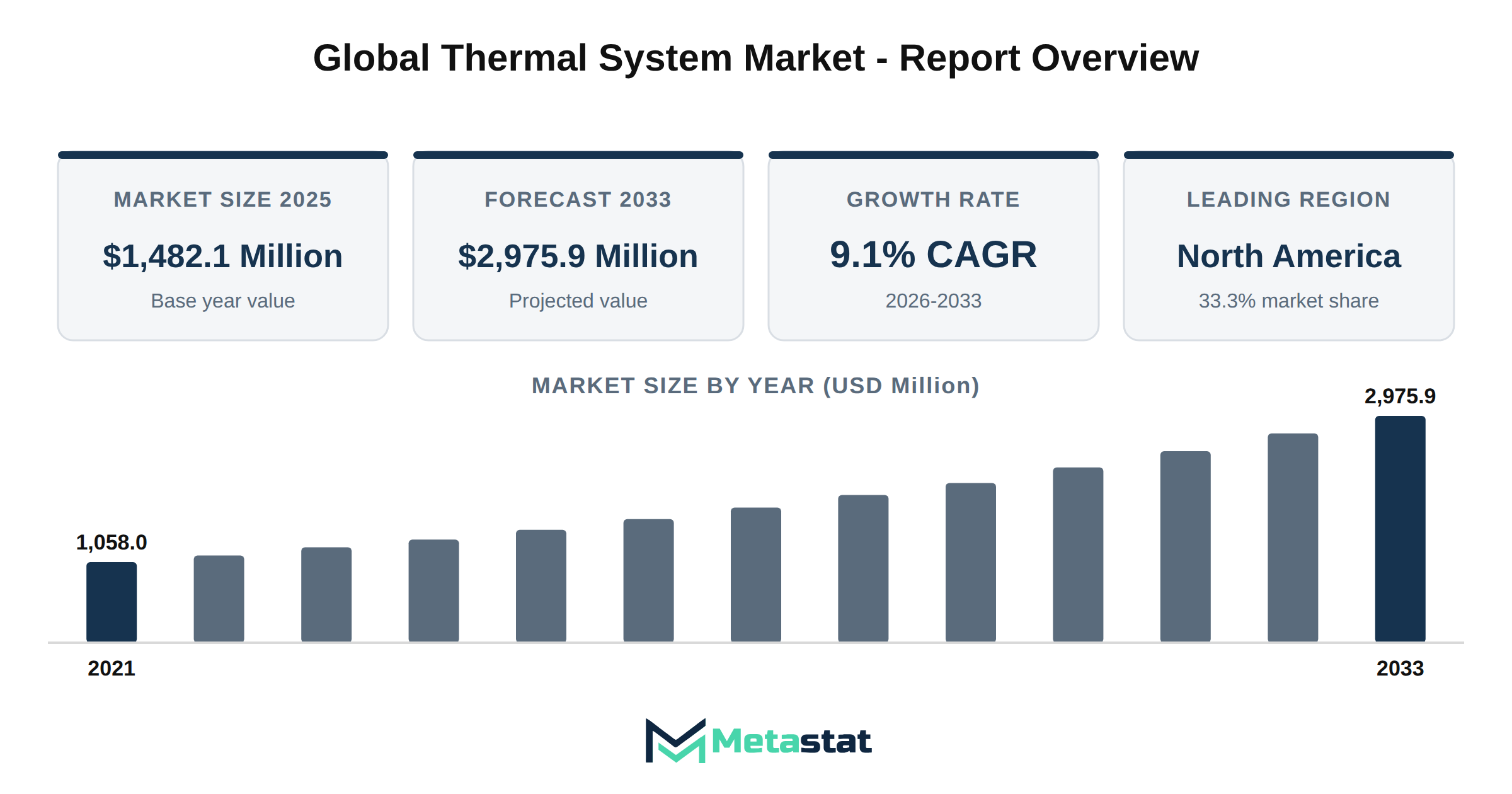
The market encompasses a range of thermal management solutions designed to regulate temperatures in various applications, including electronics, industrial equipment, and medical devices. Buyers invest in these systems to enhance operational efficiency, ensure reliability, and comply with safety standards. The continuous evolution of technology, coupled with increasing demand for energy-efficient solutions, drives spending in the thermal system market. Complementary equipment such as fin and tube heat exchangers remains fundamental to achieving these efficiency gains across modern industrial cooling loops.
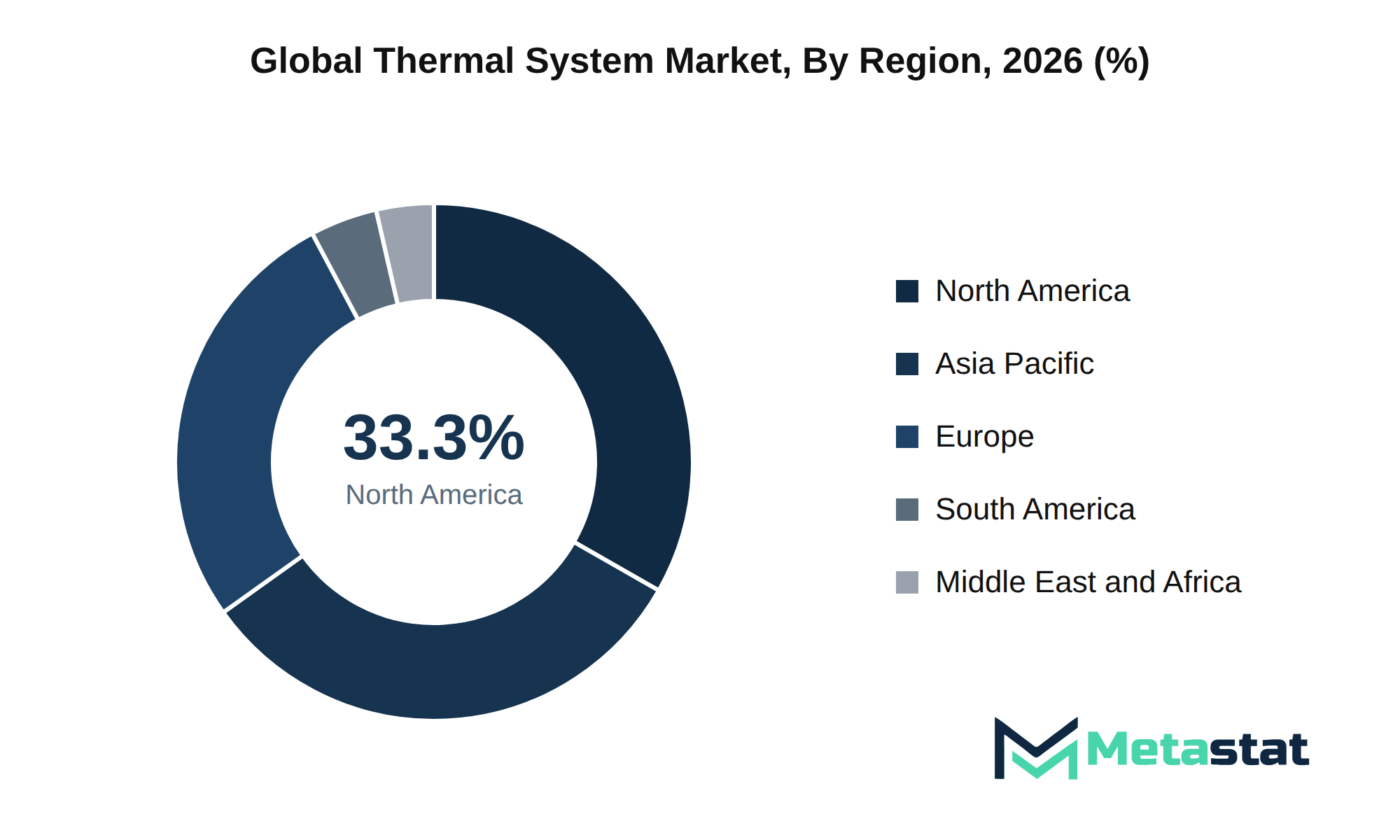
Growth in the market is propelled by the rising adoption of advanced cooling technologies, particularly in the semiconductor and electronics sectors. Strict wafer processing requirements also demand thermal synchronization with support infrastructure like a semiconductor gas delivery cabinet to maintain gas stability during high-temperature cycles. North America holds 33.3% of the market in 2025, with the US leading in 2026. Among the various segments, thermoelectric cooling systems represent the highest market value, reflecting a strong preference for efficient and compact cooling solutions.
In addition to North America, the Asia Pacific region accounts for 31.9% of the total market share, highlighting its significance in the global thermal management landscape. The increasing focus on sustainability and energy efficiency enhances the demand for innovative thermal solutions across multiple industries. This is particularly evident in vehicular powertrains, where an efficient automotive engine management system coordinates engine cooling cycles to minimize emissions and optimize fuel consumption. A robust outlook for the market exists, supported by investments in research and development aimed at creating next-generation thermal systems.
The Thermal System market covers various thermal management solutions across multiple sectors, including electronics cooling, semiconductor process temperature control, and industrial equipment temperature regulation. Buyers invest in this market to enhance operational efficiency and ensure optimal performance of their systems. Technological advancements lead to increased heat generation in electronic components and machinery, requiring dynamic monitoring through integrated electronic sensors to prevent thermal overload. The growing reliance on electronic devices and the demand for reliable thermal management solutions drive spending in this sector.
Growth in the market is primarily fueled by the rising demand for thermoelectric cooling systems, which provide efficient temperature regulation. Following closely, the Asia Pacific region accounts for 31.9% of the market share, indicating significant adoption rates among manufacturers and consumers. The combined growth in these regions highlights the importance of innovative technologies and solutions that address increasing thermal challenges. Escalating energy storage deployment has made battery thermal management a top priority to mitigate thermal runaway risks across large utility-scale BESS installations.
Overall, strategic investments in thermal management technologies will support market expansion, particularly in the electronics and semiconductor industries. The convergence of advanced technologies, including liquid cooling, large-scale ammonia chillers, and vapor compression cooling, enhances the performance of thermal systems, further stimulating demand. The continuous evolution of the market reflects ongoing commitment to improving energy efficiency and operational reliability across various applications.
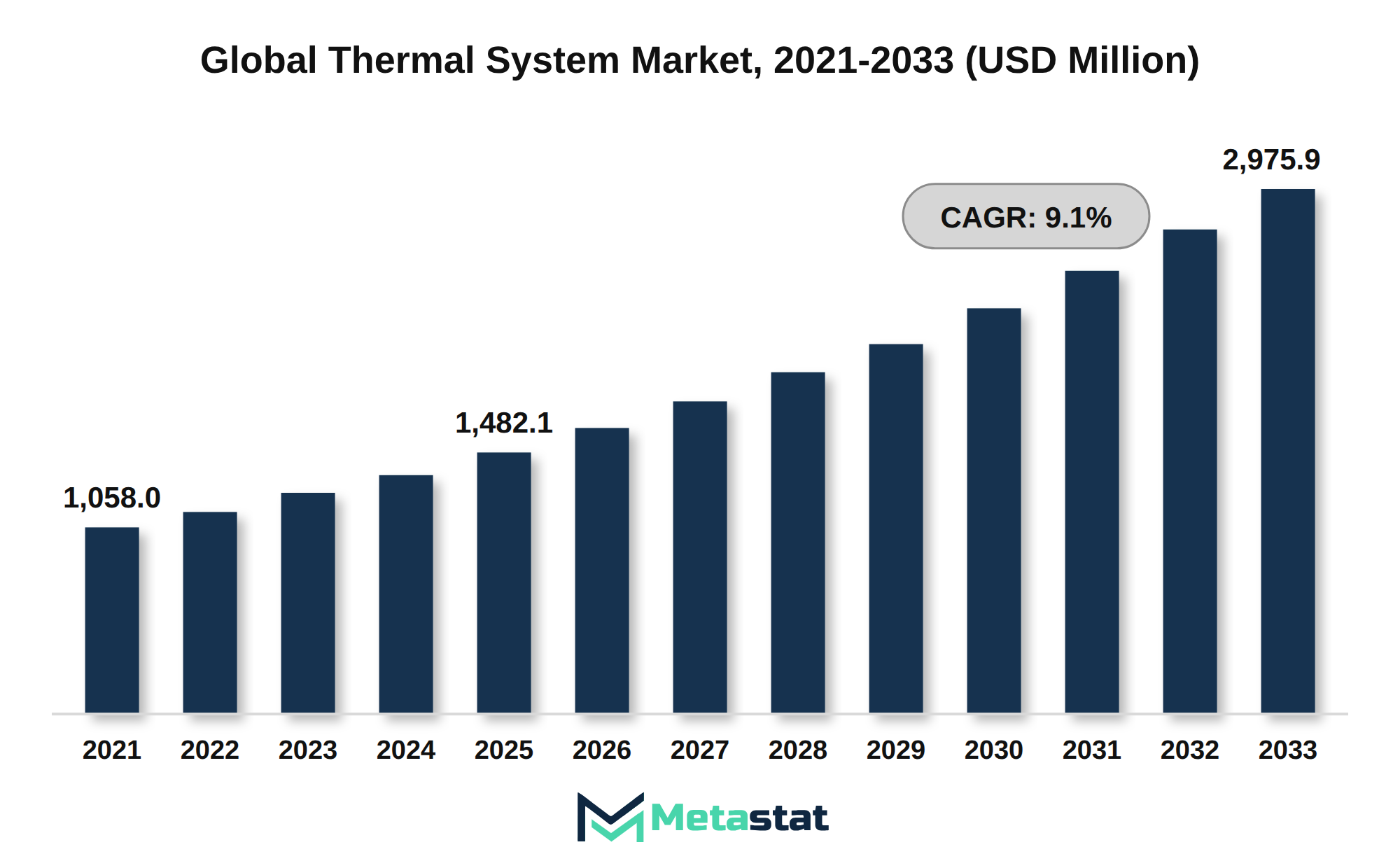
Thermoelectric cooling systems are gaining prominence in precision temperature control applications, driven by their compact design and energy efficiency. This technology offers superior temperature regulation in sensitive equipment, particularly in the semiconductor and electronics sectors. In critical semiconductor production workflows, maintaining stable operating parameters safeguards purification equipment such as semiconductor gas purifiers from temperature-induced performance drift. In 2026, the value of thermoelectric cooling within the market is projected to reach USD 401.8 million, increasing to USD 786.8 million by 2033, representing a compound annual growth rate of 10.1%. This significant growth illustrates the increasing reliance on thermoelectric solutions for applications including electronics cooling and semiconductor process temperature control.
The demand for precise temperature management solutions directly affects production quality and operational efficiency. Industries adopting thermoelectric cooling achieve more accurate thermal regulation, resulting in improved yield and performance in highly sensitive processes. While these systems become more integrated into critical applications, the thermal system market is set to expand, emphasizing the importance of technology advancements in meeting modern cooling demands. This shift provides manufacturers with competitive advantages and encourages further innovations in cooling technologies, reinforcing the significance of thermoelectric cooling in contemporary applications.
Liquid cooling and phase change technologies have transformed thermal management solutions, influencing purchasing decisions significantly. Buyers increasingly prefer performance-based pricing models that reflect the efficiency and effectiveness of these advanced cooling systems. This shift results from rising demand for high-density thermal management solutions, particularly in sectors including semiconductors and electronics. The revenue from the semiconductor and electronics segment is expected to reach USD 712.4 million by 2033.
The adoption of liquid cooling and phase change technologies has prompted manufacturers to offer flexible contract models, including long-term agreements that lock in pricing based on volume commitments. Buyers benefit from these arrangements through reduced total ownership costs, aligning supplier incentives with operational performance metrics. This trend enhances collaboration between suppliers and buyers, creating a more strategic partnership rather than a purely transactional relationship.
This evolution in pricing strategies within the market highlights the necessity for buyers to engage in thorough evaluations of supplier contracts. The emphasis on performance metrics and the flexibility of payment terms helps ensure that investment in thermal management technology delivers optimal returns. The outcome leads to better thermal control, ultimately supporting growth in high-tech industries reliant on advanced cooling solutions.
The rise of semiconductor, automotive, and data center industries drives significant demand for advanced thermal systems. These sectors require efficient thermal management solutions to address increasing operational temperatures and enhance performance. In the semiconductor industry, the transition to smaller, more powerful chips increases the necessity for effective cooling solutions. The electronics cooling application segment is projected to grow from USD 428 million in 2026 to USD 830.6 million by 2033, reflecting a compound annual growth rate of 9.9%. This heightened demand results from the need for reliable cooling to prevent overheating, ensuring optimal performance and longevity of critical components.
In the automotive sector, the evolution towards electric vehicles requires sophisticated thermal management to support battery thermal management systems. This application segment shows growing importance, highlighting the need for tailored solutions that efficiently handle the unique thermal challenges presented by electric vehicle technology. Data centers, meanwhile, face escalating power densities and cooling requirements, intensifying the reliance on robust thermal systems. The significant investment in these industries underpins the growth of the market, leading to increased opportunities for suppliers specializing in innovative cooling solutions.
Emerging cooling technologies significantly transform thermal management in high-growth industries, particularly in electronics and semiconductor applications. The introduction of thermoelectric cooling systems enhances efficiency, providing a reliable solution for heat dissipation in devices requiring strict temperature control. This shift leads to increased demand, with the thermoelectric cooling systems segment projected to reach USD 741.3 million by 2033, growing at a compound annual growth rate (CAGR) of 10.1%.
Industries including telecommunications and medical equipment increasingly adopt these advanced thermal solutions to improve product performance and reliability. Enhanced cooling capabilities contribute to more efficient operations, allowing manufacturers to optimize their processes, reduce energy consumption, and enhance product lifespan. The growing requirement for battery thermal management in electric vehicles and consumer electronics drives the demand for innovative cooling technologies.
The Thermal Systems market continues to evolve, with substantial investments channeled into developing advanced cooling solutions. This evolution not only meets the immediate operational needs of various industries but positions companies strategically to capture emerging market opportunities. Ultimately, these technological advancements facilitate improved thermal management, driving growth and innovation across multiple sectors.
Increasing emphasis on energy efficiency and emissions reduction drives the adoption of closed-loop thermal management systems in various industries. Technological advancements in regulation compliance drive manufacturers to invest in systems capable of effectively managing temperatures while minimizing environmental footprints. Industries including semiconductors, electronics, and automotive are significant buyers requiring enhanced thermal solutions to meet stringent emission standards. The integration of such systems leads to improved operational efficiency and reduced costs associated with energy consumption and waste management. The market is projected to experience growth due to this shift toward sustainable practices, enhancing the appeal of thermal systems across diverse applications.
Limited infrastructure represents a significant barrier to growth across several segments, particularly in emerging markets. Many buyers, including those in the semiconductor and electronics sectors, face challenges related to inadequate cooling facilities and technology integration. This limitation results in slower uptake of advanced thermal systems, leading to smaller order sizes and delayed replacements. Buyers often encounter high installation and operational costs associated with upgrading existing systems to accommodate new technologies, which affects their purchasing decisions. In addition, low awareness of the benefits offered by advanced thermal solutions restricts demand in several regions. Consequently, the market experiences a slower expansion rate, with overall revenue impacted by reduced buyer confidence in making substantial investments. Addressing infrastructure issues and increasing awareness could enhance growth opportunities within the market.
Suppliers in the market encounter significant challenges due to rising input and material costs. These costs affect production expenses, squeezing profit margins across the supply chain. Increased prices for raw materials, coupled with inflationary pressures, hinder profitability and operational efficiency. Suppliers respond by optimizing their sourcing strategies and exploring alternative materials to manage expenses effectively. Companies invest in technology to enhance production efficiency and reduce waste, enabling them to maintain competitive pricing. Collaboration with suppliers and manufacturers leads to long-term contracts or bulk purchasing agreements to stabilize costs. Continuous innovation in production methods contributes to mitigating the impact of these financial pressures. The trend of rising operational costs emphasizes the need for suppliers to remain agile and adaptable to sustain growth in the competitive thermal system market.
Growing interest in electronics cooling solutions presents a significant opportunity within the market. Increased complexity and miniaturization of electronic devices drive demand for effective thermal management in applications including data centers and consumer electronics. This growth results from the escalating need for efficient heat dissipation and improved performance in electronic systems. Manufacturers focusing on advanced cooling technologies, including thermoelectric and liquid cooling systems, find a favorable market environment to meet these requirements. Enhanced performance and reliability of electronics cooling products are critical factors influencing purchasing decisions in the semiconductor and electronics industries.
Overall, rising demand for efficient electronics cooling solutions highlights a significant growth segment in the market, emphasizing the need for innovation and investment in advanced cooling technologies.
The Global Thermal System market is segmented based on Product Type, Technology, Application, and End-Use Industry.
This technology is commonly used for applications requiring precise temperature control, including electronics cooling and semiconductor manufacturing. A significant driver for this segment includes the increasing demand for compact and efficient cooling solutions in high-tech industries. The growth rate of this segment outpaces other segments, including Liquid Cooling Systems, which has a CAGR of 10%. Thermoelectric cooling offers advantages including scalability and minimal moving parts compared to traditional methods, leading to reduced maintenance costs and higher reliability. Ongoing advancements in thermoelectric materials and improved efficiency of these systems further contribute to their growing adoption among industries focused on enhancing operational performance.
Liquid Cooling Systems segment is estimated to reach USD 599.3 million by 2033, at a CAGR of 10% during the forecast period. This technology primarily addresses the cooling needs of data centers, high-performance computing systems, and industrial processes. The demand for efficient cooling solutions in electronics and semiconductor manufacturing drives the growth of this segment. Increased reliance on advanced technologies in these industries creates a strong market for liquid cooling systems, which offer superior thermal management compared to air-based cooling solutions. In contrast to other segments, including thermoelectric cooling systems, liquid cooling systems experience a faster growth trajectory due to their effectiveness in handling high heat loads. This sector presents opportunities for innovation and advancements, making it a key focus area for suppliers aiming to enhance product offerings within the segment.
Air Cooling Systems segment is expected to reach USD 465.1 million by 2033. These systems serve critical functions in cooling applications across various industries, including electronics and telecommunications. Demand is driven by the increasing need for efficient thermal management solutions in high-performance electronics, resulting in significant growth for this segment. A notable trend includes the rising adoption of air cooling solutions in data centers, reflecting a shift towards energy-efficient cooling technologies. Compared to other segments, Air Cooling Systems exhibit moderate growth with a CAGR of 7.6%, which is slower than Liquid Cooling Systems at 10%. Competitive pricing associated with air cooling solutions appeals to a broader range of buyers, particularly in the semiconductor and consumer electronics sectors, enhancing market penetration and revenue generation. The segment's position in the Thermal System market highlights its importance in meeting the cooling requirements of modern technological applications.
Chillers are projected to grow at a CAGR of 8.4% during the forecast period. These systems play a critical role in temperature regulation across various applications, including industrial processes and commercial refrigeration. Industries including food and beverage, pharmaceuticals, and HVAC frequently employ chillers to maintain optimal operating conditions. The demand for chillers is driven by increasing focus on energy efficiency and the need for reliable cooling solutions in high-density environments. Compared to other product types, chillers exhibit slower growth, largely due to their established presence in the market and the maturity of associated technologies. The market for chillers distinguishes itself with a robust customer base in sectors requiring consistent temperature control, setting it apart from newer technologies that experience higher growth rates.
Heat exchangers play a vital role in transferring heat between two or more fluids, widely used in applications including HVAC systems, power generation, and various industrial processes. These systems are essential for optimizing energy consumption and maintaining operational efficiency across industries including semiconductor manufacturing and medical equipment. The increasing focus on energy efficiency drives demand for advanced heat exchangers, influencing investments in innovative designs and materials. Compared to other thermal management solutions, heat exchangers typically exhibit slower growth patterns, attributed to their more established technology. While segments like liquid cooling systems experience faster growth, heat exchangers maintain a consistent presence due to their critical functions in essential applications. Enhanced regulatory standards for energy efficiency further drive the transition towards more effective heat exchanger technologies, contributing to the overall expansion of the Thermal Systems market.
Thermal Control Units serve crucial functions in regulating temperatures for sensitive equipment and processes in various applications. These units find extensive use in industries including electronics, telecommunications, and medical devices. Demand for these solutions is driven by the increasing complexity of electronic systems, which require precise temperature management to ensure optimal performance and longevity. Compared to other product types, Thermal Control Units often command higher prices due to their specialized design and technology. Rapid advancements in technology create pressure for manufacturers to innovate their offerings continuously, ensuring these units meet evolving industry standards. This need for advanced temperature control solutions drives competition among suppliers in the market, shaping strategies and influencing pricing dynamics significantly.
Thermal Management Assemblies consist of integrated systems designed to control and regulate temperature in various applications. These assemblies find usage in industries including semiconductors, electronics, and telecommunications, where precise temperature control is crucial for operational efficiency and equipment longevity. A prominent driver for this segment stems from the increasing demand for reliable thermal management solutions in high-performance applications. The growing emphasis on energy efficiency further supports this trend, compelling manufacturers to seek advanced thermal solutions that enhance system performance while minimizing energy consumption. Compared to other product types, Thermal Management Assemblies typically experience slower growth rates, primarily due to the complexity and higher costs associated with their design and integration. This differentiates them from segments including Liquid Cooling Systems, which exhibit a more rapid expansion in response to evolving market demands.
Refrigeration systems and heat pump systems play significant roles in thermal management across diverse applications. These solutions are widely used in residential, commercial, and industrial settings for space heating and cooling, food preservation, and comfort cooling. The growing focus on energy efficiency and sustainability drives the demand for these systems, leading to innovations that enhance their performance and reduce energy consumption. Energy efficiency regulations implemented globally push manufacturers to develop advanced refrigeration and heat pump technologies, increasing competition among providers. Unlike other product types including thermoelectric or liquid cooling systems, these solutions cater to a broader range of industries, including commercial refrigeration and HVAC, which require reliable and efficient temperature control. The unique requirements of these applications create distinct competitive dynamics compared to segments with narrower focus areas, contributing to the overall growth within the thermal system market.
Thermoelectric cooling technology finds application in precision temperature control across various industries, particularly in electronics cooling and medical equipment. The segment's growth is driven by increasing demand for efficient thermal management solutions and the rising need for compact, reliable systems in high-performance applications. Compared to other technologies, thermoelectric cooling exhibits a faster growth rate, supported by advancements in materials and design. This distinct advantage positions it favorably against liquid and air cooling systems, which face limitations in specific operational scenarios. Performing well in niche markets, this segment contributes significantly to the overall dynamics of the thermal systems market.
Vapor Compression Cooling segment is estimated to reach USD 586.8 million by 2033, at a CAGR of 8.1% during the forecast period. This technology primarily serves applications in air conditioning and refrigeration, where it cools air through the evaporation and compression of refrigerants. Industries including automotive and industrial manufacturing heavily rely on this technology for temperature control in various processes. Increased focus on energy efficiency drives demand, pushing manufacturers to improve the effectiveness of vapor compression systems. Compared to other technologies like thermoelectric cooling, which is projected to grow at a CAGR of 10.1%, vapor compression cooling experiences slightly slower growth due to its established nature and existing market saturation. The market benefits from innovations aimed at enhancing system efficiency and reducing environmental impact.
Liquid Cooling is projected to reach USD 554.4 million by 2033. This technology finds extensive usage in electronics cooling, semiconductor process temperature control, and battery thermal management. Key drivers include increasing demand for efficient thermal management in high-performance applications, particularly within the semiconductor and electronics industries. The segment's growth reflects a combination of advancements in cooling technologies and heightened requirements for reliability and operational efficiency. Compared to thermoelectric and air cooling systems, which face different growth trajectories, liquid cooling systems exhibit a significant growth rate supported by a CAGR of 10%. This positioning allows liquid cooling to cater to specific high-demand applications, distinguishing it from other alternatives in the market.
Air Cooling is projected to grow at a CAGR of 7.6% during the forecast period. This technology serves various applications, primarily in sectors like electronics cooling, where temperature regulation is crucial for performance and reliability. Key drivers for this segment include advancements in energy efficiency standards and growing demand in the semiconductor industry. Compared to other technologies, including liquid cooling systems which reach USD 599.3 million by 2033, the air cooling segment attracts attention for its lower initial investment and less complex infrastructure requirements. The market focus on providing efficient and cost-effective solutions positions air cooling systems as a viable choice for a wide range of end-user applications, enhancing overall demand within the market.
Evaporative Cooling represents a crucial technology used for heat removal in various applications. It finds widespread use in residential and commercial HVAC systems, enhancing cooling efficiency while reducing energy consumption. The segment is driven by increasing demand for energy-efficient solutions, particularly in regions with high ambient temperatures. This technology allows for significant energy savings compared to traditional air conditioning systems, leading to its popularity among buyers seeking sustainable alternatives. Unlike other segments, including Liquid Cooling or Thermoelectric Cooling, Evaporative Cooling typically operates at lower costs and is favored for its simplicity and effectiveness. The market supports this technology's growth through innovations aimed at improving performance and reducing maintenance requirements, contributing to its appeal in both existing and emerging markets.
Phase Change Cooling is a technique that employs the change of state of a working fluid to absorb and release heat, functioning effectively in applications requiring precise thermal management. This segment finds application primarily in electronics cooling, semiconductor manufacturing, and specialized industrial processes. Demand for Phase Change Cooling is driven by the increasing complexity of electronic devices, which require efficient thermal management to maintain performance and reliability. Compared to other cooling methods, this approach often offers superior efficiency in heat absorption, leading to better overall performance in critical applications. The segment distinguishes itself through its ability to handle higher thermal loads, making it particularly sought after in environments where traditional cooling solutions face challenges. Industries prioritize energy-efficient cooling solutions, and growth in this segment contributes significantly to the overall dynamics of the Thermal System market.
Heat Pipe Technology involves the use of specialized devices designed to transfer heat efficiently using phase change principles. This technology finds applications primarily in electronics cooling and thermal management within industrial settings. Miniaturization in electronics continues to accelerate, driving demand for effective thermal solutions, particularly for high-performance computing and telecommunications. The segment experiences growth driven by the increasing need for efficient heat dissipation methods in electronic devices. Compared to other technologies within this group, Heat Pipe Technology typically offers higher thermal performance and reliability, appealing to sectors focused on precision cooling requirements. Unlike Vapor Compression Cooling and Liquid Cooling, which serve broader applications, this segment caters to niche markets requiring specialized thermal solutions, positioning it favorably within the thermal systems market.
Two-phase cooling and immersion cooling represent advanced thermal management techniques employed to enhance cooling efficiency in various applications. These technologies are particularly beneficial in sectors including electronics and semiconductor manufacturing, where maintaining optimal temperature conditions is critical for performance and reliability. Factors driving the adoption of these solutions include the increasing demand for higher thermal performance and the miniaturization of electronic components. Compared to traditional cooling methods, two-phase cooling often provides superior heat transfer capabilities, positioning it as an attractive option for specialized applications. The growth trajectory of this segment diverges from other technologies, reflecting its focus on niche markets that prioritize performance over cost, appealing to buyers focused on high-end applications requiring advanced thermal solutions. The market continues to evolve, driven by innovations that enhance operational effectiveness and energy efficiency.
Electronics cooling systems play a critical role in managing temperatures for various electronic components, ensuring optimal performance and longevity. Industries including telecommunications, consumer electronics, and data centers rely on these systems to prevent overheating and maintain efficiency. The increasing demand for advanced electronics and high-performance computing drives growth in this segment. Compared to other applications, electronics cooling systems exhibit a faster growth rate, partly due to rapid advancements in technology and the growing reliance on electronic devices. This segment experiences significant investment aimed at enhancing cooling solutions, particularly in high-density environments where efficient thermal management is essential.
Semiconductor Process Temperature Control segment is estimated to reach USD 599.3 million by 2033, at a CAGR of 8.2% during the forecast period. This application focuses on maintaining optimal temperatures during semiconductor manufacturing processes, which is critical for ensuring the quality and performance of electronic components. Key drivers for this segment include increasing demand for advanced semiconductor devices and growth in the electronics industry. Comparatively, this segment's growth rate is positioned lower than Thermoelectric Cooling Systems, which has a CAGR of 10.1%. The market for Semiconductor Process Temperature Control benefits from technological advancements that enhance cooling efficiency, leading to reduced operational costs for manufacturers. The need for precise temperature regulation in semiconductor fabrication processes emphasizes the importance of this segment within the broader market.
Battery Thermal Management segment is expected to reach USD 591.6 million by 2033. This segment focuses on regulating temperatures for batteries, crucial for enhancing performance and extending the lifespan of battery systems. Primarily, the automotive industry drives demand due to the increasing adoption of electric vehicles, which rely heavily on effective thermal management to ensure safety and efficiency. The CAGR for this segment stands at 8.2%, reflecting significant growth compared to other segments in the application category. Integration of advanced materials and technologies specifically designed for battery systems addresses the evolving needs of manufacturers aiming to enhance battery performance. Current market dynamics favor innovations that address thermal challenges, setting this segment apart from others that serve more established cooling methods.
Valued at USD 591.6 million in 2033, the Laser and Optoelectronic Cooling segment is projected to grow at a CAGR of 9.7% during the forecast period. This segment primarily serves industries including telecommunications and photonics, where precise temperature control is critical for maintaining the performance and longevity of lasers and optoelectronic devices. The increasing demand for high-performance electronic components drives this segment, leading to higher investment in advanced cooling solutions. Unlike other applications including Electronics Cooling, which is projected to reach USD 830.6 million, the growth of Laser and Optoelectronic Cooling is influenced by technological advancements in laser applications and the expansion of high-demand sectors including data centers and consumer electronics. This segment's unique requirements for temperature management create distinct market dynamics that differentiate it from other cooling applications.
Medical Equipment Temperature Control involves maintaining optimal temperatures for medical devices and equipment to ensure accuracy and reliability in various medical applications. This segment finds significant usage in hospitals and laboratories, where precision is essential for patient safety and equipment functionality. Increasing demand for advanced medical technologies and strict regulations surrounding equipment performance drive investment in this area. Compared to other segments, Medical Equipment Temperature Control experiences unique challenges due to the need for compliance with stringent health regulations, which raise costs and complicate adoption. This segment typically requires specialized solutions tailored to the specific needs of healthcare providers, distinguishing it from wider applications that do not face such regulatory scrutiny. The market is expected to evolve, responding to technological advancements and growing healthcare needs.
Industrial Process Cooling refers to cooling methods applied in various manufacturing processes to maintain optimal temperature levels. This application serves industries including food and beverage, pharmaceuticals, and chemicals, where temperature control is critical for product quality and safety. Efficient cooling solutions enhance productivity and operational reliability. Rapid advancements in cooling technologies drive innovation in the segment, enabling manufacturers to adopt more energy-efficient systems. Price sensitivity among buyers influences purchasing decisions, with industries seeking cost-effective solutions without compromising performance. Compared to other applications, Industrial Process Cooling experiences slower growth due to the higher initial investment costs associated with advanced cooling technologies. The increased focus on sustainability and regulatory compliance further shapes investment strategies in this area. The ongoing transition to energy-efficient cooling solutions remains a priority for stakeholders, emphasizing the importance of effective temperature control in manufacturing processes.
This segment encompasses enclosure cooling, refrigeration, and cold storage applications. These systems maintain low temperatures for sensitive equipment and perishable goods across various industries, including logistics, food storage, and pharmaceuticals. Increasing demand for energy-efficient solutions drives the adoption of innovative technologies, pushing companies to invest in advanced cooling solutions. Changes in regulations regarding energy consumption and environmental impact further influence this segment. Compared to other segments, this area experiences different growth dynamics due to its niche applications, which often require specialized equipment not found in broader categories. This segment ensures product quality and safety, emphasizing the importance of reliable thermal management solutions in various sectors. The Thermal System market benefits from these advancements, leading to improved operational efficiencies and reduced energy costs.
Valued at USD 400.3 million in 2026, this segment is projected to reach USD 712.4 million by 2033, at a CAGR of 8.6% during the forecast period. This segment focuses on providing thermal solutions primarily for semiconductor and electronics applications, ensuring efficient heat management to enhance performance and reliability. Key drivers include the increasing demand for high-performance electronics and advancements in semiconductor technologies. Growth in electric vehicles and renewable energy technologies further fuels the need for effective thermal management in these sectors. Compared to other segments, this segment exhibits a strong growth trajectory, reflecting ongoing innovation and expansion in electronics design and manufacturing processes. The market dynamics highlight a shift towards more efficient and compact thermal solutions, catering to the evolving needs of electronic devices and systems.
Telecommunications and Photonics segment is estimated to reach USD 300.9 million by 2033, at a CAGR of 8.4% during the forecast period. This segment plays a critical role in managing heat in communication devices and optical systems. Advancements in technology drive demand, particularly in high-speed data transmission and laser applications. Manufacturers in this industry apply thermal systems to ensure optimal performance and reliability of their products. Unlike other segments, including Semiconductor and Electronics, which grow at a CAGR of 8.6%, this segment's growth is driven by innovations in telecommunications infrastructure and the increasing adoption of photonic technologies. The competitive landscape features various players focusing on developing efficient thermal management solutions tailored for this field, enabling higher operational efficiency and product longevity. The market adapts to rising consumer expectations for performance and durability in telecommunication systems.
The Medical and Life Sciences segment is expected to reach USD 293.4 million by 2033. This segment serves critical roles in healthcare applications, including the cooling of medical devices and life-saving equipment. Increased demand for advanced medical technologies drives growth, with healthcare providers seeking reliable thermal solutions to ensure optimal performance of diagnostic and treatment devices. The growth rate for this segment reflects a CAGR of 8.6%, slower than the Electronics Cooling segment, which has a CAGR of 9.9%. Regulatory compliance and stringent standards regarding equipment temperature control influence purchasing decisions, necessitating high-quality thermal solutions. The need for sophisticated cooling systems in hospitals and laboratories underlines the importance of this segment within the thermal system market, distinguishing it from other end-use industries that prioritize cost efficiency over precision and reliability.
Industrial Equipment and Instrumentation segment is projected to grow at a CAGR of 8.6% during the forecast period. This segment plays a critical role in various industrial sectors by ensuring optimal operation of machinery and instrumentation through effective temperature regulation. Industries including manufacturing and automation employ these systems to enhance equipment performance and reliability. Key drivers of this segment's growth include increasing investments in industrial automation and the need for advanced thermal management solutions to improve energy efficiency. Compared to other segments, this one experiences steady growth and benefits from rising demand for precision and reliability in equipment operation. The focus on cost-effective solutions further differentiates this segment in the market, illustrating its significance in driving technological advancements and improving operational efficiency.
The automotive sector focuses on maintaining optimal thermal management for vehicles, ensuring efficient performance and safety. Various vehicle manufacturers and suppliers apply advanced thermal systems for engine cooling, HVAC systems, and battery management in electric vehicles. The shift towards electric vehicles drives demand for innovative cooling technologies to manage battery temperatures effectively, enhancing vehicle safety and performance. This segment differs from others due to its emphasis on stringent regulatory requirements, especially regarding emissions and energy efficiency. The continuous evolution of automotive technology, including the integration of smart systems, influences this segment's growth trajectory. Unlike traditional combustion engine applications, electric vehicle systems require different thermal management solutions, leading to unique development strategies within the market.
Aerospace and Defense encompasses applications critical to the functioning and safety of military and civilian aircraft, spacecraft, and defense systems. This segment is used by manufacturers focused on advanced technology solutions, necessitating robust thermal management systems to maintain performance under demanding conditions. The primary driving force stems from increasing global defense spending, prompting investments in new technologies and improving existing systems. Regulatory standards related to safety and efficiency compel manufacturers to adopt advanced thermal solutions, differentiating this segment from others that prioritize cost over technological advancement. The Aerospace and Defense segment faces distinct challenges, including longer development cycles and rigorous testing requirements, which contribute to higher costs compared to other industry segments. Growth in the market is anticipated due to rising demand for innovative aerospace technologies and advancements in defense capabilities.
Consumer electronics and appliances focus on providing thermal management solutions to improve device performance and longevity. This segment is crucial for manufacturers of consumer electronics including smartphones, laptops, and home appliances, which require efficient heat dissipation to enhance user experience. Increasing demand for high-performance electronics drives this segment, with consumers expecting longer-lasting and reliable products. Price sensitivity influences manufacturers seeking cost-effective solutions while maintaining quality standards. Unlike other segments, this one faces unique challenges in balancing cost and performance, leading to careful selection of thermal management technologies. The market is expected to experience continued growth, driven by advancements in technology and rising consumer expectations.
This segment focuses on providing thermal management solutions crucial for the efficient operation of data centers and computing facilities. Demand for advanced cooling technologies stems from the rapid growth of cloud computing, big data analytics, and artificial intelligence, which require efficient thermal management to prevent overheating of servers and other hardware. High-performance computing systems increasingly rely on effective cooling solutions to maintain operational integrity and prolong equipment lifespan. This segment differentiates itself by emphasizing superior energy efficiency strategies. Operators seek to reduce energy consumption in line with sustainability goals. The market's competitive dynamics involve evolving technologies and rising expectations for performance, driving innovation and investment within the segment. Advanced cooling methods, including liquid cooling and innovative air cooling systems, are increasingly essential to accommodate higher heat loads and ensure optimal functionality. The market continues to expand due to these ongoing shifts in technology and operational requirements.
Research and Laboratory applications involve precise temperature control in various scientific investigations and experiments. Laboratories employ advanced thermal systems to maintain optimal conditions for sensitive processes, ensuring accurate results. Demand for these systems is driven by the increasing complexity of experiments and the need for stringent environmental controls. This sub-segment experiences growth driven by technological advances in thermal management that contribute to enhanced performance and reliability. Compared to other segments, Research and Laboratory applications often involve higher price points due to specialized requirements and equipment. The integration of innovative cooling technologies further influences investment decisions, aligning with evolving laboratory standards and practices. Demand for upgraded thermal solutions remains strong, enhancing operational efficiency and research outcomes in the market.
This segment includes applications in energy management and specialized solutions tailored to specific industrial needs. Industries including renewable energy, advanced manufacturing, and specialized equipment leverage this segment for effective thermal management in critical operations. Growth in the renewable energy sector drives demand, with companies seeking efficient thermal systems for energy generation and storage applications. Compared to other segments within the end-use industry, this segment experiences slower growth, reflecting the niche applications and specific technological requirements. The focus on energy efficiency and sustainability drives innovations in thermal management solutions, distinguishing this segment from broader categories that support more standardized applications. Market participants continue to invest in research and development to address unique challenges in energy and specialized applications.
Based on geography, the Global Thermal System market is divided into North America, Europe, Asia-Pacific, South America, Middle East, and Africa.
Strong demand for Thermal Systems in North America arises from the growing electronics and semiconductor industries, which require efficient cooling solutions for optimal performance. The United States, Canada, and Mexico drive this demand, with increasing investments in data centers and technology infrastructure. Regulatory support for energy-efficient solutions further enhances market growth, aligning with sustainability initiatives across these countries. By 2033, North America is projected to reach USD 950.5 million, capturing 33.3% of the global market share. Innovations in thermoelectric cooling systems and liquid cooling technologies support the evolving requirements of various applications, ensuring effective thermal management. The market benefits from advancements in cooling technologies that facilitate higher performance and reliability in critical sectors.
Demand in this region derives from the robust semiconductor and electronics industry, with significant applications in electronics cooling and temperature control processes. Countries including Germany, France, and the UK exhibit strong investments in technology that require efficient thermal management solutions. The market's share in Europe represents 27.1% of the global market in 2025, reflecting the region's emphasis on innovative cooling technologies. Regulatory pressures to enhance energy efficiency influence purchasing decisions across various sectors. Infrastructure development in high-tech manufacturing further contributes to growth in the market. Spain and Italy are adapting their industrial practices to align with stringent environmental regulations, supporting the transition to more sustainable thermal management systems.
Rapid advancements in technology drive significant growth within the Thermal System market across Asia-Pacific. Key industries include electronics, telecommunications, and healthcare, which rely on efficient cooling solutions for their operations. Demand arises from the increasing production of semiconductors and consumer electronics, highlighting the region's crucial role in global supply chains. Countries like China, Japan, and India present substantial market opportunities due to their large manufacturing bases and technological innovation. The region represents a 31.9% share of the global market in 2025, with expected growth spurred by the rising need for effective thermal management solutions. Environmental regulations in the region further encourage investments in energy-efficient cooling technologies, creating a favorable landscape for market expansion.
Brazil and Argentina drive demand in the market through sectors including telecommunications, electronics, and medical equipment. Investment in infrastructure enhancements supports the growth of these industries, enabling increased adoption of efficient thermal management solutions. Specific cost factors, including relatively lower energy prices, create favorable conditions for the implementation of advanced thermal systems. These factors contribute to the overall market share of 4.2% in 2025 for South America, reflecting its potential as a growing region for thermal systems. Both countries seek sustainable solutions to address energy efficiency, aligning with global trends toward eco-friendly technologies. The market presents opportunities for players focused on innovation and market penetration strategies tailored to South American needs.
Demand within the region stems from emerging technology sectors, particularly in Saudi Arabia and the UAE, where sectors including telecommunications and electronics drive the need for effective cooling solutions. South Africa is experiencing growth in data centers, which require efficient thermal management to ensure operational reliability. The market benefits from governmental initiatives aimed at enhancing technological infrastructure and attracting foreign investment. These initiatives support the development of advanced cooling technologies, reflecting a strategic focus on optimizing energy consumption. With a share of 3.6% of the global market in 2025, the potential for expansion remains significant, particularly through investments in smart technologies and renewable energy applications. The thermal system market is expected to evolve alongside these trends, creating opportunities for innovation and competitive advantage in the region.
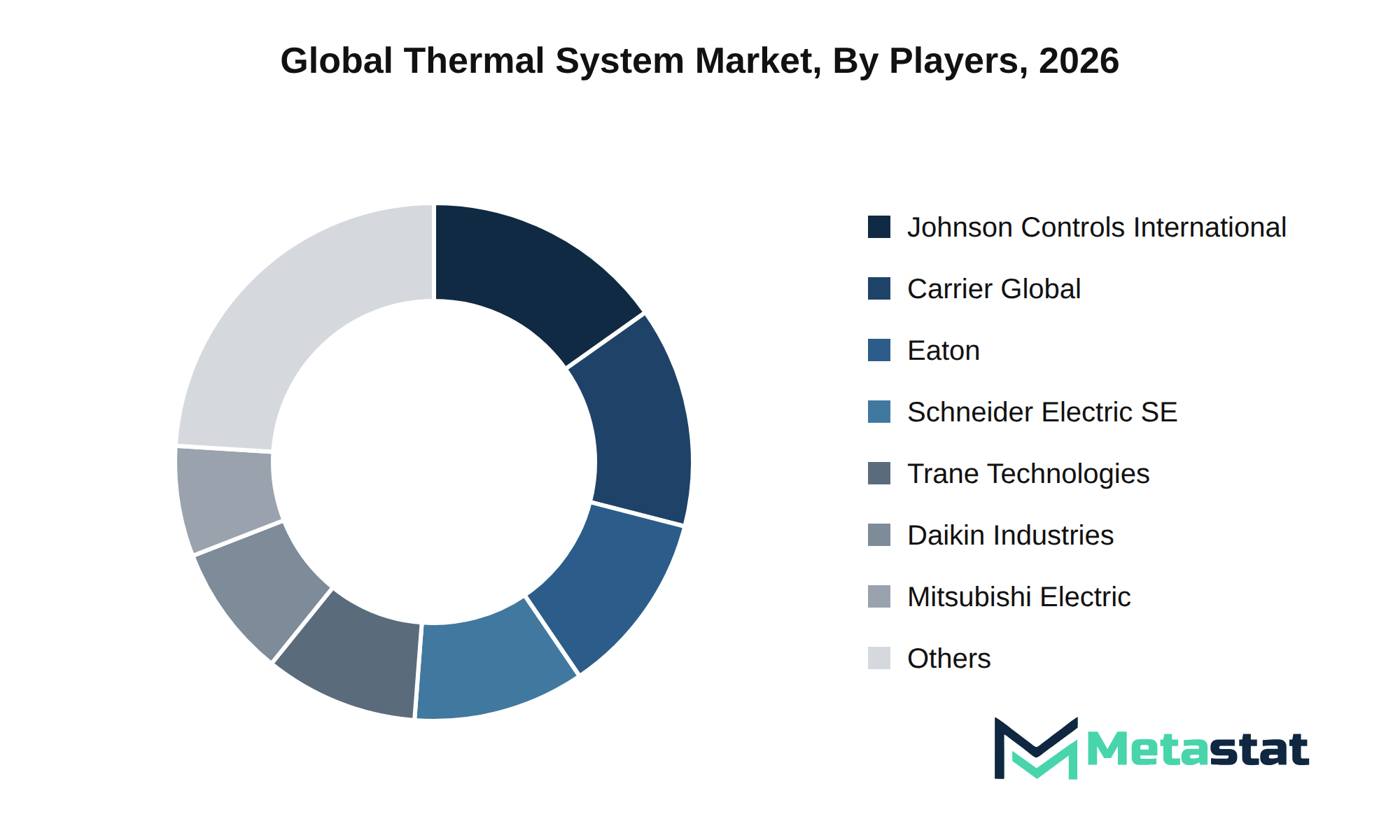
Competition within the Thermal System market revolves around pricing, product innovation, customization, and customer service. Buyers evaluate options based on performance efficiency, reliability, and overall value, which significantly influences purchasing decisions. Strategic positioning often correlates with specific applications and end-use industries; companies tailor offerings to meet diverse market demands.
Ferrotec Holdings Corporation focuses on advanced thermoelectric solutions, emphasizing efficiency and reliability. Eaton Corporation emphasizes integrated product offerings that combine various thermal management technologies, enhancing customer convenience. Daikin Industries, Ltd. distinguishes itself by providing a broad range of energy-efficient cooling systems, capitalizing on increased environmental consciousness among consumers and businesses.
Achieving this growth relies on several developments within the market. The expansion of thermoelectric cooling systems will be significant, with a projected CAGR of 10.1% driving increased sales in electronics cooling applications. Rising demand from the semiconductor and electronics sector will further contribute, necessitating advanced thermal management solutions. A key risk that could impede this growth involves potential supply chain disruptions affecting critical components, especially in the Asia Pacific region, where several market participants are engaged in manufacturing. Fluctuations in raw material costs impact the margins for manufacturers, limiting their ability to invest in innovation and capacity expansion. Successful navigation of these challenges will enable the market to reach its projected value, supported by a strong focus on product development and technological advancements.
By Product Type: Thermoelectric Cooling Systems, Liquid Cooling Systems, Air Cooling Systems, Chillers, Heat Exchangers, Thermal Control Units, Thermal Management Assemblies, Others (Refrigeration Systems, Heat Pump Systems)
By Technology: Thermoelectric Cooling, Vapor Compression Cooling, Liquid Cooling, Air Cooling, Evaporative Cooling, Phase Change Cooling, Heat Pipe Technology, Others (Two-Phase Cooling, Immersion Cooling)
By Application: Electronics Cooling, Semiconductor Process Temperature Control, Battery Thermal Management, Laser and Optoelectronic Cooling, Medical Equipment Temperature Control, Industrial Process Cooling, Others (Enclosure Cooling, Refrigeration and Cold Storage)
By End-Use Industry: Semiconductor and Electronics, Telecommunications and Photonics, Medical and Life Sciences, Industrial Equipment and Instrumentation, Automotive, Aerospace and Defense, Consumer Electronics and Appliances, Data Centers and Computing, Research and Laboratory, Others (Energy and Specialized Applications)
The report strategically identifies and profiles the key market players and analyses their core competencies in each sub-segment of the Thermal System market.
|
Report Attributes |
Details |
|
Study Period |
2021-2033 |
|
Base Year |
2025 |
|
Estimated Year |
2026 |
|
Forecast Period |
2026-2033 |
|
Historical Period |
2021-2025 |
|
Growth Rate |
CAGR 9.1% from 2026 to 2033 |
|
Revenue Unit |
USD million |
|
Segmentation |
Product Type, Technology, Application, End-Use Industry |
|
By Region |
North America (By Product Type, Technology, Application, End-Use Industry, and Country)
|
|
Europe (By Product Type, Technology, Application, End-Use Industry, and Country)
|
|
|
Asia Pacific (By Product Type, Technology, Application, End-Use Industry, and Country)
|
|
|
South America (By Product Type, Technology, Application, End-Use Industry, and Country)
|
|
|
Middle East and Africa (By Product Type, Technology, Application, End-Use Industry, and Country)
|
Find answers to common questions about this report
The Thermal System market size was valued at USD 1,482.1 million in 2025.
The market is projected to grow at a CAGR of 9.1% during the forecast period from 2026 to 2033.
The North America Thermal System market size is estimated to reach USD 950.5 million by 2033.
Thermoelectric Cooling Systems lead the market with a projected value of USD 741.3 million in 2033, based on the highest growth rate among the product types. This segment exhibits a compound annual growth rate of 10.1 percent during the forecast period.
Key drivers for the Thermal System market include increasing emphasis on energy efficiency and emissions reduction, which promotes the adoption of closed-loop thermal management systems across various industries. Growing interest in electronics cooling solutions, driven by the complexity of electronic devices, presents a significant opportunity for market expansion.
North America holds the dominant share of the market, accounting for USD 950.5 million in 2033. This region represents 33.3 percent of the total market share.
Limited infrastructure represents a significant barrier to growth, particularly in emerging markets. Many buyers face challenges related to inadequate cooling facilities and technology integration, resulting in slower uptake of advanced thermal systems and smaller order sizes.
Growing interest in electronics cooling solutions, driven by the increasing complexity and miniaturization of devices, favors adoption in the industry. The projected growth of the electronics cooling segment highlights a strong demand for advanced thermal management technologies to enhance performance and reliability.
The Thermal System market is estimated to reach a valuation of USD 2,975.9 million by 2033.
Key players operating in the Thermal System industry include Ferrotec Holdings Corporation, Eaton Corporation, Schneider Electric SE, Johnson Controls International plc, Carrier Global Corporation, Trane Technologies plc, and Daikin Industries, Ltd.
The analysts below cover Energy and Power research at Metastat Insights.
LEAD ANALYST
Utkarsh Khirodkar is a Lead Market Research Analyst at MetaStat Insight, specializing in market intelligence, technology sector assessments, and competitive strategy.

PRINCIPAL CONSULTANT - ENTERPRISE AI & EMERGING TECHNOLOGIES
Banking & Finance · Electronics and Semiconductor · Energy and Power · Healthcare IT · Information & Technology · Professional Services
Vijay Gunti is a Principal Consultant at MetaStat Insight, bringing over two decades of experience across enterprise digital transformation, technology strategy, and intelligent systems.

ENERGY & INFRASTRUCTURE INDUSTRY CONSULTANT
Automotive and Transportation · Electronics and Semiconductor · Energy and Power · Machinery & Equipment
Saurabh Vasant Ganvir consults for Energy & Infrastructure Industry at MetaStat Insight, specializing in renewable energy, solar EPC, and electric vehicle (EV) infrastructure markets.
Our group needed clearer visibility into out-of-autoclave processing timelines for high-temperature thermoplastic composites. MetaStat Insight delivered an objective assessment that contrasted automated fiber placement scrap rates with traditional thermoset prepreg layup cycles. The supplier landscape mapped out primary resin suppliers and tape slitting capacity across France, Germany, and Japan with solid technical accuracy. Their analyst handled our questions on precursor supply risks during an unscheduled inquiry call, providing clear, unembellished context.
Evaluating sensor fusion reliability across harsh operating environments can be tricky without field-validated data. The study on agricultural autonomous guidance systems clearly separated stereo vision setups from automotive-grade solid-state LiDAR. We appreciated the regional infrastructure analysis, specifically around RTK network density across North America and South America. During our follow-up consultation, the MetaStat Insight team walked through tier-two perception software partnerships, giving our engineering leads a practical basis for vendor shortlisting.
Analyzing the transition from natural gas to green hydrogen in iron ore reduction requires realistic infrastructure timelines. Meta stat insight supplied a detailed regional assessment of DRI plant conversion costs and scrap metal availability in North America and Western Europe. Their report carefully examined pellet quality specs and electrical grid access constraints without making oversimplified market assumptions. The research material served as a practical reference during internal technology roadmap discussions.
Explore related market intelligence reports worth reading alongside this one.
Starting from
$2950