
Explore the reasons behind different growth trajectories in the Aerospace Materials sector across North America, Europe, and Asia Pacific.
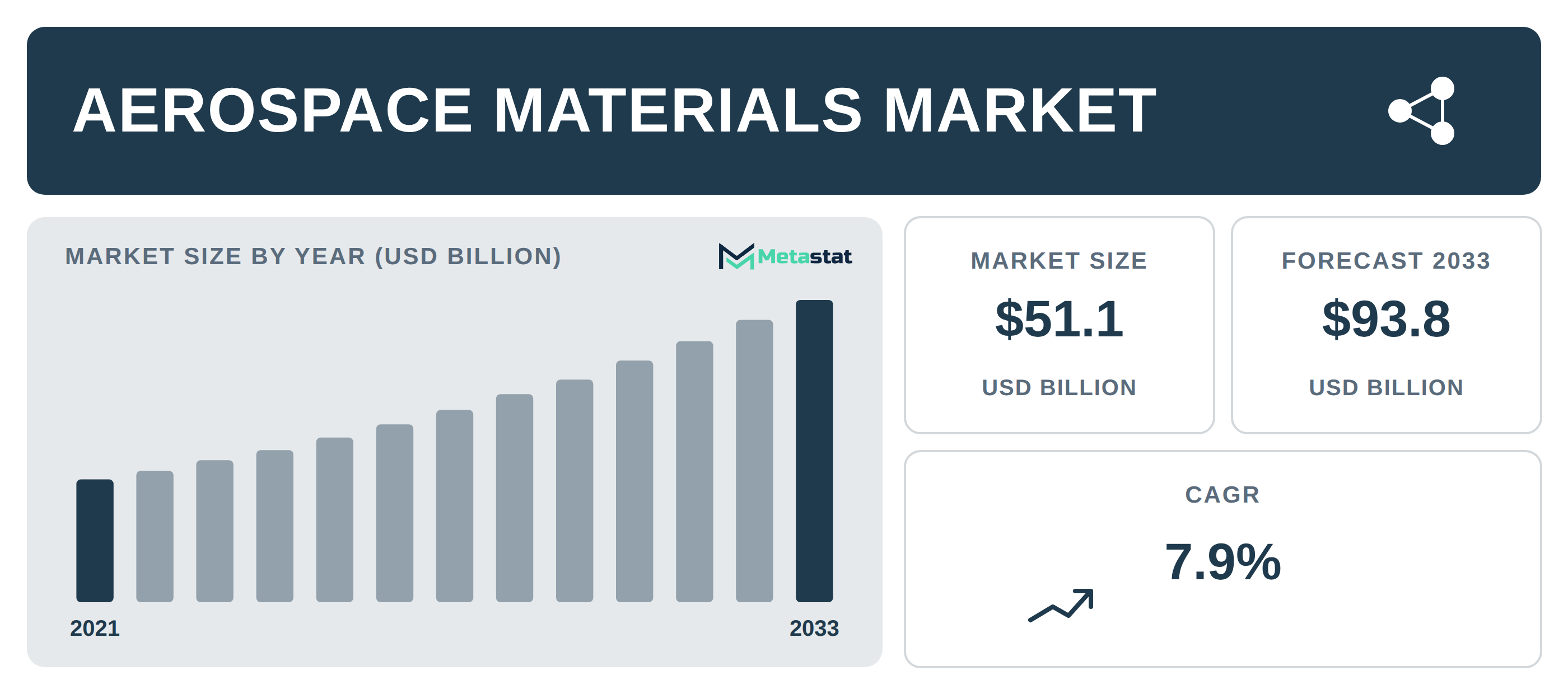
The disparity in Aerospace Materials regional demand primarily stems from the unique growth trajectories of North America and Europe. While both regions have established aerospace industries, their varying dynamics result in diverging growth rates and material preferences. The full figures are in our Aerospace Materials market size and forecast report.
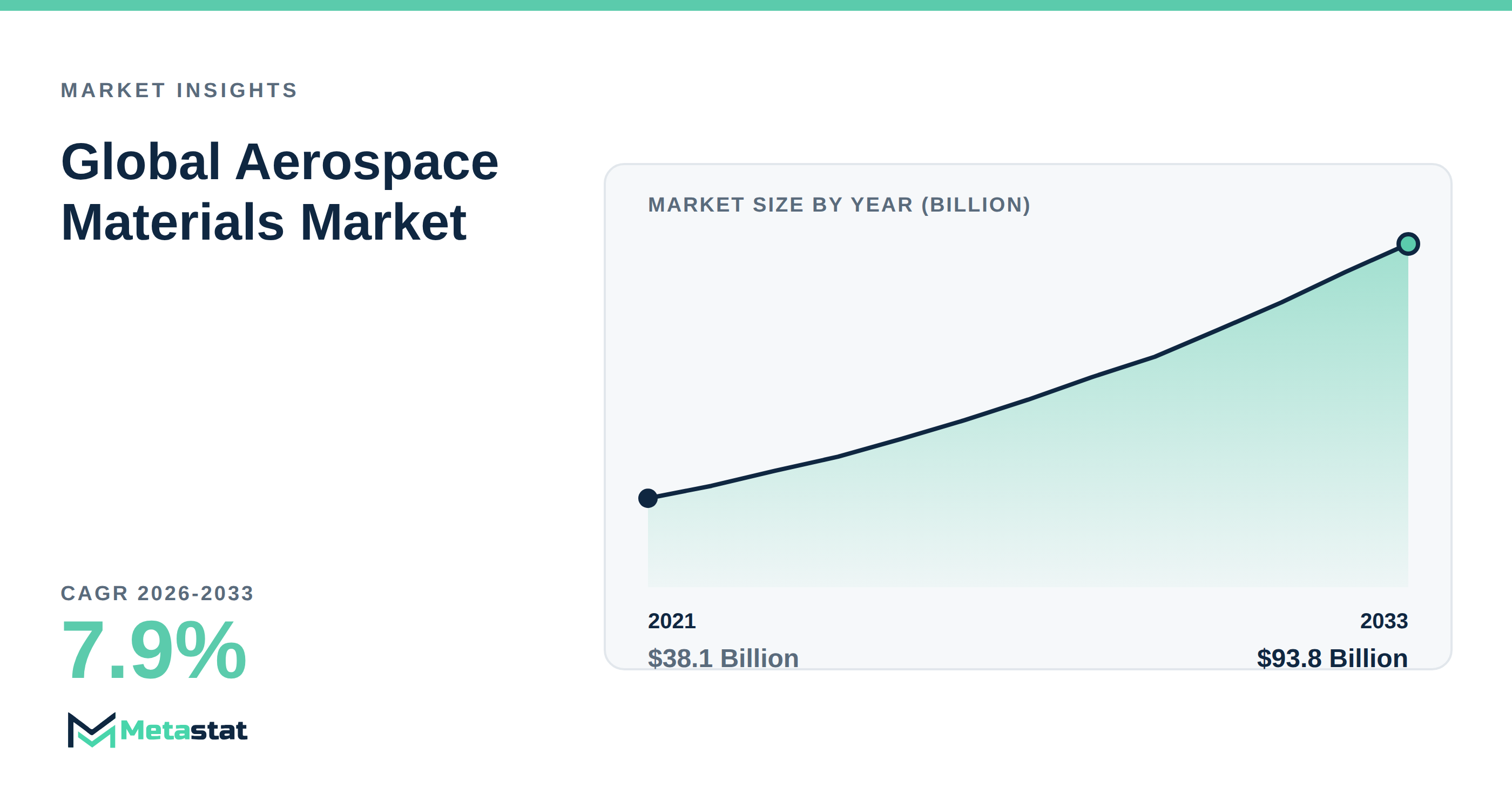
North America leads with a strong manufacturing base, accounting for 35.2% of demand in 2025. The United States is home to major aerospace manufacturers and a robust supply chain, which drives innovation and investment. The demand for advanced materials is fueled by commercial transport aircraft manufacturers and military agencies focused on upgrading fleets for enhanced performance and fuel efficiency. New model launches and fleet modernization continue to be significant triggers for purchases, placing North America ahead in the race for high-performance aerospace materials.
In contrast, Europe holds a significant share at 33.3%, supported by ongoing investments in both commercial and military aerospace sectors. Although the demand is substantial, key players face challenges related to economic fluctuations and regulatory pressures that slow growth compared to North America. The European market's demand is primarily influenced by the comply with stringent emissions regulations and safety standards, prompting the adoption of advanced materials that meet these requirements. This regulatory focus encourages innovation but raises costs for manufacturers.
Asia Pacific, while trailing at 24.4%, is witnessing rapid expansion driven by rising air travel and a growing middle class. Countries like China and India are investing heavily in their aerospace capabilities, resulting in increased production rates and the procurement of advanced materials. The shift in demand dynamics is significant, as Asian manufacturers prioritize cost-effective solutions while integrating lightweight materials to meet expanding operational demands.
One of the critical factors influencing regional demand is the focus on lightweight, high-performance materials. In North America, the shift toward advanced composites and alloys is robust, as airlines and manufacturers seek to enhance fuel efficiency and overall operational performance. This trend is supported by a competitive landscape that emphasizes continuous innovation and investment in new technologies. Aerospace materials that reduce weight and enhance durability are highly sought after, ensuring that North America remains a leader in material advancement.
In Europe, however, the push for lightweight materials is counterbalanced by the consideration of cost. While advanced alloys and composites are preferred, the high price point presents a challenge, particularly for smaller manufacturers. The emphasis on regulatory compliance delays the adoption of these innovations, as companies weigh the operational benefits against tight capital constraints. The divergence in approach results in slower growth in Europe compared to North America, where procurement strategies focus on securing long-term agreements that stabilize costs.
The engines and propulsion systems segment exemplifies the contrasting regional demands. North America sees substantial growth, reflecting the emphasis on aircraft performance and efficiency. In contrast, Europe’s growth rate is tempered by varying procurement cycles that depend heavily on national defense budgets and modernization initiatives. These differences highlight the need for suppliers to adapt their strategies based on regional dynamics, tailoring offerings to cater to specific market demands.
While the aerospace sector evolves, the divergence in regional demand for aerospace materials is expected to widen. North America’s focus on innovation and performance will likely lead to continued advancements in materials technology. In contrast, the European market experiences slower growth due to economic constraints and regulatory challenges. The Asia Pacific region, however, is anticipated to emerge as an important player, with increasing demand for both advanced and cost-effective materials as its aerospace capabilities expand.
Understanding these regional dynamics is critical for suppliers and manufacturers as they navigate the evolving landscape of Aerospace Materials. Strategic sourcing and material selection will play a crucial role in determining success in each region, shaping the future of the aerospace industry.
Tags
About the Authors

LEAD ANALYST
Utkarsh Khirodkar is a Lead Market Research Analyst at MetaStat Insight, specializing in market intelligence, technology sector assessments, and competitive strategy.

INDUSTRY CONSULTANT - CHEMICALS & ADVANCED MATERIALS
Chemicals and Materials · Machinery & Equipment · Packaging
Amit Gadhekar Consultant for Chemicals and Materials at MetaStat Insight, directing sector-specific intelligence, research, and strategic consulting across global chemical and processing markets.